
Growing Up Alone
Being an only child has its ups and downs. When you were young, it meant you had toys all to yourself, and you probably got exactly what you wanted for Christmas because your parents and grandparents didn't have to split the gift cost between you and other siblings. Your parents also likely deferred to your preferences all the time, given you were the sole golden child. But growing up as an only child wasn't always rainbows and sunshine. For one, because you were the center of attention, everything you did seemed to be spotlighted, from your grades to who you were friends with. Of course, though, only the only children can relate to all the hardships and the perks. Here are 10 annoying things you probably hated about growing up solo, and 10 advantages of not having siblings that kind of make it all worth it.

1. All the Attention Lands on You
When you're the only child in the house, your parents tend to notice everything you do. There isn't another sibling around to distract them from a disappointing grade, a bad mood, or the fact that you came home later than expected. That level of attention can feel supportive at times, but it can also make privacy difficult to come by.

2. You Have No One to Blame
A broken lamp, missing dessert, or unexplained mess becomes much harder to deny when you're the only possible suspect. You can't point toward another bedroom and suggest that your brother or sister might know something about it. Even when you truly aren't responsible, convincing your parents may require a surprisingly detailed defense.
3. Family Expectations Can Feel Intense
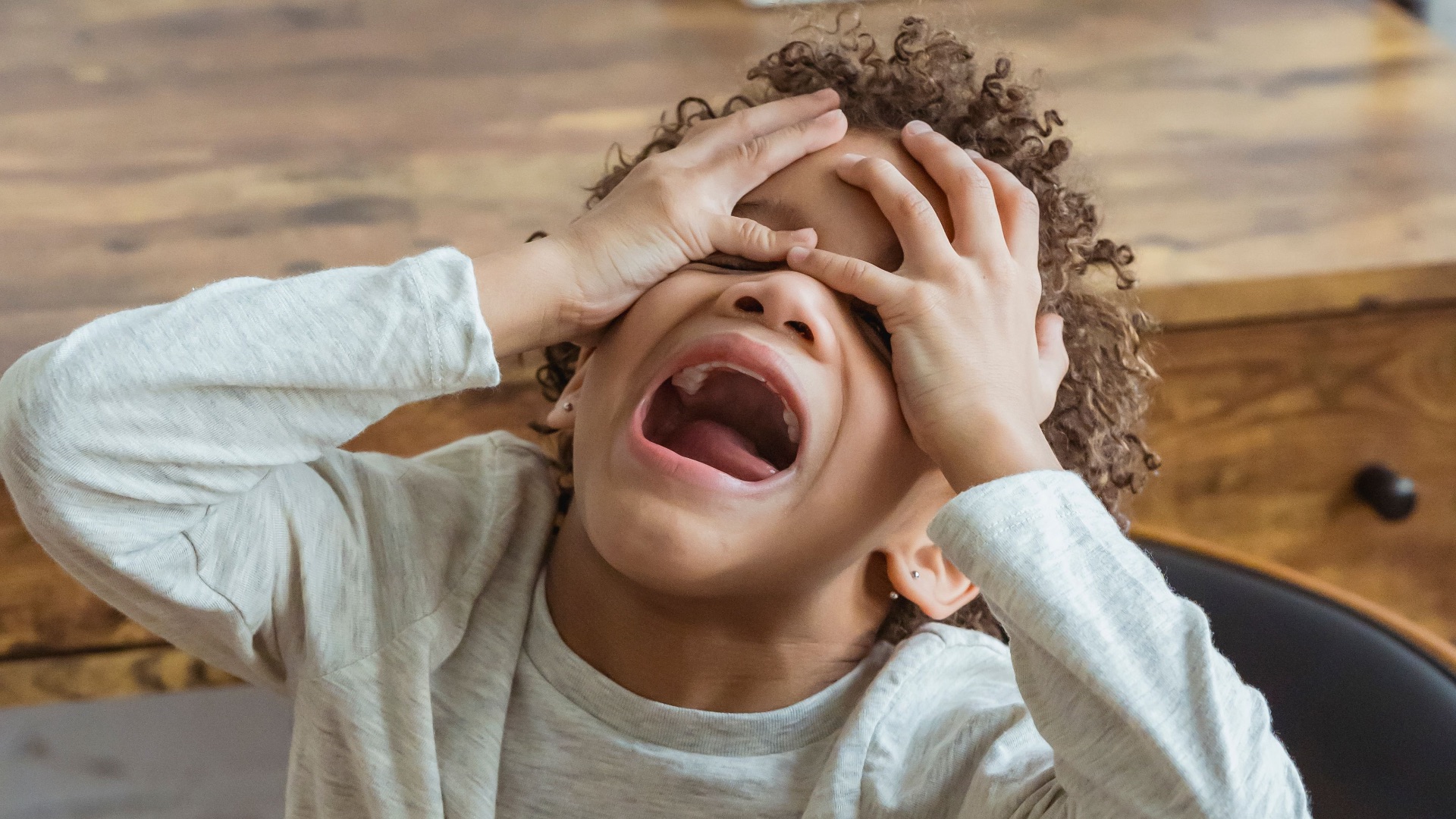
Parents sometimes place all their hopes, concerns, and ambitions onto their only child. You may feel pressure to succeed academically, choose a respected career, and make decisions that meet everyone's expectations. Without siblings to share that emotional weight, even ordinary choices can seem more significant than they should.
4. Vacations Can Get Boring
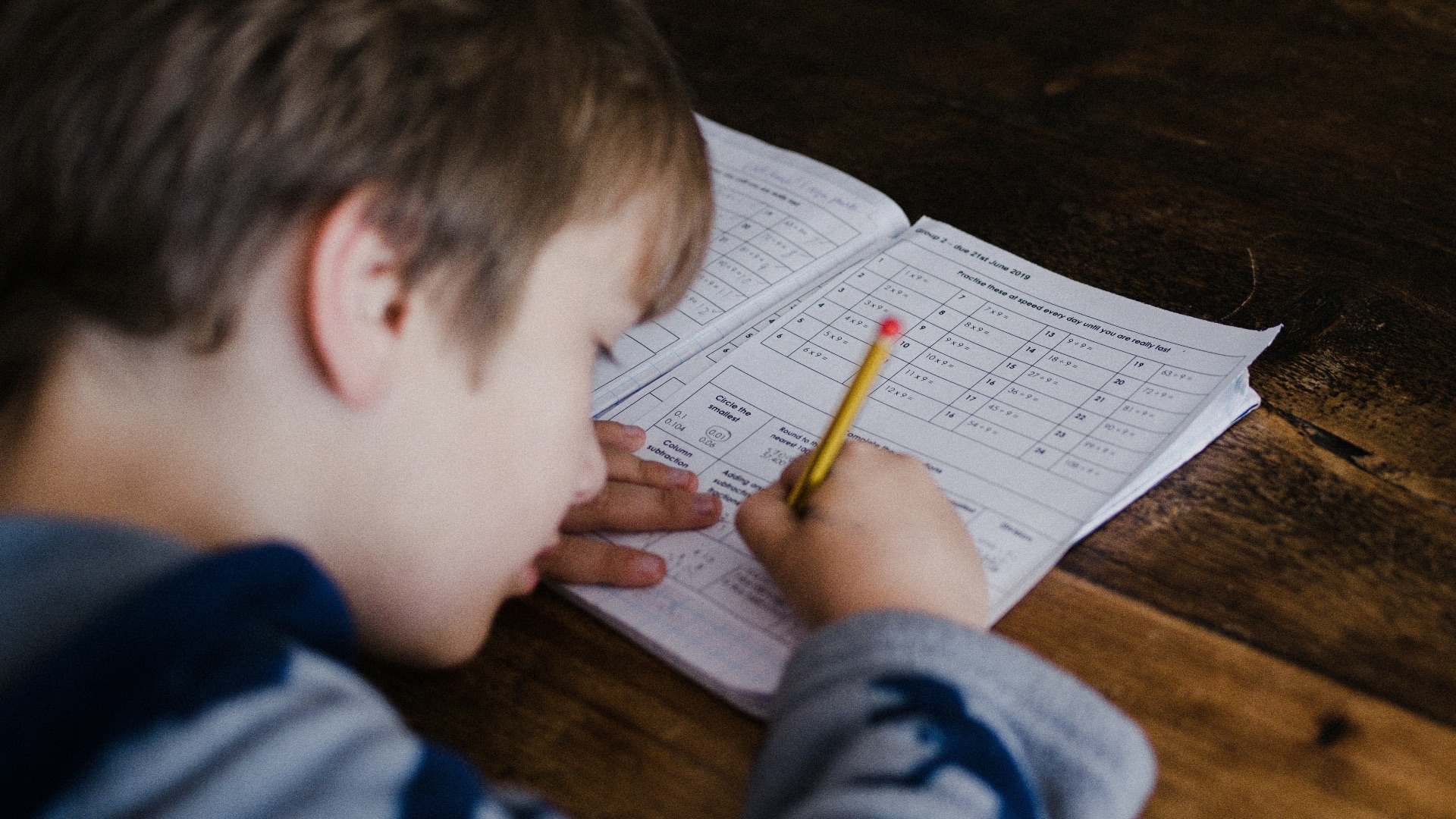
Family trips aren't always exciting when your only companions are adults who have very different ideas about entertainment. While your parents admire historical buildings or relax by the pool, you may find yourself wishing there were someone your own age to talk to. Bringing a friend can help, but that isn't always practical or affordable.

5. You Miss Out on Sibling Inside Jokes
Siblings often build a shared collection of memories, family references, and embarrassing stories that nobody else fully understands. As an only child, you may have cousins or close friends who fill a similar role, but they don't live through every household moment with you. Certain childhood experiences can feel more solitary when there's no peer beside you to remember them later.
 José Antonio Otegui Auzmendi on Pexels
6. Your Parents Know Your Friends Very Well
Since there aren't multiple children bringing people home, your social life can become a major source of interest for your parents. They may remember every friend's name, ask detailed questions about group plans, and notice immediately when someone stops coming around. Their involvement usually comes from care, but it can feel intrusive when you'd rather keep a few things to yourself.

7. Holidays Can Feel Less Exciting
Opening presents or celebrating traditions with siblings often adds an extra layer of energy to family holidays. When you're the only child, the morning may feel more orderly and move along much faster. You might receive plenty of attention and gifts, yet still wish there were another kid around to share the excitement.
8. You're Often Expected to Act Mature
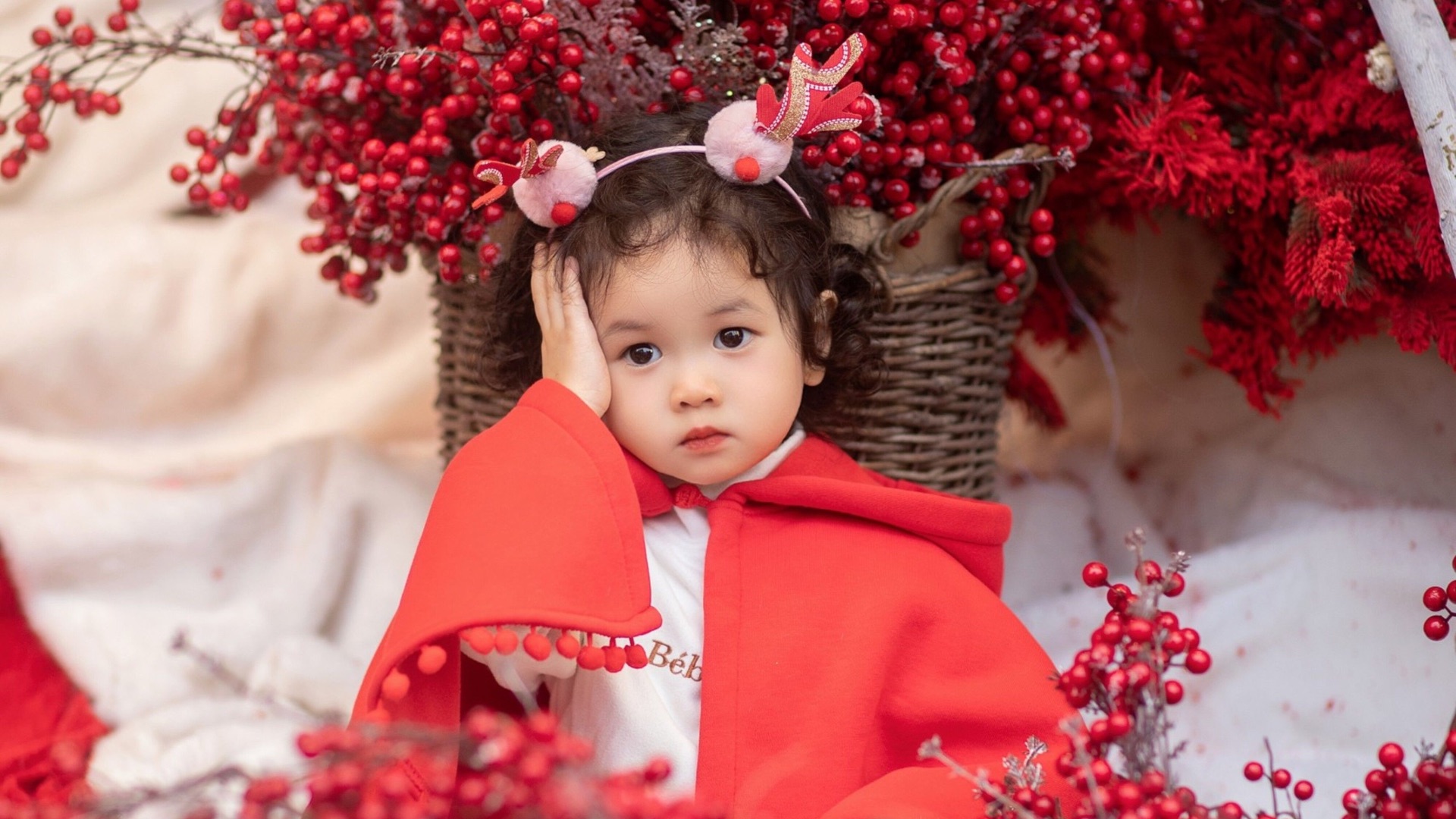
Only children spend a great deal of time around adults, which can lead parents to expect adult behavior sooner. You may be included in grown-up conversations and praised for being responsible, but that can also make normal childish behavior seem less acceptable. Sometimes you just want to be silly without being reminded that you should know better.

9. Caring for Aging Parents May Fall to You
As adulthood approaches, being an only child can raise serious concerns about the future. Decisions involving your parents' health, finances, or living arrangements may eventually become your responsibility alone. Friends and partners can provide support, but they may not carry the same history or emotional connection that a sibling would.

10. People Make Assumptions About Your Personality
Only children are often stereotyped as spoiled, bossy, sheltered, or unable to share. Someone may form an opinion about you before learning anything about how you were actually raised. Constantly disproving those assumptions can become frustrating, especially when people present them as harmless jokes.
Being an only child certainly has its difficult moments, but the experience isn't always defined by loneliness or pressure alone. Growing up without siblings still has its perks, so let's take a look at that next.

1. You Get More Personal Space
An only child rarely has to share a bedroom, desk, or closet with someone else. Your belongings generally stay where you leave them, and you can decorate your space without negotiating over every detail. Having a room that feels completely your own can make home life much more comfortable.
2. There's Less Competition for Attention
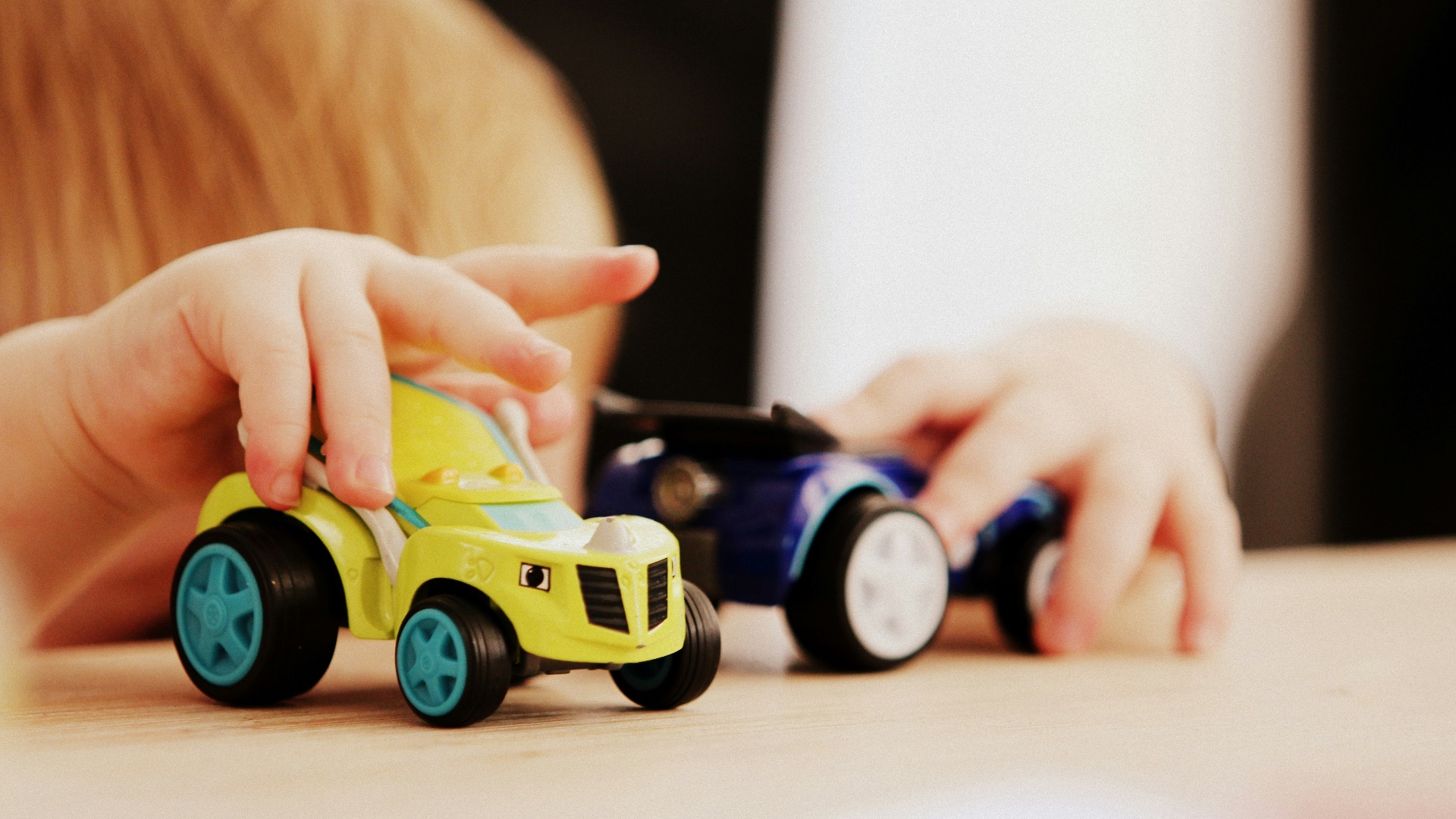
Although parental attention can sometimes feel excessive, it also means you don't have to compete for encouragement or support. Your achievements are less likely to be compared with those of an older or younger sibling. When you need advice, help, or reassurance, your parents are usually able to focus directly on you.

3. You Don't Have to Share Everything
Snacks, electronics, clothes, and birthday gifts are much safer when no sibling is waiting to borrow them. You won't open the refrigerator and discover that someone ate the food you'd been saving all day. Sharing remains an important skill, but at least you can usually choose when and with whom to practice it.
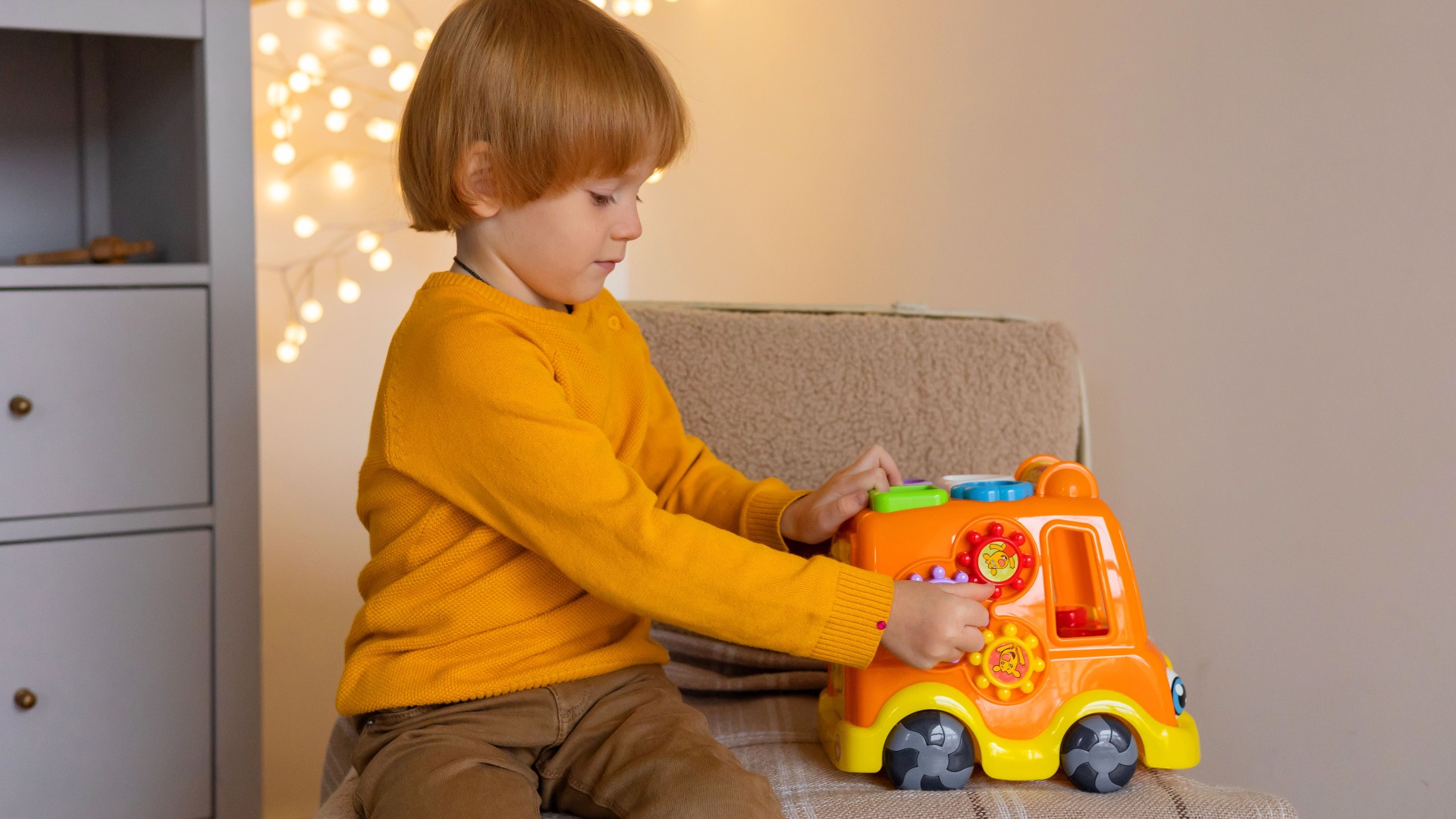
4. The House Is More Peaceful
Sibling arguments can become a constant feature of daily family life, whether they're about chores, boundaries, or who used whose charger. As an only child, you avoid most of that household conflict. Disagreements with parents still happen, of course, but there isn't another young person creating additional tension in the next room.
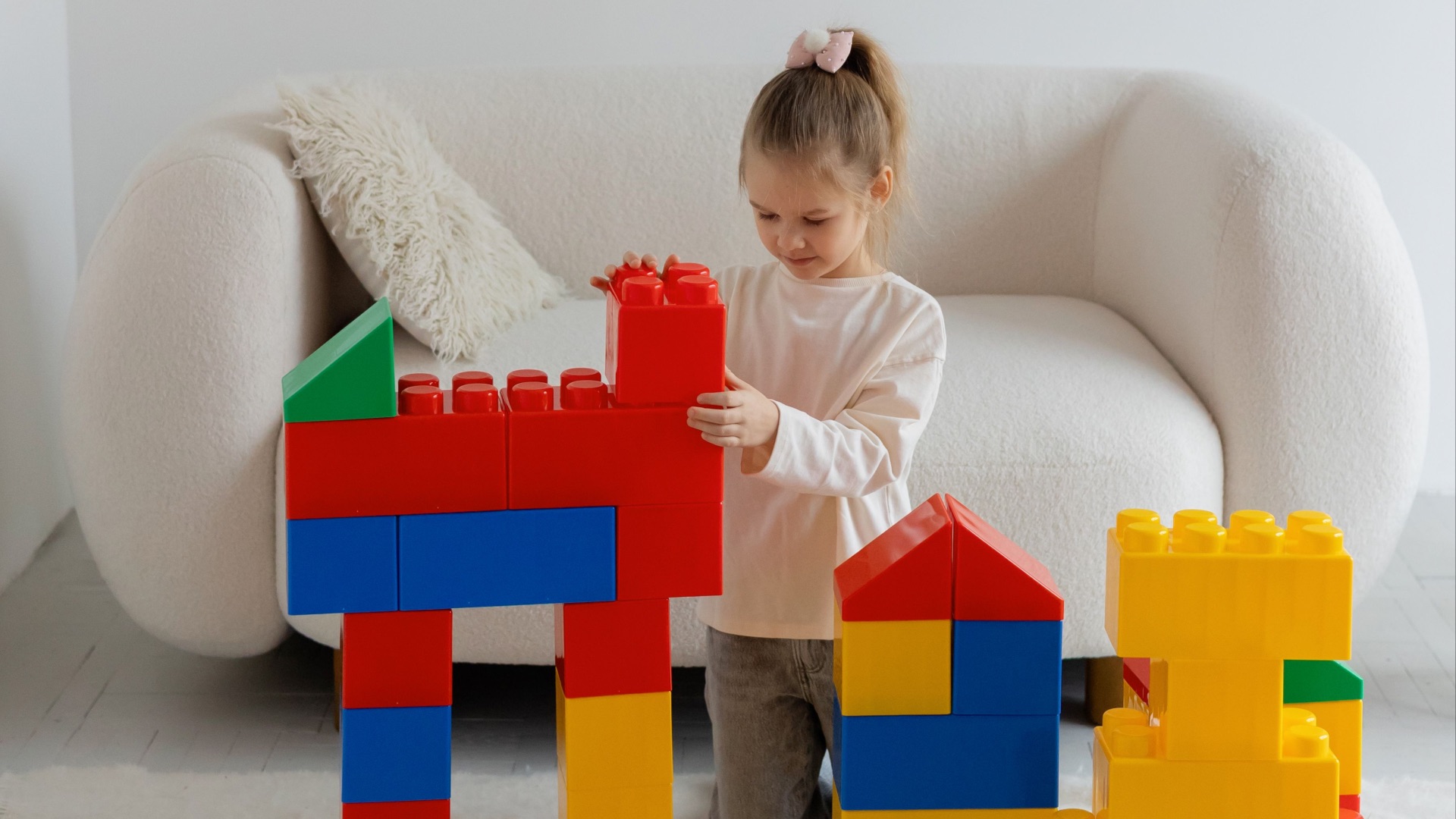
5. Family Plans Often Defer to Your Preferences
Choosing a restaurant, vacation activity, or movie becomes easier when parents only need to account for one child's interests. You may not always get your first choice, but your opinion can carry more weight than it would in a larger family. Plans also involve fewer compromises because nobody has to satisfy several competing age groups.
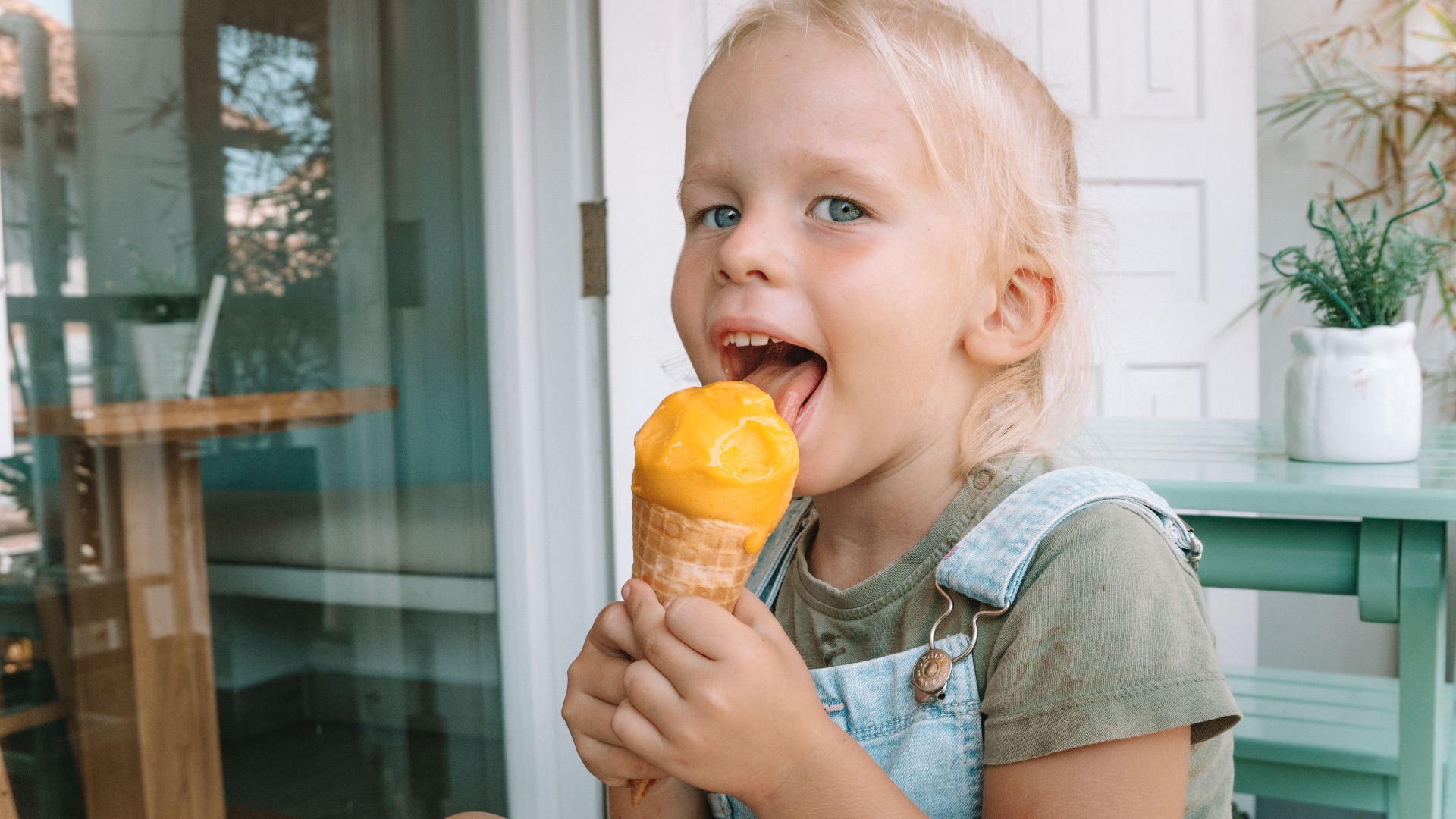
6. You May Become Comfortable Around Adults
Spending more time with parents and their friends can strengthen your communication skills from an early age. Many only children learn to join adult conversations, speak confidently, and enjoy their own company. Those abilities can be useful later in professional settings where maturity and independence are valued.

7. You Can Build Strong Friendships
Without siblings at home, friendships may become especially important and meaningful. You might put more effort into staying connected, resolving disagreements, and creating a close circle that feels dependable. Friends aren't replacements for siblings, but they can become a chosen support system that lasts well into adulthood.
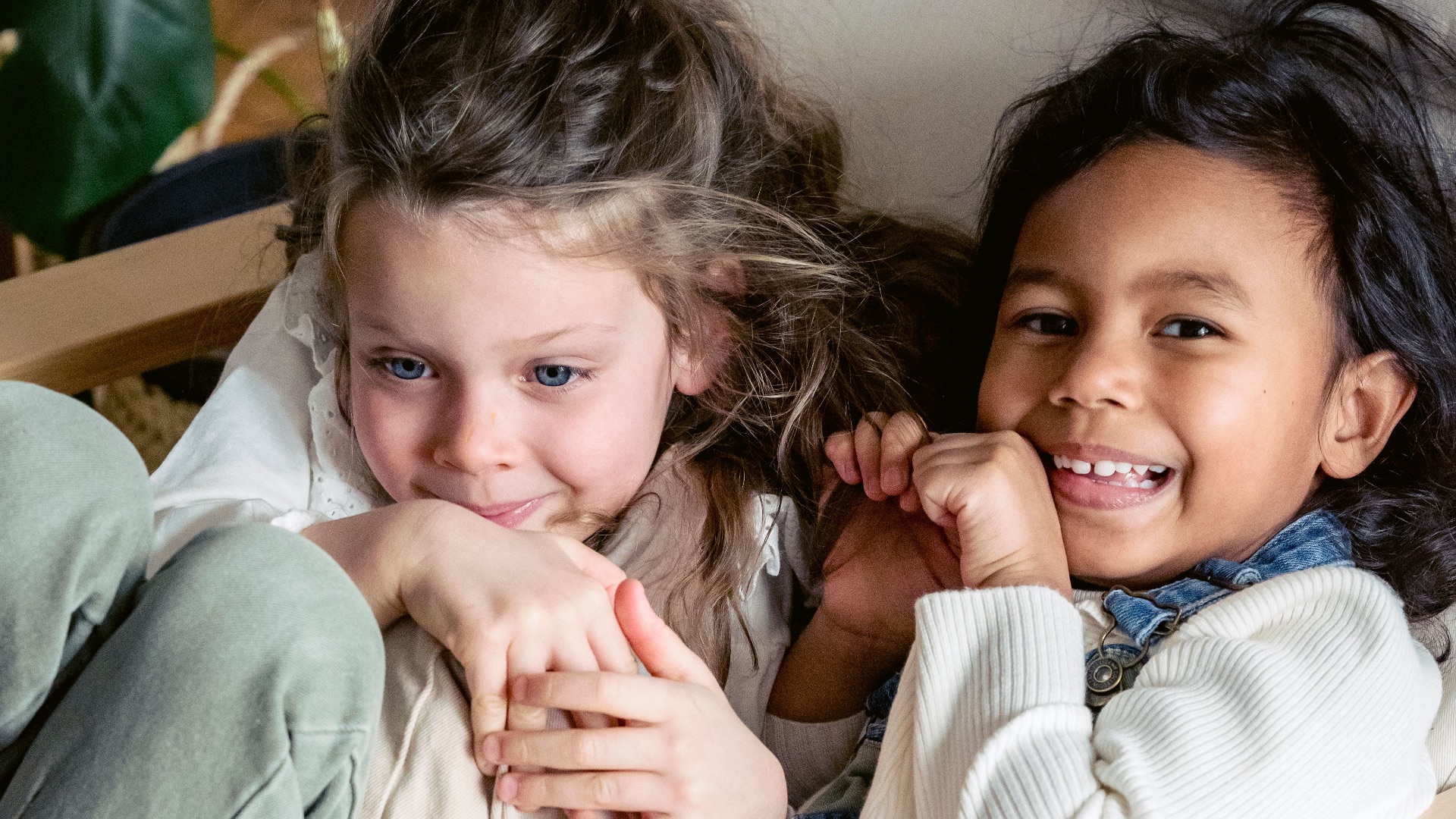
8. Educational Resources Aren't Divided
Books, tutoring, extracurricular activities, and college savings can be expensive when parents are supporting several children. In a one-child household, those resources don't have to be spread across multiple people. This doesn't guarantee unlimited opportunities, but it can make certain lessons, programs, or experiences more accessible.

9. You Learn to Entertain Yourself
Only children often become skilled at finding things to do without depending on someone else. Reading, drawing, gaming, building projects, or inventing solo activities can encourage patience and creativity. Being comfortable alone doesn't mean you're antisocial; it simply means boredom isn't always someone else's job to solve.
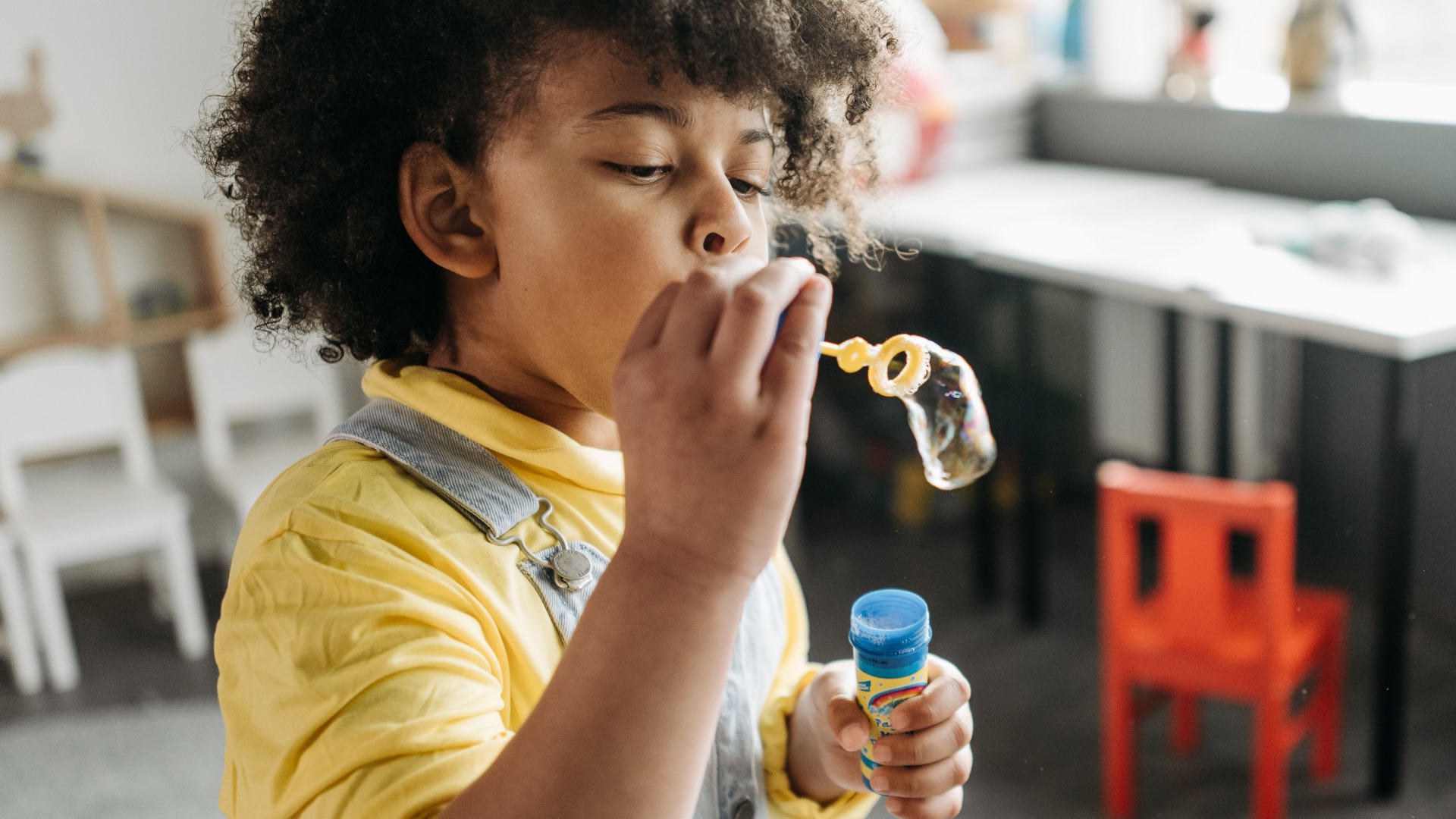
10. You Might Feel Closer to Your Parents
Growing up as the sole child can create a particularly strong bond with one or both parents. You may spend more one-on-one time together, develop shared interests, and communicate openly as you get older. Like any family relationship, it requires healthy boundaries, but the closeness can remain one of the best parts of being an only child.