
A Few Simple Changes
A workspace can wear you down through small problems that keep showing up every day. An uncomfortable chair, harsh glare, nonstop alerts, stale air, and a crowded desk can make ordinary tasks feel more tiring than they should. You don’t need expensive furniture, a complete room makeover, or perfectly matched accessories to improve the space. A few practical changes can make you more comfortable, cut down on distractions, and help the workday feel less draining. These 20 ideas can make your workspace a friendlier place to spend your time.

1. Adjusting Your Chair
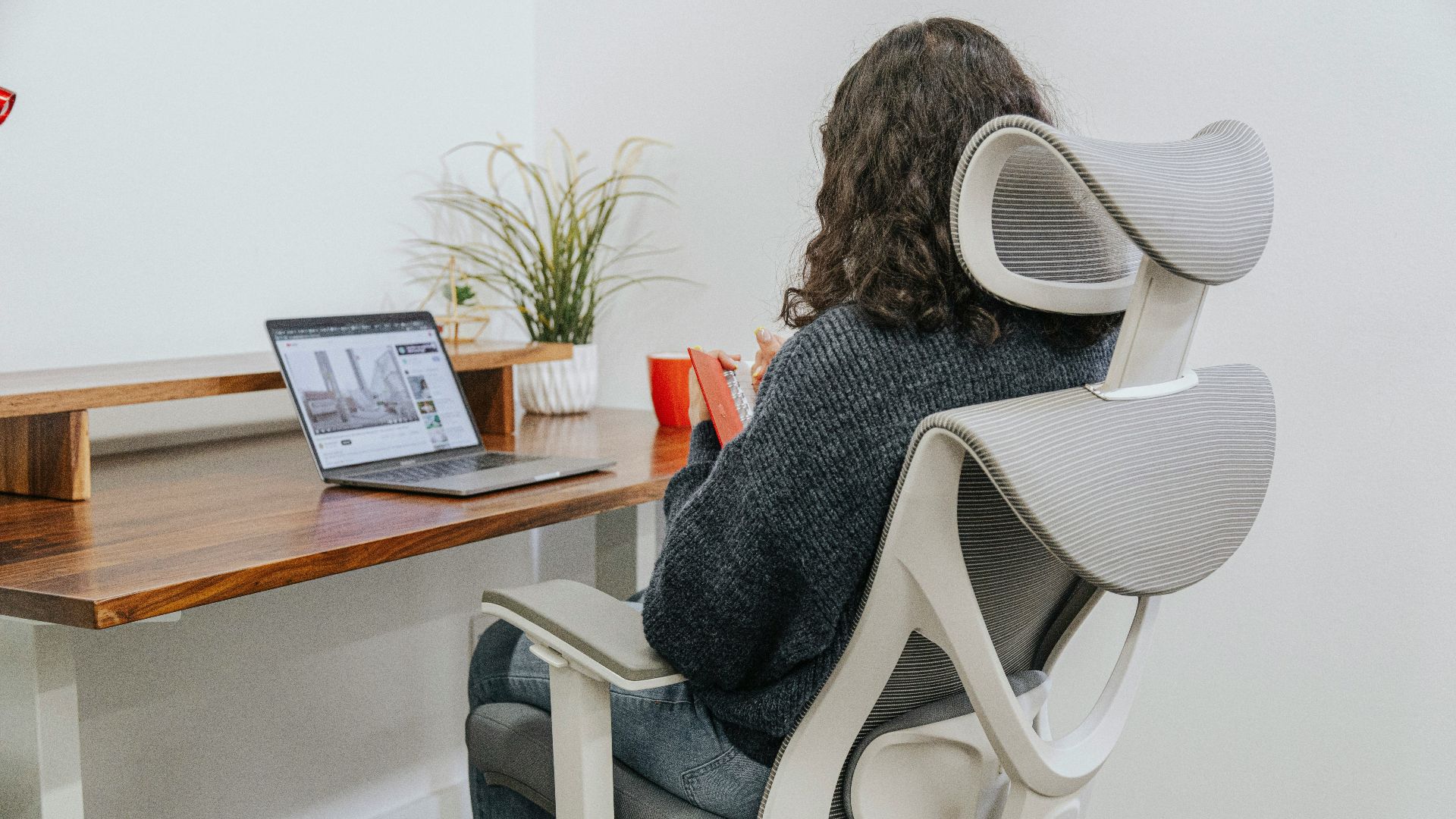
Start with your chair before buying organizers, lamps, or decorations. Set it up so your feet rest flat on the floor or on a footrest, your lower back feels supported, and your shoulders stay relaxed while you type. If the chair won’t adjust, a small cushion or rolled towel can give your lower back some extra support.
2. Move Your Monitor
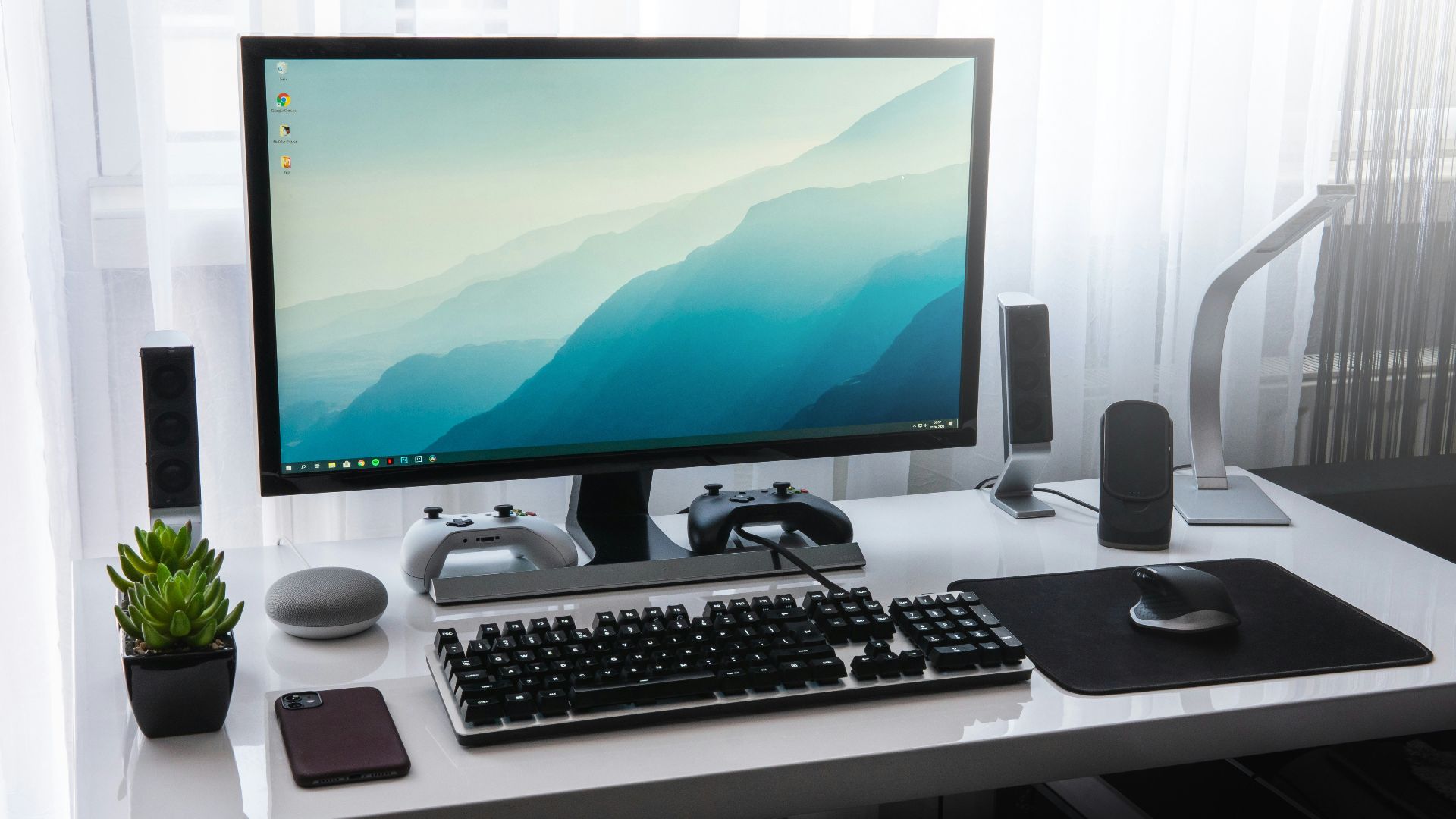
A low screen can leave you bending your neck and leaning toward the desk without noticing. Place the monitor directly in front of you, at least 20 inches away, with the top of the screen around eye level or slightly lower. A sturdy monitor stand works well, though a stable stack of books can also raise it safely.
 Sebastian Bednarek on Unsplash
3. Screen Glare
Bright reflections can lead to eyestrain, headaches, and uncomfortable working positions as you shift around to see the screen. Set the monitor at a right angle to nearby windows instead of facing the glass or placing it directly behind you. Blinds, curtains, and an adjustable lamp can help as the light changes during the day.

4. Get More Daylight
Daytime light helps support your natural sleep and wake cycle, and it can make a workspace feel more open. Move your desk closer to a window when you can, while keeping direct sunlight off the screen. If the furniture can’t move, take a break near a bright window, eat lunch outside, or step outdoors for a few minutes.
 Alexandra Lowenthal on Unsplash
5. Add A Plant
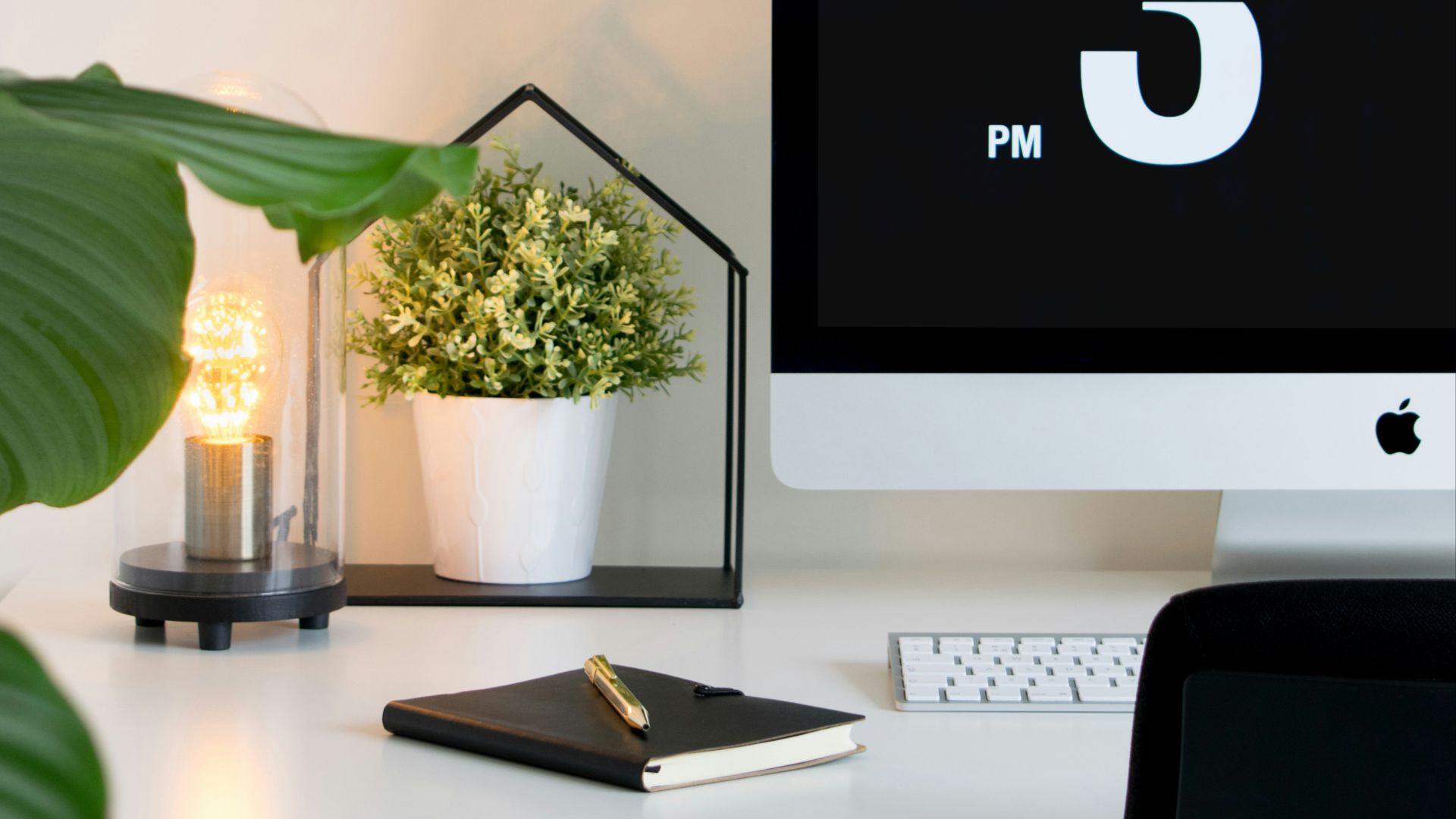
A plant can make a plain workspace feel softer and more welcoming. Choose one that suits the room’s light and the amount of care you’re honestly likely to give it. One healthy plant will look much better than several neglected ones.
6. Improve Your View
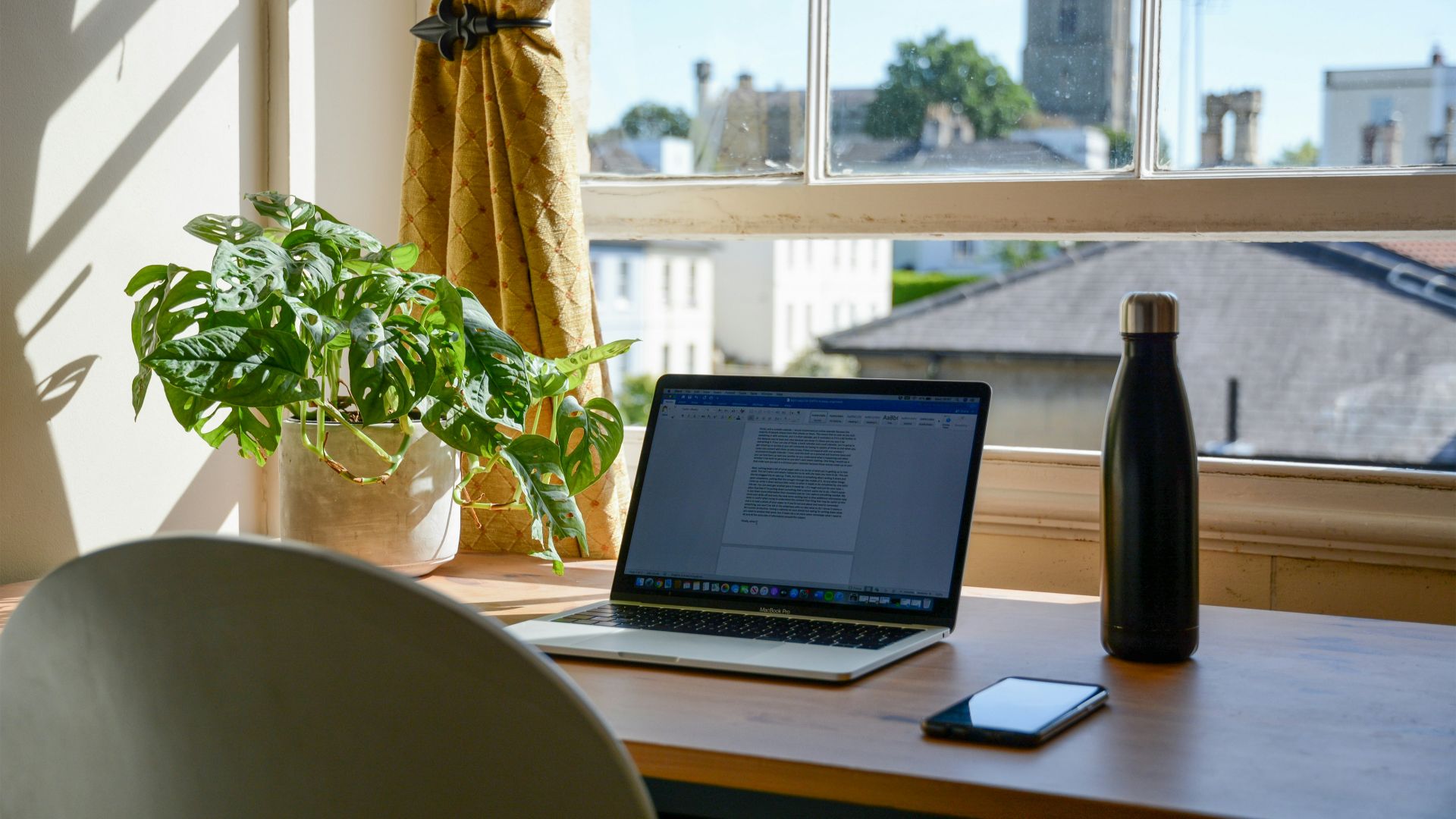
A natural view gives your eyes a break from screens and enclosed office spaces. Plenty of windows face parking lots, nearby buildings, or air-conditioning equipment, so the view may not offer much relief. A landscape print, travel photo, wooden accessory, or calming desktop image can give you something more pleasant to look at.
7. Add Something Personal
Personal items can make a workspace feel familiar. Display a photograph, postcard, small souvenir, favorite mug, or another object tied to a person, place, or memory you care about. Keep the collection small, though, so the things you enjoy don’t turn into more clutter around your desk.
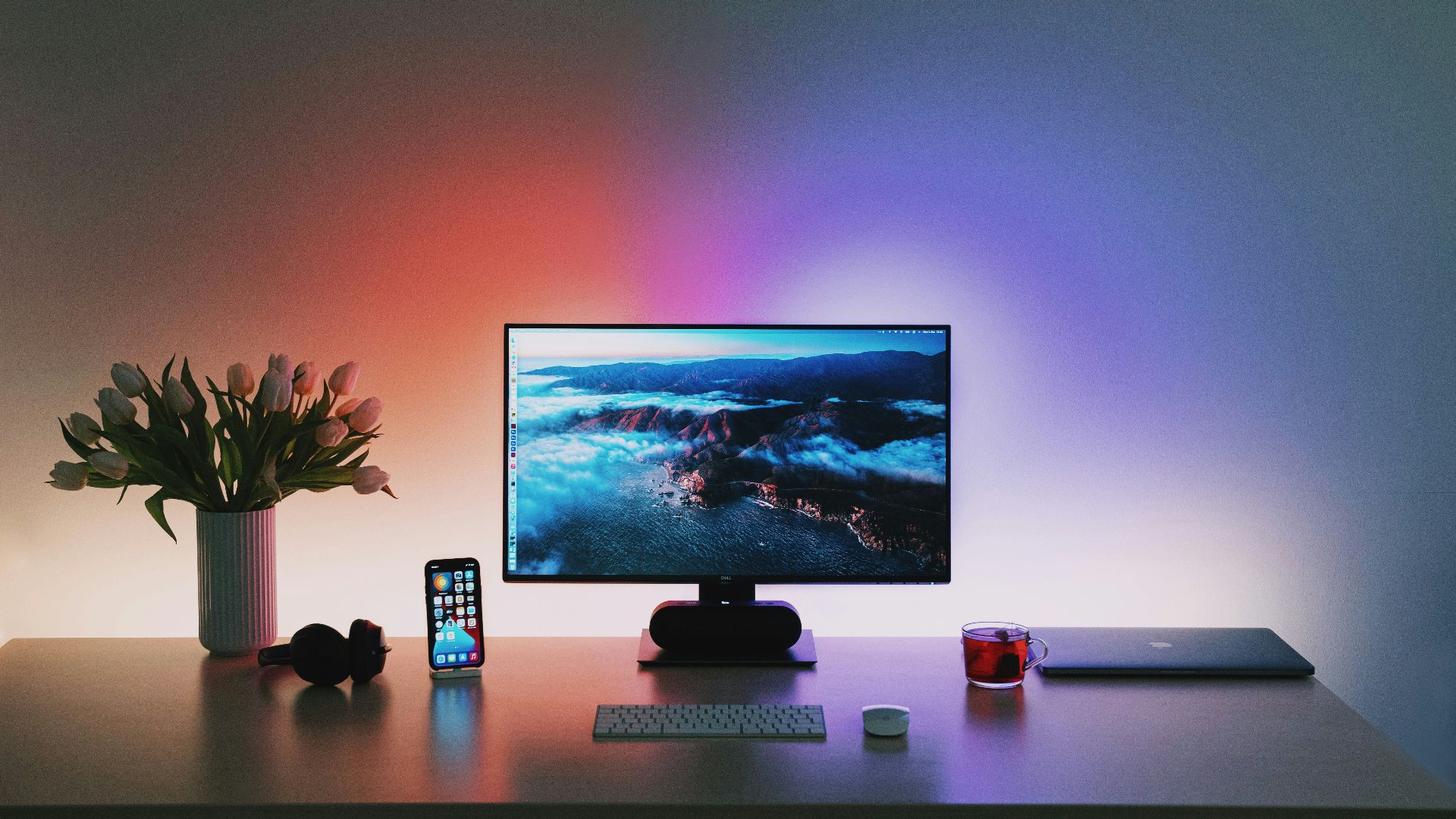
8. Clear The Space
A crowded desk can make it harder to settle into the task you’re trying to finish. Start with the area around your monitor and keyboard, and remove anything you don’t need right now. The desk doesn’t have to be empty, but some open space keeps papers, cups, cords, and unused notebooks from filling your view.
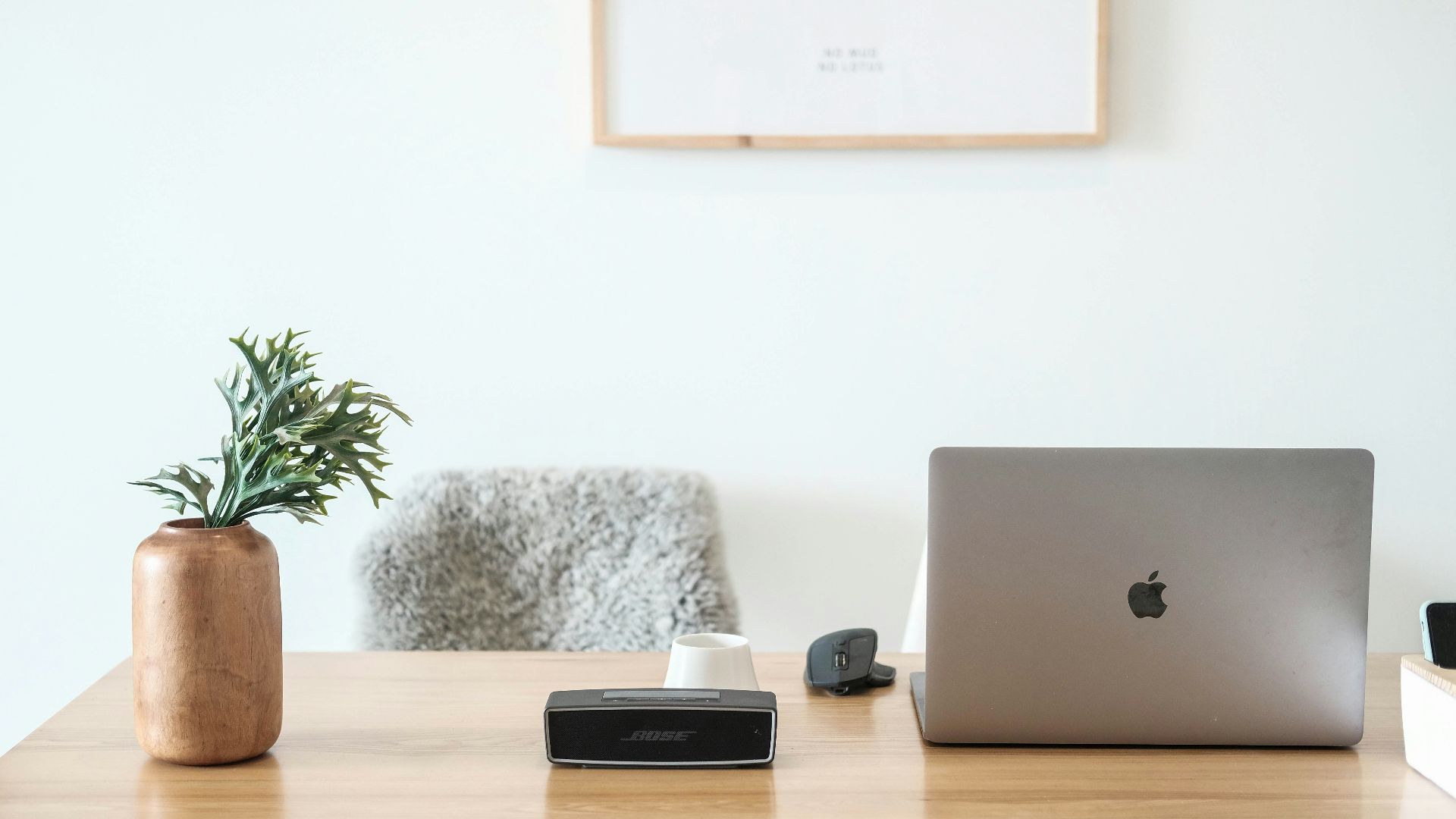
9. Reset Your Desk
A quick cleanup at the end of the day can make the next morning feel much easier. Throw away trash, return loose items to their places, close tabs you don’t need, and write down the first task for tomorrow. If you work from home, close the laptop and put away work materials when the space allows.
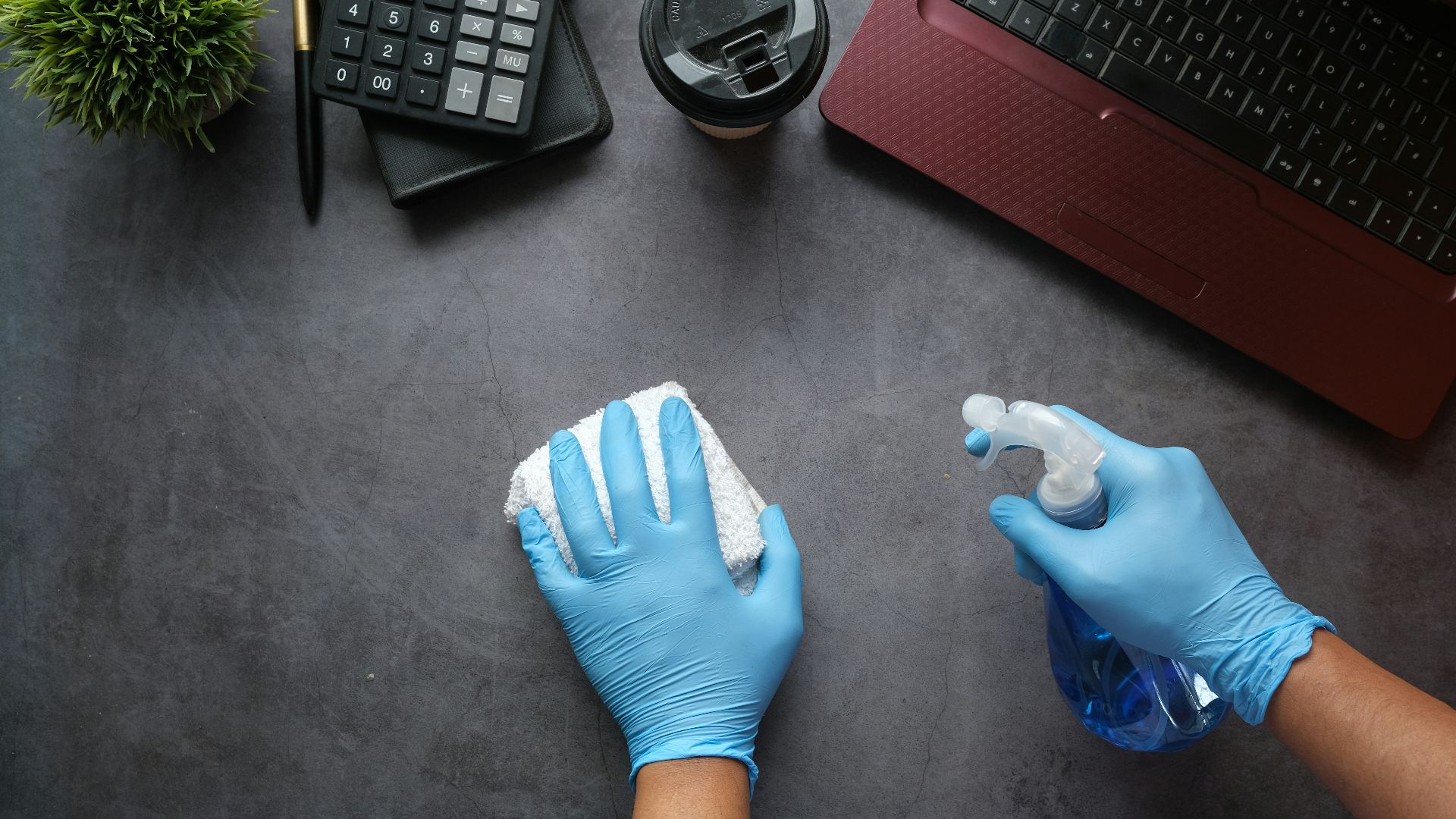
10. Create Work Zones
Give different parts of your desk a clear purpose. You can keep the computer in the center, use one side for handwritten notes, and place unfinished paperwork in a tray. Even a small desk can support a few useful zones, and you won’t have to move the same pile every time you need room to write.
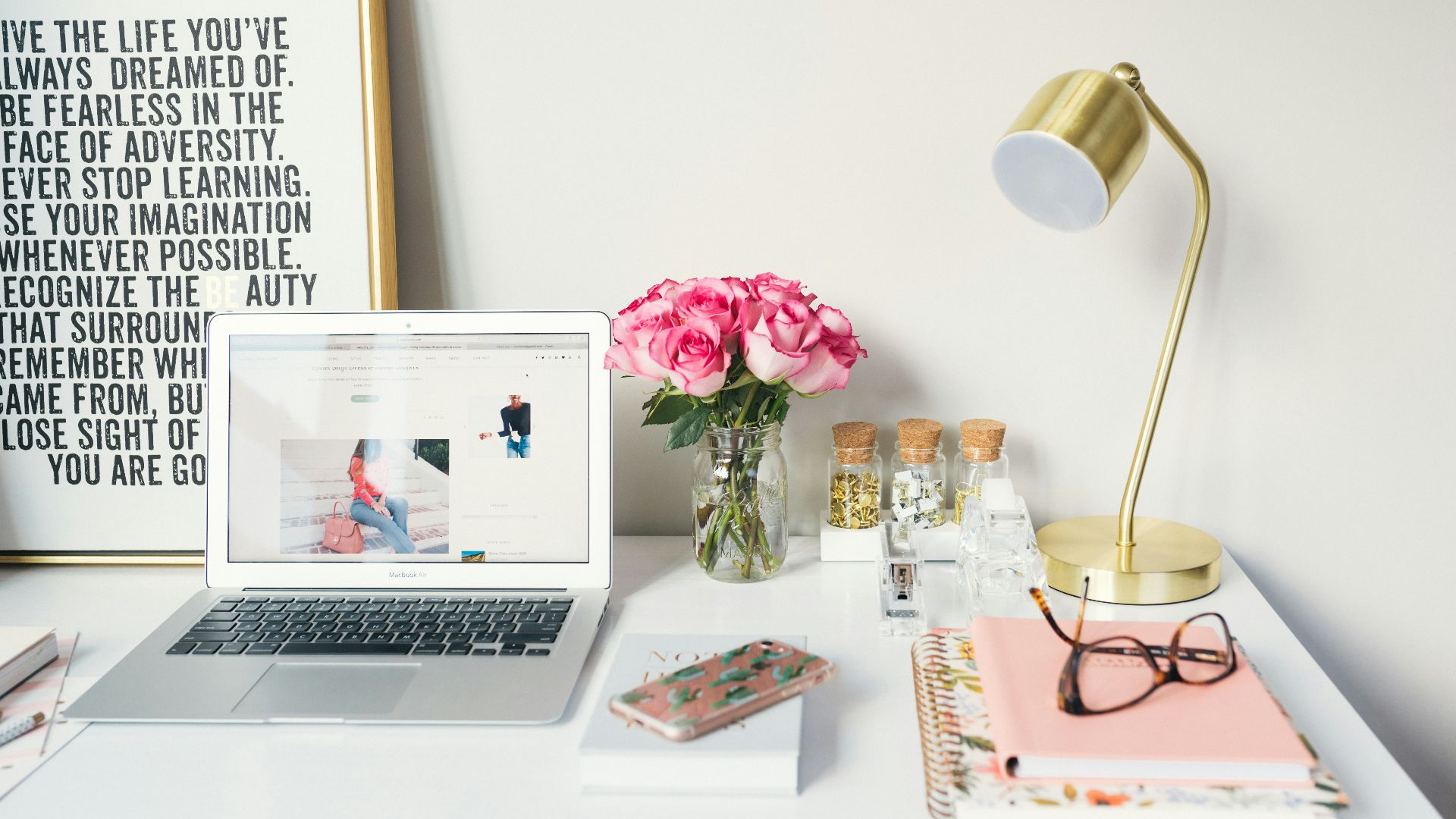
11. Avoiding Noise
Phones, conversations, keyboard clatter, traffic, and household sounds can make it hard to concentrate. Headphones, earplugs, a fan, or white noise may help, depending on where you work and what you’re doing. At home, rugs, curtains, and fabric furniture can also soften some of the echo in the room.

12. Show That You’re Busy
Interruptions are harder to manage when the people around you can’t tell that you’re trying to concentrate. A closed door, headphones, desk sign, or calendar status can show that you’re temporarily unavailable.
 Christina @ wocintechchat.com M on Unsplash
13. Turn Off Alerts
Constant notifications can pull your attention away from whatever you’re doing. Switch off alerts from apps that don’t need an immediate reply, and move distracting programs away from your main screen while you work. Check email at planned times when your job allows it, while leaving urgent communication channels open.
14. Air Quality
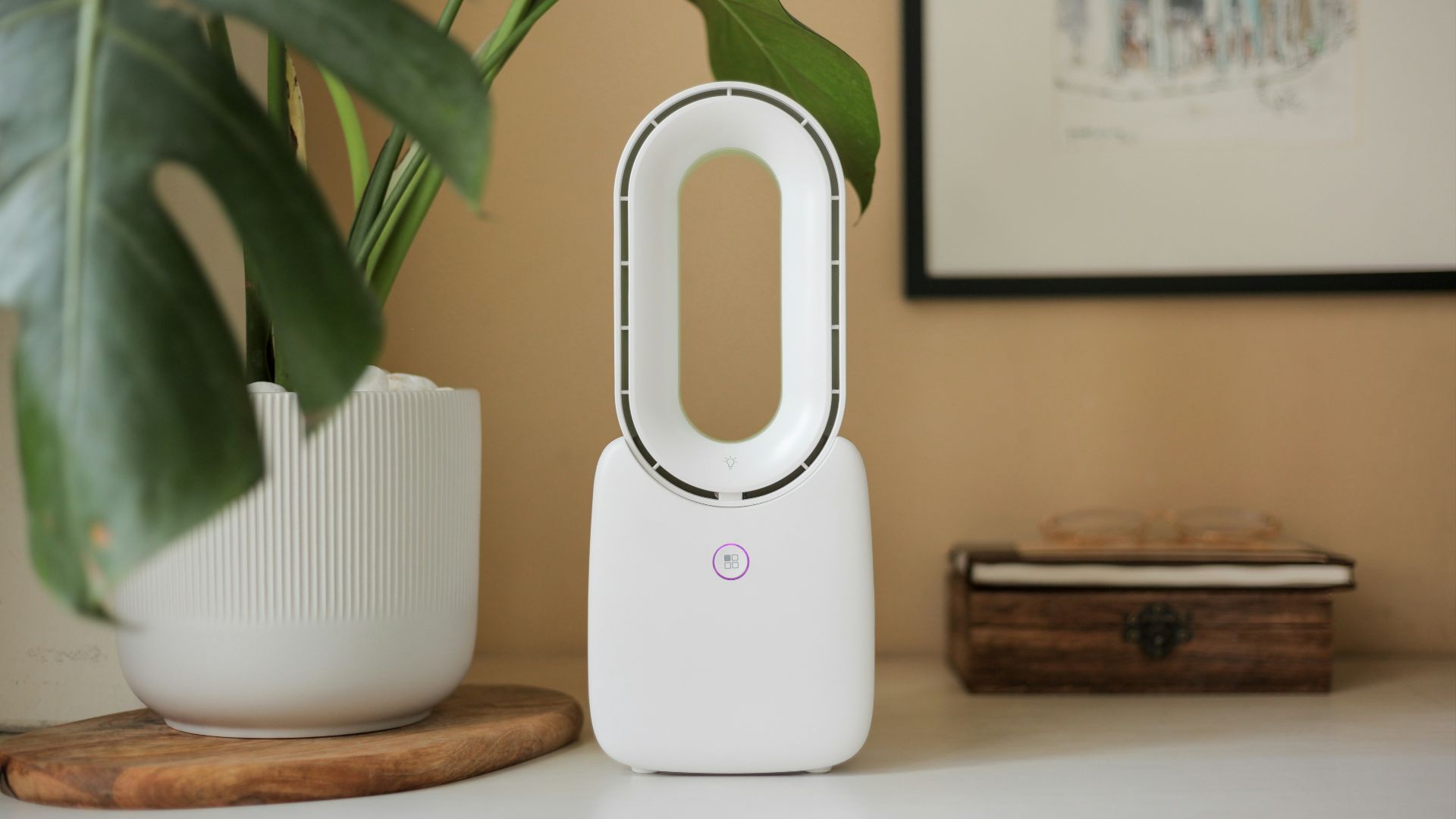
Stuffiness, dust, moisture, odors, and poor airflow can make a workspace uncomfortable. Don’t block vents, replace home filters as directed, and open a window when the weather and outdoor air make that reasonable. In a shared workplace, report ongoing smells, leaks, water damage, or ventilation problems.
15. Keep Strong Scents To A Minimum
Perfumes, scented cleaners, sprays, and plug-in air fresheners can cause problems for people with asthma or fragrance sensitivities. Shared spaces are usually more comfortable when strong smells are kept under control.
 Ulysse Pointcheval on Unsplash
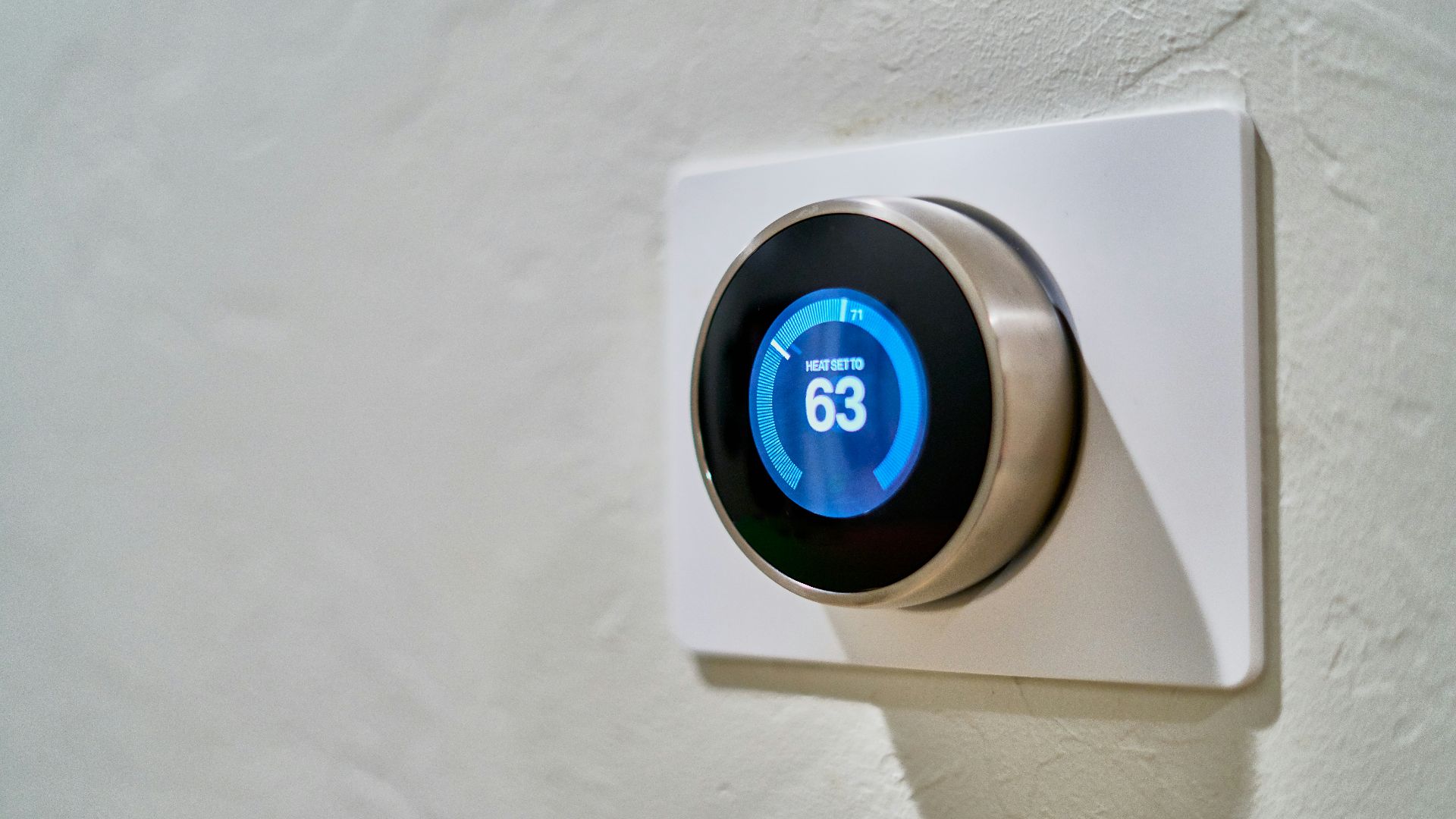
16. Prepare For Temperature Changes
Office temperatures rarely suit everyone at the same time. Keep a light sweater, breathable layer, or small blanket nearby, or use a personal fan to cool down. Layers give you some control without starting another thermostat disagreement.
17. Change Positions
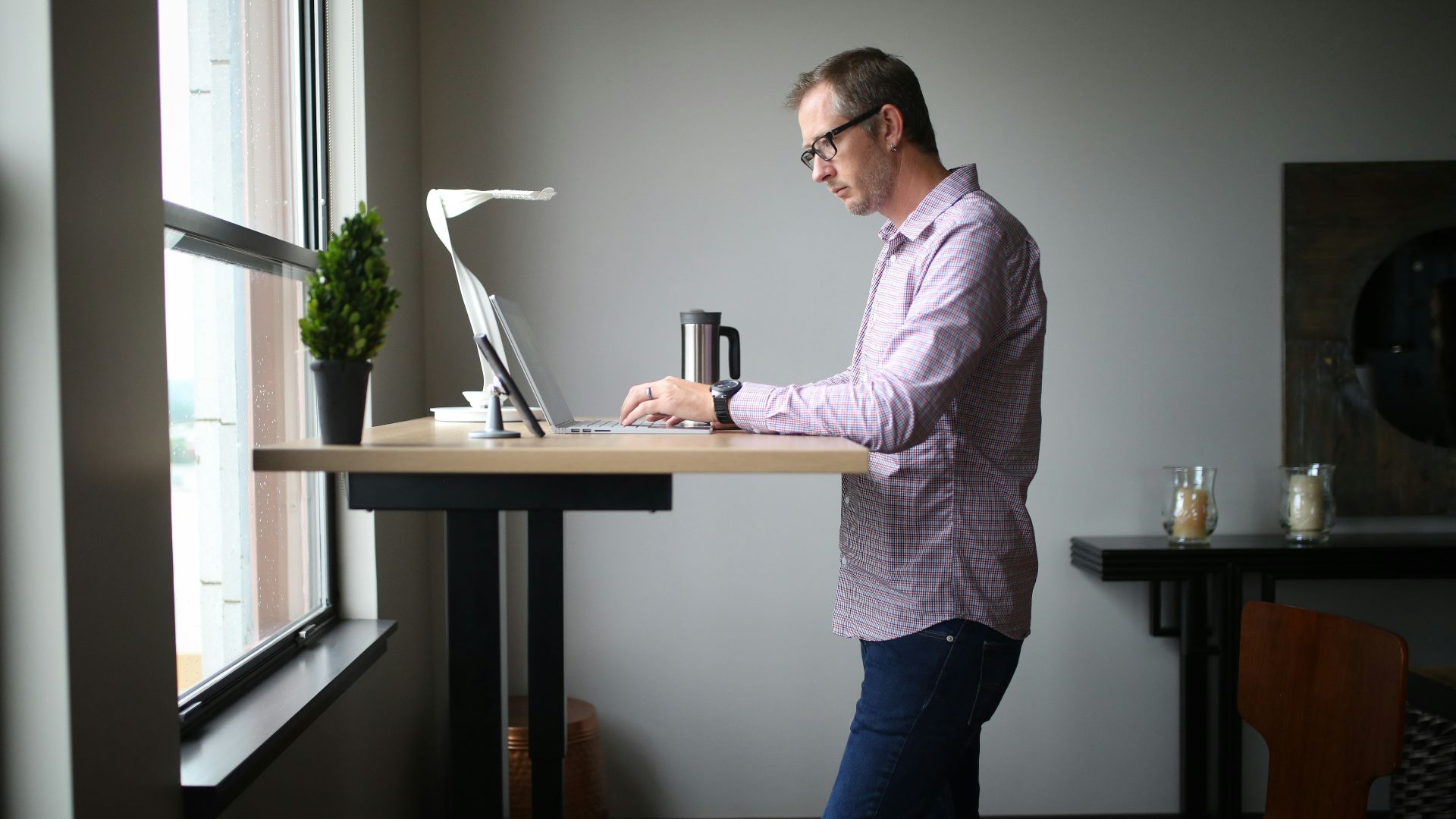
A standing desk can help you spend less time sitting, but standing in one place all day isn’t the goal. Move between sitting and standing, and switch before either position becomes uncomfortable.
18. Build Movement Into Your Routine
Short periods of movement are easier to keep up when they’re part of things you already do. Walk to refill your water, take the stairs when practical, stand while reading notes, or visit a coworker at their desk. These habits can break up long stretches of sitting.

19. Take A Break
Brief breaks can reduce tiredness and help you return to work with more energy. Step away from the screen, stretch, make tea, water your plant, or look outside instead of jumping straight to another busy feed. Moving from a spreadsheet to stressful news may change the screen, but it won’t always give your attention a rest.
20. Take A Walk
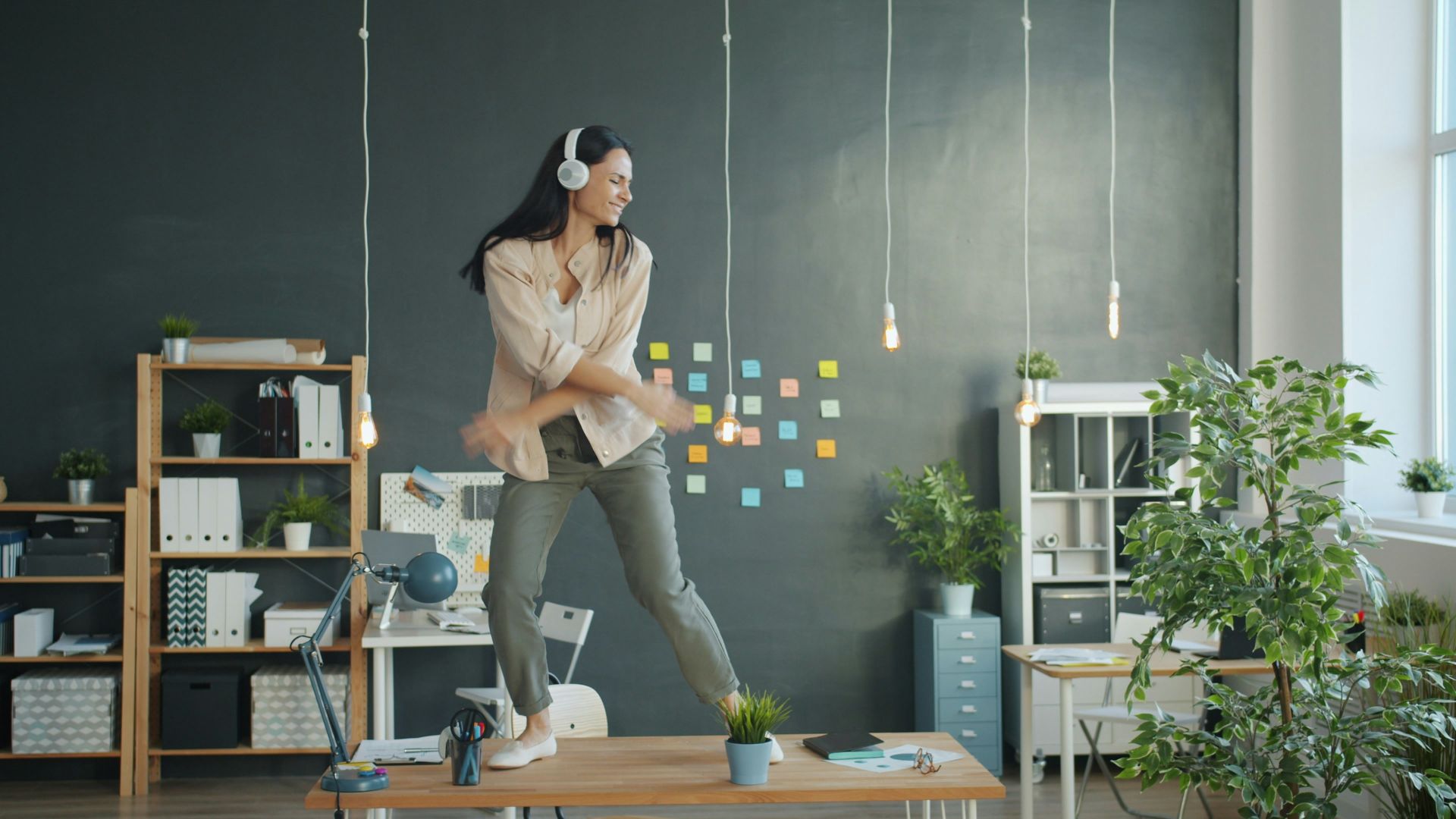
Walking can help new ideas come more easily during the walk and shortly afterward. Use a short walk when you’re brainstorming, outlining, or trying to find a new angle, rather than when you need to finish detailed work. You can walk indoors or outside, and a notebook or voice memo can help you save useful thoughts.