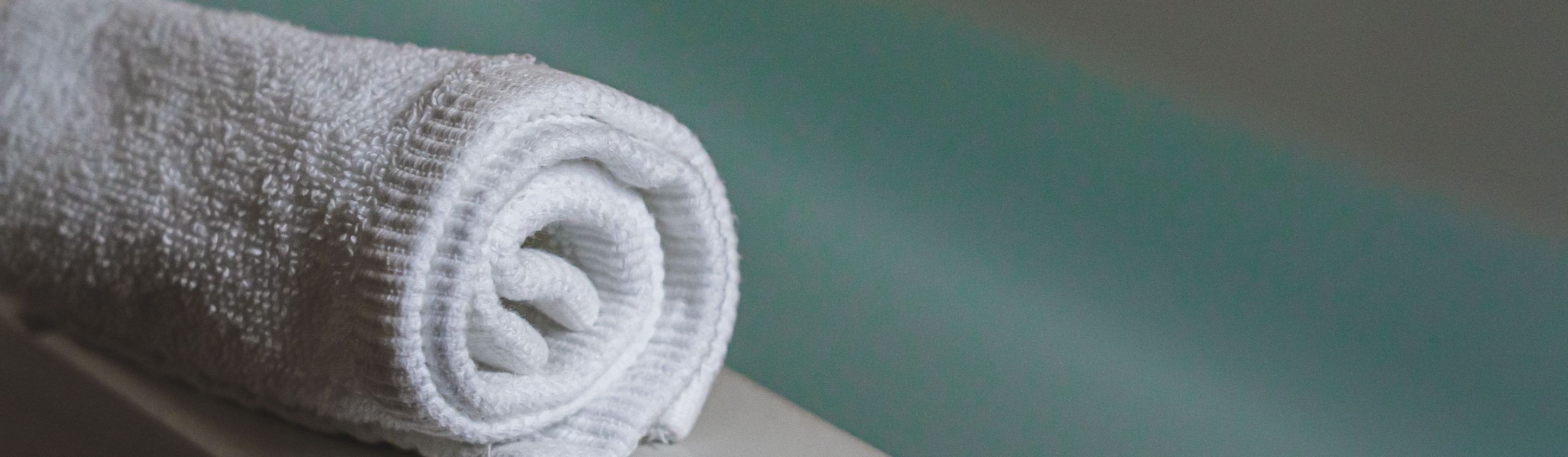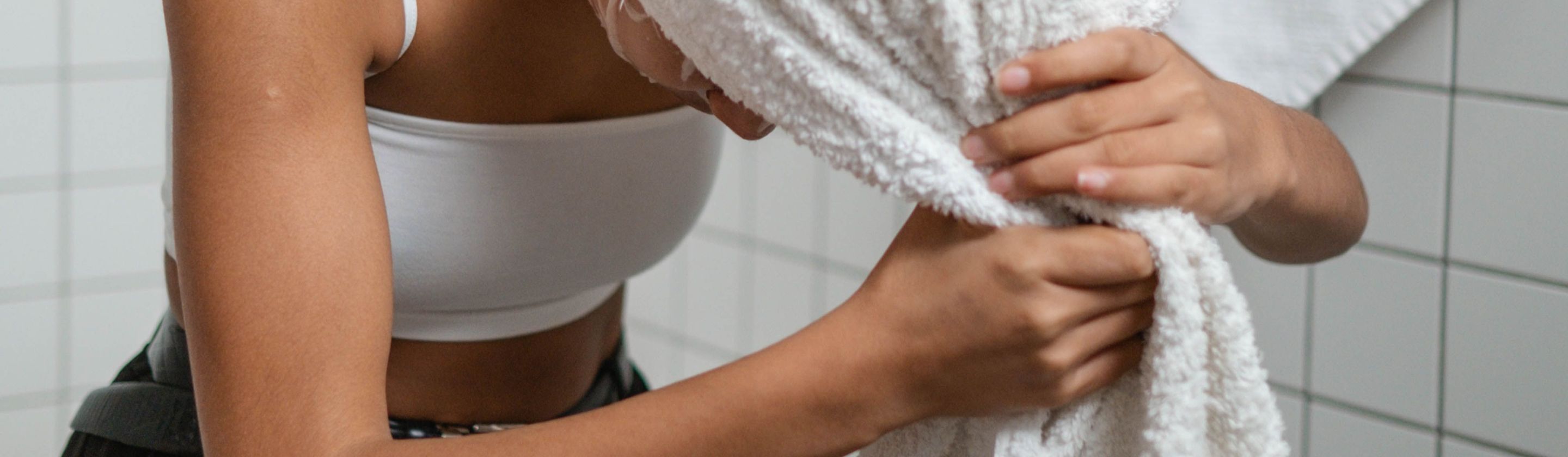

Ask around and almost everyone has a story about the towel moment. A friend's shower breaks down, or you crash at someone's place after one too many drinks, and there it is, folded on the edge of the sink, offered without much ceremony. Taking it should feel like nothing. It's fabric. It's been washed. And yet something about pressing someone else's towel against your face makes the whole interaction feel closer than it has any right to.
Part of this comes down to plain biology, and part of it comes down to something stranger that psychologists have actually spent time studying. The short version is that a towel sits in a category of object the brain doesn't process like a borrowed umbrella or a shared armrest. It gets filed somewhere closer to skin.
The Body Treats Proximity As Information
Anthropologist Edward T. Hall spent years mapping how humans instinctively divide space around themselves into zones, publishing his findings in The Hidden Dimension in 1966. He described an intimate zone stretching out to about eighteen inches from the body, a range normally reserved for close family, romantic partners, and a small handful of trusted people. Strangers rarely get let in that close without an invitation.
A towel operates entirely inside that zone. It touches the same skin a partner might touch, dries the same face a mirror sees every morning. Borrowing one skips the usual social choreography that earns someone a spot that close. There's no slow build of trust, no gradual easing in. The fabric just shows up there, already having touched somebody else's most private geography, and now it's touching yours.
That mismatch seems to be where a lot of the discomfort comes from. Proximity usually gets earned in small increments, a handshake before a hug, a hug before anything closer. A borrowed towel skips every one of those steps and lands you somewhere you didn't build a path to.
Clean Is A Feeling Before It's A Fact
Psychologist Paul Rozin has spent much of his career studying disgust, and one of his more well-known findings involves a laundered sweater. He found that people showed real reluctance to wear a freshly washed sweater once they learned it had previously belonged to someone they disliked or someone described as ill, even though nothing about the object had physically changed. Washing did nothing to shake the feeling that some trace of the previous owner still clung to it.
That same effect seems to show up with towels, minus the dislike part. Nobody thinks a clean towel carries actual bacteria worth worrying about, at least not consciously. What lingers instead is a kind of imagined residue, the sense that someone else's most unguarded moments, dripping, half-dressed, freshly out of the shower, are somehow still folded into the fibers. Logic says the towel is fine. Something older and less rational says otherwise.
Public health guidance actually backs a version of this instinct too. The CDC has long recommended against sharing towels specifically because skin conditions like ringworm and staph infections can transfer through fabric that touches bare skin repeatedly. The wariness people feel isn't purely invented. It has just outgrown its original, practical reason and turned into something closer to etiquette.
It Isn't Like Sharing A Pen Or A Chair
Plenty of everyday objects get passed around without a second thought. A coworker's pen, a stranger's armrest on a flight, a shopping cart used by hundreds of people that week, none of it registers as intimate, even though all of it involves touch. The difference seems to come down to what the object touches and when.
A pen touches fingers. A towel touches whatever was just exposed in a shower, which tends to include areas nobody discusses casually at a dinner table. It's also used at a moment of genuine vulnerability, right after undressing, often alone, often unguarded in a way people rarely are in front of others. Borrowing that object means inheriting a small piece of somebody's most private routine, secondhand.
None of this makes the towel dirty or the gesture strange. Offering one is usually just hospitality, plain and simple. But the discomfort that follows makes a certain kind of sense once you notice what the object actually stands in for. It was never really about the fabric.