
Some Wisdom Ages Well. Some Doesn't.
Every generation picks up habits that feel permanent at the time, routines so ingrained they seem like common sense rather than cultural artifacts. Boomers are no exception. Some of what that generation normalized turned out to be genuinely good practice, the kind of stuff younger people quietly adopt once they figure out it actually works. But some of it was always just the way things were done, mistaken for the way things should be done. There's a difference worth sorting out. Here's 10 habits that deserve to stick around, and 10 that are long overdue for retirement.

1. Keeping a Paper Trail
There's something to be said for printing a confirmation, writing down a reference number, or keeping a folder of receipts. Digital systems go down, inboxes get messy, and companies have a funny habit of losing records that don't favor them. A little paper backup has saved more than a few people from a very frustrating phone call.

2. Calling Instead of Texting for Anything Serious
When something actually matters, like a scheduling conflict, a sensitive conversation, or a family situation, a phone call clears it up faster and with fewer misunderstandings. Text strips tone, and tone is often the whole point. Boomers were onto something by picking up the phone when the stakes were real.

3. Cooking at Home Most of the Time
Cooking at home most nights, not out of moral obligation but as a genuine default, is cheaper, easier to control nutritionally, and keeps you from spending forty dollars on a bowl of pasta you could have made in twenty minutes. The economics of home cooking haven't changed just because DoorDash exists. It's still one of the most straightforward ways to save money without feeling like you're sacrificing much.

4. Writing Things Down by Hand
Research has backed this up enough times that it's no longer a generational quirk; it's just good cognitive practice. Taking notes by hand, writing out a to-do list, or jotting down a name you're likely to forget helps things stick in a way that typing often doesn't. The notebook isn't nostalgia; it's a tool.

5. Showing Up a Few Minutes Early
Punctuality as a value sometimes gets dismissed as uptight, but there's a practical case for it. Being the person who consistently arrives on time signals reliability in a way that's hard to fake. It costs very little and it tends to be noticed by exactly the people you want noticing it.

6. Reading the Full Article
Boomers grew up in a media environment where skimming headlines wasn't really an option, and that habit of actually finishing what you started reading still has real value. Forming an opinion based on an article you've read in full is a fundamentally different thing from reacting to a headline. The difference tends to show up in the quality of the conversation that follows.

7. Keeping Cash on Hand
Not a wallet stuffed with bills, but enough to handle situations where digital payments simply don't work. Power outages, card readers that go down, small businesses that prefer cash, parking meters that demand it: these situations come up more often than people expect. A couple of twenties tucked away is still a reasonable habit.

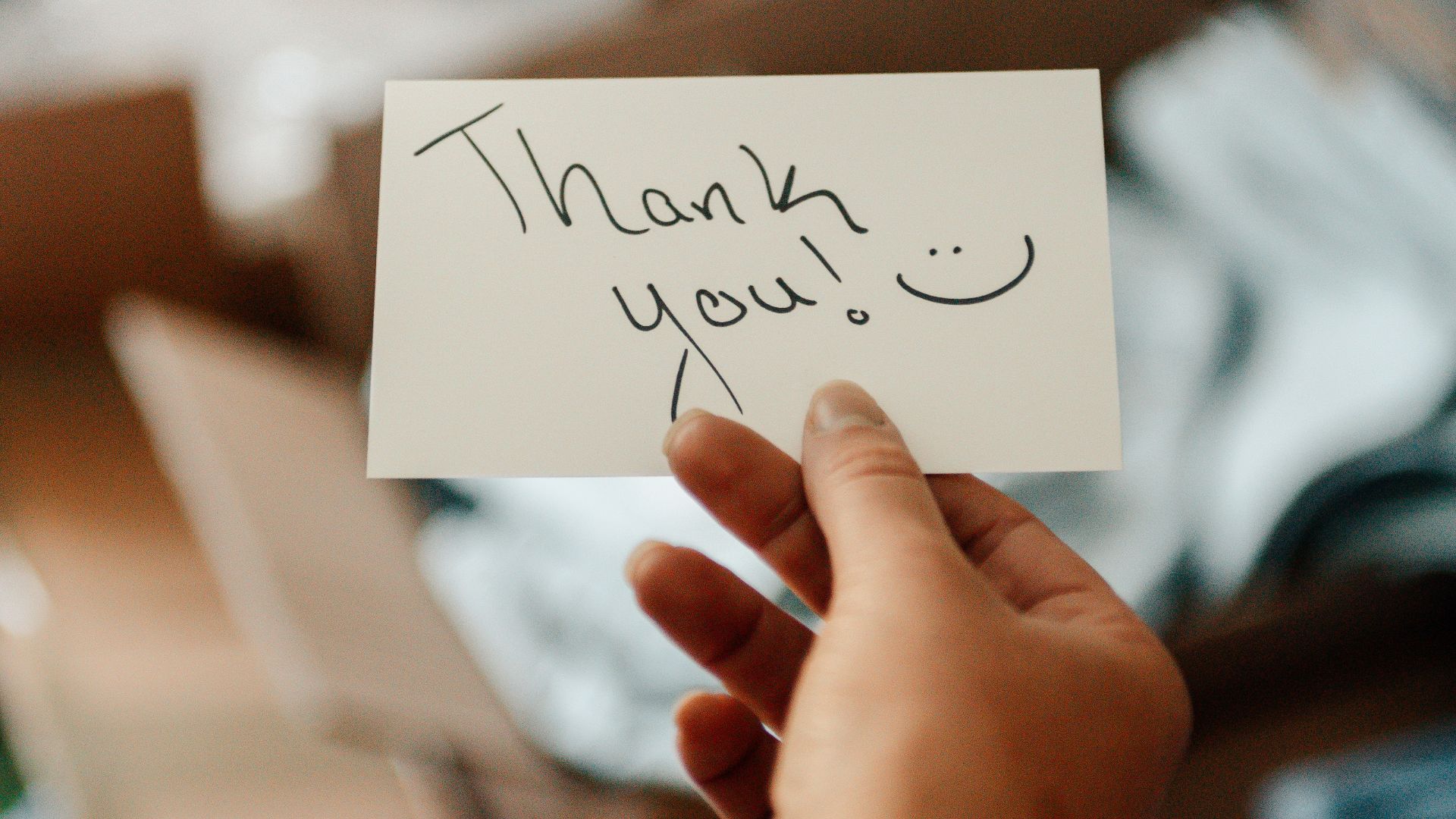
8. Sending Thank-You Notes
A text is fine, and an email works well enough, but a physical thank-you note sent after a dinner party, a job interview, or a meaningful gift makes an impression that doesn't get buried in a notification stack. It takes five minutes and it lands differently than anything digital. That's not sentimentality; that's just understanding how people feel when something unexpected shows up in their mailbox.
9. Not Discussing Salary at Work
This one is genuinely contested, and transparency around pay has real benefits, but the underlying instinct to be thoughtful about what you share in professional settings still has merit. Mixing money and workplace dynamics is complicated, and the habit of discretion isn't always wrong, even if the old taboo often went too far. Knowing when to hold that information is still a useful skill.
 Christina @ wocintechchat.com M on Unsplash
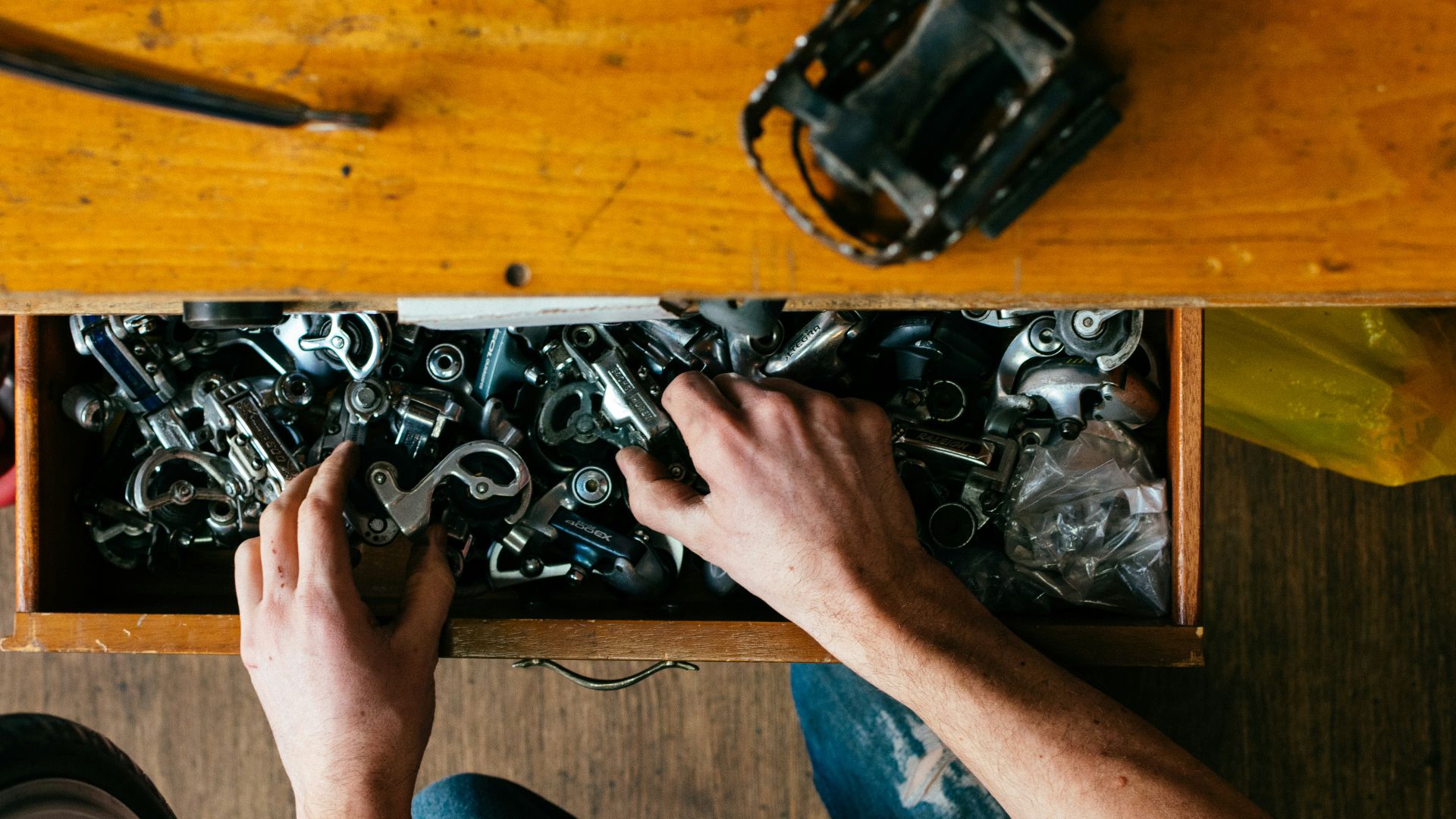
10. Fixing Things Before Replacing Them
Boomers who grew up with less disposable income developed a practical relationship with objects, fixing a torn seam, tightening a loose handle, swapping out a bulb before ditching a lamp entirely. There's a reflexive tendency now to replace rather than repair, and the cost accumulates quietly. Not everything that's broken is garbage.
And now, here are 10 habits that didn't age as well.
1. Dismissing Therapy as Weakness
The idea that struggling silently is more dignified than talking to someone has done measurable damage across generations. Mental health care is health care, and the cultural resistance to it, which is still common in older generations, is one habit that genuinely costs people their wellbeing. The stoicism was never as useful as it looked from the outside.

2. Assuming a Firm Handshake Tells You Everything
There's a whole mythology around physical presence as a reliable proxy for character, and it doesn't hold up. Judging someone's competence or integrity by how they shake your hand, make eye contact, or carry themselves in a room says more about the evaluator's biases than it does about the person being evaluated.

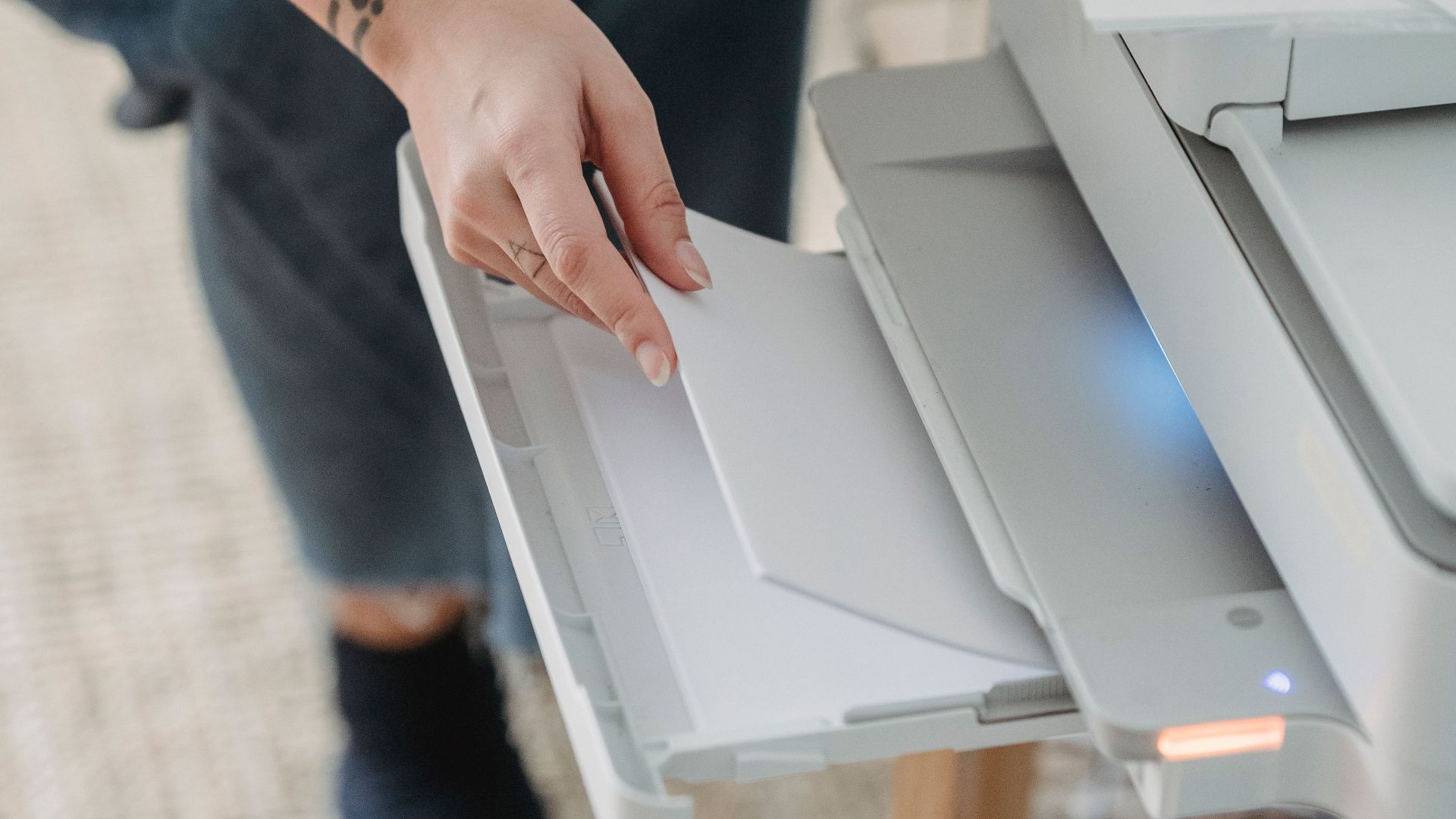
3. Printing Everything Out
At some point it made sense, but now it mostly creates clutter, wastes paper, and produces documents that are immediately out of date. The compulsion to print emails, directions, and meeting agendas is a habit born of a different technological moment, one that most workplaces have fully moved past. The printer can stay; the reflex to use it for everything should go.
4. Equating Busyness with Virtue
The idea that exhaustion signals importance, or that admitting you're not busy means something is wrong with you, is a habit that quietly erodes health and quality of life over time. Rest is not laziness, and having an open afternoon is not a failure of ambition. This particular equation never made as much sense as it seemed to, and it tends to produce burnout more reliably than results.

5. Overstaying in a Bad Job out of Loyalty
Treating company loyalty as a one-way street, where employees stay regardless of how they're treated on the assumption that tenure itself is a virtue, is a habit that has benefited employers far more than workers. The job market has always been a two-way negotiation, and pretending otherwise costs people years of growth, better compensation, and working conditions that actually suit them.

6. Talking Over the Bill
The protracted back-and-forth at the end of a meal where everyone insists on paying and the whole thing drags on for ten uncomfortable minutes is not generosity so much as performance. Splitting the bill evenly and heading home is not rude, and it doesn't make the meal any less enjoyable. Everyone knows what they ordered, and most people are relieved when someone just takes care of it cleanly.

7. Assuming Renting Is Wasting Money
Homeownership is one path to financial stability, but it's not the only one, and it doesn't make sense for everyone in every market or stage of life. The reflexive pity aimed at renters, as if they simply haven't figured something out yet, ignores how dramatically housing economics have shifted and how reasonable renting can be as a deliberate long-term strategy.

8. Giving Unsolicited Life Advice to Younger People
There's a version of mentorship that's generous, welcome, and genuinely useful. There's also the version where someone corners a younger person at a family gathering to explain, unprompted, how they should be managing their career, relationship, or finances. The second version is a habit worth setting down, because people generally ask when they actually want guidance, and they remember clearly when they didn't ask.

9. Treating Formality as Professionalism
Dress codes, rigid hierarchies, and formal titles in casual settings were once a shorthand for seriousness, but a lot of it was always just convention dressed up as meritocracy. Seriousness about work and formality in presentation are not the same thing, and confusing the two tends to reward people who perform professionalism over people who actually deliver it.

10. Refusing to Admit When the Technology Has Gotten Better
There's a specific strain of loyalty to outdated systems, whether it's a decades-old filing method, a clunky piece of software, or a process nobody has questioned in years, that can slow down an entire household or workplace. Sometimes the new way genuinely is faster, cleaner, and easier, and the only thing standing in the way is a reluctance to admit it.