

Your home plays a larger role in your daily well-being than you might realize. The way rooms are arranged, how much natural light enters a space, and even the colors surrounding you can influence everything from productivity to relaxation. A thoughtfully designed environment can help support both activity and recovery throughout the day. These factors work together to shape how comfortable and energized you feel.
Many people focus on making their homes either energizing or calming, but the most comfortable spaces often achieve both. The goal isn't to create constant stimulation or complete quietness but to build an environment that adapts to different needs. By making intentional design choices, you can create a home that supports work, leisure, and rest without feeling unbalanced. This balance can make daily routines feel smoother and more enjoyable.
Creating Purposeful Spaces
One of the most effective ways to support both energy and relaxation is by giving rooms clear purposes. When every area serves a specific function, it becomes easier for your brain to associate certain spaces with particular activities. This mental connection can help improve focus during productive tasks and encourage relaxation when it's time to unwind. Over time, these associations can become an important part of your daily routine.
Even in smaller homes, creating designated zones can make a noticeable difference. A dining table can double as a workspace during the day, but storing work materials afterward helps separate professional responsibilities from personal time. These small transitions can help reduce the feeling that work is following you throughout the house. As a result, it becomes easier to mentally disconnect when the workday is over.
Furniture placement also contributes to how a room functions. Open layouts often encourage movement and social interaction, making spaces feel more energetic and welcoming. Meanwhile, comfortable seating arrangements in quieter corners can create inviting areas where family members naturally slow down and relax. The right arrangement can help a room serve its intended purpose more effectively.
Using Light And Color To Shape Mood
Natural light is one of the most valuable design elements in any home. Research has consistently shown that daylight helps regulate the body's internal clock, which affects alertness during the day and sleep quality at night. Maximizing access to sunlight can make rooms feel more vibrant while supporting overall well-being. It can also help reduce the need for artificial lighting during daytime hours.
Color choices can also influence how a space feels. Lighter shades such as soft whites, pale greens, and warm neutrals often help rooms feel open and refreshing without becoming overwhelming. In areas intended for relaxation, muted colors can create a sense of calm that encourages people to slow down and recharge. Selecting colors thoughtfully can help reinforce the purpose of each room.
Artificial lighting becomes equally important once the sun goes down. Bright task lighting works well in kitchens, home offices, and reading areas where visibility matters most. During the evening, warmer light sources can help create a more comfortable atmosphere that supports relaxation and prepares the body for rest. Layering different light sources also provides greater flexibility throughout the day.
Balancing Comfort And Functionality
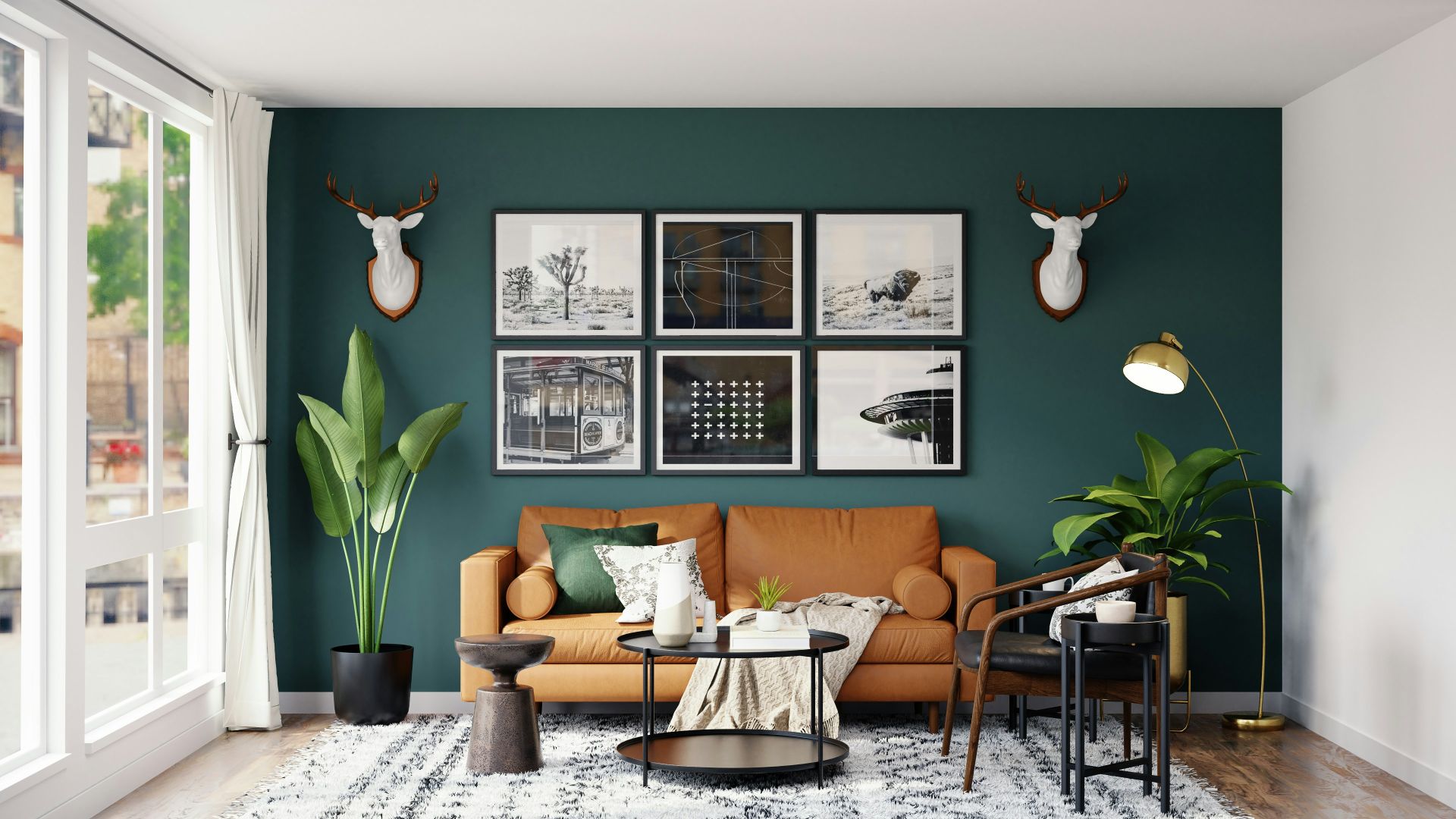
Comfort is often associated with rest, but it also contributes to energy and productivity. When a space feels physically pleasant, it's easier to focus on daily tasks without unnecessary distractions. Features such as supportive seating, comfortable room temperatures, and practical layouts can improve both efficiency and enjoyment. Small improvements in comfort can have a surprisingly large impact over time.
Texture is another useful tool for creating balance within a home. Soft rugs, upholstered furniture, and layered fabrics add warmth and comfort while preventing spaces from feeling sterile or impersonal. At the same time, mixing materials such as wood, metal, and glass can introduce visual interest that keeps rooms feeling lively. This combination helps maintain both coziness and character.
Organization plays a major role in maintaining an environment that supports both activity and recovery. Excessive clutter can increase feelings of stress and make it harder to focus on important tasks. By incorporating effective storage solutions and maintaining reasonable order, you can create a space that feels calm without sacrificing functionality. Organized surroundings often make everyday responsibilities easier to manage.
Designing a home that nurtures both energy and rest doesn't require expensive renovations or a complete redesign. Small adjustments to layout, lighting, color, comfort, and organization can have a meaningful impact on how a space feels and functions. When your home supports productivity during busy moments and relaxation during quieter ones, it becomes a place that helps you navigate everyday life with greater ease and balance. The most successful homes are those that evolve alongside the needs of the people living in them.