
Understanding the Different Ways Parents Get Overlooked
Mothers and fathers both play essential roles in family life, yet many of their contributions often go unnoticed in different ways. While moms are frequently expected to handle countless responsibilities behind the scenes, dads can find their involvement underestimated or dismissed altogether. If you've ever felt that your efforts as a parent weren't fully recognized, you're certainly not alone, and many families experience these challenges without even realizing it. Here are 10 ways moms get overlooked and 10 ways that dads are ignored.

1. The Mental Load Often Goes Unseen
Many moms manage schedules, appointments, school forms, and household planning without much recognition. Even when these tasks aren't physically visible, they require constant attention and organization. Because much of this work happens behind the scenes, others may not realize how much effort it takes.

2. Their Personal Time Is Treated as Optional
When a mother takes time for herself, it can sometimes be viewed as a luxury rather than a necessity. Parents need opportunities to rest and recharge regardless of gender. Yet moms are often expected to put their own needs aside first.

3. Daily Household Tasks Become Invisible
Laundry, meal planning, grocery shopping, and cleaning are often completed so routinely that they barely get noticed. People tend to recognize tasks when they're left undone rather than when they're consistently handled. As a result, many mothers receive little acknowledgment for work that keeps a household functioning.

4. Emotional Support Is Frequently Expected
Moms are often the first people family members turn to for comfort, advice, or reassurance. Providing emotional support requires patience, energy, and attention. Since it's viewed as part of the role, the effort involved isn't always appreciated.

5. Career Sacrifices May Be Minimized
Some mothers adjust work schedules, decline opportunities, or pause career advancement to meet family needs. These decisions can have long-term professional and financial consequences. Others may overlook the extent of those sacrifices because they happen gradually over time.

6. School Involvement Can Be Taken for Granted
Many moms coordinate school communication, volunteer activities, and academic support at home. Teachers and schools often appreciate the help, but family members may not see everything that's involved. The time commitment can be substantial throughout the school year.

7. Their Expertise About Their Children Is Dismissed
Mothers often spend significant time observing and understanding their children's needs. Despite this, concerns they raise about behavior, learning, or health are sometimes questioned or delayed before being taken seriously. Research has shown that women's concerns in various settings can occasionally be underestimated compared to men's.

8. Celebrations Don't Always Match Contributions
Mother's Day provides recognition once a year, but many everyday efforts go unnoticed. A simple thank-you often means more than a grand gesture. Consistent appreciation can help acknowledge the ongoing work moms perform throughout the year.

9. The Pressure to "Do It All" Is Normalized
Society often promotes the idea that mothers should excel at parenting, careers, household management, and personal responsibilities simultaneously. These expectations can be unrealistic and exhausting. Because they're so common, people may overlook the strain they create.
 Arthur Harutyunyan on Unsplash
10. Their Identity Beyond Parenthood Gets Forgotten
Many moms have hobbies, goals, talents, and interests that existed long before they became parents. Family responsibilities can sometimes overshadow these other parts of their lives. It's important to remember that motherhood is only one aspect of who they are.

1. Active Parenting Is Sometimes Treated as Unusual
When fathers attend school events, handle childcare, or take children to appointments, they're occasionally praised for actions that are simply part of parenting. This can create the impression that involved fatherhood is unexpected. In reality, many dads participate extensively in their children's daily lives.

2. Their Emotional Support Is Underestimated
Fathers often provide guidance, comfort, and encouragement within the family. Cultural stereotypes sometimes focus more on moms as emotional caregivers. As a result, the emotional contributions dads make can receive less recognition.

3. Parenting Expertise Is Questioned
Some dads report being treated as less knowledgeable about their children's routines, health needs, or preferences. Questions are occasionally directed to mothers first, even when fathers are equally involved. This can leave dads feeling excluded from discussions about their own children.

4. Father-Child Bonds Are Oversimplified
Popular culture sometimes portrays dads primarily as playmates rather than caregivers. While many fathers enjoy playful activities, they also handle discipline, nurturing, and daily responsibilities.

5. Workplace Flexibility Requests May Be Dismissed
When fathers seek parental leave or schedule adjustments for family reasons, they can encounter assumptions that work should remain their top priority. Studies have found that some men face workplace stigma when requesting family-related flexibility. This can discourage greater involvement at home.
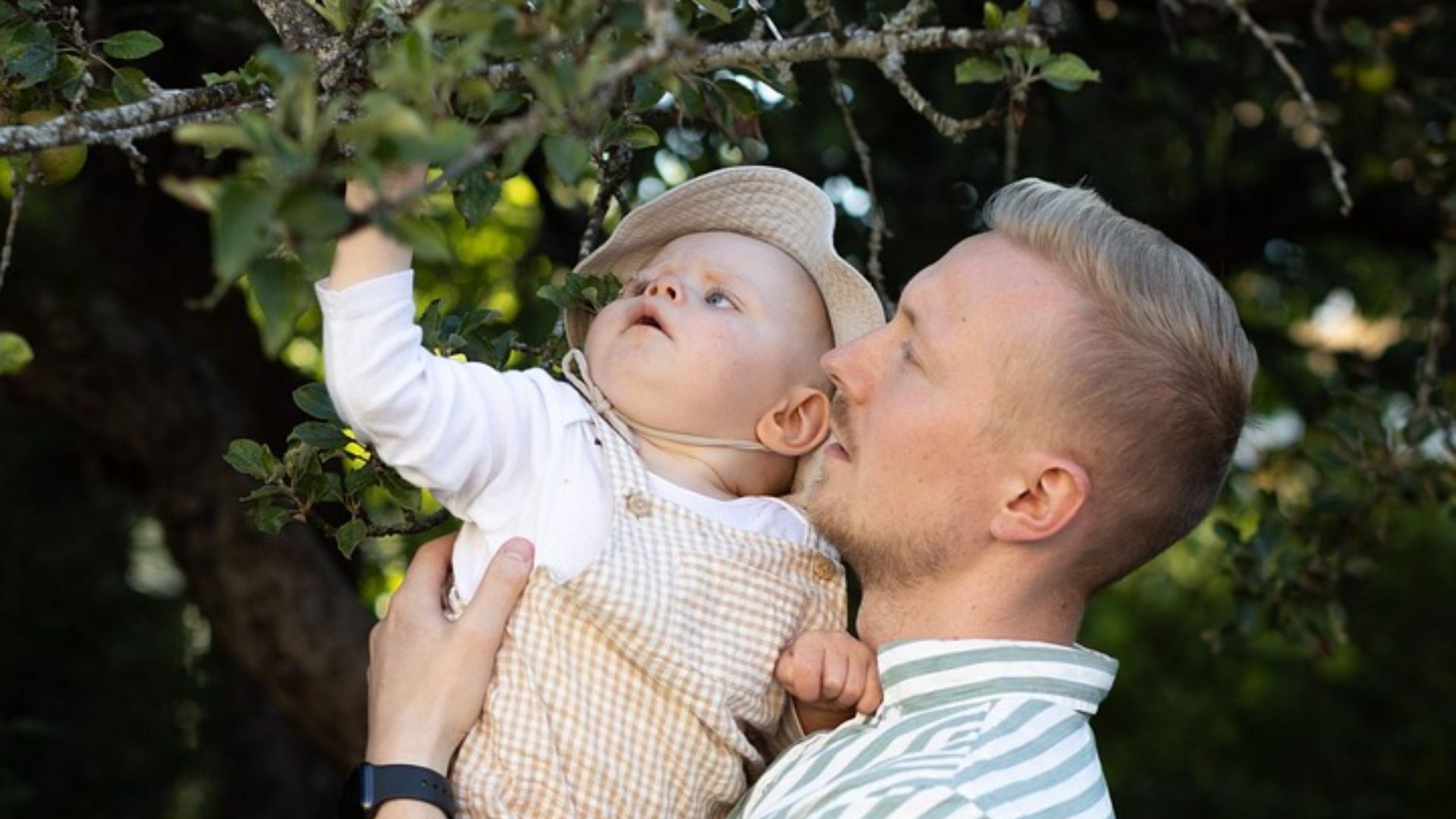
6. Single Fathers Face Unique Assumptions
Single dads are often less visible in public discussions about parenting. Some encounter surprise when managing responsibilities that single mothers routinely handle.
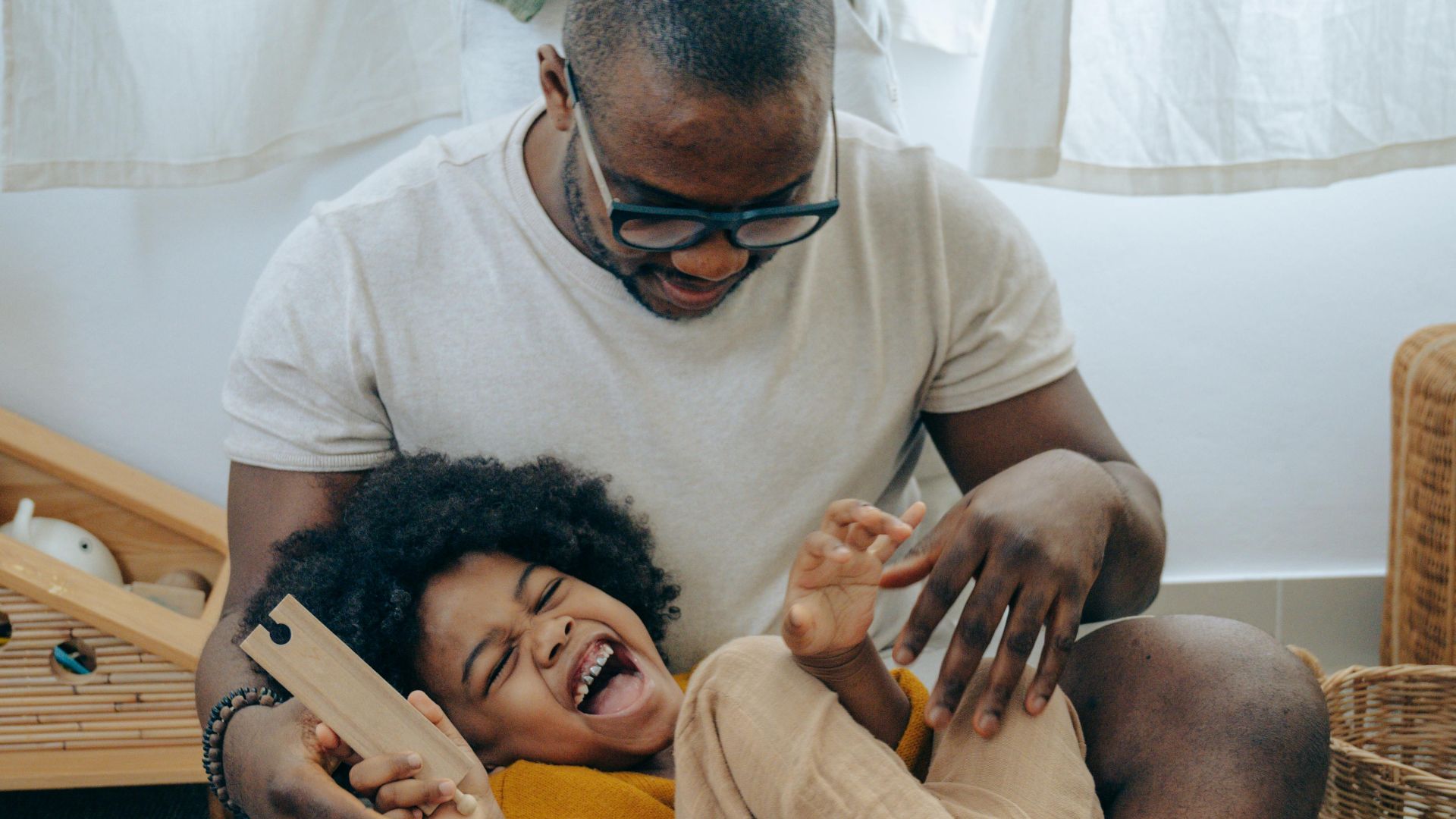
7. Their Need for Support Networks Is Overlooked
Parenting can be challenging for everyone, yet fathers are sometimes less encouraged to seek support or discuss struggles. Social expectations may promote self-reliance instead.

8. Their Caregiving Efforts Are Mistaken for Helping
People occasionally describe fathers as "helping" with childcare rather than parenting. The wording may seem minor, but it can suggest that caregiving is primarily someone else's responsibility.

9. Public Spaces Often Focus on Mothers
Parenting resources, advertisements, and even some family facilities have historically been designed with mothers in mind. Although this has improved in recent years, fathers can still encounter environments where they feel like an afterthought.

10. Their Parenting Challenges Receive Less Attention
Discussions about parenting pressures often center on mothers, which can leave fathers feeling overlooked. Dads also experience stress, uncertainty, and concerns about raising children.