The Lasting Impressions That Stay for a Lifetime
The memories children carry into adulthood aren't usually the expensive gifts, perfect vacations, or carefully planned milestones that parents sometimes worry about providing. More often, it's the everyday moments, attitudes, and behaviors that leave the deepest impression because they help shape how children see themselves, their relationships, and the world around them. Long after they've grown up and built lives of their own, many adults can still recall specific things their parents did that made them feel secure, valued, supported, or understood. Here are 20 things children remember about their parents long after they grow up.
1. The Way You Spoke to Them
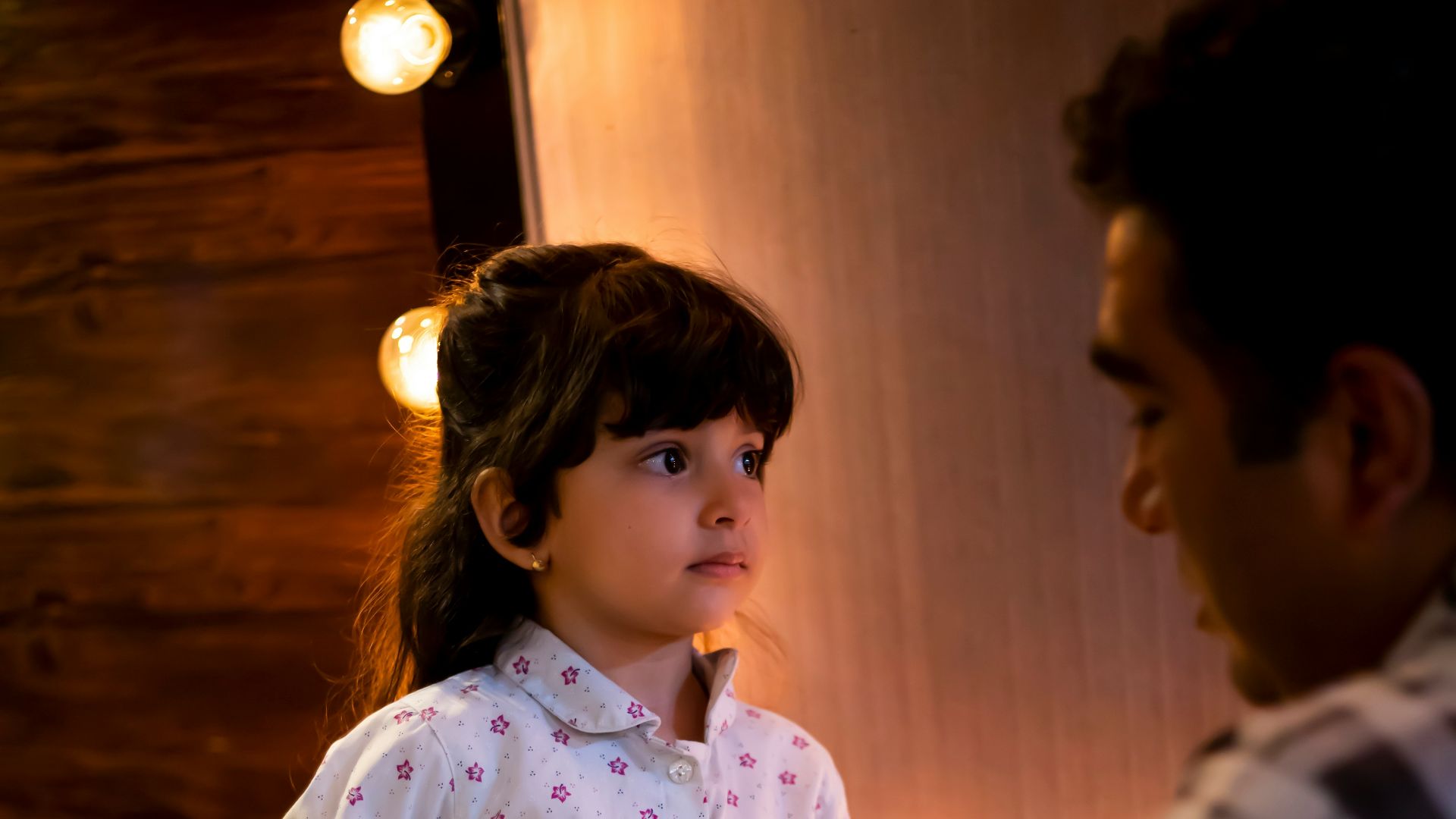
Children tend to remember the tone their parents used far longer than individual conversations. Being spoken to with respect, patience, and kindness helps create a lasting sense of self-worth. Even decades later, adults often recall whether home felt encouraging or critical.
 Xavier Mouton Photographie on Unsplash
2. The Times You Truly Listened
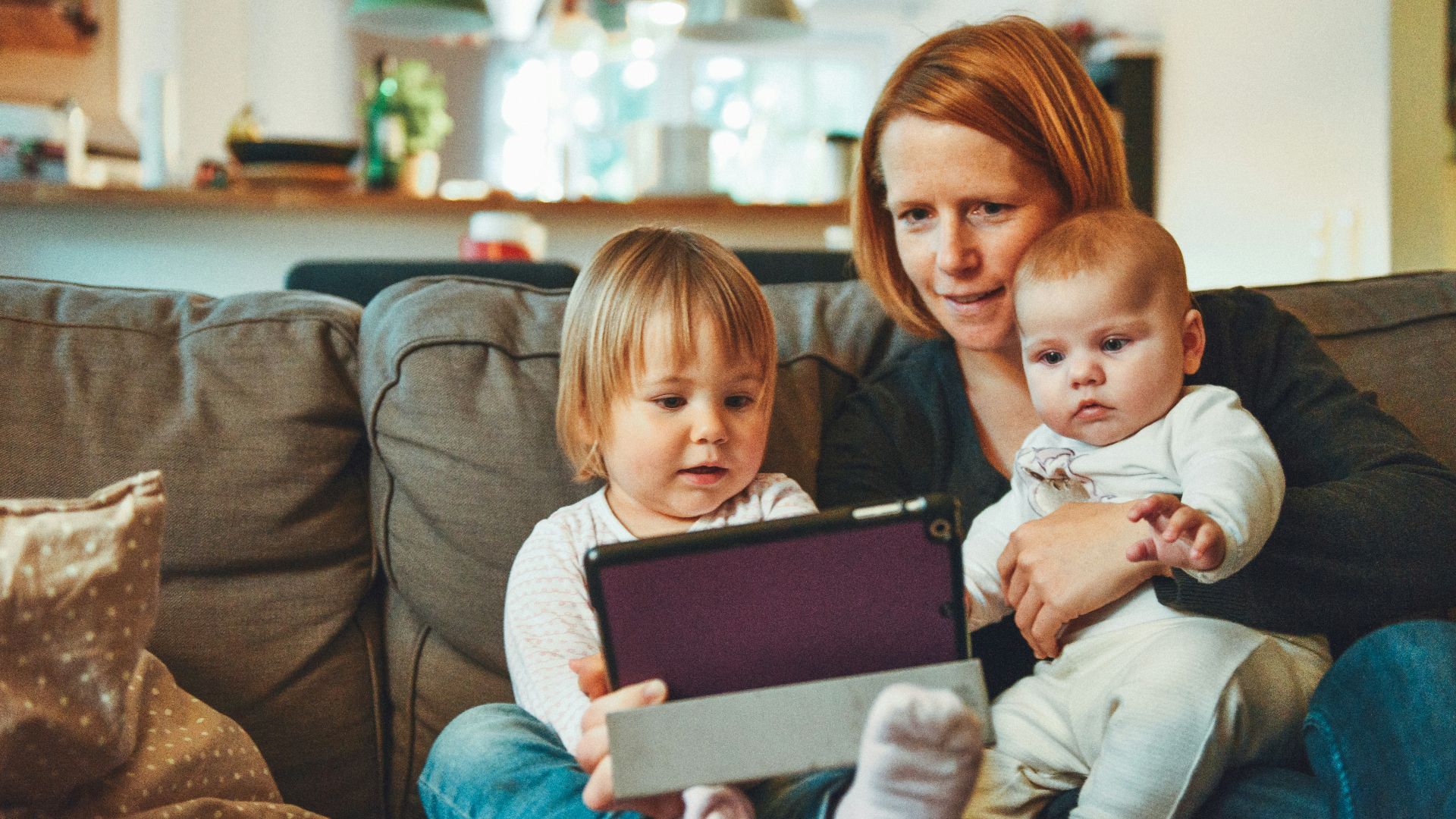
Feeling heard is a powerful experience for a child. When you stopped what you were doing and paid attention to their stories, worries, or excitement, it communicated that their thoughts mattered. Those moments often remain vivid because genuine attention is something everyone values.
 Juliane Liebermann on Unsplash
3. How You Handled Mistakes
Children notice whether mistakes are treated as learning opportunities or reasons for shame. Parents who respond with guidance instead of harsh judgment often leave a lasting positive impression. Many adults remember who helped them recover from failure rather than who demanded perfection.

4. The Traditions You Kept
Simple family traditions frequently become treasured memories. Whether it was a weekly movie night, a special birthday routine, or holiday activities, predictable traditions create a sense of belonging. Research on family routines has consistently linked them to stronger family connections and emotional security.

5. How Safe Home Felt
A stable and emotionally safe home environment leaves a lasting mark. Children may not remember every detail of their upbringing, but they often remember whether home felt calm, supportive, and reliable. That feeling can influence their expectations for relationships throughout life.

6. The Encouragement You Gave
Words of encouragement often stay with people for years. A parent who believed in a child's abilities during difficult moments helped build confidence that could extend into adulthood. Many adults can still repeat supportive phrases their parents once told them.

7. How You Treated Other People
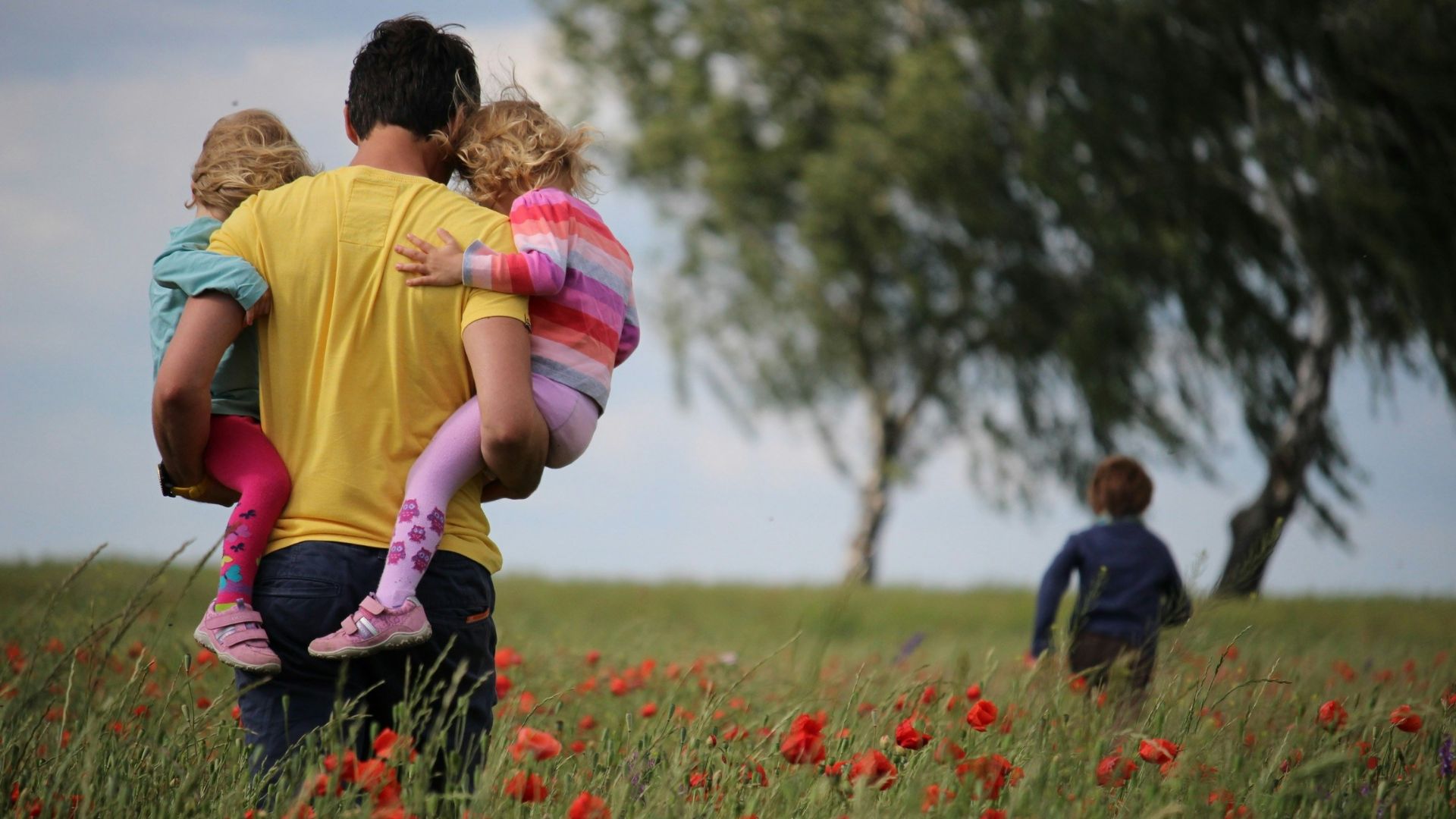
Children learn a great deal by observation. The way you treated neighbors, coworkers, service workers, friends, and relatives demonstrated values more effectively than lectures ever could. Adults frequently remember those examples when forming their own approach to others.

8. The Times You Showed Up
Attendance matters more than many parents realize. Whether it was a school play, sports game, recital, or important event, children often remember who was present. Showing up consistently communicates interest and support in a way that words alone cannot.

9. How You Managed Stress
Children observe parental reactions during difficult situations. When they see healthy coping strategies, they learn valuable skills for handling challenges themselves. Even if they didn't understand it at the time, those examples often stay with them.
10. The Affection You Expressed
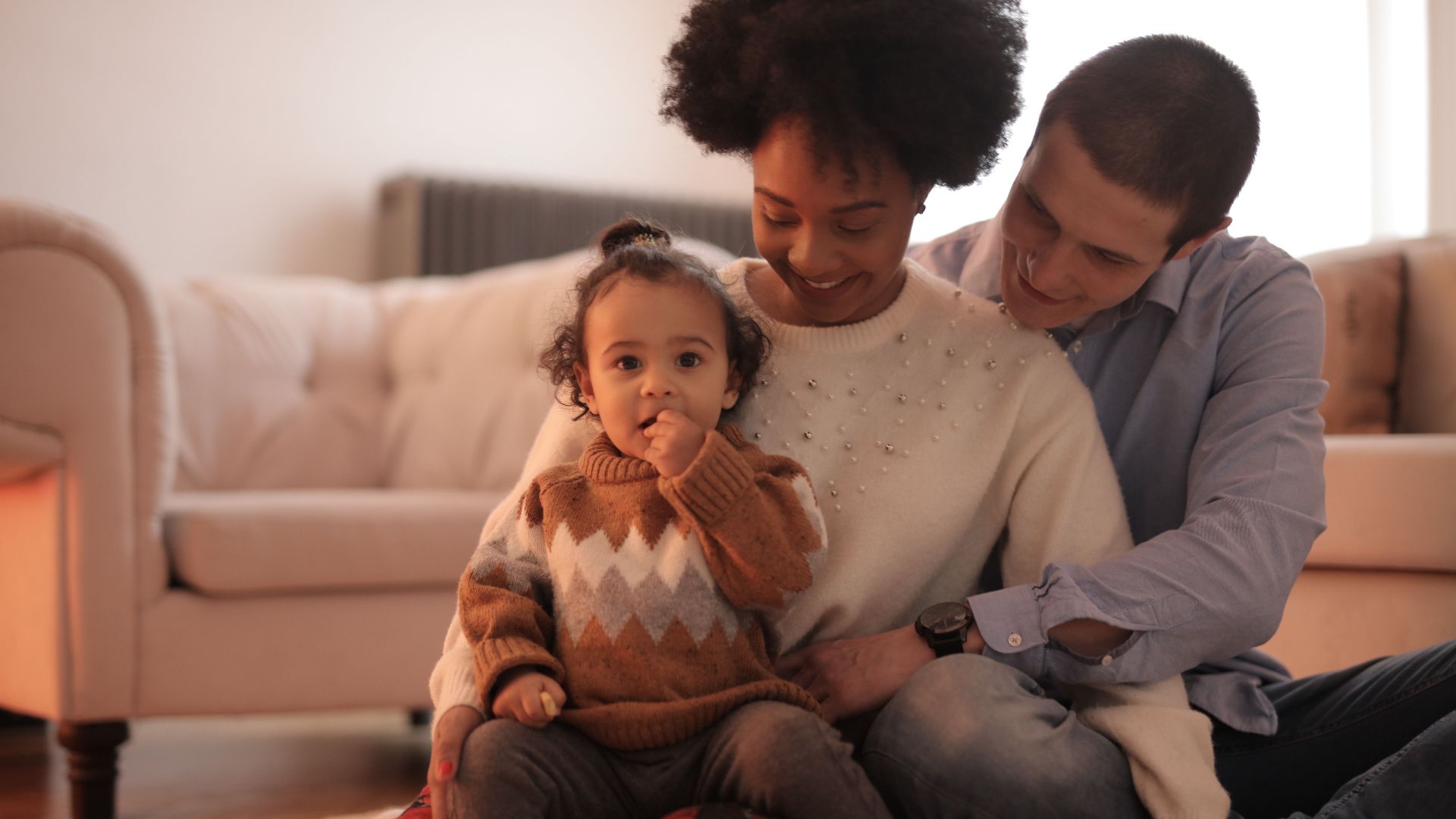
Expressions of affection help children feel loved and secure. Hugs, kind words, and other age-appropriate signs of care often become lasting memories because they meet a basic emotional need. Many adults vividly remember feeling loved, even when they can't recall specific conversations.
11. The Fairness You Practiced
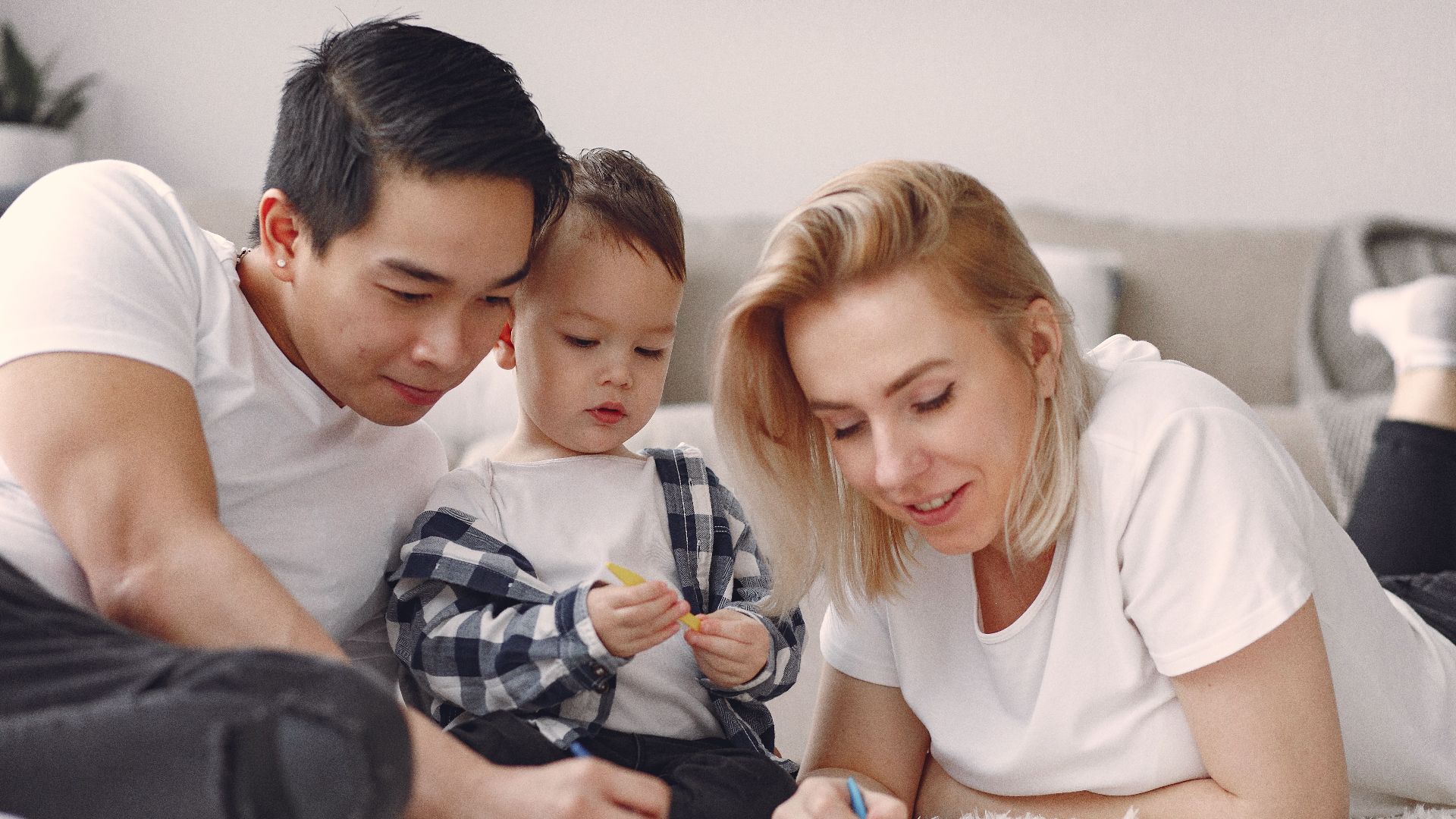
Children pay close attention to fairness within the family. They remember whether rules were applied consistently and whether they felt respected during disagreements. Fair treatment helps build trust, which can continue influencing family relationships for years.

12. How You Responded When They Were Upset
Moments of distress are often remembered clearly because emotions strengthen memory formation. A parent who provided comfort, reassurance, and understanding during difficult times created experiences that often remain significant into adulthood. Those responses can shape how people seek and offer support later in life.

13. The Freedom You Allowed
Children often remember being trusted to make age-appropriate choices. Reasonable independence helps build confidence, responsibility, and decision-making skills. Adults frequently appreciate parents who balanced guidance with opportunities to grow.
14. The Way You Resolved Conflict
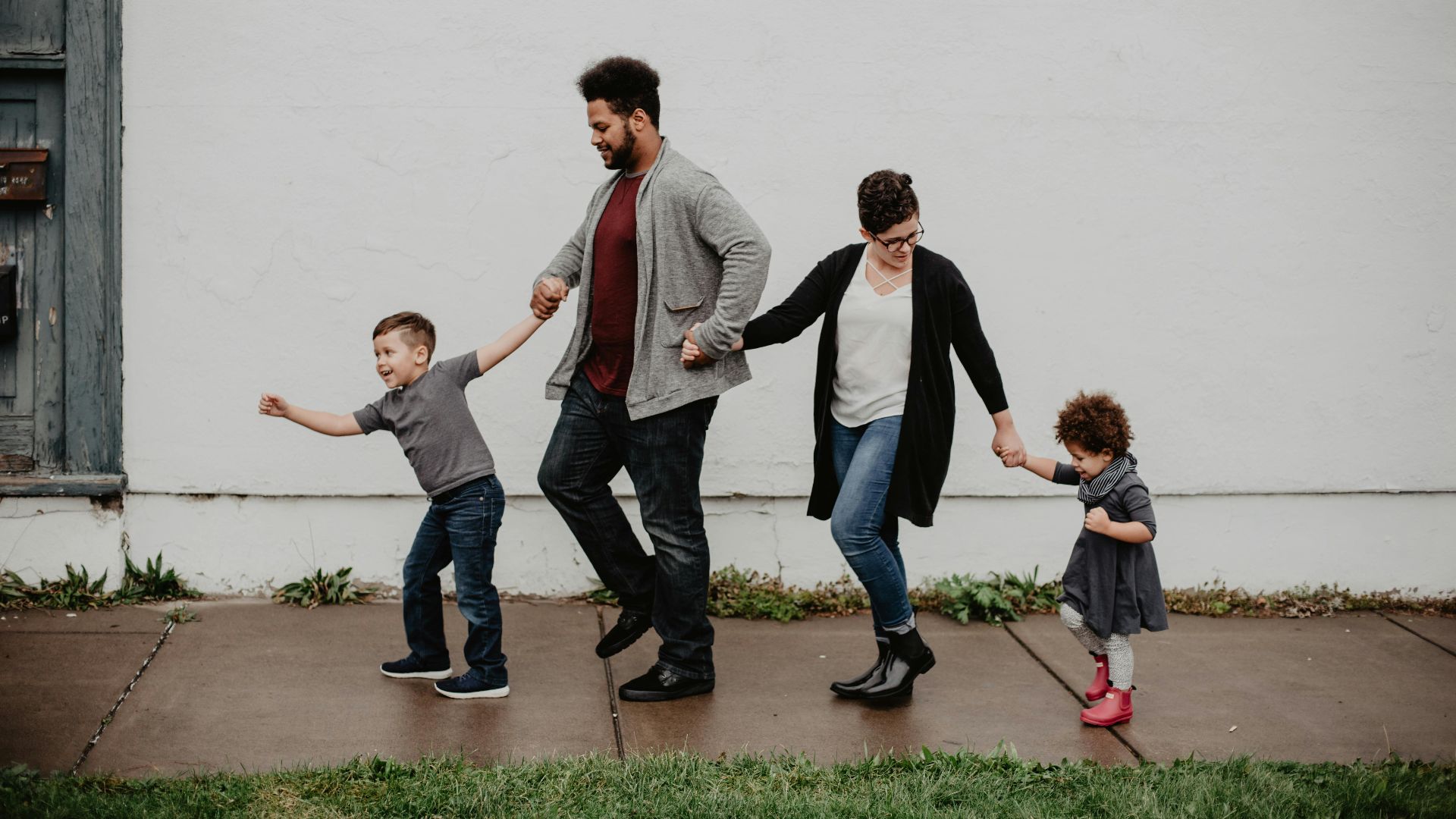
Disagreements are inevitable in every family. What children remember is often how those conflicts were handled rather than the issues themselves.

15. The Interest You Took in Their Lives
Children notice when parents show genuine curiosity about their interests. Asking questions about hobbies, friendships, and personal goals demonstrates that you value who they are as individuals.

16. The Laughter You Shared
Fun moments have a remarkable ability to stay in memory. Shared jokes, family games, and spontaneous laughter help strengthen bonds and create positive experiences.
 Jennifer Kalenberg on Unsplash
17. The Values You Modeled
Children learn values primarily through observation rather than instruction. Honesty, responsibility, generosity, and perseverance become more meaningful when consistently demonstrated.

18. How You Supported Their Interests
Support doesn't require becoming an expert in every activity your child enjoys. What matters is showing interest and encouraging their efforts. Adults often remember parents who celebrated their passions, even when those interests weren't shared.
19. The Apologies You Made
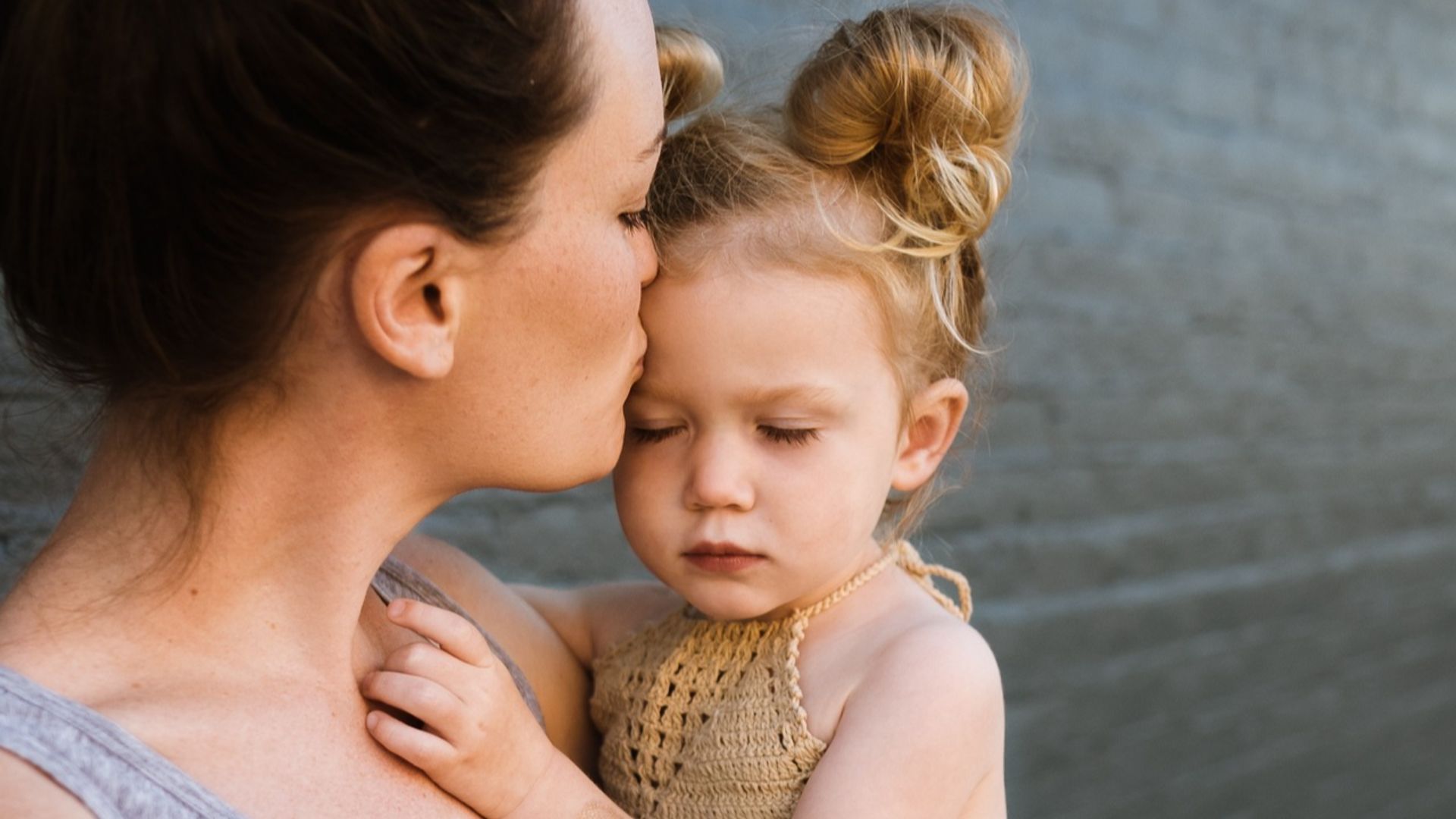
Parents aren't expected to be perfect, and children eventually recognize that. When parents admit mistakes and offer sincere apologies, they model accountability and humility. Those moments can leave a strong impression because they demonstrate respect and emotional maturity.

20. The Feeling You Gave Them About Themselves
Perhaps the most lasting memory is the overall message children received about their worth. When a child consistently feels valued, capable, and loved, that sense of identity can endure long after childhood ends.