

Parenting today can feel like raising children in a world that never powers down. Our notifications are always buzzing. Our schedules are jam-packed. And many kids carry a quiet but persistent sense of anxiety. Research shows that rates of anxiety among children and teens have risen steadily over the past decade. Parents are often left wondering what actually helps. The good news is that science points to practical, realistic strategies that fit into everyday family life. From mindfulness that doesn't require silence or candles to brief breaks that reset overwhelmed nervous systems, small shifts can make a meaningful difference.
Why Mindfulness Works for Anxious Kids (and Busy Parents)
Mindfulness is often misunderstood as sitting still and clearing the mind. That can feel near impossible for children and teens. In research, however, mindfulness simply means paying attention to the present moment with curiosity instead of judgment. Mindfulness-based practices can reduce anxiety symptoms, improve emotional regulation, and even support attention and learning.
For families, this can look surprisingly simple. Naming emotions out loud, taking three slow breaths before homework, or noticing physical sensations during a walk all count as mindfulness. These practices help calm the stress response by engaging brain areas involved in emotional regulation. Importantly, children tend to benefit most when parents model these behaviors themselves. A calm adult nervous system often becomes a powerful anchor for an anxious child.
The Power of Micro-Breaks in a Constantly Connected World
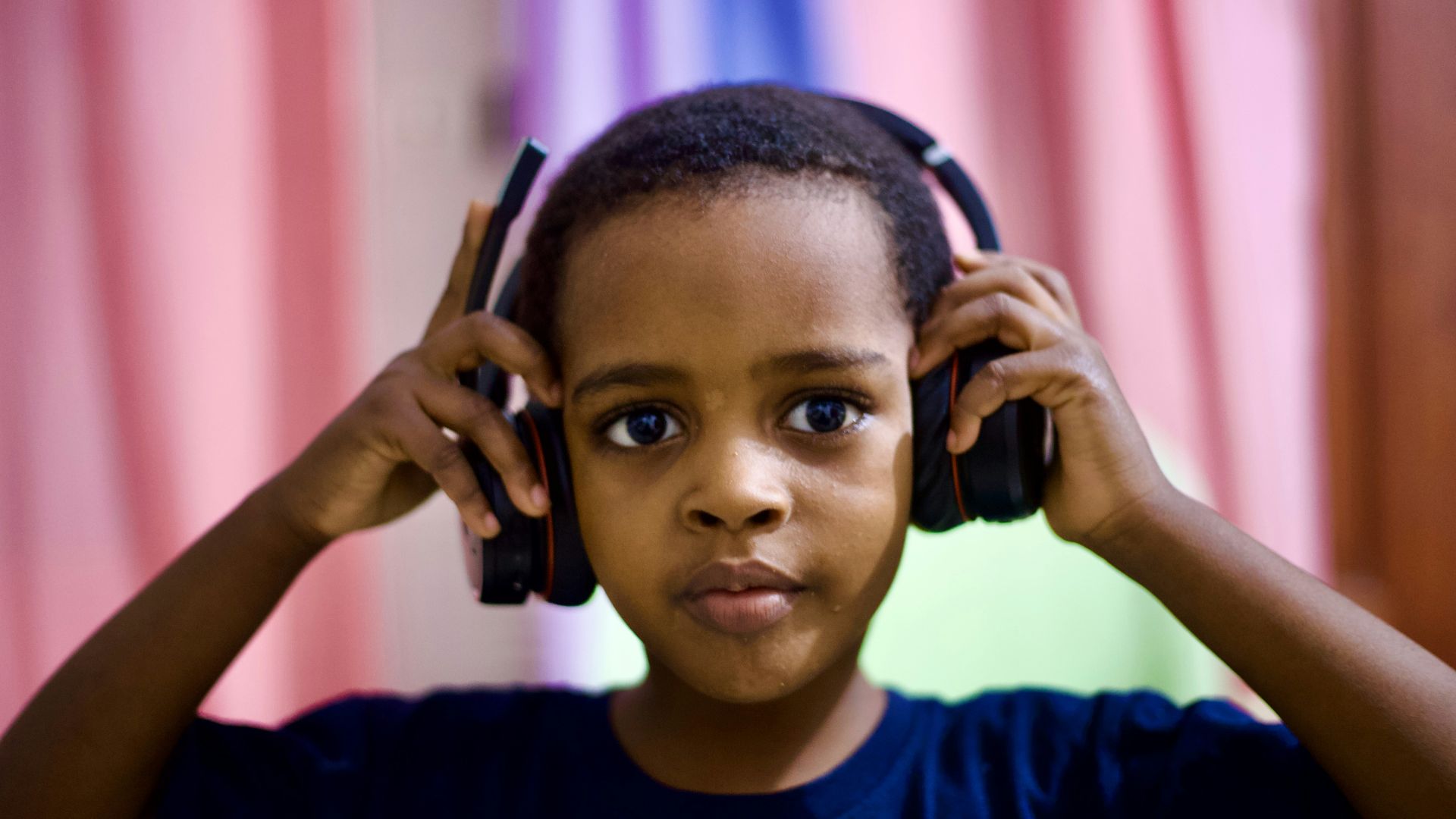
One of the most effective but overlooked tools for anxiety is the micro-break. Research on stress and cognitive load shows that short, intentional breaks can reduce mental fatigue and lower stress hormones. The best part? These breaks work even when they last only a few minutes. For kids, whose brains are still developing self-regulation skills, these pauses are especially valuable.
Micro-breaks can include stretching between classes, stepping outside for fresh air, listening to music, or simply closing the eyes for sixty seconds. Studies suggest that these brief resets help restore attention and emotional balance. In effect, this makes it easier to cope with stressors afterward. For parents, encouraging micro-breaks also sends an important message: productivity does not have to come at the expense of mental health.
Building Predictability and Connection to Reduce Anxiety
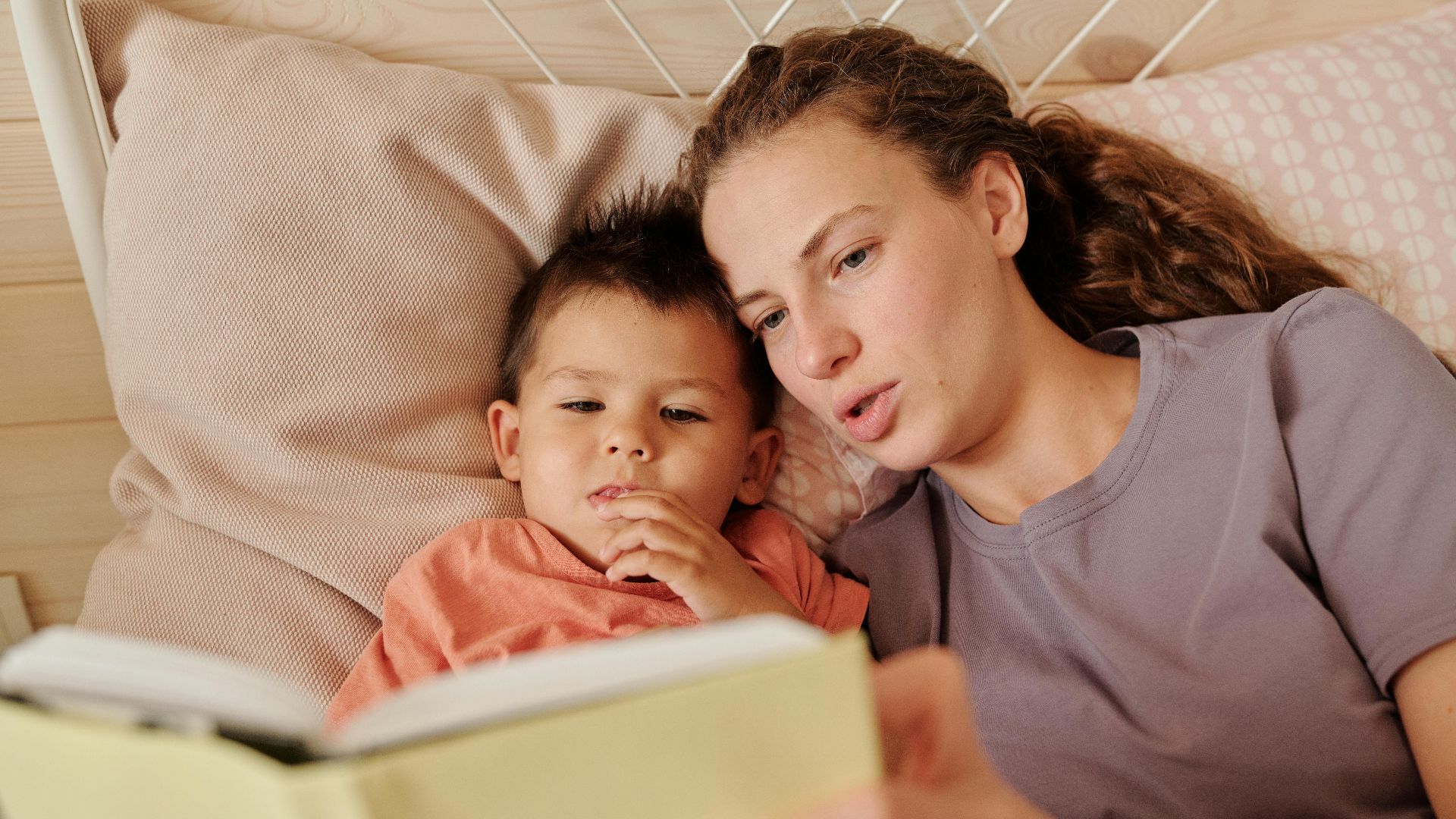
Anxiety thrives in uncertainty, which is why predictable routines and strong relationships are so protective. Children with stable daily rhythms and supportive parent-child relationships experience lower anxiety and better emotional outcomes.
Predictability does not mean rigid schedules. It means having a few reliable anchors. This could include consistent mealtimes, bedtime rituals, or weekly check-ins. Equally important is connection. Simple moments of shared attention, like chatting during a drive or cooking together, strengthen a child’s sense of safety. Neuroscience research highlights that feeling securely connected to caregivers helps regulate stress responses, making children more resilient when challenges arise.
There is no single solution to childhood anxiety, and parents do not need to do everything perfectly. The research is clear that small, consistent practices matter. Mindfulness moments, micro-breaks, and predictable connection points work together to support calmer nervous systems for both children and parents. In a fast-moving world, these simple strategies offer something powerful: space to breathe, reset, and feel supported.