
Extra Support Can Make Parenting Feel More Sustainable
Parenting is often described as instinctual, but instinct alone rarely prepares anyone for the emotional, logistical, and psychological demands of raising children. Every child is different, every stage brings new challenges, and advice from friends or family doesn’t always apply to your situation. If parenting has started to feel overwhelming, confusing, or isolating, these 20 signs may suggest that a parenting class could offer structure, confidence, and practical tools rather than judgment.
 Xavier Mouton Photographie on Unsplash
1. You Feel Overwhelmed More Often Than Calm
Stress is a normal part of parenting, but being constantly overwhelmed can drain your patience and joy. When most days feel reactive instead of intentional, it becomes harder to stay emotionally present. Parenting classes can help break large challenges into smaller, manageable strategies.

2. Discipline Doesn’t Seem to Work No Matter What You Try
If consequences don’t lead to behavior changes, frustration builds quickly. You may feel stuck repeating the same approaches with no results. Classes explain how discipline needs change depending on age and development.

3. You and Your Partner Disagree on Parenting Choices
Conflicting approaches can confuse children and create tension between adults. Ongoing disagreements about rules, routines, or consequences make consistency difficult. Parenting classes provide shared frameworks that help parents get on the same page.

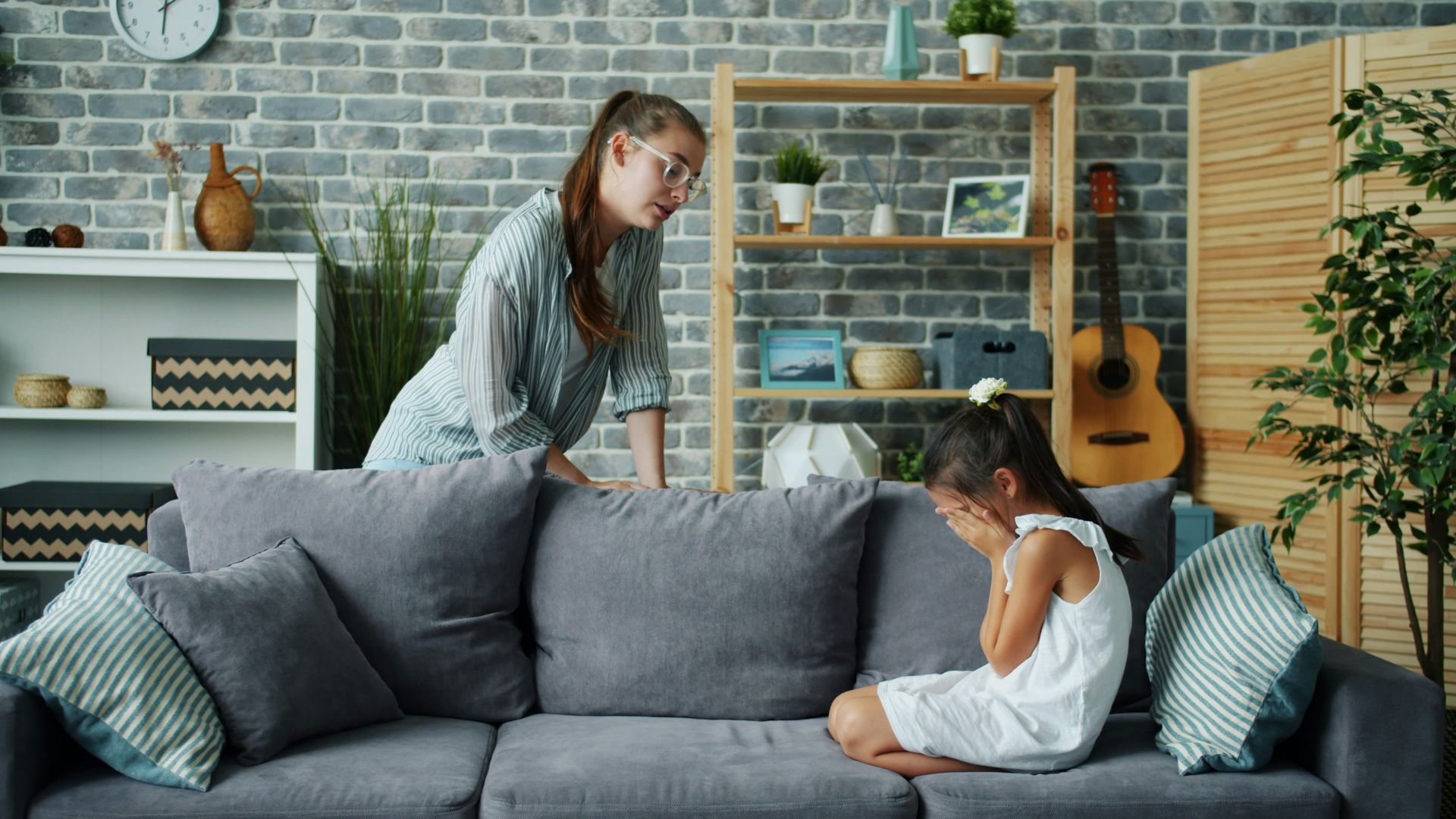
4. You Rely on Yelling More Than You Want To
Yelling usually appears when patience is depleted. Frequent yelling often leads to guilt and emotional distance. Learning calmer communication tools can significantly improve daily interactions.

5. You Feel Unprepared for Your Child’s Next Stage
Each developmental stage introduces new behaviors and challenges. What worked for a toddler may fail with an older child. Parenting classes help you anticipate changes instead of reacting in crisis mode.

6. Your Child’s Behavior Feels Out of Control
When routines collapse, and nothing seems effective, stress escalates fast. You may feel helpless or unsure where to start. Structured guidance can help reset patterns before they become entrenched.

7. You Constantly Question Your Decisions
Second-guessing every parenting choice is exhausting. If confidence feels fragile, education can help stabilize your instincts. Understanding why strategies work often replaces doubt with clarity.
8. Public Outings Feel Stressful or Avoidable
Fear of meltdowns or judgment can make every outing feel overwhelming. Avoiding public situations will slowly shrink your family’s world. Parenting classes help you feel prepared and confident outside the home, and introduce you to other parents in similar situations.
 Ashwini Chaudhary(Monty) on Unsplash
9. You Feel Less Connected to Your Child
Stress can quietly create emotional distance over time. If bonding feels harder than it used to, support can help rebuild connection. Many classes focus on strengthening relationships, not just managing behavior.

10. You Didn’t Have Strong Parenting Role Models
Without positive examples, parenting can feel like guesswork. Many adults are learning skills they never witnessed growing up. Parenting classes provide structure where experience was missing.

11. You’re Parenting With Little or No Support
Handling everything alone increases exhaustion and decision fatigue. Without backup, even small challenges feel heavy and emotionally draining over time. Classes often provide both practical tools and emotional reassurance, plus a connection with others in similar situations.

12. Your Child Has Behavioral or Learning Challenges
Special circumstances often require more tailored strategies. Guessing can increase frustration or delay progress significantly. Classes led by professionals offer guidance designed for specific needs and help parents respond with confidence instead of uncertainty.

13. You Feel Emotionally Triggered by Certain Behaviors
Strong reactions often point to unresolved stress or burnout beneath the surface. When small behaviors spark big emotions, awareness becomes critical. Parenting education helps you pause, regulate yourself, and respond thoughtfully instead of reacting automatically.
 Juliane Liebermann on Unsplash
14. Setting Boundaries Feels Inconsistent
Saying no can feel uncomfortable, especially when children push back persistently. Inconsistent boundaries create confusion and power struggles over time. Classes teach calm, clear limit-setting techniques that support cooperation without constant conflict.

15. You Want to Break Unhealthy Family Patterns
Many parents want to raise children differently from how they were raised. Under pressure, old habits can resurface automatically and unexpectedly. Parenting classes support intentional, conscious choices rather than repeating patterns you hoped to avoid.

16. You’re Experiencing Parental Burnout
Exhaustion, irritability, and detachment are warning signs that shouldn’t be ignored. Burnout doesn’t mean failure; it means support is needed. Education can simplify expectations, reduce pressure, and help restore emotional energy.

17. You’re Unsure How to Handle Big Emotions
Children experience intense feelings they can’t regulate alone yet. Tantrums or shutdowns may leave you unsure how to respond effectively. Classes often teach emotional coaching strategies that build long-term emotional resilience.

18. You Feel Isolated in Your Parenting Experience
Feeling alone makes challenges harder to manage consistently. Hearing others share similar struggles can be deeply reassuring. Parenting classes remind you that your experience is shared by many others.

19. You Want to Be Proactive Instead of Reactive
Waiting until problems escalate increases stress for everyone involved. Learning tools early in your parenting journey can prevent bigger challenges later. Classes encourage preparation and skill-building rather than a constant crisis management mode.

20. You Want to Feel More Confident and Calm
Confidence changes how parenting feels day to day and moment to moment. Knowing why strategies work improves follow-through. A calmer parent helps create a more secure, predictable environment for everyone.