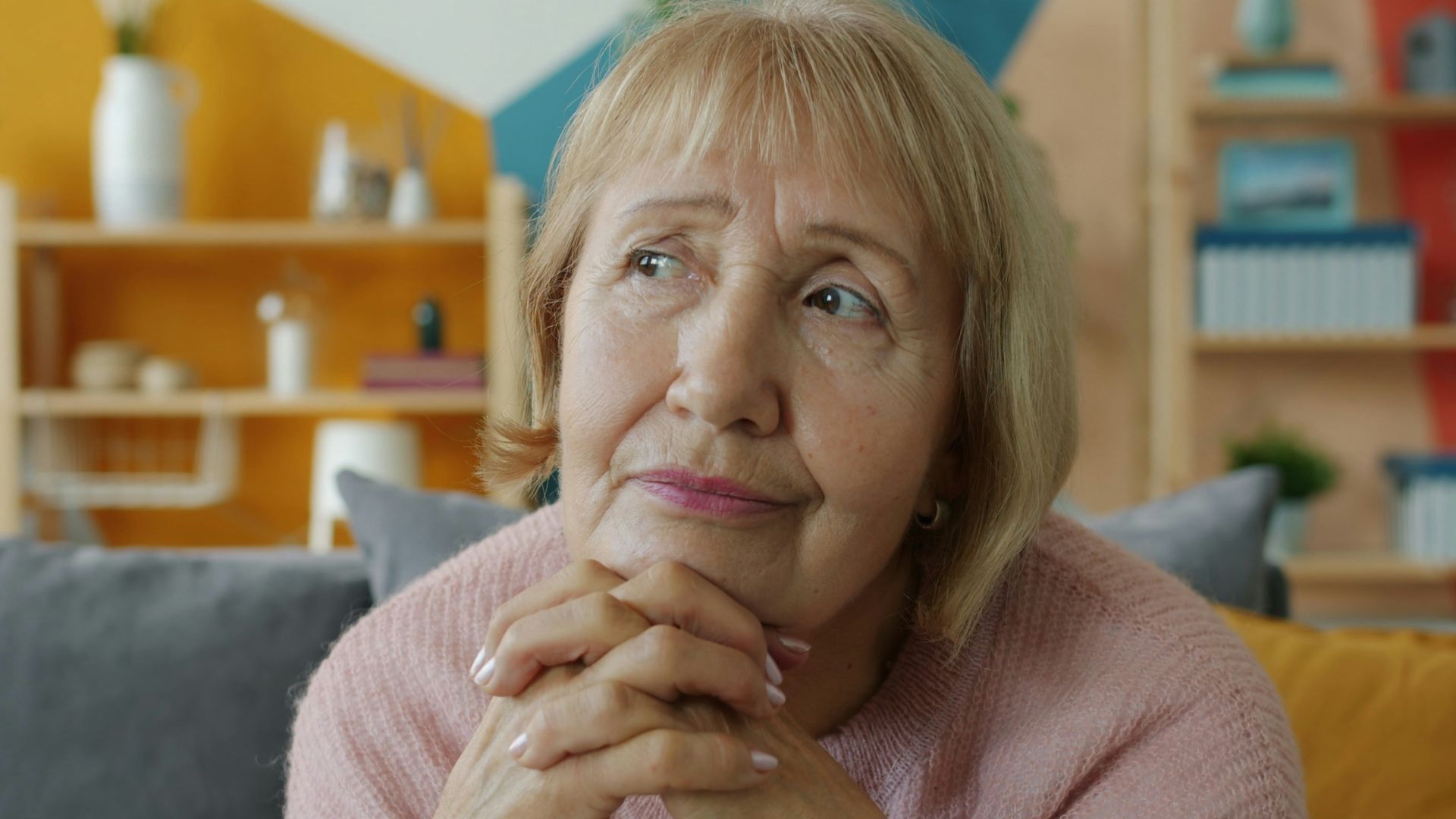
Care Starts At Home
Nobody wants to think about their parents or other loved ones getting old, but it's an unfortunate reality. As humans live longer, they may need more care. Here are some ways you can support your family members, along with a few signs that you might need backup.

1. Share A Meal
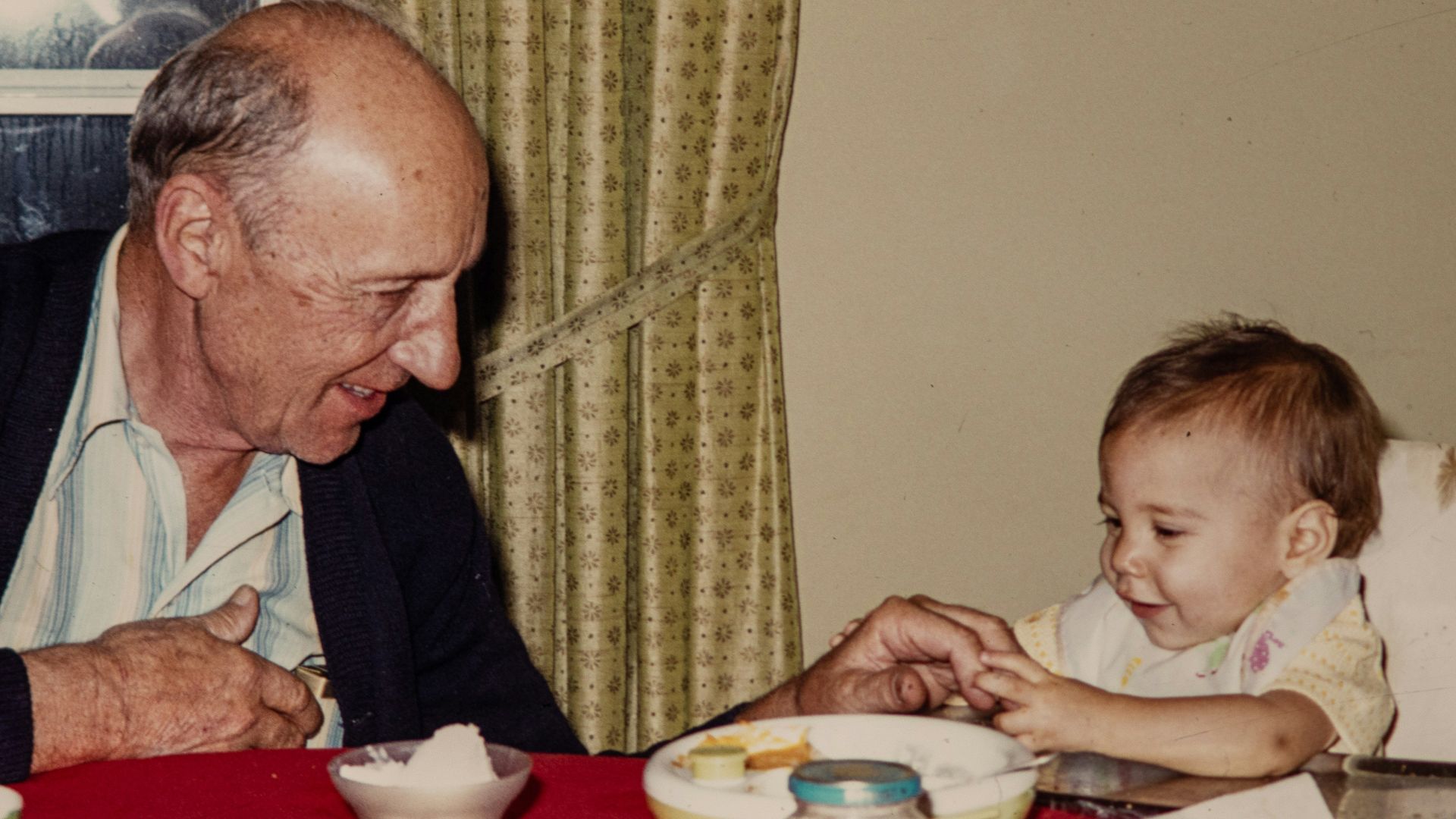
Sharing a meal is one of the easiest way you can spend time with another person. When words fail and the whole world feels against you, enjoying a hot meal with someone you love can make all the difference. It doesn't matter whether the meal is home-cooked or takeout, what matters is the quality time.
2. Create A Meal Train
if there are a few of your helping to take care of someone, one way you can a primary caregiver from getting overburdened is by coordinating a meal train. A meal train is a support system where a group of people schedule drop offs of home-cooked meals. This eases the burden of both cooking and grocery shopping.

3. Play Chauffeur
Many older people are stubborn and may not take kindly to limited transportation. A simple way you can make this fun is by acting as their professional chauffeur. This can help them feel privileged rather than limited.

4. Listen
Listening to a person's needs is the number one thing you should prioritize in any caregiving situation or relationship. Aging can be difficult to watch, but even more difficult to experience. Emotional support is just as important as physical.

5. Share The Load
Just likes it takes a village to raise a child, it takes a village to support an elderly family member. Even if one person is their primary caregiver, it shouldn't fall entirely on their shoulders to take care of both themselves and another person. Seeing a variety of people can help improve their mood.
6. Help With Household Chores
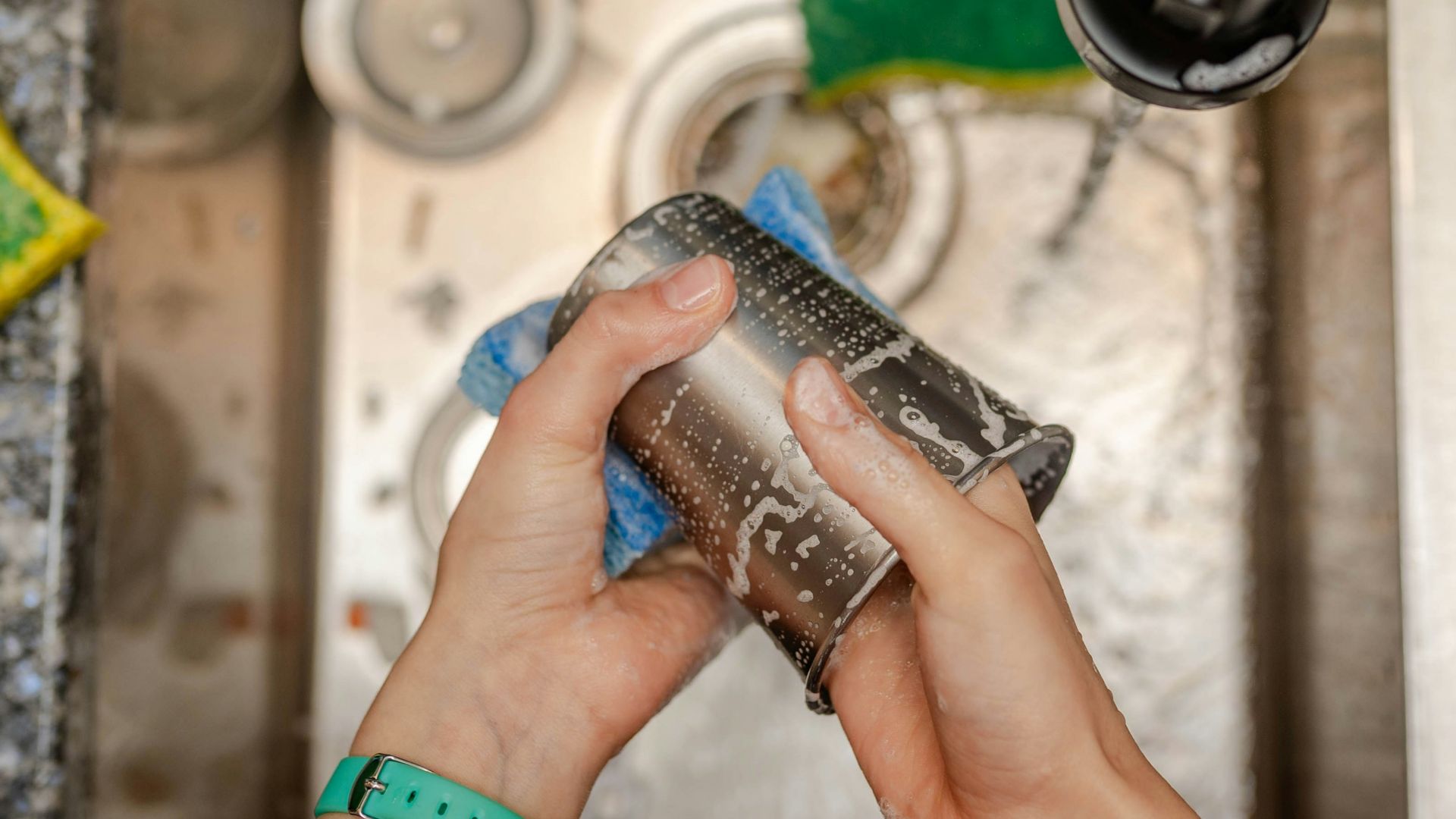
Aging often comes with limitations in mobility. This may mean that your family member is unable to keep their home as clean as they would like it. Helping with chores and ensuring their living space is clean and inviting can make a huge difference for your loved one's mental health.
7. Be Patient
Patience is a virtue that can be difficult to master, especially when helping someone experiencing cognitive decline. Your loved one might need their memory jogged every now and then, or they may take longer to do things than they used to. It's important to show them grace and continue treating them with dignity.

8. Go For A Walk
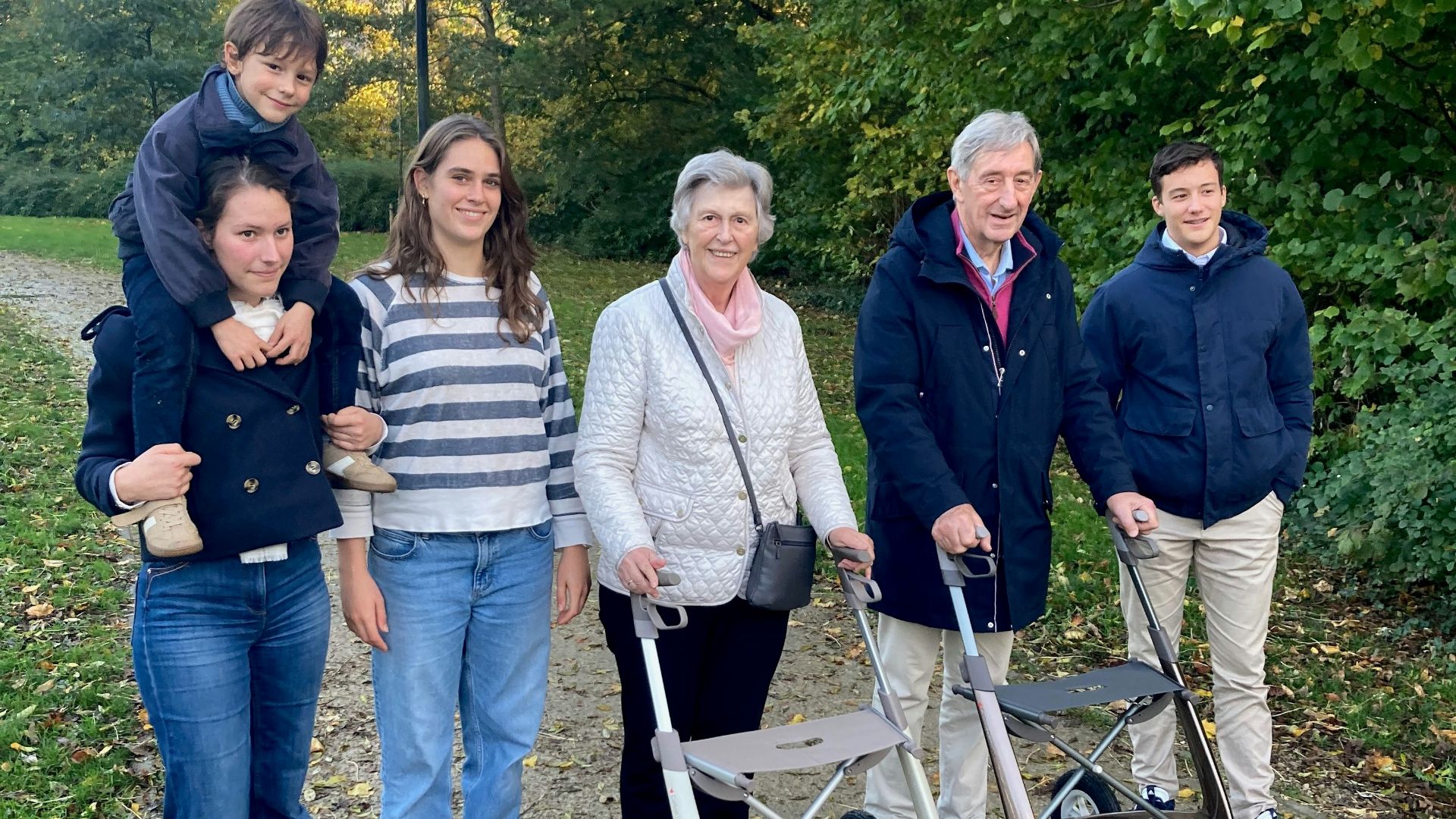
Exercise can help keep both physical and mental skills sharp. While your family member may not be as active as they used to be, a simple walk around the block can make a huge difference! Never underestimate the power of fresh air and sunshine.

9. Improve Home Safety
Accessibility accommodations such as grab bars, improved lighting, and reduced clutter can help your loved ones maintain their independence. These changes can help prevent falls and other accidents to ensure your loved ones are with you a long time. Don't forget to check the smoke detector.

10. Check In On Caregivers
As we said, being the primary caregiver for someone can be a burden, even if you love them. It's important to extend the same grace and support to those bearing the brunt of the labor of care. Caregiver burnout is one of the last things you want.
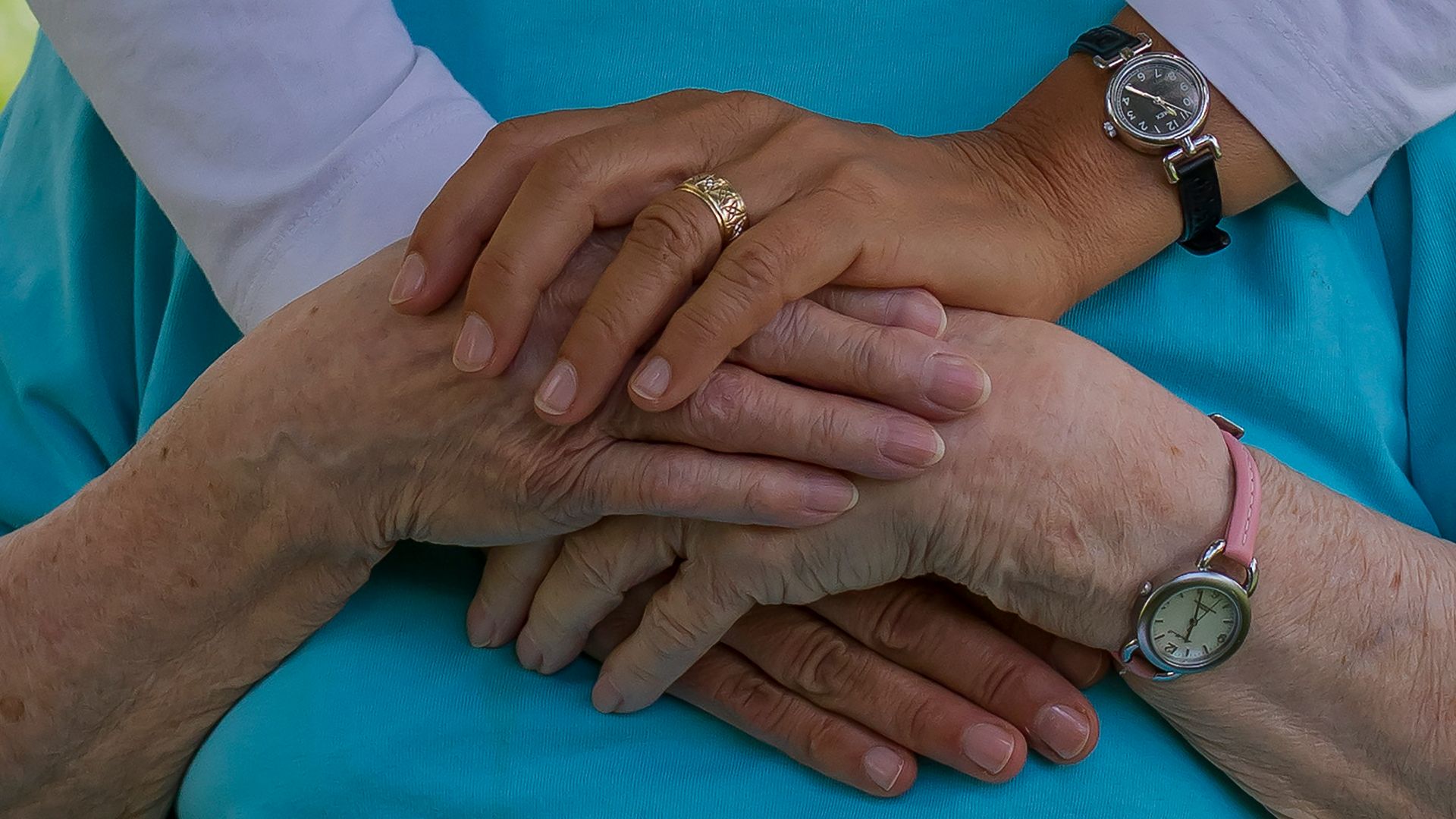
Now that we've covered a few ways to support aging loved ones, let's look at a few signs that you may be in over your head.
1. They Need Around The Clock Care
It's impossible for you to take care of yourself if you devote all your time and energy to taking care of someone else. Sometimes, people need a helping hand for simple tasks—and that's okay. If they're extremely resistant to leaving their house, a personal support worker can help make home life more manageable.

2. Frequent Hospital Visits
It's normal to see some increase in hospital visits as a person ages. However, multiple hospital visits or health scares within a few months can be a cause for concern. Your family member may require medical care which you simply aren't capable of providing.

3. Communication Difficulties
Communicating needs and shifting priorities may be difficult as a person enters a new stage of their life. However, difficulties in communication may be a sign of cognitive decline. There's no shame in their mental faculties not being what they used to be, but a licensed professional can help manage symptoms.
4. Sudden Weight Loss
Weight fluctuations such as unexplained weight loss and loss of appetite can be a sign of the body having difficult digesting as it slows down. Even though they may not want to eat, it's important that they continue consuming well-rounded meals to ensure nutrient absorption. This is where a nutritionist may come in handy.

5. Changes In Physical Health
While we've stressed the importance of making sure your loved one isn't alone, it's equally important that they have the right person taking care of them. Older people can be particularly vulnerable to medical abuse both by health care providers and family members. Unexplained injuries could be a potential cause for concern.

6. Behavioral Changes
Aging can be difficult to manage, potentially leading to aggression, anxiety, and paranoia. While these feelings are not uncommon, it's important to understand them as emotional reactions. As with all changes, your family may not be medically equipped to handle them.

7. Safety Concerns
Even if you make their home more accessible to accommodate shifting needs, your loved one can still put themselves in danger without their realizing. Some examples of safety concern include leaving the stove on, misplacing essentials, or leaving doors unlocked. Your loved one could be a danger to themselves.

8. Social Isolation
It can be difficult for your family members to keep up friendships as they age, especially if they have difficulty leaving the house or getting around. Loneliness can be just as dangerous as physical or mental decline. Whether you're considering moving them into an elder care community or hiring a PSW to spend time with them, don't underestimate the value of social interaction.

9. Caregiver Burnout
Caregiver burnout is no joke. If you spend so much time taking care of another person that you neglect to take care of yourself, you aren't helping anyone. Helping someone through a transitional period shouldn't be a burden.

10. Terminal Illness
When a person reaches the end of their life, there isn't much else you can do for them besides making sure they're comfortable and cared for. In the case of aggressive or terminal illness, hospice care may be the way to go. Hospice care focuses on improving a person's quality of life in their final months.