When Cultures Choose Commitment Differently
Marriage remains humanity's oldest social contract, yet participation varies wildly by geography. High-rate nations emphasize family honor and religious duty as cornerstones of adulthood, while low-rate countries prioritize individual choice and financial independence before legal unions. According to World Population Review rankings, explore the fascinating extremes where marriage thrives versus where it's becoming beautifully optional.
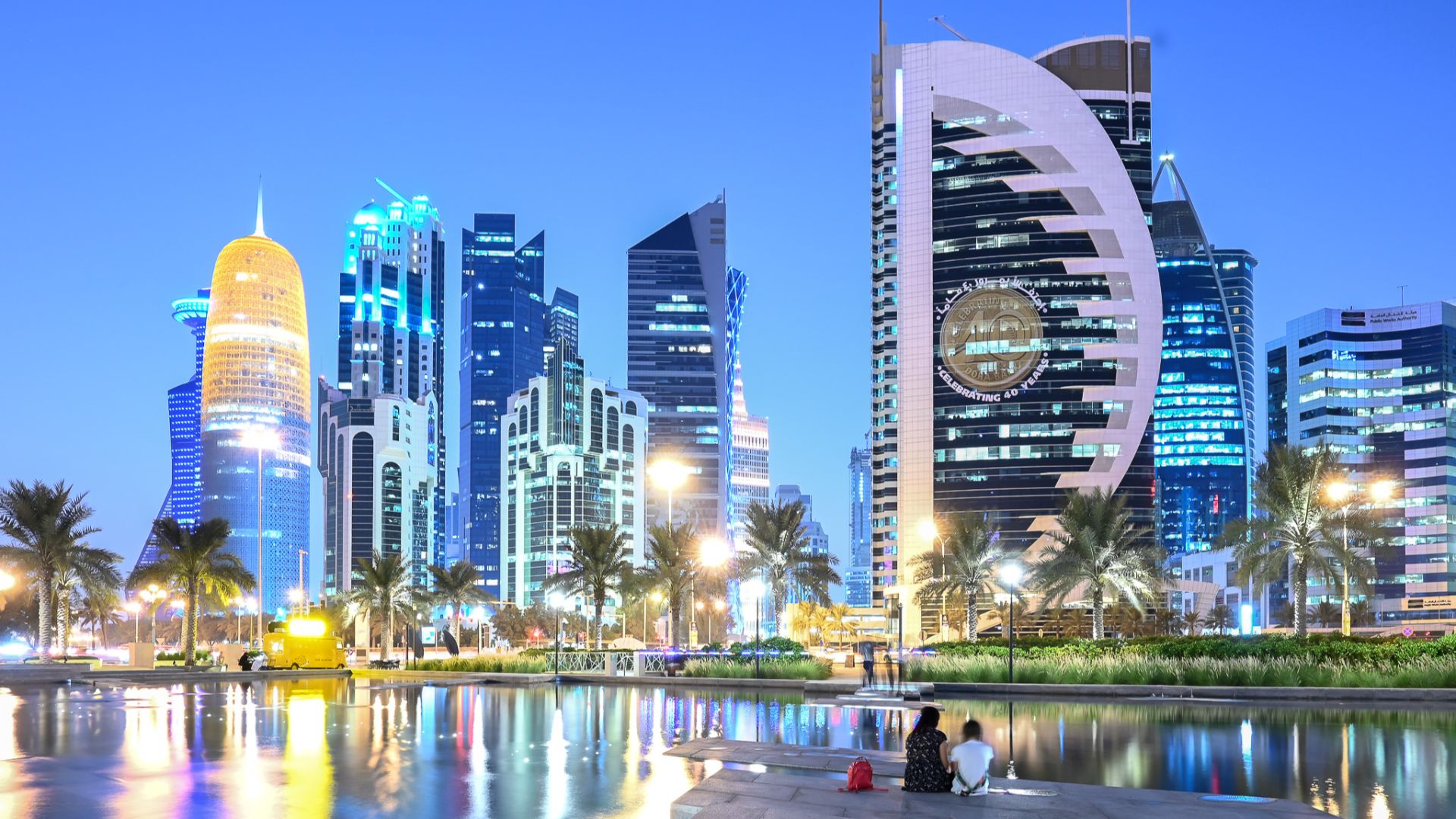
1. Qatar (1.4)
Expatriate workers dominate Qatar's demographics, resulting in the world's lowest crude marriage rate of just 1.4 per 1,000 people. Despite government programs subsidizing weddings to encourage family formation among citizens, the needle barely moves on those registration numbers.
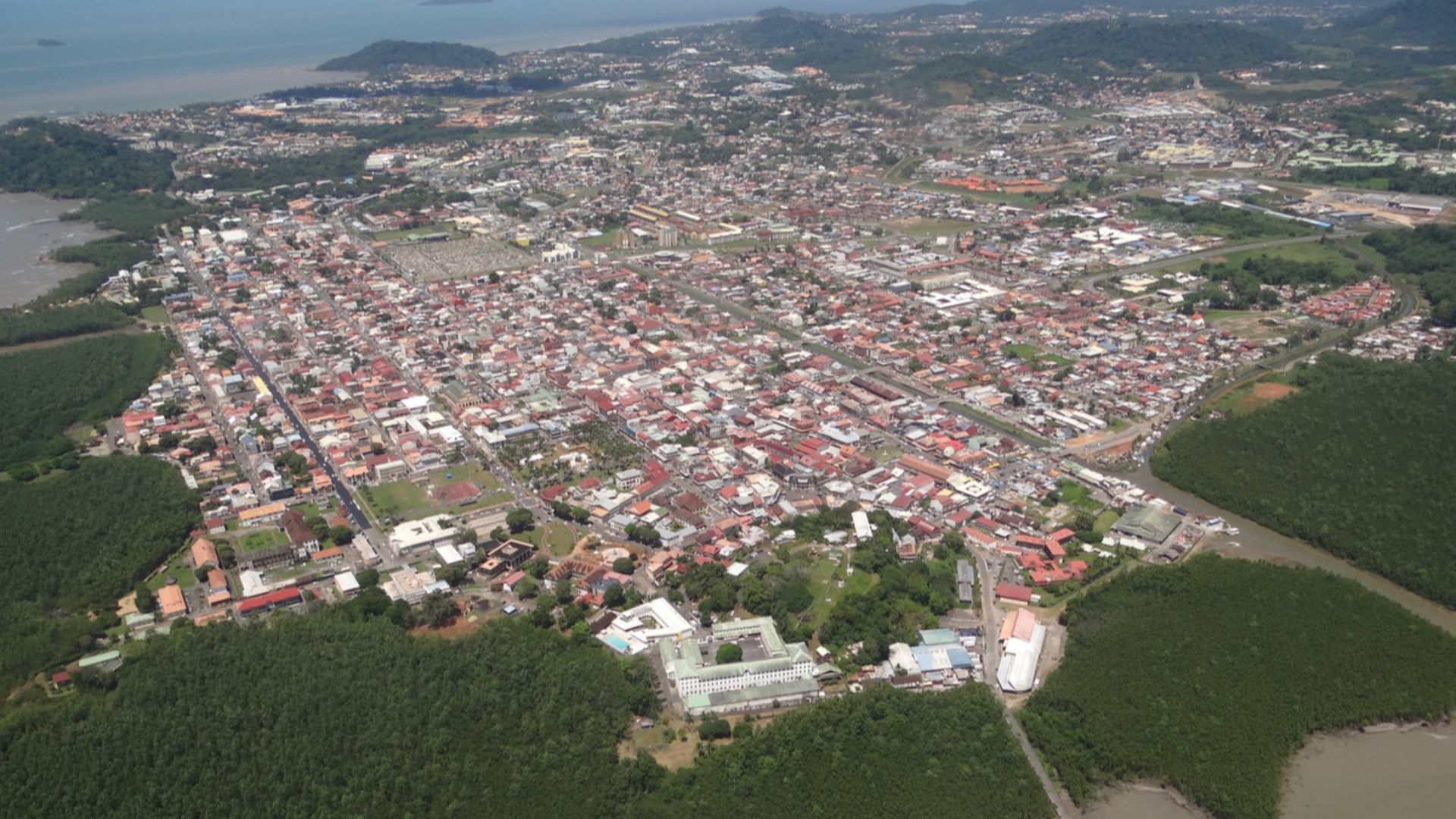
2. French Guiana (2.4)
Europe's main spaceport launches more rockets here than the region registers weddings some years—literally more "liftoffs" than "I dos"! Cohabitation dominates this French territory, where formal marriage takes a permanent backseat to informal partnerships everyone prefers anyway.
3. Peru (2.5)
Over in Peru, urban centers see cohabitation replacing costly formal ceremonies as education access expands and economic instability makes big weddings feel impossibly expensive. It's hard to want to get married if you don't have the means for it.

4. Venezuela (2.6)
International beauty pageant titles flood Venezuela despite economic turmoil crushing marriage rates nationwide. Hyperinflation and migration crises have rendered legal weddings financially impossible, so couples choose stable cohabitation arrangements that make practical sense instead.

5. Martinique (2.8)
Strong Caribbean rum proves more reliable than marriage vows for keeping relationships "spirited," locals here joke with knowing grins. Consensual unions vastly outnumber formal legal marriages in this French territory that shares metropolitan France's cohabitation culture completely.
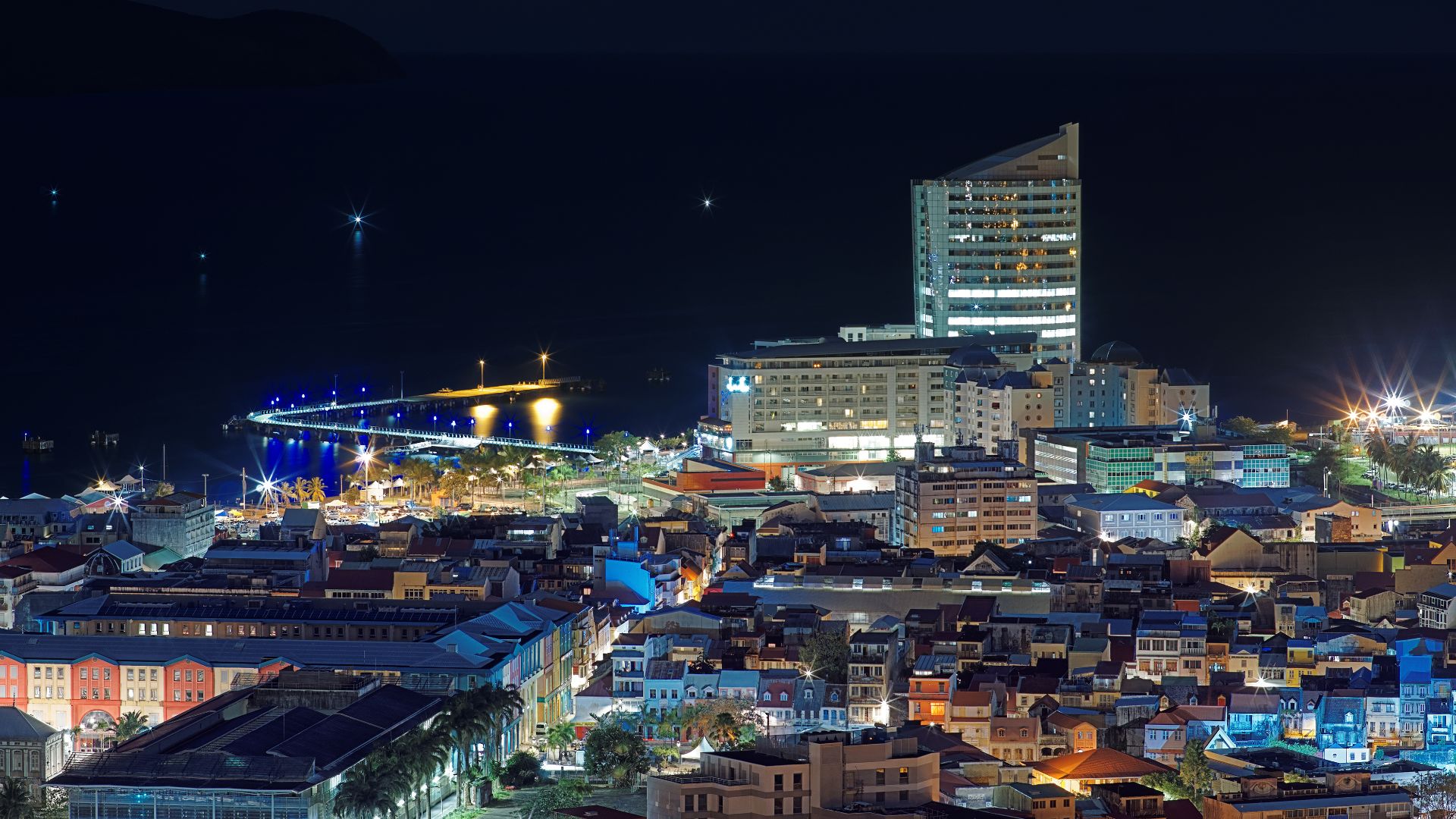
6. Uruguay (2.8)
Marijuana legalization and gender-neutral marriage both arrived in 2013, showcasing Uruguay's progressive stance on personal freedoms and relaxed union attitudes. Deep secularism makes cohabitation socially acceptable here without the family pressure you'd find in neighboring countries.
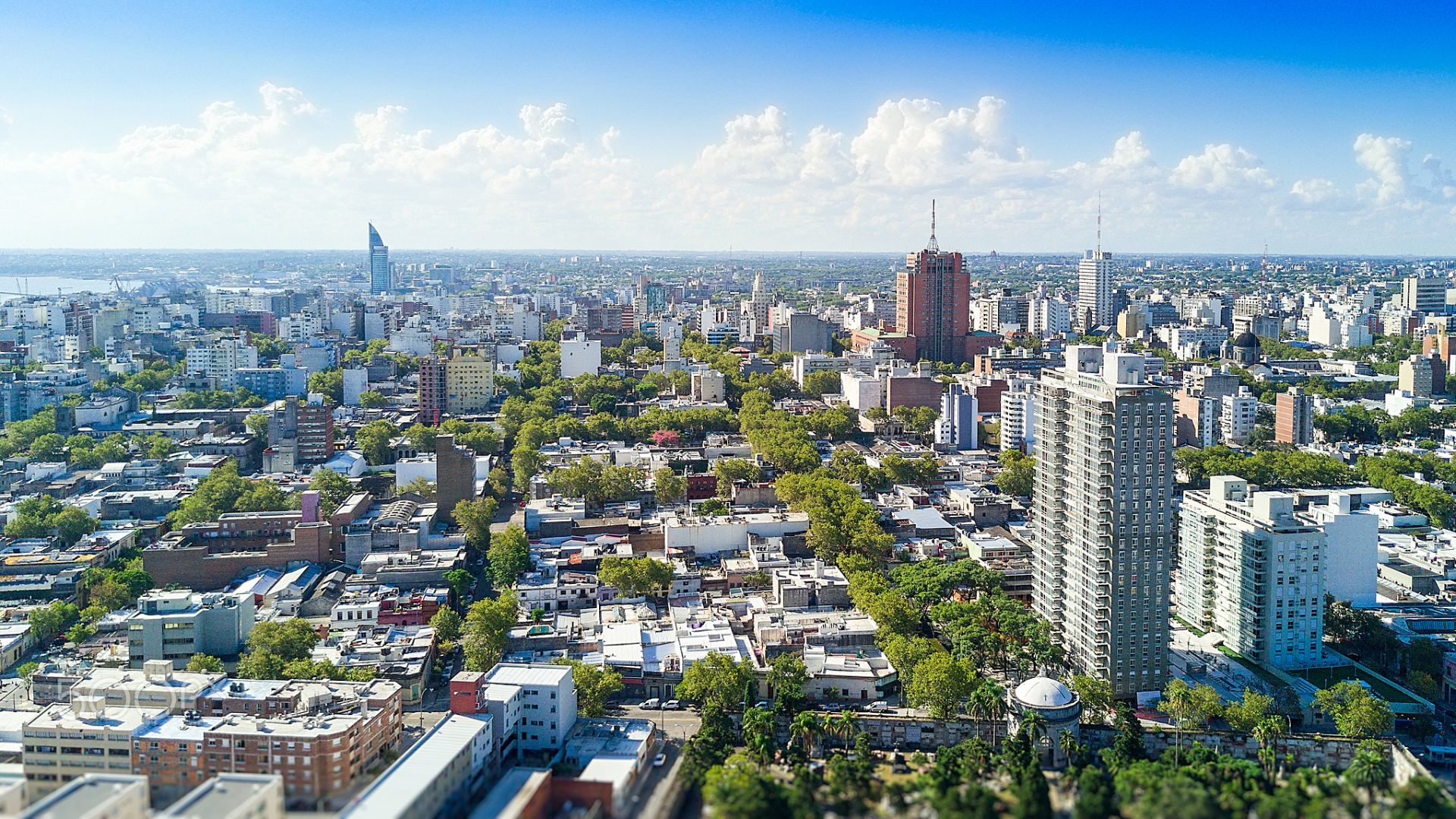
7. Argentina (2.9)
Passionate tango dancing originated in Buenos Aires—couples still use it for wedding first dances, even when they're skipping the legal ceremony entirely. Rising female independence combines with brutal economic pressures to push marriage ages higher every year.
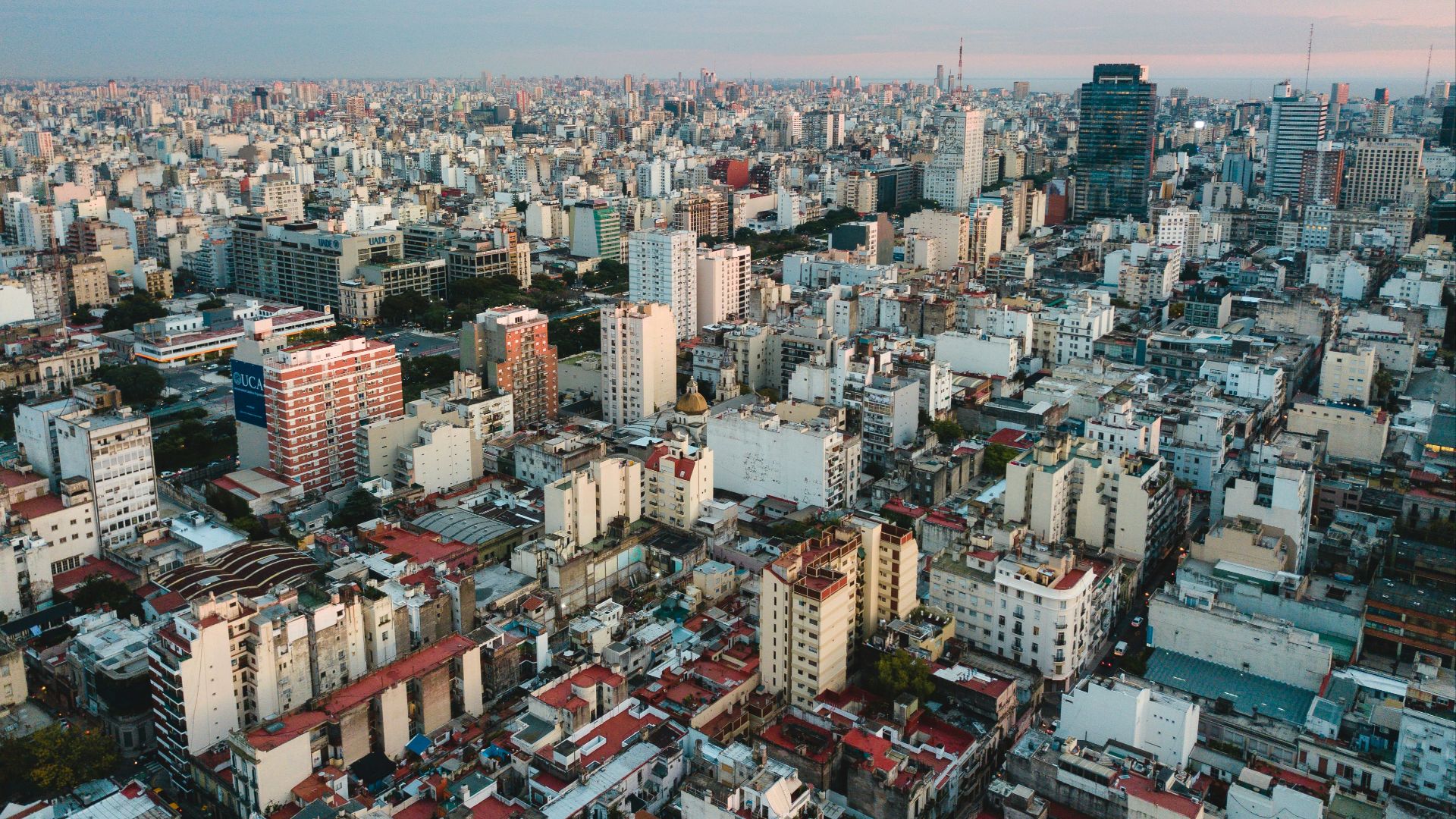
8. Portugal (2.9)
Over 800 years of monarchy couldn't prepare modern Portuguese for rushing their own marriages; the average age now exceeds thirty. Youth emigration drains potential couples while economic recovery challenges reshape what traditional family formation even means anymore.
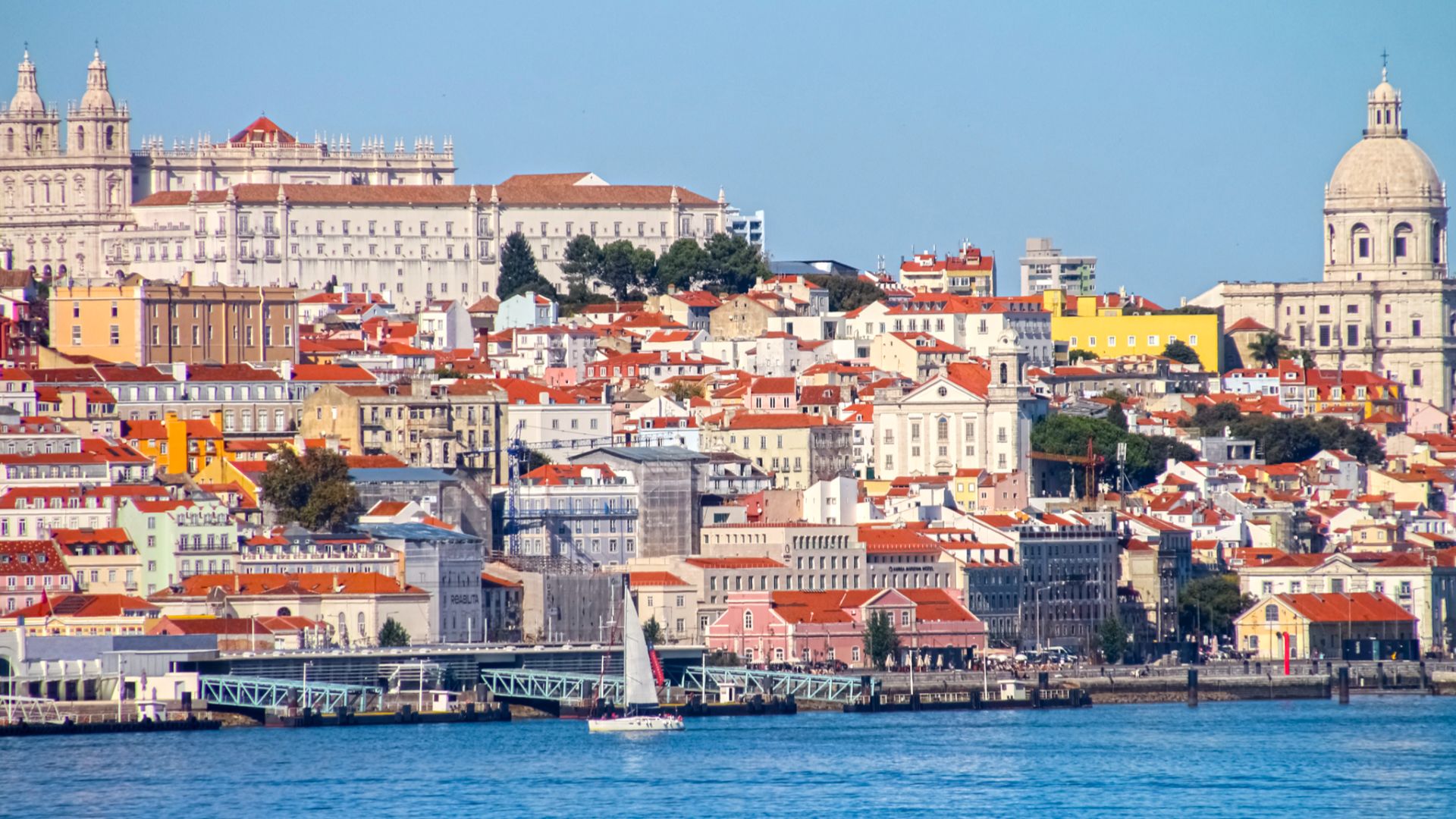 Vitor Oliveira from Torres Vedras, PORTUGAL on Wikimedia
9. France (3.1)
Actual legislation protects traditional baguettes, yet no laws force marriage—many French prefer the "baguette life" over wedding aisles completely. PACS civil partnerships offer popular alternatives in this deeply secular society where individualism reigns.

10. Malta (3.1)
Perfect beach wedding weather arrives over 300 sunny days annually, yet many Maltese residents cheerfully ignore it for sunny single living instead. Cohabitation rates surged dramatically after divorce finally became legal in 2011, giving people relationship options.
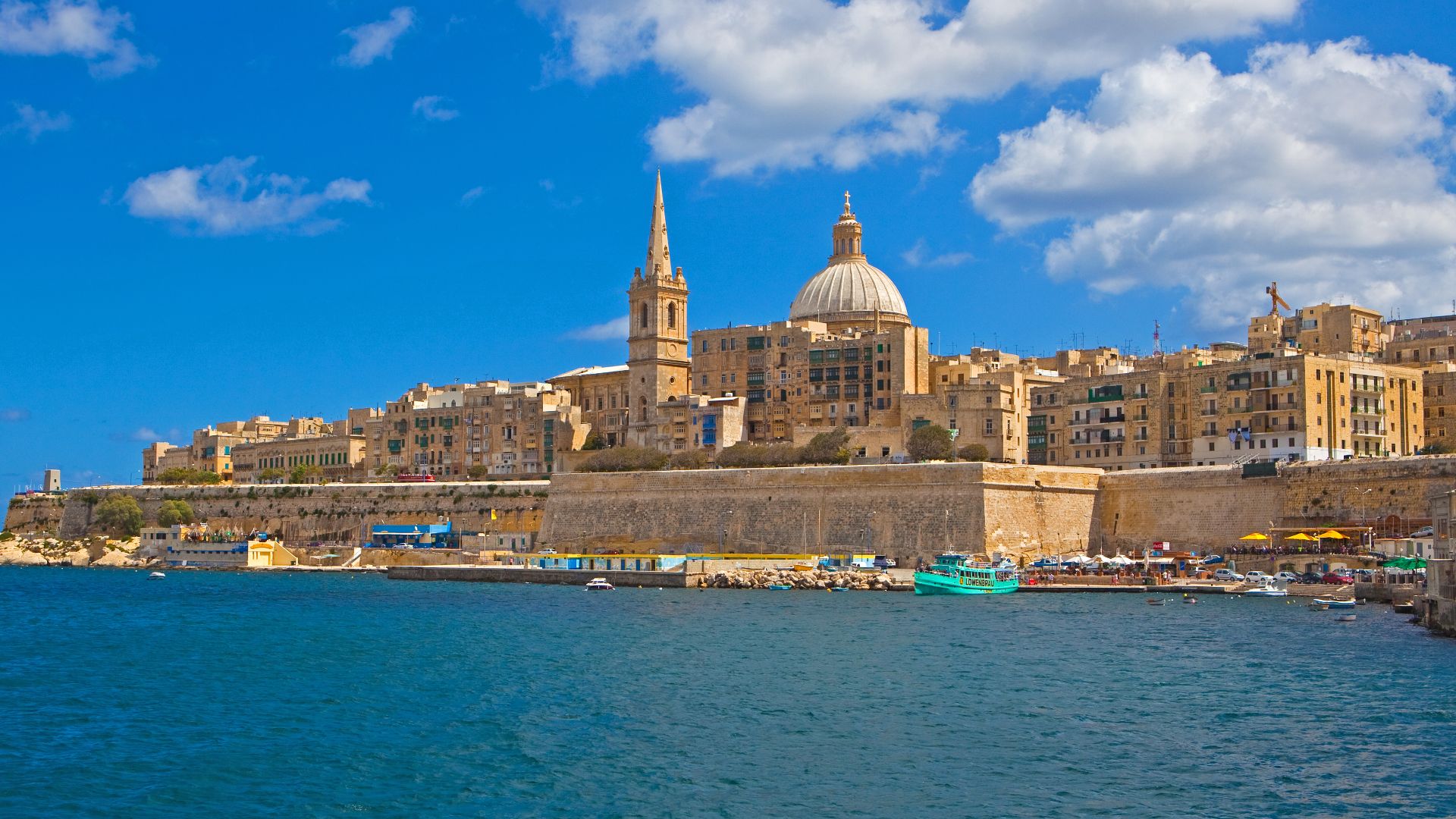
While some nations embrace singlehood and cohabitation as modern norms, others celebrate marriage with elaborate multi-day festivities where saying "I do" remains a cherished cultural cornerstone.
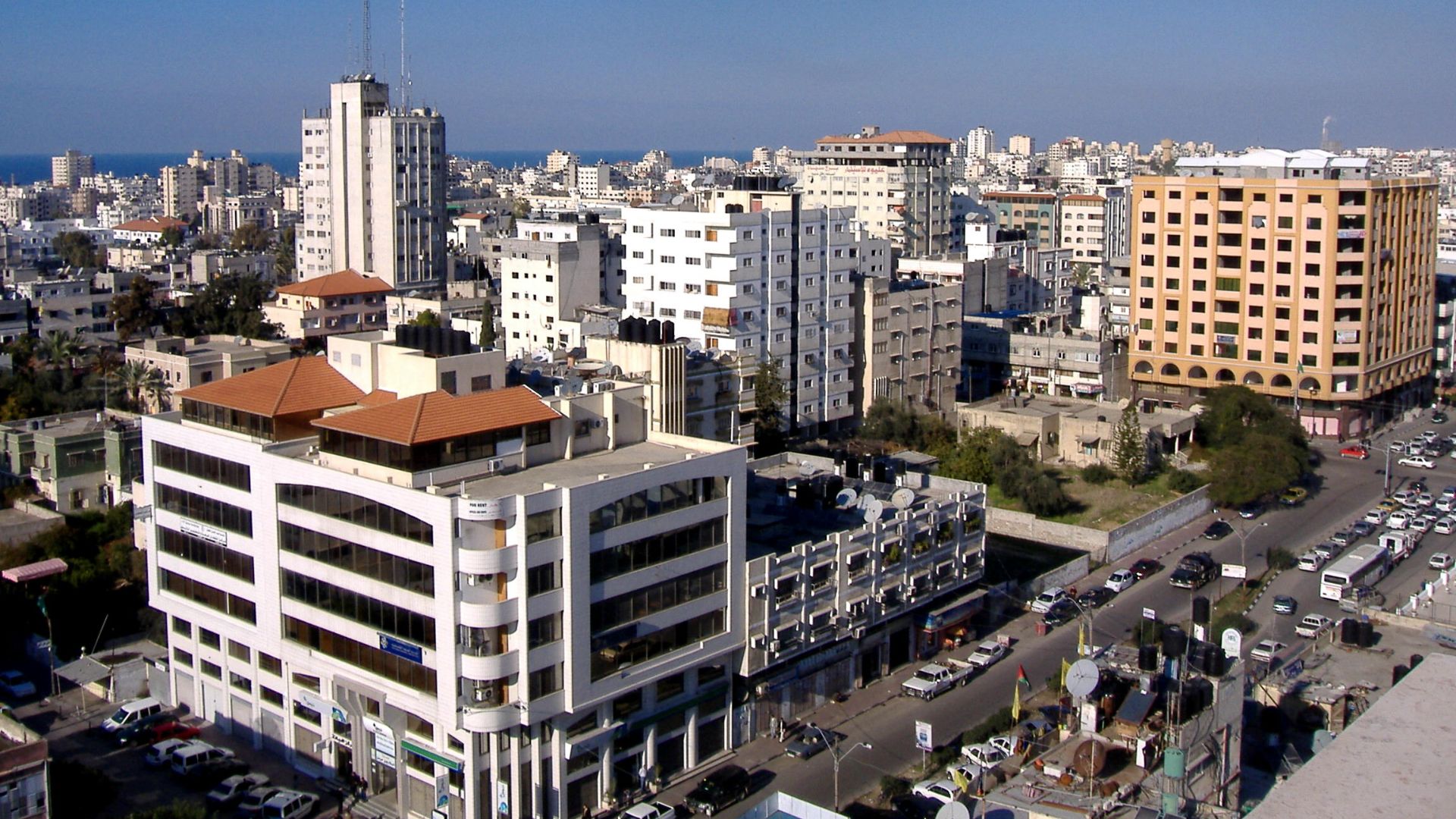
1. Palestine (10.0)
Traditional dabke dancing can last for days at Palestinian weddings, turning marriage into a major community celebration reflecting the world's highest crude rate of 10.0 per 1,000. Family honor and powerful social expectations drive nearly universal unions at relatively young ages.
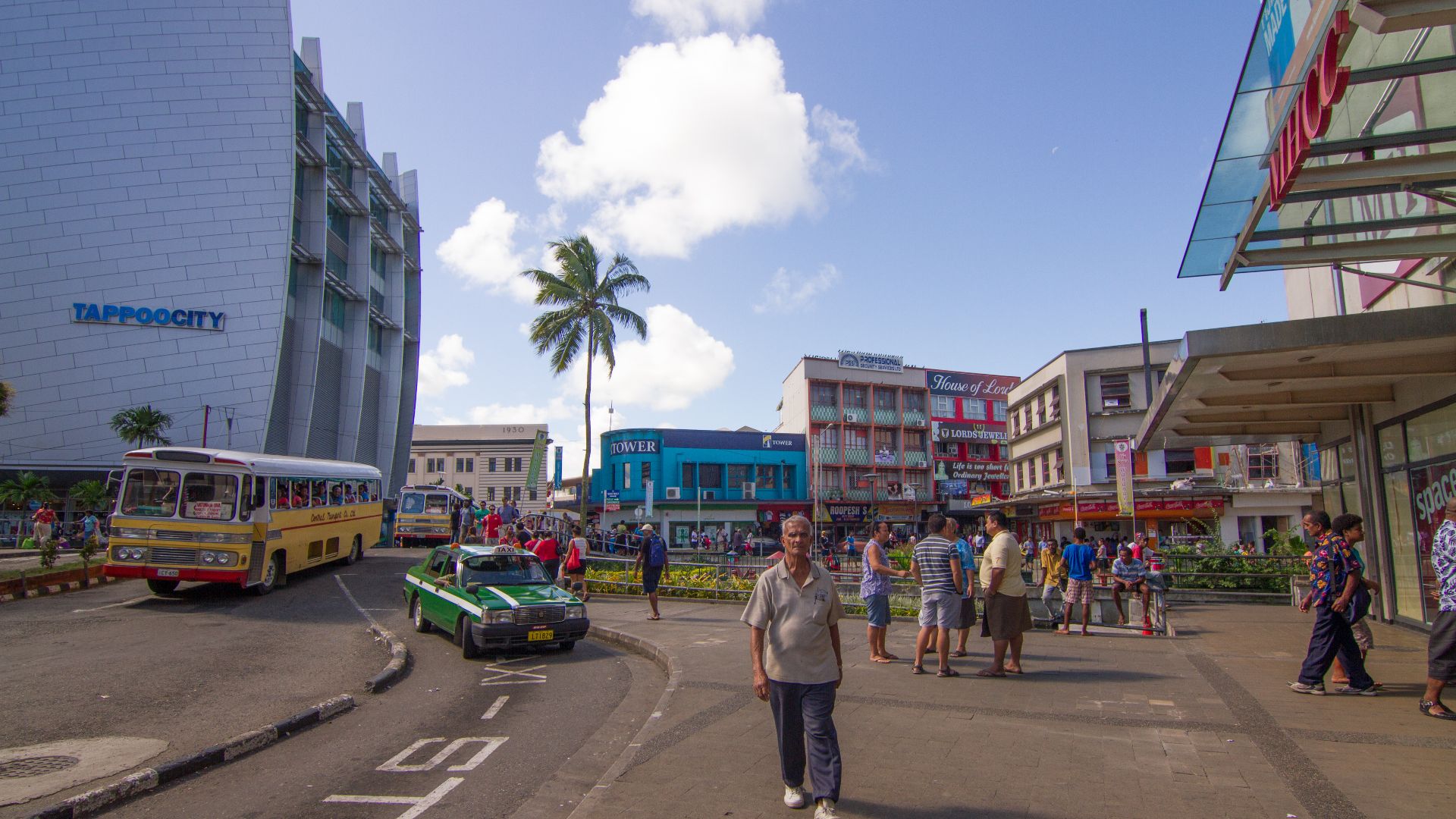
2. Fiji (9.8)
Whale tooth presentations called "tabua" make Fijian proposals extra special, to mark deep respect and commitment rooted in Pacific Island culture. Marriage serves as essential glue for community and clan ties, with traditional ceremonies involving entire villages.
3. Egypt (9.6)
Loud "zaffa" processions featuring drums and dancing crowds turn Egyptian weddings into massive street party spectacles witnessed by hundreds of neighbors. Cultural and religious norms in this predominantly Muslim society view marriage as a fundamental social duty that you simply fulfill.
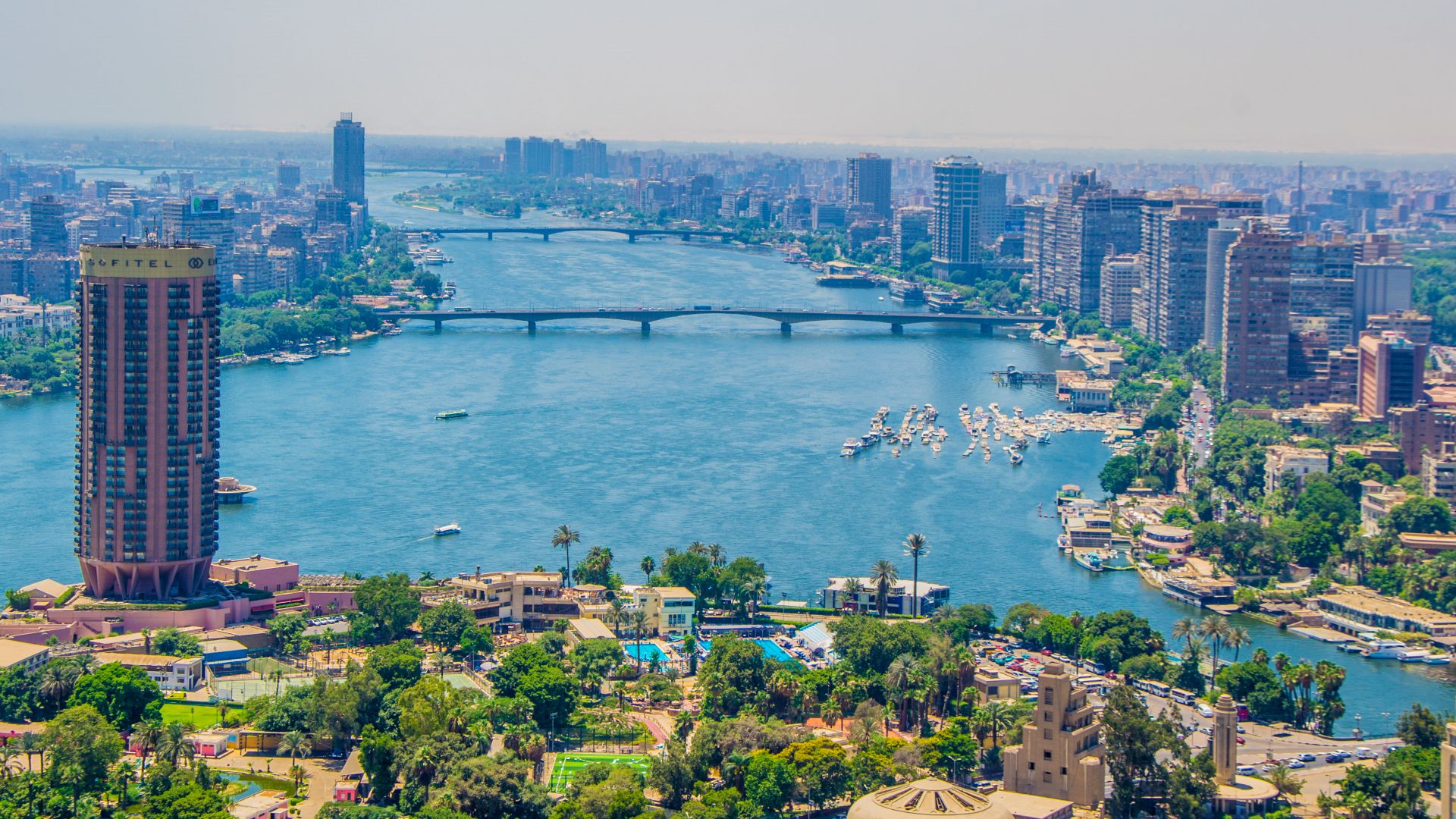 Ahmed Photographer on Wikimedia
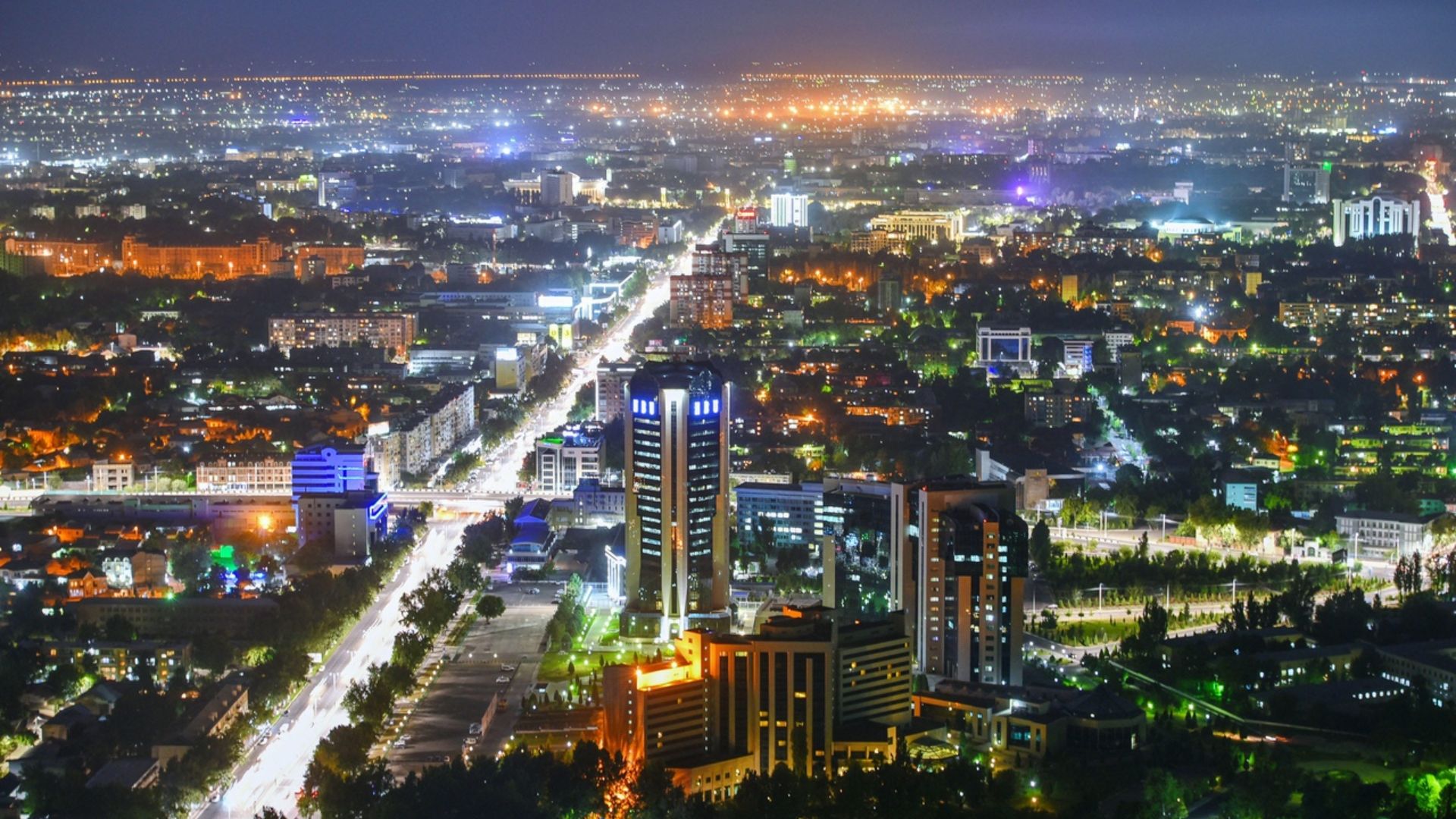
4. Uzbekistan (9.5)
Epic multi-day celebrations with lavish feasts and colorful silk robes make Uzbek weddings the "biggest party of your life," locals claim with genuine pride. Cultural pressure encourages young marriages, especially for women, through family-arranged matchmaking traditions passed down through generations.
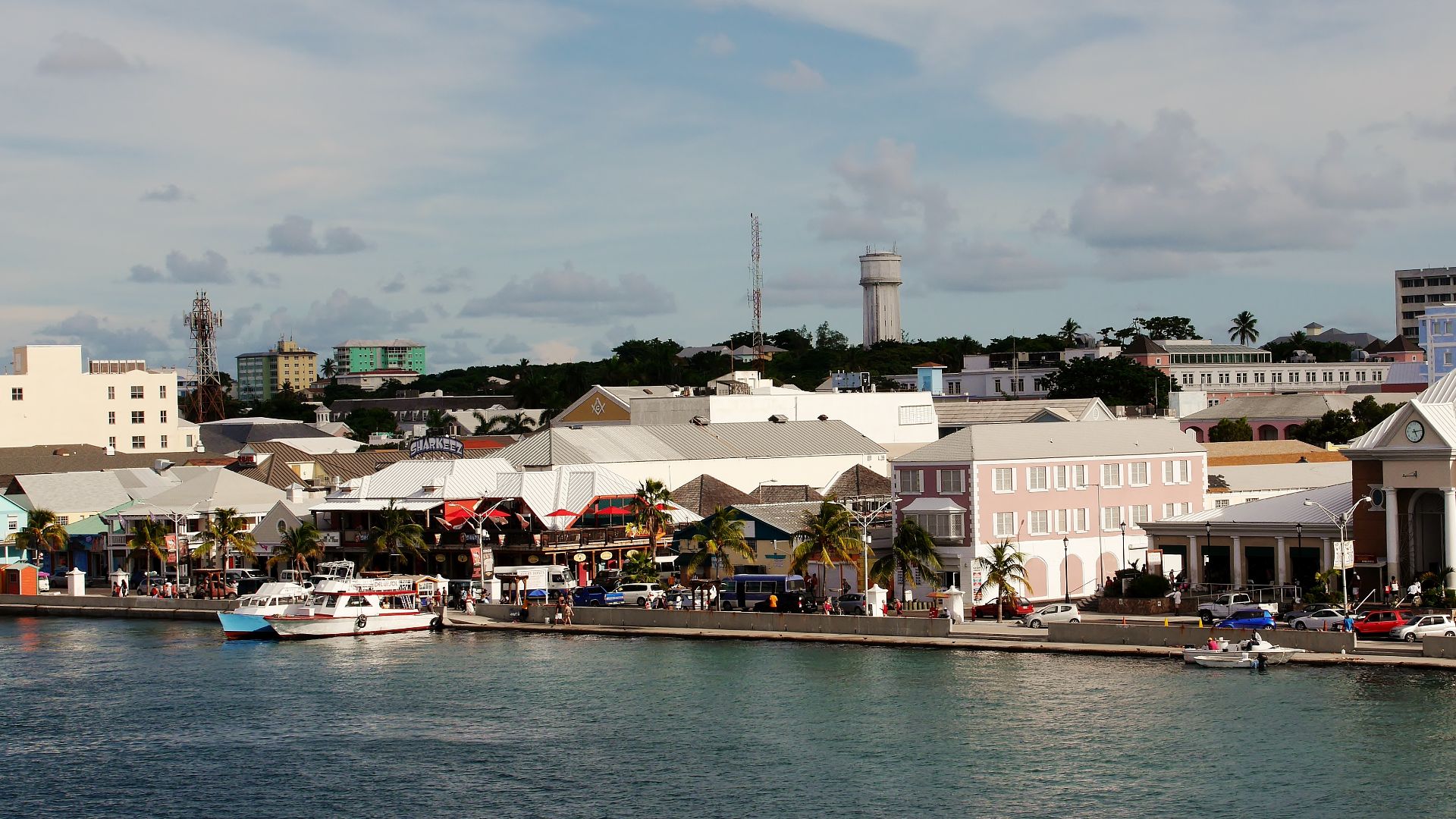
5. Bahamas (9.5)
Colorful Junkanoo costumes and goombay music blend Caribbean celebration with wedding ceremonies throughout the Bahamas, where strong community ties make formal unions expected. Family expectations transform marriage into a normative, positive life step rather than something optional.
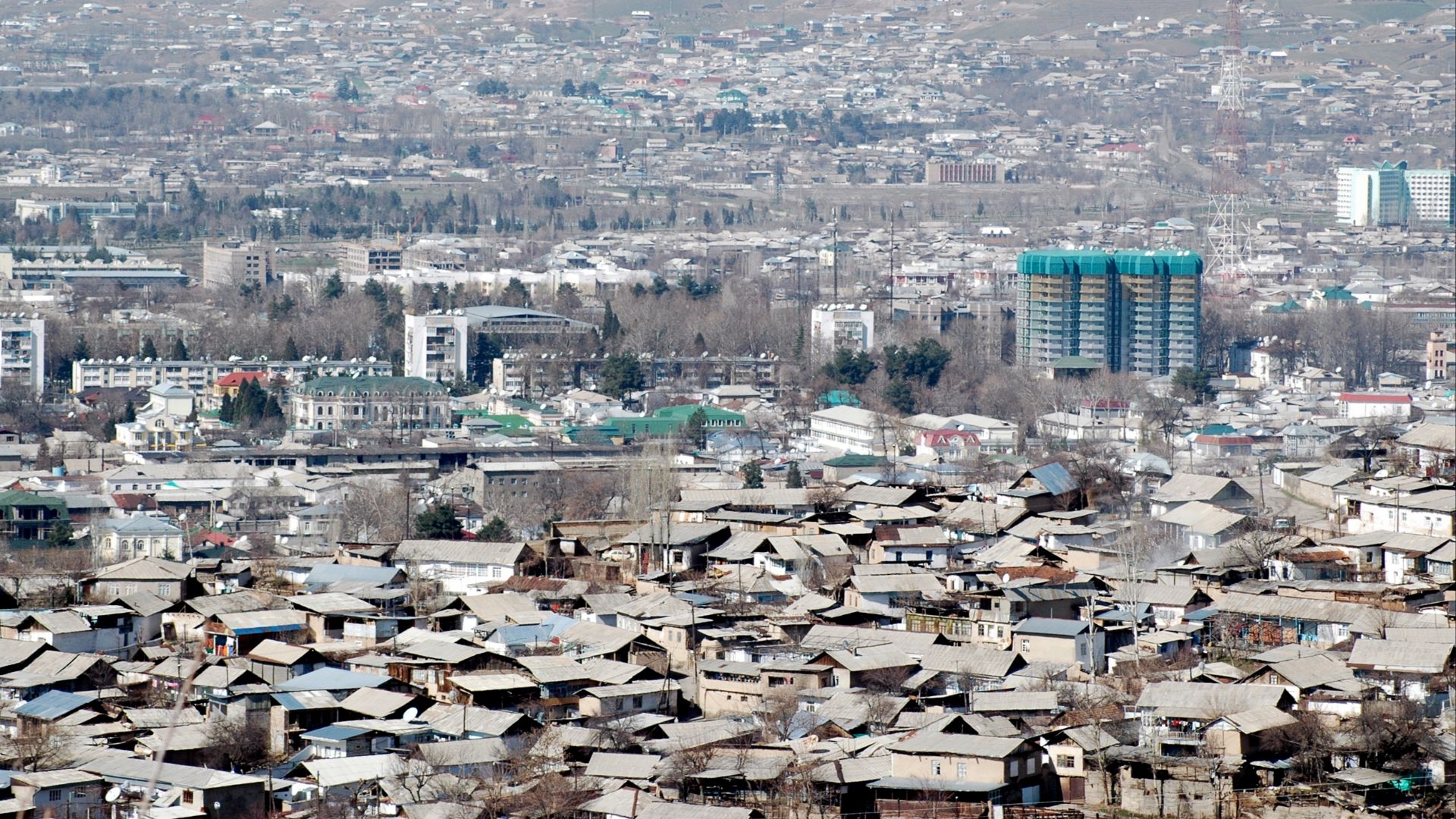
6. Tajikistan (8.9)
Roast sheep centerpieces symbolize abundance at Tajik weddings, serving hundreds of guests in a patriarchal society that prioritizes large families over individual preferences. Central Asian traditions favoring early, family-arranged marriages keep annual registrations elevated despite some recent fluctuations.
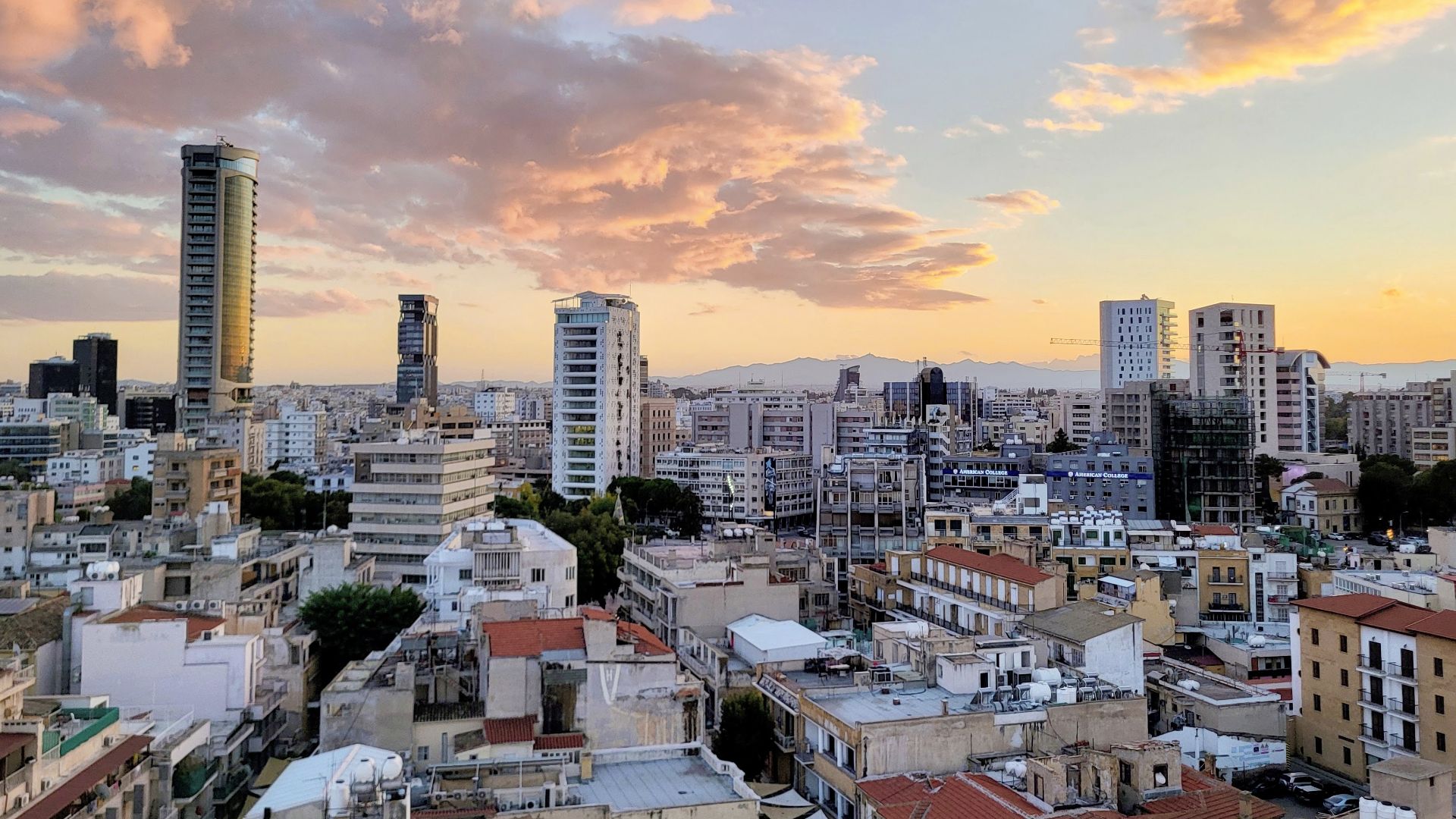
7. Cyprus (8.9)
Sugar-coated almonds called "koufeta" represent marriage's bitter-sweet nature at Cypriot weddings, where Orthodox Christian values strongly encourage formal unions over cohabitation. Mediterranean family culture drives these EU-leading marriage rates, which outpace those of most European neighbors.
8. Albania (8.0)
Celebratory gunfire echoes at Albanian weddings; a traditional Balkan custom turning ceremonies into loud, joyful spectacles where family continuity matters deeply to everyone. Post-communist shifts somehow maintained relatively high rates, unlike Western Europe's declining numbers.

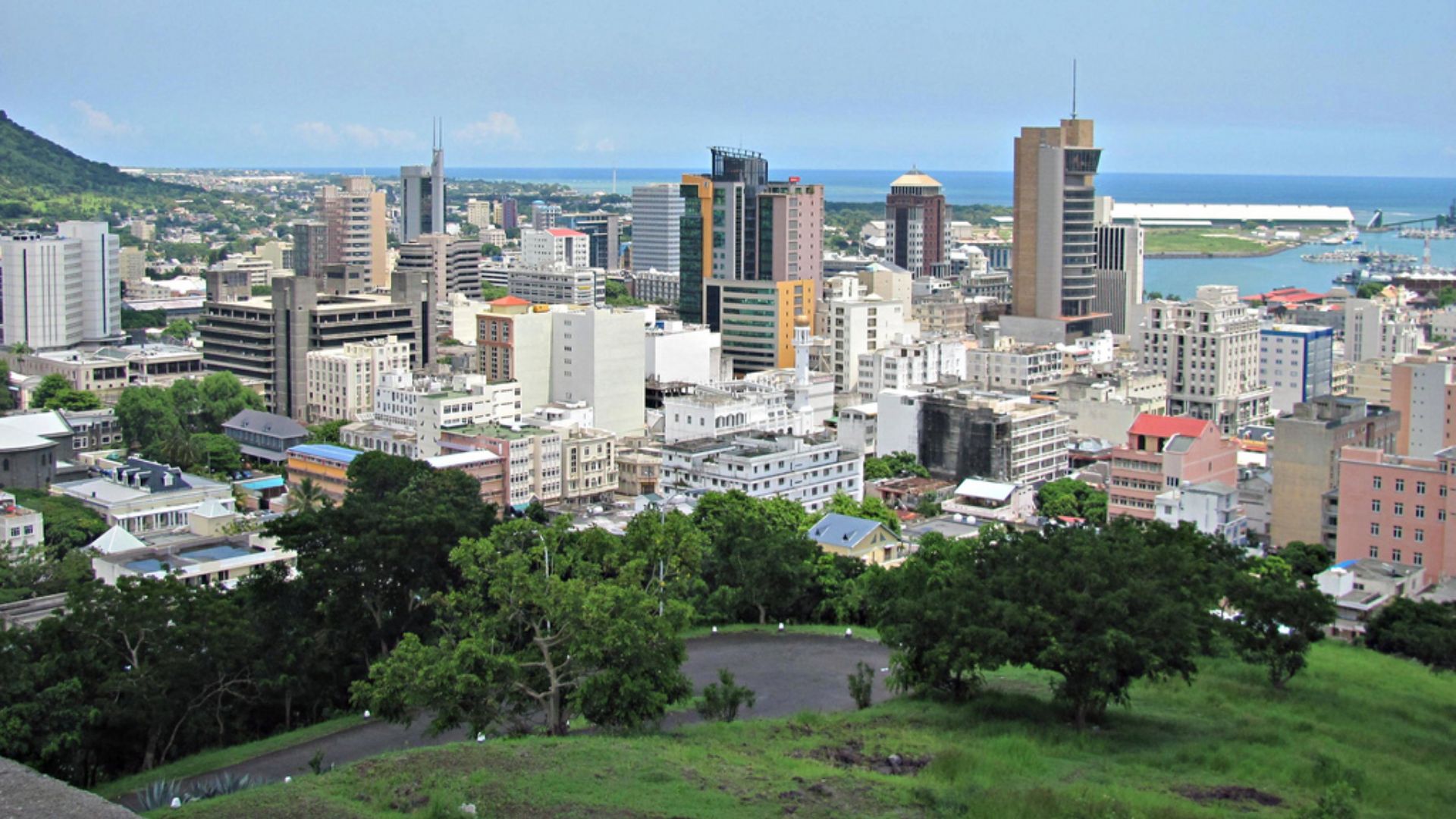
9. Mauritius (7.9)
Rhythmic Sega music and dance keep Mauritian wedding guests celebrating well into the night across Hindu, Muslim, and Christian multicultural traditions. Strong family involvement and social expectations encourage early, stable unions that honor diverse religious customs.
 Ashok Prabhakaran on Wikimedia
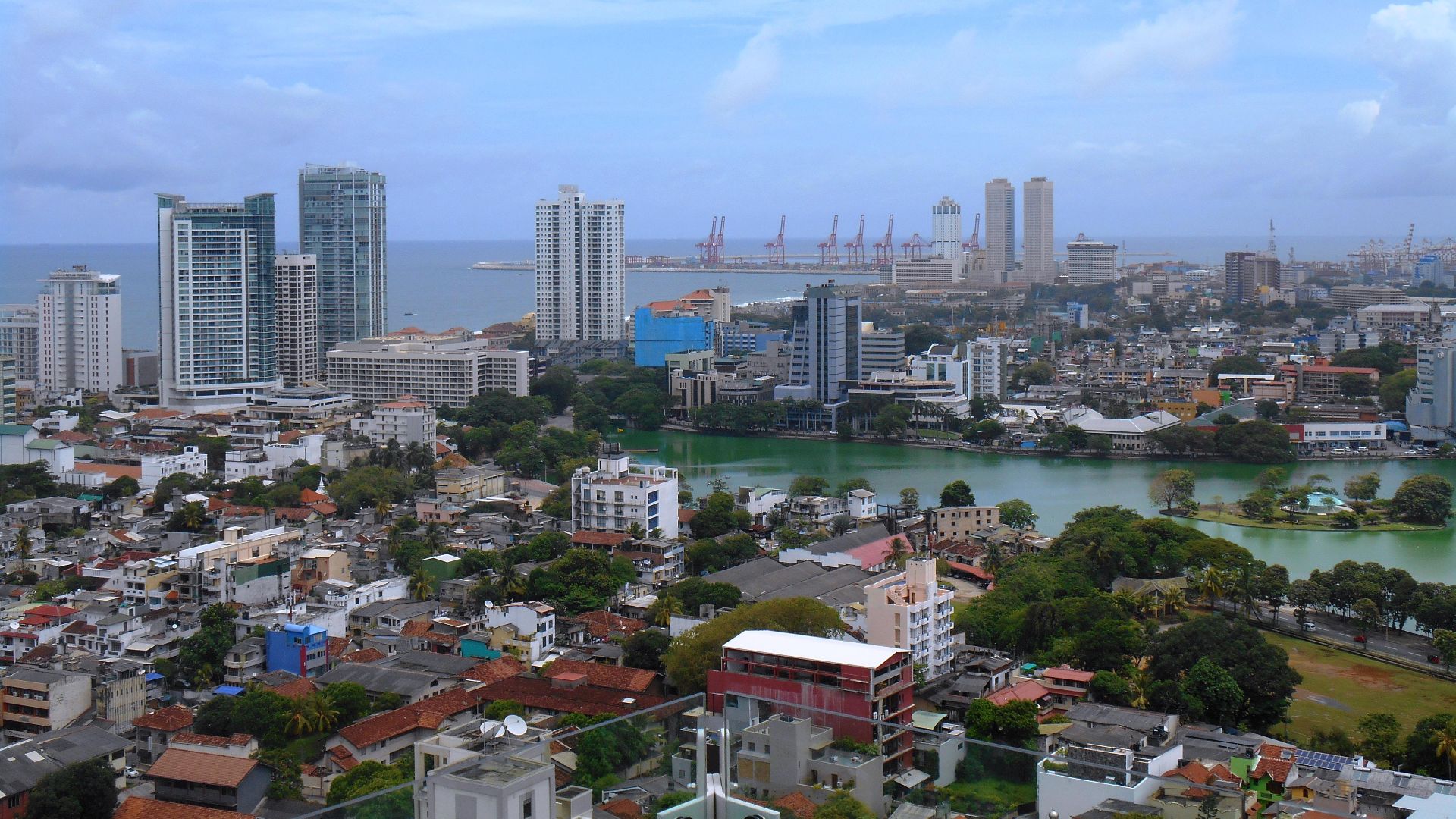
10. Sri Lanka (7.8)
Decorated "poruwa" platforms symbolize couples' new homes at Sri Lankan weddings, often featuring elephant processions winding through village streets. Buddhist, Hindu, and cultural norms prioritizing family continuity maintain these consistently high registrations year after year.