
10 Advantages to Teaching Your Kids Your Mother Tongue & 10 Reasons It's Better Not To
10 Advantages to Teaching Your Kids Your Mother Tongue & 10 Reasons It's Better Not To
To Pass or Not Pass On?
Passing on your mother tongue can feel like a meaningful gift, but it can also bring real trade-offs that don’t get talked about enough. Some families find that it strengthens identity, relationships, and opportunity, while others may argue that it amplifies time constraints, school pressures, or unexpected stress at home. If you're considering whether it's best to teach your kids your native language or not, this article might help you decide.

1. Stronger Communication with Family
Teaching your kids your mother tongue can make everyday conversations with grandparents and extended relatives smoother and more natural. This, in turn, reduces the need for you to translate everything, which can get exhausting over time. It also lets your child build their own relationships without you acting as the constant messenger.

2. A Clearer Sense of Cultural Belonging
When kids can speak the language connected to their heritage, they often feel more grounded in where their family comes from. It can help them understand traditions, values, and community expectations without guessing at meaning. That sense of belonging can be especially helpful when they’re navigating identity questions later on.

3. More Flexibility in How Your Child Thinks and Learns
Bilingual children often practice switching attention, tracking context, and choosing the right words for the moment. And that's good news: mental juggling can support certain learning skills, especially when tasks require focus and planning. It’s not a magic boost for every child, but it can be a meaningful advantage for many.

4. Easier Access to Media and Information
A second language opens up books, music, shows, and news that your child might never encounter otherwise, and that broader access can make it easier for them to learn about different viewpoints and communities. It can also help them stay connected to the places and people who use that language every day.

5. Better Prospects for Travel and Study
If your family travels or has ties to another country, the language can turn stressful logistics into manageable moments. Your child may feel more confident navigating airports, stores, and social situations without relying on you to do all the talking. Over time, that confidence can make studying abroad or visiting relatives far less intimidating.

6. More Career Options
Even if your child doesn’t use the language daily, it can become a practical asset when they’re older and stepping into their career. Many industries value bilingual employees because they can serve a wider range of clients and collaborate across borders, which means it's a skill that can give them a useful edge in competitive fields.
 Cytonn Photography on Unsplash
7. Stronger Listening and Pronunciation Skills
Learning your mother tongue early can sharpen your child’s ability to hear and reproduce sounds accurately. That can make future language learning easier because they’ve practiced paying attention to subtle differences in speech. It may also help them speak with clearer pronunciation if they use the language regularly.

8. A Wider Social Circle
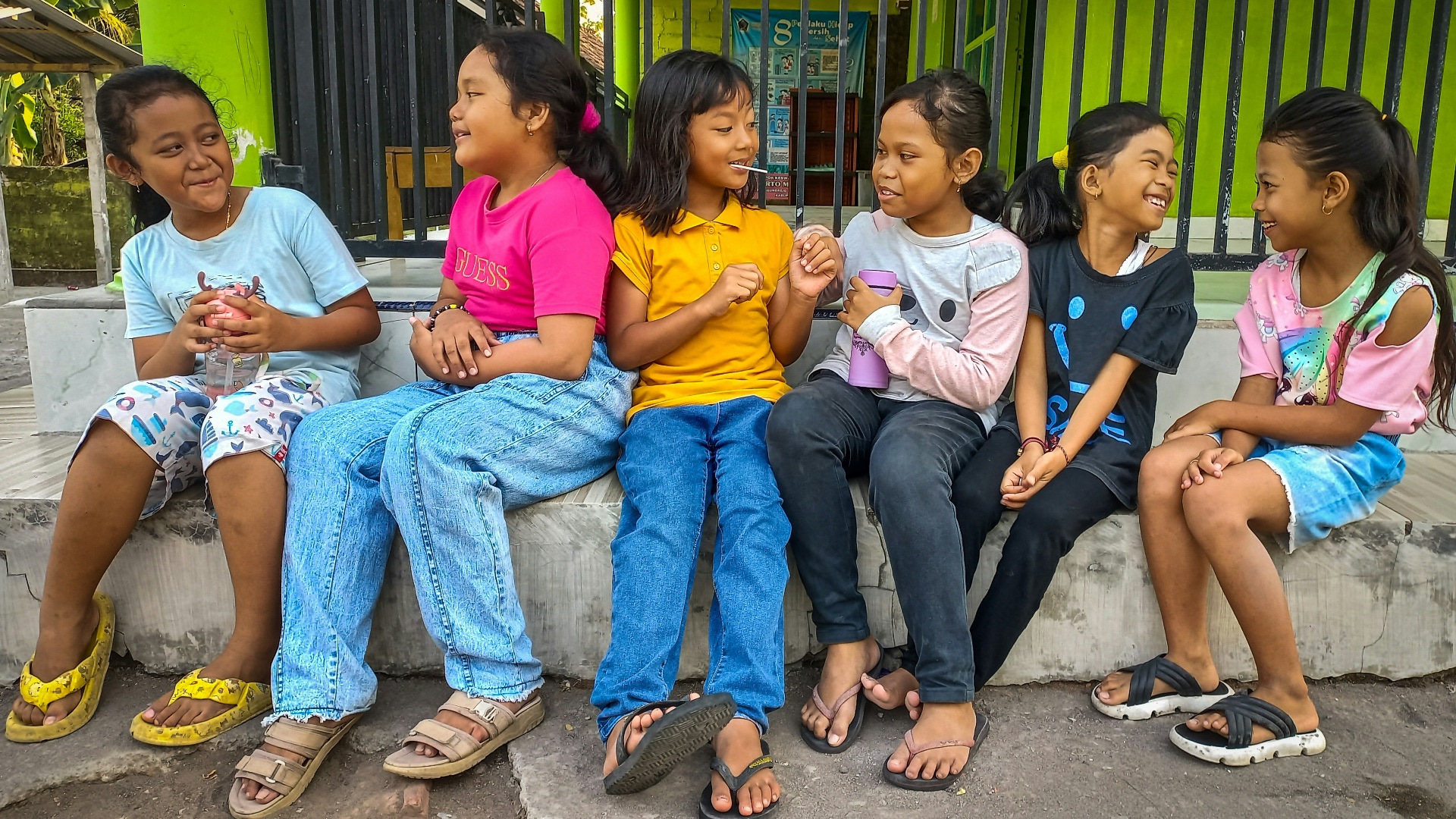
Speaking another language can help kids connect with classmates, neighbors, or community members they might not otherwise engage with. This gives them a shared way to communicate that can lead to friendships and a stronger sense of community. For some kids, that social access can be a genuine source of comfort.
9. A Helpful Tool for Emotional Expression
Some children find it easier to express certain feelings in one language rather than another, especially when it’s tied to home life. That means having more than one language can give them options for how they communicate emotions and needs. It can also help you understand them better if the language is already part of your family’s emotional landscape.

10. Passing Down Family Language
Languages can disappear from a family in one or two generations if no one actively passes them on. Teaching your mother tongue can keep that knowledge alive so your child can carry it forward if they want to, and so on. Even partial ability can matter because it preserves a starting point rather than a complete loss.
But even with all these perks, you may still wonder if it's better not to teach your child your native tongue. Read on for 10 cons.
 National Cancer Institute on Unsplash
1. Time and Energy Can Get Stretched Thin
Language learning takes consistent exposure, and that can be hard to maintain when life is busy. If you (or your child) are already juggling different responsibilities, including work, school demands, and other extracurriculars, adding language lessons can become one more pressure point. Sometimes it’s healthier to focus on stability rather than taking on a plan you can’t sustain.
 Karolina Grabowska www.kaboompics.com on Pexels
2. Your Child Might Resist
Not every kid enjoys being corrected or pushed to speak a language they don’t usually hear outside the home. If it turns into repeated arguments, the language can become associated with stress and frustration instead of connection. In that situation, the cost to family harmony might outweigh the benefits.

3. Limited Exposure Be Frustrating
If your child only hears the language in small doses, they may understand it but struggle to speak, which can feel discouraging. That gap can make kids avoid using the language because they don’t want to feel embarrassed. Without enough community reinforcement, motivation can drop quickly.

4. Speech and Language Concerns May Need Priority
If a child has speech delays or is working with a specialist, your family may need a carefully coordinated approach. Some families worry that adding another language complicates the plan, even though bilingualism isn’t automatically a problem. The key issue is bandwidth and support, and you might decide simplicity is best during that period.

5. School Pressures Can Compete with Language Goals
As kids get older, homework, reading requirements, and test prep can take over the schedule. You may find that time spent maintaining a second language comes at the expense of sleep, confidence, or academic focus. If your child is already struggling, reducing these extra demands can be the kinder choice.

6. You Might Not Feel Confident Teaching It
Some parents worry they don’t speak the language “correctly” or that their vocabulary is limited, and that might be you. That insecurity can make you second-guess yourself, avoid speaking certain words or structures, or overcorrect in ways that don’t feel natural. If teaching it makes you anxious, your child will probably pick up on that tension.

7. Social Fit and Peer Dynamics Can Be Complicated
Depending on where you live, your child may feel self-conscious using the language in public. They might worry about standing out, being questioned, or getting teased, even if it’s subtle. If that stress becomes constant, you may choose to protect their comfort while they build confidence in other ways.

8. It Can Create Uneven Expectations Between Siblings
If one child picks up the language quickly and another doesn’t, comparisons can start to sneak in even when you don’t mean them to. That can affect sibling relationships and the way each child sees their own abilities. In some families, dropping the pressure may help everyone feel more respected.

9. Family Communication Can Become More Complicated
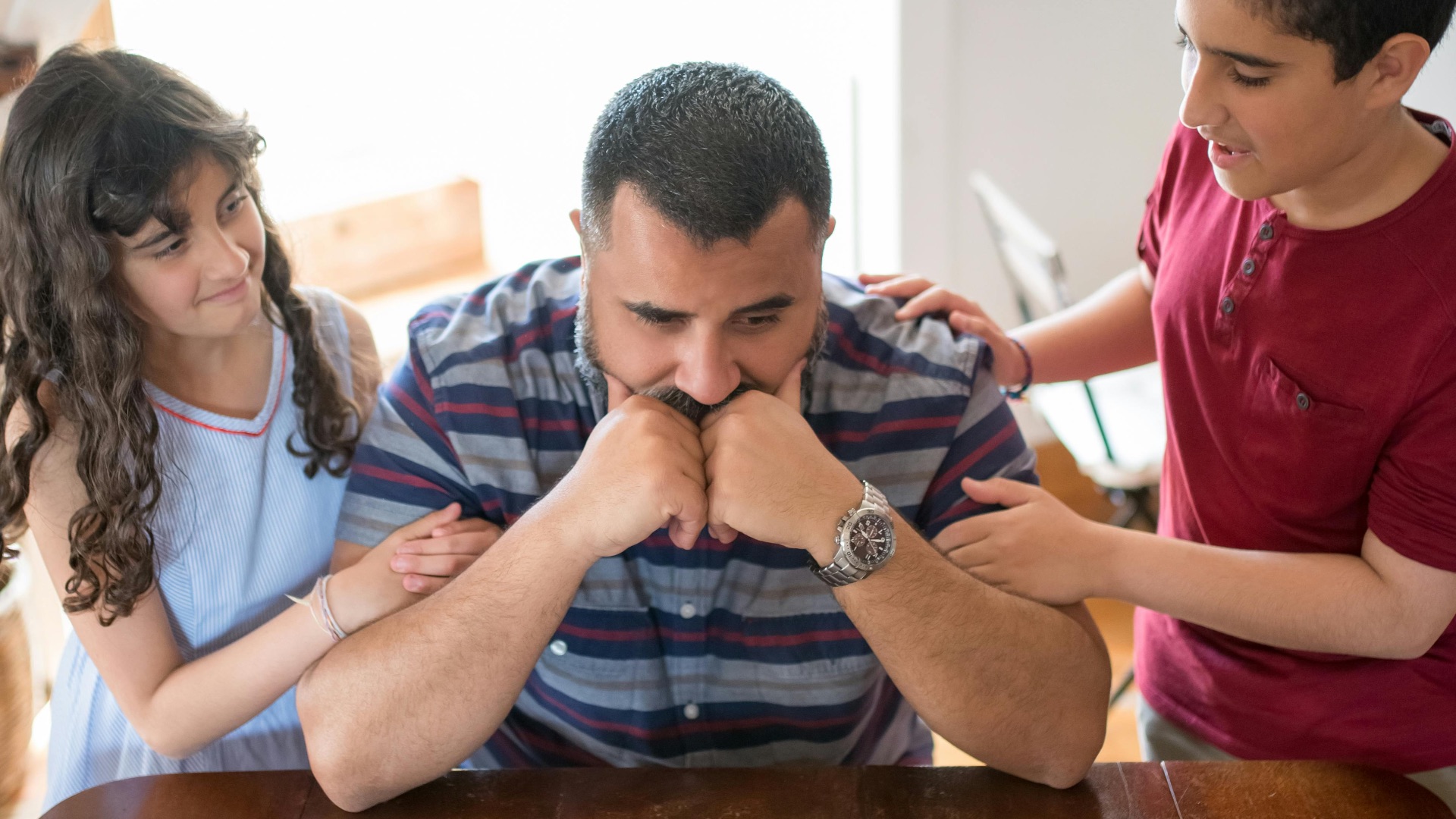
If only one parent speaks the mother tongue, using it at home can accidentally exclude the other parent. That can lead to misunderstandings or a feeling of alienness, especially during important conversations. Some families decide that a shared household language keeps communication clearer for everyone.
10. The Practical Need Might Be Low
If your child is unlikely to use the language outside the home, you may decide the return on effort isn’t strong enough right now. There’s nothing wrong with choosing other priorities, especially if your family has limited time. And that doesn't mean you have to give up teaching your native tongue altogether; you can always revisit the language later when circumstances, interest, or resources change.