A Reality Check For Raising A Decent Person
Raising kids right now is strange in a specific way. A bunch of the old problems have faded, and new ones keep arriving fully formed. Plenty of what we once treated as essential was really a workaround for a world with fewer options, thinner safety nets, and less patience for kids’ feelings. Meanwhile, modern conveniences have slid into the gaps where basic childhood needs used to be, and then everyone wonders why kids seem fried, lonely, or restless. The American Academy of Pediatrics has updated its guidance as screens and social media took over more daily life, and the U.S. Surgeon General has warned about mental health risks for youth on social media. Here's clear-eyed list of ten things kids can finally stop carrying, and ten things they need more of.
1. Constant Availability To Adults
Kids don’t need to be reachable at every moment, ready to answer a text, report where they are, or justify why they took ten minutes to respond. Phones turned childhood into a low-grade workday, and the expectation of instant replies can make kids feel watched even when nobody is yelling.
2. Hours Of Passive TV As Default Babysitting
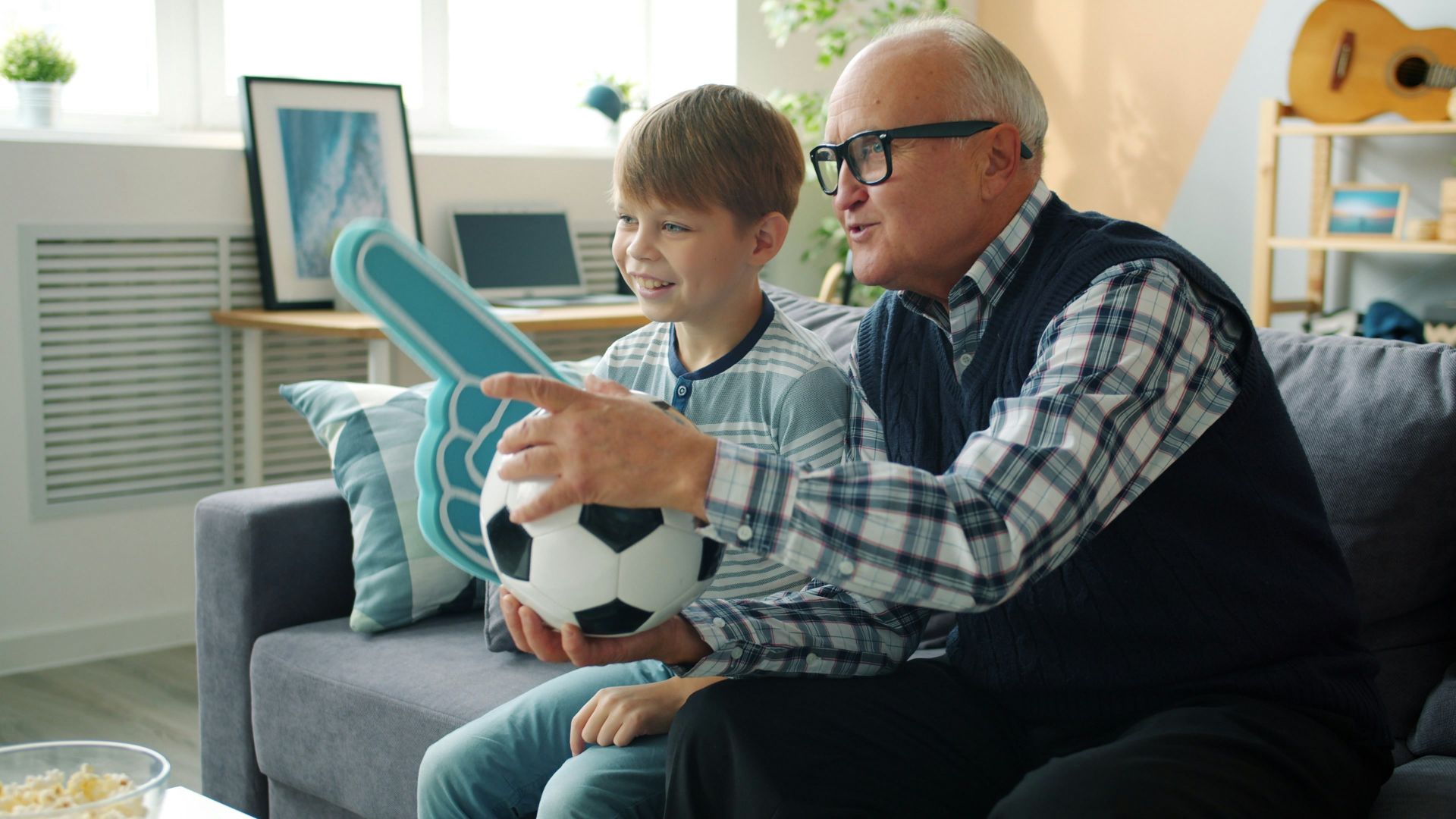
Kids don’t need the television glow filling every quiet corner of the house the way it did in many living rooms for decades. Streaming makes it easier to fall into, yet research groups like Common Sense Media have shown how quickly entertainment time can stack up, and most families already feel that drain.
3. One-Size-Fits-All Homework Loads
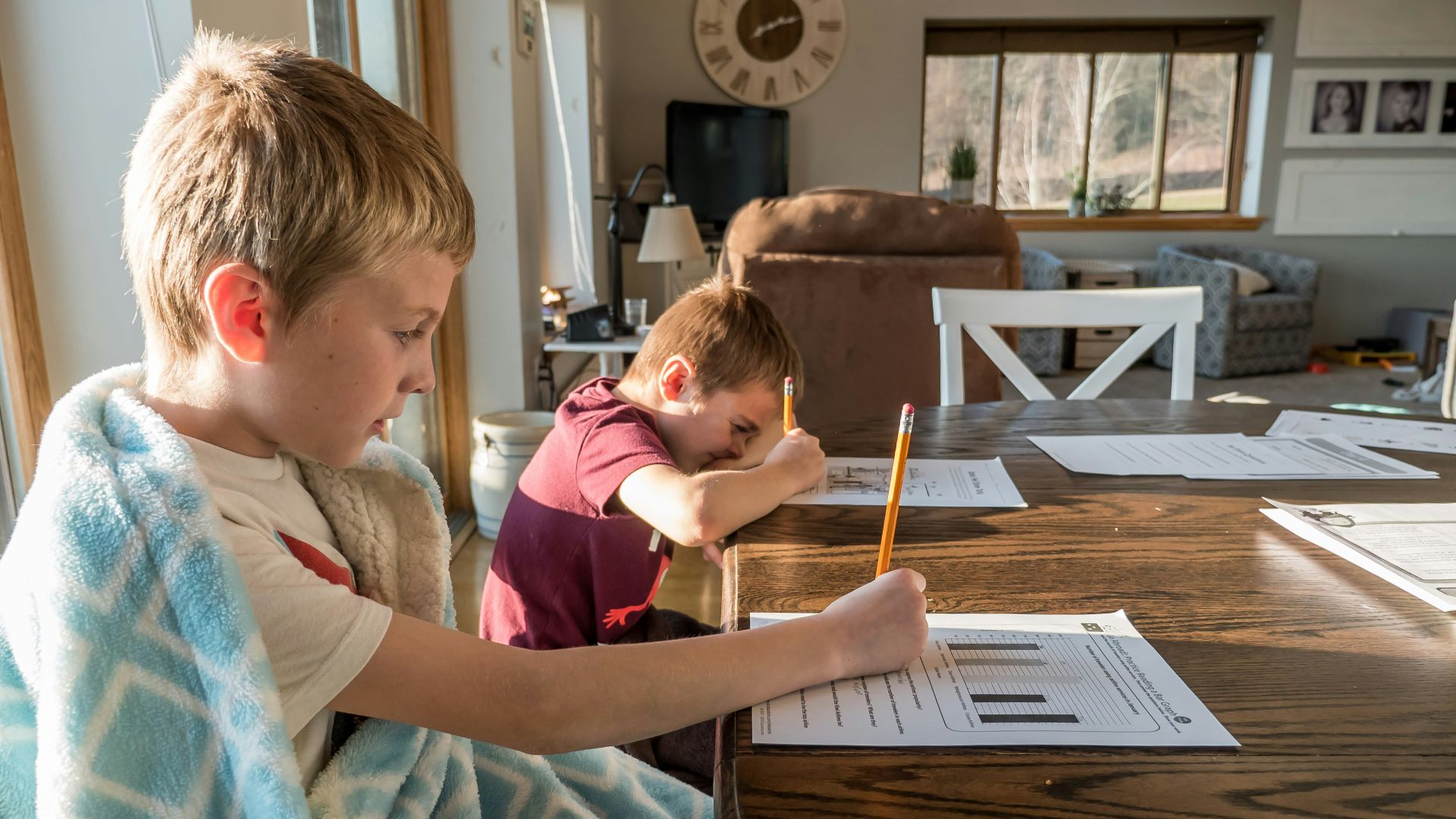
Kids don’t need nightly packets that assume every child has the same bandwidth, the same home support, and the same kind of brain. Schools are slowly rethinking the point of homework in younger grades, and it helps to remember that practice matters less when it turns into exhaustion.
 Jessica Lewis 🦋 thepaintedsquare on Unsplash
4. Rites Of Passage Built Around Risky Driving
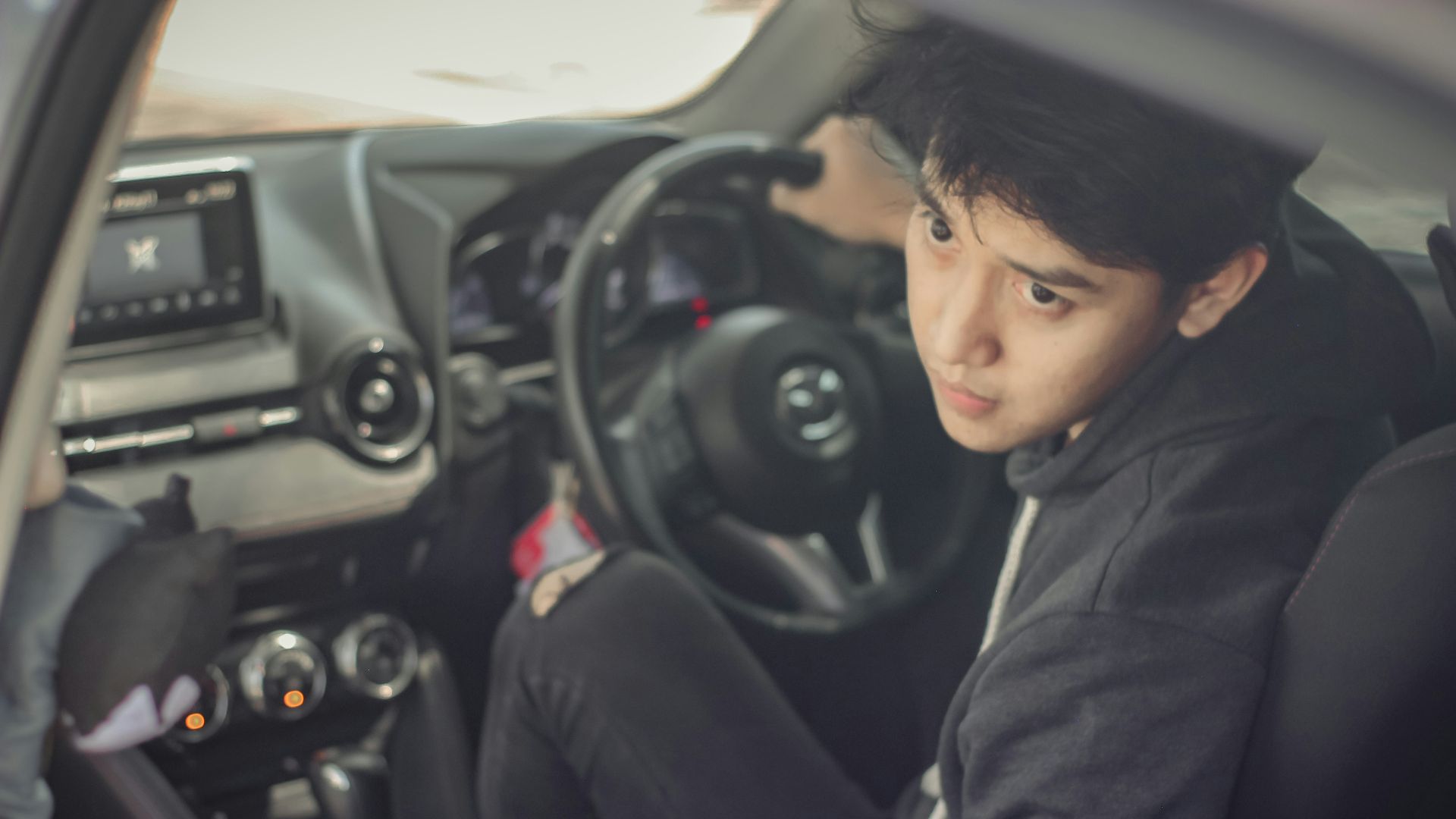
Kids don’t need the old cultural script where driving fast felt like freedom and taking chances felt like proof of confidence. Cars are still dangerous, and the CDC has long treated teen driving risk as a serious public health concern, which makes the nostalgic stories about reckless rides feel less charming.
5. A Hall Pass For Unsupervised Internet Rabbit Holes
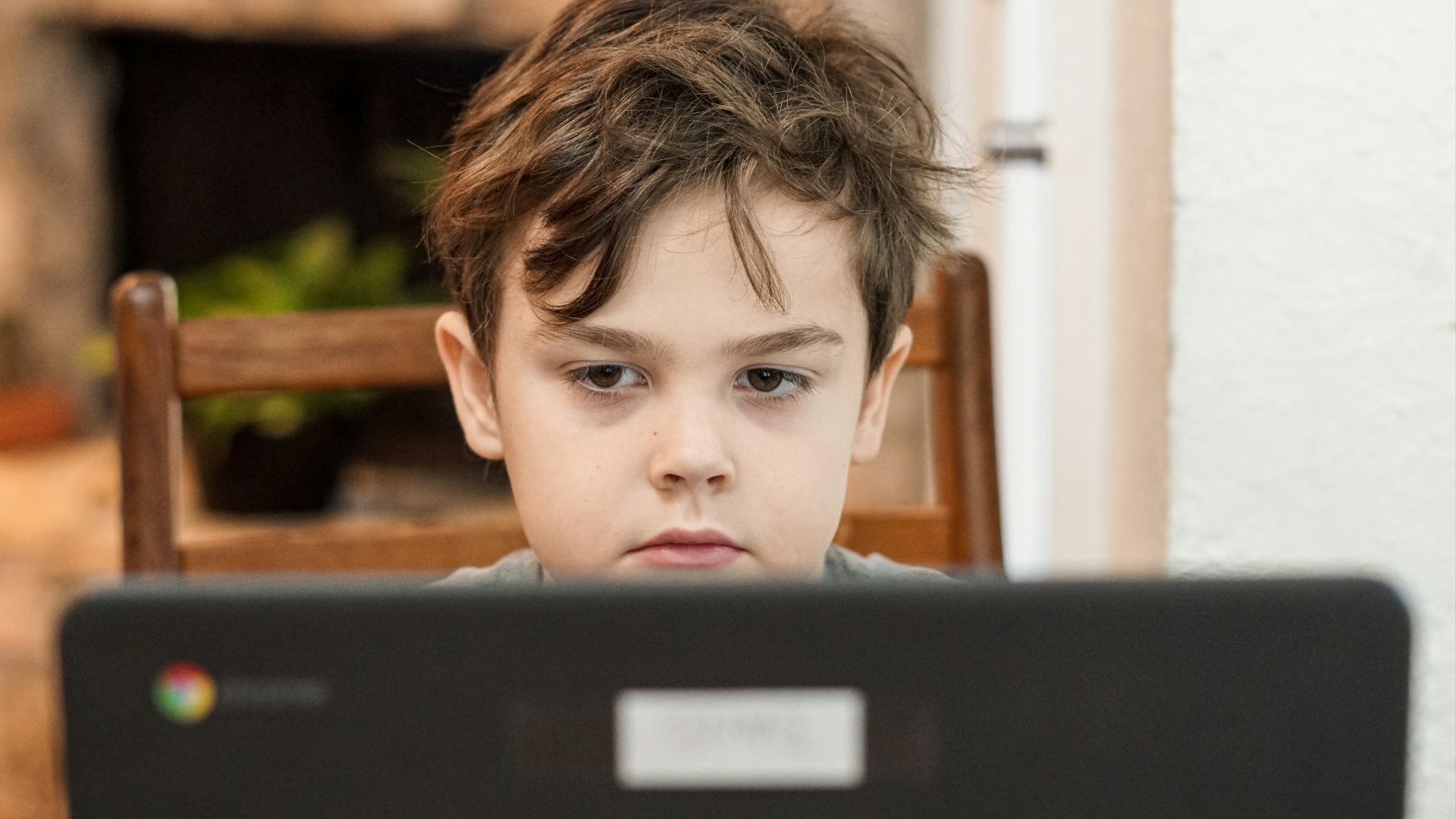
Kids don’t need the idea that the internet is a private bedroom door that adults politely knock on and then walk away from. Even when a kid is smart and careful, algorithms do not behave like trustworthy neighbors, and stumbling into intense content can happen fast without anyone seeking it out.
6. Mandatory Group Hangouts To Prove Social Health
Kids don’t need to be out with a crowd every weekend to count as socially okay. Some kids recharge in smaller doses, and forcing constant plans can turn friendships into performance, especially when photos and posts become a second audience hovering over the day.
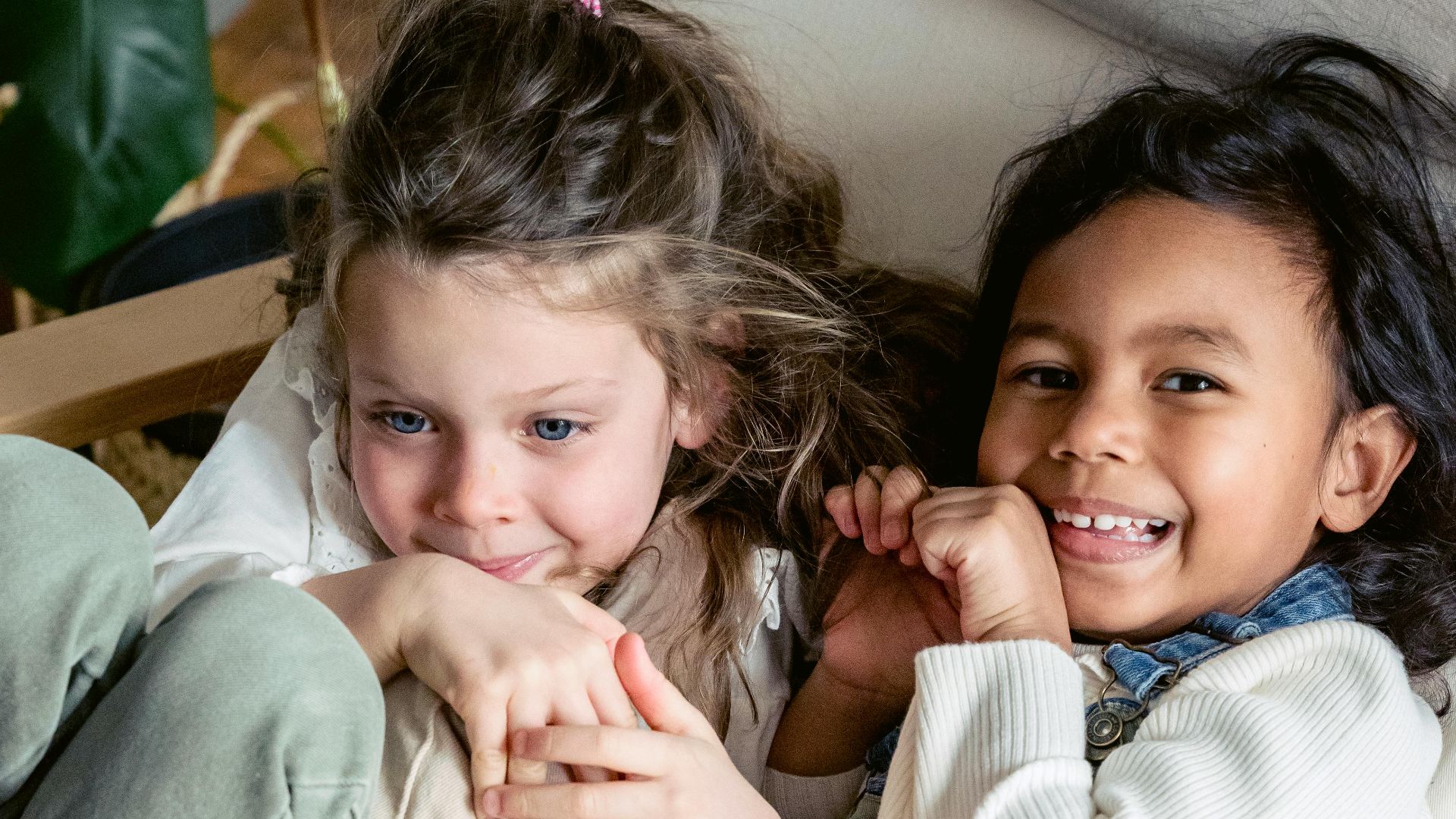
7. Bulky Stuff As Proof Of A Happy Childhood
Kids don’t need closets full of toys that mostly end up in piles, missing pieces, and guilt. A smaller rotation often gets used more deeply, and it leaves room for projects that take time, like building, drawing, and actually finishing something without getting distracted by the next shiny box.
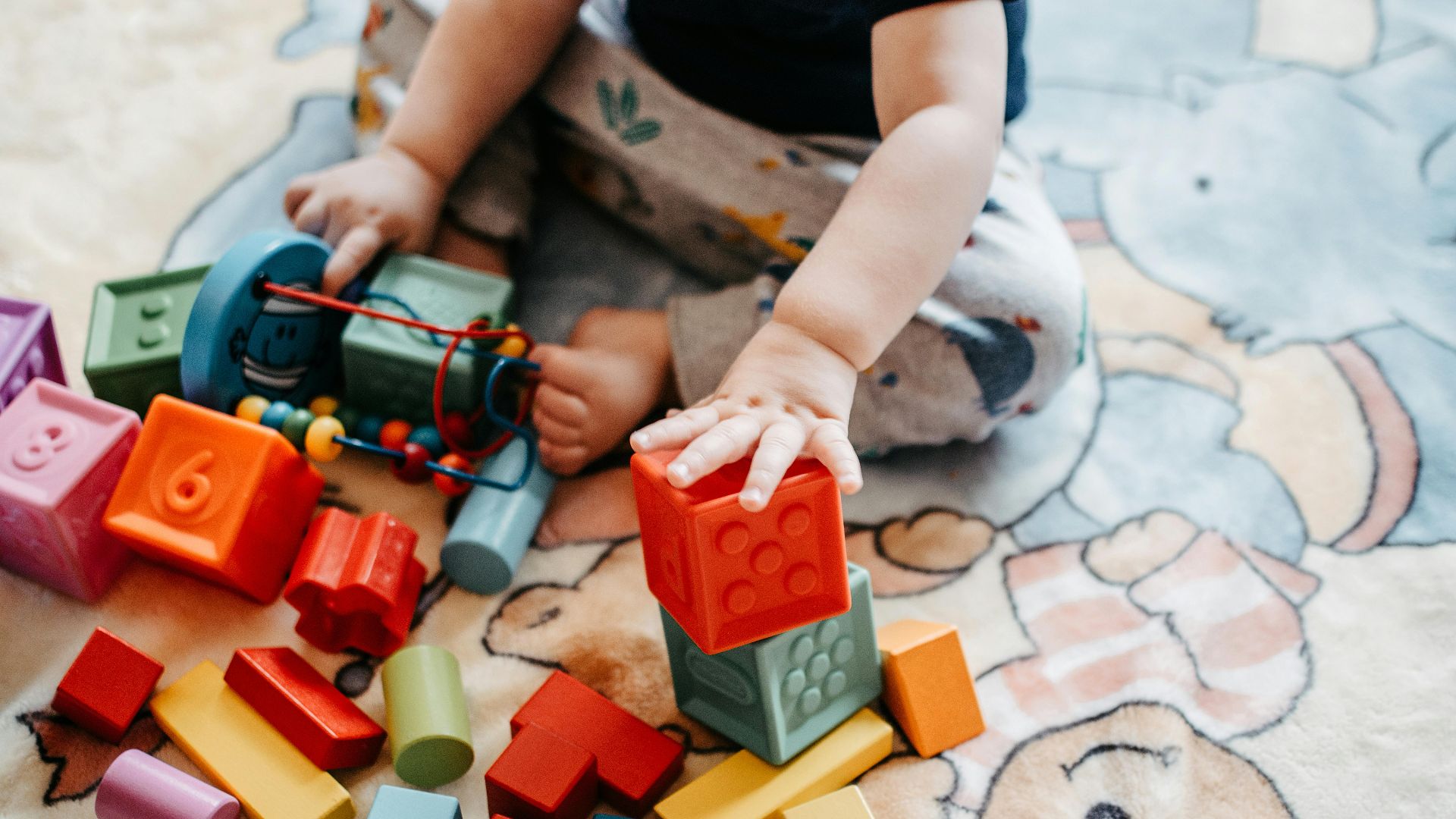
8. The Myth That Toughness Means Silence
Kids don’t need to swallow emotions so adults can feel like everything is fine. The push toward social and emotional learning did not appear out of nowhere, and it reflects a growing understanding that naming feelings and learning coping skills protects kids more than pretending nothing hurts.

9. Constant Sugar Hits To Get Through The Day
Kids don’t need the steady drip of candy, soda, and sweet snacks as a routine mood manager. The American Heart Association has raised concerns about added sugars for years, and anyone who has watched a classroom after a sugar-heavy celebration knows the crash is real.

10. Endless Extracurricular Stacking
Kids don’t need a schedule that looks like a corporate calendar, where every afternoon is accounted for and every weekend involves travel. Overbooking can crowd out sleep, free play, and family meals, and those are the unglamorous basics that quietly keep kids steady.
And now, here are ten simple support strategies for children that modern life keeps shaving down.

1. Real Privacy That Is Not Total Secrecy
Kids desperately need a sense of personal space that is not constantly inspected, narrated, or posted. That can mean knocking before entering, letting a journal stay closed, and setting phone boundaries that protect them without turning every conversation into an interrogation.

2. Sleep That Adults Guard Like A Resource
Kids desperately need sleep that is treated as non-negotiable, not a bonus they earn after finishing everything else. The American Academy of Pediatrics has emphasized healthy sleep for adolescents, and it becomes even more urgent when screens, homework, and activities push bedtime later and later.

3. Boredom With Time To Resolve
Kids desperately need stretches of boredom long enough to turn into creativity, tinkering, or simply calming down. When every empty moment gets filled by a device, the brain never practices making its own entertainment, and kids lose patience for anything that unfolds slowly.
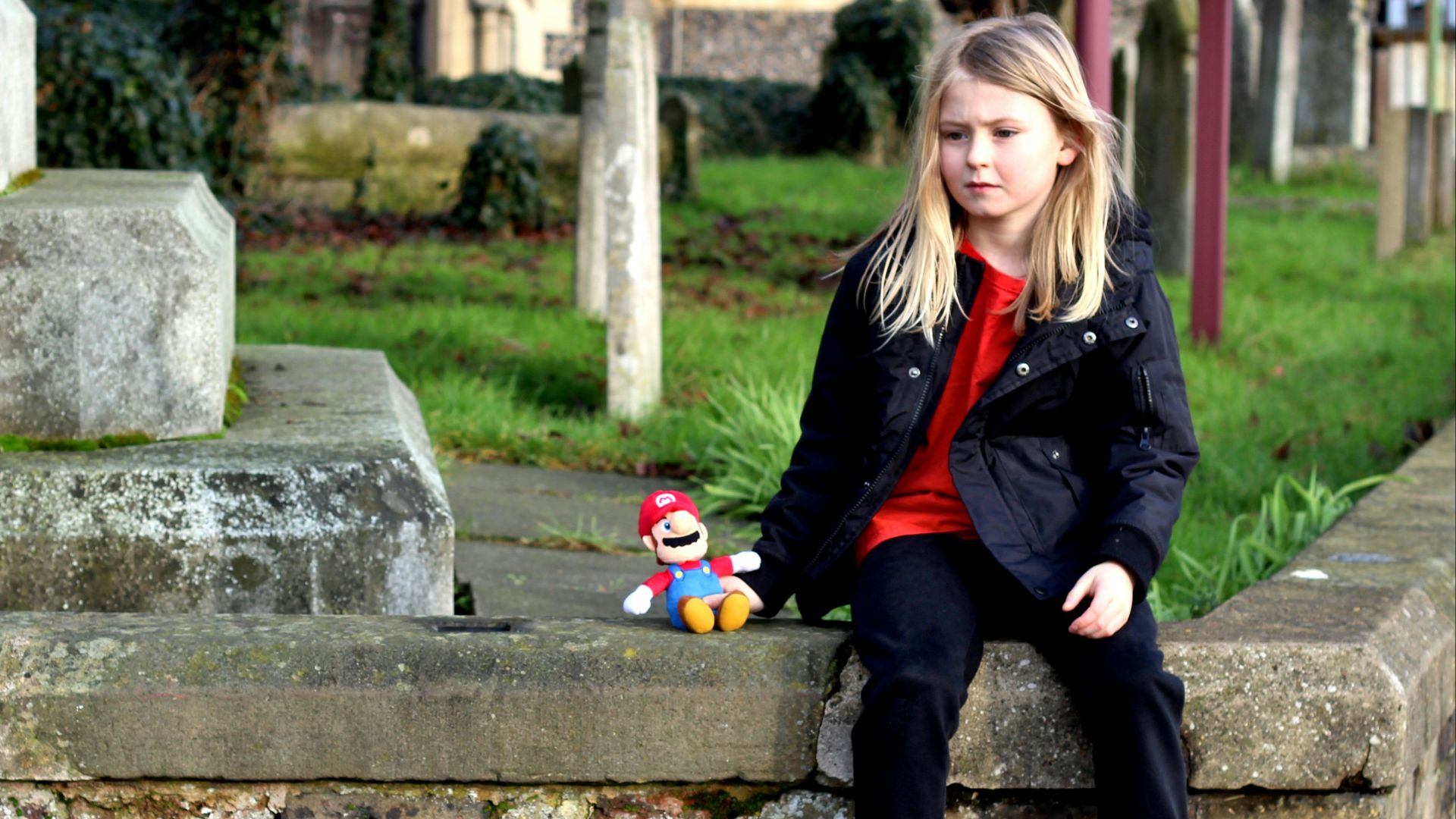
4. Unstructured Outdoor Time With Low Stakes
Kids desperately need outdoor time that is not organized, measured, or coached. A walk to a corner store, time in a park, or messing around on a basketball court can do more for mood and regulation than another structured activity that demands constant attention.
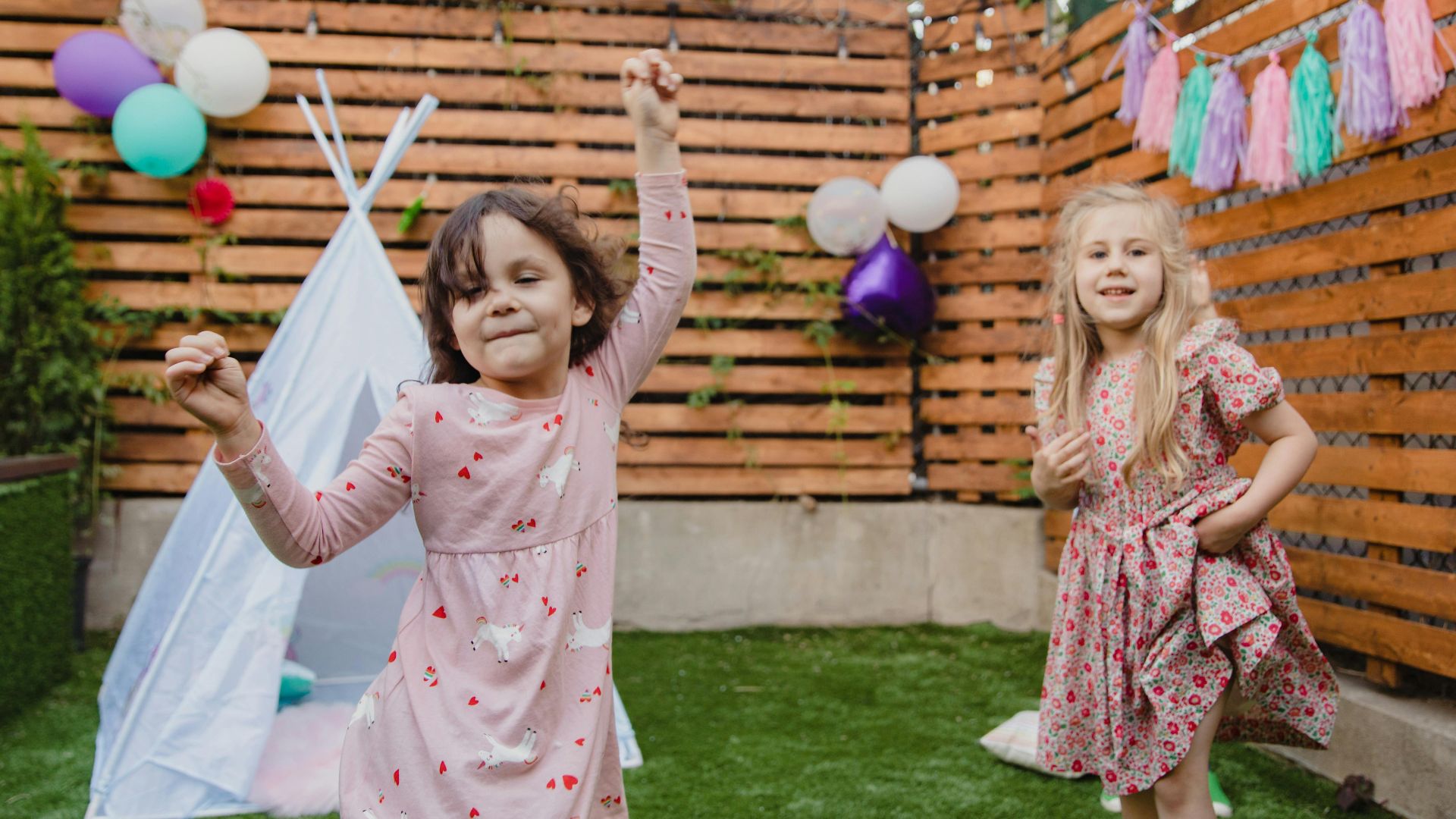
5. Adults Who Model Calm Digital Habits
Kids desperately need to see adults put phones down without acting like it is a heroic sacrifice. When grown-ups scroll through dinner, glance at notifications during conversation, or half-listen while typing, kids learn that attention is optional and relationships can wait.
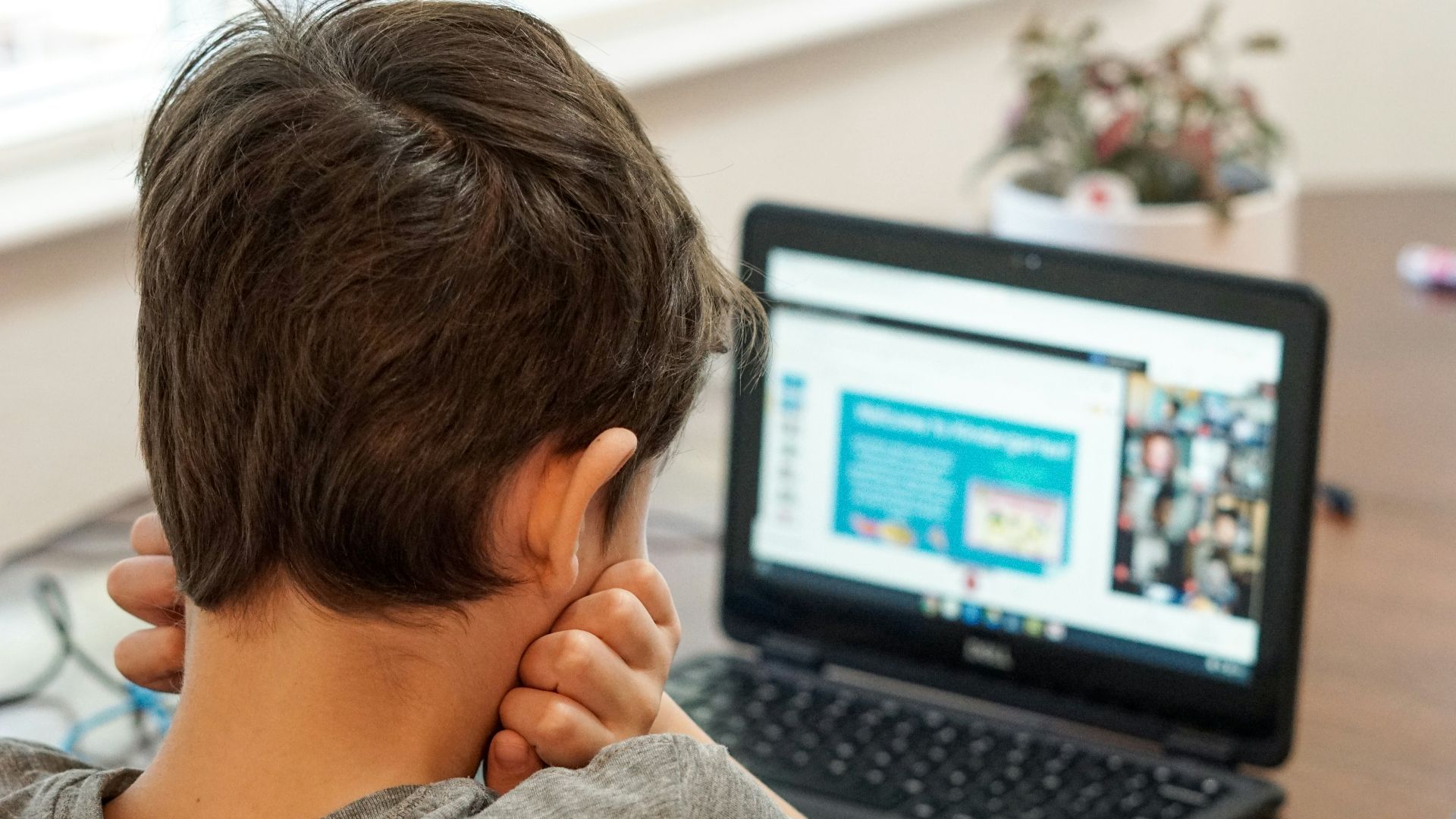
6. Friends In Real Rooms More Often
Kids desperately need face-to-face time that includes awkward pauses, small misunderstandings, and the little repairs that happen when people share space. Online contact can keep friendships alive, yet it rarely replaces the steadying effect of sitting together, making something together, and leaving with a memory that is not a screenshot.
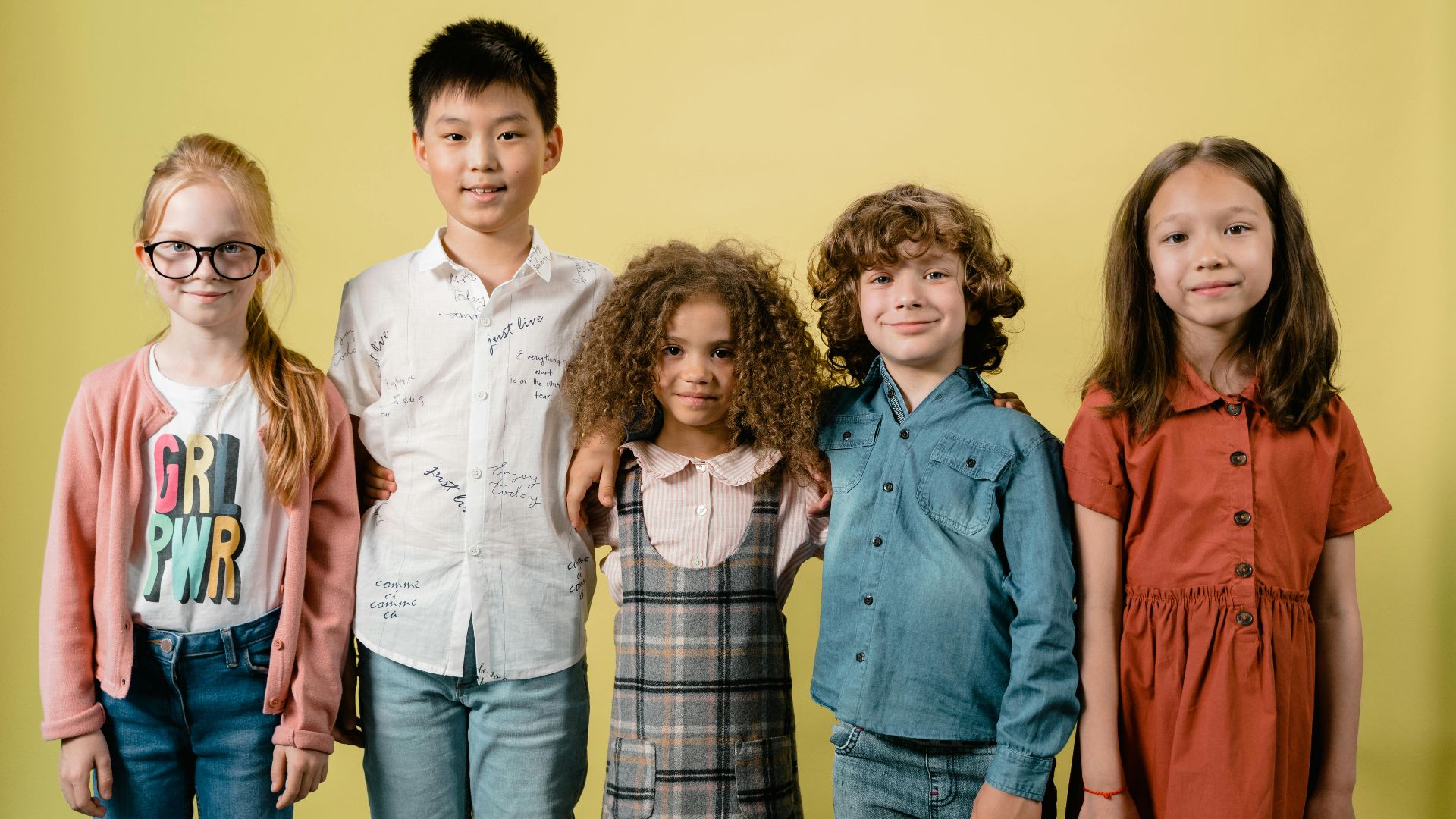
7. Clear Rules That Are Actually Enforced
Kids desperately need boundaries that are simple enough to remember and consistent enough to trust. When rules change depending on adult mood, kids spend their energy testing the weather instead of growing, and the house starts to feel unpredictable in a way that seeps into everything.
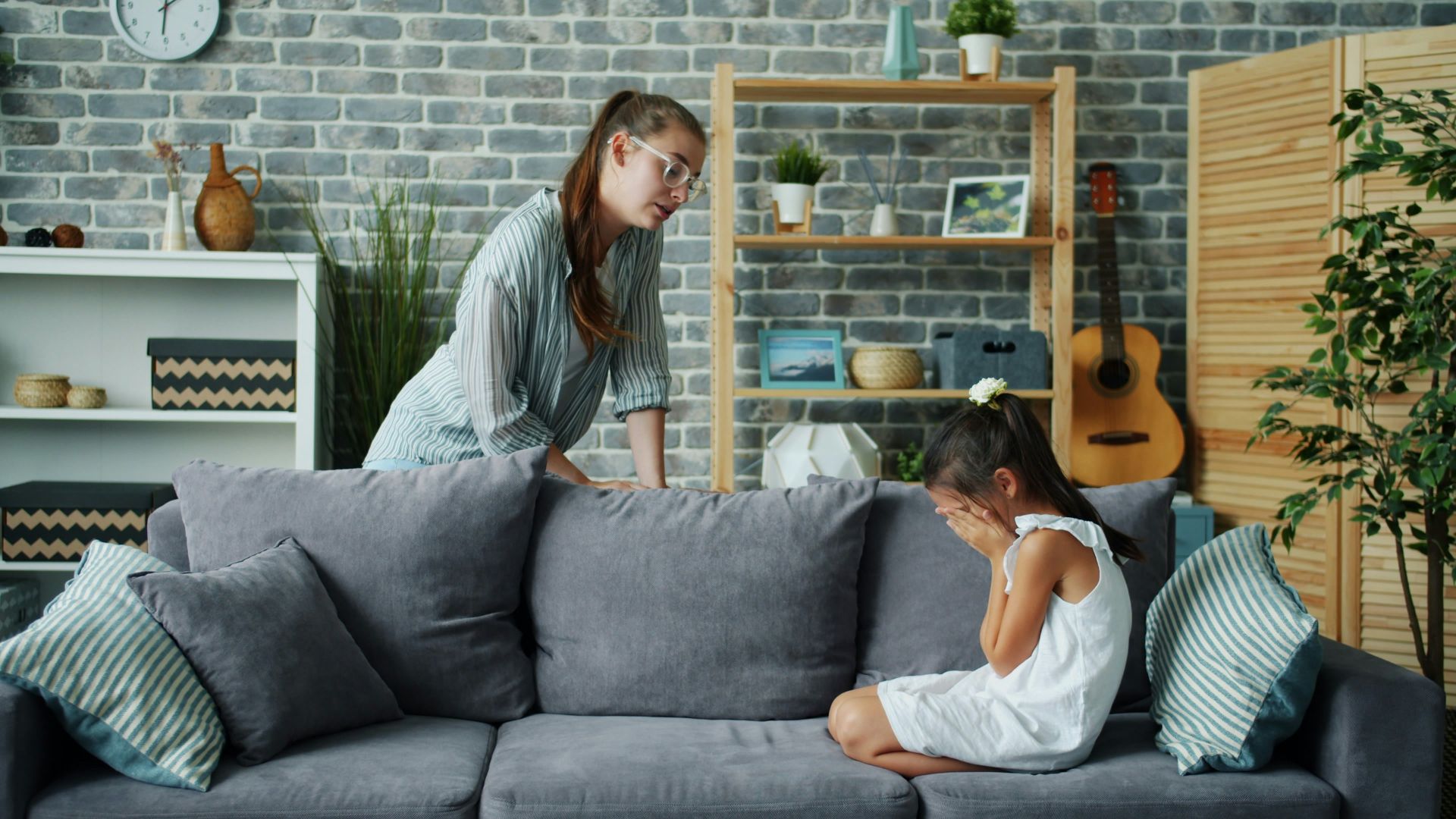
8. Adults Who Take Their Stress Seriously
Kids desperately need grown-ups to treat adult stress as something to manage, not something to dump into the room. A parent who can say we are having a hard day and still stay respectful teaches emotional control in a way no lecture can match.
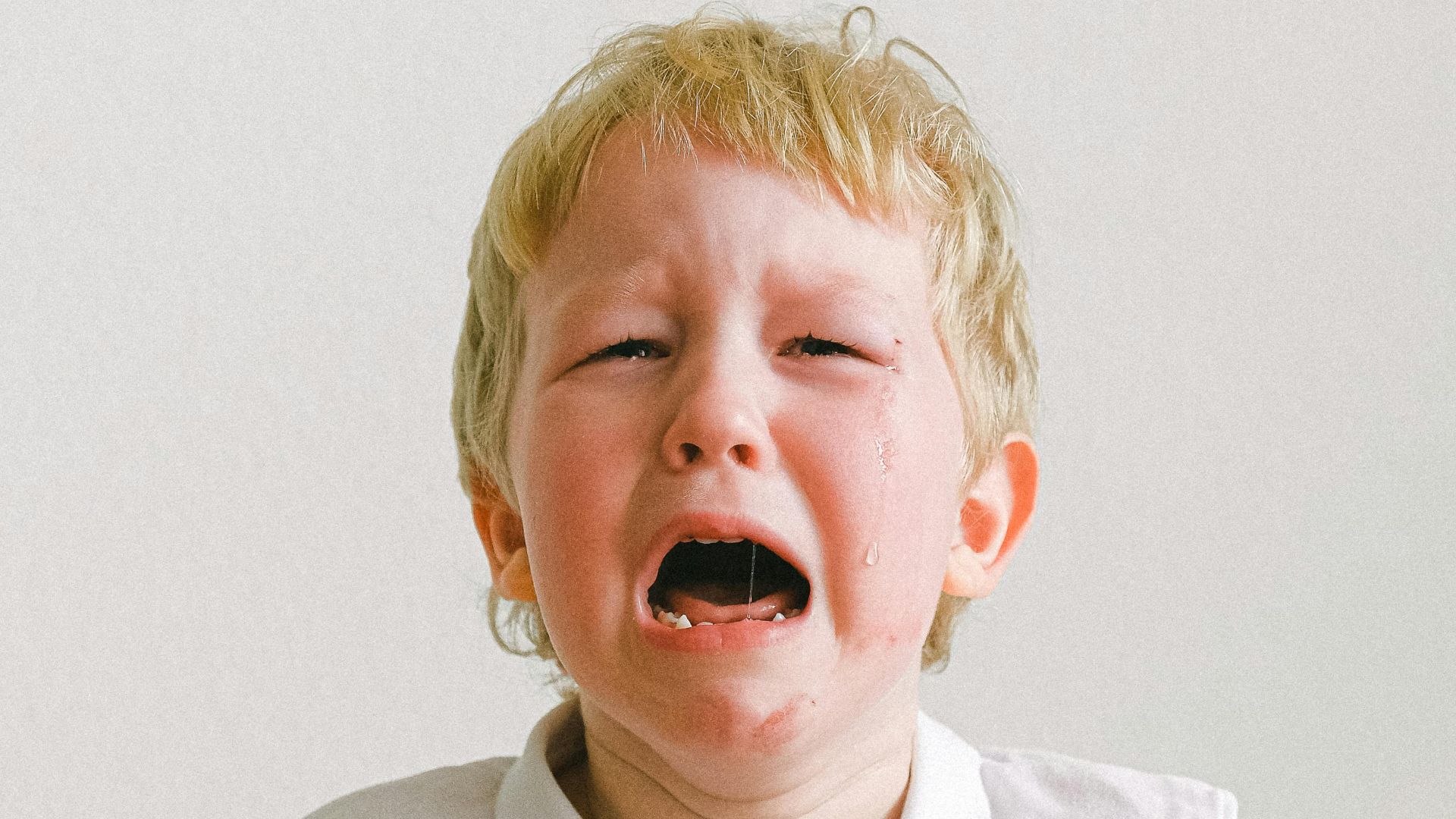
9. Spaces Where They Can Be Average
Kids desperately need places where they can participate without being ranked, optimized, or compared. Whether it is a hobby, a class, or a casual team, kids relax when effort matters more than outcomes, and that relief can protect motivation over the long haul.
10. Community Adults Who Know Their Names
Kids desperately need more than two overwhelmed parents and one busy school to carry the whole weight. Coaches, librarians, neighbors, extended family, and trusted mentors make a difference, and research on youth development has long pointed to the value of strong relationships with caring adults outside the immediate home.