Where the Classroom Ends and the Living Room Begins
The homeschooling debate refuses to die. More than 3.7 million American children learned at home during the 2020–2021 school year, according to the U.S. Census Bureau—a dramatic spike that’s only partially receded. Some families discovered they loved it. Others couldn’t wait to send their kids back. Both sides have compelling arguments supporting their viewpoints. Here are ten reasons why homeschooling might be your best move and ten reasons why traditional schooling deserves consideration.
1. You Control the Curriculum
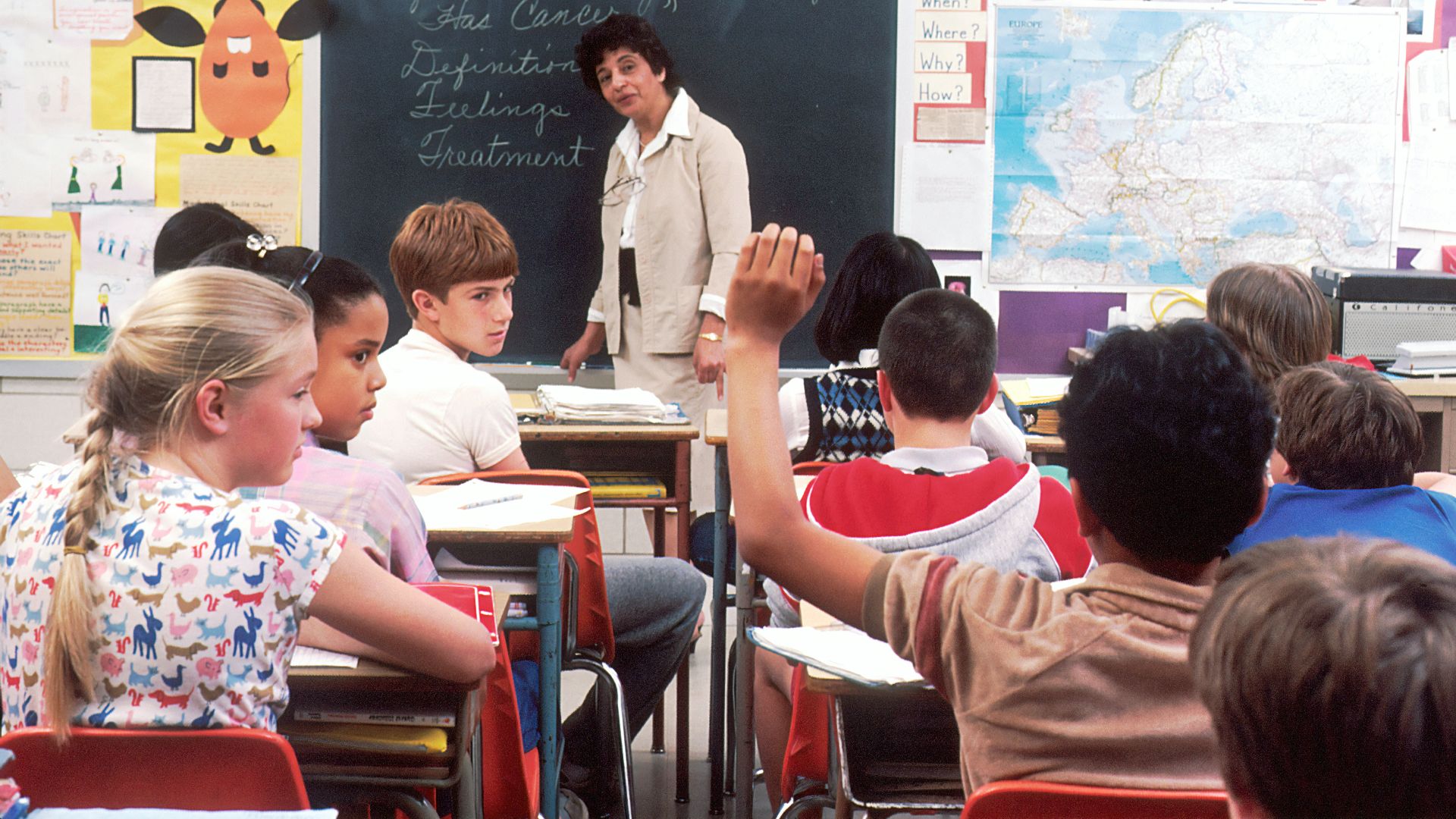
There’s no waiting for permission slips or curriculum committee approvals. If your kid is obsessed with marine biology, you can spend three months on ocean ecosystems without anyone telling you to move on to something else. That level of customization simply doesn’t exist in traditional classrooms, where one teacher manages 25–30 students with wildly different interests.
 Gabrielle Henderson on Unsplash
2. Flexible Scheduling
Sleep-deprived teenagers might actually learn better starting at 10 a.m. instead of 7:30. You can also schedule family vacations in October, when flights cost half as much. When your child gets ill, there’s no requirement for elaborate excuse notes to attend doctor appointments.
 Daria Nepriakhina 🇺🇦 on Unsplash
3. Religious or Philosophical Values Stay Intact
For families with strong convictions—whether religious, secular, or somewhere in between—homeschooling means you’re not constantly undoing what gets taught in the classroom. The friction between home values and school curriculums causes real stress in many households.

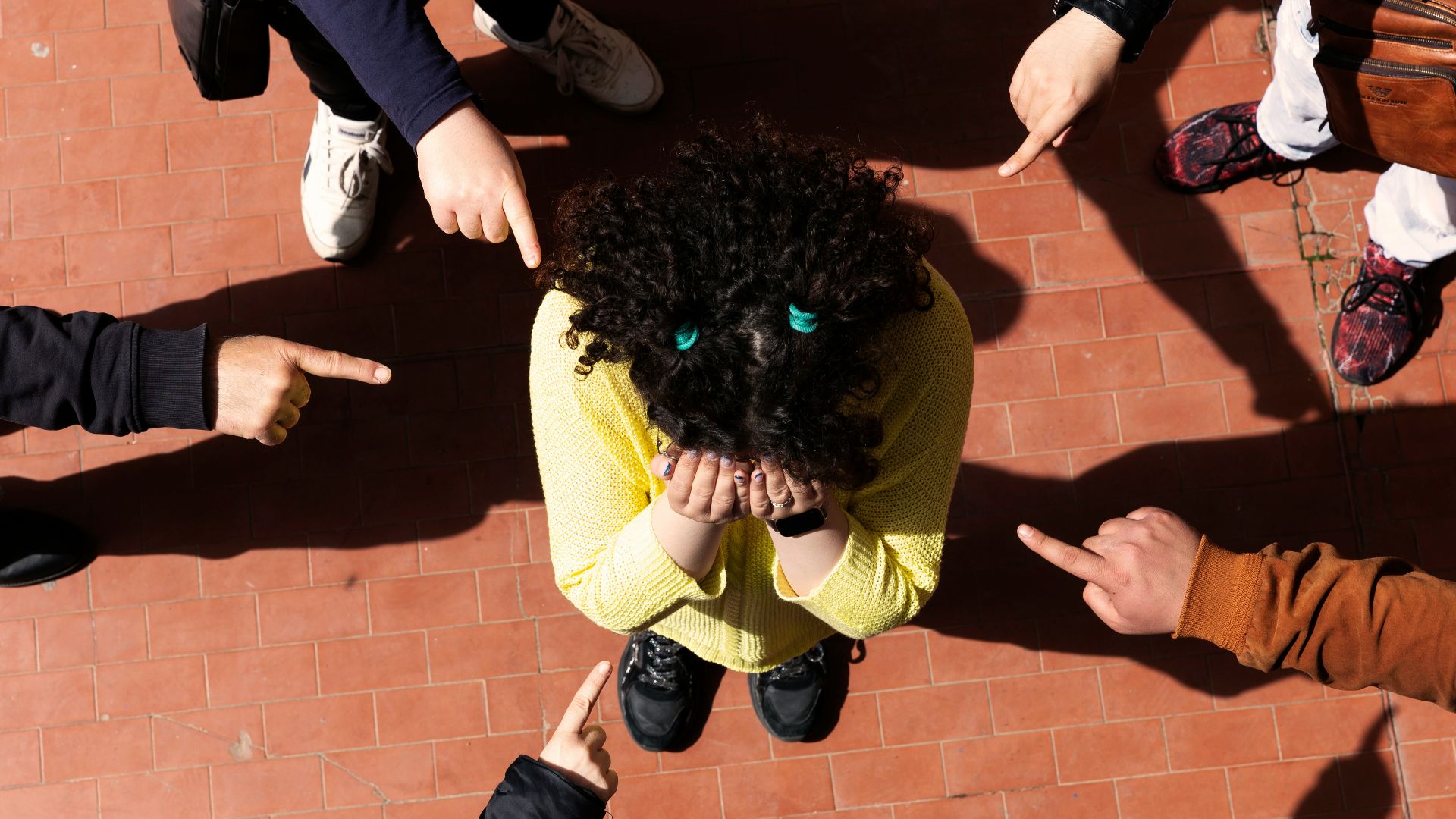
4. Kids Avoid Toxic Social Dynamics
When the classroom is at home, bullying is nonexistent, as is the peer pressure to experiment with certain questionable substances. The relentless status competition that middle school seems designed to amplify is also nowhere to be seen. Homeschooling doesn’t eliminate social challenges, obviously, but it does give parents more control during vulnerable developmental years.
 La Fabbrica Dei Sogni on Unsplash
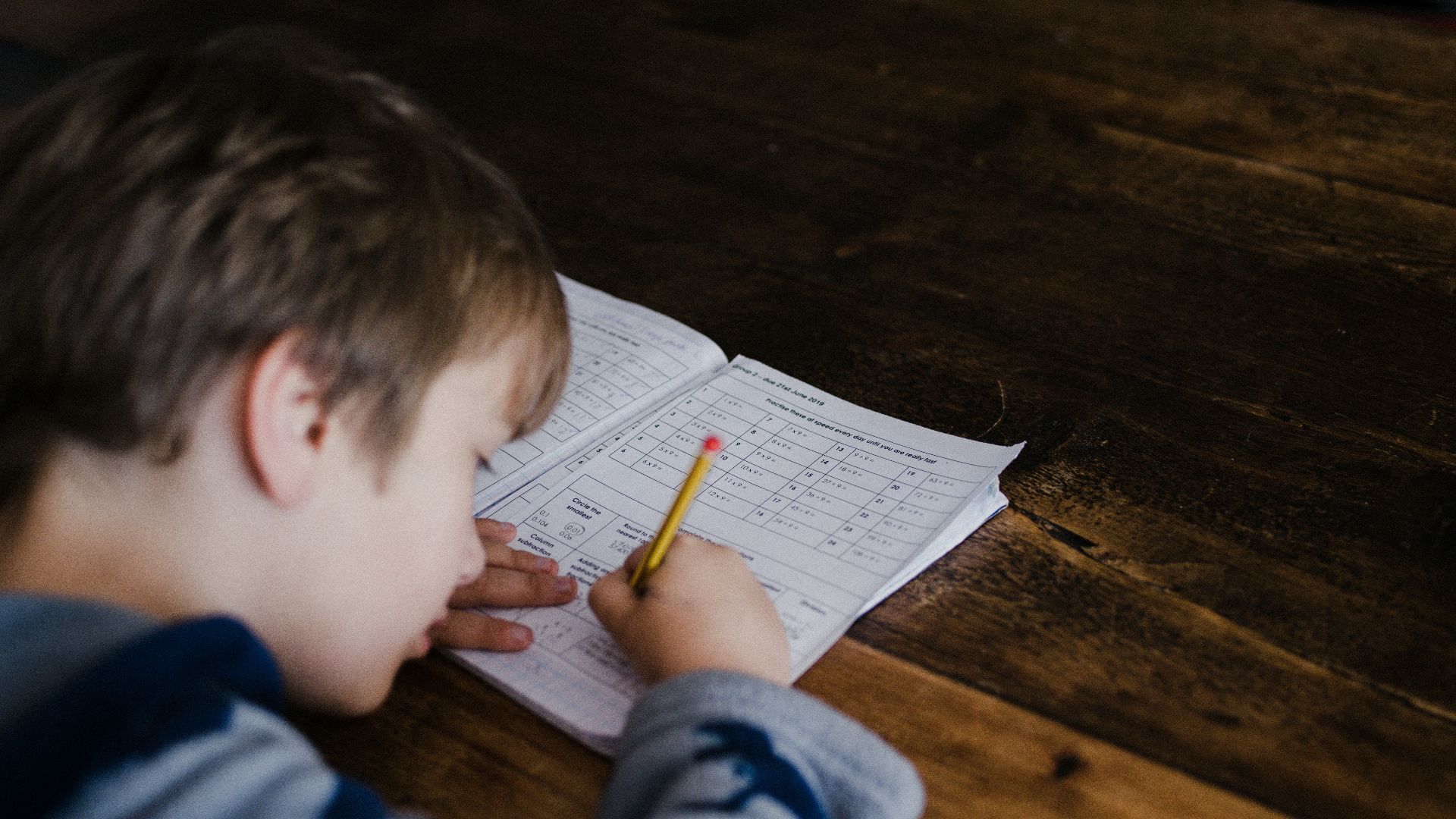
5. Learning Moves at the Child’s Actual Pace
Gifted kids don’t sit bored at their desks while the class catches up. Struggling learners aren’t pushed forward by standardized testing schedules that demand constant progression. A 2019 study in the Journal of School Choice found homeschooled students scored 15–30 percentile points above public school students on standardized achievement tests.
6. One-on-One Instruction Beats Lecture Halls
Educational research consistently shows individualized tutoring produces better outcomes than classroom instruction. Homeschooling is essentially full-time tutoring with someone who knows your child better than anyone else.
 National Cancer Institute on Unsplash
7. More Real-World Learning Opportunities
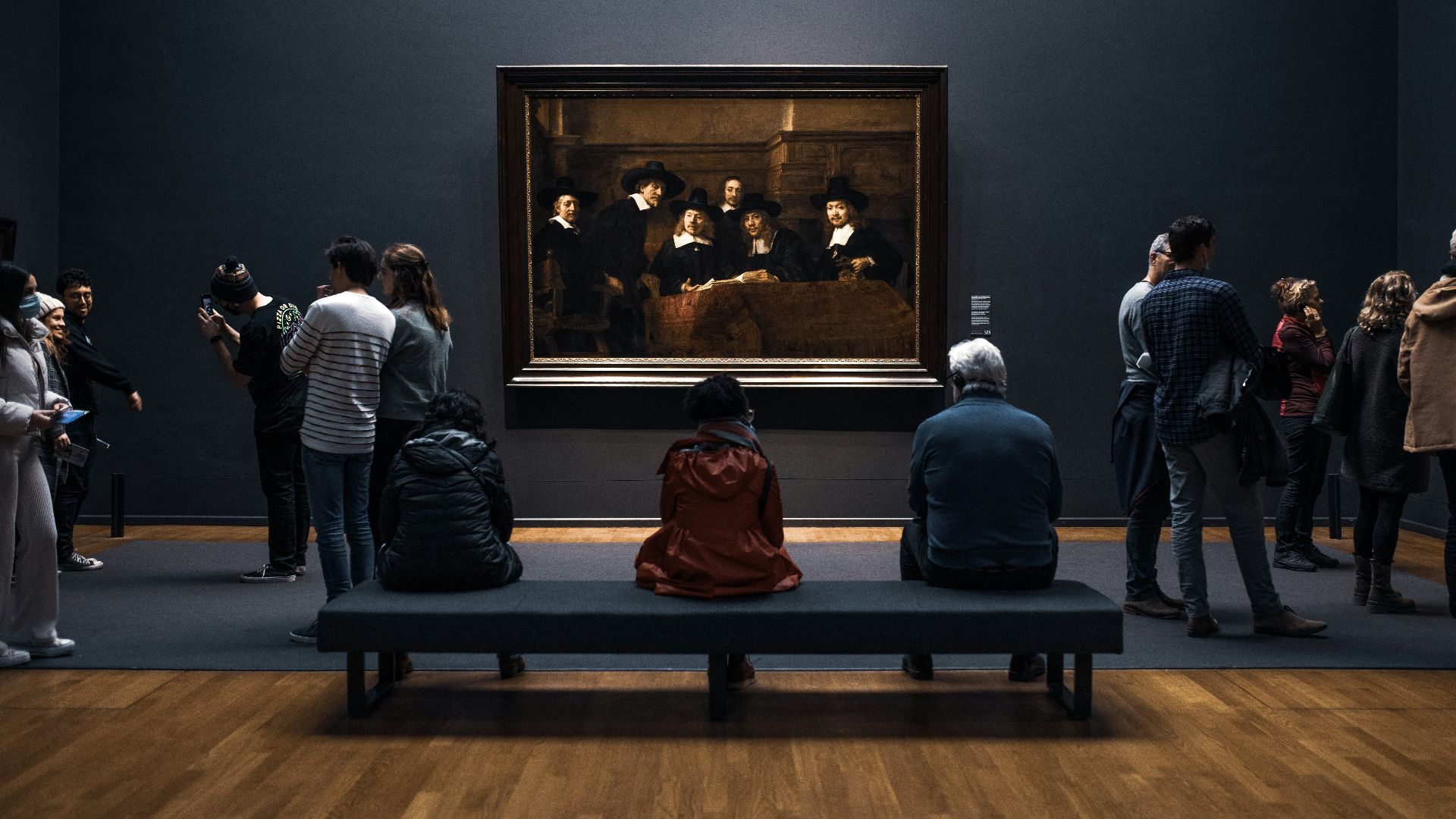
Imagine being able to visit museums on weekday mornings or volunteer during business hours. The artificial separation between school and life dissolves entirely when you have the flexibility to take learning beyond classroom walls.
8. You Sidestep Institutional Dysfunction
Let’s face it: the institutional education system is under enormous strain. Classrooms are overcrowded, programs are underfunded, and teachers are stretched impossibly thin. Sometimes the system isn’t broken—it’s working exactly as designed, just poorly.
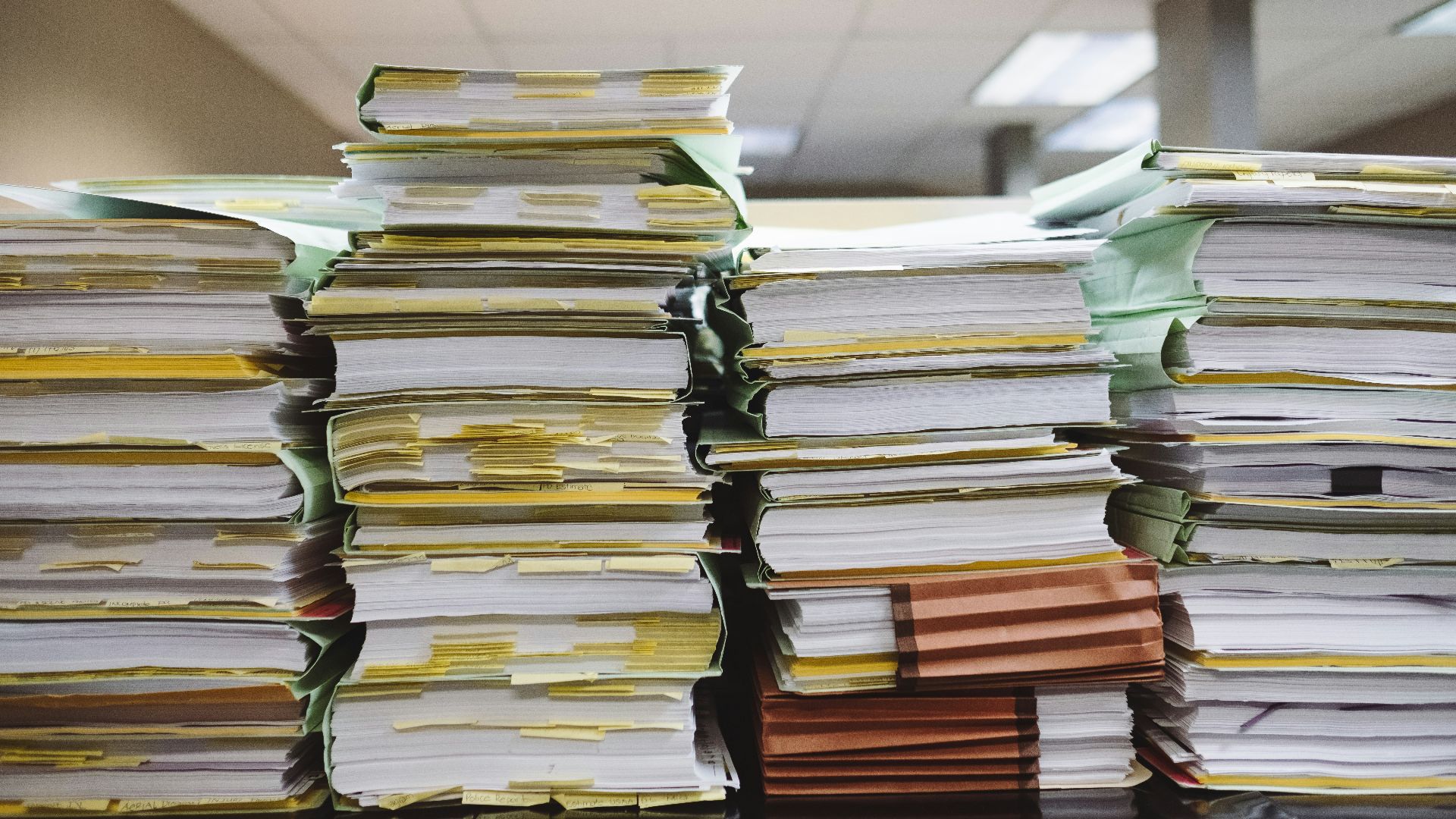
9. Special Needs Get Genuine Accommodation
While IEPs and 504 Plans help in theory, many parents of neurodivergent children report constant battles to receive promised services. Homeschooling allows education to be built around the child instead of requiring the child to fit into rigid existing structures.
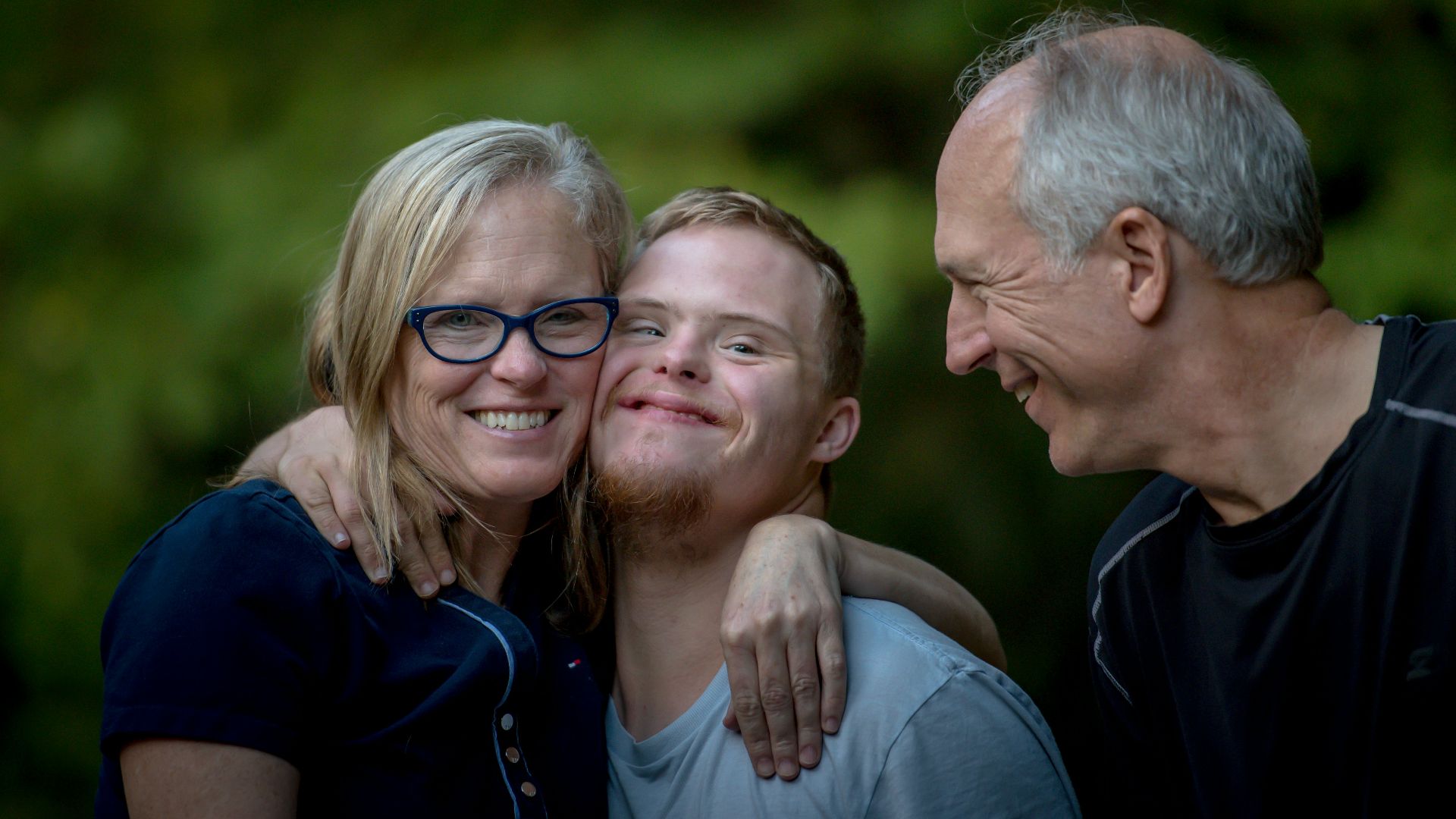
10. Family Bonds Strengthen
Spending more time together can sometimes mean more conflict, but it also increases the possibility of fostering deeper relationships. Of course, the outcome depends on the family, the child, and a thousand other variables—but the potential is there.
Here are ten reasons why traditional school might be the better choice.
1. Professional Educators Have Expertise
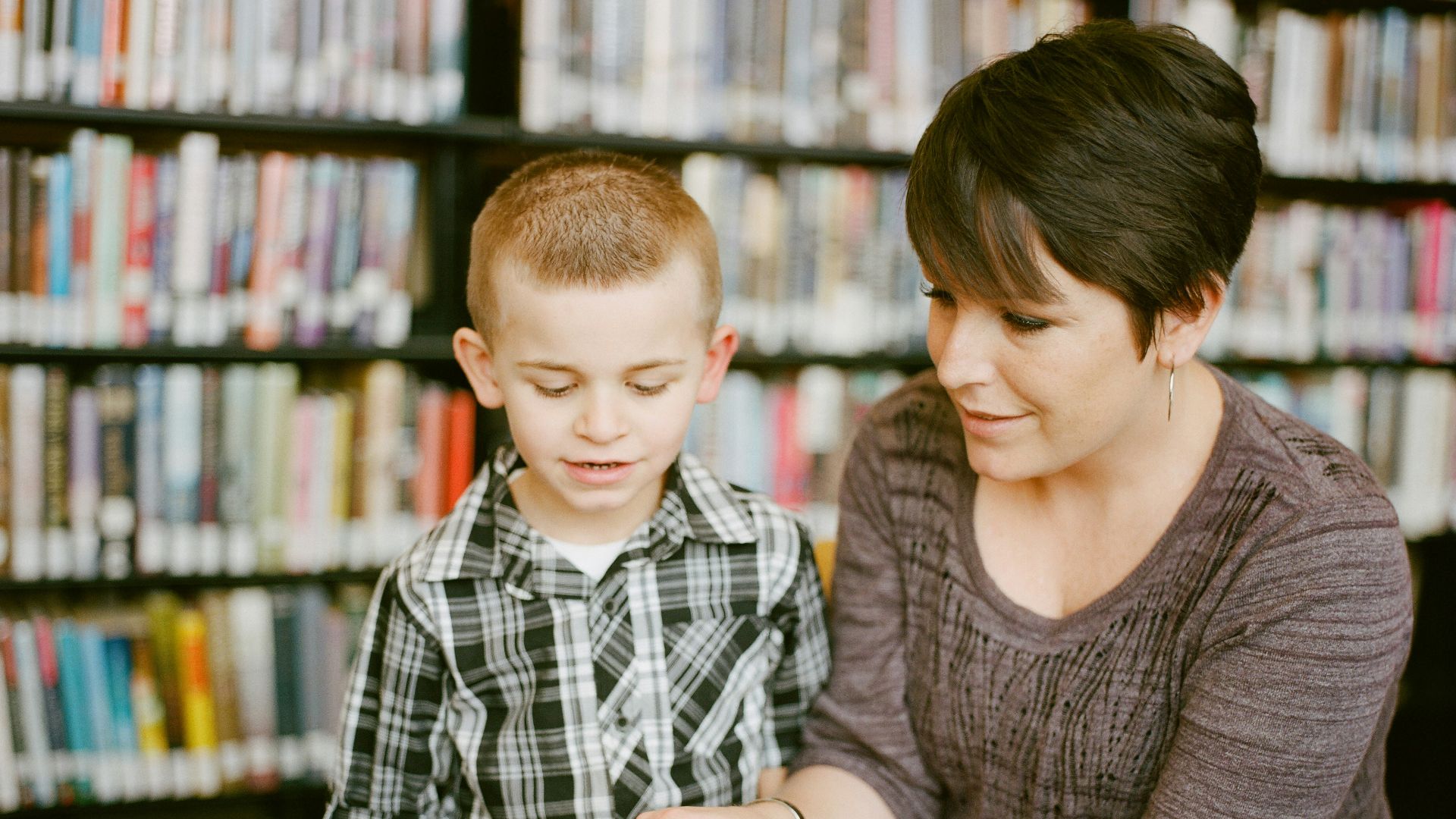
Teaching is a skill—and a complicated one. Most parents lack formal training in pedagogy, child development, or subject-specific methodology. That Master’s Degree in Education actually means something.
2. Peer Interaction Happens Naturally
Kids need to navigate social hierarchies, resolve conflicts, work in groups, and deal with people they don’t particularly like. Homeschool co-ops help, but they’re not the same as daily immersion in a diverse social environment. The social skills learned in school cafeterias and group projects matter in adult life.
3. Resources and Facilities Exceed What Homes Offer
Most household classrooms lack science labs, sports equipment, art studios, music rooms, shop classes, or libraries containing thousands of volumes. Replicating this infrastructure at home is practically impossible.

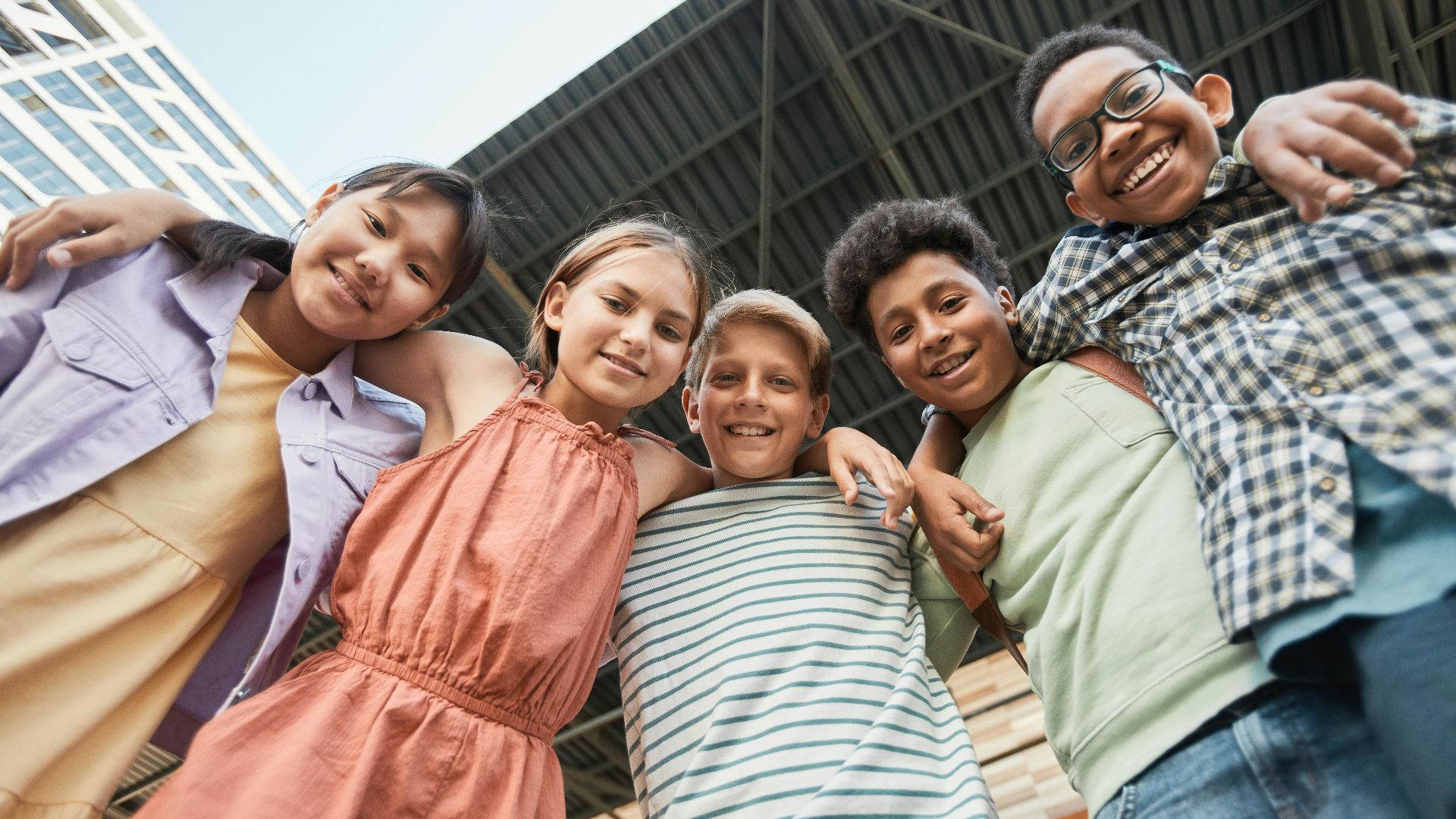
4. Diverse Perspectives Challenge Assumptions
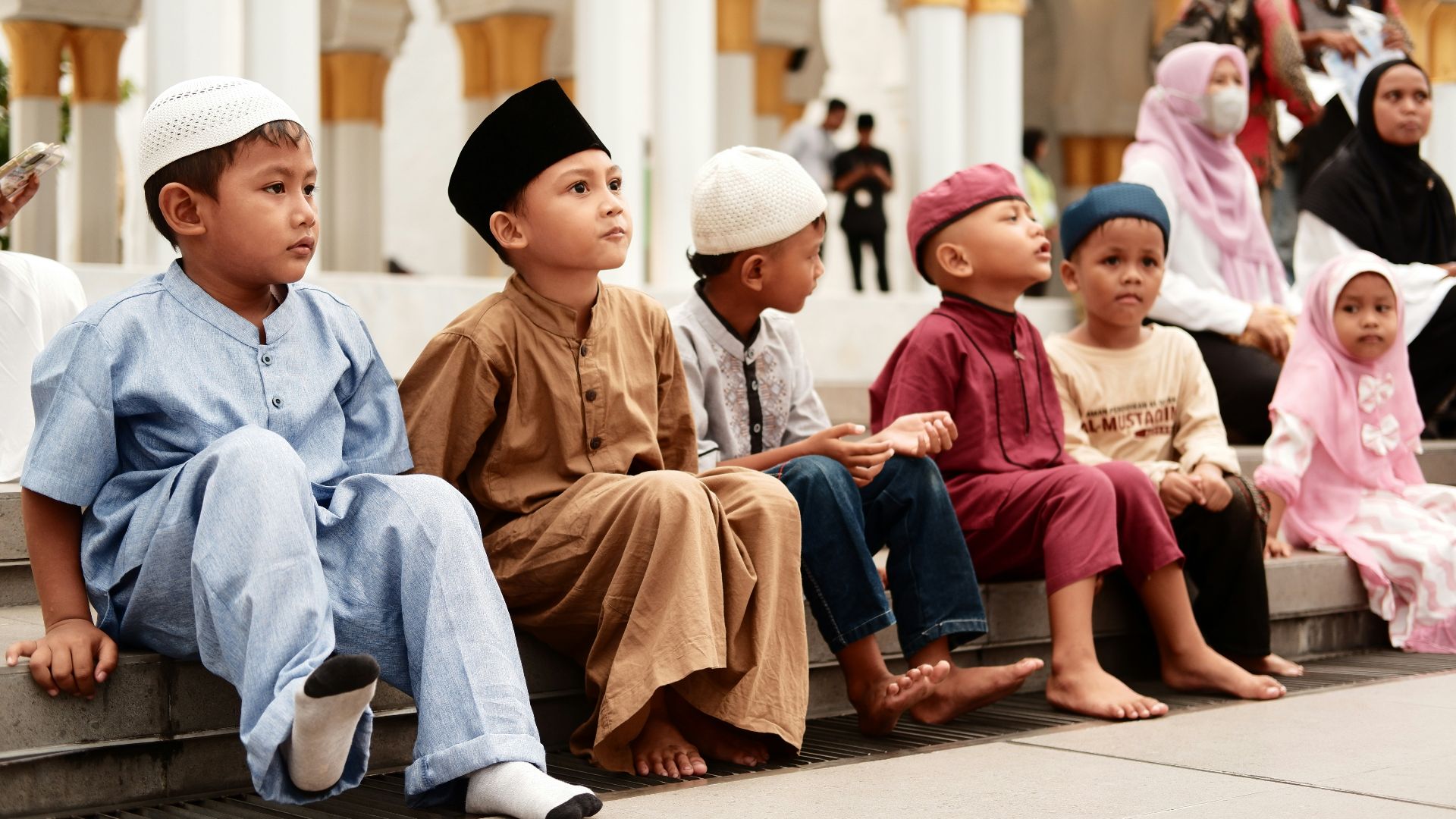
In school, children encounter teachers, classmates, and ideas from backgrounds radically different from their own. That diversity of thought, culture, and experience expands worldviews in ways homogeneous environments simply can’t match.
5. Parents Maintain Their Careers
Homeschooling is a full-time job. For single-parent households or families that require two incomes, it’s often financially impossible. Even when possible, some parents simply don’t want to sacrifice their professional lives.
 Christina @ wocintechchat.com on Unsplash
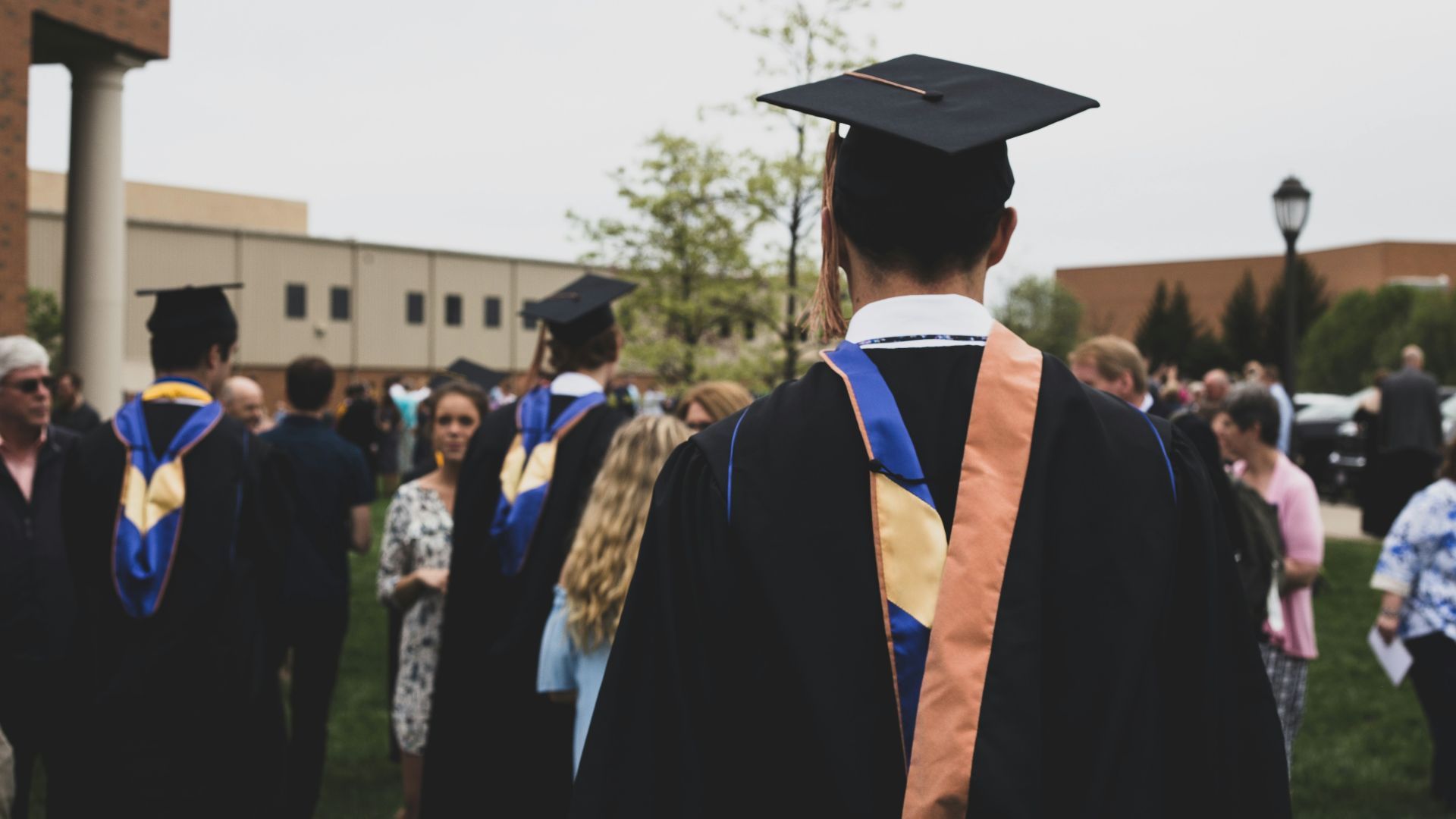
6. Easier Credentialing for College Admission
Transcripts from accredited schools carry weight, while homeschool portfolios require additional documentation and explanation. Some colleges welcome homeschoolers eagerly; others view them with suspicion. The path of least resistance runs through traditional institutions.
7. Specialized Instruction for Advanced Subjects
Not all parent-teachers can teach AP Calculus, offer advanced physics instruction, or support high-level foreign language learning. Unless you’re a polymath, your child will eventually surpass your knowledge. Schools provide reliable access to subject-matter experts.

8. Mandatory Reporting Helps Identify Abuse
Teachers act as essential external observers of children’s welfare. They notice unexplained bruises, major behavior changes, or signs of food insecurity. Homeschooling can, in tragic cases, unintentionally conceal abuse from outside eyes.
9. Kids Learn to Navigate Bureaucracy
Following rules you didn’t make and meeting arbitrary deadlines are part of everyday life. Learning to function within imperfect or frustrating systems prepares children for the realities of adulthood. System navigation is a real skill.
10. Parents Can’t Do It Alone
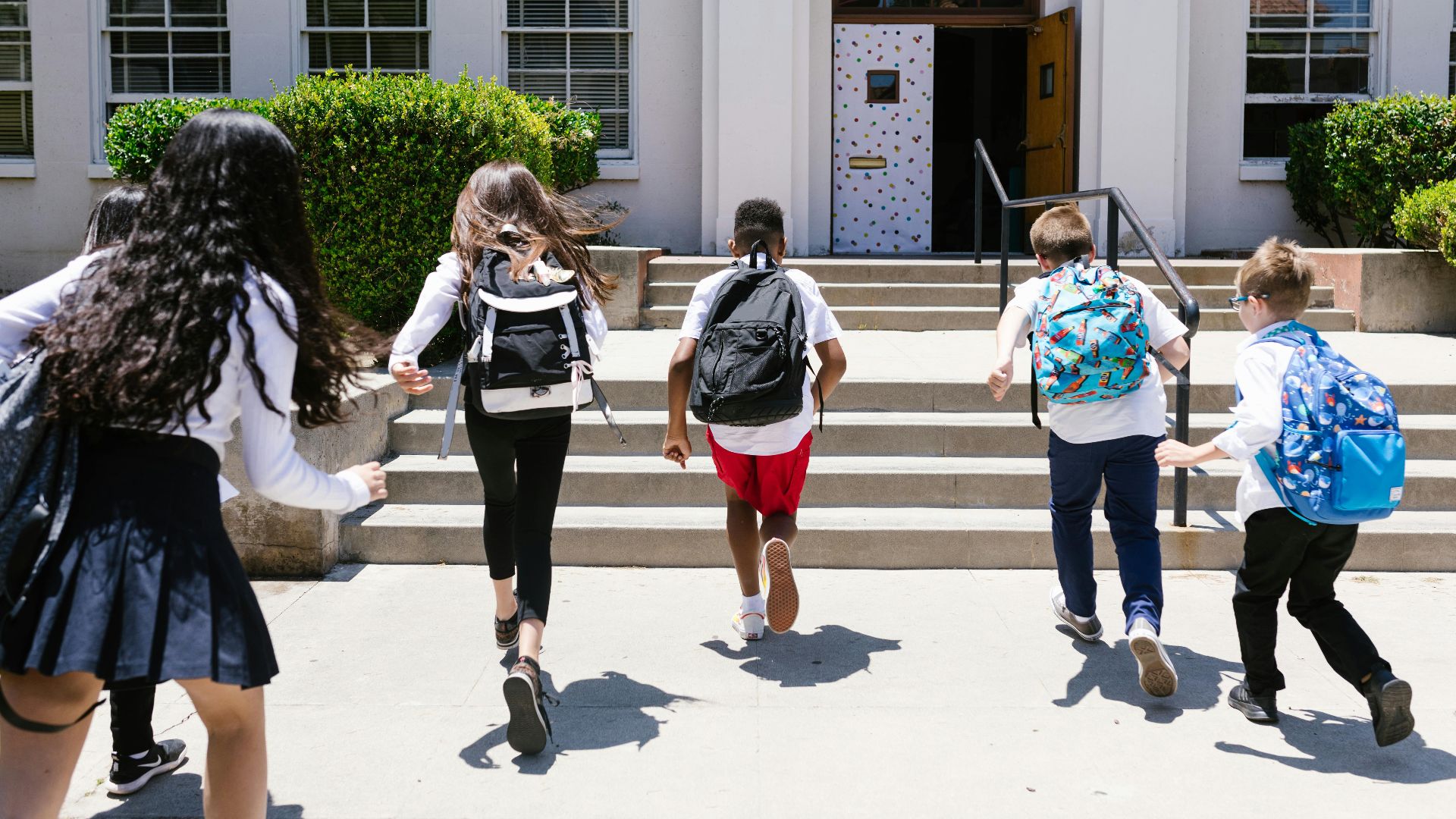
When something isn’t working in traditional schooling, parents can advocate for change, request different teachers, or consult specialists and intervention programs. A child’s academic responsibility isn’t solely carried by the parent. That distribution of stakes matters for family well-being and mental health.