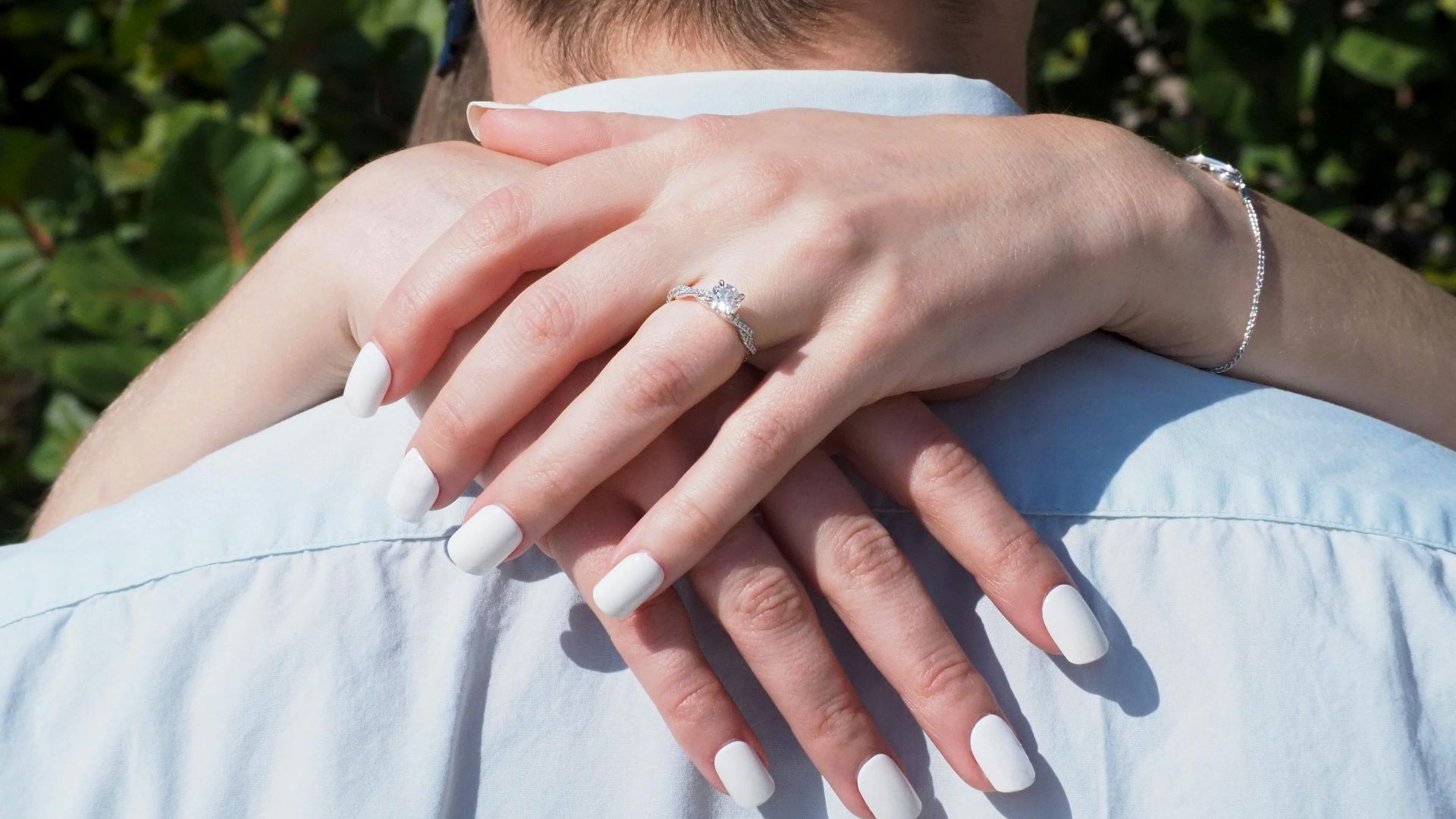
Diamonds have been synonymous with engagement rings since the 19th century, thanks to brilliant marketing by the De Beers company, which coined the slogan "a diamond is forever." But today’s couples are challenging tradition and redefining what an engagement ring should look like.
Motivated by ethics, style, budget, or symbolism, an increasing number of people are choosing other gemstones, breaking away from the diamond norm. More than just an alternative, opting for a ruby, opal, or emerald engagement ring is a statement and can be more meaningful, personal, and beautiful than the conventional option.
The diamond's dark past
The history of diamonds is anything but sparkling. The desirability and lucrativeness of diamonds opened the door to the horrors of exploitation in the diamond trade—most infamously during the era of “blood diamonds,” where profits from gemstone sales funded brutal civil wars across parts of Africa. Beyond armed conflict, the industry has also faced criticism for worker exploitation and environmental destruction.
Although these problems have largely been solved by the introduction of lab-grown diamonds, many people still associate the gemstone with this dark legacy. This has led many to choose engagement rings that better reflect their values.
Individuality
Diamonds have come to symbolize love, not for any reason other than aggressive marketing campaigns, which manufactured the idea that diamonds are essential for love. An increasing number of couples are seeing through these greedy tactics and are instead choosing gemstones that actually mean something to them, not ones whose meaning was simply sold to them by corporations.
Gemstones like emeralds, sapphires, morganites, and opals offer vibrant colors and unique visual textures that make a ring unmistakably personal. Many stones have meanings attached to them: sapphires symbolize loyalty, emeralds can represent growth, and rubies are equated to passion.
Affordability

Diamonds—even ethical lab-grown ones—are notoriously expensive, not because they're rare, but because they've been assigned a certain value. Other gemstones often offer more beauty for a fraction of the price. A non-diamond ring allows couples to allocate their budget according to their priorities rather than feeling pressured to spend a certain amount on tradition alone.
Romantic symbolism
There's something romantic about choosing to be different together. A non-diamond ring can feel like a fresh start—a celebration of a relationship that doesn’t need to follow a script. It represents the uniqueness of your love. Many couples incorporate birthstones, gems in their favorite colors, or with cultural or familial significance.
How jewelers are adapting
Today, non-diamond designs are just as sophisticated, durable, and stunning as their diamond counterparts as jewelers embrace the shift wholeheartedly. What's more, with protective settings, hard gemstones like sapphires or rubies can stand up to everyday wear just as well as diamonds, so they can be "forever," too.
Choosing a non-diamond engagement ring isn't just about rebellion; it's about personalization and celebrating the uniqueness of your relationship. Love has never been one-size-fits-all, and your ring doesn’t have to be either. When you choose a symbol that reflects your values, story, and vision for the future, it becomes far more than a piece of jewelry.