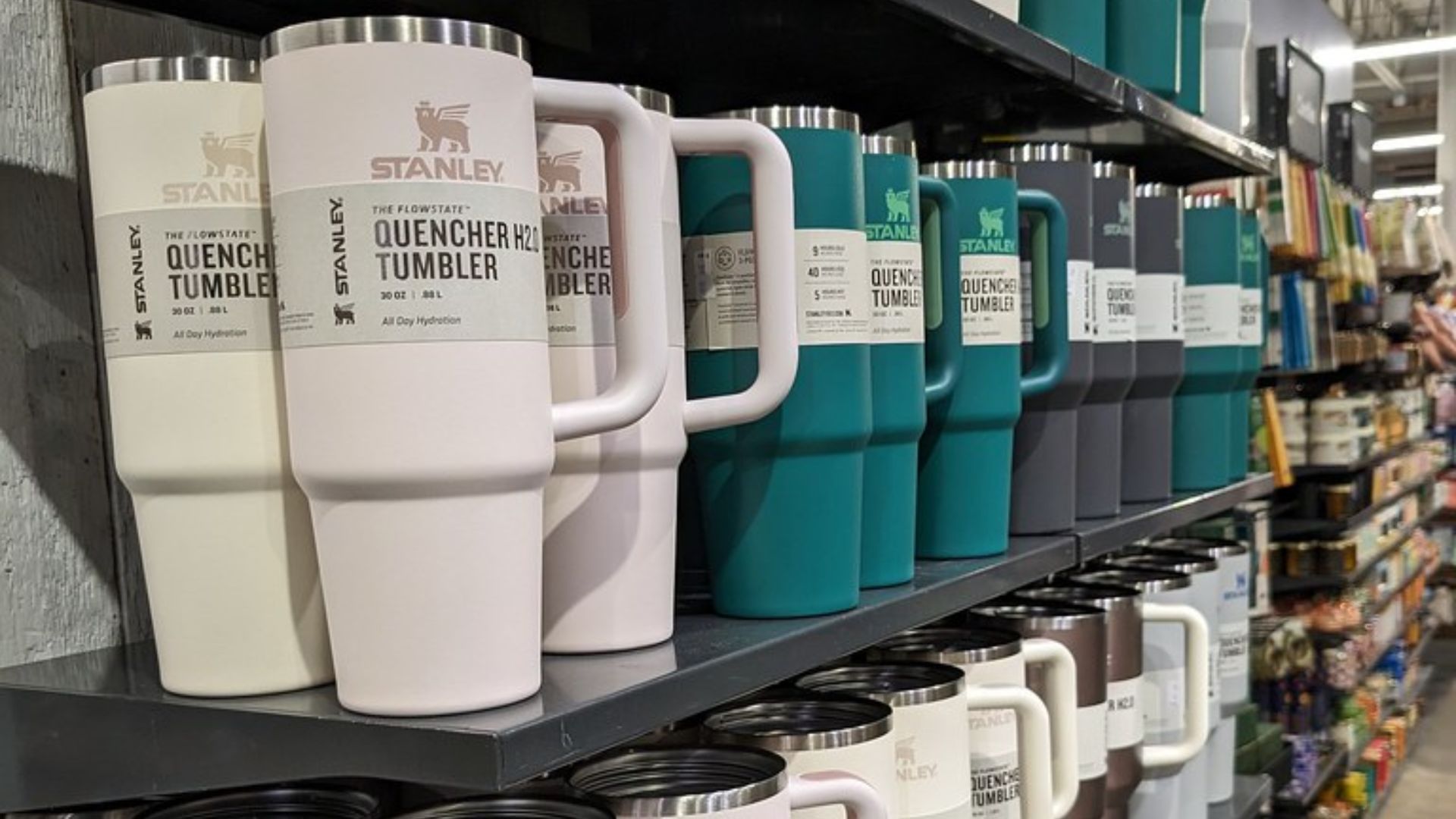
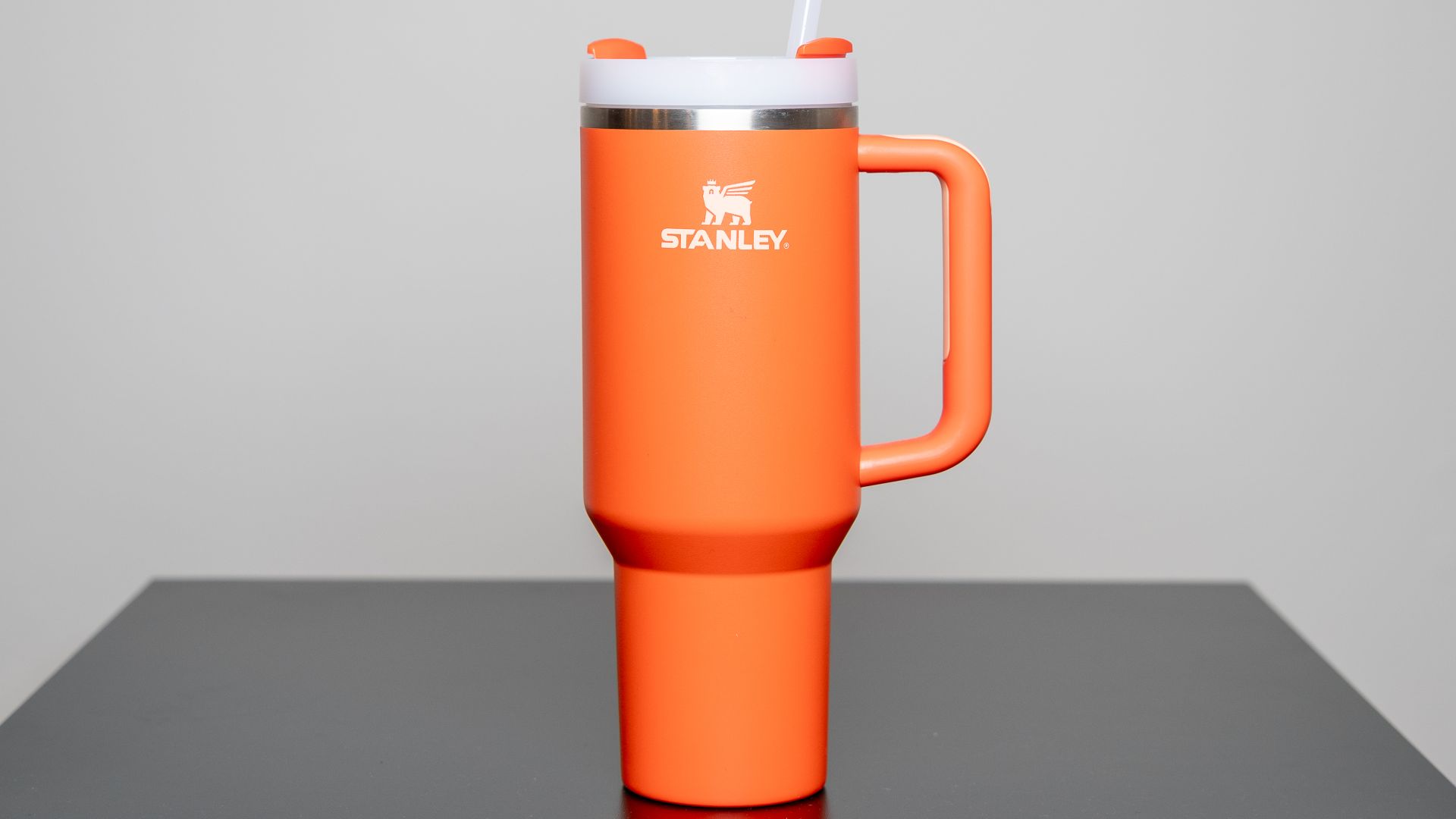
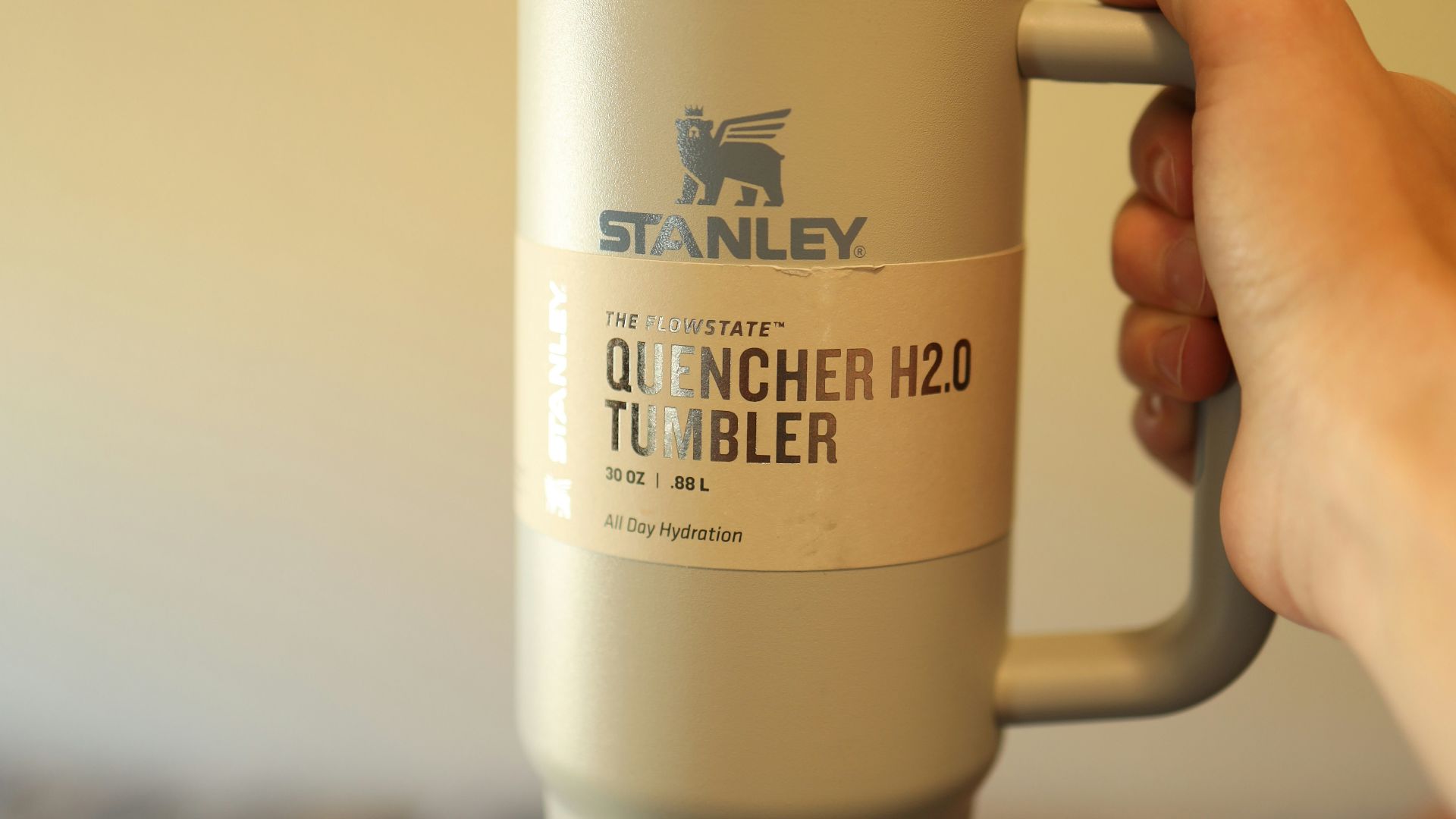
Unless you've been living under a rock at the bottom of the ocean for the past few years, you've probably heard a thing or two about reusable water bottles. First, you should be using them as opposed to chucking copious amounts of plastic into landfills. Secondly, the hottest accessory you can have is a Stanley 40-ounce quencher.
While Stanley cups—to reduce potential confusion with the hockey trophy, we're going to refer to them simply as Stanleys—may be associated with a certain type of Gen Z content creator, they didn't start that way. In fact, unless you're a vampire, Stanleys have been around longer than anyone reading this.
An Unexpected Origin
 Natilyn Hicks Photography on Unsplash
The Stanley drinkware line was started in 1913 by William Stanley Jr, hydrating outdoorsy men and flying aces in WWII. While these thermoses were certainly more rugged than they are today, one thing that did not change was the insulation. Stanleys keep hot drinks hot and cold drinks cold for up to 24 hours.
For over 100 years, Stanley's core audience was blue-collar workers, mostly men working long hours who needed their drinks to stay cold. Everything changed in 2016 with the release of the Quencher. This saw the beginning of the brand's meteoric rise to world domination.
In the age of algorithms, water bottles aren't just eco-friendly hydration vessels, they're accessories that rise and fall with trend cycles. Nalgene was the first water bottle brand to make it big, then Hydro Flask was everywhere, then Yeti cups, and finally Stanley Quenchers.
The Quencher was everything you could ask for a water bottle: it kept drinks cool (or warm), had a straw for easy sipping, and—this last part is crucial—easily fit in cup-holders thanks to its tapered base. The assortment of cute colors didn't hurt either.
Soon, largely by word of mouth, Stanleys began gaining popularity. Things really took off in 2020. For most of us, it was a year marked by illness and an uncertain future; for Stanley, it was the year they hired CEO Terence Reilly.
From Working Man's Thermos To Viral Sensation
Before joining Stanley, Reilly worked at Crocs from 2013 to 2020. It's no coincidence that these years saw the foam shoes go from cringe to chic. A marketing genius, Reilly lent some of his mojo to Stanley.
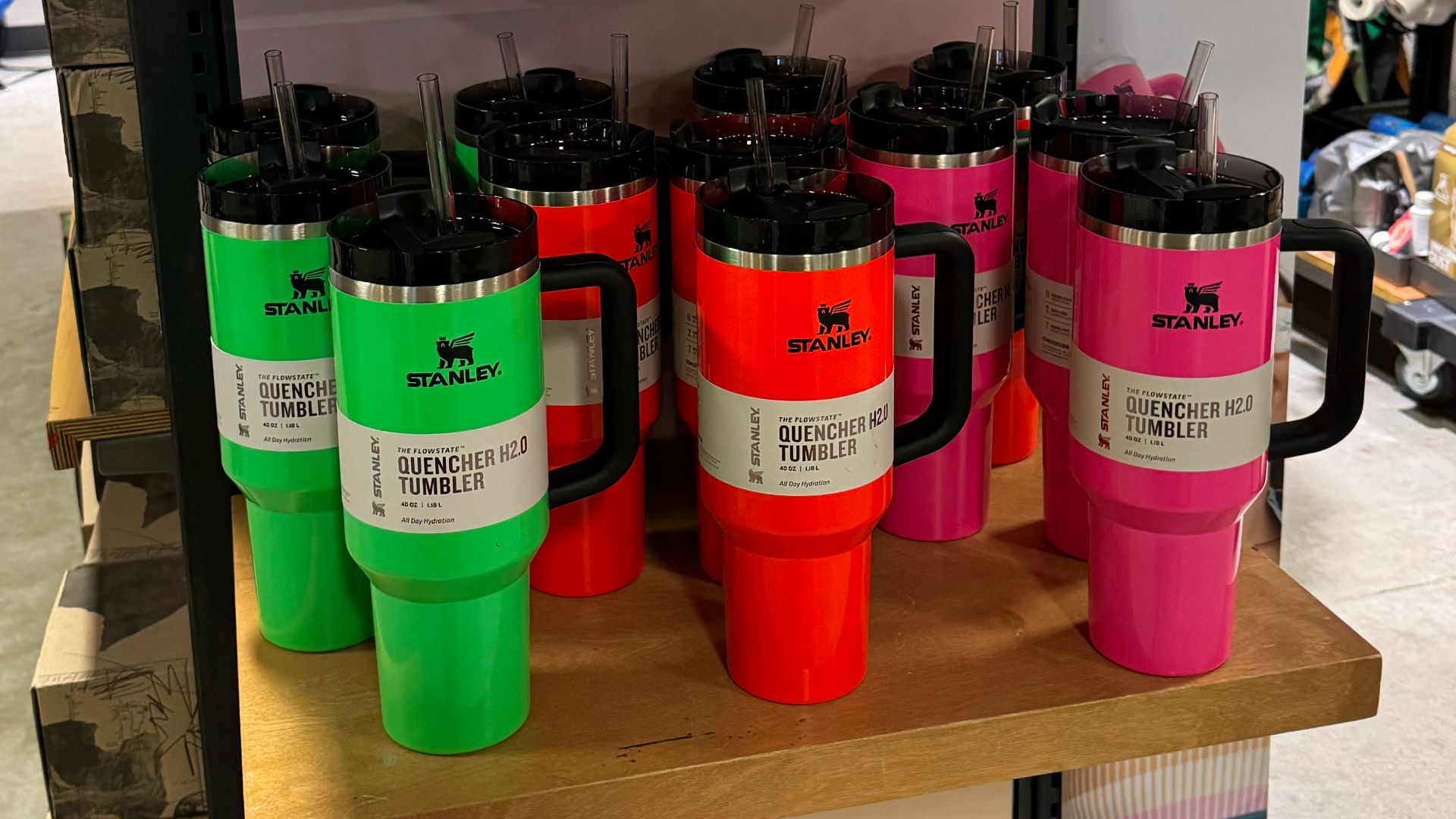
A large part of the allure of the Stanley relies on FOMO—the fear of missing out—so severe it overrides the $50 price tag. Stanleys are available in many colors, but some colors and collaborations are only available for a short window. The Starbucks x Stanley Quencher drop on New Years Eve 2024 had people literally camping out in Starbucks parking lots to buy one.
Not only are these collabs exclusive, but they also encourage you to buy more. If you have multiple Stanleys, you can match them to your outfits. This has lead to some fans having whole cupboards full of Stanleys in every color of the rainbow, totally defeating the eco-friendly ethos of a reusable cup.
And, it isn't just the cups themselves. Stanley superfans will often pile accessories onto the handles and rims of their cups. These accessories include snack holders, hand sanitizer (for hot girl walks), and even mini Stanley keychains for your full-size Stanley.
What was once a thermos marketed towards the working class has become a symbol of capitalistic decadence. Hydration isn't just a necessity for survival—it's a class signifier. Stanleys are simply the next thing in a trend of conspicuous overconsumption.
The Fall Of Stanley?
However, Stanleys may be on their way out; colorful Owala bottles are the next big thing. One thing that hasn't shifted with the trendy tides is Starbucks. The Seattle-based brand's glass "bearista" cups are poised to be this holiday season's most sought-after present.
With its stripey straw, adorable smile, and beanie-shaped lid (Starbucks branding proudly displayed), this bear-shaped beverage holder was practically created in a lab to appeal to Stanley fans. The perceived scarcity, along with persistent marketing lead to behavior similar to the Starbucks x Stanley collab last year. People were camping out, screaming, shoving, and reselling these cups.
No consumer good is worth pushing and even punching other customers to get. Once the Bearista craze dies down, we can't imagine what novelty cup will take its place. marketing geniusdrop