

In our fast-paced world of digital notifications and parenting apps, it’s easy to overlook the quiet wisdom sitting right across the kitchen table. For generations, grandmothers have served as the primary keepers of child-rearing secrets that didn't require a high-speed internet connection or a subscription service. It may be found that while modern technology offers convenience, it often lacks the soul and steady hand that characterized the homes of past generations. These matriarchs managed to raise happy, healthy families using a blend of intuition, resourcefulness, and a surprising amount of common sense that still holds up today.
Reclaiming these vintage strategies isn't about moving backward or rejecting the benefits of the twenty-first century. Instead, it’s about finding a balance between the high-tech tools of today and the high-touch traditions that stood the test of time for decades. It is likely that many of the "new" trends in organic living or mindfulness are actually just repackaged versions of things a grandmother did every single day. By looking at the past through a light-hearted lens, a treasure trove of practical advice can be uncovered, making the chaotic journey of modern parenting feel a bit more manageable.
The Power of Unstructured Boredom
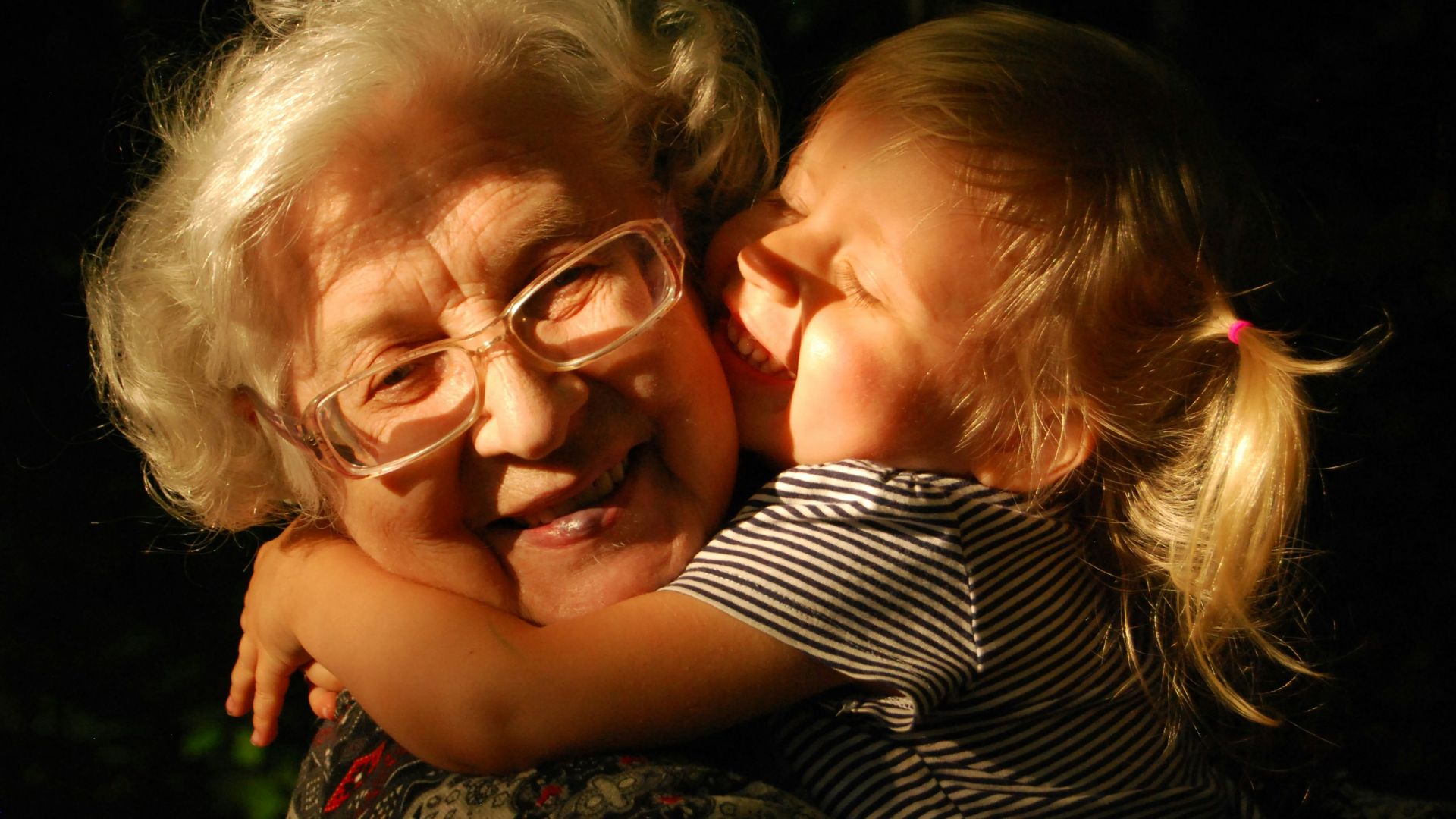 Ekaterina Shakharova on Unsplash
Ask any kid what they appreciated most from Grandma, and they’ll mention the gift of uninterrupted boredom on a rainy Tuesday afternoon. As parents today, there may be a strong urge to fill every waking second with enriching activities and mindless technology. Elders, however, often understood something important. Boredom is where innovation and independence sprout. When a step back is taken and kids are allowed to entertain themselves, they realize there are wonders to explore just beyond their favorite cartoon characters, like the fascinating universe inside an empty cardboard box.
Grandmothers raised children during a time when having “nothing” to do was considered part of childhood, not evidence of poor parenting or laziness. Without the constant presence of devices, children found ways to entertain themselves. Whether with sticks and rocks outside or with whatever was lurking around the house, kids learned to create their own fun. They also learned how to self-soothe and work through problems without asking what to do next. Kids are often smarter than they are given credit for. Plus, unstructured downtime is incredible for development (hello neurotransmitters!) and is just as important as that new-age computer camp.
There is also a quiet benefit for caregivers. Without the need to plan every second of a child’s life, there is room to relax and slow down. Many parents fear that their children will be “behind” if they aren’t always “doing.” However, generations were raised without Wi-Fi, and they turned out just fine. Some can even enjoy sitting in silence or playing with balloons. Channeling that inner Grandma mindset is a reminder that being an entertainment coordinator 24/7 is not required.
Practical Skills and Household Resilience
Before the age of one-click ordering and overnight delivery, the home was a bustling hub of production where every family member had a role to play. Grandmothers were masters of "making do," showing that a torn pair of jeans or a broken toy wasn't a reason to head to the store for a replacement. It can be surprising how much pride a child takes in learning how to sew a button or help prep a simple meal from scratch. These basic life skills instill a sense of competence and independence that stays with a person long after moving out on their own.
Involving children in the daily chores of the household was never seen as a burden but rather as a necessary part of being a member of the family unit. Grandma didn't just do the laundry or bake the bread in secret; there were always little hands helping sort the socks and knead the dough every step of the way. When kids are brought into the "work" of the home, they learn that they are capable contributors who have a real impact on their environment. This hands-on approach builds a much stronger foundation of responsibility than any sticker chart or allowance system ever could.
There is also a profound environmental and financial lesson tucked away in the way previous generations managed their resources with such care and intention. A great deal can be learned about sustainability by observing how a grandmother would repurpose glass jars or save the scraps from a Sunday roast to make a rich, flavorful broth. This mindset of conservation teaches children to value what they have and to understand the effort that goes into creating the things often taken for granted. It turns out that being "frugal" is actually a superpower that fosters gratitude and a deep respect for the natural world.
The Art of Communal Living and Connection
Perhaps what has been lost sight of most is that parenting was never intended to be a private journey done alone. Grandmothers were social pioneers, building strong relationships with neighbors, cousins, and local grocers to weave a safety net that surrounded the entire community. Raising children in isolation can feel overwhelming, but in the past, families thrived because they didn’t hesitate to reach out for help or offer it in return.
It was understood that one person cannot meet all the different needs of a child. A child benefits from having many different people enter their life, each bringing unique perspectives and experiences. This sense of shared responsibility created stronger bonds, not just within families but across entire communities. Reintroducing even small elements of this mindset can make modern parenting feel far less isolating and far more supported.