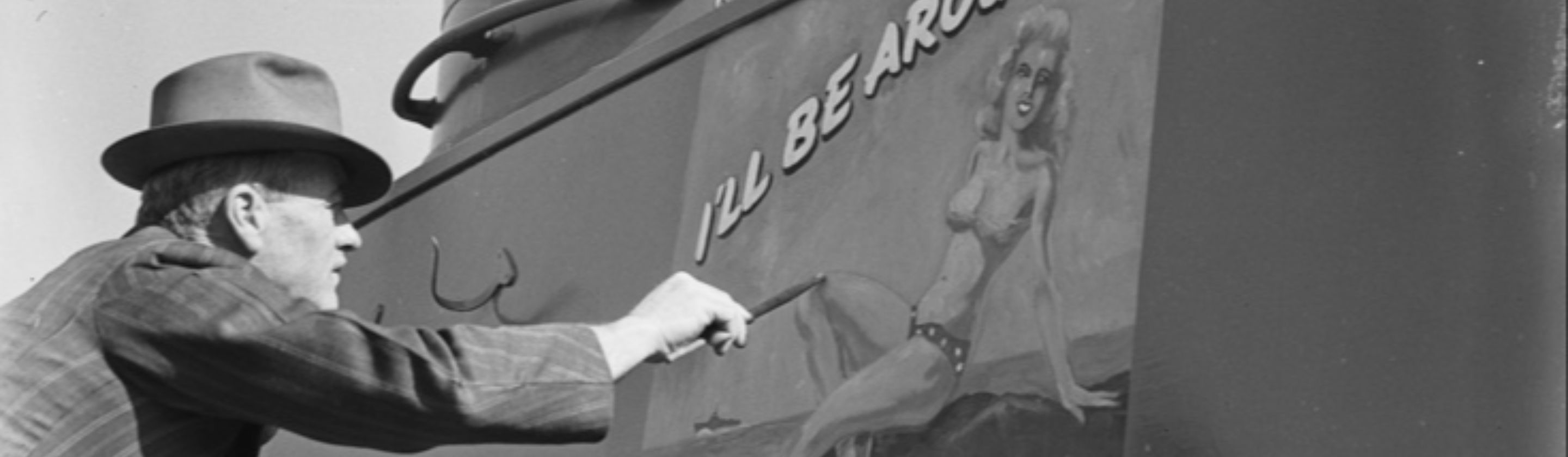
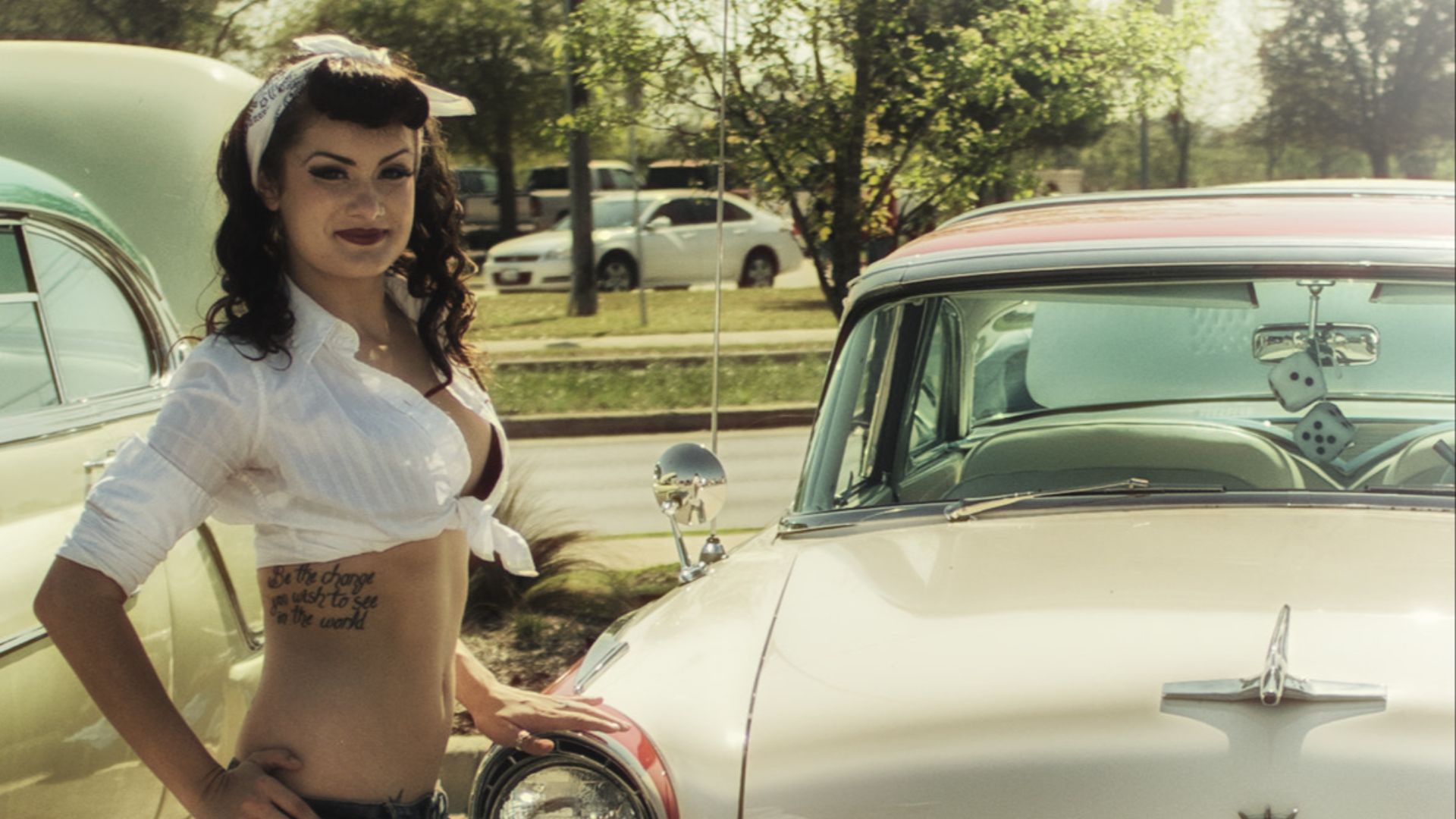
Pinup has been a popular art form and fashion trend for over 100 years, and you’ve likely seen them in various forms throughout your life. Pinup girls have been photographed, painted, tattooed, and modeled after for decades, but their long history as a cultural phenomenon is based in war, rather than a particular fashion trend.
What is a Pinup Girl?
Originally, a pinup girl was a model or actress who was drawn or photographed with the intent of having the picture “pinned up” on a wall. These women were usually posed in sensual, playful, or otherwise cheeky ways, usually with an emphasis on defined curves.
It was common for pinup fashion to include hairstyles like victory rolls or barrel curls, often topped with bandanas or ribbons. Winged black eyeliner, red lipstick, seamed stockings, high heels, and cat-eye sunglasses were also common parts of these highly stylized photographs.
Where Did They Come From?
The pinup girl trend started in the early 19th century, although its origins are based in the much more established world of burlesque. They were commonly sold as a “fantasy,” often used by women to showcase their “availability,” real or perceived, to the people of the world. However, the pinup girl really shot off during World War II.
During the war, this art style became synonymous with patriotism. “Vargas Girls,” a collection of paintings made by artist Alberto Vargas, started showing up in men’s magazines dressed in revealing military uniforms, and often posed on the tips of fighter aircraft. The magazines were sent, for free, to American troops stationed around the world as a way to boost morale.
Post-World War II
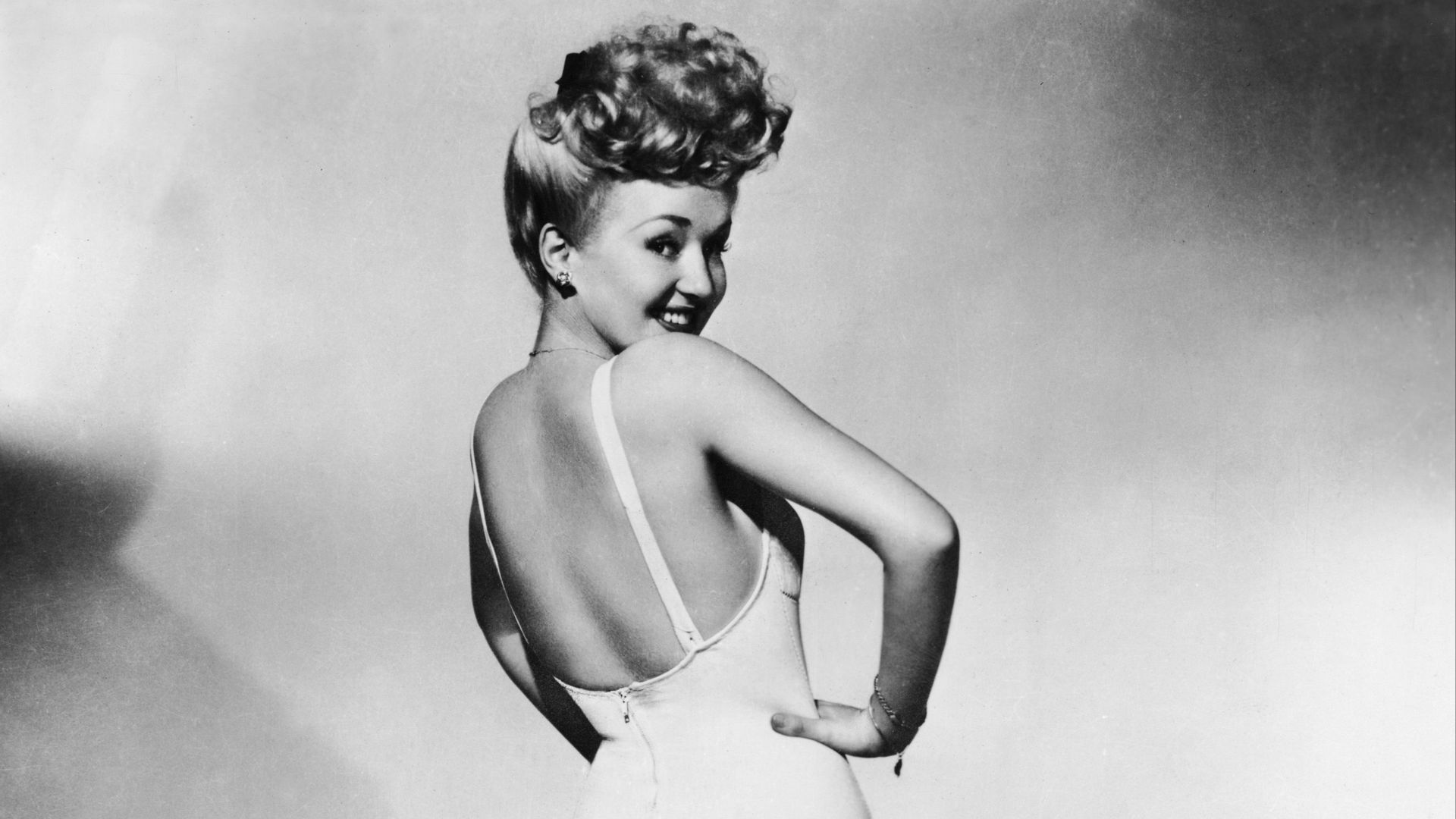
After the war, the pinup girl became widely associated with feminist movements, as the prints became less about patriotism and more about self-expression. However, pinups and feminism were always synonymous, as late-19th-century women saw them as a positive form of post-Victorian puritan ideals.
This push and pull surrounding pinup returned in the 1950s. While the photos from the first half of the 20th century were often seen as celebrations of healthy bodies and genuine expressions of women’s sexuality, the latter half of the century saw a rise in much more explicit photographs.
The problem was two-fold. While pinup was seen as a rebellion against the rigid, puritan, or otherwise patriarchal society, other feminist groups also saw pinup as a corrupting force, believing that these photos would popularize the idea that women were objects that existed solely for men's pleasure. However, those ideals never seemed to be the driving force behind pinup art, and the subculture continued to thrive.
Today
Many artists, models, actresses, and other famous people have continued to incorporate or honor pinup in their art, fashion, or brand, from Pamela Anderson to Dita Von Teese and Beyoncé.
Pinup fashion has also continued in various forms, showing up in rockabilly, goth, or vintage styles. Pinup as an aesthetic continues to stand the test of time, as elaborate updos, high-rise pants, and fitted dresses continue to appear in the pop culture zeitgeist.