
The Problem With Modern Expectations
Every generation has its own habits that leave older people shaking their heads, and today’s young people are no exception. Not every young person fits the same pattern, but for many of them, they're stuck in this world built around modern habits and expectations that shape their reality. From social media pressure to instant convenience, here are 20 reasons why young people can be out of touch with reality these days.

1. They Think Success Should Happen Quickly
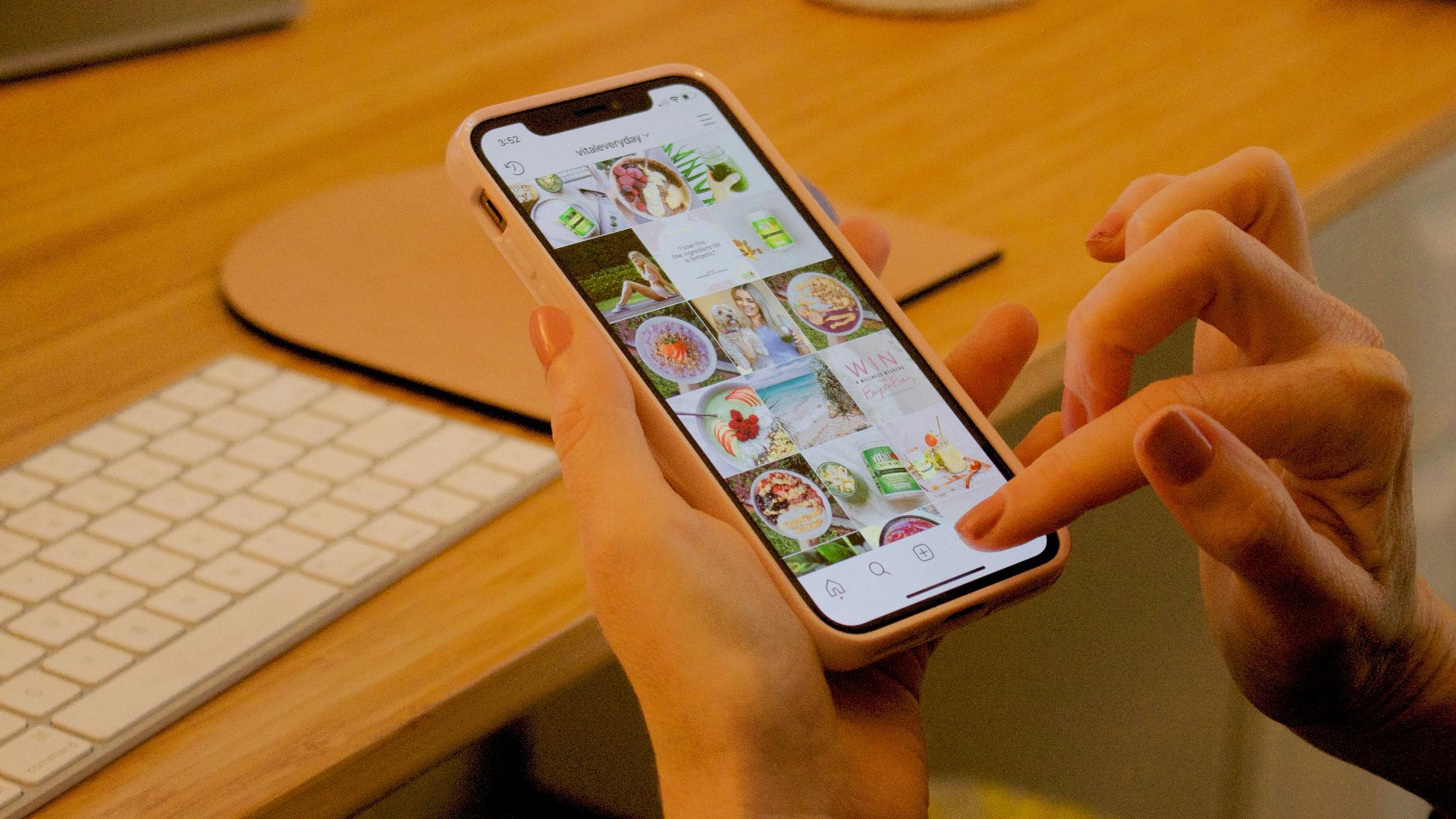
Thanks to our digital world where we get a glimpse into everyone's lives, many young people grow up seeing success stories in the form of short videos and quick posts. As a result, it can make progress seem like it should happen quickly, when in reality, real life moves much more slowly. When you only see the exciting result, it’s easy to underestimate the long process behind it.
 Gabrielle Henderson on Unsplash
2. They Compare Their Lives To Edited Social Media Posts
Social media can sure make ordinary life feel disappointing when you get to see everyone else traveling, celebrating milestones, or simply looking perfect. Young people are on it so often, they forget that posts are carefully edited, filtered, and staged to show the best parts of someone's life.

3. They Expect Work To Feel Fulfilling All The Time
Everyone wants to find a meaningful job, but some young people expect every job to feel fulfilling right from the get-go. Realistically, even your dream position is likely going to include repetitive tasks, difficult coworkers, and bad days. You can't forget that work can provide purpose, but it also exists because bills need to be paid.

4. They Believe Every Opinion Needs A Platform
The internet has made it incredibly easy for anyone to share a thought within seconds to millions of people. This can be amazing when used for the right purposes, but it can also make young people feel the need to share every little thought with the world. It's not healthy thinking every reaction and response needs to go online.
5. They Confuse Online Popularity With Real Influence
Just because you have thousands of likes, followers, or views, doesn't mean you carry true influence built from real respect, useful skills, or impressive success. A viral post can disappear from people’s minds almost as quickly as it appeared, and real influence should come from consistency, trust, and contributing something valuable.
6. They Think Convenience Is The Default
Food delivery, instant messaging, same-day shipping, and streaming services are just some examples of culprits that have made young people used to the convenience of modern society. That's why some of them struggle with patience; waiting in line, making a phone call, or other small inconveniences feel extra frustrating to them.

7. They Treat Discomfort Like Something Is Wrong
Modern culture often encourages people to avoid anything that feels awkward, stressful, or inconvenient. While it’s good to protect your well-being, discomfort isn’t always a sign that something bad is happening. Sometimes it simply means you’re learning, growing, or dealing with normal adult responsibilities. It's crucial to face these head on at times!
 Solving Healthcare on Unsplash
8. They Expect Friendships To Be Effortless
Texting and social media make staying connected seem easy, but real friendships still require time and effort. Some young people may feel disappointed when friendships change, people get busy, or plans take work to arrange. At the end of the day, friendships are more than just reacting to someone’s story once in a while.

9. They Think Money Problems Are Always Someone Else’s Fault
Yes, we live in a rough economy that's not ideal for young people, with real financial challenges like high rent, student debt, and rising costs being genuine problems. But at the same time, you can't just accept your fate and blame others. It's important to look at your personal spending choices and make better decisions to support your situation. Because really, subscriptions, takeout, impulse buys, and more eat up a lot of your savings.
 micheile henderson on Unsplash
10. They Underestimate How Hard Adult Responsibilities Are
From the outside, adult life can seem like having freedom, privacy, and the ability to make your own choices, but once you’re in it, there are bills, appointments, and plenty of decisions that nobody else handles for you. Some young people grow up surprised at how difficult being an adult can truly be.

11. They Believe Passion Should Pay The Bills Immediately
This modern world has brought forth unique job prospects like being an influencer, streamer, freelancer, and more, but while it's wonderful to pursue passions, it's not a guarantee that these become profitable. Passion matters, but planning, patience, and practical choices matter too.

12. They Rely Too Much On Digital Validation
Online approval has become a serious problem with today's youth. Some young people even go as far as using it to guide their choices from how many likes, comments, or shares they receive. But the reality is, the only person who should be controlling your decisions is yourself.
13. They Think Conflict Means A Relationship Is Bad
Every healthy relationship still deals with disagreements, misunderstandings, and uncomfortable conversations. It's not about whether or not you have them, it's about how you handle them. Young people often assume that conflict is automatically toxic, when all it does is give you an opportunity to learn how communicate properly.

14. They Expect Brands And Companies To Act Like Friends
Many companies use casual language online, reply with jokes, and try to sound personal, which has sadly made some young people forget that brands are still businesses with financial goals. A fun social media account doesn’t mean a company cares about you like a real friend would. It's all about gaining your trust to buy their product.

15. They Overestimate How Much People Are Watching Them
Growing up online can make it feel like your life is more public than it actually is. Some young people are constantly worried about what they post; whether or not they look good, cheesy, if they're being trendy, and more. But the truth is, most people are focused on their own concerns and don’t remember small details for long.
 Antoine Beauvillain on Unsplash
16. They Think Being Busy Means Being Productive
Packed schedules look and sound impressive, but really, it's exactly like what it sounds: tiring. Doing a lot doesn't translate to actual progress, and filling your days with tasks, content, and plans will only burn you out. What really matters is how productive you are, not how much you're doing on a day-to-day basis.

17. They Expect Personal Growth To Feel Exciting
Self-improvement and growth might look flashy online, but in reality, genuine development is often quiet and requires the motivation to repeat the same good choices over and over again. It's anything but glamorous! Some young people unfortunately lose interest when improvement doesn’t feel exciting right away.
18. They Forget That Not Everything Is A Red Flag
Modern dating and social media has made people more aware of unhealthy behavior, which can be useful, but it has also made them less patience and forgiving. The phrase "red flag" is used too carefreely today, leading young people to label every annoying habit, awkward comment, or minor difference as one, even when it's not.

19. They Believe Every Purchase Should Reflect Their Identity
Many young people are encouraged to express themselves through clothes, devices, decor, food, and even water bottles. Personal style can be fun and is definitely important, but it can also make ordinary buying decisions feel much more serious than they need to be. Sometimes a plain, affordable, practical choice is perfectly fine.

20. They Forget That Life Isn’t Always Curated
Online life often comes with clean backgrounds, flattering angles, and carefully chosen updates, whereas real life includes dull errands, bad lighting, and days when nothing exciting happens. Some young people can feel disappointed when life doesn’t look as good as what the digital world offers, but losing yourself to that belief can be very harmful. It's far more important to live in the present, and choose to make the most out of each day.