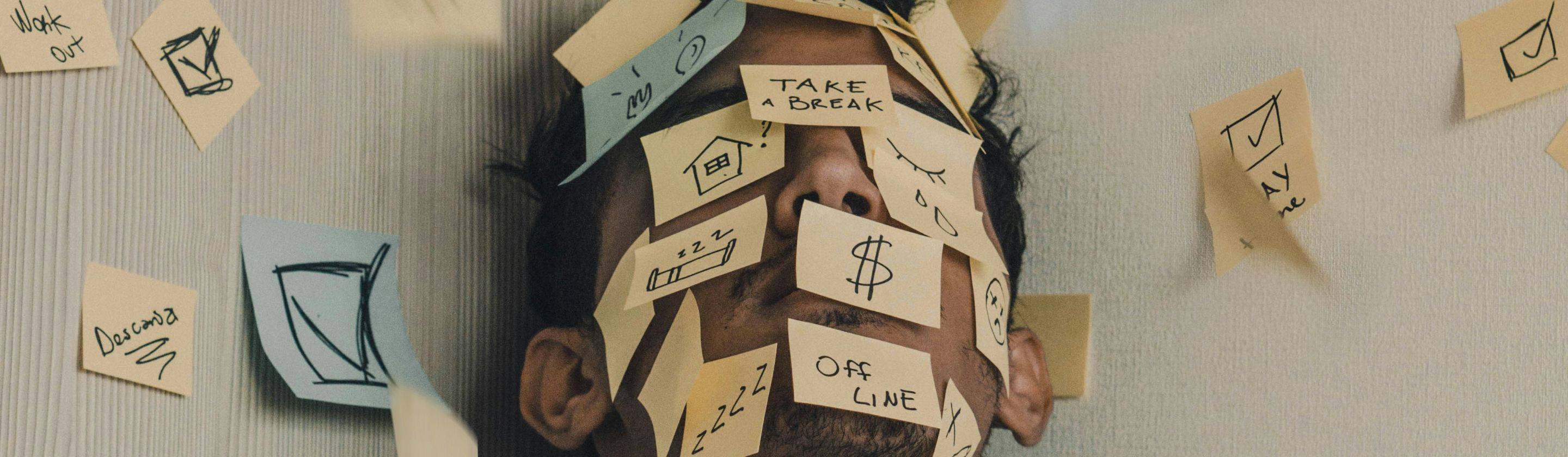

Weddings bring together love, family, finances, and lifelong expectations, so it's no surprise that couples often approach them differently. While every relationship is unique, research and surveys consistently show that women tend to spend more time thinking about wedding details, whereas men are more likely to focus on the bigger picture rather than individual decisions. Those differences often become most noticeable once planning officially begins.
That doesn't mean women naturally worry more or that men care less about getting married. Instead, social expectations, life experiences, and the roles people are often encouraged to take create different ways of approaching the same event. Understanding those differences can make planning feel much more like a shared experience instead of a source of unnecessary frustration. Recognizing this early can help couples avoid making unfair assumptions about each other's level of commitment.
Society Often Gives Women The Wedding Job
Long before many people become engaged, women are exposed to wedding culture through movies, magazines, television, social media, and conversations with friends. They often grow up seeing weddings presented as deeply personal milestones where every detail reflects their personality and taste. By the time planning begins, many already have years of expectations stored away, whether they realize it or not. That familiarity naturally makes the planning process feel more significant to many brides.
Men, on the other hand, are generally exposed to far less messaging about weddings throughout their lives. Cultural attention is more likely to focus on the proposal itself or the lifelong commitment rather than flower arrangements, seating charts, or color palettes. As a result, many enter the planning process without having spent much time imagining how the event should unfold.
If you're planning a wedding together, recognizing these different starting points can prevent unnecessary misunderstandings. One partner may have been thinking about certain traditions for years, while the other is only beginning to consider them after becoming engaged. Neither perspective is inherently better, but understanding why they differ makes compromise much easier. It also encourages more patience when conversations move at different speeds.
Different Priorities Shape Different Decisions
Many women naturally spend more time evaluating how guests will experience the wedding day because they're often encouraged to think about hospitality, relationships, and family expectations. Questions about seating arrangements, timelines, attire, and décor may feel interconnected rather than separate decisions. Looking ahead to potential problems can seem like responsible planning instead of overthinking.
Many men, meanwhile, tend to concentrate on the broader goals of the event. They may care deeply about marrying their partner while placing less importance on specific decorations, invitation designs, or table settings. That difference can sometimes be mistaken for indifference, even when they're simply prioritizing different aspects of the celebration. Their focus is often centered on creating an enjoyable day without getting caught up in every individual choice.
Neither approach is automatically right or wrong because successful weddings usually need both perspectives. Someone paying attention to the finer details helps avoid logistical problems, while someone focused on the overall purpose can prevent minor issues from feeling overwhelming. Couples often make their best decisions when they appreciate the strengths each person brings instead of assuming they should think identically. A balanced approach usually creates a smoother planning experience for everyone involved.
Communication Matters More Than Perfect Planning
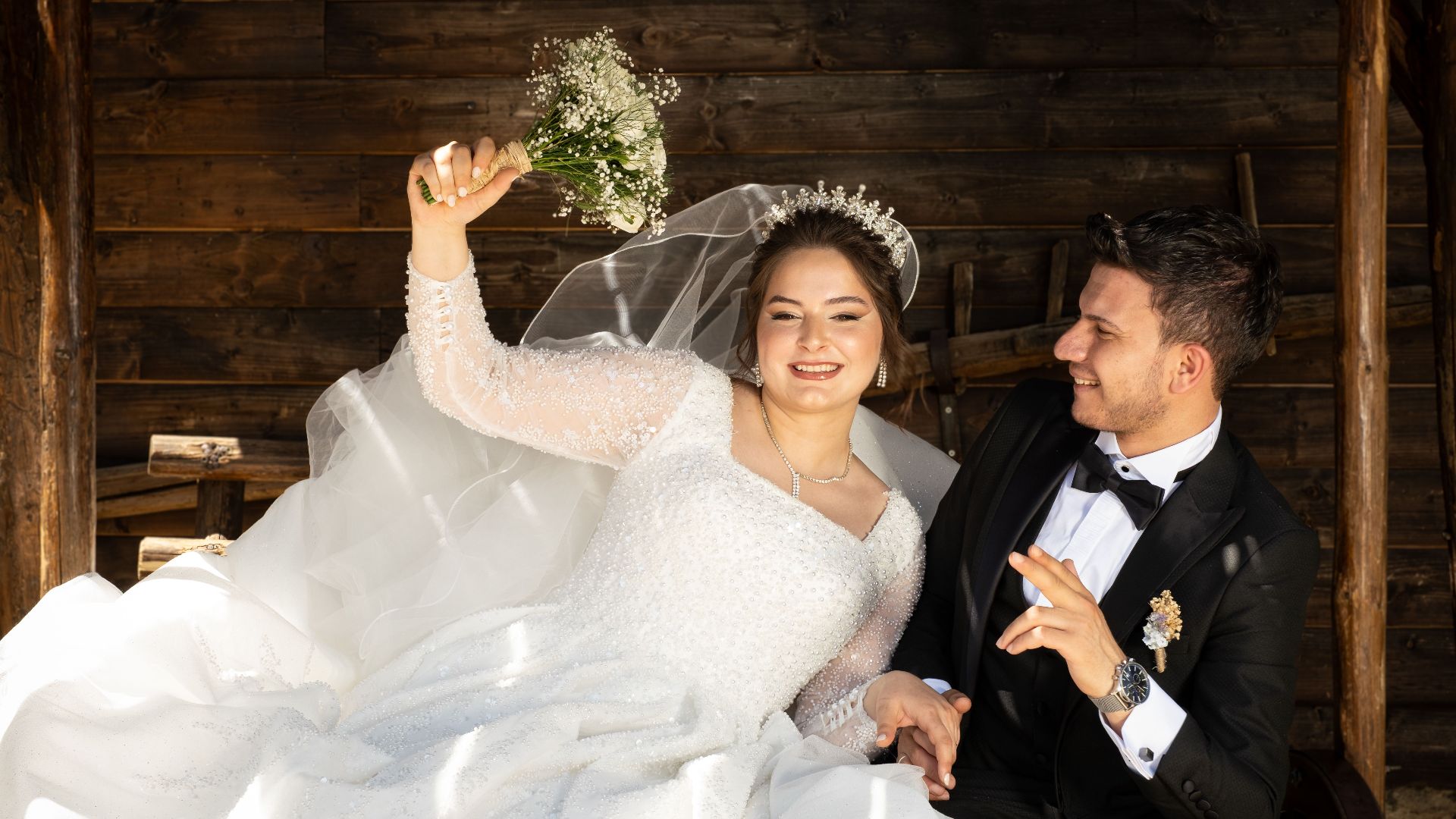 Alican Helik on PexelsWedding planning becomes much easier when couples openly discuss which decisions matter most to each of them. One partner may care deeply about photography, while the other places greater value on the food or music. Identifying those priorities early helps divide responsibilities more fairly and reduces unnecessary conflict. It also allows each person to invest more energy into the parts they genuinely care about.
It's also worth remembering that personality frequently matters more than gender alone. Some men enjoy researching every possible venue, while some women prefer making quick decisions and moving forward. Individual traits like perfectionism, organization, and tolerance for uncertainty often influence planning styles just as much as cultural expectations do.
If you approach planning as a shared project instead of assigning unofficial roles, the experience often becomes far more enjoyable. Listening carefully, asking questions, and respecting each other's concerns allows both partners to contribute meaningfully. In the end, the healthiest wedding plans usually come from teamwork rather than trying to match outdated stereotypes. Working together also builds communication skills that remain valuable long after the celebration ends.
Planning a wedding can reveal differences in how couples think, solve problems, and make decisions, but those differences don't have to become obstacles. When both people understand why they naturally focus on different aspects of the process, it's easier to balance careful preparation with a healthy perspective. The wedding lasts a day, while the partnership lasts much longer, and learning to navigate those differences together is one of the most valuable parts of the journey. Couples who embrace those differences often find that the planning process strengthens their relationship instead of testing it.