20 Things People With Naturally Welcoming Homes Always Seem to Do
The Best Homes Don't Feel Perfect. They Feel Easy To Walk Into, Easy To Settle In, And Easy To Enjoy
A naturally welcoming home doesn’t need expensive furniture, a spotless kitchen, or every room arranged like a photo shoot. It usually comes down to smaller things that make people feel comfortable without making a big production out of it. There’s a place to sit, a place to put your bag, a bathroom that doesn’t make you search for soap, and a host who doesn’t seem stressed about every little crumb. These homes feel cared for, but they still feel human, which is so often what makes people want to stay a little longer. Here are 20 things people with naturally welcoming homes always seem to do.
 Land O'Lakes, Inc. on Unsplash
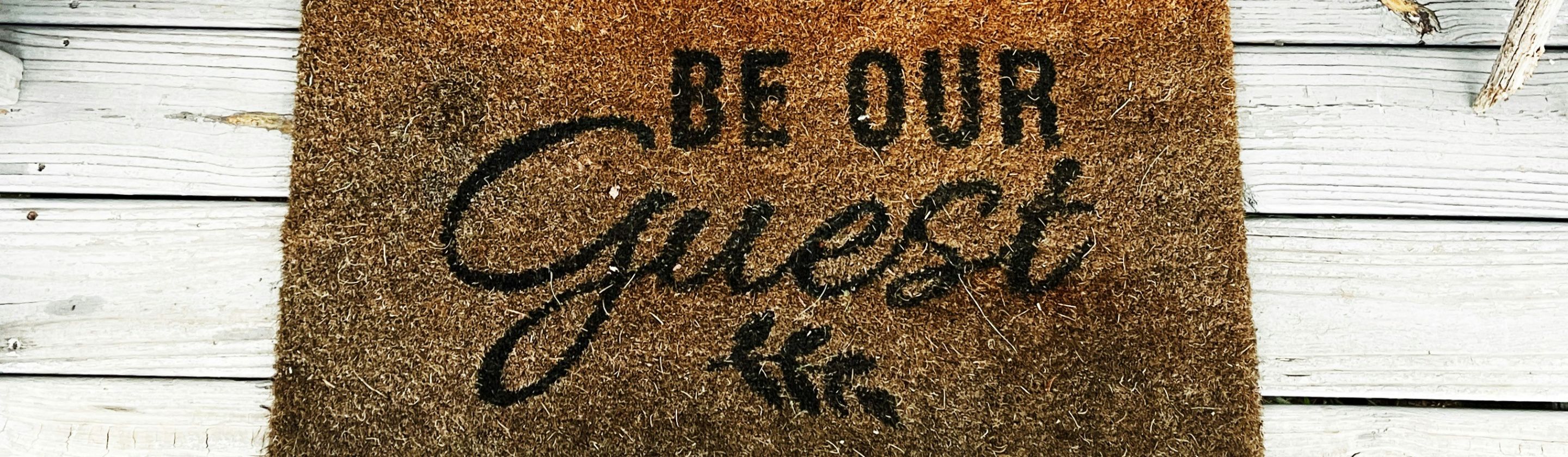
1. They Make The Entry Feel Simple
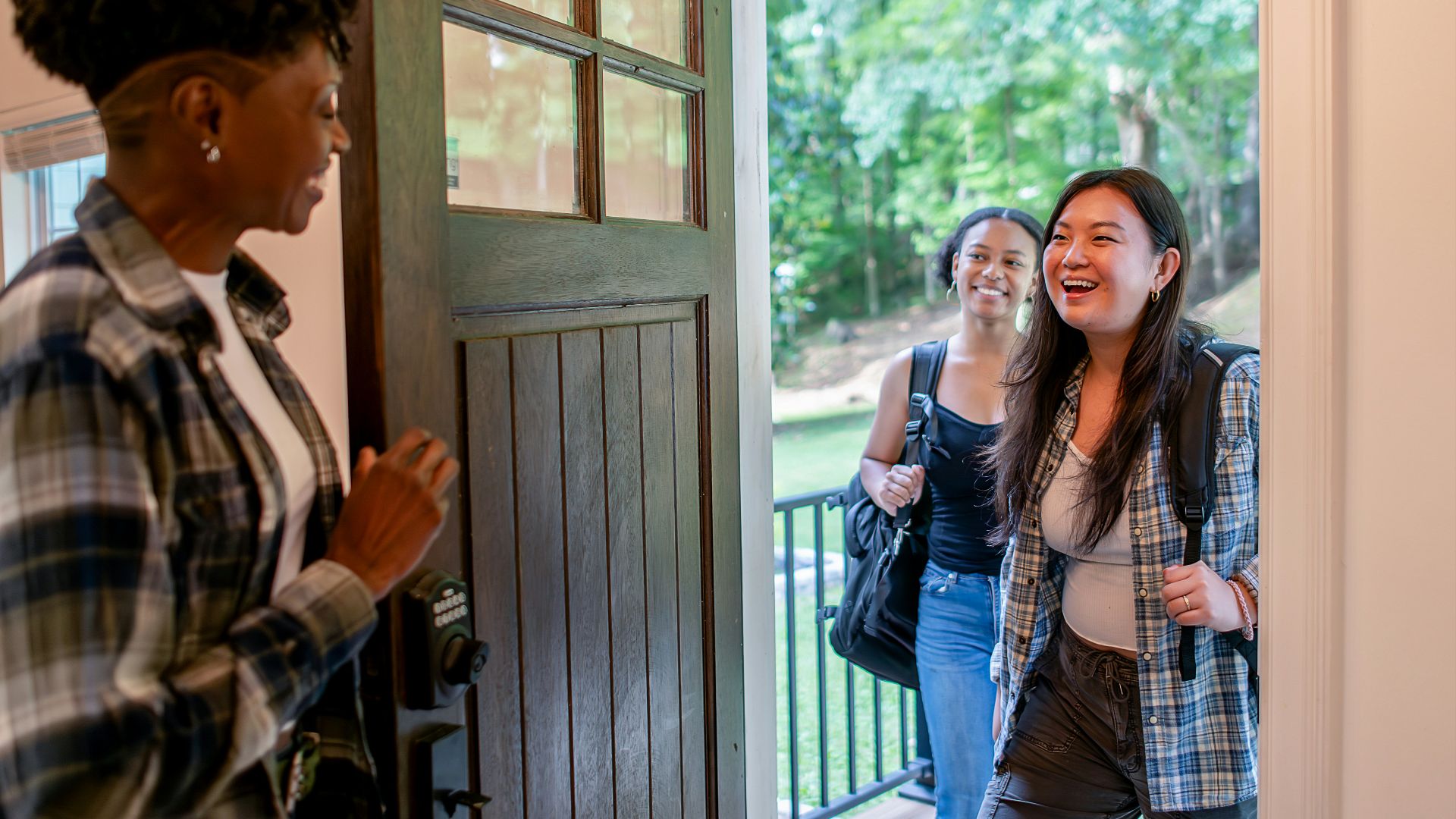
The front door sets the tone right away. Welcoming homes usually have a clear place for coats, shoes, bags, keys, or umbrellas, so guests don’t have to stand there holding everything while trying to say hello. If your host also offers to take your items, it makes you feel all the more welcome.
2. They Arrange Seating For Conversation
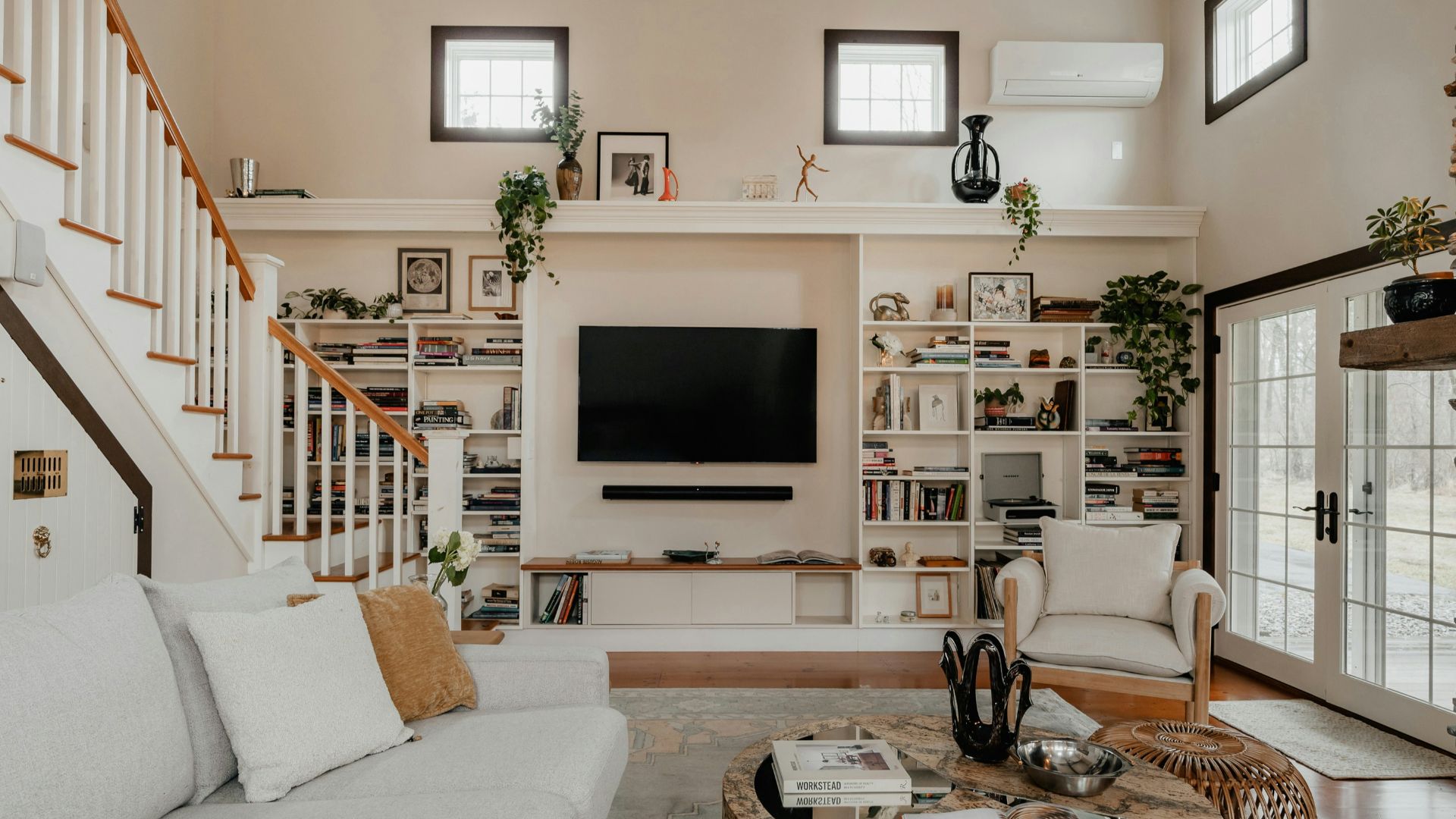
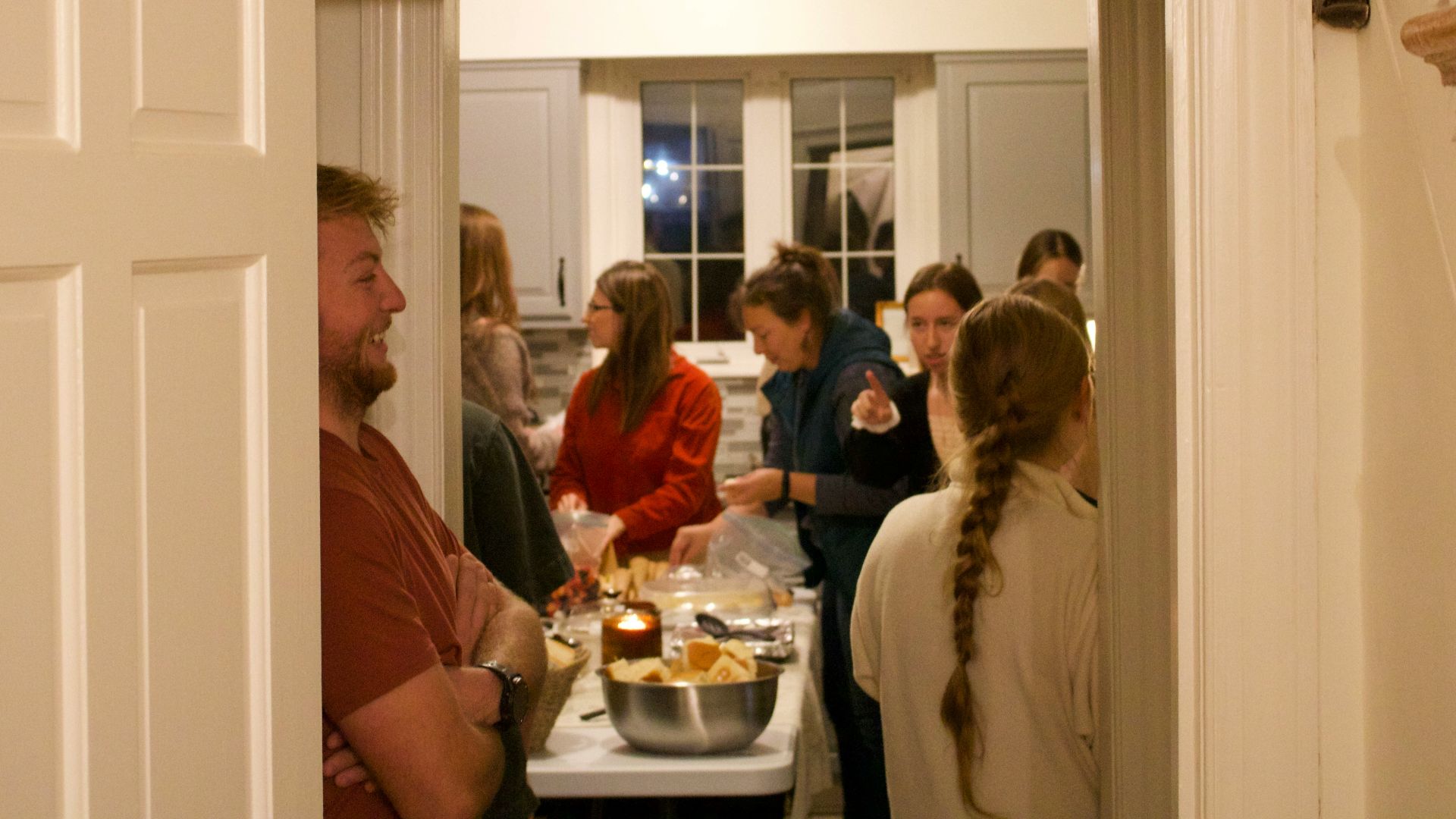
A room feels more comfortable when people can actually look at each other while they talk. Instead of pointing every chair at the television, welcoming homes often use angled seating or close groupings that make conversation feel easy.
3. They Use Softer Lighting
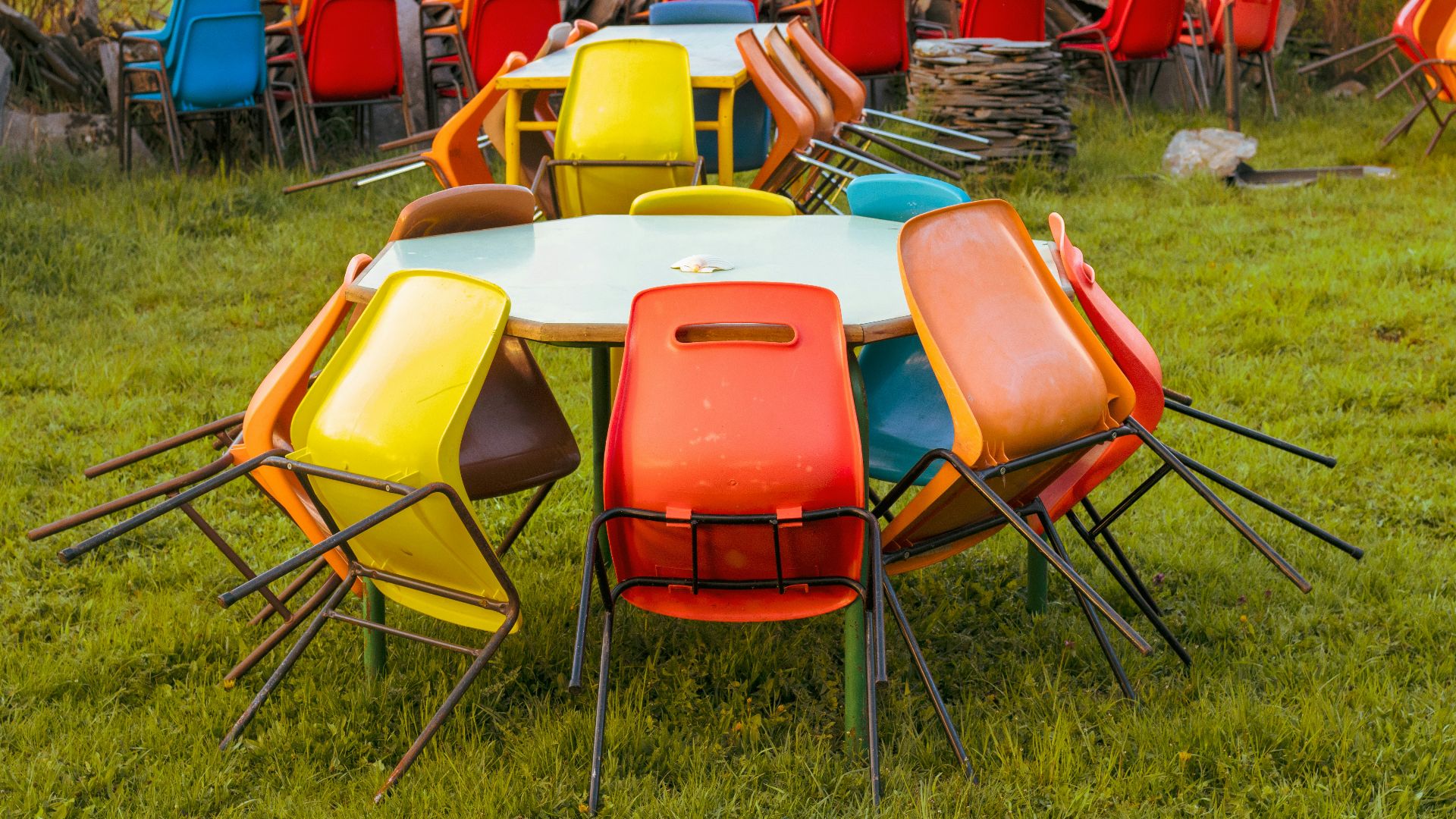
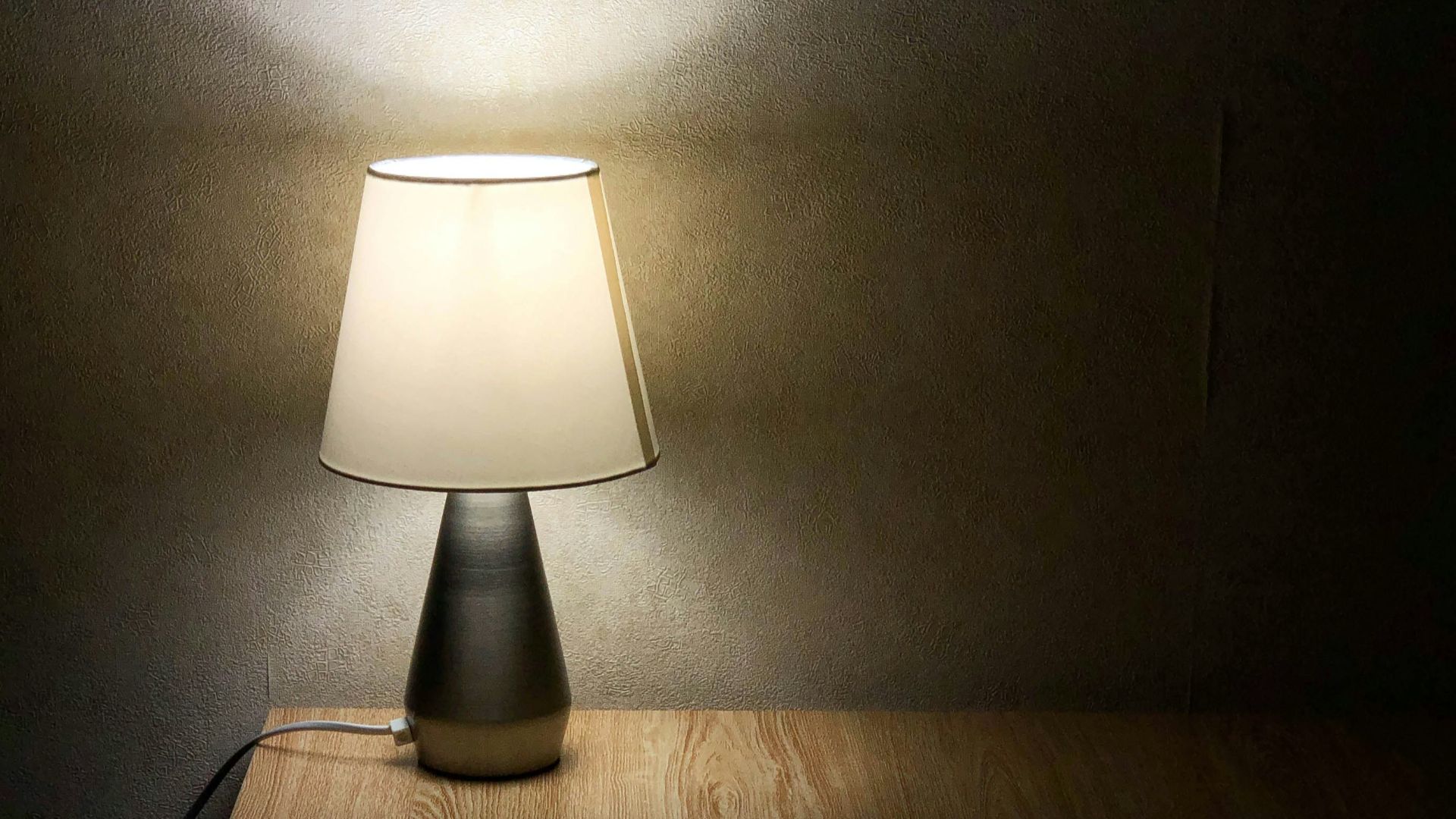
One bright overhead light can make a room feel a little too sharp. Lamps, shaded bulbs, and warm pools of light help a space feel calmer, softer, and more relaxed, especially in the evening.
 Ochir-Erdene Oyunmedeg on Unsplash
4. They Let Daylight In
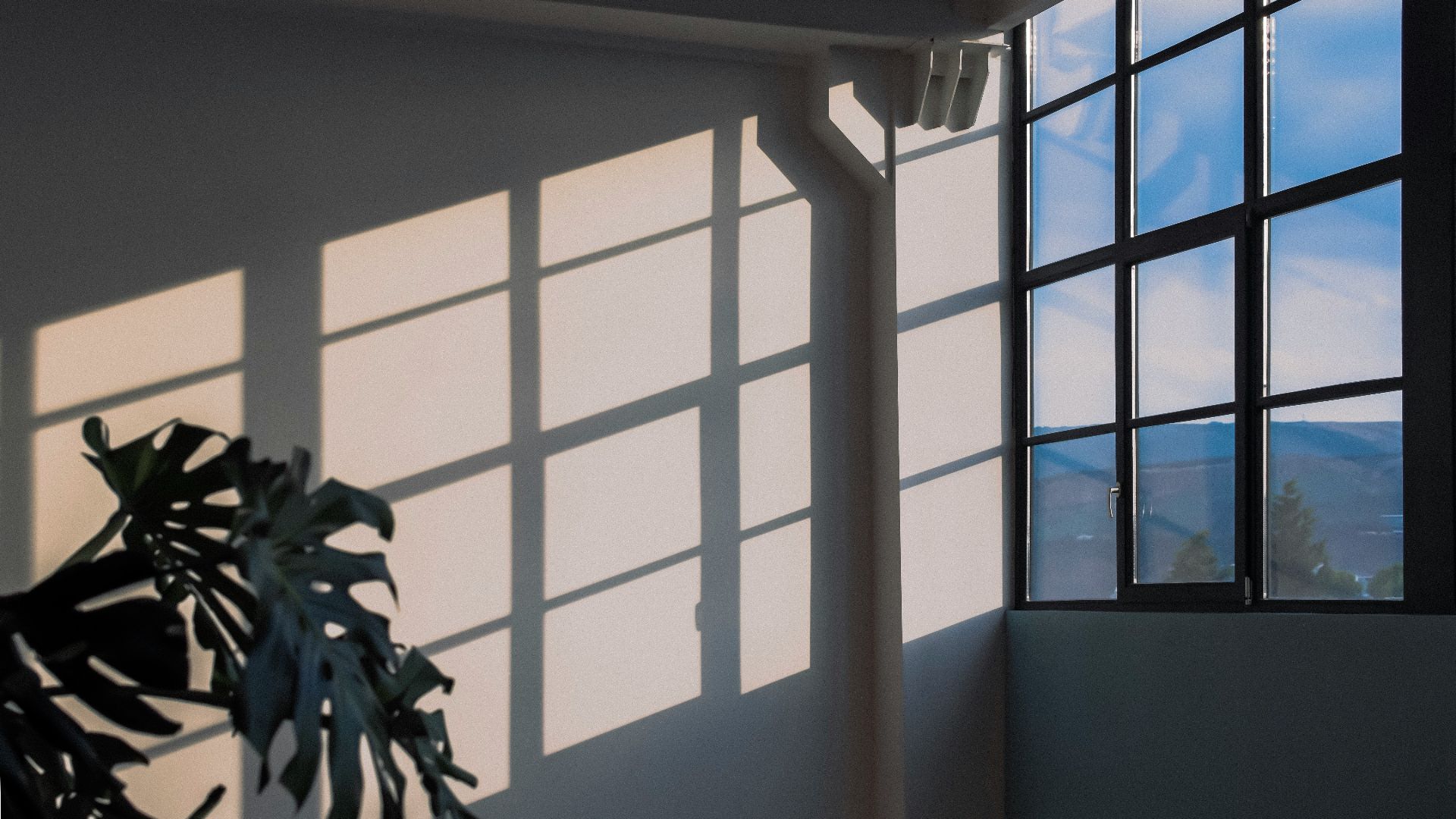
Natural light can make a home feel brighter and more open without much effort. People with welcoming homes often open curtains, keep window areas clear, and let each room get whatever daylight it can.
5. They Keep Clutter From Taking Over
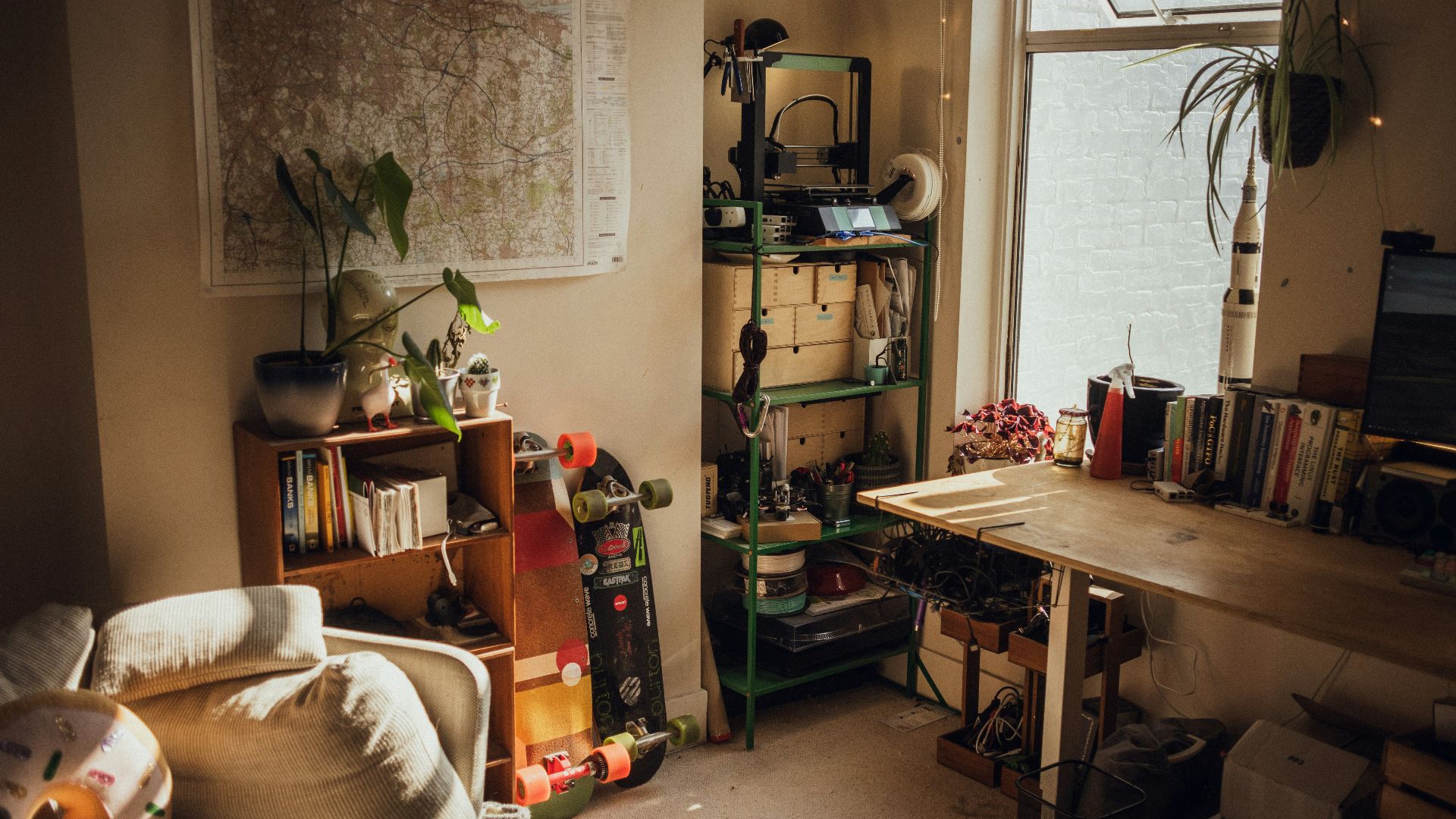
A welcoming home doesn’t have to look untouched. Books, blankets, toys, mail, and everyday things can all belong there, as long as guests can sit down, set down a glass, and move around without feeling crowded.
6. They Make The Bathroom Easy To Use
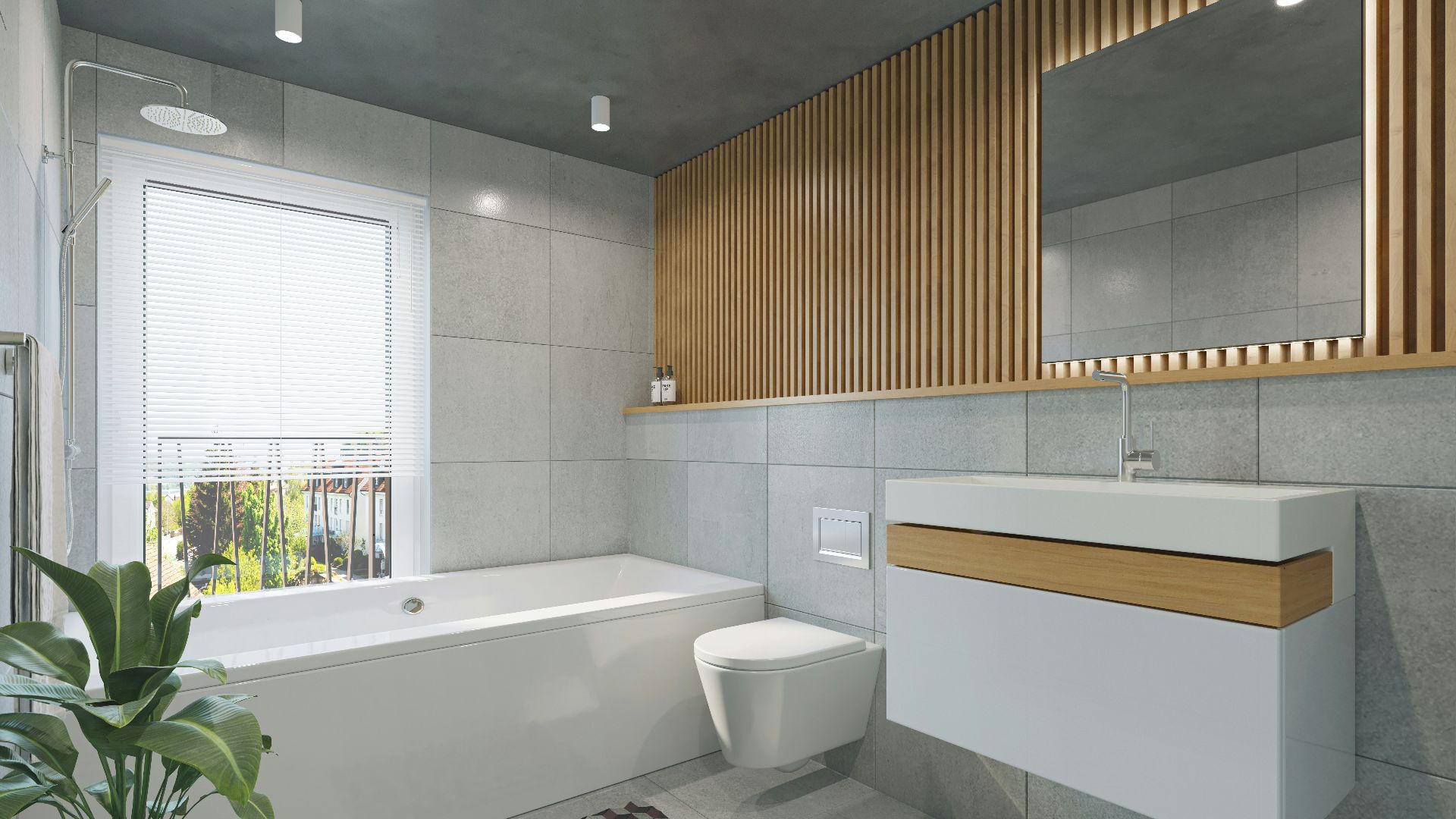
Guests shouldn’t have to search for soap, a clean towel, toilet paper, or a trash can. Welcoming homes put those basics where people can find them, which saves everyone from a small but awkward conversation.
7. They Keep The Air Fresh
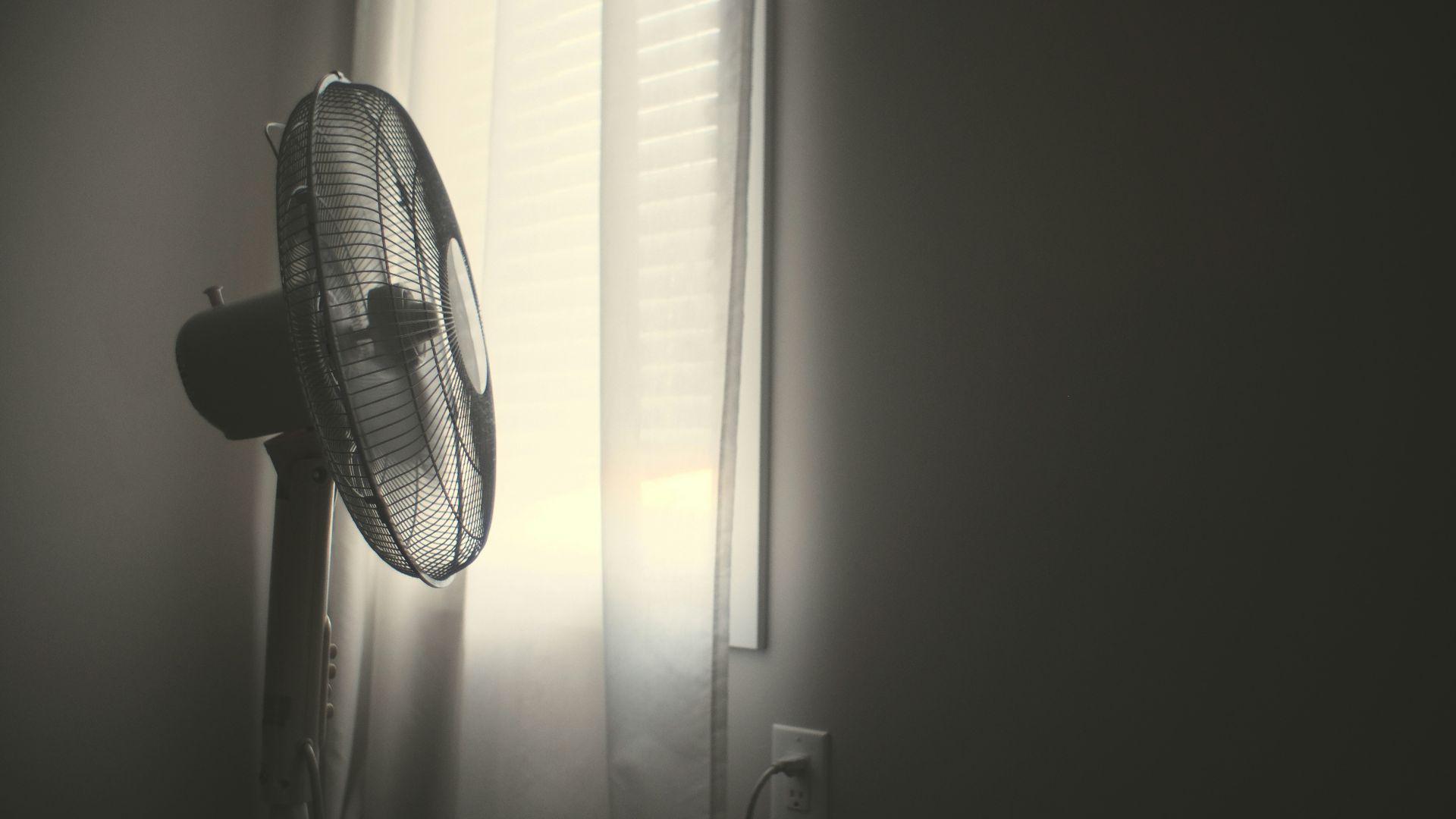
A pleasant home usually smells clean before it smells scented. Opening a window when possible, using the kitchen fan while cooking, dealing with damp spots, and keeping dust under control all help the space feel fresher.
8. They Use Scent Lightly
A little scent can make a home feel warm and memorable, especially if you use popular scents. Coffee, fresh laundry, flowers, herbs, or something simple baking. Welcoming homes usually don’t overwhelm guests with strong candles or heavy sprays.
 Food Photographer | Jennifer Pallian on Unsplash
9. They Offer Something To Drink
A glass of water, coffee, tea, or something cold can help a visit feel settled right away. It gives guests something to hold, shows they’ve been thought of, and makes those first few minutes feel less stiff.

10. They Keep Food Simple And Shareable
The most inviting food is often the easiest food to enjoy. A bowl of snacks, cut fruit, sandwiches, soup, or a casual grazing board can feel more generous than a complicated meal that keeps the host stuck in the kitchen.

11. They Ensure Belongings Have Somewhere To Go
Guests relax faster when they know where to put their things. A hook, closet, basket, tray, bench, or spare chair keeps coats and bags from ending up in random places around the room.

12. They Keep Surfaces Open
A pretty room can still feel annoying if there’s nowhere to set a drink. Welcoming homes usually have side tables, trays, stools, or cleared corners near seating, so people don’t have to balance mugs on their knees.
13. They Notice The Temperature
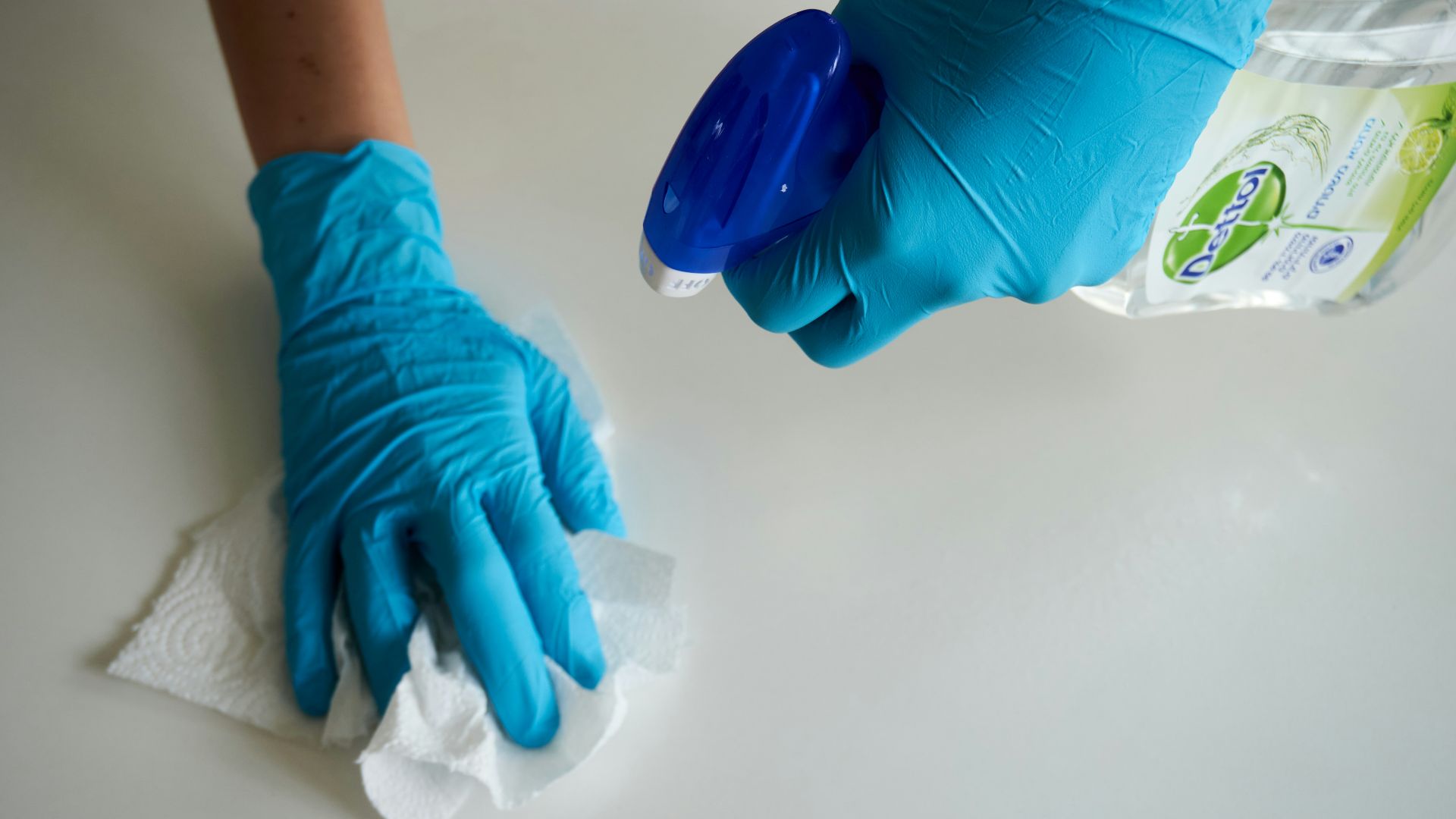
People may not say when a room is too cold, too warm, or too stuffy, but they’ll feel it. Thoughtful hosts adjust the heat, open a window, turn on a fan, or offer a throw blanket before anyone has to ask.

14. They Add Natural Touches
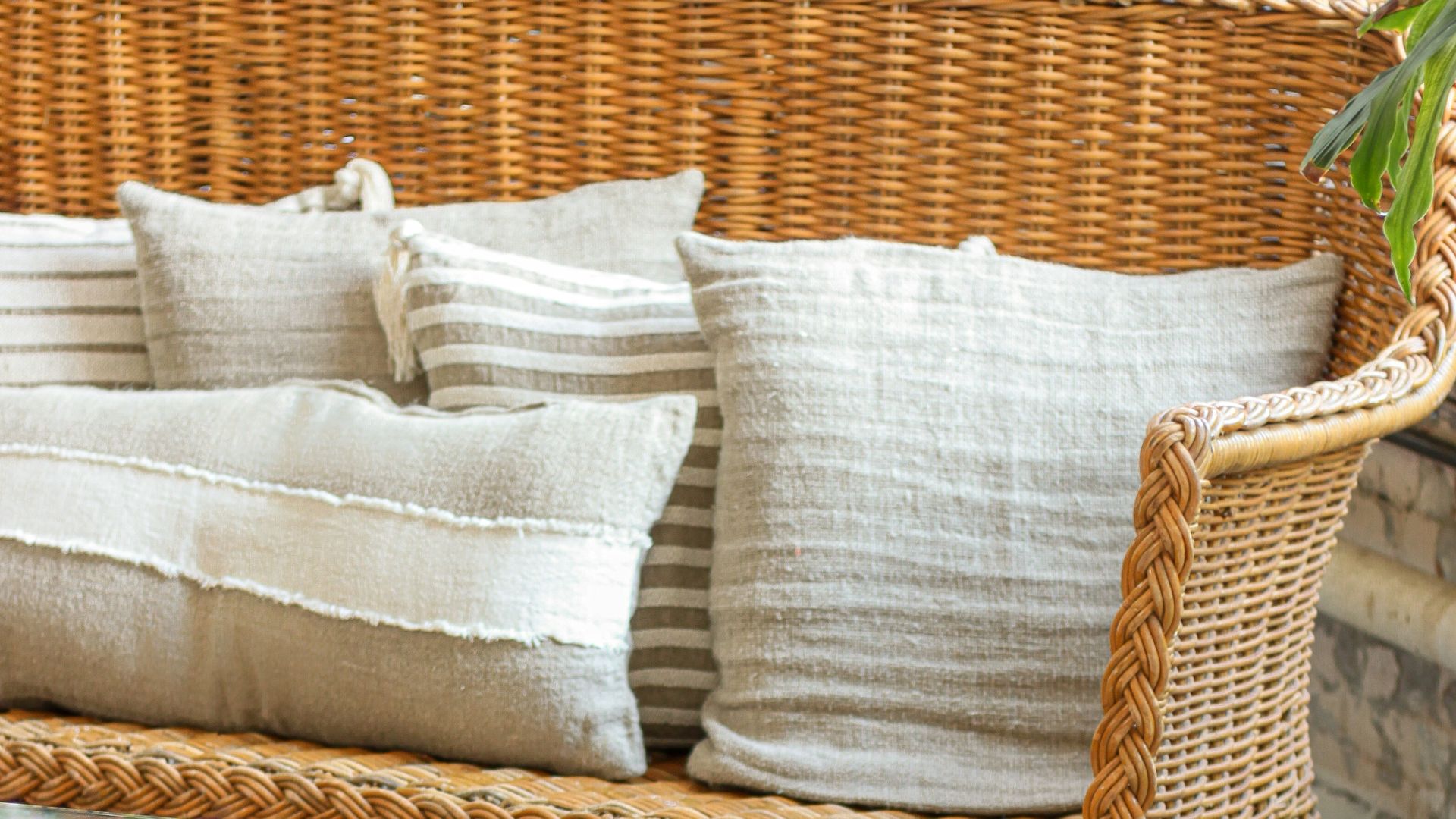
Plants, flowers, wood, stone, woven textures, and bowls of fruit can make a room feel softer without making it feel overdone. Even one healthy plant or a small vase of greenery can make a space feel calmer and more lived-in.
15. They Let Personality Show
The most memorable homes show something about the people who live there. Books, family photos, art, records, travel finds, handmade pieces, or one odd little object on a shelf can give guests something easy to notice and talk about.

16. They Make Movement Easy
A welcoming home is easy to move through, even for guests who don’t know the layout. Pathways, stable chairs, good lighting, and fewer tripping hazards make the space more comfortable for people of different ages, heights, and needs.

17. They Pay Attention To Sound
A room can look cozy and still feel tiring if every voice bounces off bare walls. Rugs, curtains, soft furniture, pillows, and bookshelves help quiet the space, while background music works best when it stays low enough for easy conversation.

18. They Make Space For Kids And Pets
Welcoming homes usually have a little flexibility built in. There may be a spot for a child to draw, a plan for an excited dog, an allergy-aware snack, or an extra chair that can be pulled up without rearranging the whole room.

19. They Handle Safety Quietly
The safest homes don’t make a big announcement about it. They simply have working alarms, clear walkways, secure rugs, visible outdoor lighting, and a path through the house that guests can manage after dark.
20. They Let The Home Feel Human
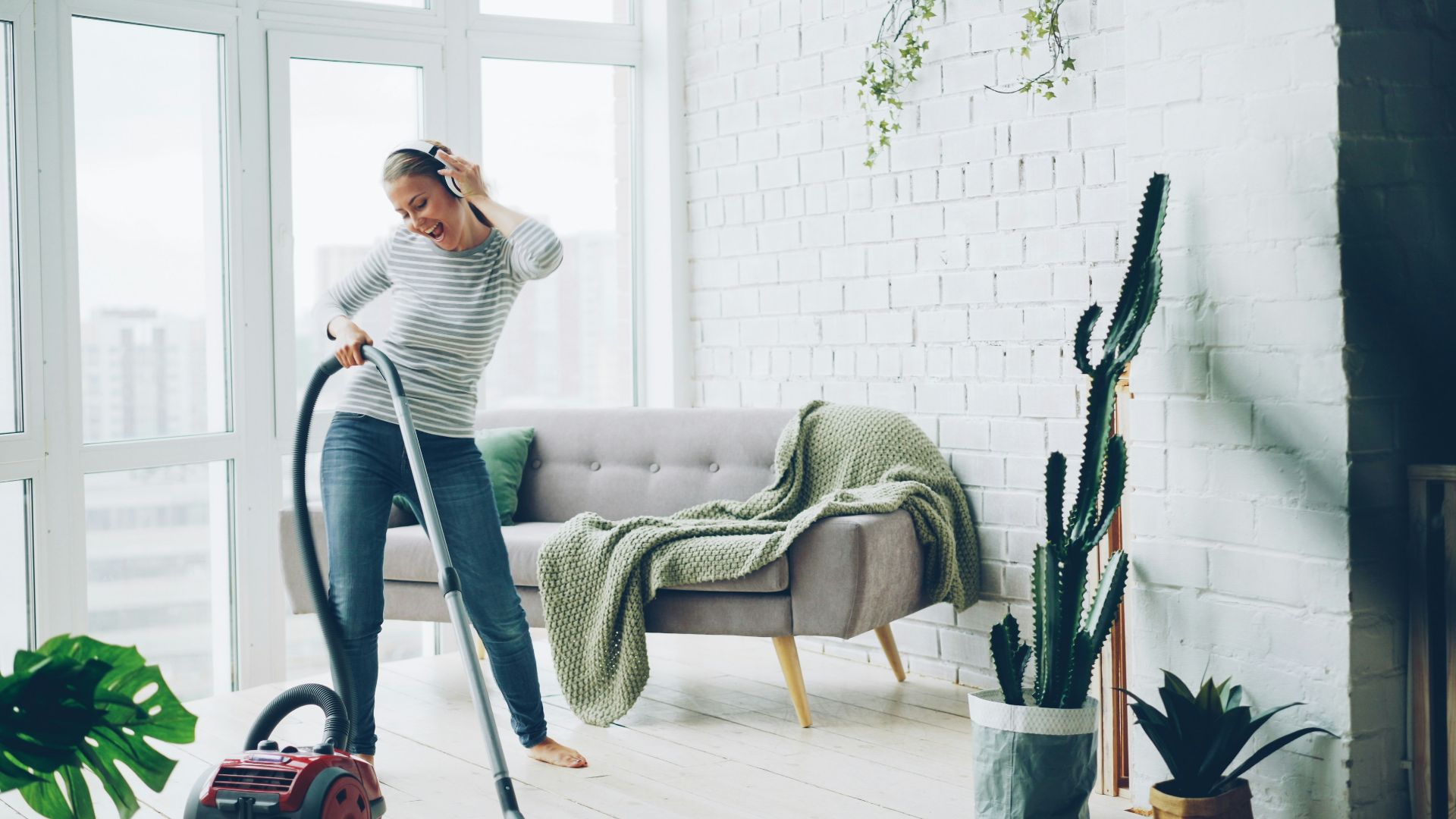
The most welcoming homes are never so perfect that people feel nervous sitting down. A relaxed host, a few signs of real life, and a home that’s meant to be used will always feel more inviting than rooms arranged only to be admired.