

If you have spent any time on social media over the last few years, you have undoubtedly run across the glowing promise of the side hustle. Brilliant infographics and enthusiastic influencers assure us that turning our hobbies into profitable secondary businesses is the ultimate path to financial freedom. They paint a picture of a glamorous lifestyle where you effortlessly monetize your spare hours from the comfort of a local coffee shop. It sounds like an absolute dream, promising a clever way to fast-track your savings account while exploring your creative passions.
The reality of juggling a secondary gig, however, often looks less like a tropical vacation and much more like a grueling second shift. Somewhere along the line, our collective downtime was rebranded as wasted potential that needs to be squeezed for every single dime. While the extra income can certainly help cushion your bank account against inflation, the non-stop pressure to produce turns relaxing activities into stressful obligations. It is worth taking a closer look at how this cultural obsession with the constant grind might actually be draining our spirits instead of filling our pockets.
The Hidden Toll of the Endless Workday
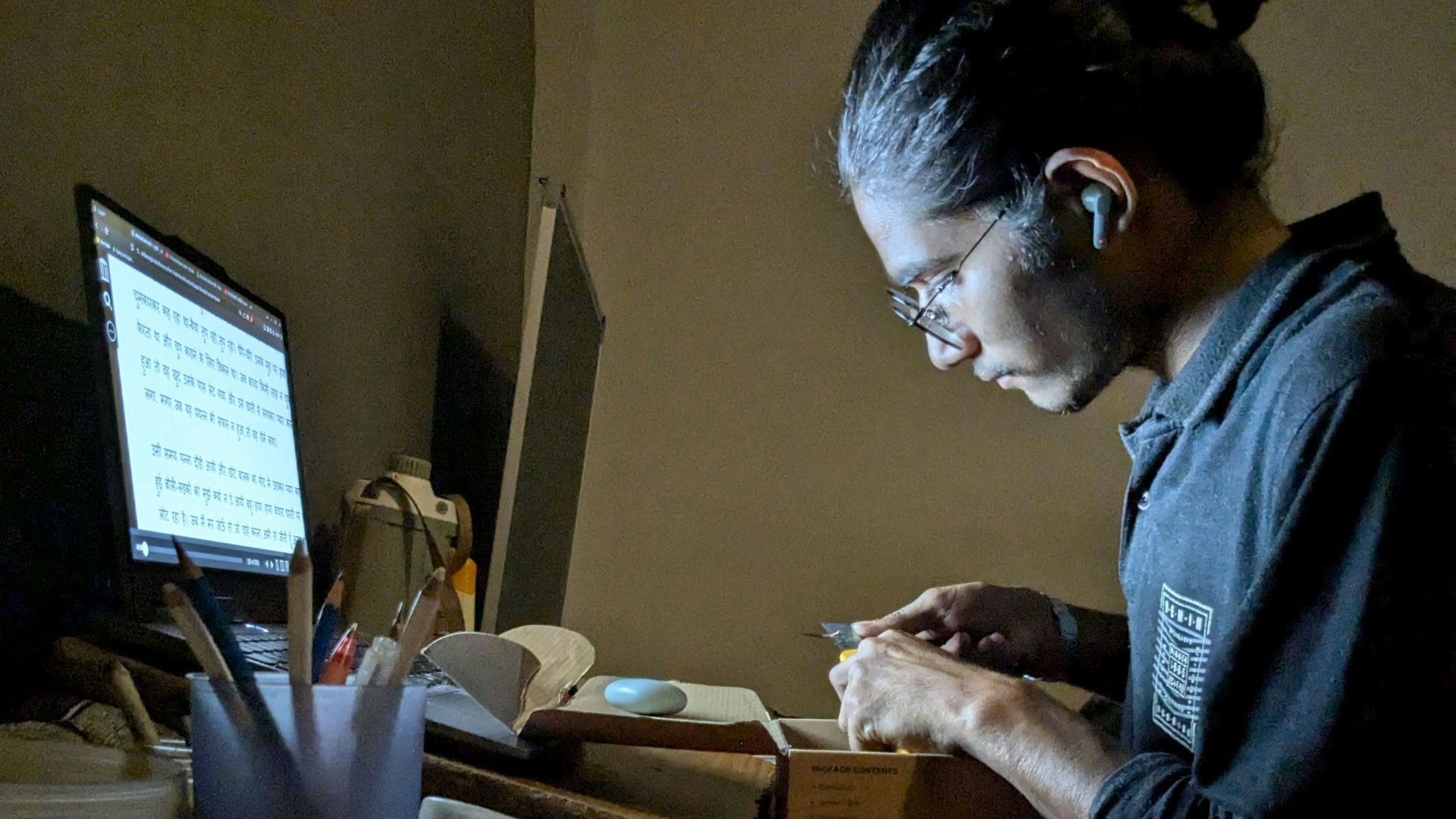
When you clock out of your primary job at five o'clock, the traditional expectation used to involve heading home to unwind and eat dinner with your family. Adopting a side hustle completely rewrites this schedule by transforming your evening into a whole new block of billable hours. You quickly find yourself answering client emails during commercials or packing retail orders at midnight on your kitchen table. This constant blurring of professional and personal boundaries leaves virtually no room for your brain to naturally decompress from the day's anxieties.
The physical and mental exhaustion that builds up from this lifestyle does not just vanish when you finally get a few hours of sleep. Over time, running a secondary business on top of a full-time career chips away at the quality of your primary professional performance. Your focus begins to wander during critical morning meetings because you stayed up until dawn editing a freelance video project. Striking a healthy balance becomes an impossible mathematical equation when there are simply not enough hours in the week to satisfy both commitments.
Eventually, the activities that used to bring you genuine happiness start to feel like a heavy emotional burden. If you love baking cookies on Sunday afternoons, turning that passion into a cottage-industry business introduces deadlines, ingredient tracking, and demanding customer expectations. The pure, unadulterated joy of creating something beautiful disappears the exact moment a spreadsheet dictates how many items you must sell to break even. You risk losing your favorite therapeutic outlet to the insatiable demands of the modern marketplace.
The Illusion of Passive Financial Freedom
One of the biggest selling points of the side-hustle mythology is the alluring concept of generating passive income while you sleep. Gurus love to sell online courses that promise to teach you how to build digital products or dropshipping empires with minimal effort. You are led to believe that a small upfront investment of time will result in a permanent stream of revenue flowing into your bank account. Unfortunately, this narrative completely glosses over the intense, active maintenance that these ventures actually require to stay profitable over time.
In truth, keeping a modern secondary business afloat in a crowded digital landscape demands constant marketing, search engine optimization, and customer service. You have to navigate algorithmic changes on social media platforms that can instantly wipe out your visibility overnight. Managing inventory, dealing with shipping delays, and processing refunds requires a significant amount of active problem-solving that is anything but passive. The time you thought you were saving is quickly swallowed up by administrative tasks that you never anticipated.
When you calculate the actual hourly wage of a typical side gig after subtracting expenses, the financial payoff can be sobering. After factoring in the cost of raw materials, platform fees, self-employment taxes, and your own precious time, the net profit often amounts to pennies on the dollar. You might discover that picking up an extra shift at your regular job yields a much more predictable and substantial financial return. It turns out that the dream of effortless wealth is frequently a highly active, low-wage endeavor.
Stepping away from the monetization trap allows you to rediscover the immense joy of doing absolutely nothing productive with your weekends. Human beings are not meant to operate like industrial factory machines that require a constant stream of output to justify their existence. You deserve to read a book, play a video game, or wander through a park without wondering how to turn the experience into a viral content strategy. Reclaiming your personal time as sacred space is a powerful act of rebellion in a culture obsessed with efficiency.