
Exposing the Cracks
Retirement is supposed to be a time for fun and relaxation. You’ve spent all these years working, so now you and your partner can finally relax—ideally. In reality, it often changes a marriage in ways couples don’t expect. Two people who once had separate schedules and built-in time apart may suddenly be sharing every hour, every bill, and every decision about what comes next. To make things worse, not everyone can make it through those changes, and we’re here to point out the glaringly obvious signs that a couple is heading further apart.

1. They Can’t Agree On What Retirement Is
One spouse may picture quiet mornings and more time with family. The other wants cruises, new hobbies, and long stretches away from home. That difference isn’t a laughable hurdle; it becomes serious when neither person respects the other’s vision, and every plan turns into a negotiation.
 Katarzyna Grabowska on Unsplash
2. Pension Decisions
Retired couples have to make big choices about pensions, withdrawals, and how much risk they can actually still afford. So, when a spouse secretly pushes for the option that gives them more monthly income but leaves the other less protected, it can create deep mistrust.

3. One Spouse Resents the Other
Retirement doesn’t always happen at the same time, and that gap is a larger issue than you’d think. The retired spouse may expect company or entertainment, while the still-working spouse comes home exhausted. A wife who’s still teaching full-time may not take it well when her retired husband complains that she never wants to go to brunch.

4. They Fight Over Downsizing
Selling the family home can bring up a lot of complicated emotions: grief, control, finances, and decades of memories. One person may want a condo, while the other refuses to leave the house where they raised their children. If every conversation ends with someone saying, “Then you move without me,” the argument is way worse than square footage.

5. Adult Children Become Referees
Retired couples often lean more heavily into family life, especially when grandchildren are involved. That being said, trouble starts when one spouse constantly sides with an adult child against the other or secretly gives money to one kid while denying it later. Marriage shouldn’t turn into a family committee meeting where everyone has an opinion.
6. They Disagree About How Much Help to Give
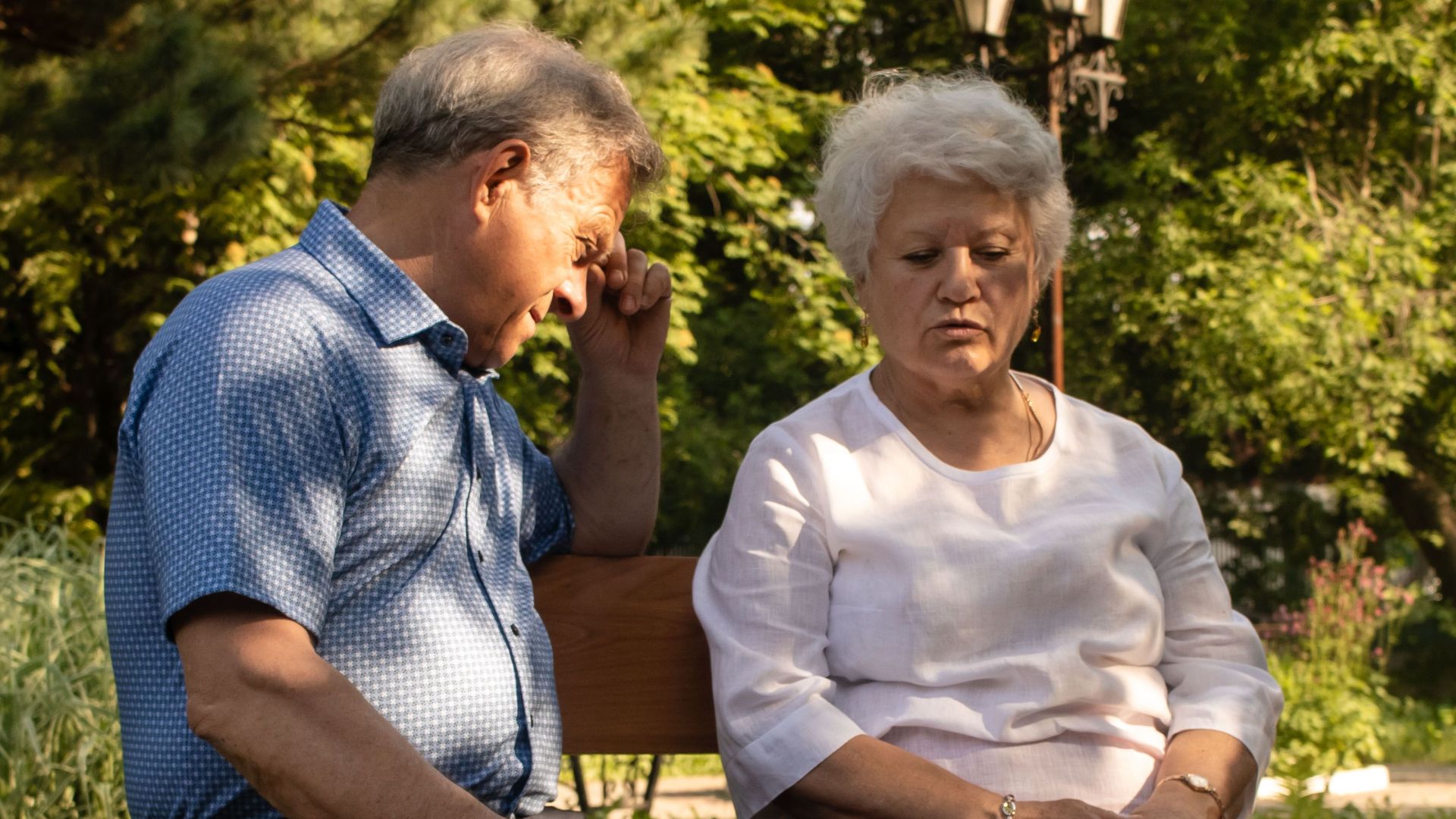
Many retired couples are asked to help with childcare, college bills, or emergency expenses—and not every couple agrees on how many freebies to dole out. If a retired husband finds out his wife has been transferring money every month from a joint account, the conflict becomes both financial and emotional.

7. They Use Doctor Appointments to Keep Score
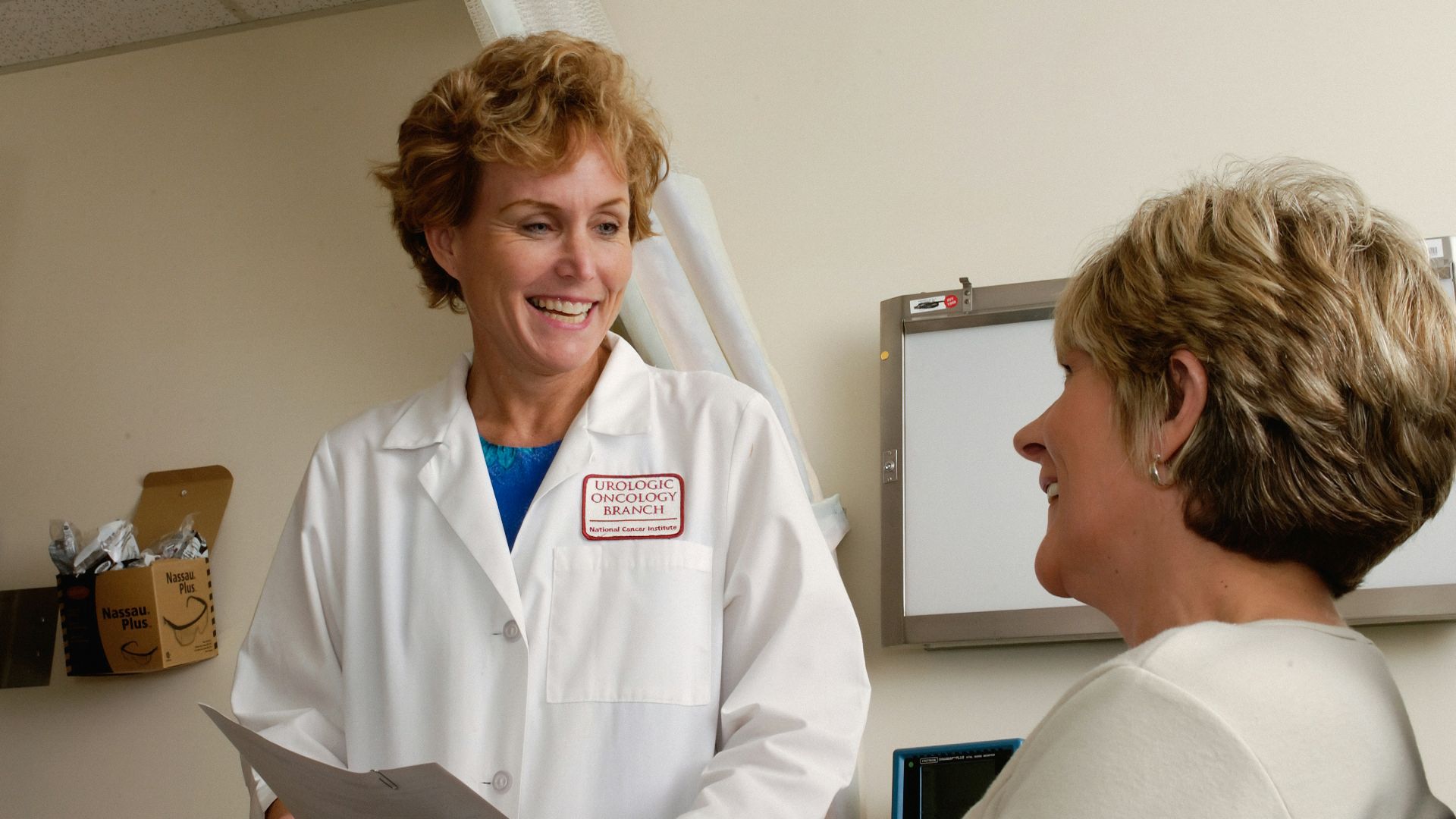
Health problems can test a retired marriage, though it doesn’t seem like it on the surface. When you dig deeper, appointments, surgeries, and follow-up care become part of daily life. As soon as care turns into a scoreboard, both people will likely feel unsupported at the stage of life when support matters most.
 National Cancer Institute on Unsplash
8. One Person Refuses to Discuss Long-Term Care
Older couples still need to communicate with each other, and they still need to have hard conversations about assisted living, dementia risks, and who can realistically care for whom. Avoiding that stuff only makes a marriage feel unsafe and resentful.
9. They Clash Over Moving Closer to Family
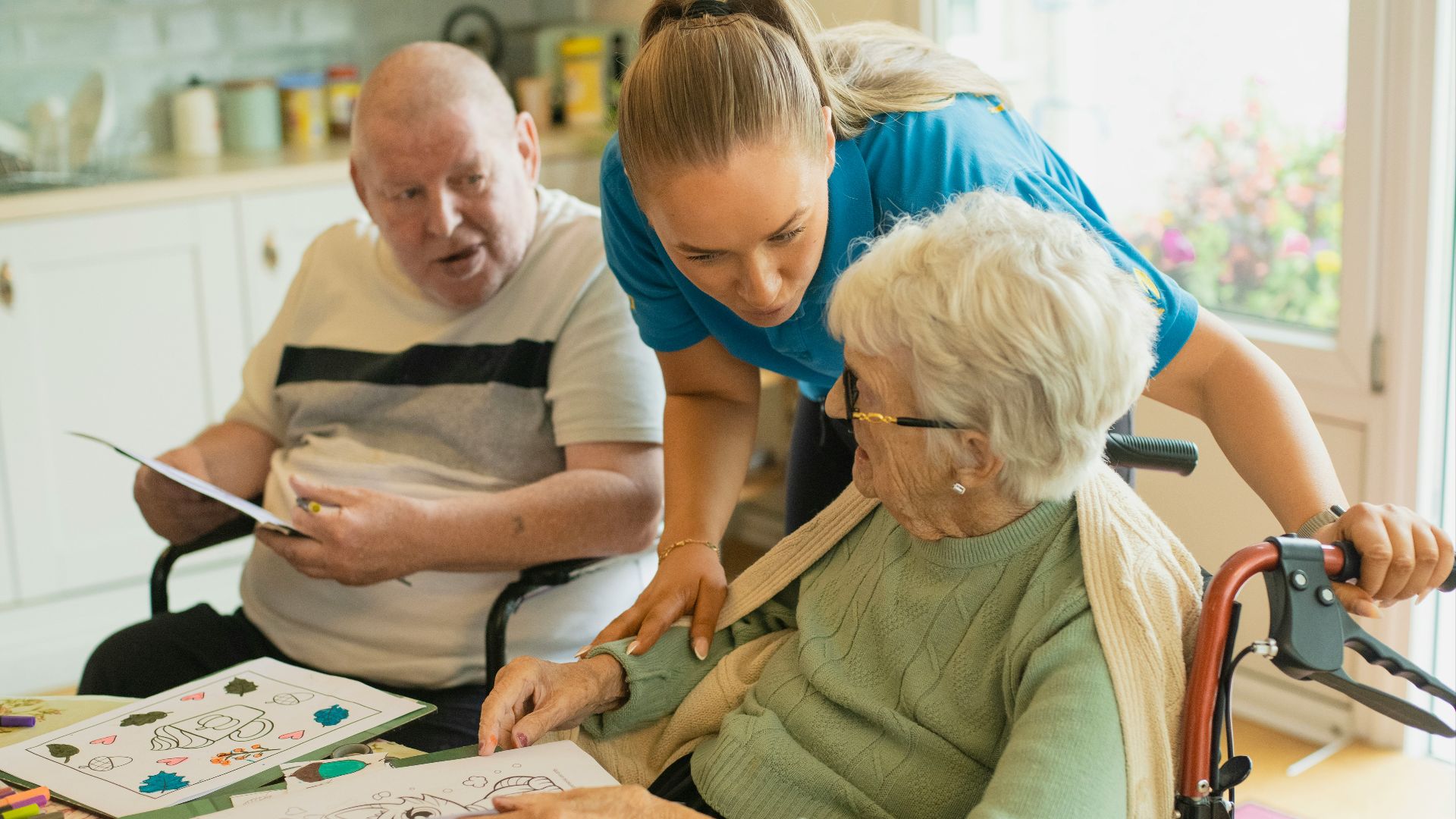
Relocation can become one of the biggest retirement fights a couple faces, and it’s never good if you guys constantly butt heads. It’s a red flag if both people believe the other is asking them to give up their entire support system.

10. Estate Planning
An uncomfortable truth about retirement is that you need to plan wills, trusts, and property titles—and that can reveal tensions that stayed hidden. Estate planning shouldn’t turn into a referendum on loyalty, and if it does, the marriage is facing bigger problems than legal documents.

11. They Handle Insurance Poorly
Retirement brings confusing decisions about prescription costs and medical bills. The larger issue, however, is that a couple in trouble may stop working through those details together and instead blame each other when obstacles form.
 World Sikh Organization of Canada on Pexels
12. One Treats the Other’s Free Time Like Labor
Retirement often blurs the line between rest and obligation, which means one partner may assume the other should now handle everything because they’re “not working anymore.” It can be hard to persuade a partner out of that mentality, especially if they’re still working.

13. Spending Priorities Don’t Match
It’s easy for a couple to tolerate different spending habits when money’s still coming in. In retirement, though, those habits can feel threatening when every major purchase affects the future. Worst of all, you might not have even recognized those habits as a problem back in the day, so it’s a whole new hurdle to jump over.

14. They Avoid Talking About Lost Identity
Leaving a career can be harder than people expect, and it’s only worse for someone who built their confidence around it. Not every partner understands that, and one might dismiss that pain as boredom or laziness. Next thing you know, the distance between them grows.

15. They Spend Time in Separate Parts of the House
Separate routines aren’t a problem, and spending a little time apart is always encouraged! However, constant physical separation is more revealing. Retired people should want to spend time together now that they share a home, so if they barely cross paths, they’re already living separate lives.
16. They Can’t Travel Without Fighting
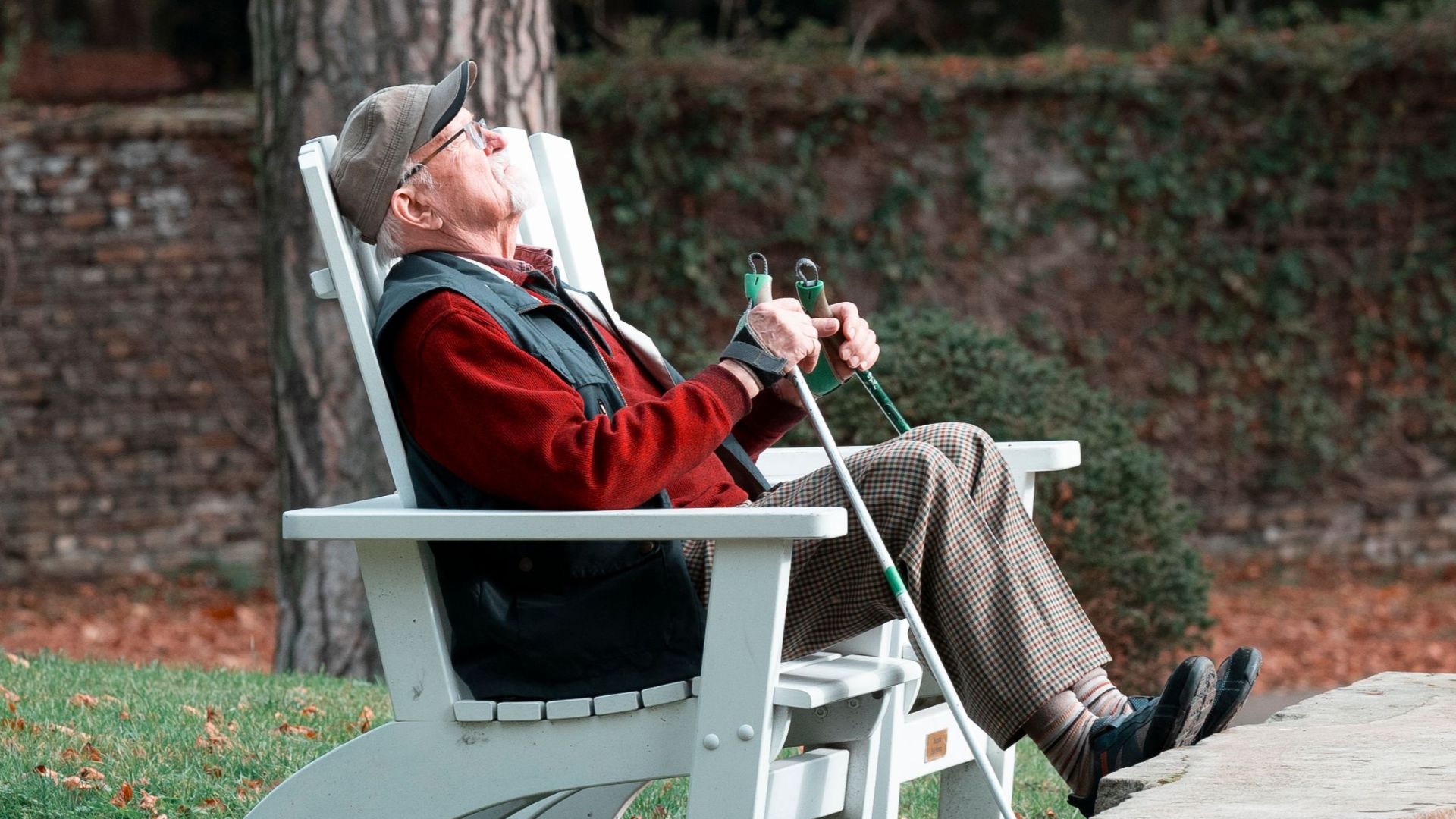
People often joke that a trip together reveals marital problems, but there’s some truth to that. If every trip ends with silent flights home and separate photo albums, you may be learning that leisure time doesn’t make you happier together.
 Vidar Nordli-Mathisen on Unsplash
17. One Partner Starts Preparing to Live Alone
At the end of the day, some signs are practical, not dramatic. A spouse may quietly learn how to manage online banking, price apartments, ask friends about senior communities, or gather important documents in one folder. Once that happens, the writing is usually on the wall.

18. They Disagree About Privacy
After decades of independent routines, constant togetherness can feel intrusive, and not every couple can handle that. When a simple afternoon coffee with a former coworker turns into an interrogation, the marriage may be struggling with control rather than closeness.

19. Old Gender Roles Become Obvious
Retirement exposes household patterns that were easier to ignore during the working years. If that wasn’t bad enough, it’s not always easy to shake a partner free from those ideas, either. When you don’t talk about that stuff, resentment festers, and it’s even harder to enjoy time together.

20. They Talk About Their Remaining Years Separately
A retired couple in a healthy place usually talks about the future with some sense of shared direction. A couple nearing divorce, however, may talk about “my next place,” “my money,” “my trips,” or “what I want to do with the time I have left.”