
20 Innocent-Seeming Habits That Make Bosses Lose Confidence In You
Subtle Professional Pitfalls
Navigating the workplace often feels like walking through a hidden minefield where the smallest gestures carry unexpected weight. You might think you're just being helpful or staying casual, but certain behaviors can inadvertently signal a lack of leadership or reliability to those in charge. If you want to keep your reputation polished, it's worth taking a closer look at the routine actions that might be dimming your professional spark.

1. The Excessive Apology
Saying you're sorry for every minor hiccup or tiny delay can make you seem like you're constantly in the wrong. While it's great to be polite, overusing apologies tends to dilute your perceived confidence and makes it look like you're unsure of your own abilities. Try replacing a "sorry" with a "thank you for your patience" to keep the vibe positive and professional.

2. Chronic Lateness to Low-Stakes Meetings
Showing up five minutes late to a quick team meeting might not feel like a big deal, but your boss will notice. They’ll start to worry that if you don’t care about being on time for low-pressure meetings, how will you react when you’re faced with a crunch deadline? Prove that you can be relied on by showing up on time, every time.
 LinkedIn Sales Solutions on Unsplash
3. Constant Self-Deprecation
Cracking jokes at your own expense can be a fun way to break the ice, yet doing it too often makes people take your skills less seriously. If you're always calling yourself "clumsy" or "bad at math," your manager might eventually start to believe those labels are true. It’s better to let your work speak for itself rather than highlighting your flaws for a quick laugh.

4. Over-Explaining Simple Mistakes
Offering a five-minute explanation for why you forgot to send one email will just make you look like you’re making excuses. Bosses appreciate when you own up to your mistakes and fix them right then and there. Save the details for yourself and move on.

5. Always Asking for Permission
While it’s important to make sure you’re on the right track, there’s no need to ask your boss if you can print every time you need to. They don’t want to micromanage every second of your day, but they will notice if you don’t use your best judgment on simple tasks. Show them that you can be trusted with more responsibility by trusting yourself.
 This_is_Engineering on Pixabay
6. Using Too Many Filler Words
Sprinkling your sentences with "um," "like," or "uh" can distract from the brilliant points you’re actually trying to make. This habit often surfaces when you're nervous, but it can give the impression that you aren't fully prepared or knowledgeable about the topic. Practicing a slower pace of speech helps you sound more deliberate and sure of your message.

7. Hedging Your Statements
When you really know what you’re talking about, you don’t have to say “I think” or “I could be wrong, but…” before you make a statement. Your manager hired you because you’re the expert, so act like it. Speak with confidence and your boss will have no problem trusting your judgment.
 Cytonn Photography on Unsplash
8. Being the Last to Speak Up
Speaking up at the end of a meeting can make you seem disengaged or like you just don’t have anything new to add. Your boss wants to see that you’re thinking about the task at hand before everyone else brings it up. Even if you’re still working on your idea, say something.

9. Ignoring the Office Culture
If the rest of the team follows a certain set of unwritten rules and you consistently ignore them, you might seem like a poor fit for the group. Whether it’s how people communicate or how they handle lunch breaks, being out of sync can create a subtle rift. Paying attention to these social cues helps you build the kind of rapport that leads to long-term trust.

10. Taking Credit for Group Wins
While you should definitely be proud of your hard work, failing to mention your colleagues’ contributions can make you look selfish. A great leader always shines a light on the team, and bosses notice when someone tries to hog the spotlight. Acknowledging others shows you're a collaborator who cares about the collective victory rather than just your own ego.

11. Multitasking During Presentations
Looking at your phone while your boss is talking is rude, plain and simple. Even if you’re taking notes about what they’re saying, they’ll notice your lack of eye contact and think you’re distracted. Give your undivided attention. They’ll appreciate it.

12. Leaving Your Workspace Messy
If your desk is covered in piles of paper and coffee cups, your boss will worry you’re just as cluttered upstairs. Clean desks mean organized employees who can handle more work. Make yourself seem more competent by cleaning up.

13. Avoiding Eye Contact
Looking away when you're being spoken to can make you seem untrustworthy or extremely uncomfortable in your role. Strong eye contact is a universal sign of engagement and shows that you're confident in the conversation. When you meet someone's gaze, you're signaling that you're a capable professional who isn't afraid of direct communication.

14. Relaying Information Without Fact-Checking
Would you trust an employee who didn’t fact-check before sharing important information? Your boss won’t either. Just take an extra thirty seconds to make sure the stats and stories you share are 100% correct.

15. Dressing Too Casually
Even in a relaxed office environment, showing up in clothes that look a bit too much like pajamas can suggest you've checked out. Your appearance is a silent form of communication that tells your manager how much you value your position. Aiming for a slightly more polished look ensures you're always seen as a serious contender for promotions.
16. Complaining About Small Tasks
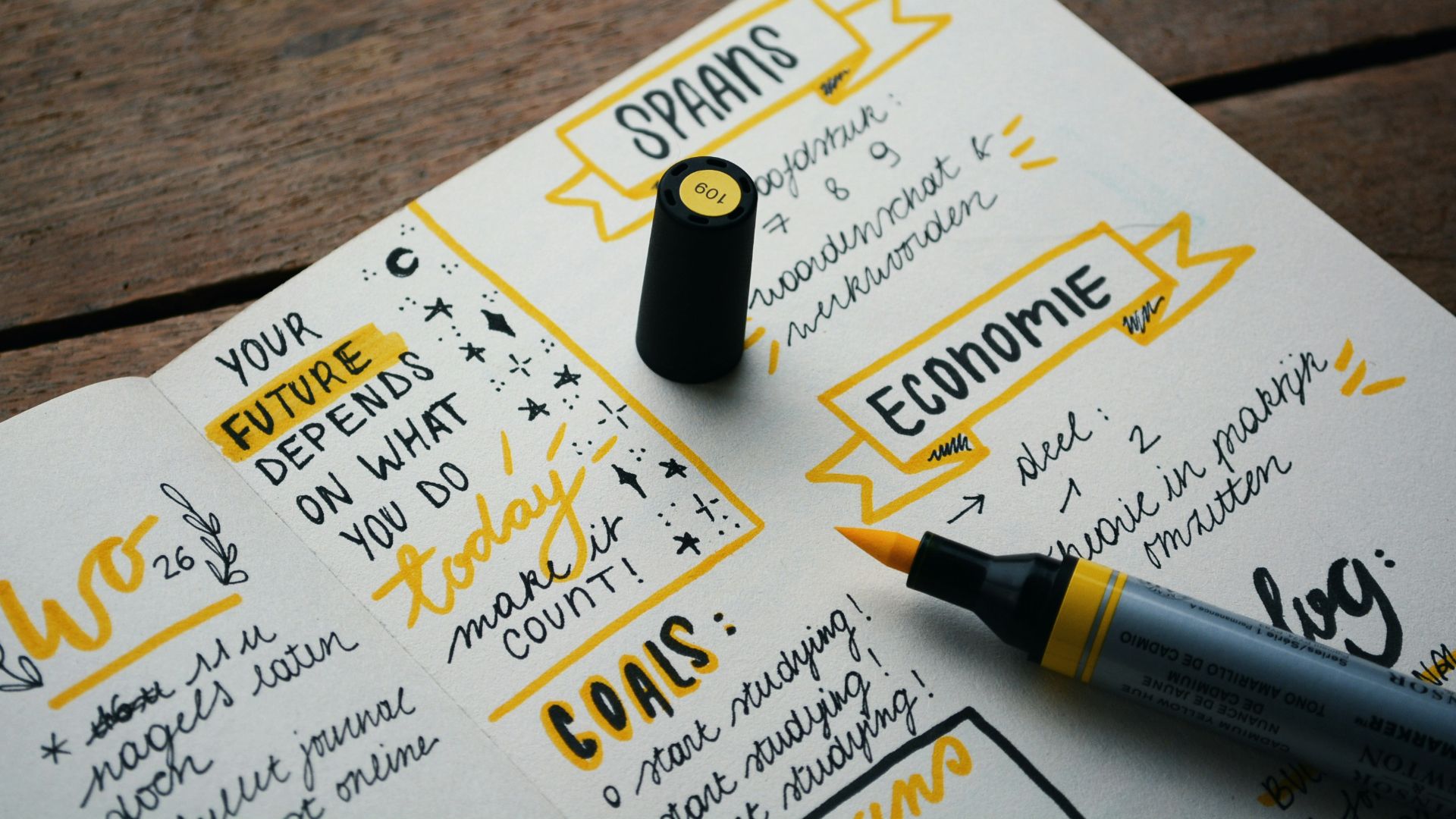
Complaining about having to do "busy work" can make it seem like you're above certain responsibilities. Every job has its share of tedious chores, and handling them with a good attitude shows you're a dedicated member of the team. Demonstrating that you're willing to help out in any capacity makes you a much more valuable asset in the eyes of management.

17. Forgetting to Follow Up
Say you promised your boss you’d email them about a project or check in with a client. If you don’t follow up, your boss will assume you forgot. And if you constantly forget small things, they’ll start wondering how you’ll handle something major.

18. Not Taking Notes
Don’t trust yourself to remember everything your boss tells you? Take notes. There’s nothing worse than watching an employee miss out on important details because they were too lazy to write things down.

19. Staying Silent in One-on-Ones
If you go into a meeting with your boss and have absolutely nothing to say, it might seem like you lack ambition or interest. These private sessions are the perfect time to ask questions, share updates, or discuss your career goals. Being prepared with a few talking points shows that you're proactive and thinking about your future within the company.

20. Reacting Defensively to Feedback
Do your boss’s suggestions make you feel defensive? Working with someone who gets offended at the drop of a hat isn’t fun. If you can accept constructive criticism, your boss will have an easier time trusting you with more responsibility.
 Arlington Research on Unsplash