

Family recipes often carry more than just flavor—they hold memories, traditions, and a sense of connection that spans generations. Over time, many of these dishes get lost in old notebooks, passed-over cookbooks, or fading recollections. Bringing them back into your kitchen can feel like rediscovering a small but meaningful part of your history. It’s a reminder that food can serve as a link between past and present in a very tangible way. Even a simple dish can carry emotional weight that goes far beyond its ingredients.
When you take the time to revive these recipes, you’re not just cooking—you’re preserving stories and experiences that might otherwise disappear. It’s a process that blends curiosity, nostalgia, and creativity in a way that feels both personal and rewarding. Even if the results aren’t perfect at first, the journey itself becomes something worth appreciating. You begin to understand the effort that went into these meals long before you ever made them yourself. That perspective can deepen your appreciation for both the recipe and the people connected to it.
Reconnecting With Family History Through Food
One of the most meaningful aspects of revisiting old recipes is the connection it creates to your family’s past. A handwritten ingredient list or a familiar dish name can immediately bring back memories of gatherings, holidays, or specific people. These moments help you feel closer to relatives, even those you may not have known. It turns cooking into a shared experience across time.
You might find that certain recipes reflect cultural or regional traditions that shaped your family’s identity. Dishes often evolve based on available ingredients, migration, or personal preferences, which makes them unique to your lineage. Exploring these details can give you a better understanding of where you come from. It also adds a layer of meaning to what you’re preparing. You start to see how history and circumstance influenced what ended up on the table. This awareness can make the experience feel both educational and personal.
There’s also something powerful about recreating a meal exactly as it was once made. Even if you’re working from incomplete instructions, the process encourages you to ask questions and seek out details. Talking to older family members or researching similar recipes can fill in the gaps. This effort helps keep traditions alive in a tangible and lasting way.
The Creative Process Of Bringing Recipes Back To Life
Reviving a forgotten recipe often requires a bit of experimentation, especially when instructions are vague or outdated. Measurements might be unclear, cooking times may not be specified, and certain ingredients could be harder to find. Instead of seeing this as a challenge, you can approach it as an opportunity to refine and adapt.
You’ll likely need to adjust techniques to fit modern kitchens and tools. For example, older recipes might assume knowledge that wasn’t written down because it was commonly understood at the time. Using general cooking knowledge can help fill in those gaps and guide your decisions.
As you work through the process, you may naturally start adding your own touches. While it’s important to respect the original recipe, small updates can make it more practical for today. Substituting ingredients or adjusting flavors doesn’t take away from its value. Instead, it allows the recipe to continue evolving while still honoring its roots. These adjustments can reflect your own preferences and lifestyle. In that way, the recipe becomes a blend of past and present influences.
Creating New Traditions From Old Ones
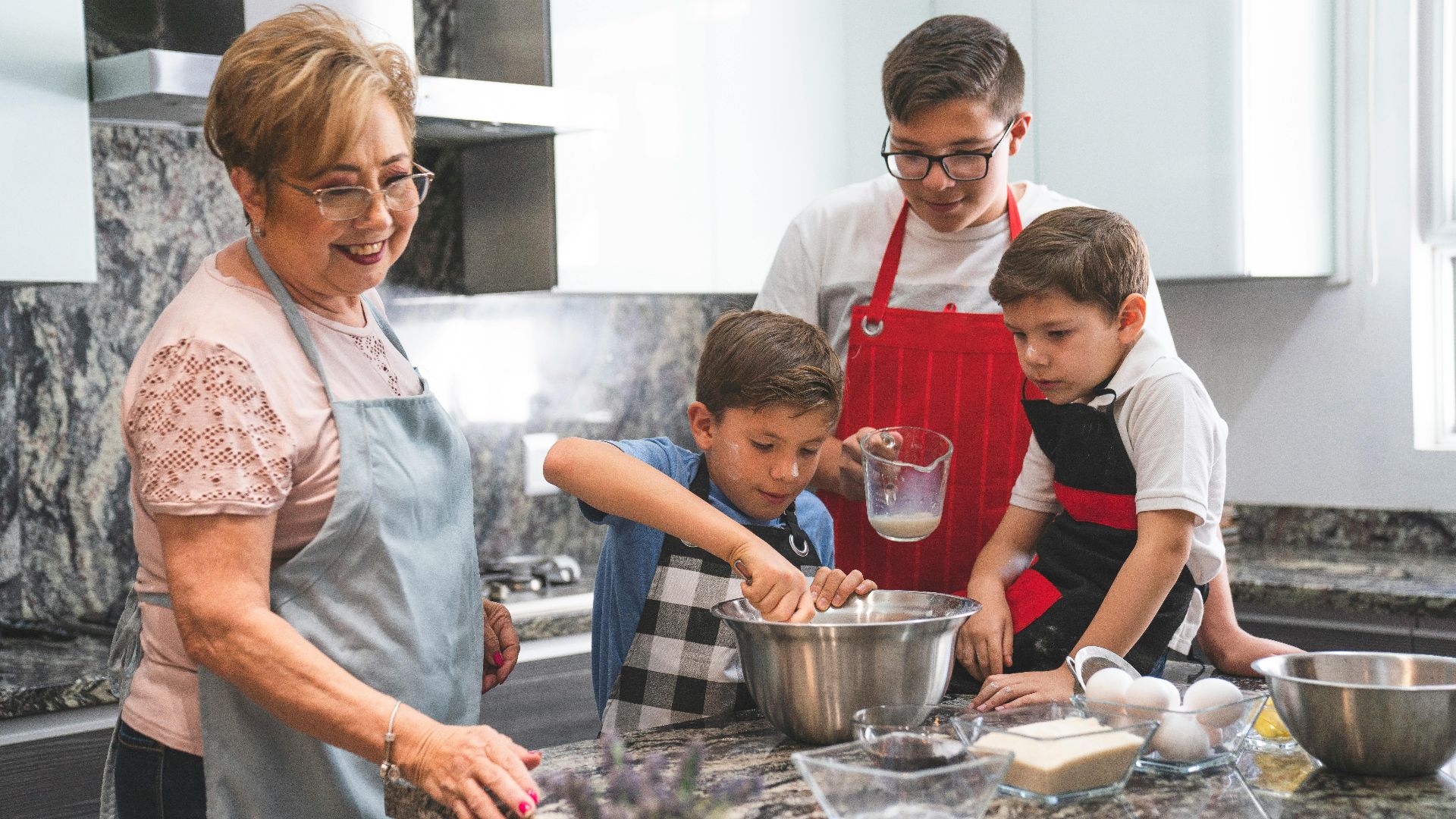
Once you’ve successfully recreated a recipe, it can become part of your present-day routine. Sharing it with friends or family gives the dish a new life beyond its original context. Over time, it may even become something others associate with you.
You might also find that these revived recipes bring people together in unexpected ways. Cooking them for gatherings or special occasions can spark conversations about memories and experiences. Food often acts as a bridge between generations, making it easier to connect. These shared moments are just as valuable as the recipes themselves.
There’s also a sense of accomplishment that comes from preserving something meaningful. Knowing that you’ve helped keep a piece of your family’s history alive can be deeply satisfying. It reinforces the idea that traditions don’t have to fade with time. Instead, they can adapt and continue through your efforts. This sense of purpose can make the process feel even more rewarding. It reminds you that even small actions can have lasting significance.
Reviving forgotten family recipes isn’t just about cooking—it’s about connection, creativity, and continuity. When you take the time to bring these dishes back to life, you’re doing more than following instructions. You’re preserving stories, strengthening relationships, and adding your own chapter to something that’s been passed down for years.