A Whole Different Ball Game
There's a reason people talk about dating in their 30s like it's an entirely different experience from what it was at 22. It's not so hard to see why, either. When you're younger, you have more room to learn and make mistakes; when you're in your 30s, your priorities shift, your patience shortens, and your dating pool narrows considerably. That said, it's not always so black and white, and for some, dating in their 30s might actually be easier than in their 20s. Whether you're newly single, long-term unattached, or just re-entering the scene after a serious relationship, here's an honest look at what changes. Thankfully, not all of it is bad.

1. The Dating Pool Shrinks Considerably
By your 30s, a large portion of your peers are already partnered up, married, or raising kids, which means there are simply fewer single people around you in everyday life. You're less likely to meet someone organically at school or through a shared social circle the way you might have a decade ago. Apps and intentional social effort become more necessary, which can feel exhausting if you were hoping it would just happen naturally.

2. Baggage Becomes Part of the Package
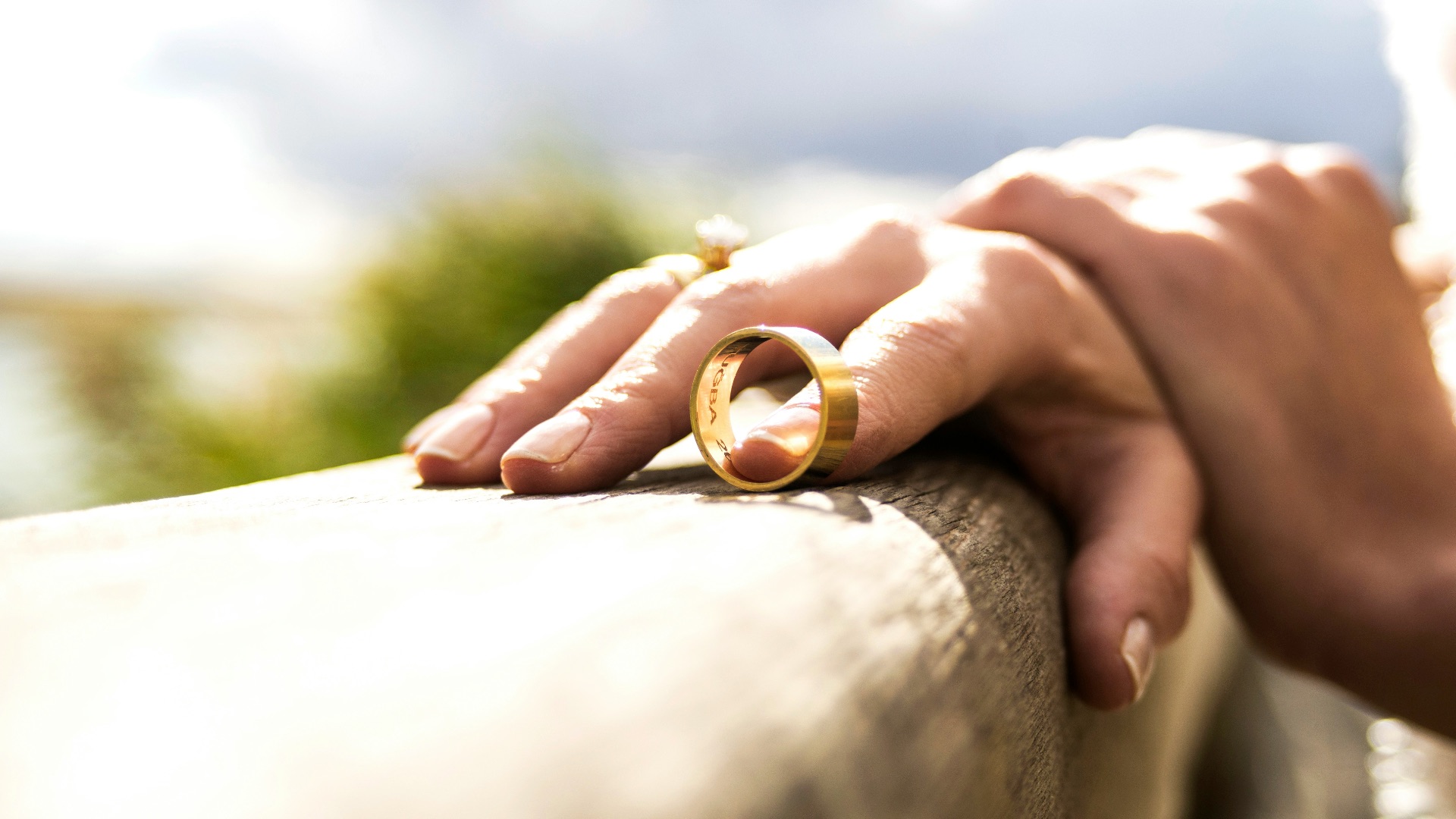
The older you get, the more life experience everyone brings to the table, and that includes the complicated stuff. You might be dating people who've been through divorces, difficult breakups, estrangements, financial hardships, or major losses, and all of that shapes how they show up in a relationship. It's not impossible to navigate, but it does require more emotional awareness and patience than dating in your 20s typically did.
3. Scheduling Can Be a Headache
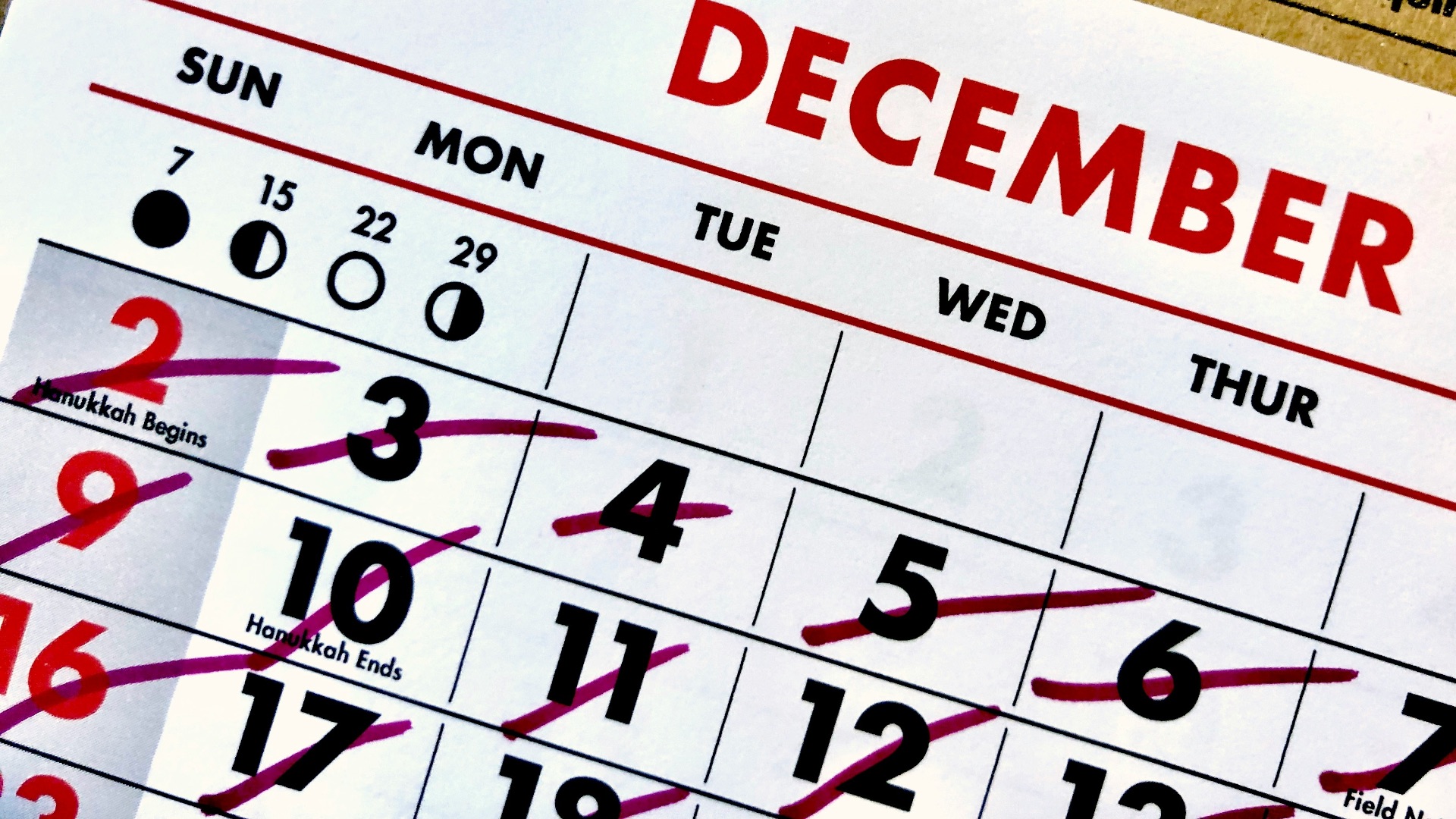
Between demanding careers, mortgages, aging parents, and packed social calendars, finding time for a first date can feel surprisingly difficult. You're no longer in a phase of life where spontaneous plans are easy to pull off, and the person you're seeing is probably just as busy. Getting something on the calendar often takes more coordination than it should, which can kill momentum before things even get started.
4. People's Patterns Are More Entrenched
By 30-something, most people have settled into their routines, habits, and ways of doing things, and changing those isn't always something they're willing to do. That can mean less flexibility when it comes to compromise, whether it's about where to live, how to spend weekends, or what a future is supposed to look like. You're not dealing with someone who's still figuring themselves out; you're dealing with someone who's already decided who they are.

5. Biological Timelines Create Pressure
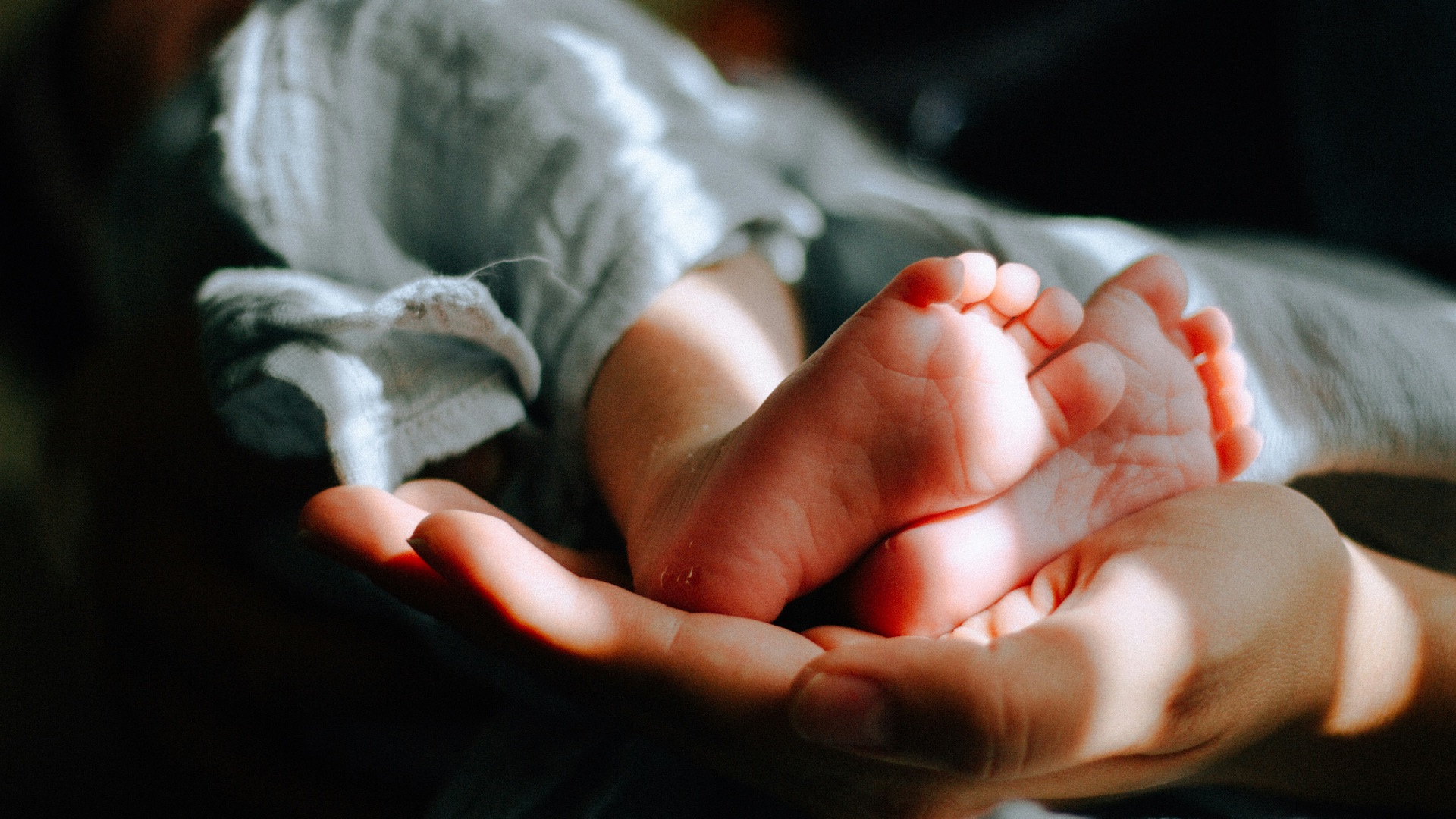
For people who want children, the 30s bring a ticking awareness that wasn't there before, and that awareness doesn't always stay in the background. It can make early dating feel higher-stakes than it needs to be, with conversations about kids and timelines coming up sooner than either person might be ready for. That pressure, whether it's internal or external, can make it harder to just enjoy getting to know someone without an agenda attached.
6. Past Relationship Wounds Can Get in the Way
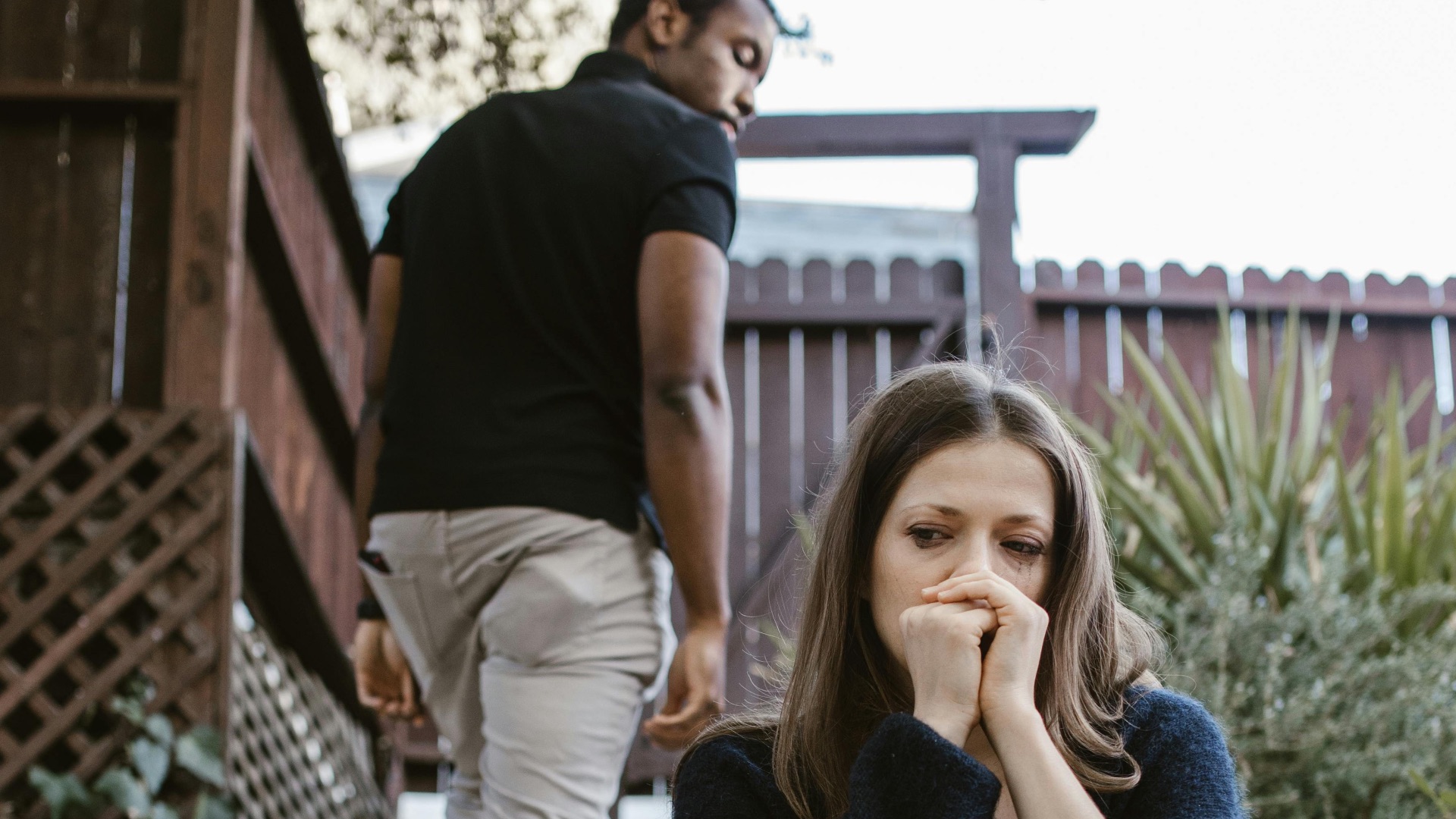
A decade or more of dating and loving people means there's a greater chance of carrying unresolved hurt into something new. Whether it's a pattern of choosing the wrong people, a fear of vulnerability after a painful breakup, or walls that went up and never quite came back down, those old wounds can interfere without you even realizing it. It often takes active effort (and sometimes professional support) to make sure the past isn't steering the present.
7. Dealbreakers Become Non-Negotiable
In your 20s, you might have overlooked things you probably shouldn't have; in your 30s, you know better and you act accordingly. While having standards is healthy, the list of dealbreakers can sometimes become so long that promising connections get dismissed before they have a real chance. There's a difference between protecting yourself and being so selective that no one could realistically measure up, and that line is worth examining.

8. The Comparison Trap Is Harder to Avoid
When most of your friends are in serious relationships or starting families, it's easy to start measuring your own life against theirs. That comparison can create a sense of urgency or inadequacy that doesn't actually reflect what you want but just reflects what you think you should want by now. Dating from that headspace often leads to settling for the wrong fit or pushing too hard for something that isn't ready to develop.
9. First Date Small Talk Feels Repetitive
After years of dating, going through the same introductory conversations over and over can feel monotonous at best and demoralizing at worst. The excitement of those early "getting to know you" conversations fades when you've had them hundreds of times, and it can be hard to stay present and enthusiastic.

10. Vulnerability Doesn't Come as Easily
The more you've been hurt, the more instinctive it becomes to hold something back when you're getting to know someone new. Opening up feels riskier in your 30s because you have a clearer sense of how much it can cost you when things don't work out. Building real intimacy requires letting your guard down regardless, but that's easier said than done when experience has taught you to be careful.
Of course, dating in your 30s isn't all uphill. While there are real challenges that come with this chapter, there are also some meaningful ways in which dating actually becomes less complicated. Let's take a look at the perks.
 Priscilla Du Preez 🇨🇦 on Unsplash
1. You Know Yourself Much Better
One of the biggest advantages of dating in your 30s is that you've had time to figure out who you are, what you value, and what you actually need from a partner. You're less likely to lose yourself in a relationship or mold yourself into whoever you think the other person wants you to be, which makes for healthier dynamics right from the start.
2. You're Clear on What You Want
Vague, undefined situationships are far less appealing when you already know the kind of relationship you're looking for. Most people in their 30s have enough experience to articulate what they want and aren't willing to stick around indefinitely for something that's going nowhere. That clarity saves a lot of time and emotional energy that younger daters often spend spinning their wheels.

3. Communication Tends to Be More Direct
The games and guessing that defined a lot of 20s dating tend to lose their appeal quickly. Most people in their 30s would rather just say what they mean and hear the same in return, which makes it easier to actually address problems before they become dealbreakers. Honest, direct communication is a skill that improves with practice, and by now, most people have had a lot of practice.

4. Financial Stability Removes Some Stress
Dating in your 20s often meant navigating who could afford what and stretching budgets just to split a dinner bill. By your 30s, most people have more financial footing, which means dates can be planned without the same level of stress or awkwardness around money. It's a small but real shift that removes one source of tension from early-stage relationships.

5. Shared Life Stage Makes Alignment Easier
When you're dating within your own age group, there's a natural overlap in where people are in life, whether that's thinking about long-term plans, having established careers, or knowing whether they want to settle down. You're less likely to be in a relationship where one person is ready for commitment and the other is still figuring out what city they want to live in. That baseline alignment means fewer fundamental incompatibilities to navigate from the outset.
6. You're Better at Reading Red Flags
Years of dating experience mean you've likely encountered enough warning signs to recognize them faster than you used to. You're less likely to rationalize away behavior that doesn't sit right with you or wait too long hoping someone will change. And that's good: that means you're less likely to waste months on something that was never going to work.
7. Emotional Maturity Makes Conflict More Manageable
Most people in their 30s have a better handle on regulating their emotions than they did at 22, and that shows up in how they handle disagreements. Arguments are less likely to escalate into blowouts over small misunderstandings, and there's generally more willingness to work through things rather than walk away immediately. You may also be less likely to experience the silent treatment if both of you are emotionally mature.

8. You Appreciate Connection More Deeply
When you've had meaningful relationships and also experienced the end of them, you tend to have a greater appreciation for what it means to find someone you really connect with. You're less likely to take a good thing for granted or treat a solid partner carelessly because you know how rare that actually is, which usually translates into being a more thoughtful, present, and intentional partner.

9. Superficial Criteria Carry Less Weight
The checklist of must-haves that felt so important in your 20s—specific looks, a certain job title, a particular lifestyle aesthetic—often softens considerably with age and experience. You start to care more about how someone treats you, how they handle hard days, and whether they make life genuinely better, and less about whether they fit a predetermined image. That shift in priorities tends to open the door to connections you might have dismissed too quickly when you were younger.
 Priscilla Du Preez 🇨🇦 on Unsplash
10. You're Done Settling for Relationships That Don't Feel Right
Perhaps the most liberating part of dating in your 30s is that you've reached a point where being single feels far better than being in the wrong relationship. The fear of ending up alone, which drives a lot of poor decisions in your 20s, tends to carry less weight when you've built a full and satisfying life on your own terms. That means the relationships you do choose to invest in are ones you've chosen thoughtfully, and that makes all the difference.