
How Technology Is Reshaping Recruitment
Artificial intelligence has moved from being a behind-the-scenes business tool to a central part of how companies hire. Employers now use it to sort applications, assess candidates, schedule interviews, and even help draft job descriptions, all in the name of speed and efficiency. At the same time, job seekers are running into a process that often feels less personal, less transparent, and harder to navigate than ever before. The result is a hiring landscape that may work faster on paper but often leaves applicants wondering whether anyone is actually seeing them at all.

1. Resume Screening Happens Faster Than Ever
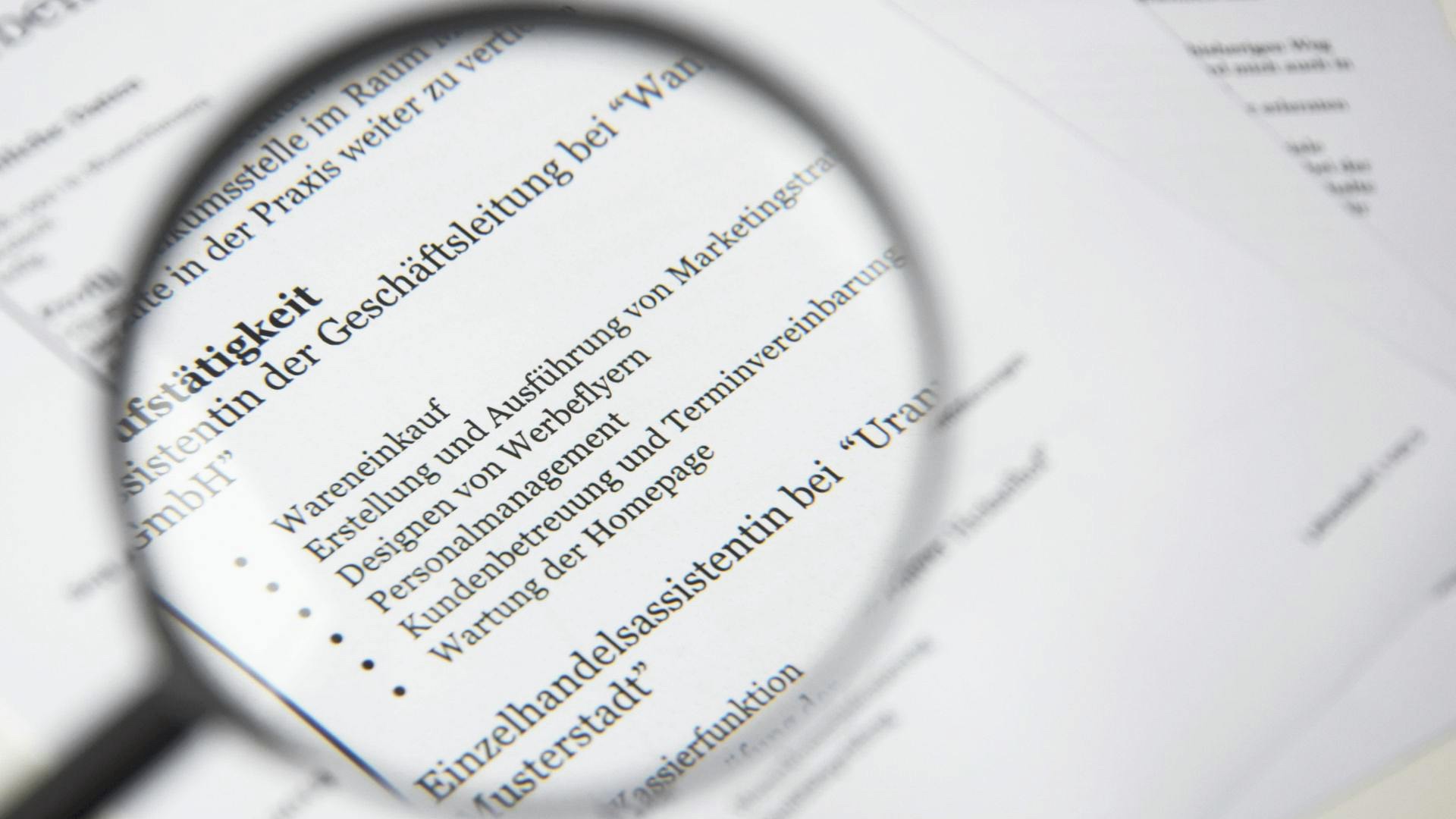
AI has dramatically sped up the first stage of hiring by scanning resumes in seconds and filtering large applicant pools before a recruiter ever steps in. That allows companies to process hundreds or even thousands of applications far more efficiently than they could manually. For employers, that means less administrative overload and quicker shortlists. For candidates, it means your application is often judged almost immediately based on how well it matches specific criteria.
2. Job Descriptions Are Becoming More Data-Driven
Many employers now use AI tools to help write job postings based on trends, keywords, and past hiring data. That can make listings more polished and more likely to attract the kinds of applicants a company wants. It also means job descriptions are being optimized for searchability and internal consistency rather than being written from scratch every time.

3. Recruiters Can Source Candidates More Aggressively
AI has made talent sourcing far more proactive by identifying potential candidates across resumes, professional profiles, and internal databases. Instead of waiting for people to apply, recruiters can use tools that surface likely matches based on skills, career history, and role fit. This shifts hiring from a reactive process to a more targeted one. It also means employers can build candidate pipelines faster, especially for hard-to-fill positions.

4. Candidate Matching Is More Automated
Hiring teams increasingly rely on AI to compare applicants against role requirements and rank them according to predicted fit. These systems often weigh experience, credentials, skills, and even patterns from previous successful hires. That can help companies narrow the field with more consistency than a rushed manual review might provide. At the same time, it turns a complicated person into a set of match signals that software can sort and score.
5. Interview Scheduling Has Become Less Frictional
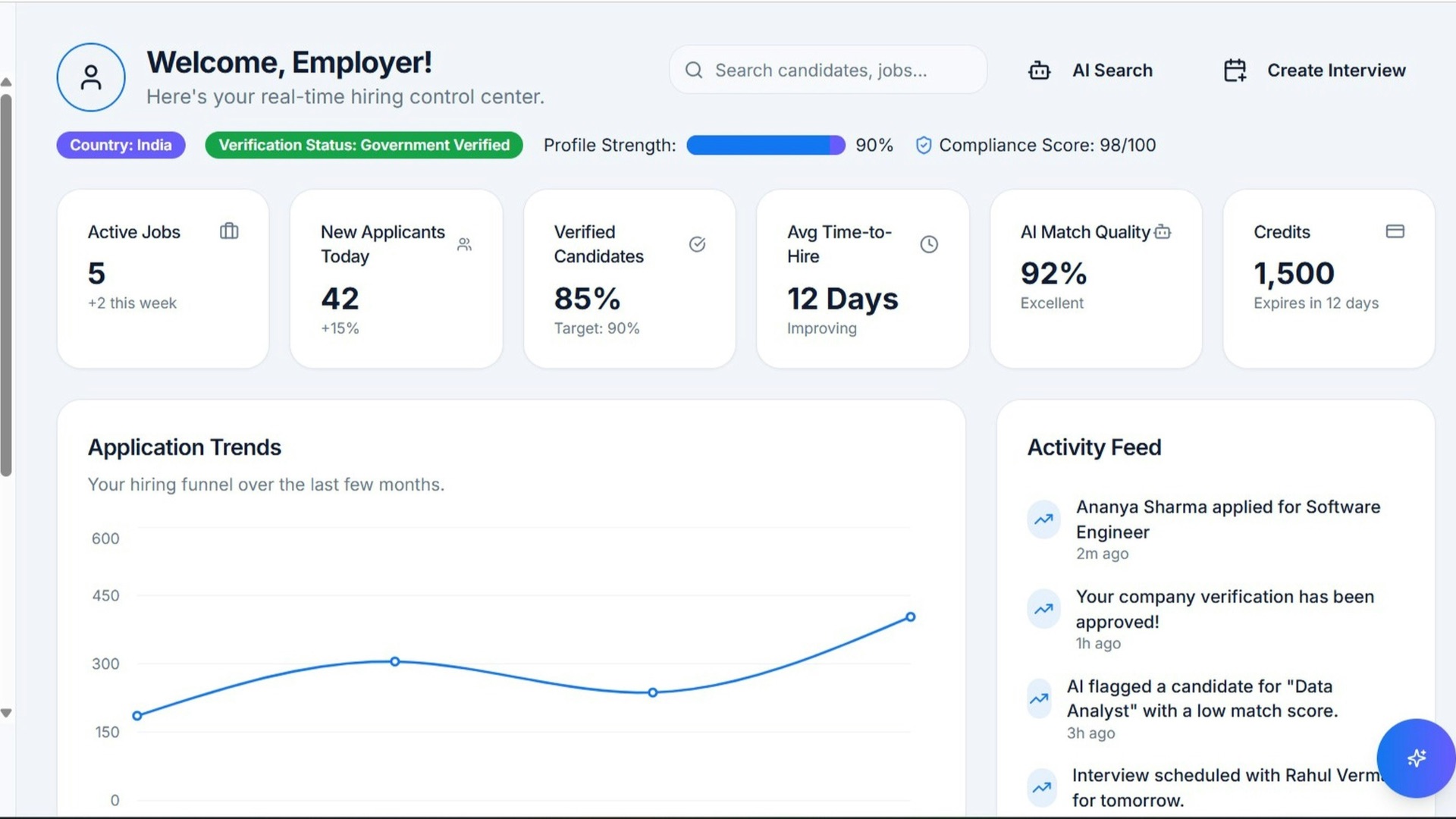
One of the most practical ways AI has changed hiring is through the automation of the interview process itself. Scheduling tools can coordinate calendars, send reminders, suggest time slots, and reduce the back-and-forth that used to slow everything down. That helps recruiters move faster and keeps candidates from falling through the cracks because of logistical delays. It may not be the most visible change, but it has made recruiting workflows noticeably more efficient.

6. Skills Assessments Are Playing a Larger Role
AI is helping employers place more emphasis on measurable skills rather than relying only on resumes and interviews. Companies can now use automated assessments to evaluate writing, coding, problem-solving, or communication before a hiring manager makes a decision. In some cases, that opens the door for candidates whose backgrounds are less conventional. It also reflects a broader shift toward testing demonstrated ability instead of assuming credentials tell the whole story.

7. Hiring Teams Are Using Predictive Analytics
Some companies use AI to forecast which candidates are more likely to succeed, stay longer, or perform well in a given role. These predictions are based on patterns in past hiring data and can influence who advances in the process. Employers see this as a way to make better decisions with fewer bad hires. Still, it shows how hiring is becoming more dependent on probability models rather than direct human judgment alone.
 Glenn Carstens-Peters on Unsplash
8. Communication Is More Automated
AI-powered chatbots and communication tools now handle parts of the candidate experience that used to require recruiter time. They can answer common questions, provide status updates, and guide applicants through the next steps at any hour of the day. For companies, this improves responsiveness without requiring a larger hiring team. It also changes the tone of the process, since many interactions that feel personal are now generated automatically.
9. Internal Hiring Has Become More Strategic
AI is not only being used to find outside applicants but also to identify internal employees who may be a fit for open roles. That gives employers a stronger view of workforce mobility and helps them fill positions from within more efficiently. Instead of relying solely on managers to recommend people, companies can analyze skills, past performance, and career trajectories more systematically. This makes hiring part of a broader talent management strategy rather than a stand-alone function.

10. Recruiters Are Spending More Time on Finalists
Because AI now handles so much of the administrative and screening work, recruiters can focus more energy on the later stages of hiring. That includes relationship-building, interviews, offer negotiations, and conversations with the strongest candidates. In theory, automation frees up humans to do the parts of hiring that require judgment and nuance. The challenge, of course, is that candidates who don't make it past the system may never benefit from that human attention.
AI may be making the hiring process more efficient for employers, but efficiency doesn't always feel fair from the applicant's side. Here's a look at how these changes are affecting job seekers in a not-so-great way.

1. It Can Feel Like No One Is Reading Your Resume
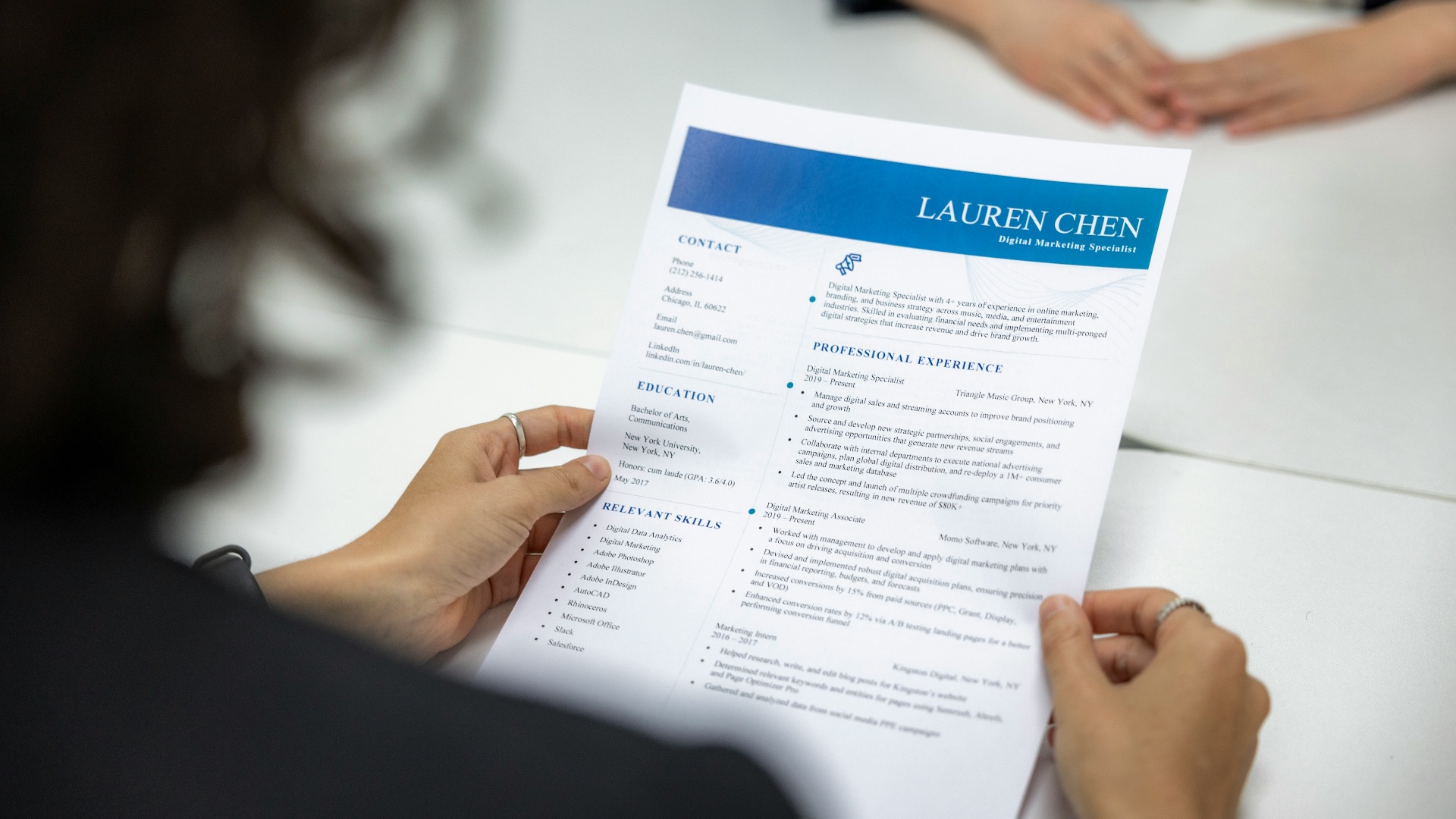
One of the biggest frustrations job seekers have is the sense that their application disappears into a system before a person ever sees it. When automated screening tools reject a resume in seconds, it creates the impression that real qualifications may be getting filtered out too early. That can be especially discouraging if you know you're capable of doing the job and would've been a strong candidate had your application been viewed by a human.

2. Job Listings Often Seem Over-Optimized
AI-generated or AI-assisted job descriptions can feel bloated, vague, repetitive, or unrealistically demanding. Many applicants come across listings that ask for an exhausting number of qualifications, software tools, and years of experience for roles that don't seem to warrant them. That makes it harder to tell what actually matters and what was included because a system recommended it.
3. Rejection Usually Comes with No Explanation
Automated hiring has made it easier for companies to reject applicants quickly, but it hasn't made the process more informative. Most candidates receive either a generic rejection email or no meaningful response at all. That leaves you with no insight into what went wrong, what you could improve, or whether you were ever seriously considered.

4. Keyword Dependence Can Distort the Process
Many job seekers feel pressured to write resumes for algorithms instead of for human readers. That often means repeating terms from the job posting, adjusting phrasing unnaturally, and worrying more about exact wording than clear communication. Even strong candidates can get screened out if their experience is described differently from what the system expects. Instead of presenting yourself honestly and clearly, you're pushed to optimize for software.

5. The Process Feels Less Human
When chatbots, auto-emails, and screening systems handle most of the interaction, the hiring process can start to feel monotonous very quickly. Candidates may spend hours applying only to receive canned messages that don't acknowledge their time or effort. That lack of human contact is frustrating because job searching is already stressful, and it would help to at least be treated as actual people.
6. Bias Concerns Haven't Gone Away
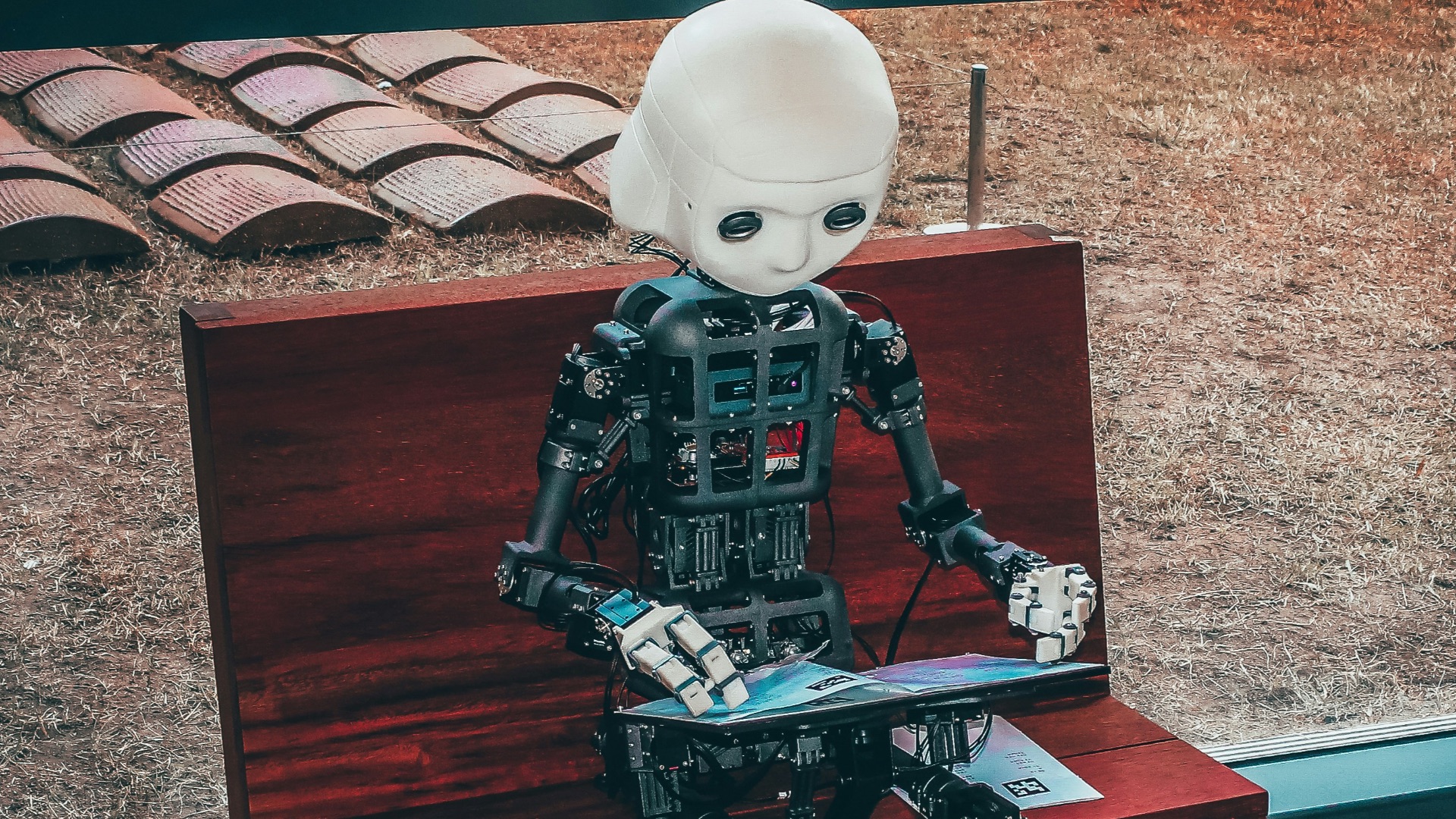
AI is often presented as a way to reduce bias in hiring, but many job seekers are skeptical of that promise. If a system is trained on past hiring decisions, it can reflect the same preferences and exclusions that already existed in the organization. Candidates usually have no visibility into how these tools evaluate them or which factors are being weighted, and that lack of transparency can make it hard to trust that the process is fair.
7. Applicants Are Asked to Do More Unpaid Work
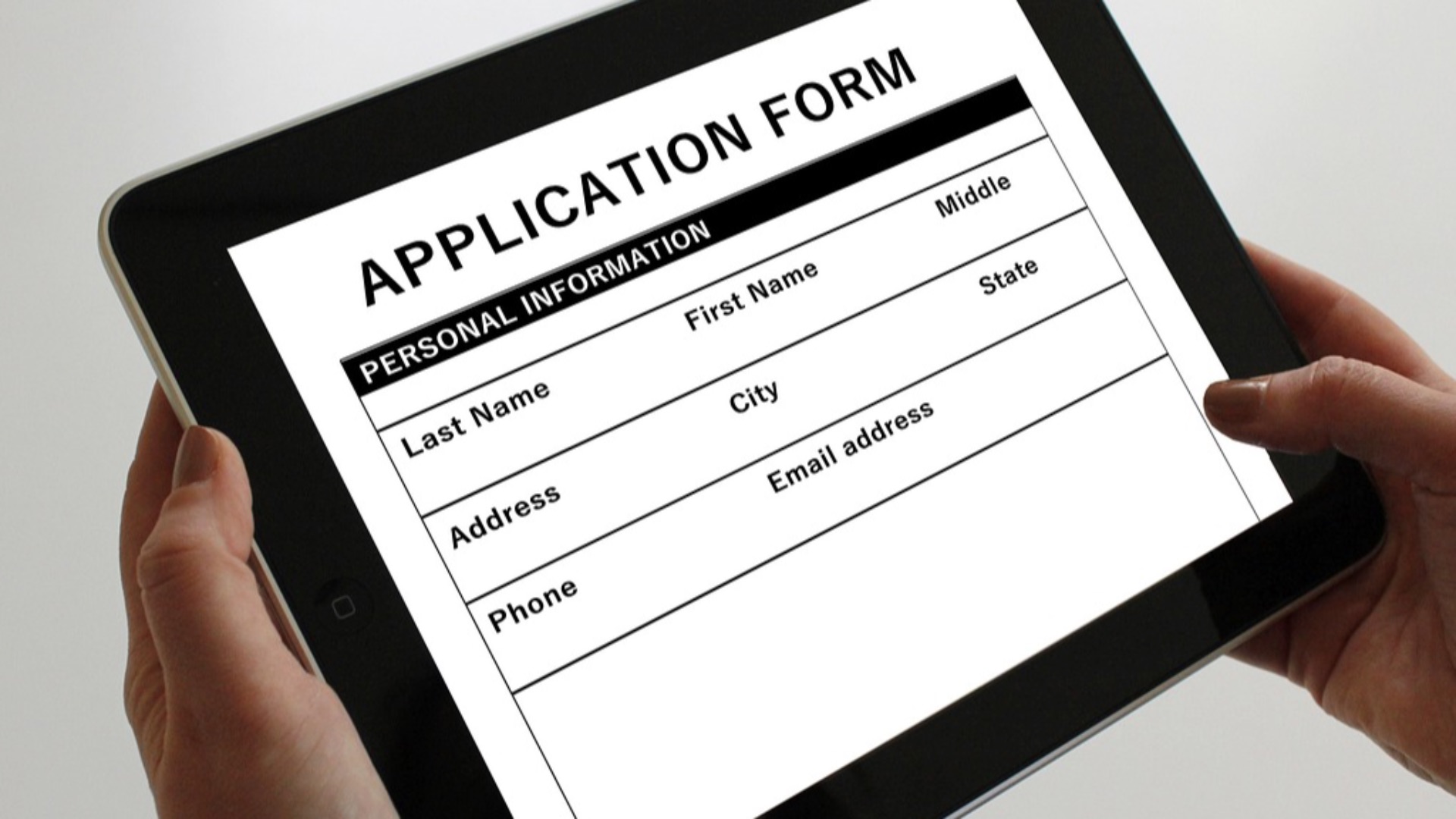
Technology has made it easier for employers to add assessments, one-way interviews, personality tests, and multi-step screening tasks early in the process. From a company's perspective, that may seem efficient and scalable; from a candidate's perspective, however, it often feels like a lot to ask before there's any sign of serious interest. When several applications each demand extra labor, job hunting can start to resemble unpaid project work.

8. Volume Has Made Competition More Intense
Because AI and online platforms make applying easier, more people can submit applications to more jobs in less time. That creates enormous candidate pools, which may help employers but can make each individual applicant feel invisible. You may be competing not just with qualified local candidates but with hundreds of people clicking through the same process at once.
9. Personal Context Often Gets Lost
Automated systems are not especially good at recognizing nuance, context, or unusual career paths. If you've changed industries, taken time away from work, built nontraditional experience, or developed skills outside formal titles, those strengths may not register clearly in a structured screening system. Human recruiters can understand context when they take the time to look for it, but software often favors standard patterns. That leaves many qualified people feeling flattened into categories that don't reflect who they are.

10. It Creates a Sense of Constant Uncertainty
Perhaps the most draining part of AI-driven hiring is that candidates often don't know how the rules work. You may not know whether your resume was read, whether an assessment mattered, or why one application moved forward while another went nowhere. That uncertainty makes it difficult to improve your strategy because the process is so opaque. Over time, the frustration comes not just from rejection but from feeling like the system never tells you how to compete in it.