
Why Preferences Change Throughout Childhood
Children often develop stronger attachments to one parent at different stages of life, and those preferences can shift repeatedly as they grow. While every family is unique, research shows that factors such as caregiving roles, personality differences, daily routines, and emotional needs can all influence which parent a child gravitates toward at any given time. These preferences aren't usually a sign of loving one parent more than the other. Instead, they often reflect what a child needs, enjoys, or finds comforting in a particular moment. Here are 10 reasons why kids prefer mom and 10 why they prefer dad.

1. More Time Together
In many families, moms still spend more hours handling daily caregiving responsibilities. Because of that frequent contact, children often develop a strong sense of familiarity and comfort around their mother. Spending more time together naturally creates opportunities for bonding.
2. Comfort During Difficult Moments
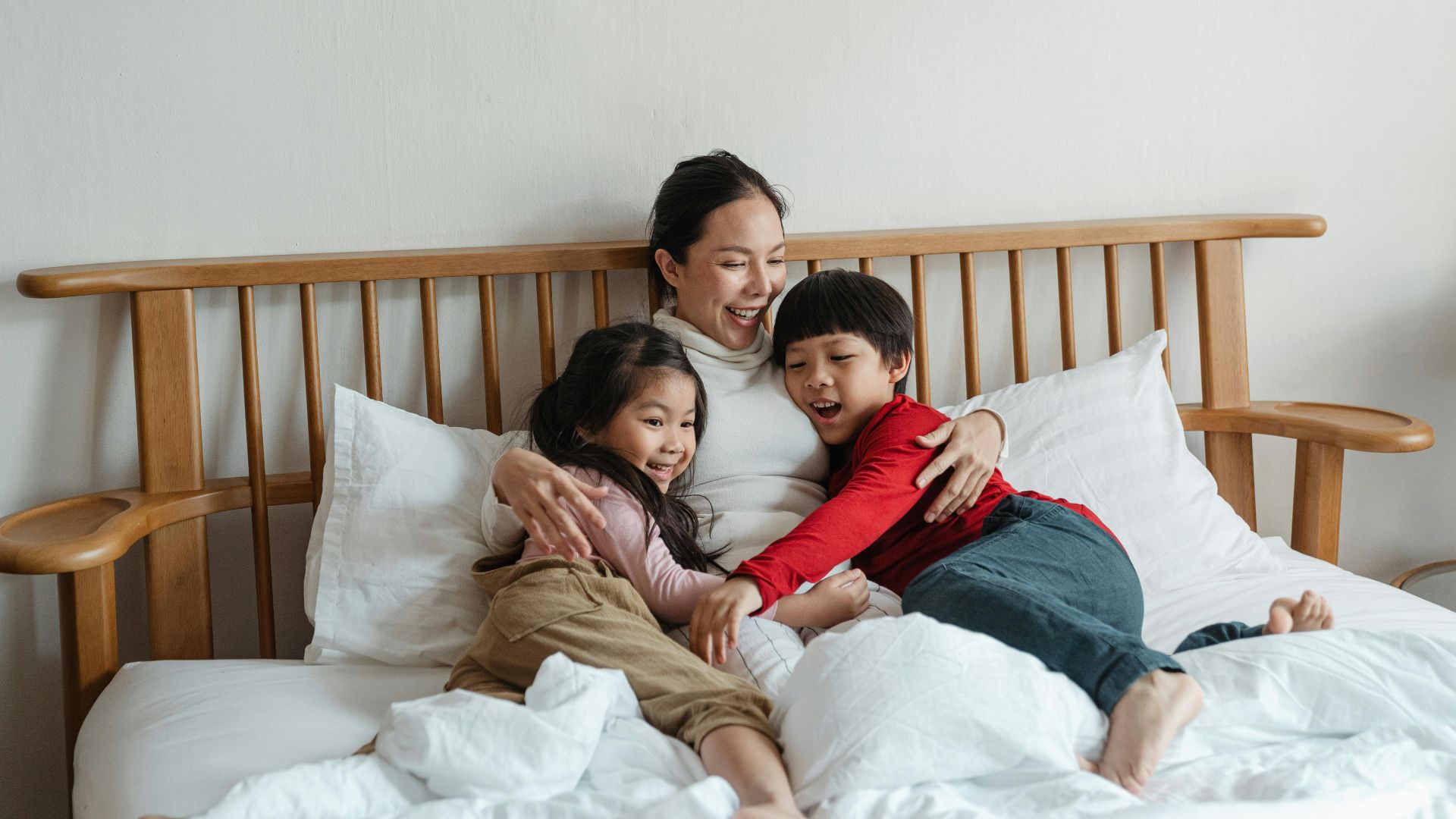
When kids feel sick, upset, or overwhelmed, they often seek out the parent who regularly provides emotional reassurance. Many mothers take on this nurturing role, which can make them the first choice during stressful situations. A familiar source of comfort can feel especially important to younger children.
3. Established Daily Routines
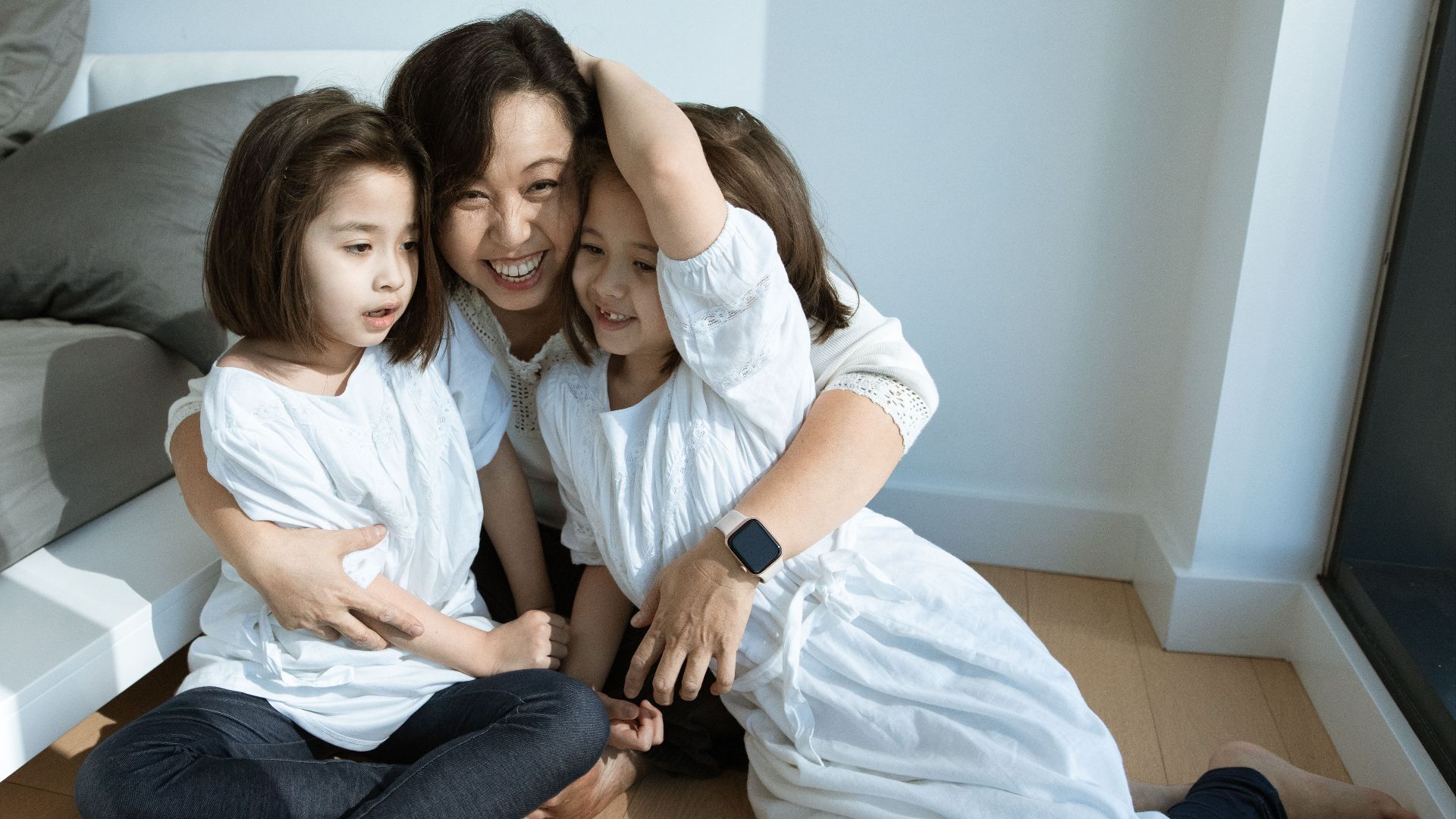
Moms are frequently involved in meals, bedtime, homework, and other recurring activities. Those routines create predictability, which children tend to value. As a result, kids may associate their mother with stability and security.

4. Strong Early Attachment
For many children, the earliest bond develops with their mother due to feeding, caregiving, and close physical contact during infancy. That connection can remain influential well into childhood. Even as children grow more independent, those early attachments often continue to shape preferences.
 Xavier Mouton Photographie on Unsplash
5. Better Understanding of Emotions
Some children feel that their mother understands their feelings more easily. Whether that's because of communication style or simply spending more time together, kids often appreciate feeling heard. Emotional validation can strengthen a child's desire to seek out one parent over another.

6. Greater Availability
If mom is usually the parent who answers questions, attends school events, or helps solve problems, children may naturally turn to her first. Consistent availability builds trust over time. Kids often prefer the person they know will be there when needed.
7. Shared Interests
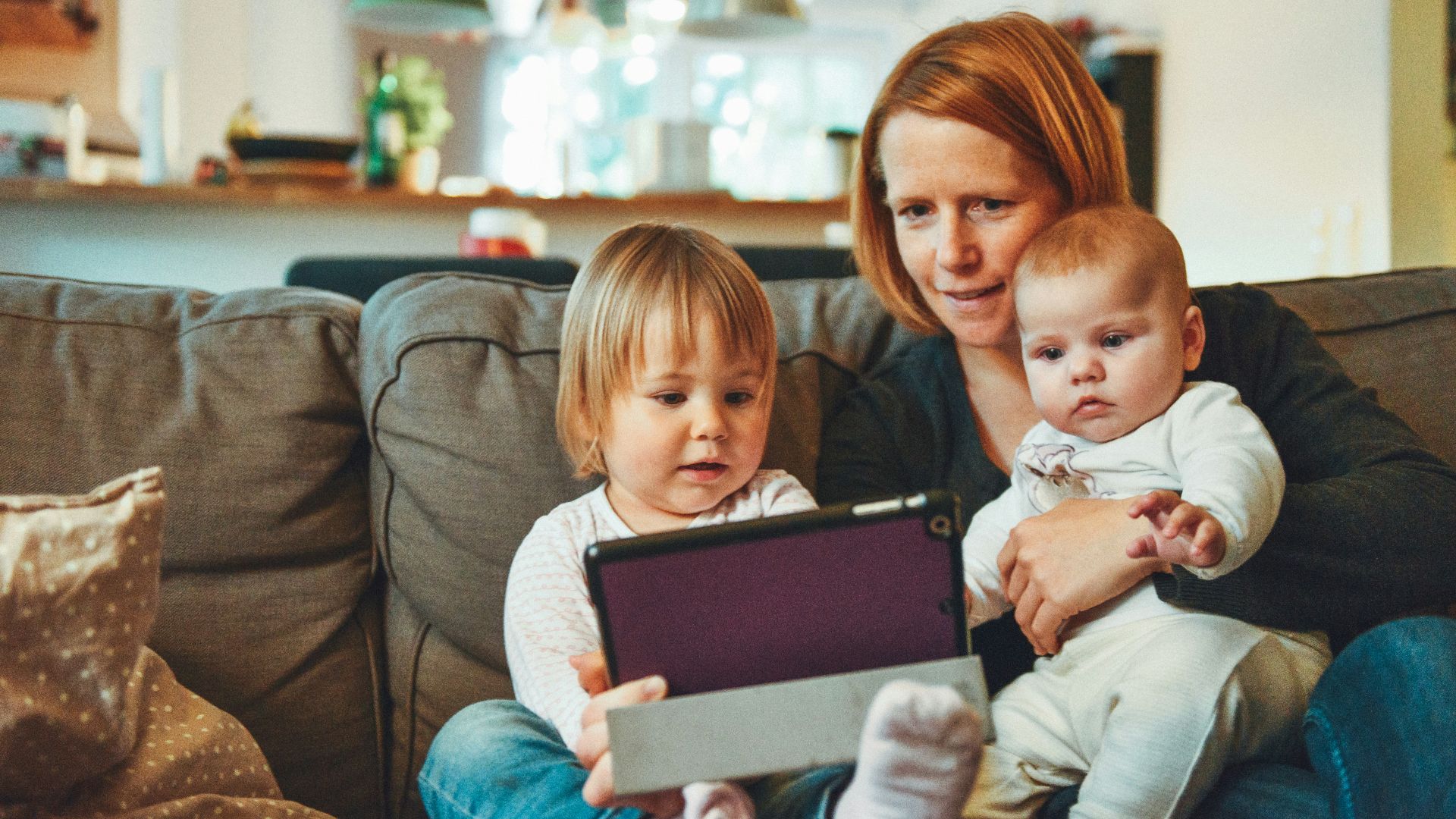
As children develop hobbies and interests, they sometimes discover they have more in common with one parent. A child who enjoys activities that mom also enjoys may feel especially connected to her. Common interests create opportunities for meaningful interaction.

8. Patience During Learning
Many children appreciate the parent who helps them work through challenges without rushing. If mom tends to provide patient guidance during homework, sports, or personal struggles, that support can strengthen the relationship. Encouragement often leaves a lasting impression.

9. Strong Communication Habits
Some mothers naturally engage in longer conversations with their children throughout the day. Frequent communication can help kids feel understood and connected. When children know they can talk openly, they often seek out that relationship more often.
10. Sense of Security
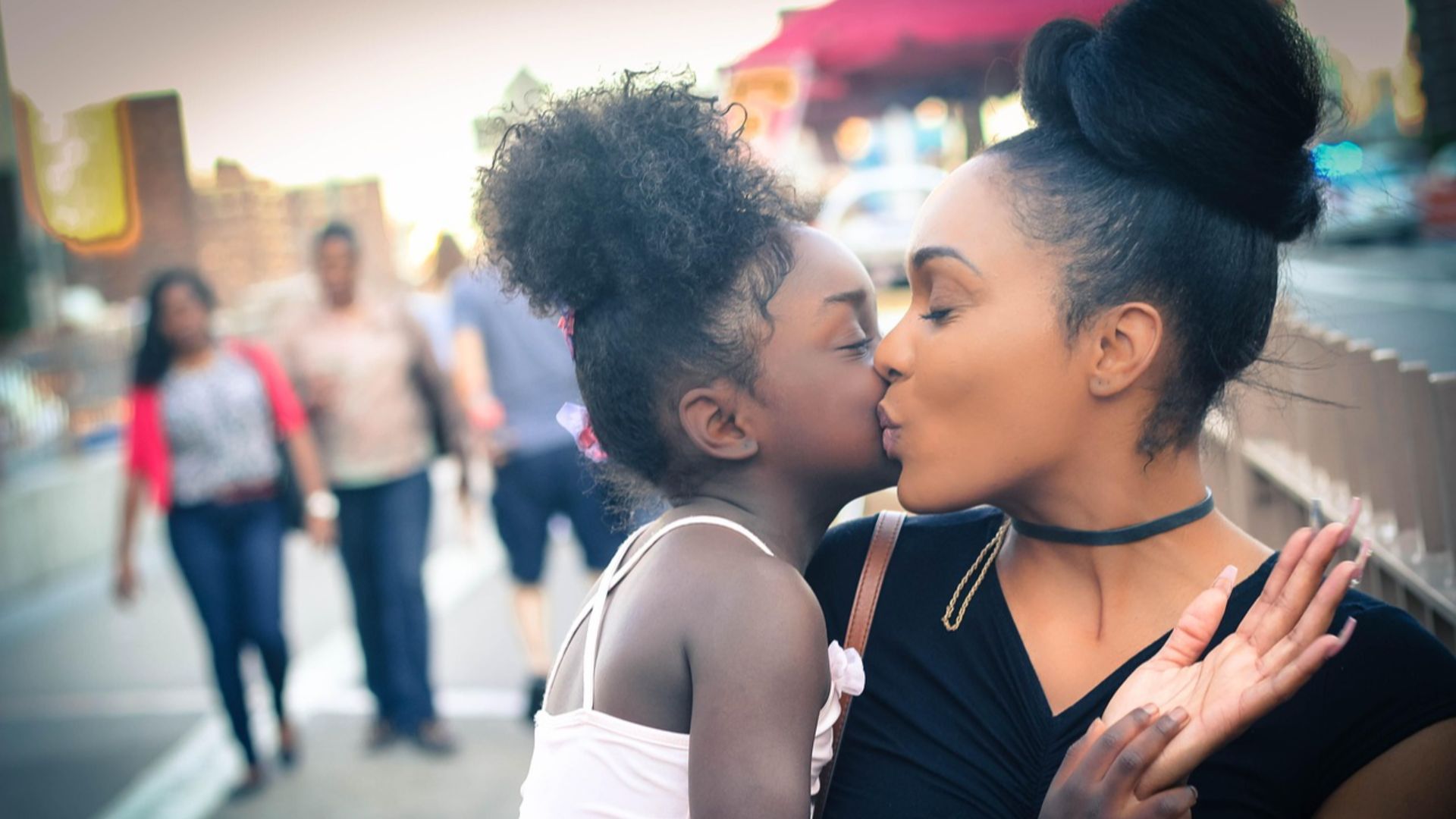
Children often associate their mother with safety, especially during early childhood. Whether it's through affection, reassurance, or consistent care, that feeling can become deeply rooted. A strong sense of security frequently contributes to parental preference.

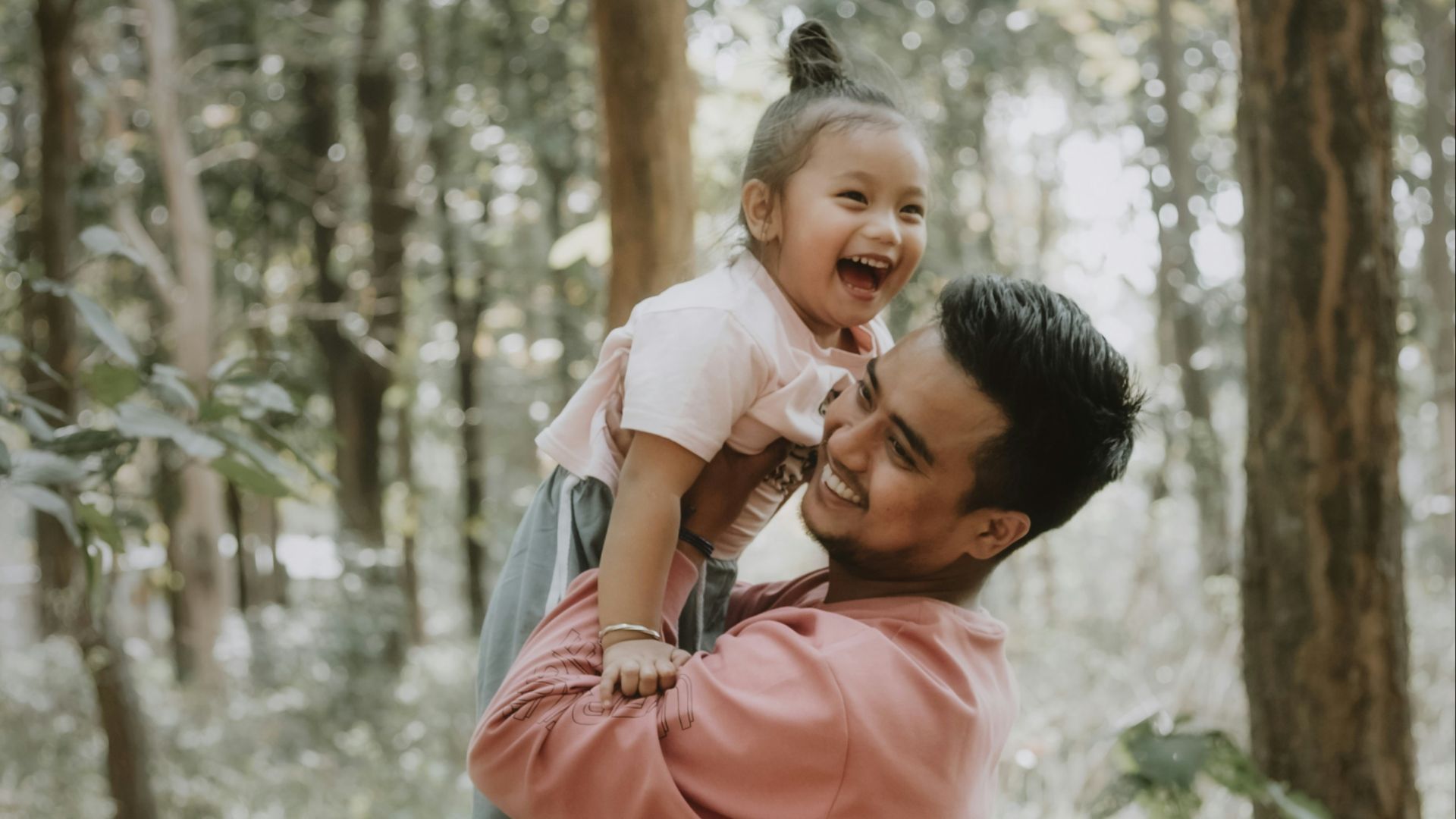
1. More Playful Interactions
Many fathers engage in active games, roughhousing, and spontaneous fun. These activities can be exciting and memorable for children. Kids often look forward to spending time with the parent who brings a sense of adventure to everyday life.

2. Different Rules and Expectations
Sometimes dads approach situations differently than moms do. Children may enjoy the variety that comes from having another perspective. A different parenting style can make interactions feel fresh and engaging.

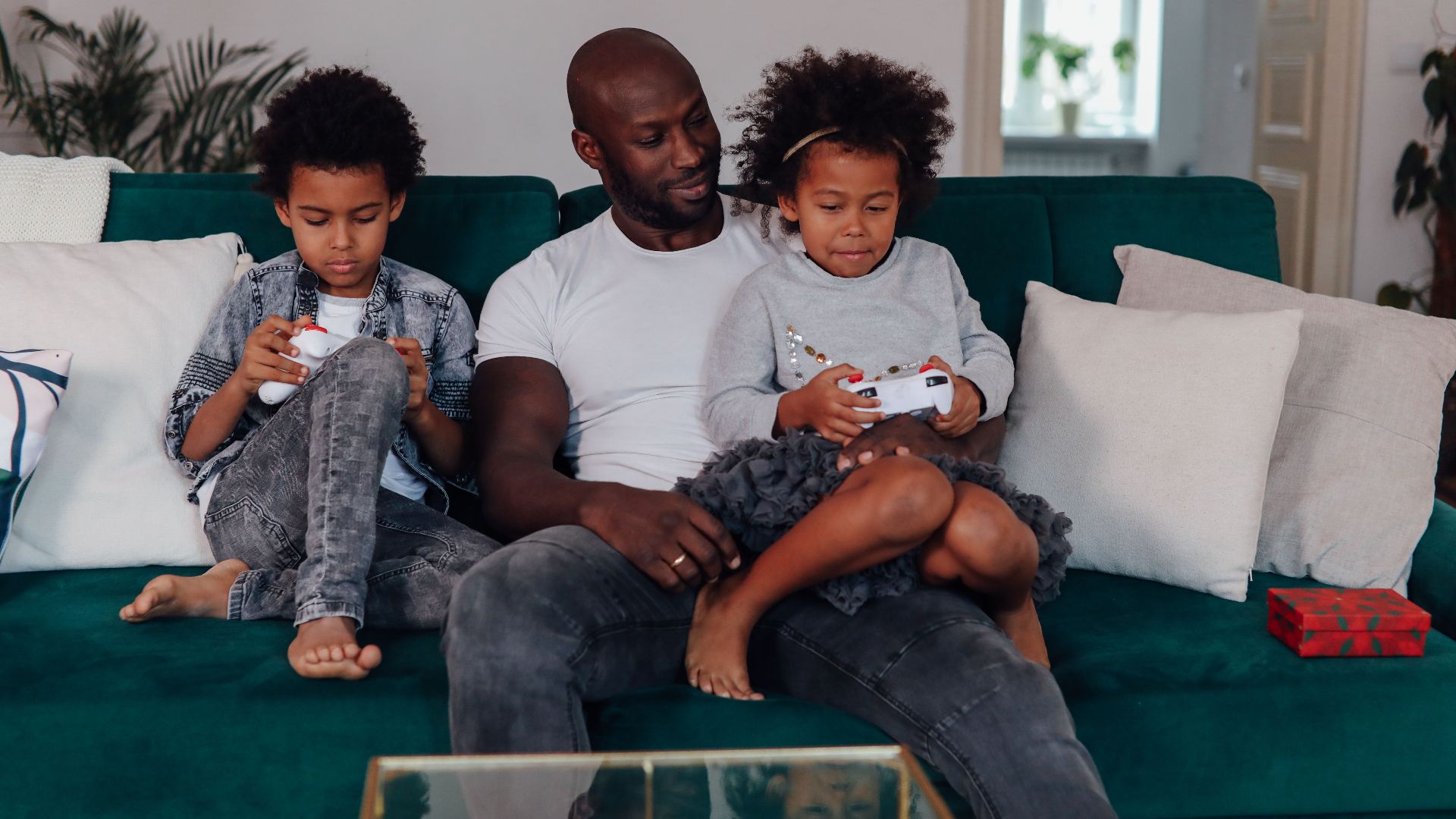
3. Shared Hobbies
Whether it's sports, building projects, gaming, fishing, or other activities, shared interests can strengthen bonds. Kids often enjoy spending time with someone who shares their interests. Those experiences create positive memories together.

4. Special One-on-One Time
In some households, children see their dad less often because of work schedules. That can make time together feel more special when it happens. Limited availability sometimes increases a child's excitement about seeing a parent.
5. Encouragement to Take Risks
Many fathers encourage children to try new challenges and build independence. This support can help kids gain confidence in their abilities. Children often appreciate having someone who pushes them to believe in themselves.

6. A Different Sense of Humor
Humor plays a major role in family relationships. If dad regularly makes children laugh, they may be drawn to spending more time with him. Shared laughter often creates strong emotional connections.
7. Admiration and Role Modeling
Children frequently look up to their parents as examples of adulthood. Some kids become especially attached to their father because they admire his skills or personal qualities. Respect can be a powerful factor in strengthening a relationship.

8. Relaxed Activities Together
Not every bonding experience needs to be highly structured. Watching a game, taking a walk, or working on a project can provide valuable opportunities for connection. These low-pressure interactions often feel enjoyable and natural.
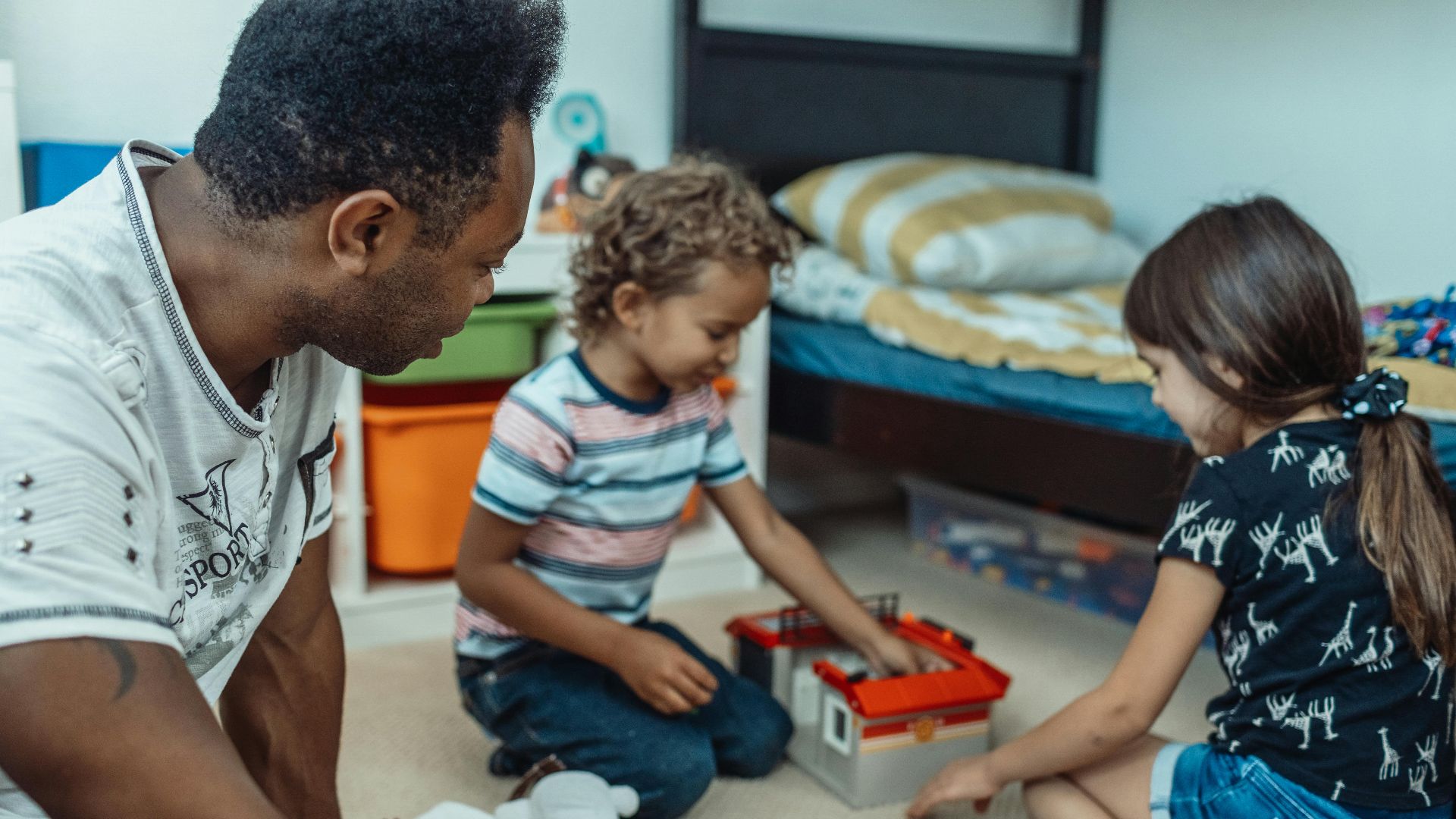
9. Feeling Treated Like a Grown-Up
Some fathers encourage greater independence as children mature. Being trusted with responsibilities can make kids feel respected and capable. That sense of confidence often strengthens the parent-child bond.
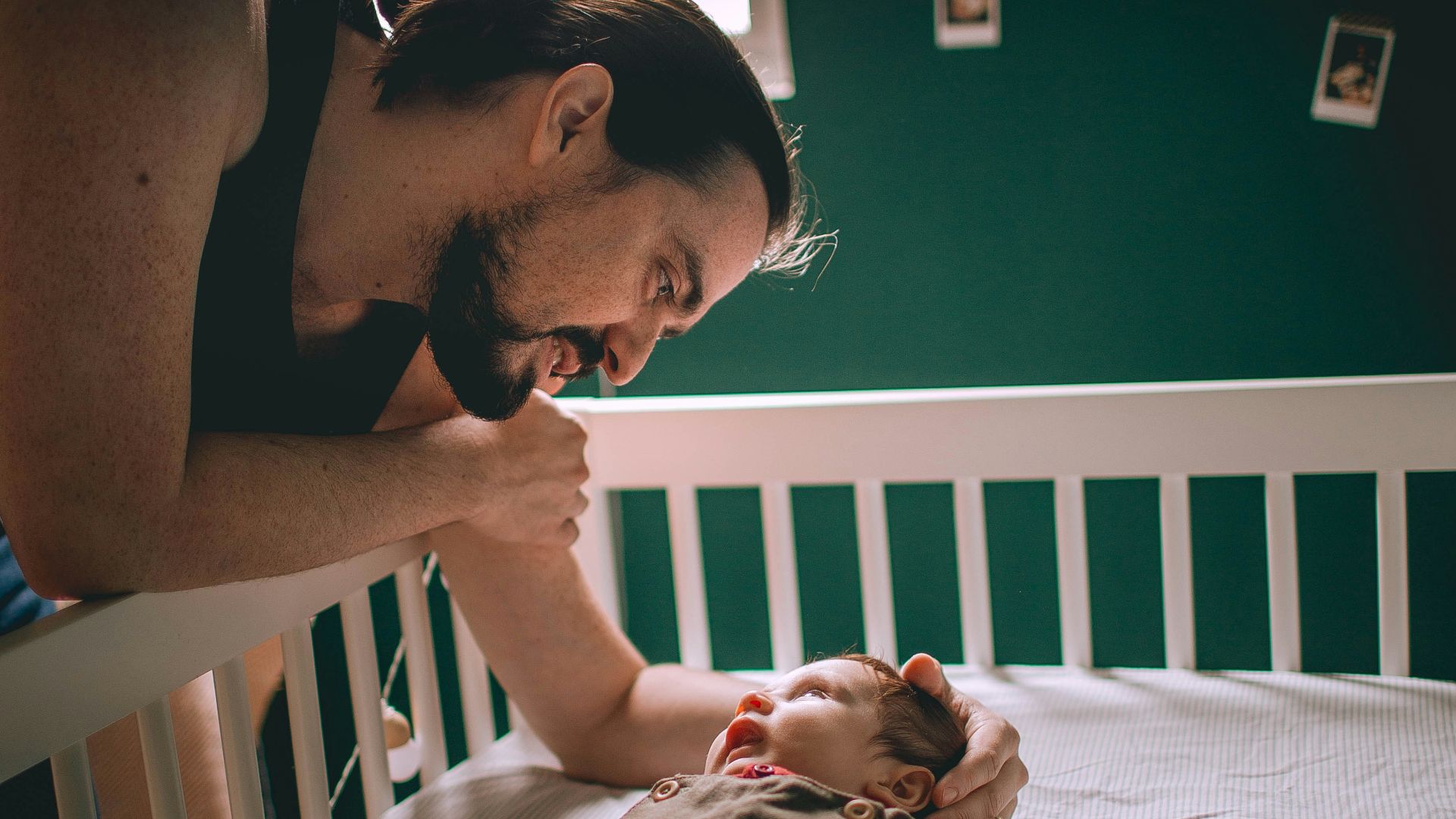
10. Unique Family Role
Every parent brings something different to a child's life. A father may offer perspectives, experiences, or traditions that children can't get anywhere else. Kids sometimes gravitate toward those unique qualities because they add another valuable dimension to family life.