Easy To Recognize, Not Easy To Explain
While the English language is vast, spanning over 170,000 words we use in our day-to-day lives, we don’t have a word for everything. There are plenty of feelings we can explain, but don’t have a singular word for. Luckily, many of the other languages did think up words to describe these complex feelings we all seem to have. Here are 20 of them.

1. Saudade
Saudade is a Portuguese word, describing the deep ache of missing someone or something that’s no longer close to you. It can be a person, a place, a time in your life, or even a feeling you can’t quite return to. English words like “longing,” “yearning,” and “nostalgia” come close, but saudade carries a softer kind of sadness.

2. Hiraeth
Hiraeth is a Welsh word often associated with homesickness, though it goes beyond simply wanting to be back in a familiar place. It can mean longing for a home, person, or past that’s gone, changed, or impossible to reach again.

3. Sehnsucht
Sehnsucht is a German word that describes an intense longing for something distant, ideal, or out of reach. It might be a better life, a different version of yourself, or a feeling you can picture more easily than you can explain. English has “yearning,” but Sehnsucht carries that sense of wanting something that may stay just beyond you.

4. Fernweh
Fernweh is a German word to describe the longing for faraway places. Instead of missing home, you start craving somewhere else, even somewhere you’ve never been. It’s the feeling we often associate with buying a one-way ticket to a new city and never coming back.

5. Weltschmerz
Weltschmerz is a German word that describes a sadness that comes from seeing the gap between the world as it is and the world as you wish it could be. It’s more than being in a bad mood or feeling tired after too much news. It carries disappointment, weariness, and the hard feeling that reality keeps falling short of hope.

6. Mono No Aware
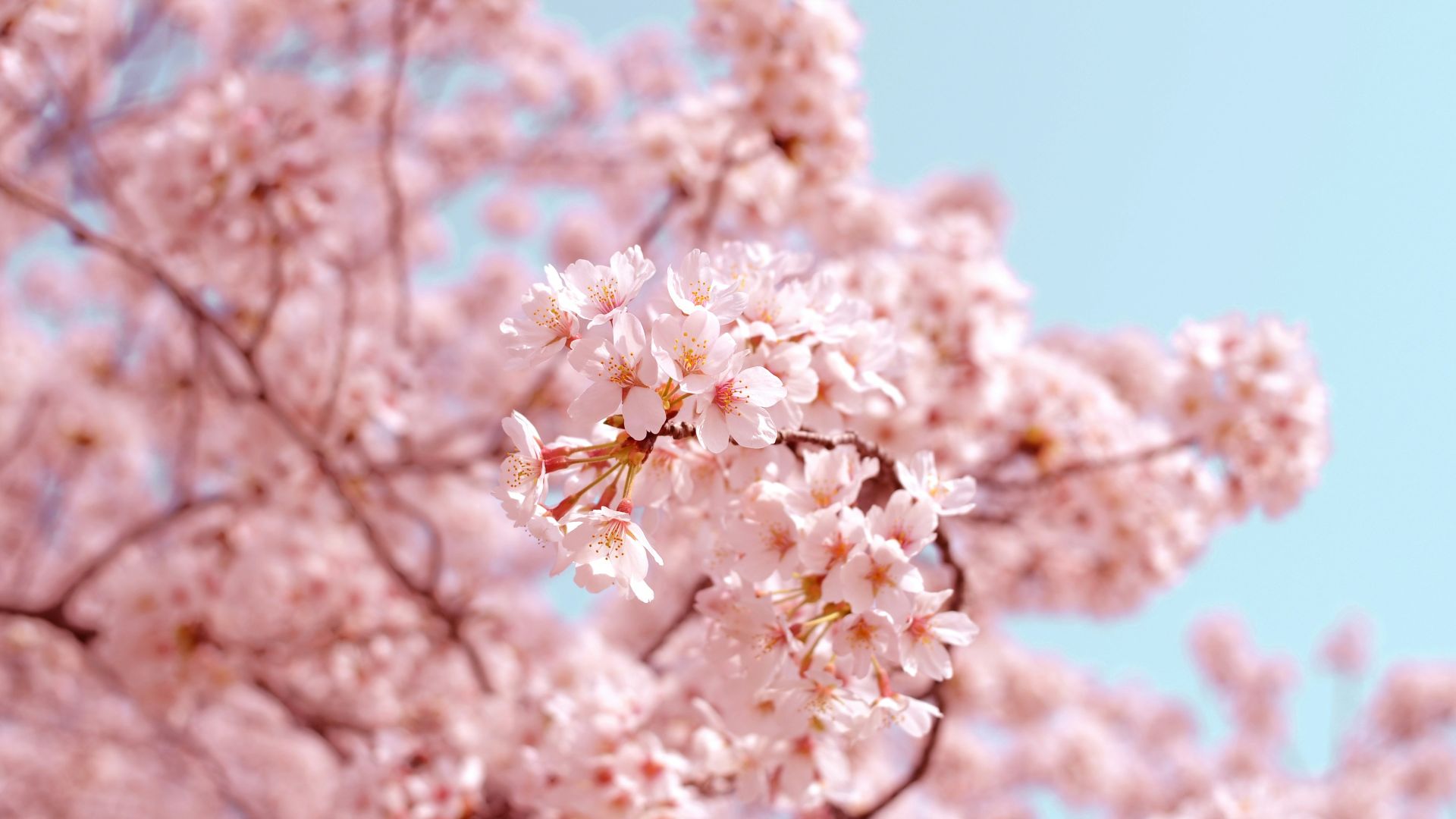
Mono no aware is a Japanese idea connected to the beauty and sadness of impermanence. You might feel it when flowers start to fall, when a summer evening cools down, or when a child outgrows something they once loved.
7. Amae
Amae is a Japanese concept often tied to the comfort of depending on someone while assuming, or hoping, that your need will be accepted. It can show up in close relationships where care feels understood without much explaining. There’s vulnerability in it, along with the relief of being allowed to lean on someone.
 Marcos Paulo Prado on Unsplash
8. Koi No Yokan
Koi no yokan is a Japanese term that’s often described as the feeling that love may grow after meeting someone. It isn’t the same as love at first sight, but instead, is a quieter, smaller sense that your emotions are growing.

9. Kilig
Kilig is a Filipino word for the rush that comes from romance, sweetness, or emotional excitement. It’s the flutter after a meaningful glance, a perfect text, or a romantic scene you still enjoy even when you knew exactly where it was heading. Your body reacts before you have time to play it cool.

10. Gigil
Gigil is a Tagalog word that describes an intense feeling we often associate with the urge to squeeze something overwhelmingly cute. People often use it for babies, puppies, tiny clothes, and other things that make cuteness feel almost too much. We sometimes refer to this as “cute aggression" in English.
11. Mudita
Mudita is a Sanskrit word that describes the joy you feel when someone else is happy or successful. This joy doesn’t come with ulterior motives either; it’s open, generous happiness of seeing a friend get good news.
 Priscilla Du Preez 🇨🇦 on Unsplash
12. Schadenfreude
Schadenfreude is the German word to describe pleasure in someone else’s misfortune. People usually use it most in low-stakes moments, especially when someone’s deserving of comeuppance.

13. Voorpret
The Dutch word voorpret is the happiness that comes before the fun thing even happens. It’s the pleasure of planning a trip, reading a menu, choosing an outfit, or counting down to a night out. Sometimes the anticipation becomes part of the enjoyment.

14. Gezelligheid
Gezelligheid is a Dutch word describing coziness, warmth, and easy togetherness. The feeling comes from the atmosphere, the people, and a sense of comfort and relaxation.
 Shashi Chaturvedula on Unsplash
15. Hygge
Hygge is a Danish word meaning cozy contentment, often connected to comfort, warmth, and simple togetherness. Candles, blankets, warm drinks, and soft lighting are often associated with this feeling.

16. Koselig
Koselig is a Norwegian word for a warm, cozy, and comfortable mood, often with a social side. It’s often used to describe these positive feelings during bad weather, making cold, dark, or ordinary moments feel easier to enjoy.

17. Sisu
Sisu is a Finnish concept connected to grit, courage, and inner strength during difficult times. It doesn’t mean being cheerful about everything, and it isn’t simple toughness for show. It’s the reserve that helps you keep going when you could just give up.

18. Uitwaaien
Uitwaaien is a Dutch word for going outside into the wind, often to clear your head. It can mean taking a walk, riding a bike, or stepping out for a bit of fresh air. Regardless, it’s about getting outside.

19. Han
Han is a Korean term often used for a complex mix of grief, resentment, sorrow, and endurance. It has deep cultural layers, so it shouldn’t be reduced to one simple English definition or treated as if it belongs to every person in the same way. Used carefully, it points to pain that can feel unresolved, long-carried, and deeply felt.

20. Mamihlapinatapai
Mamihlapinatapai is a Yaghan word often described as the meaningful look between two people who both want something, but neither wants to be the first to act. It can feel romantic, awkward, funny, or even painfully obvious to everyone else nearby.