What to Do When the Lights Go Out
Power outages can strike at any time: during a summer thunderstorm, a winter ice storm, or even on a perfectly calm day when the grid just decides it's had enough. Most people assume they'll handle it fine when the moment comes, but there are some surprisingly common mistakes that can turn an inconvenient few hours into a genuinely dangerous situation. Whether your outage lasts 20 minutes or several days, knowing what not to do is just as important as knowing what to do.
1. Running a Generator Indoors
A gas-powered generator might seem like the perfect fix, but running one inside your home, garage, or even a partially enclosed space is extremely dangerous. Generators produce carbon monoxide, an odorless and colorless gas that can reach fatal levels within minutes. Always operate your generator at least 20 feet away from any windows, doors, or vents.
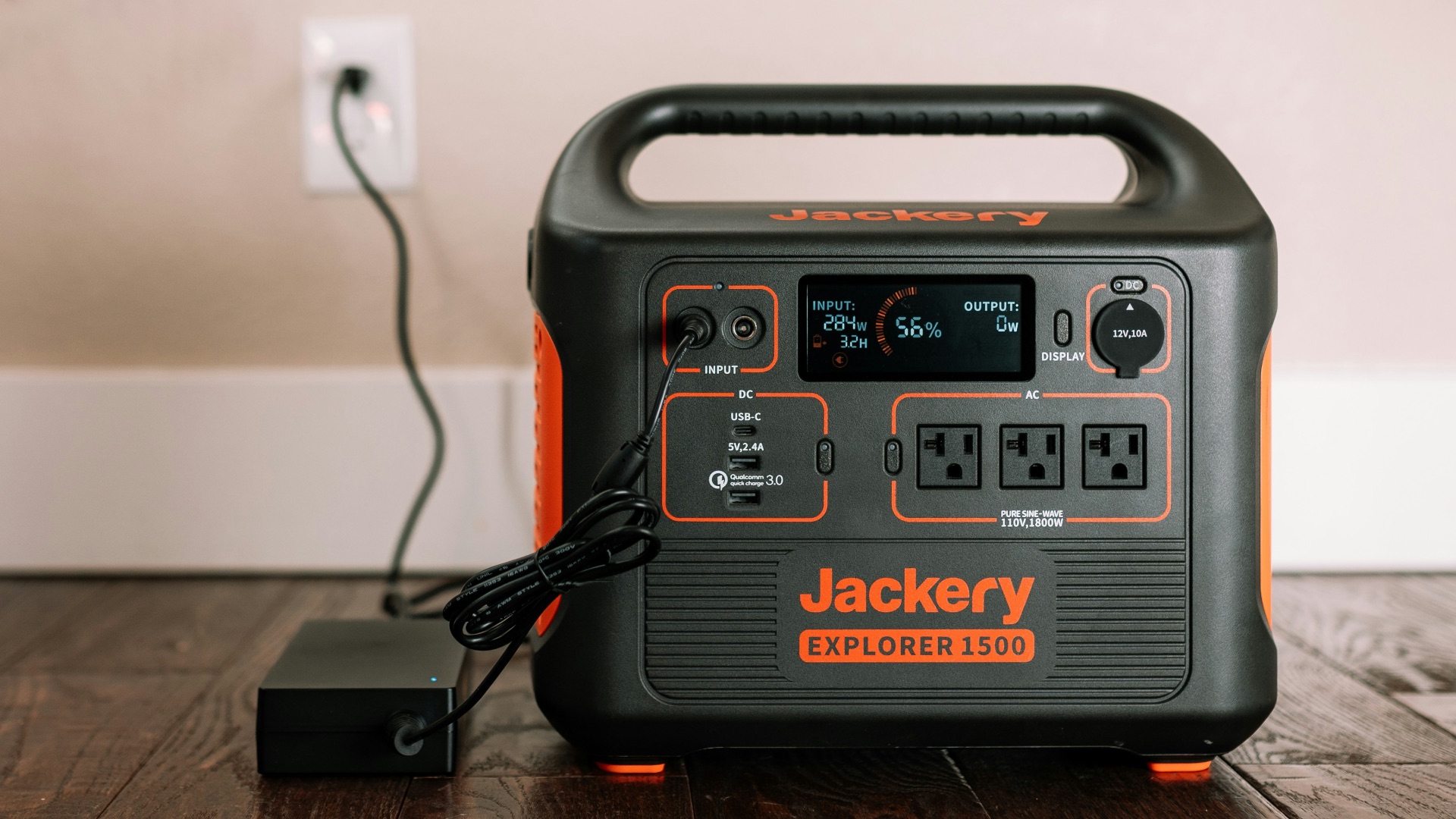 Jackery Power Station on Unsplash
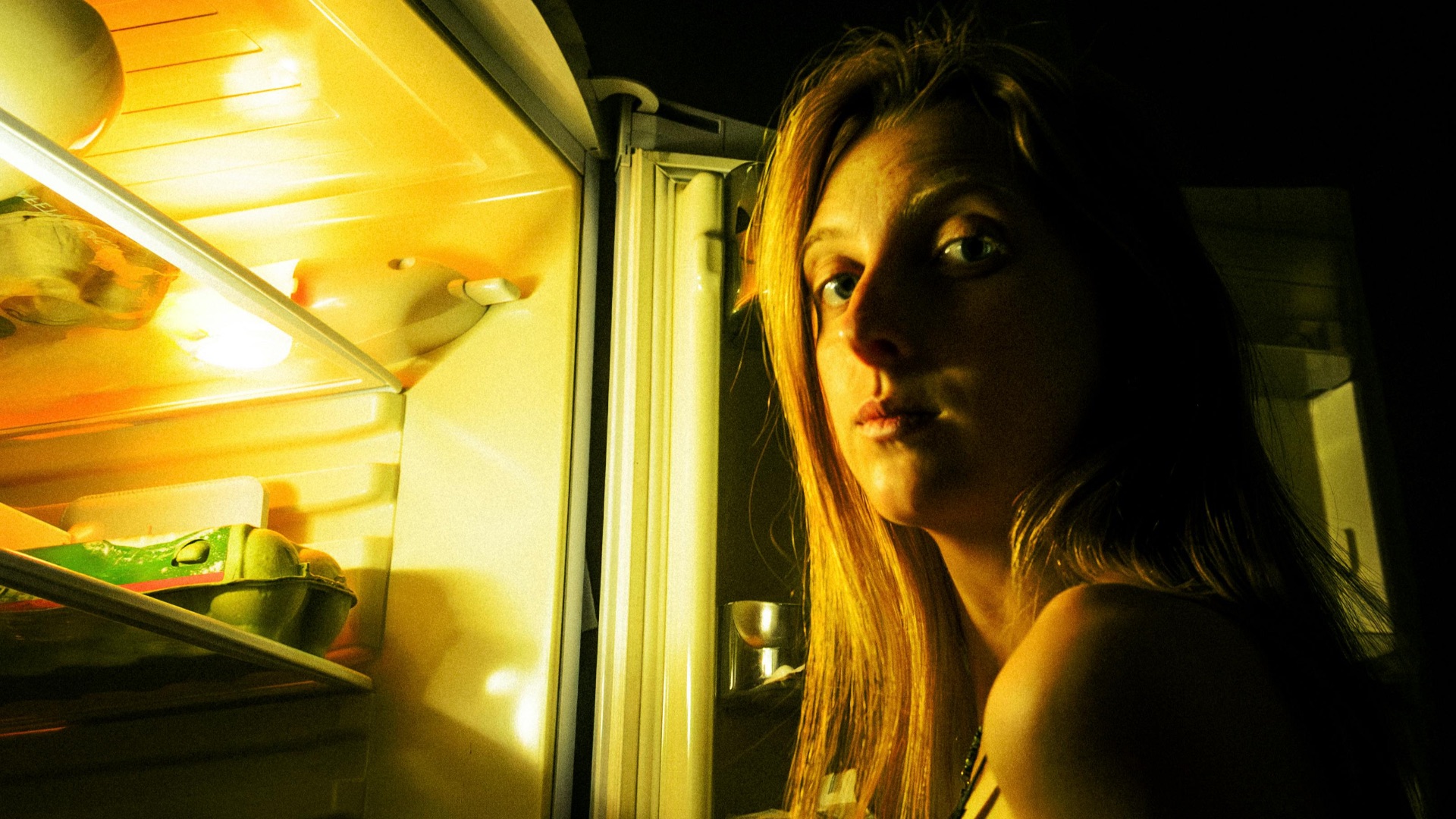
2. Opening the Refrigerator and Freezer Constantly
Every time you open the fridge or freezer, you're letting cold air escape and shortening the window of time your food stays safe. A closed refrigerator can keep food at a safe temperature for about four hours, while a full freezer can hold its temperature for up to 48 hours. Unless you need something specific, keep both appliances shut and resist the urge to check on things.
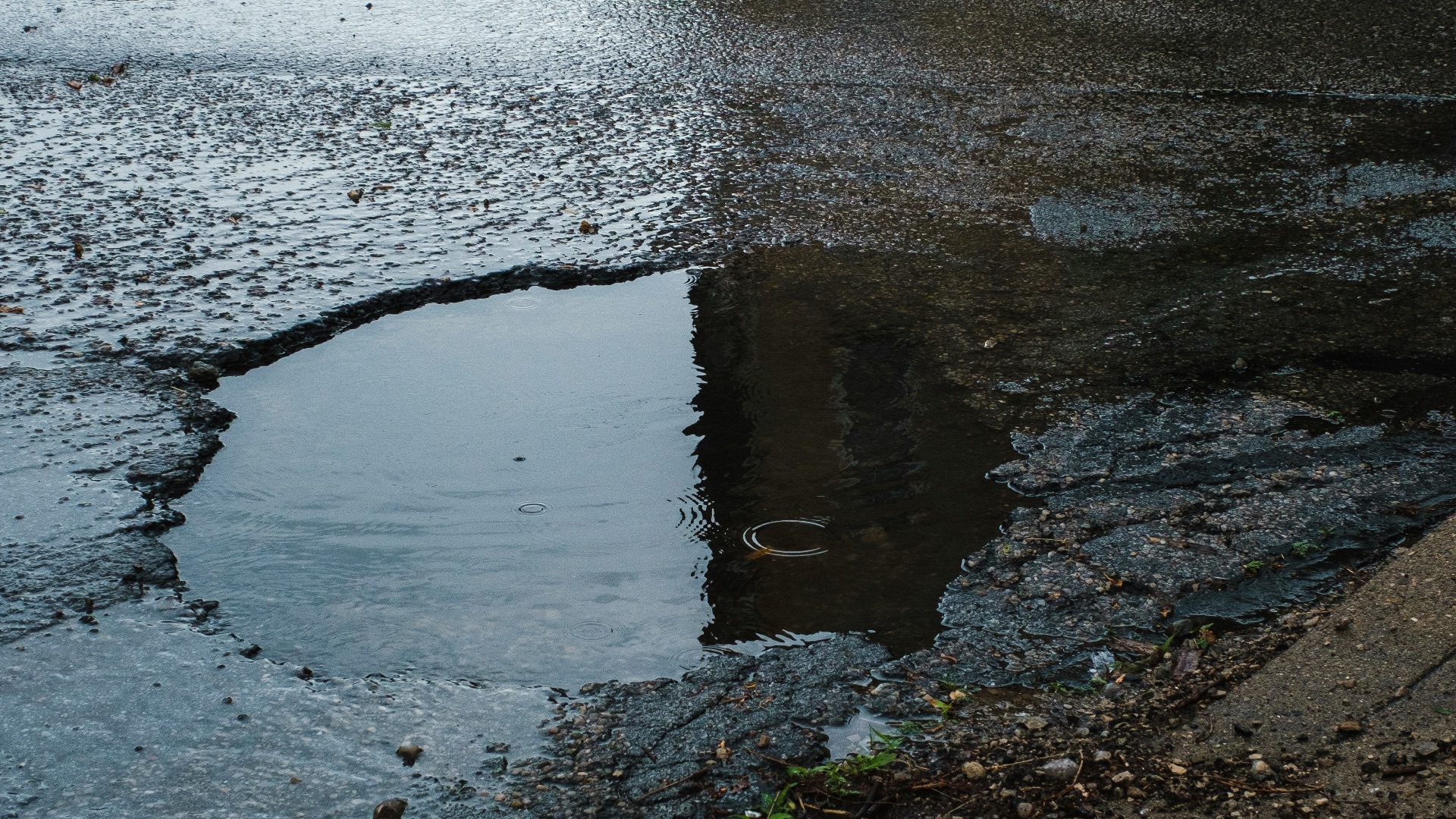
3. Going Near Standing Water Outside
If your outage was caused by a storm, any pooling water near downed power lines is a serious hazard you need to stay well away from. Water conducts electricity, which means it can become a path from an energized line straight to the ground and straight through you if you're standing in it. It's recommended to stay at least 10 meters away from any downed line, and that rule applies even if the power in your neighborhood appears to be completely out.
4. Leaving Candles Unattended
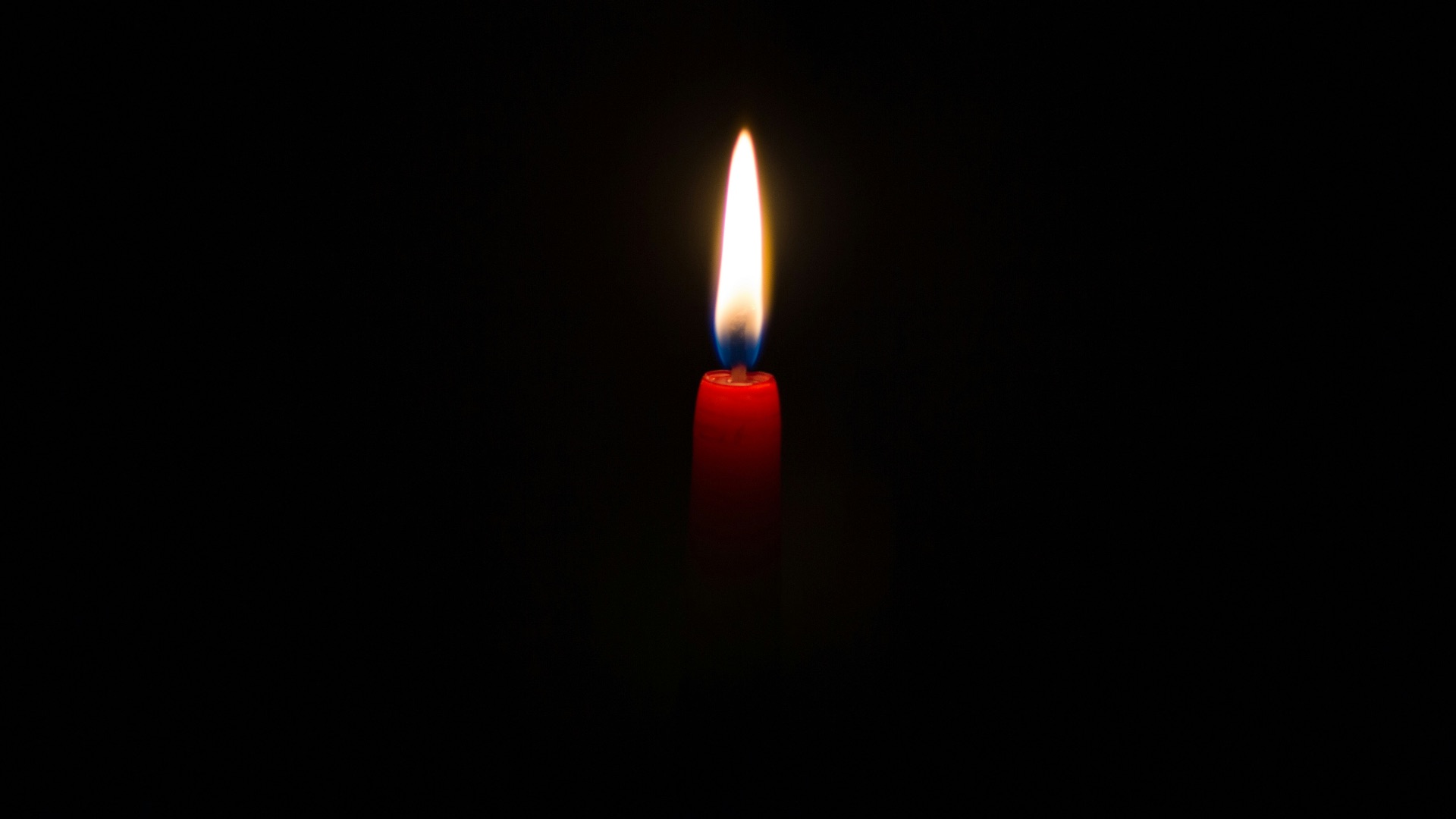
Candles are a go-to during outages, but they're also one of the leading causes of house fires, particularly during emergencies when people are distracted or fall asleep with them still burning. Never leave a lit candle in a room you're not actively using, and keep them away from curtains, paper, and anything else that could catch fire. Battery-powered LED candles are a much safer alternative and do an excellent job of mimicking the real thing.
5. Forgetting to Unplug Your Electronics
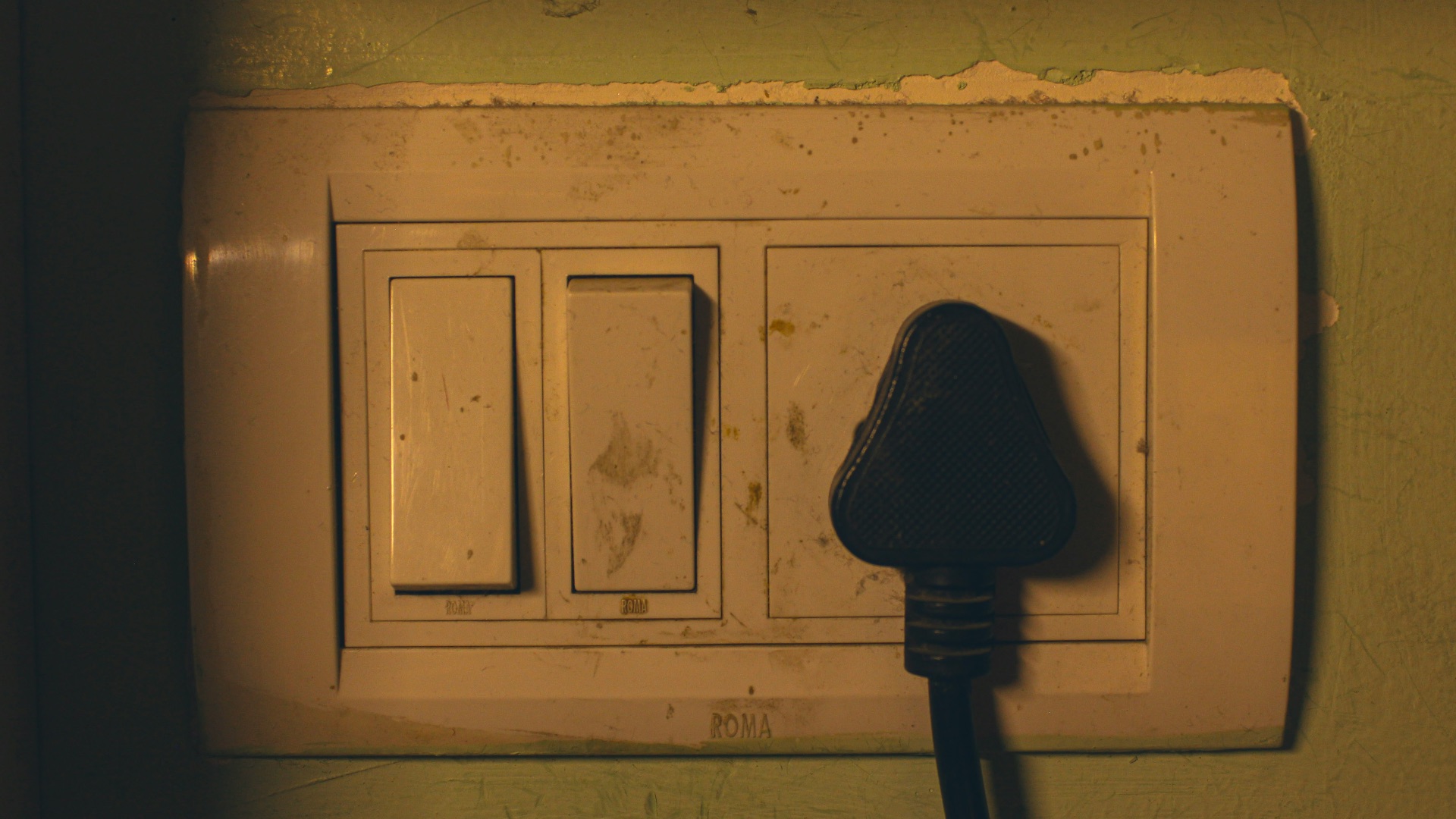
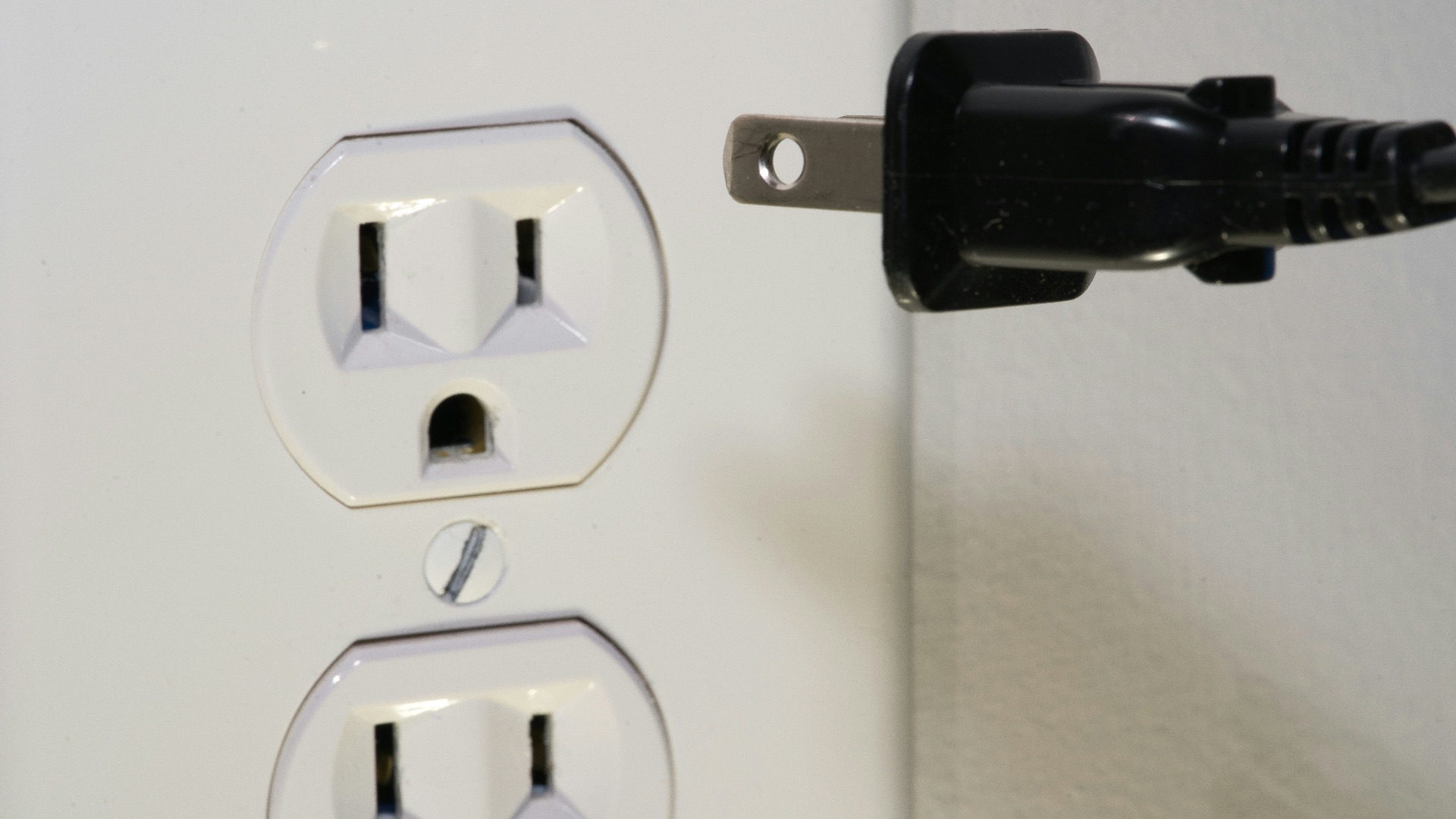
When the power eventually comes back on, it often returns with a surge that can fry your electronics if they're still plugged in. Televisions, computers, and gaming consoles are particularly vulnerable to power spikes, and the damage may not be covered by your home insurance. Before the outage ends, unplug sensitive devices and leave just one lamp plugged in so you'll know when power has been restored.
6. Ignoring Food Safety Guidelines
It's tempting to play it by ear when it comes to your groceries, but eating food that's been sitting at unsafe temperatures is how people end up sick. The USDA recommends discarding any perishable food that's been above 40°F for more than two hours. When in doubt, throw it out; a stomach illness on top of a power outage is the last thing you want to deal with.

7. Using Your Phone as Your Primary Light Source
Your phone's flashlight is convenient, but burning through your battery on it means you could be left without a communication device when you need one most. Screen brightness drains a phone battery faster than almost anything else, and that's a real problem if the outage stretches into the next day. Keep a dedicated flashlight or a set of battery-powered lanterns on hand so your phone battery is reserved for calls and emergency alerts.

8. Assuming the Outage Will Be Short
Most people expect the lights to come back on within an hour and don't take any precautions, which is fine, until the outage stretches into the next morning. Treating every outage as though it could last 72 hours encourages you to be more thoughtful about water storage, food preservation, and heat or cooling strategies right from the start. A little extra caution early on is far easier to undo than scrambling to catch up once you realize things are more serious than expected.

9. Using Outdoor Grills Inside
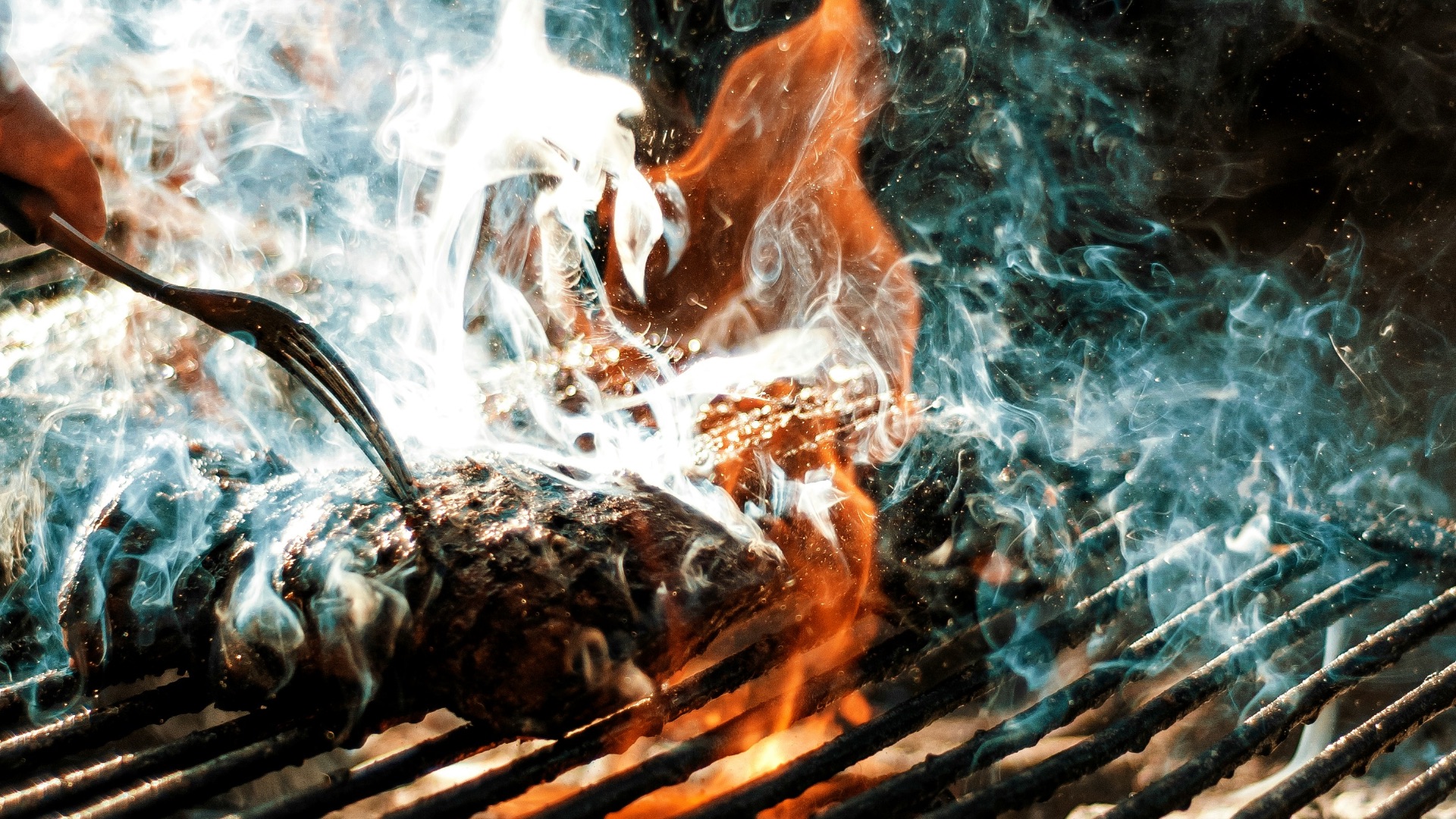
Charcoal and propane grills are another carbon monoxide risk that people sometimes overlook in the scramble to cook a meal. Even with a window cracked open, grilling indoors can raise carbon monoxide levels to dangerous concentrations in a matter of minutes. Both types of grills should be used exclusively outdoors, well away from any entry points to your home.
10. Failing to Check on Vulnerable Neighbors
During extended outages, elderly neighbors, people with medical equipment that requires electricity, and families with young children can be at serious risk. It's easy to get caught up in managing your own household, but a quick knock on a neighbor's door or a phone call can make a significant difference for someone who's struggling. Communities generally do better in emergencies when people look out for each other, and this is one of the simplest ways to help.
Now that you know what to avoid when the power goes out, let's make sure you're actually ready before it happens. A little preparation goes a long way, and these 10 steps will put you in a much better position the next time you're without any lights.

1. Build an Emergency Kit
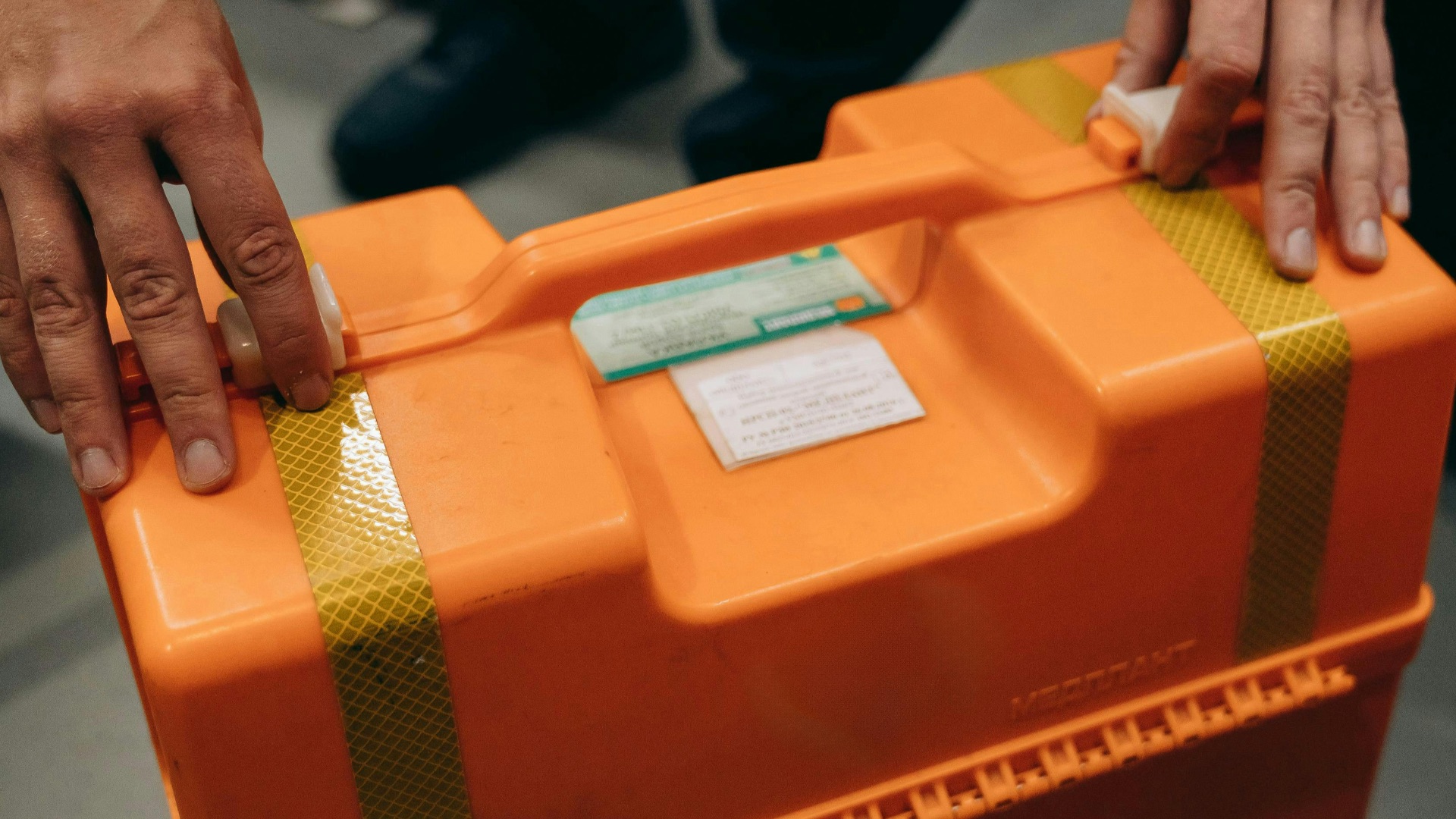
An emergency kit doesn't have to be elaborate, but it should cover the basics: flashlights, extra batteries, a first aid kit, bottled water, non-perishable food, and a battery-powered or hand-crank radio. FEMA recommends having enough supplies to last at least 72 hours per person in your household. Putting it together now means you won't be scrambling in the dark to find what you need when an outage actually strikes.
2. Invest in a Quality Battery Bank or Power Station
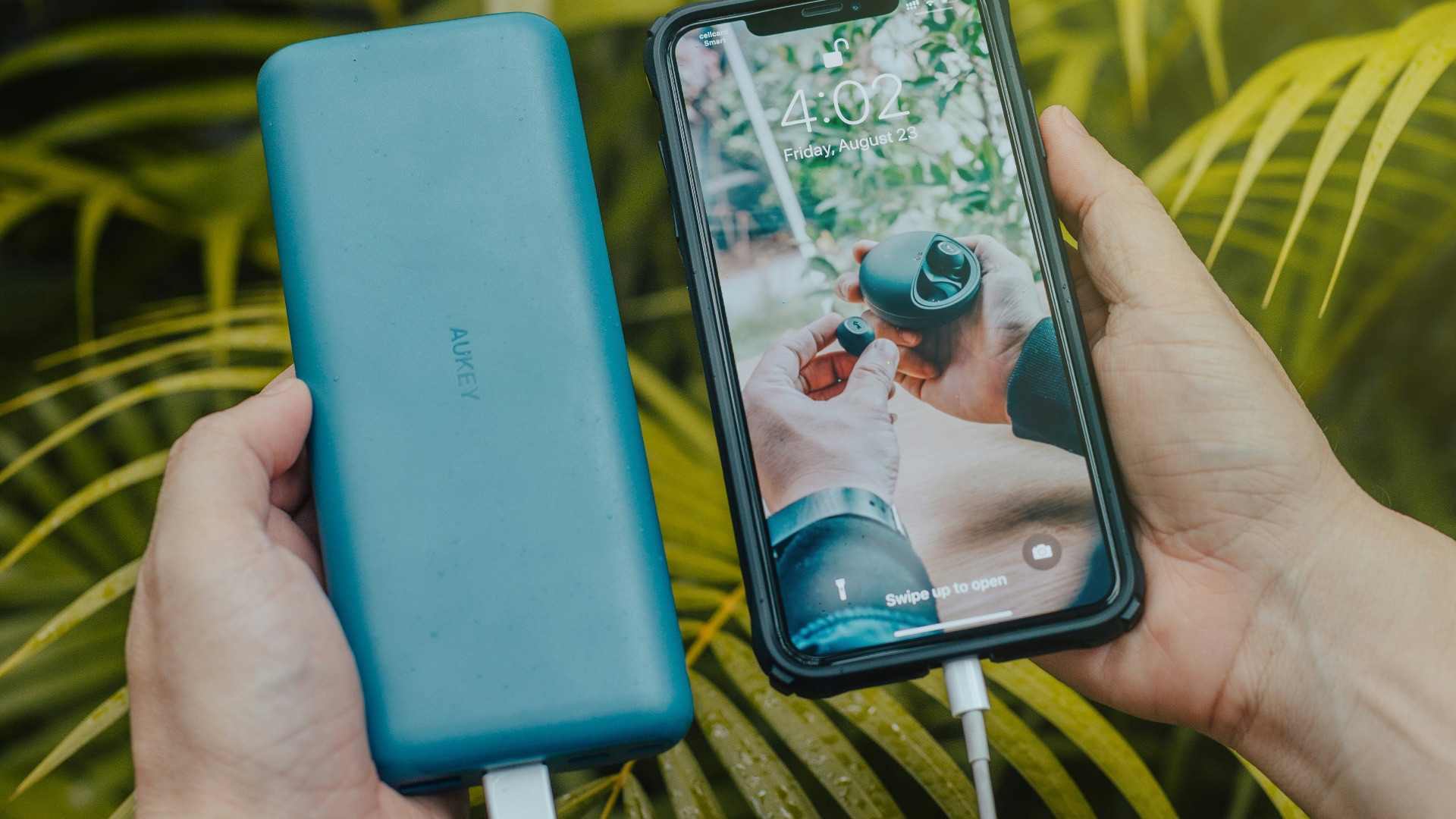
Portable battery banks and larger solar-powered stations have become increasingly affordable and are worth every penny when the grid goes down. A high-capacity power station can charge phones, run a fan, and even power a CPAP machine for a few days, depending on the model. Look for one with multiple output options, including USB-A, USB-C, and AC outlets, to cover all your bases.
3. Keep Your Car's Gas Tank at Least Half Full
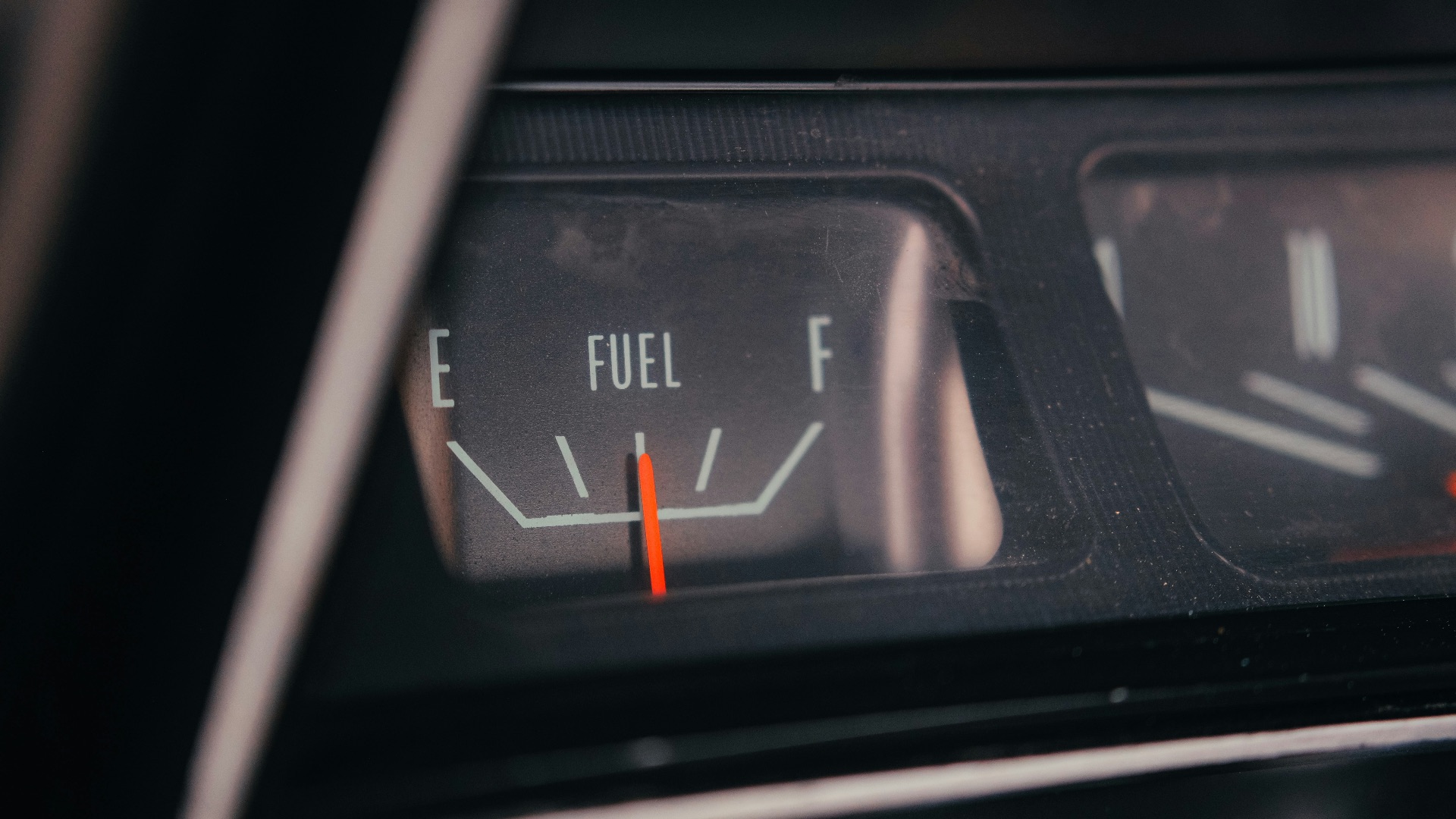
It's a habit that's easy to ignore during normal life, but gas stations rely on electricity to pump fuel, which means lines get long fast during an outage. Keeping your tank above the halfway point at all times ensures you have transportation and a potential power source through your car charger if things get extended. This is especially important if you live in an area prone to hurricanes, ice storms, or other weather events that tend to knock out power for days at a time.
4. Stock Up on the Right Kind of Food
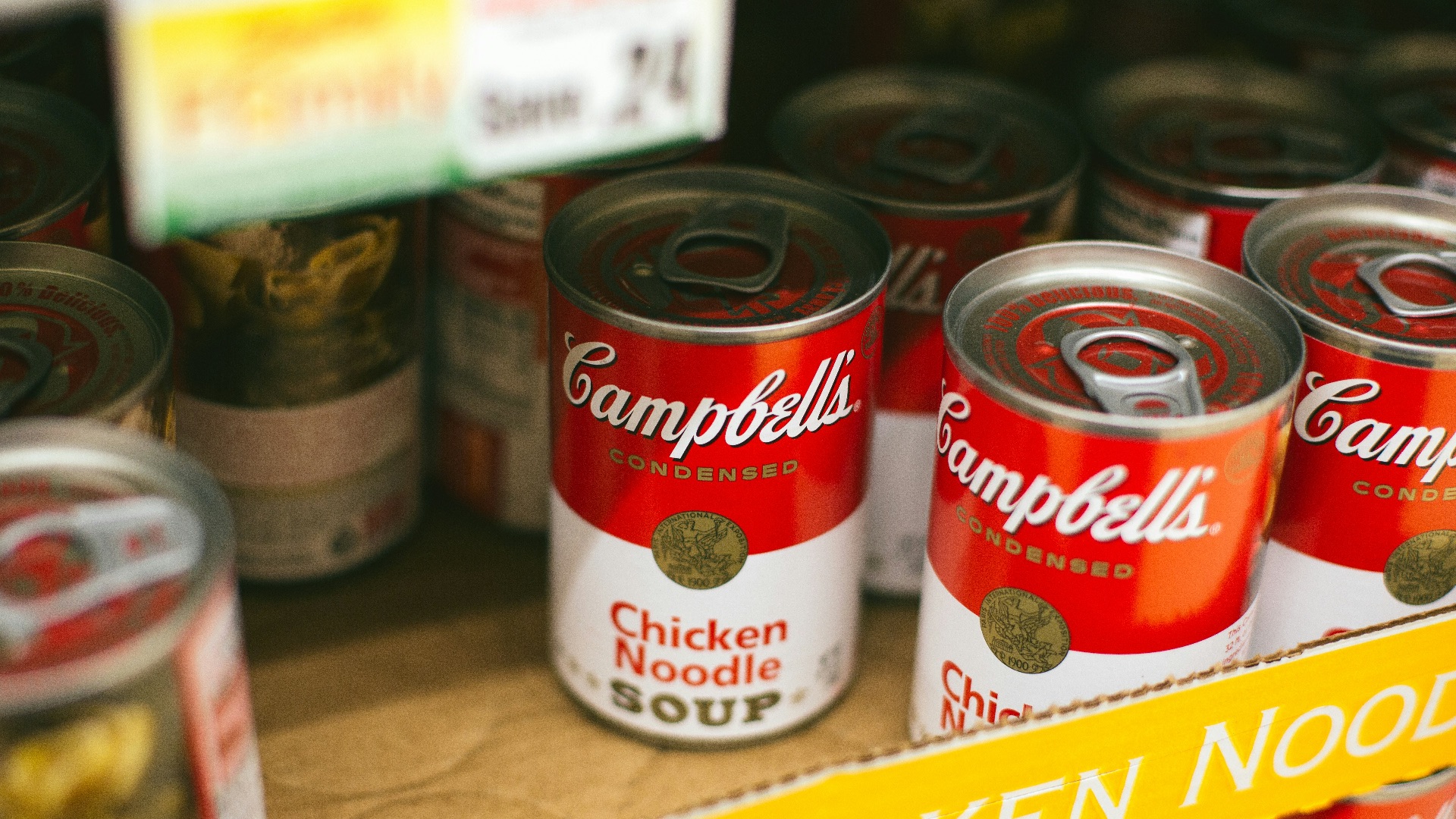
The best outage pantry is stocked with items that don't require cooking, refrigeration, or much preparation at all. Think canned beans, peanut butter, crackers, dried fruit, nuts, and shelf-stable protein bars that can carry you through a few days without much effort. Don't forget a manual can opener, because it's the kind of thing that's painfully obvious to need and surprisingly easy to forget.
5. Know Where Your Flashlights Actually Are
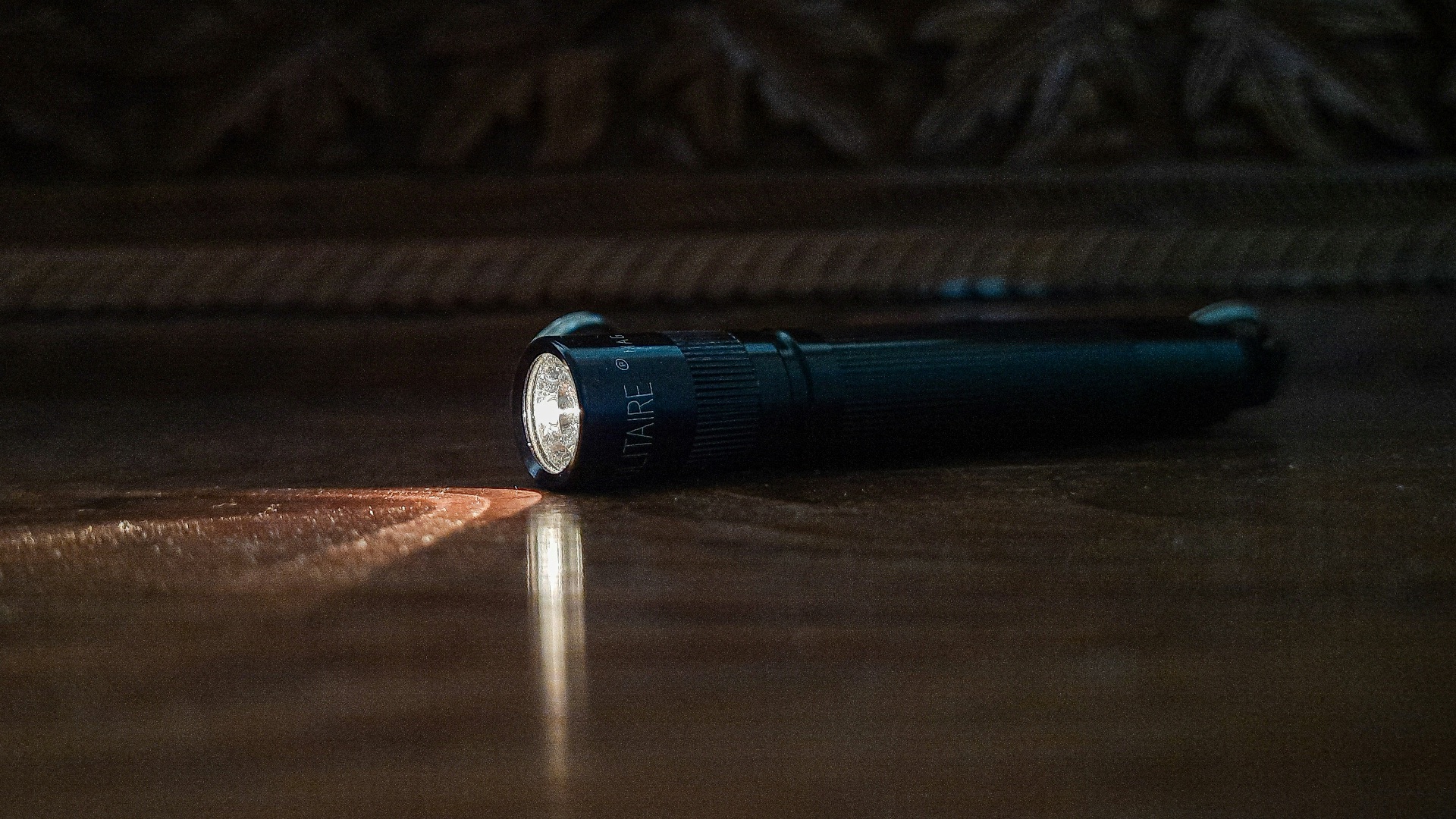
This sounds obvious, but many people have flashlights buried somewhere in a junk drawer and have no idea if the batteries still work. Do a quick check every six months or so to make sure your flashlights are in a known, accessible location and that the batteries haven't corroded or died. Headlamps are an especially practical option because they free up your hands, which is useful whether you're cooking by lantern or checking on the circuit breaker.
6. Have a Plan for Medications That Need Refrigeration
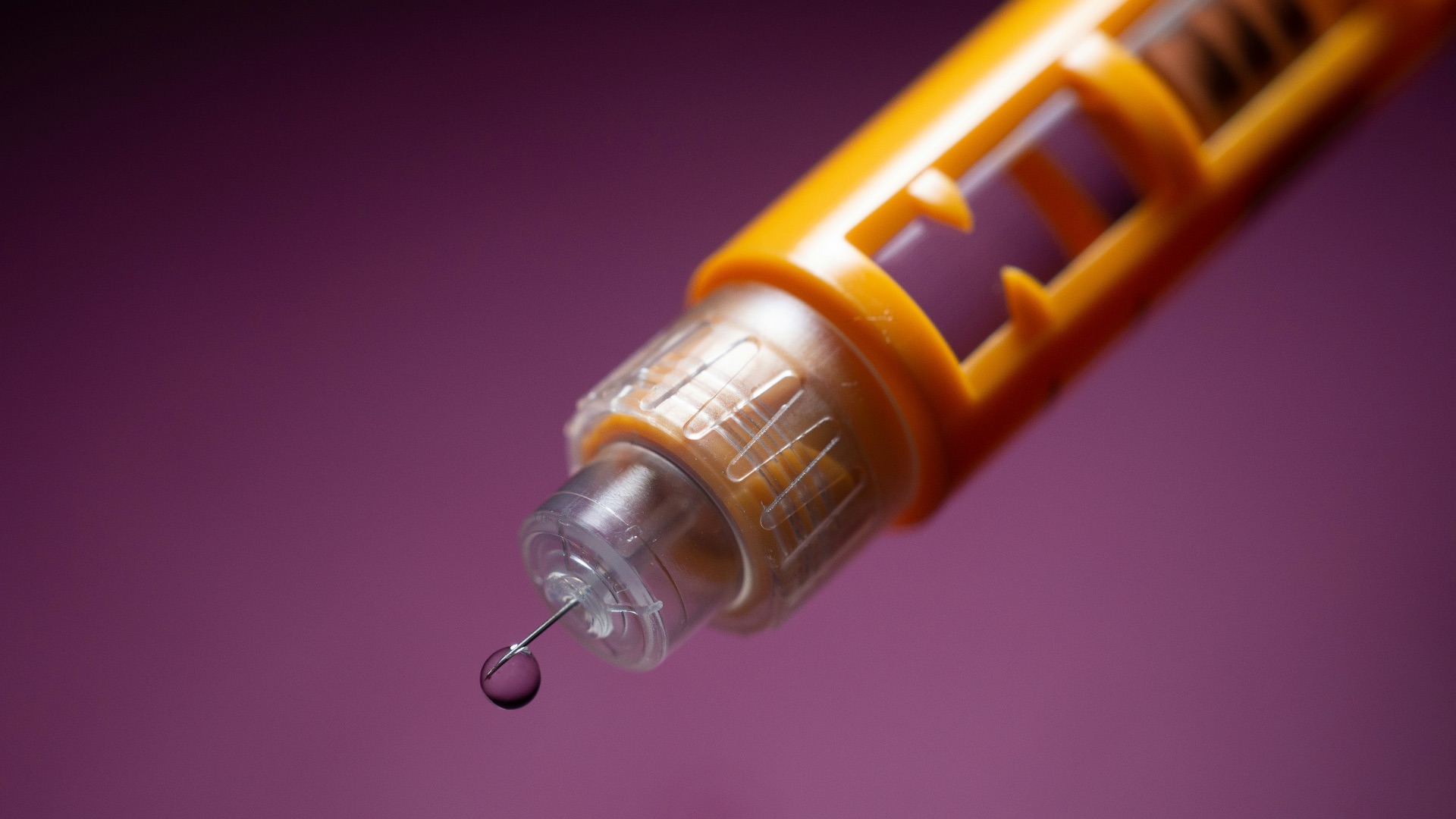
If anyone in your household takes insulin or other medications that require refrigeration, an outage can become a medical emergency very quickly. Talk to your doctor or pharmacist in advance about how long those medications can safely remain at room temperature and what your options are if the outage extends beyond that window. Having an insulated cooler and knowing where the nearest pharmacy or hospital generator is located could be critical information in that situation.
7. Download Offline Maps and Emergency Apps
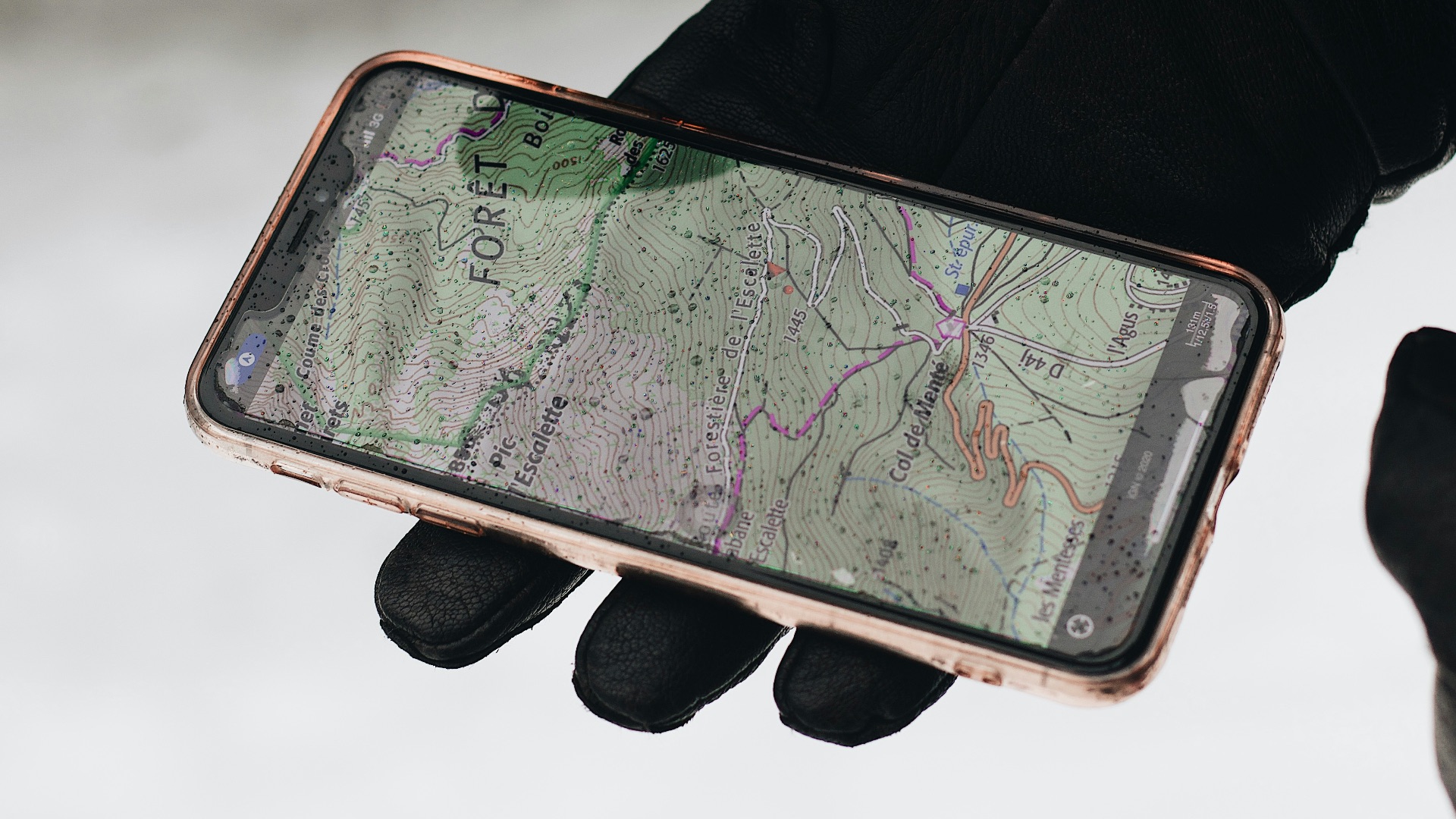
Cell towers can get overwhelmed or go down during widespread outages, so it's smart to have resources available that don't require an internet connection. Apps like Google Maps allow you to download specific regions for offline use, and apps like the American Red Cross's Emergency app offer safety tips and shelter locations that can be accessed without Wi-Fi. Taking 10 minutes beforehand to download and test these tools means you'll actually be able to use them when you need them most.
8. Identify a Safe Warming or Cooling Location Nearby
Extreme heat and extreme cold are the conditions that turn a power outage from an inconvenience into a health crisis, so it's important to know where you can go if your home becomes unsafe. Libraries, community centers, shopping malls, and emergency warming or cooling centers are often made available during extended outages, particularly in areas with harsh weather. Having that information on hand before an emergency means you can make the call to leave quickly and safely rather than waiting until the situation becomes critical.

9. Consider a Whole-Home Surge Protector
Individual surge protector power strips are helpful, but a whole-home surge protector installed at your electrical panel offers a more comprehensive layer of protection for every device in your house. Electricians can install them relatively affordably, and they're designed to absorb voltage spikes that occur when power is restored after an outage. It's a one-time investment that can protect thousands of dollars' worth of appliances and electronics over the life of your home.
10. Review Your Insurance Coverage
Many homeowners and renters don't realize their standard insurance policies may not cover food spoilage from a power outage or damage caused by a power surge. Review your policy before an outage occurs so you know exactly what is and isn't covered, and consider adding riders or endorsements if the gaps are significant. Taking the time to understand your coverage now means there won't be any unpleasant surprises when you're already dealing with the stress of an emergency.