20 Midwest Manners People Don’t Appreciate Until They Move Away
Missing The Small Stuff
Midwest manners are just manners if you grew up around them. In towns outside Des Moines, on blocks in Milwaukee, and at folding tables in church basements from Ohio to Minnesota, a lot of consideration shows up without much announcement. People hold doors, check on parents, wave at stop signs, and send food home in containers nobody expects to get back. These are the Midwest manners people often notice only after they move away.
1. Never Showing Up Empty-Handed
In many Midwestern homes, arriving with something to share still feels like basic guest behavior. The point isn’t to impress anyone; it's just considerate to do so as a guest.
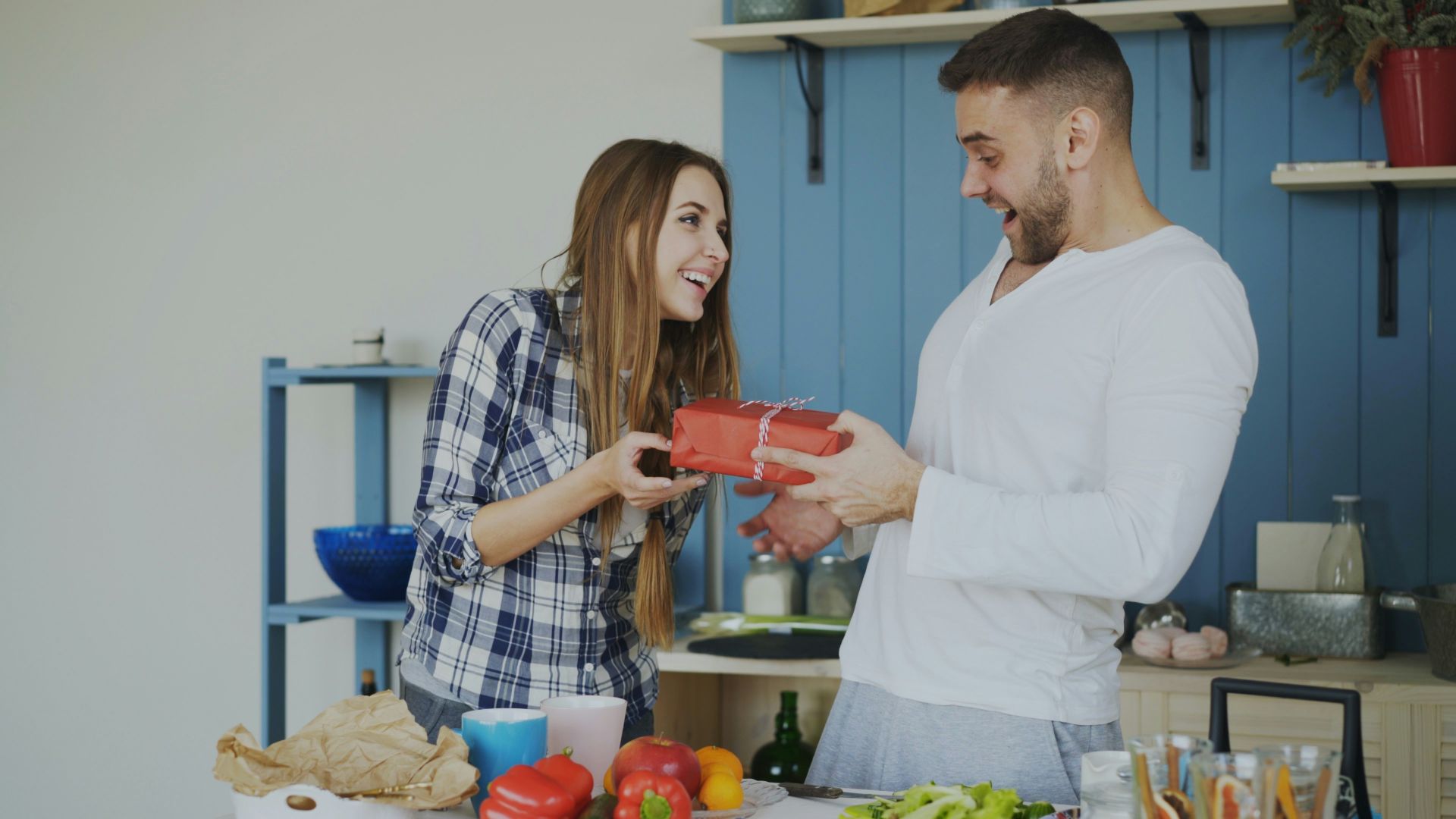
2. Saying Sorry Before Anyone’s Upset
The fast apology is a familiar Midwestern reflex, especially in tight grocery aisles and crowded school gyms. Someone reaches for the same box of cereal, and both people say sorry before either one has done anything worth discussing.

3. Slipping in an Ope
“Ope” gets tied to Midwestern speech for a reason, though people say similar little sounds in plenty of other places. In Wisconsin, Michigan, Iowa, and Minnesota, it often pops out before someone scoots past you, drops a receipt, or bumps a shopping cart wheel.
 Dominic Kurniawan Suryaputra on Unsplash
4. Holding the Door a Little Too Long
Door-holding can stretch past what physics and common sense require. Someone will stand there at a gas station in rural Illinois while you do that awkward half-jog from the parking lot, because letting the door close feels worse somehow. It’s a small courtesy, and yes, it can turn into mild cardio.
5. Letting the Goodbye Take Forever
The Midwest goodbye has earned its reputation because leaving can involve several unofficial stops. There’s the living room pause, the kitchen pause, the doorway pause, and the wave from the driveway while someone’s car is already running. It can feel excessive until you move somewhere where folks give a quick wave halfway out the door.

6. Downplaying Every Compliment
Compliment someone’s jacket, and you may get the full discount history before they say thank you. They’ll mention Kohl’s cash, a clearance rack in 2018, or a cousin who didn’t want it anymore. The habit can be funny, but it also keeps praise from turning stiff or showy.
 Antoni Shkraba Studio on Pexels
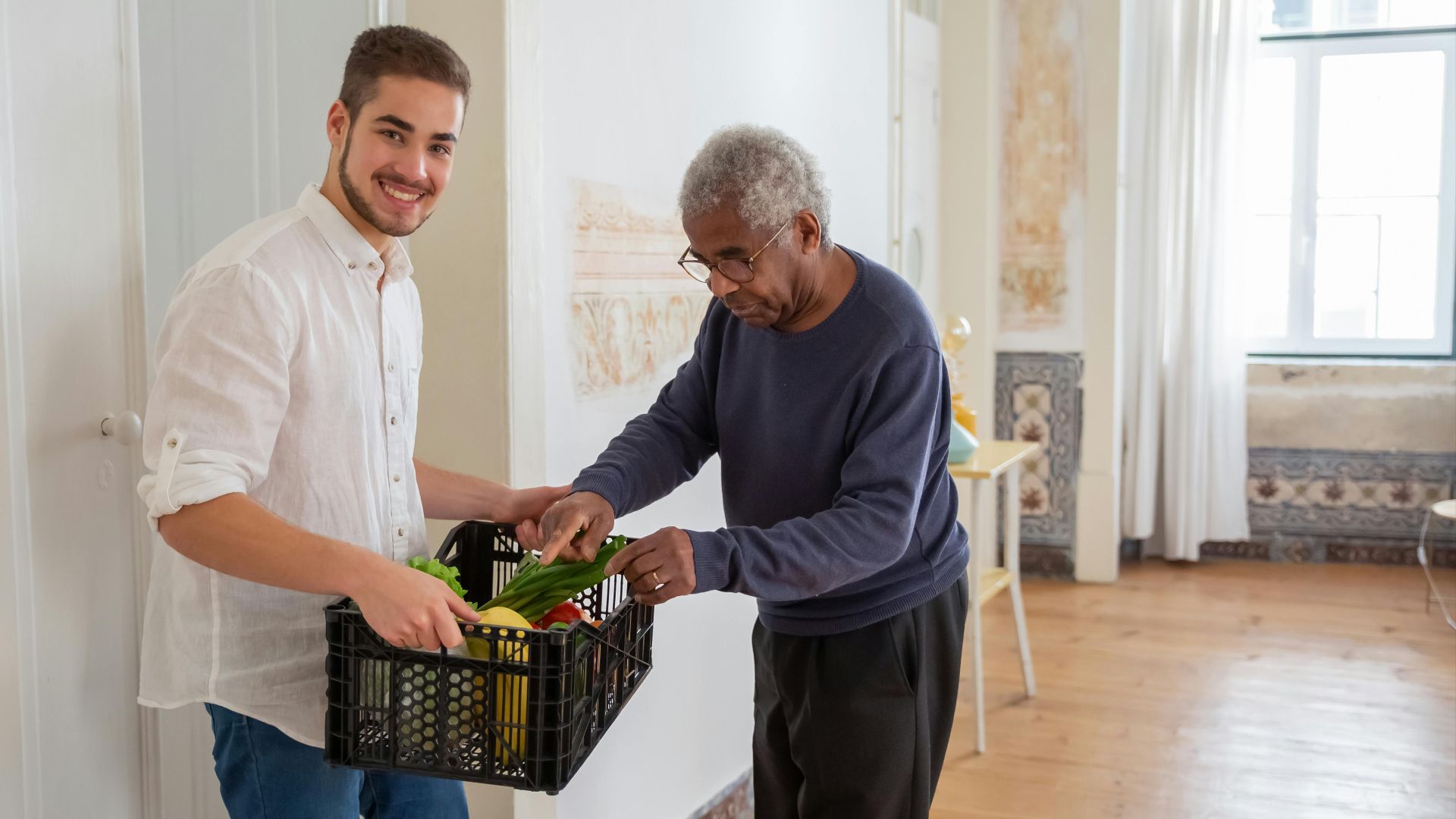
7. Helping Before There’s a Formal Request
A stuck car in a snowbank quickly draws attention in a lot of Midwestern neighborhoods. Someone may pull over with jumper cables, a shovel, or the very serious expression of a person who owns both and has been waiting for this moment. The help usually comes with no big speech afterward. It's just neighborly.

8. The Weather Talk
Weather talk gets mocked, but that doesn't stop us from engaging in it. A comment about lake-effect snow in Michigan or tornado sirens in Iowa can lead to a longer chat without forcing anyone to get too personal too fast. Sometimes small talk is just how people warm up.
9. Saying You Bet Like They Mean It
“You bet” has a warmer feel than a plain yes. It makes everyday cooperation feel easy instead of fussy.
10. Clearing Snow Past Your Own Sidewalk
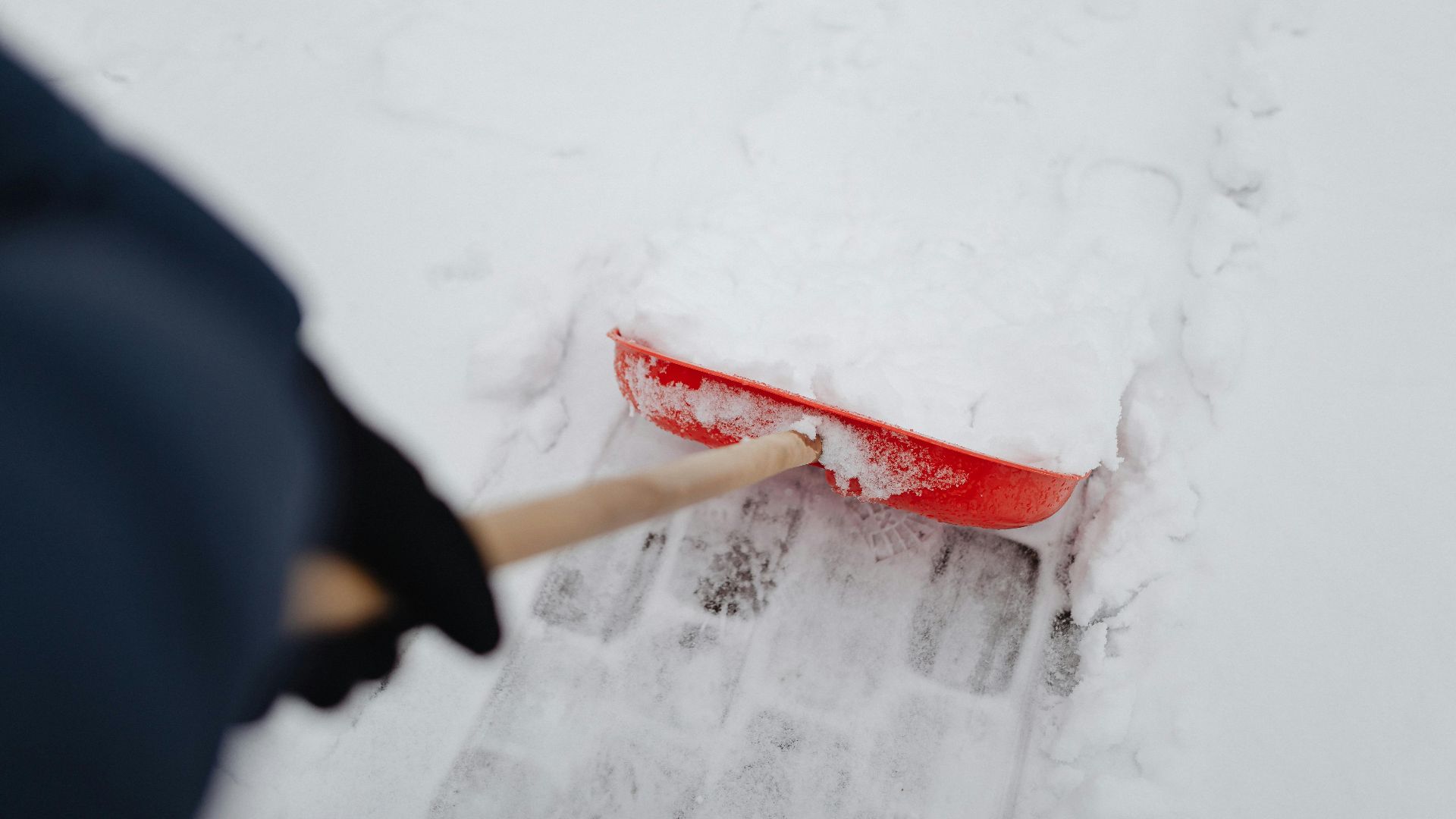
In snowy parts of the Midwest, shoveling extends beyond your property line. If someone already has the snowblower out at 7 a.m., they may clear the neighbor’s walk too, especially if that neighbor is older, traveling, or dealing with a rough week. There's no need for thanks, but that neighbor might bring cookies over later, anyway.
11. Bringing the Practical Dish
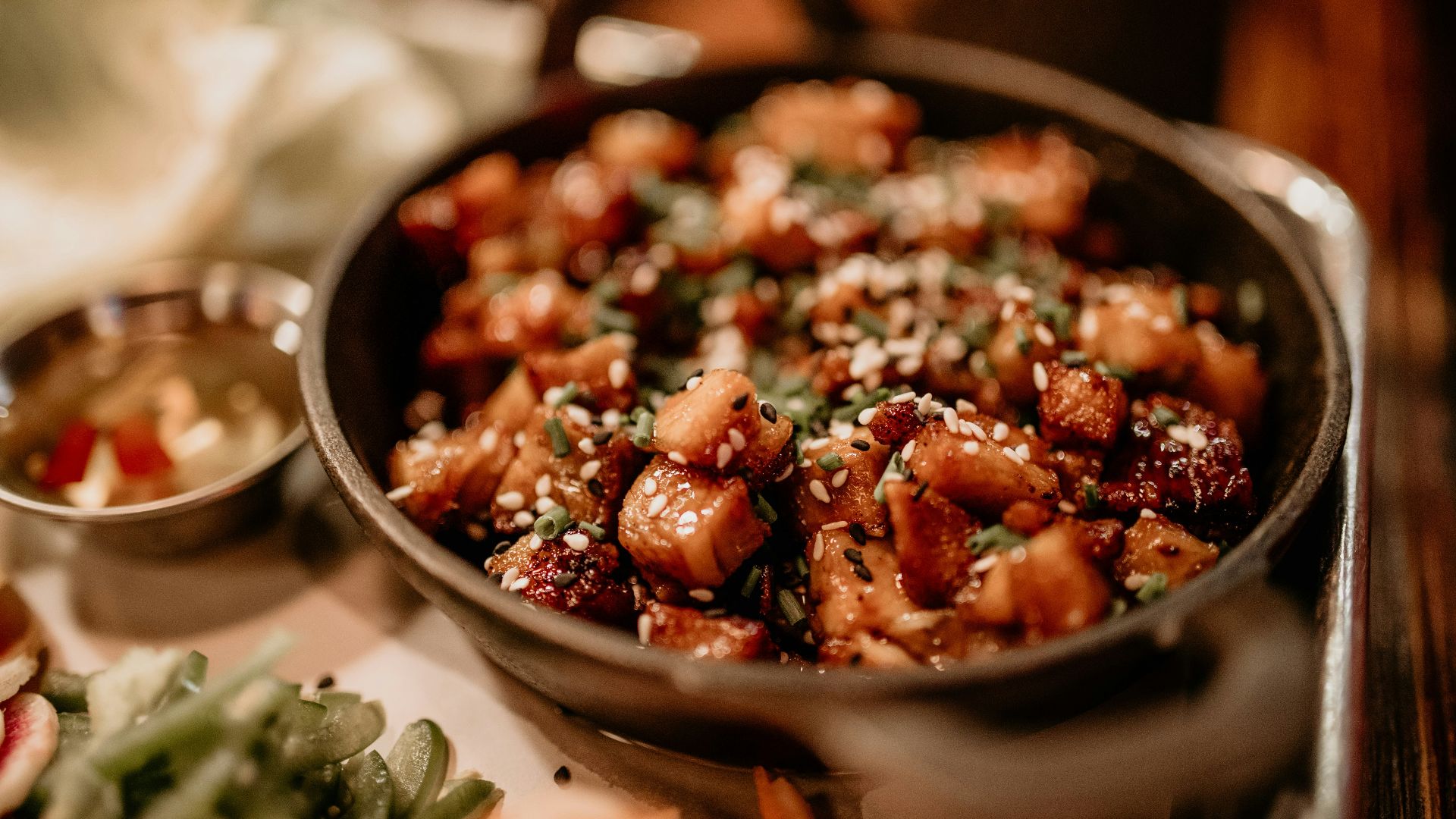
A good potluck dish has to survive a car ride, sit on a folding table, and feed more people than expected. In parts of the Upper Midwest, the hotdish does the job, especially at winter gatherings, church suppers, and family birthdays. It’s not fancy, and it doesn’t need to be.
12. Waving at Four-Way Stops
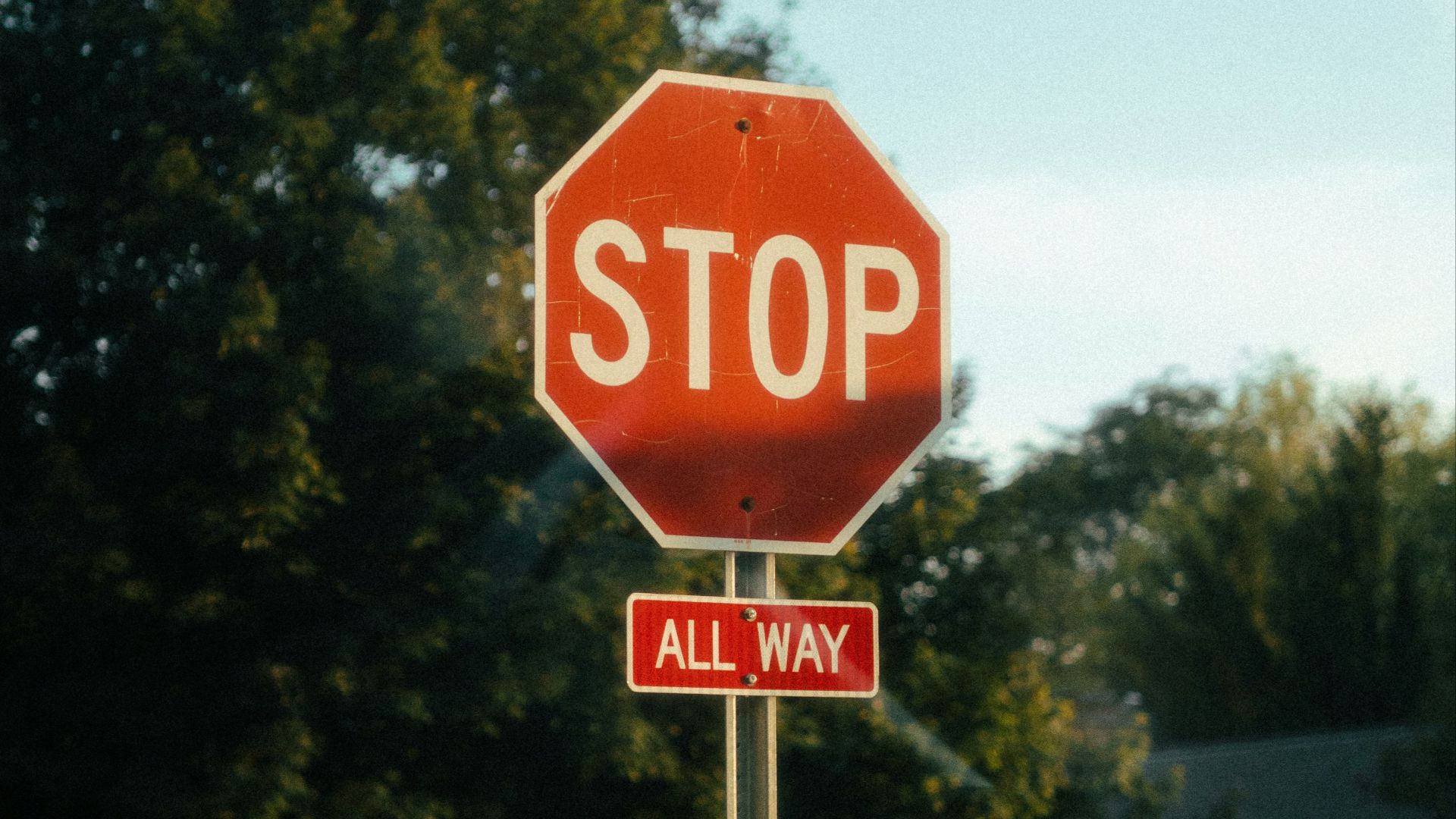
Four-way stops can turn into little politeness negotiations. You'll often see two drivers wave each other through, pause, wave again, and then creep forward with visible regret. It’s inefficient, but it's human.
13. Saying No Trouble at All
When someone helps you carry a table, watch your kid for 20 minutes, or jump your car battery, they may brush it off fast. “No trouble at all” doesn’t mean the favor took no effort. It means they don’t want you to feel like kindness comes with ulterior motives.
14. Sending Food Home
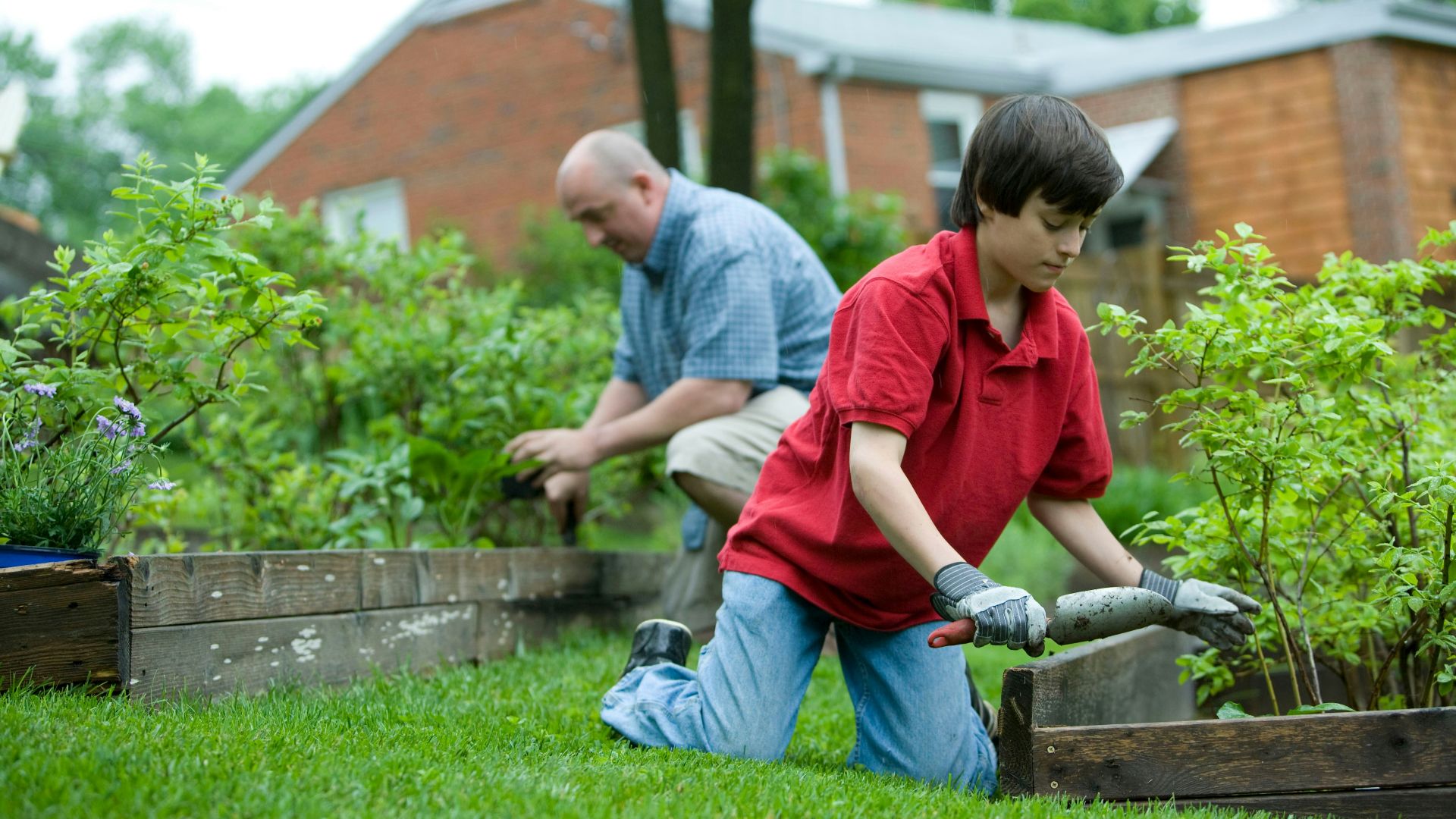
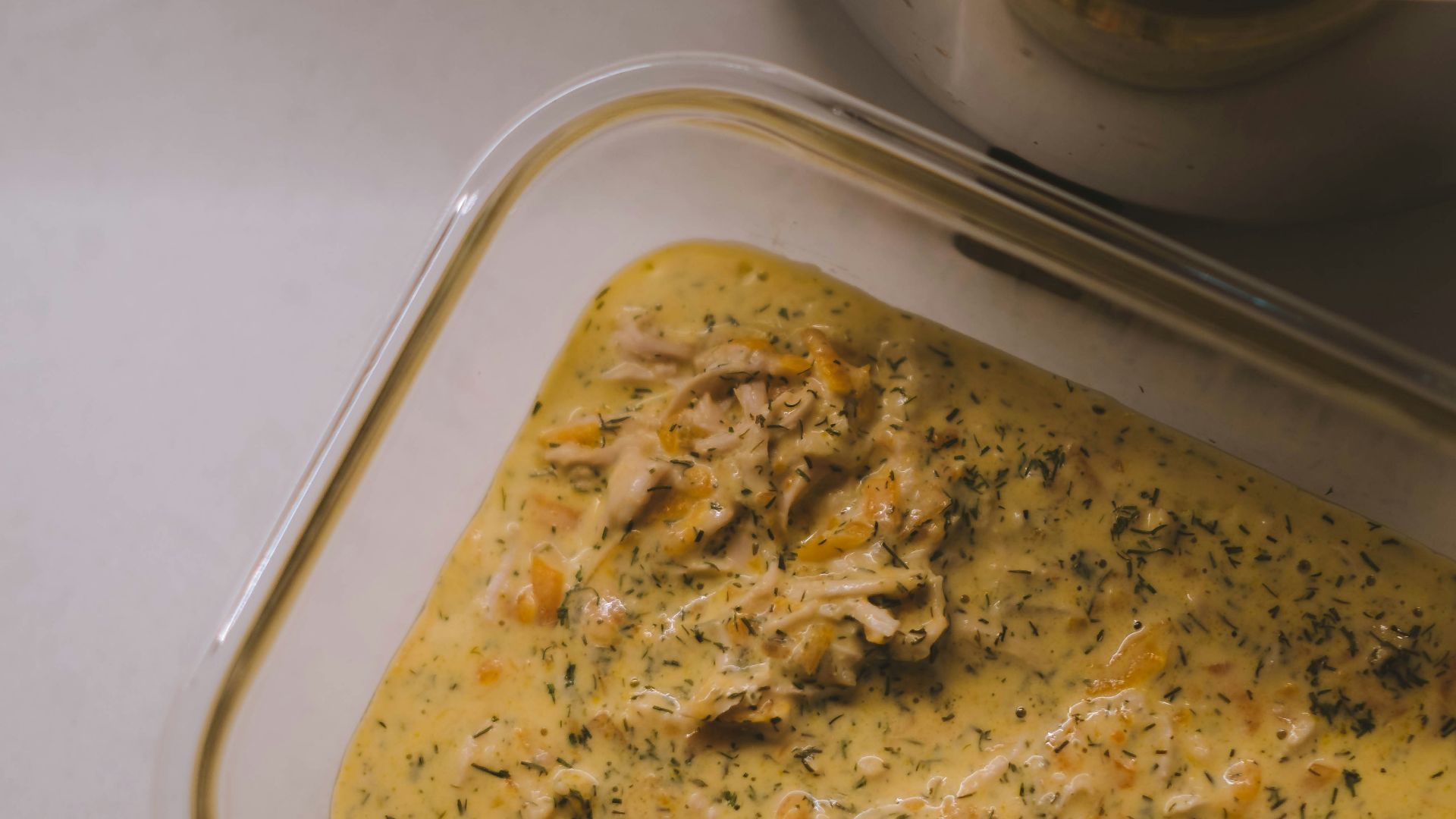
Leaving a family gathering without food is downright impossible. Someone’s already wrapping ham, scooping pasta salad into an old butter tub, or asking whether you want pie before you’ve found your coat. The container may or may not return, and everybody knows that going in.
15. Keeping Ranch Within Reach
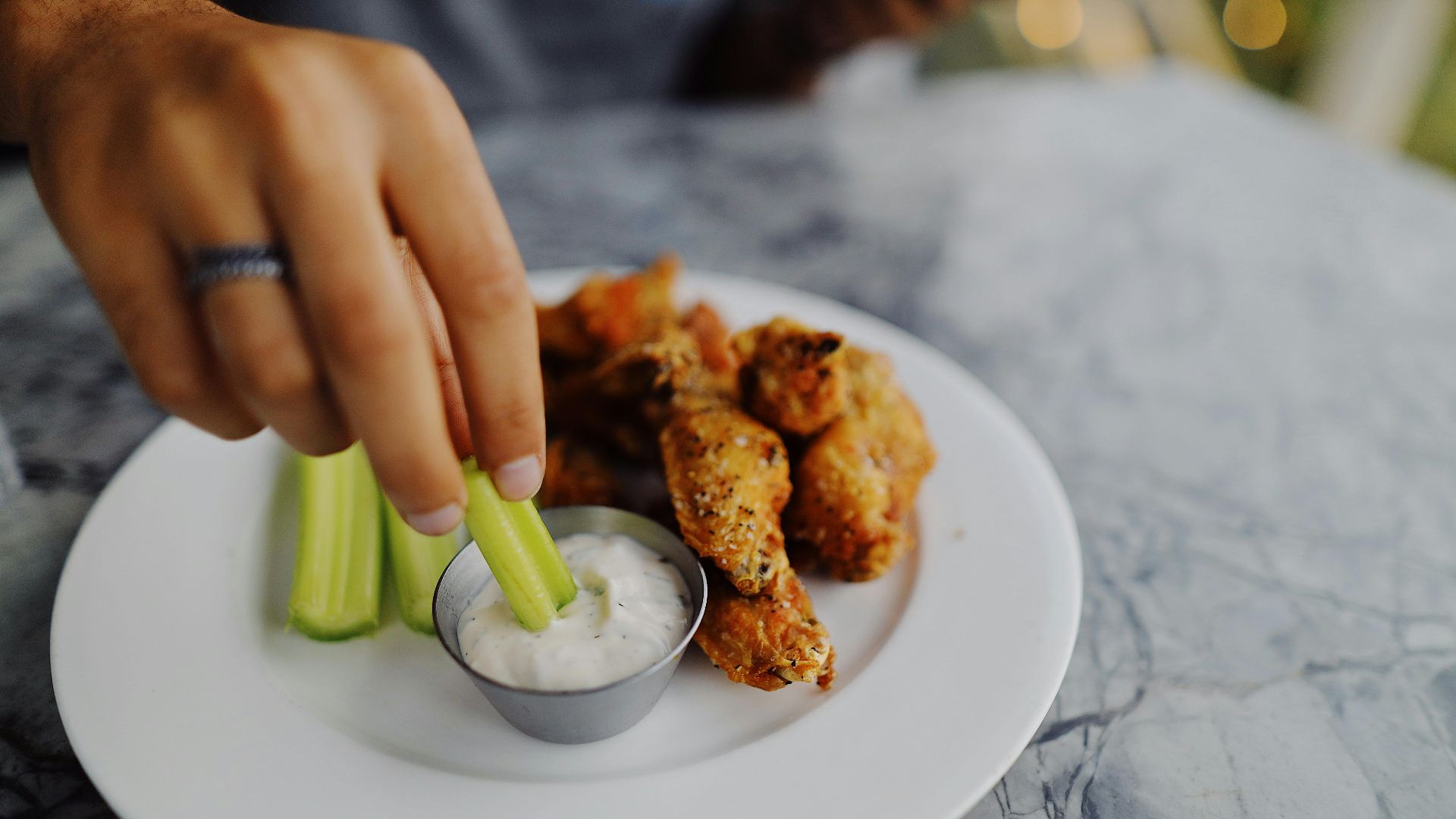
Ranch isn’t a Midwest-only thing, but it is a favored dressing. It shows up on pizza, fries, wings, raw vegetables, and Friday night takeout that people notice when it isn’t automatically around.
16. Dressing for the Weather First
Practical clothes matter in a region where you go through a few seasons in one day. Jeans, boots, flannels, fleece jackets, and parkas all have their moment. Looking put-together is nice, but staying warm and useful tends to win.

17. Softening Criticism
Midwestern feedback often arrives with padding. Someone might say “that’s interesting” when they’re unsure, concerned, or trying to process a decision. It can be hard to read at first, but it usually comes from a wish to avoid embarrassing anyone in public.

18. Treating the Library Like a Community Stop
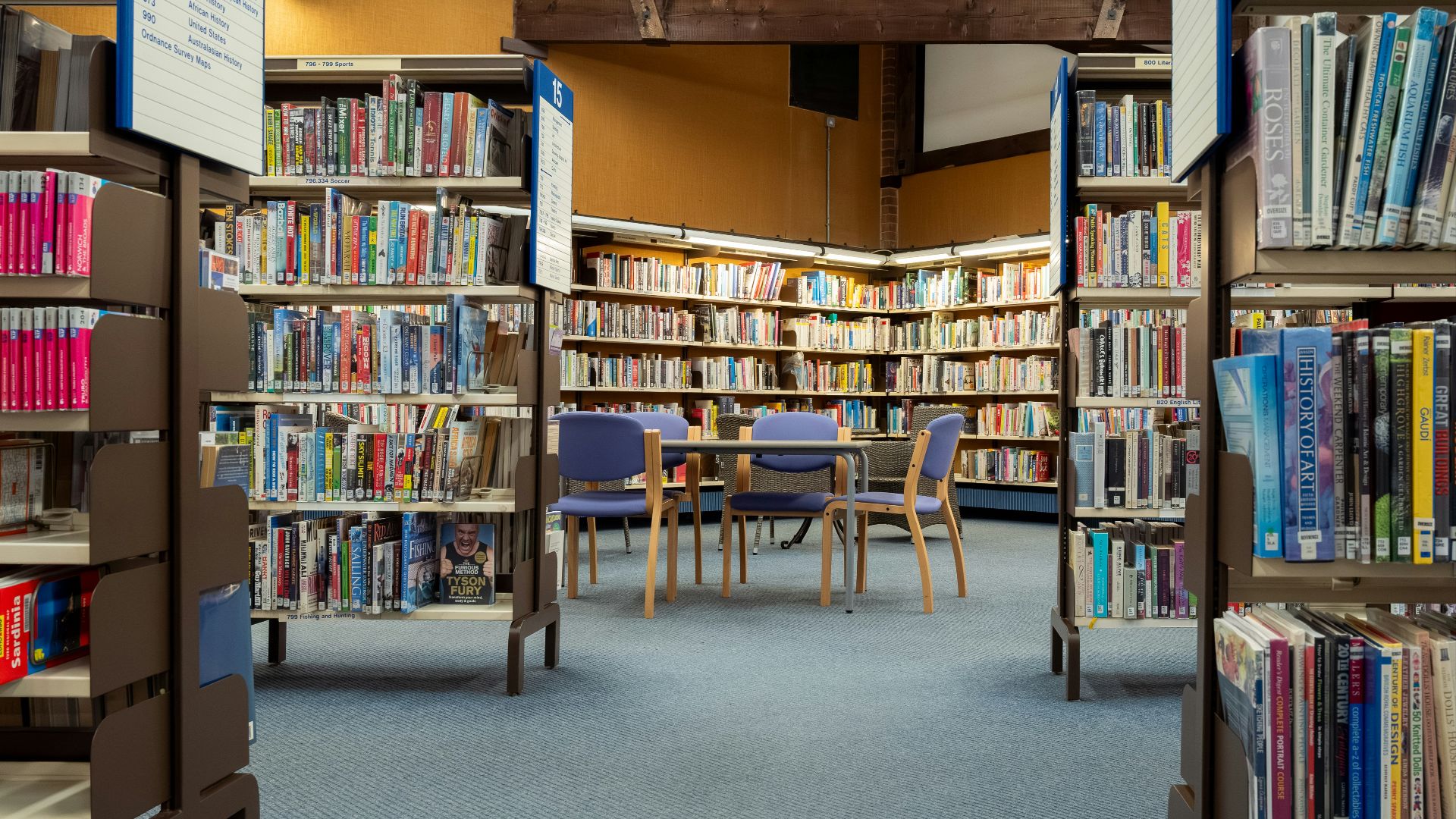
Libraries and book clubs give people a reason to gather without spending money. In smaller towns, the same building might host a toddler story hour, a mystery book club, a seed exchange, and a tax-help table in the same month. That community-oriented usefulness is easy to miss after you leave.
19. Asking About Your People
“How’s your mom?” can mean more than small talk. It means someone remembers your family, your old street, the surgery your dad had last fall, or the fact that your sister moved to St. Louis. That level of attention can feel nosy in the wrong hands, but it can also make a place feel deeply known.
20. Leaving Porch Treats Without a Fuss
Extra tomatoes in August, banana bread after a rough week, or cookies around Christmas can appear on a porch with no demand for praise. The gesture is quiet, practical, and over before anyone can make it awkward. Once you’ve lived somewhere more closed off, that everyday care can hit harder than expected.