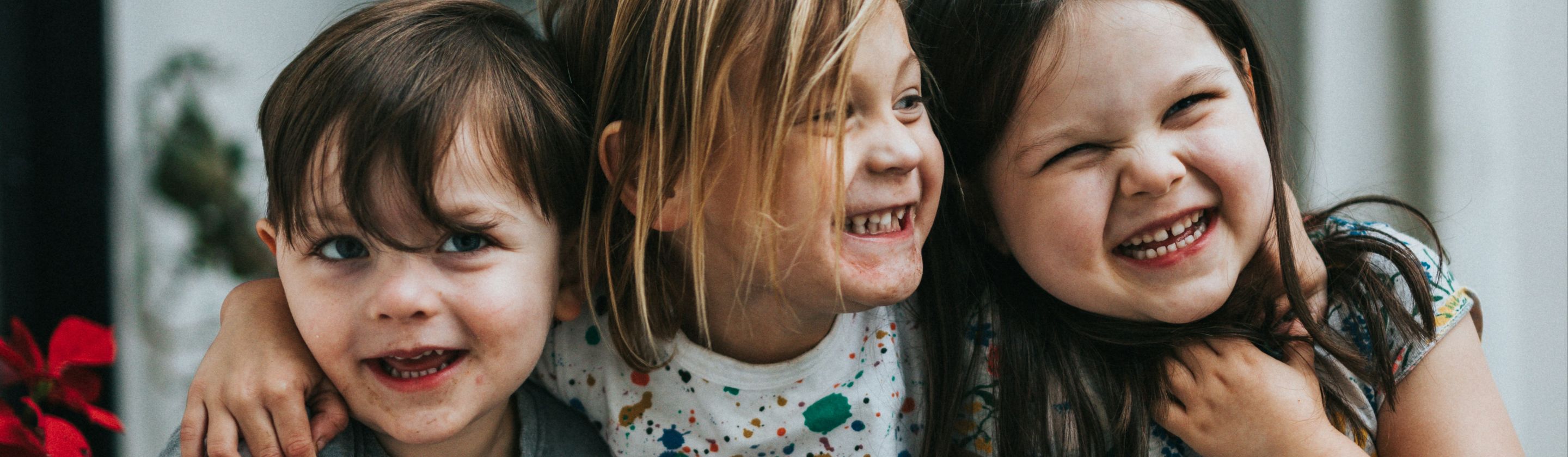
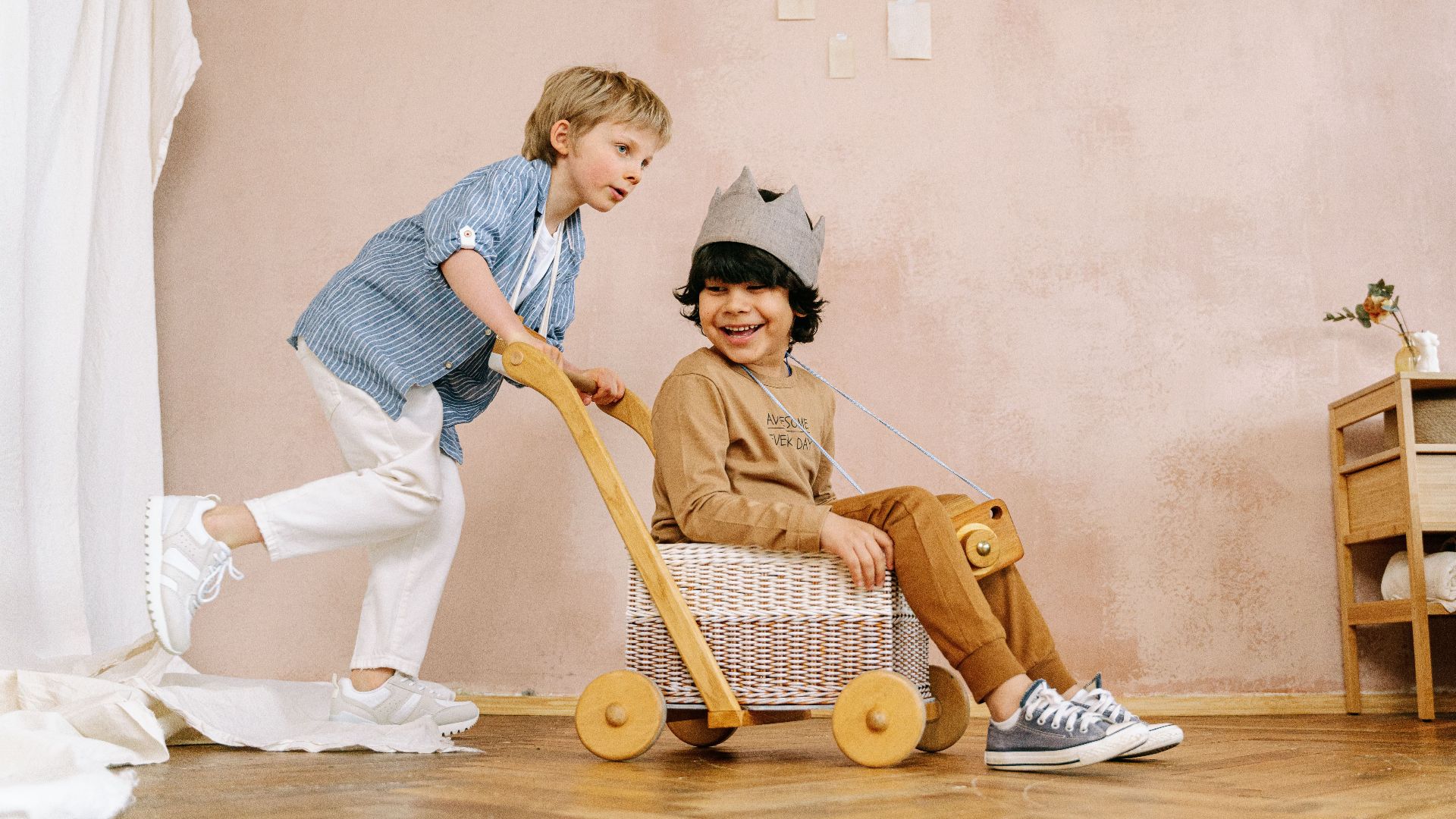
Children today often have packed schedules filled with organized sports, music lessons, tutoring, and carefully planned activities. While those experiences certainly have value, they can leave surprisingly little room for something just as important: unstructured play. Whether it's building a fort out of couch cushions, inventing games in the backyard, or turning a cardboard box into a spaceship, these moments give children opportunities that structured environments can't always provide.
Unstructured play doesn't require expensive toys or detailed instructions—and that's kind of the point. Instead, it allows children to follow their own ideas, solve problems on the fly, and simply enjoy being creative without worrying about rules or outcomes. Although it may look like they're "just playing," there's far more happening beneath the surface than many adults realize.
Creativity Thrives Without a Script
When children aren't given a specific goal, they're free to create one themselves. A handful of blocks can become a castle, a grocery store, or an entire city depending on where their imagination takes them. This kind of open-ended thinking encourages originality because there isn't a right or wrong answer waiting at the end.
Making up games also teaches children to adapt as situations change. If one idea doesn't work, they naturally come up with another without needing an adult to step in. That flexibility becomes a valuable life skill, helping them approach future challenges with curiosity rather than frustration.
You may notice that children often return to the same pretend scenarios again and again, but they rarely play them exactly the same way twice. Every new version introduces different characters, rules, or storylines that expand their creativity. Over time, this repeated experimentation helps build confidence in their own ideas and decision-making abilities.
Social Skills Develop Naturally
Unstructured play creates countless opportunities for children to practice working with others. Without adults organizing every activity, they have to negotiate rules, settle disagreements, and decide together what happens next. These interactions can sometimes be messy, but they're also incredibly valuable.
During free play, children learn how to listen to different opinions while expressing their own. They quickly discover that taking turns, compromising, and cooperating often lead to more enjoyable experiences for everyone involved. Those lessons tend to feel more meaningful because they're learned through real situations instead of formal instruction.
Conflict is another important part of the process. Small disagreements over toys, roles, or game rules give children a chance to practice resolving problems independently. While adults should step in when necessary, allowing children to work through minor conflicts can strengthen communication skills and emotional resilience.
Confidence Grows Through Independence
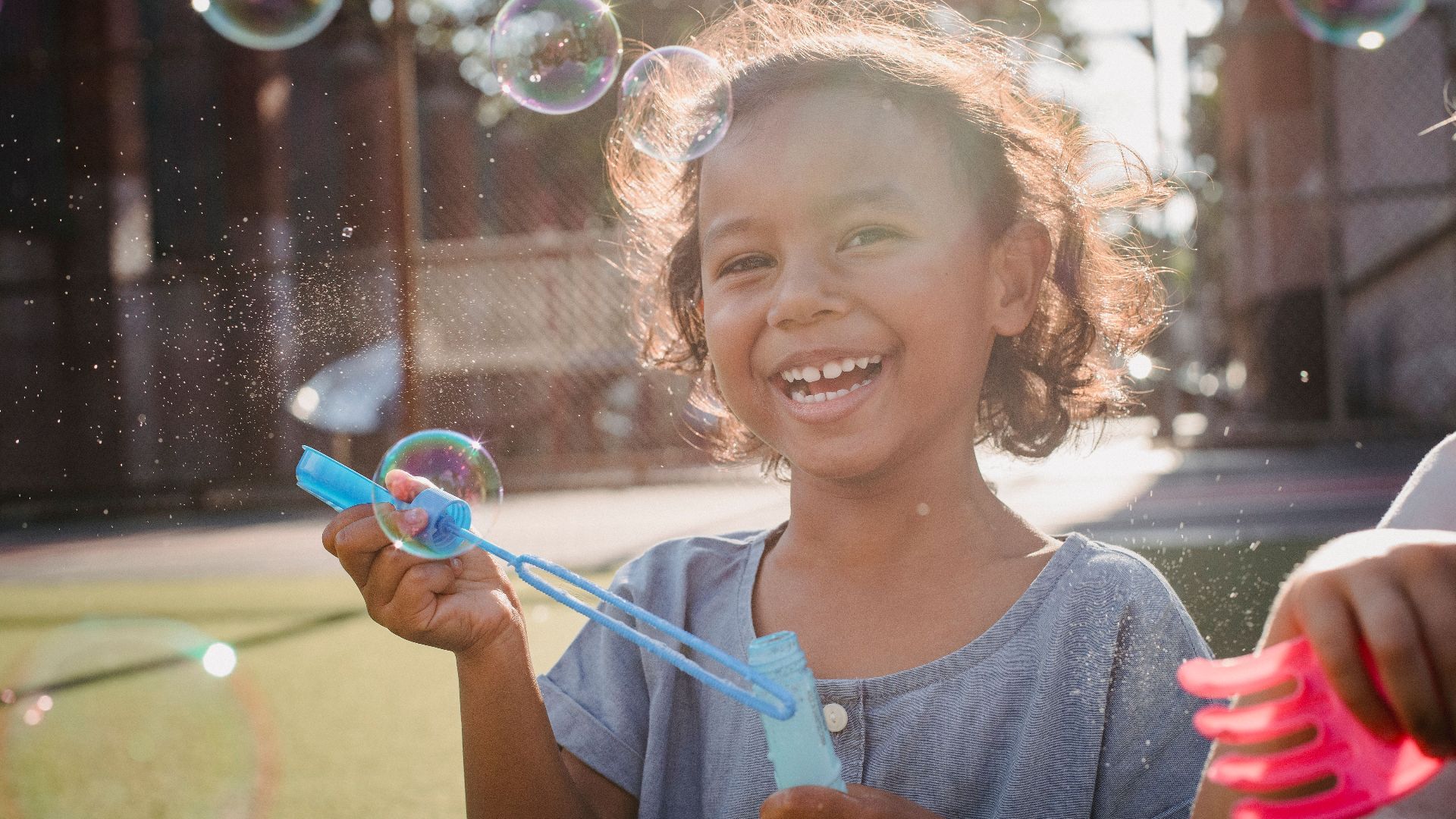
One of the greatest advantages of unstructured play is that children become comfortable making their own decisions. They choose what to build, which games to invent, and how to spend their time without constantly seeking approval. That growing sense of independence helps them trust their own judgment.
Free play also encourages healthy risk-taking in age-appropriate ways. A child might test whether a blanket fort can support another pillow or figure out a safer way to climb over playground equipment. These small experiments teach problem-solving while helping children better understand their own abilities and limits.
Perhaps most importantly, unstructured play gives children ownership over their successes and failures. When something works, they experience the satisfaction of solving the problem themselves. If a plan falls apart, they have the chance to adjust, try again, and discover that setbacks are simply part of learning.
Making Room for Unstructured Play Every Day
Finding time for unstructured play doesn't have to mean completely overhauling your family's schedule. In many cases, it's simply about leaving small pockets of the day unscheduled so children can decide how they want to spend them. Even 30 to 60 minutes without planned activities can give kids the freedom to explore, imagine, and entertain themselves.
It can also help to create an environment that encourages open-ended play without directing it. Simple items like building blocks, art supplies, costumes, or cardboard boxes often inspire far more creativity than toys with a single intended purpose. Once children have a few materials to work with, try resisting the urge to suggest ideas and let their imaginations take over.
You don't have to eliminate organized activities to enjoy the benefits of free play. Instead, think of unstructured play as an important balance that gives children time to slow down, experiment, and simply be kids. By making room for both structured learning and independent play, you're helping them build a wider range of skills while ensuring they have opportunities to enjoy childhood on their own terms.
A Simple Habit With Lasting Rewards
In a world where schedules seem to grow busier every year, protecting time for unstructured play may be one of the simplest ways to support healthy childhood development. It doesn't compete with organized activities so much as complement them by offering experiences that can't easily be replicated in structured settings. Giving children space to direct their own play helps nurture creativity, independence, and emotional growth all at once.
The benefits don't disappear when childhood ends, either. The confidence to solve problems, collaborate with others, and think creatively often carries into school, work, and everyday life. By allowing children the freedom to explore without constant direction, you're giving them room to develop skills that will continue serving them long after the toys have been put away.