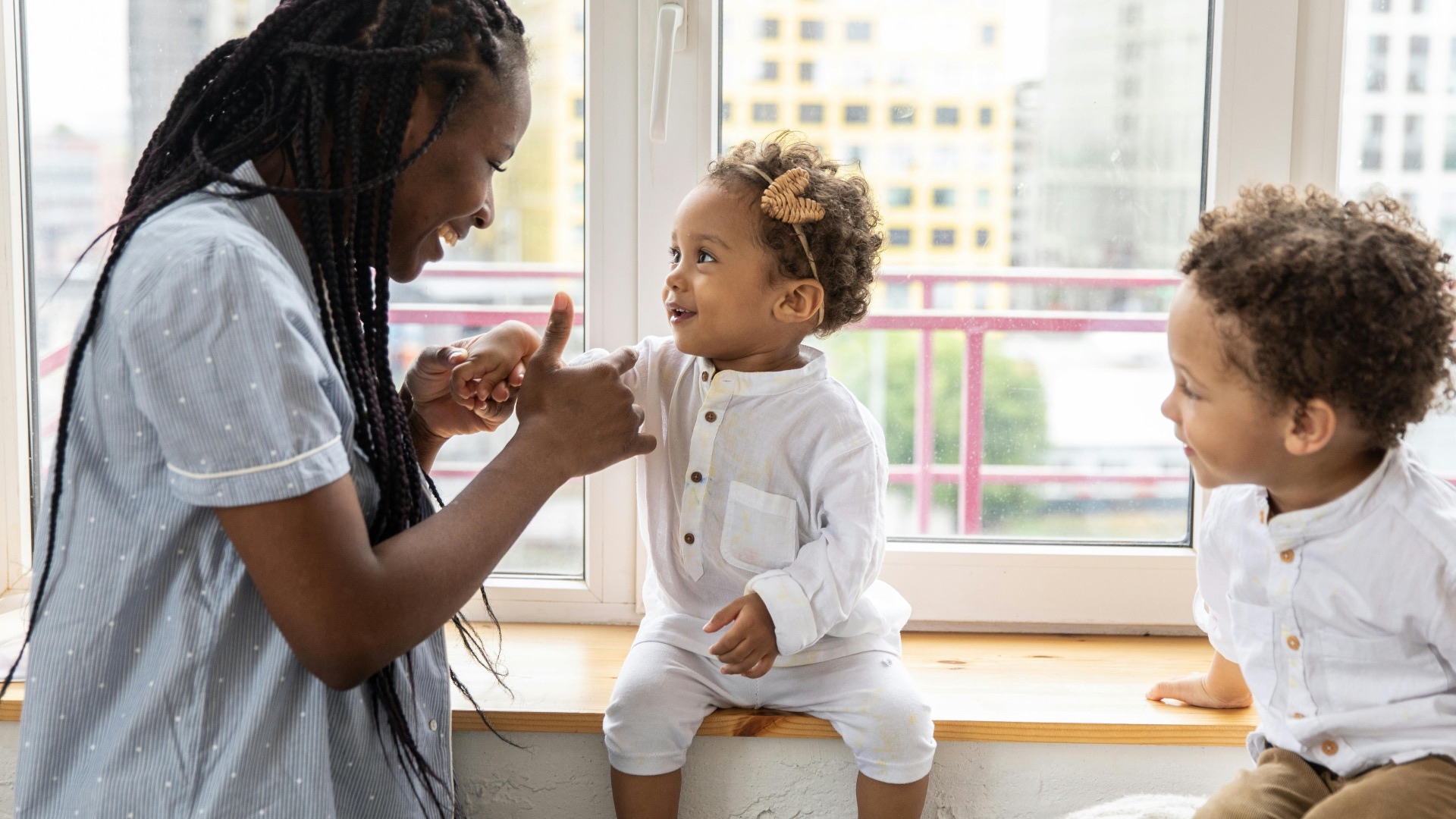
Birth order has fascinated psychologists and researchers for decades, and apart from the discussion around only children, the youngest child in a family tends to attract a particular kind of attention. They're often described as the fun-loving, carefree member of the family; the one who charmed their way through childhood while their older siblings paved the road ahead. Whether that reputation is deserved or simply a byproduct of family dynamics, it's worth taking a closer look at what it actually means to grow up as the baby of the family.
Of course, no birth position comes without its own set of trade-offs, and the youngest sibling's experience is far more layered than the easy stereotype suggests. They may enjoy certain advantages that their siblings didn't, but they also navigate challenges that are uniquely tied to their place in the family lineup. So, is it truly better to be the youngest? The answer, as with most things in family psychology, is complicated.
The Social and Personality Perks of Being Last
One of the most widely cited benefits of being the youngest sibling is the social ease that tends to come with the role. Youngest children often grow up around older siblings and adults, which means they're constantly adapting to conversations and social dynamics that are slightly beyond their developmental level. Research has suggested that this exposure can make youngest siblings more socially adept and comfortable in a wide range of settings, giving them a kind of interpersonal confidence that develops early.
There's also a strong case to be made for the creativity and humor that youngest children are often known for. Because they can't compete with older siblings on the basis of experience or physical strength, they tend to find other ways to gain attention and affection, and many of those strategies involve being funny, imaginative, or charming. Some studies on birth order and personality have found that youngest children are more likely to score higher on measures of agreeableness and openness to new experiences, traits that serve them well socially throughout life.
Youngest siblings also tend to benefit from a more relaxed parenting environment, which can foster a sense of independence and adventurousness. By the time the youngest child arrives, parents have usually eased up on the strict rules and anxious oversight that often accompany a first child, allowing the youngest more room to take risks and explore. This often means they're given a level of freedom that older siblings simply didn't have access to at the same age.
The Challenges That Come with the Territory
For all the perks, being the youngest sibling comes with its own set of frustrations, and one of the most common is the struggle to be taken seriously. While most expect that the "baby" of the family gets special treatment, youngest children may often feel overlooked or dismissed, particularly during childhood, when their opinions and contributions are treated as less significant simply because of their age. This dynamic can follow youngest siblings well into adulthood, affecting how they see themselves in relation to their family.
There's also the matter of having to grow up in someone else's shadow. Youngest siblings often inherit the reputations, expectations, and sometimes the enemies that their older siblings established before them. Teachers may already have an opinion formed before the youngest child walks through the classroom door, and family narratives can be difficult to rewrite once they've been set. Having your identity partially pre-defined by who came before you is a subtle but real pressure that youngest siblings navigate in ways their older brothers and sisters never had to.
Hand-me-down expectations can extend beyond the classroom and into other areas of life, including career paths and personal milestones. Youngest children sometimes feel a subtle pressure to either follow in their siblings' footsteps or deliberately diverge from them, and either path can feel constraining. Some researchers have noted that youngest children can struggle with self-motivation and academic performance, partly as a result of lower parental investment in education by the time the last child comes along.
How Birth Order Actually Shapes Long-Term Outcomes
The argument that tends to revolve around whether being the youngest sibling drives children to become more spoiled and only-child-like, then, might fall flat when you take a look at some of the broader conclusions and long-term outcomes. After all, while they may often be favored most by parents and relatives out of all the siblings, research has shown that this isn't always the case.
To build on that, studies on birth order don't always paint a solid picture. It may be true that first-borns carry more leadership-like traits, middle-borns are more cooperative and independent, and last-borns are more free-spirited, but there are plenty of other factors at play that can shift these variables. Traits that appear when children are still growing up may morph or fade out by the time they hit their teenage years and beyond. It just goes to show that when you're born doesn't always have a lasting effect on the personality you end up adopting.
Ultimately, whether it's better to be the youngest sibling comes down to what you value most. If you prioritize a relaxed upbringing, strong social skills, and the freedom that comes from being less scrutinized, then the youngest position has a lot going for it. If academic pressure, parental attention, and having your identity formed on your own terms matter more to you, then older siblings may have the edge. What's clear is that each position in the family carries its own distinct advantages, and that the youngest child's experience, for all its complications, is far from the easiest or the hardest place to stand.