Useful Once, Still Impressive Now
There was a time when everyday life quietly trained you to be a little more capable than you realized. Small, practical skills built up over time—not because they were impressive, but because they were necessary. You fixed things, figured things out, and relied less on instant solutions because there weren’t as many to reach for. Over time, convenience took over, and a lot of those abilities faded into the background, even though they never really lost their value. Bring them back now, and they still stand out in a way that feels both grounded and surprisingly rare. Here are 20 practical skills that may not feel essential anymore, but still carry real weight when you know how to use them.
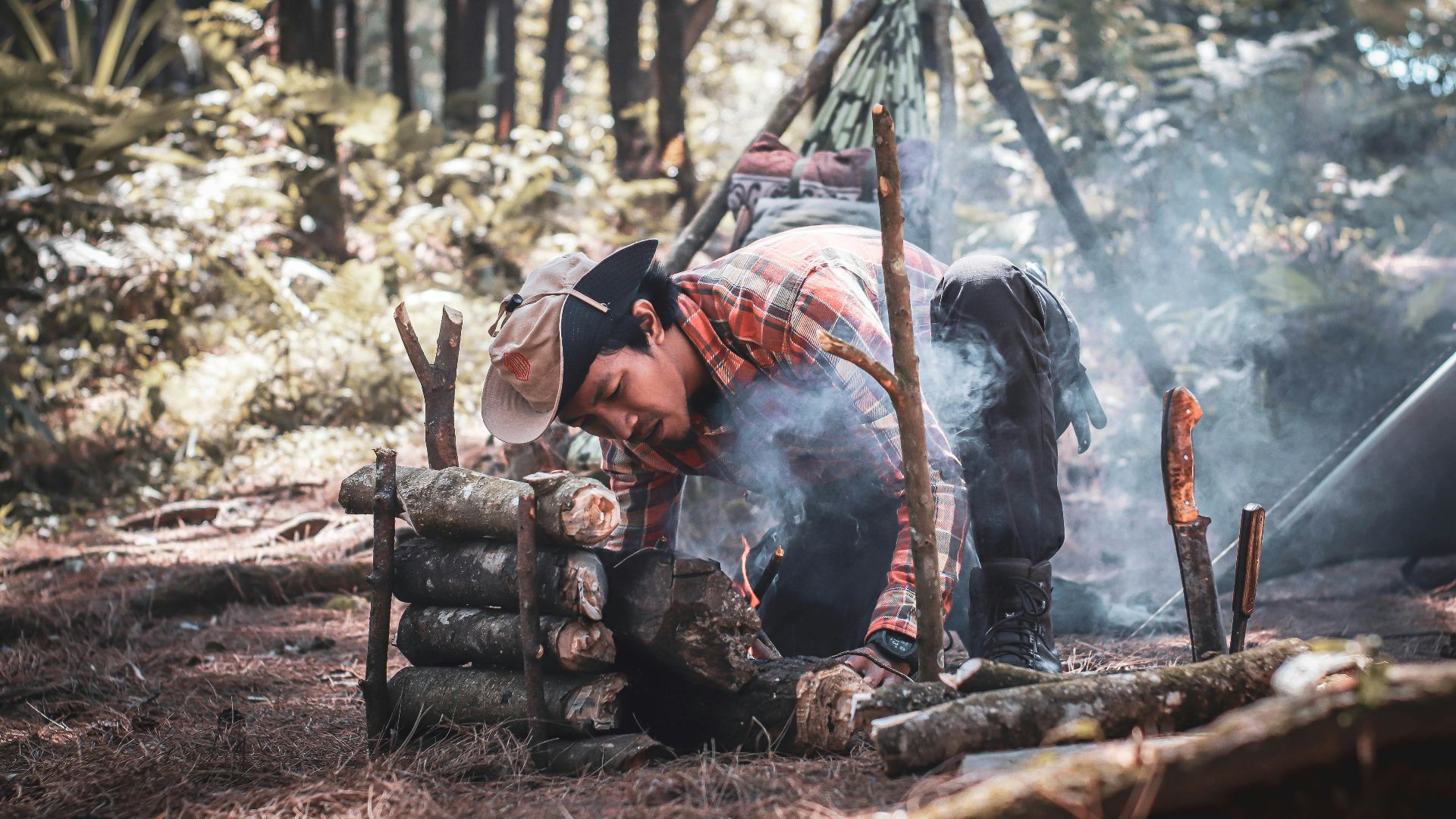
1. Reading A Paper Map Without Getting Lost
There’s a quiet confidence in being able to unfold a map, orient it, and actually understand where you are. It requires spatial awareness, patience, and a willingness to think a few steps ahead. When it clicks, you’re no longer dependent on a voice telling you where to turn—you’re navigating on your own terms.
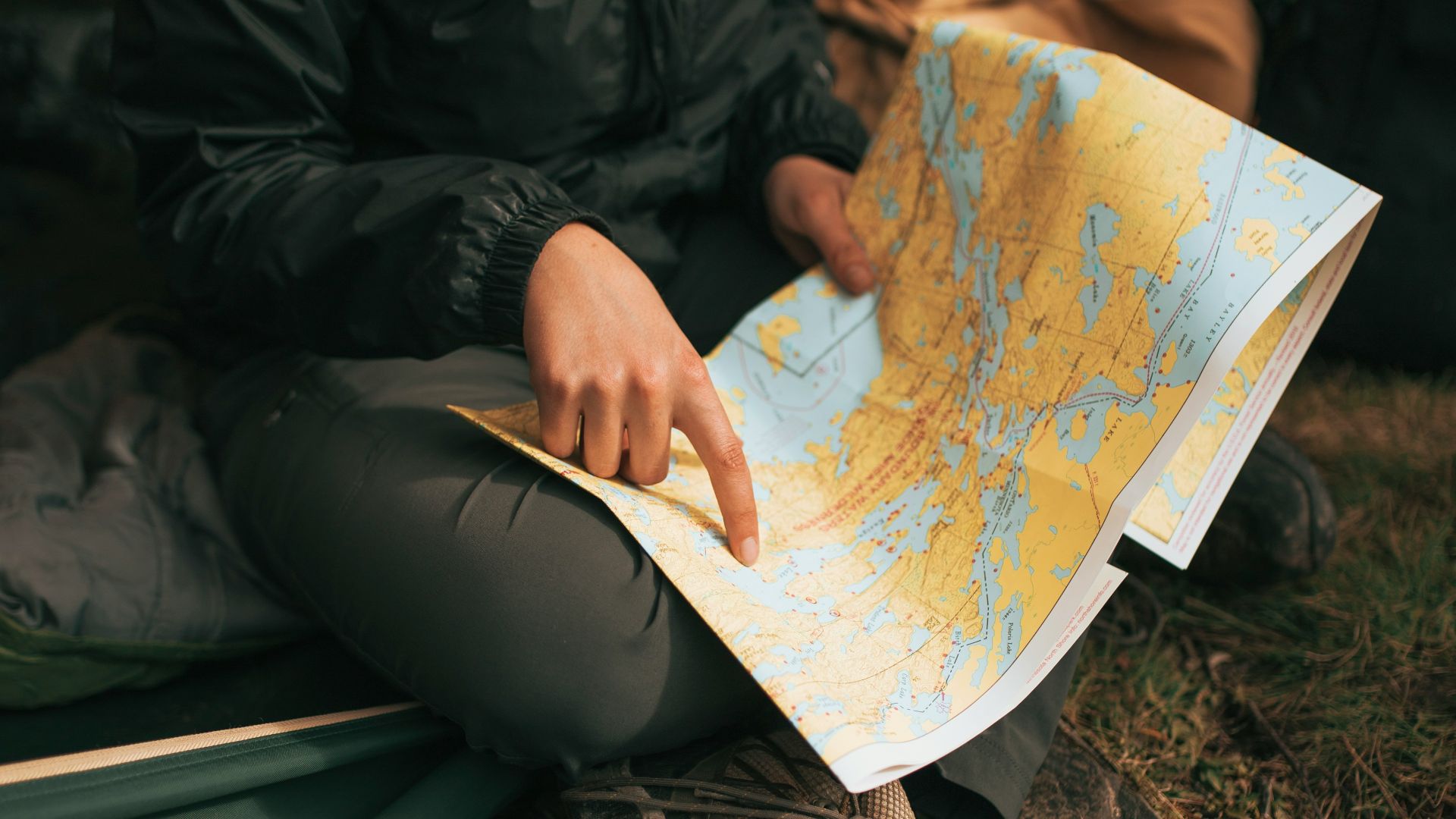
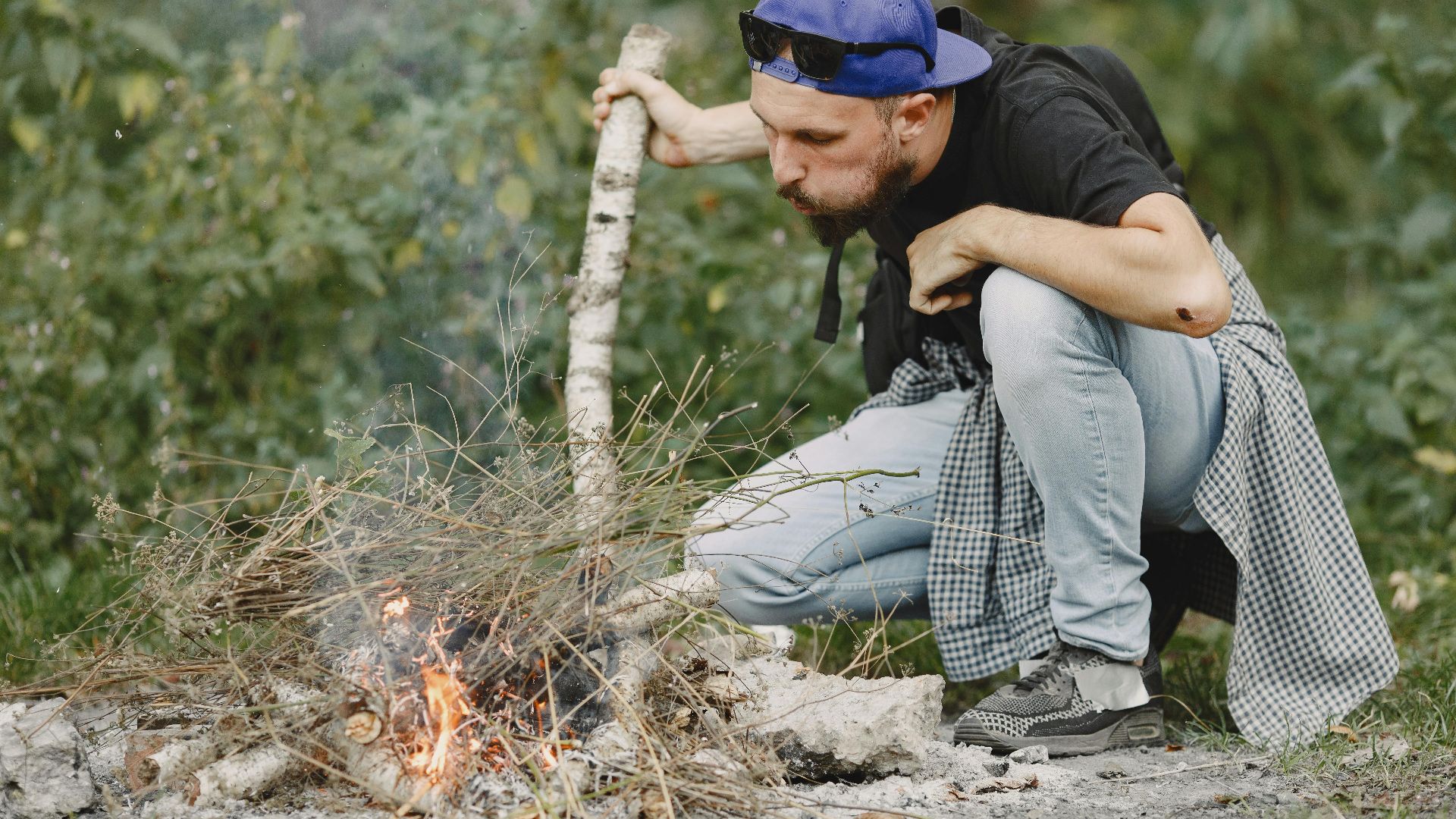
2. Starting A Fire Without Lighter Fluid
Building a fire from scratch is less about luck and more about knowing how materials behave. You learn how to layer kindling, control airflow, and give it just enough time to catch. When it works, it feels earned in a way that flipping a switch never does.
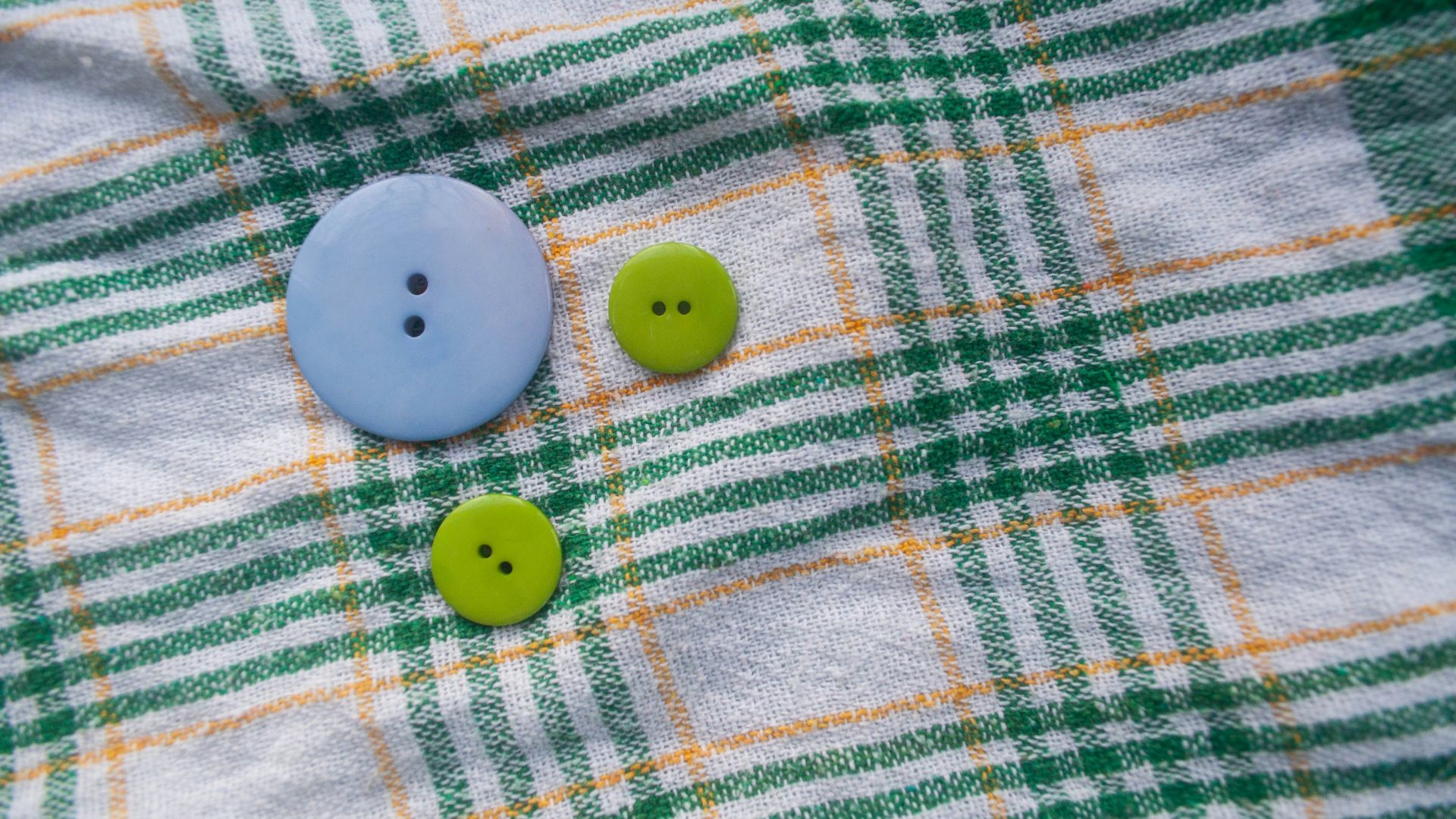
3. Sewing A Button That Actually Holds
Sewing a button properly isn’t complicated, but doing it well makes all the difference. The tension, the pattern, the way it sits against the fabric—all of it determines whether it lasts. It’s a small repair that quietly saves you from replacing something you didn’t need to lose.
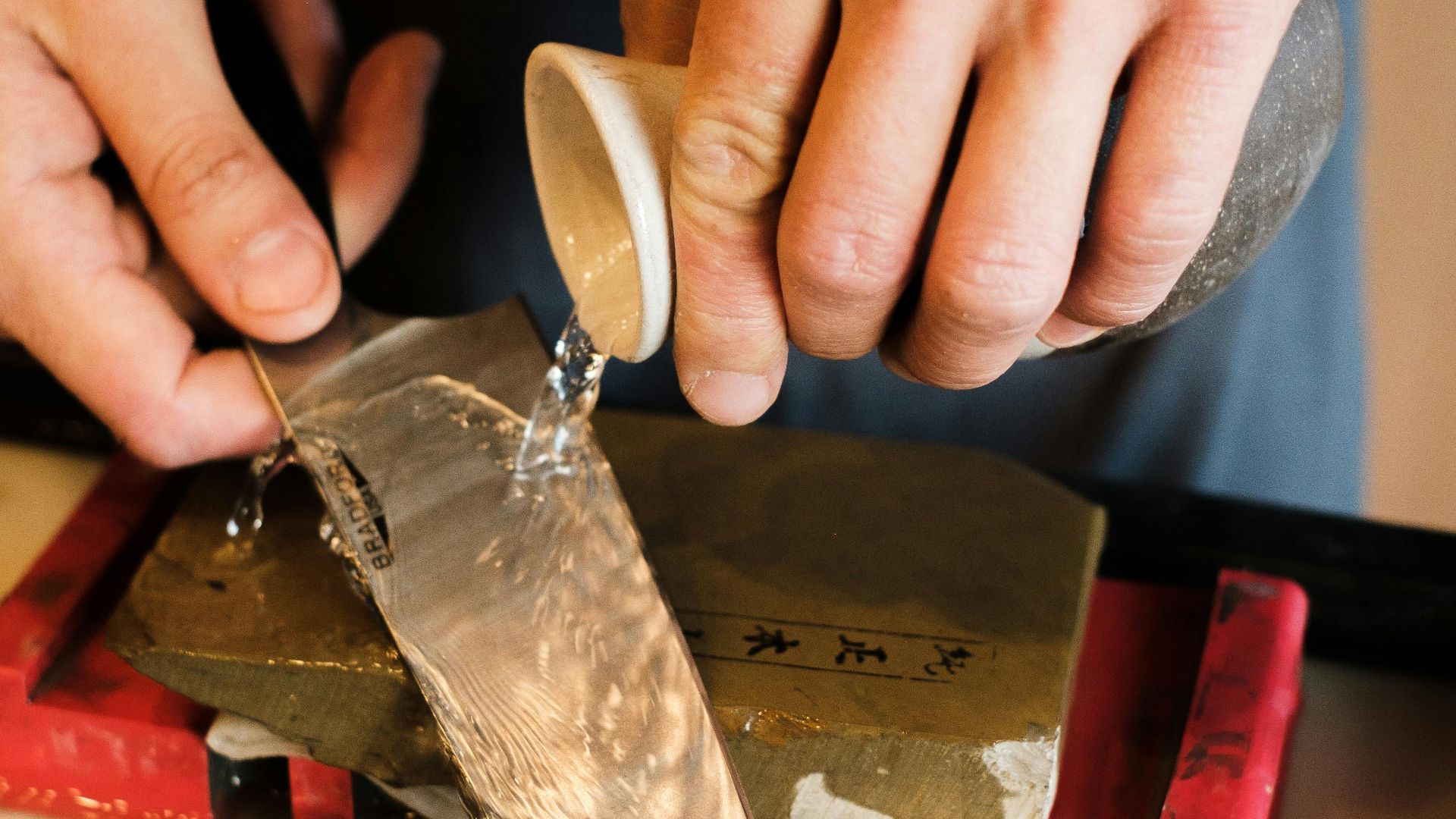
4. Sharpening A Knife By Hand
Sharpening a knife on a stone takes focus and a steady hand. You learn the angle, the pressure, and the rhythm, paying attention to subtle feedback as the edge improves. A well-sharpened knife doesn’t just cut better—it makes everything else feel easier.
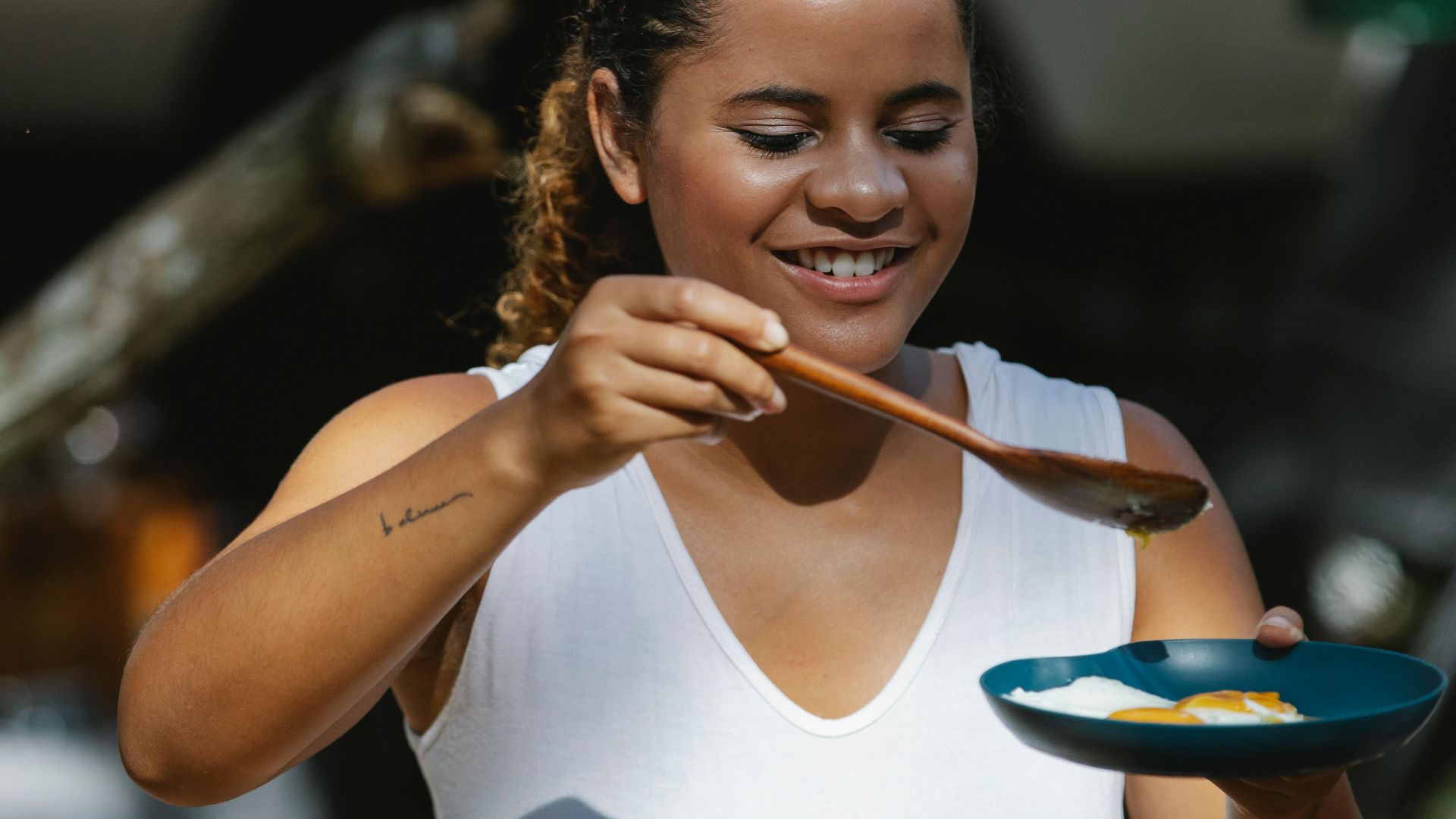
5. Cooking A Meal Without A Recipe
Cooking without instructions means understanding how ingredients behave together. You adjust as you go, tasting, balancing, and trusting your instincts instead of measurements. The result might vary, but the confidence it builds sticks with you.
6. Fixing A Loose Hinge Or Handle
Tightening something that’s off—whether it’s a hinge, a knob, or a wobbly chair—used to be second nature. You grab the right tool, make a small adjustment, and restore it to working order. It’s simple, but it changes how you see the things around you.
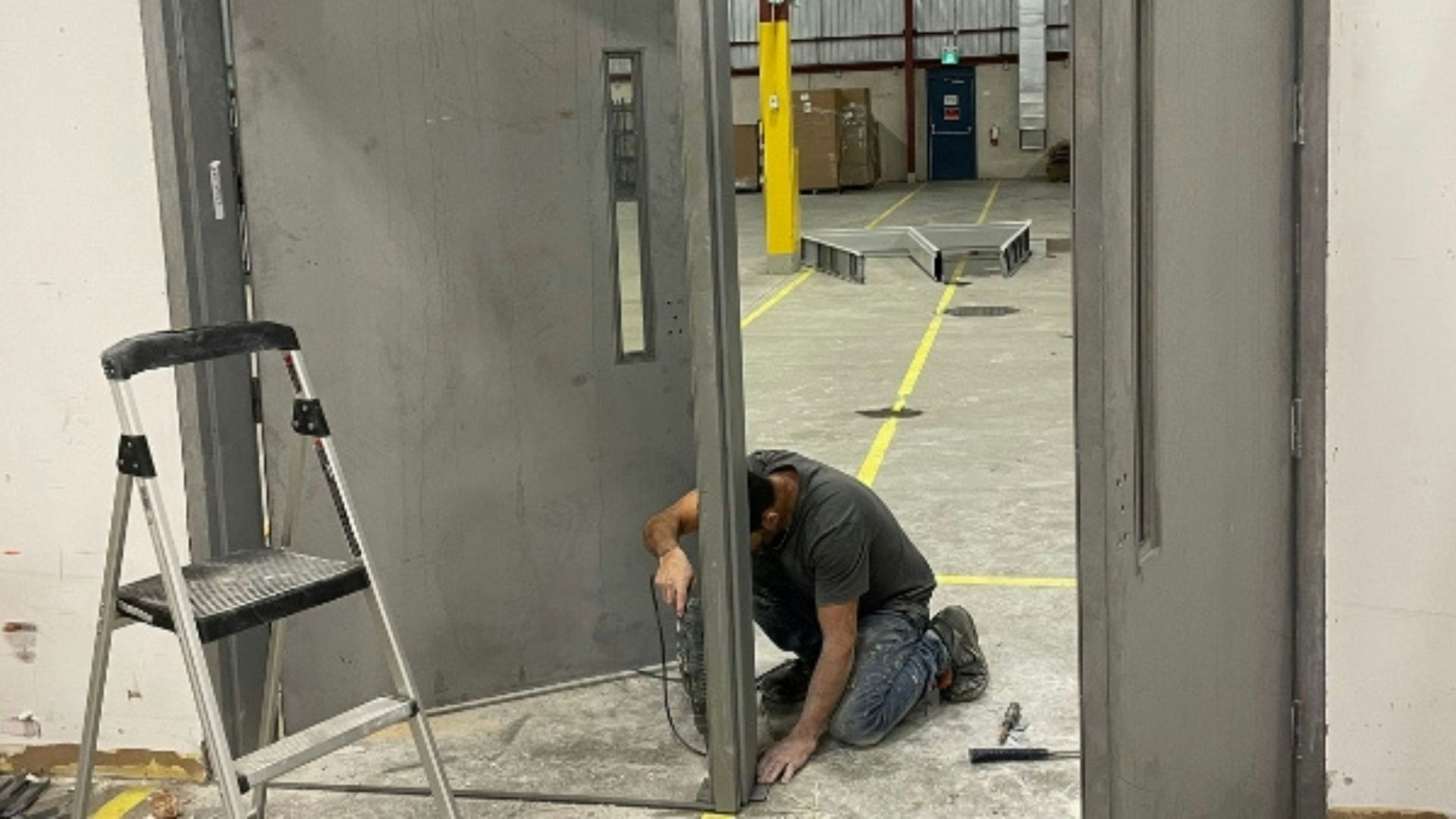 Elite Door And Glass on Unsplash
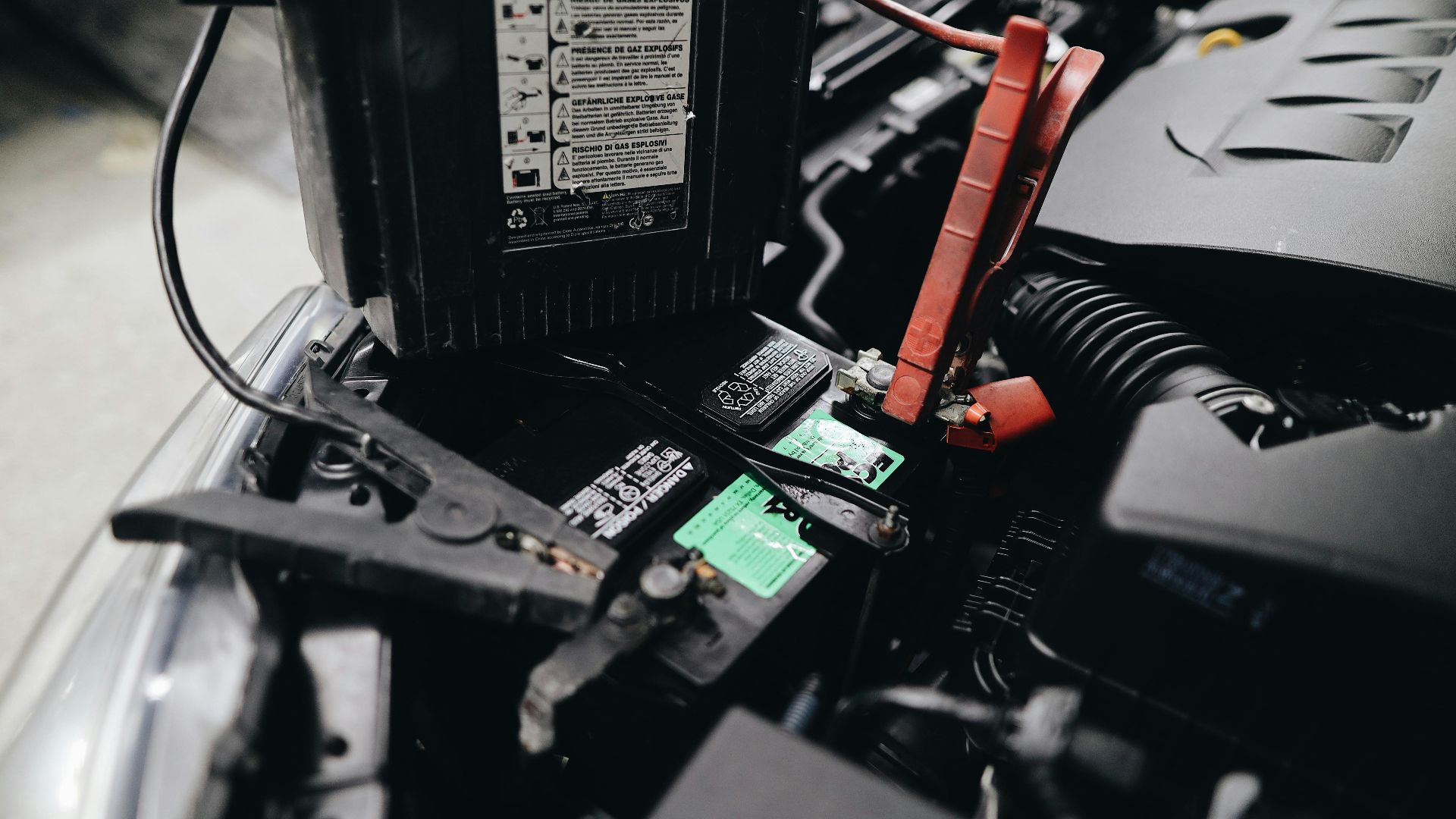
7. Jump-Starting A Car
Knowing how to safely jump-start a car is one of those skills that feels instantly useful the moment you need it. There’s a sequence to follow, a small margin for error, and a clear payoff when the engine turns over. It’s practical, but also quietly reassuring.
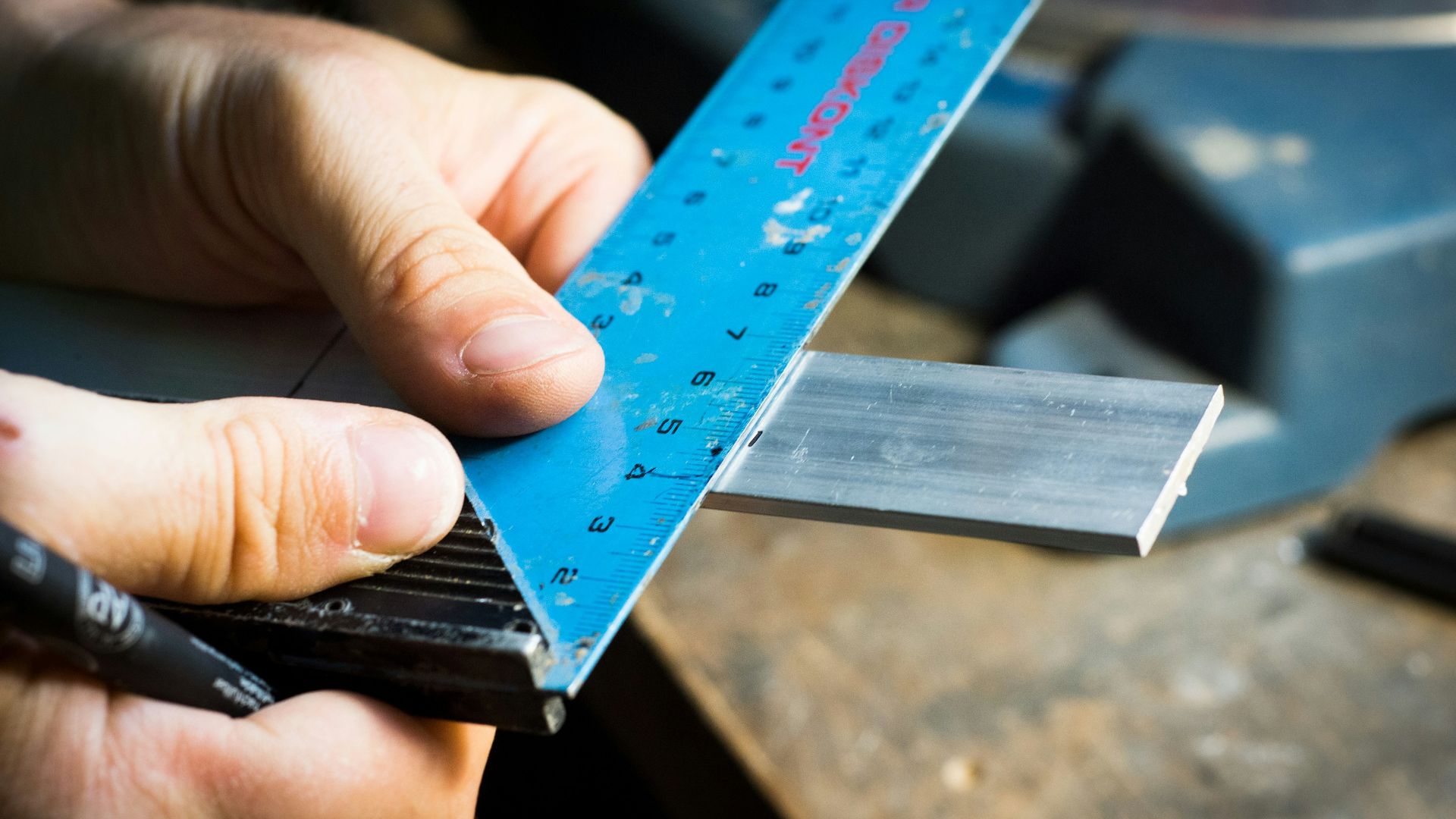
8. Estimating Measurements By Eye
You used to be able to look at a space or an object and get surprisingly close to its size. Whether it was a cup of flour or the length of a table, your estimates weren’t perfect, but they were good enough. It’s a skill that builds trust in your own judgment.
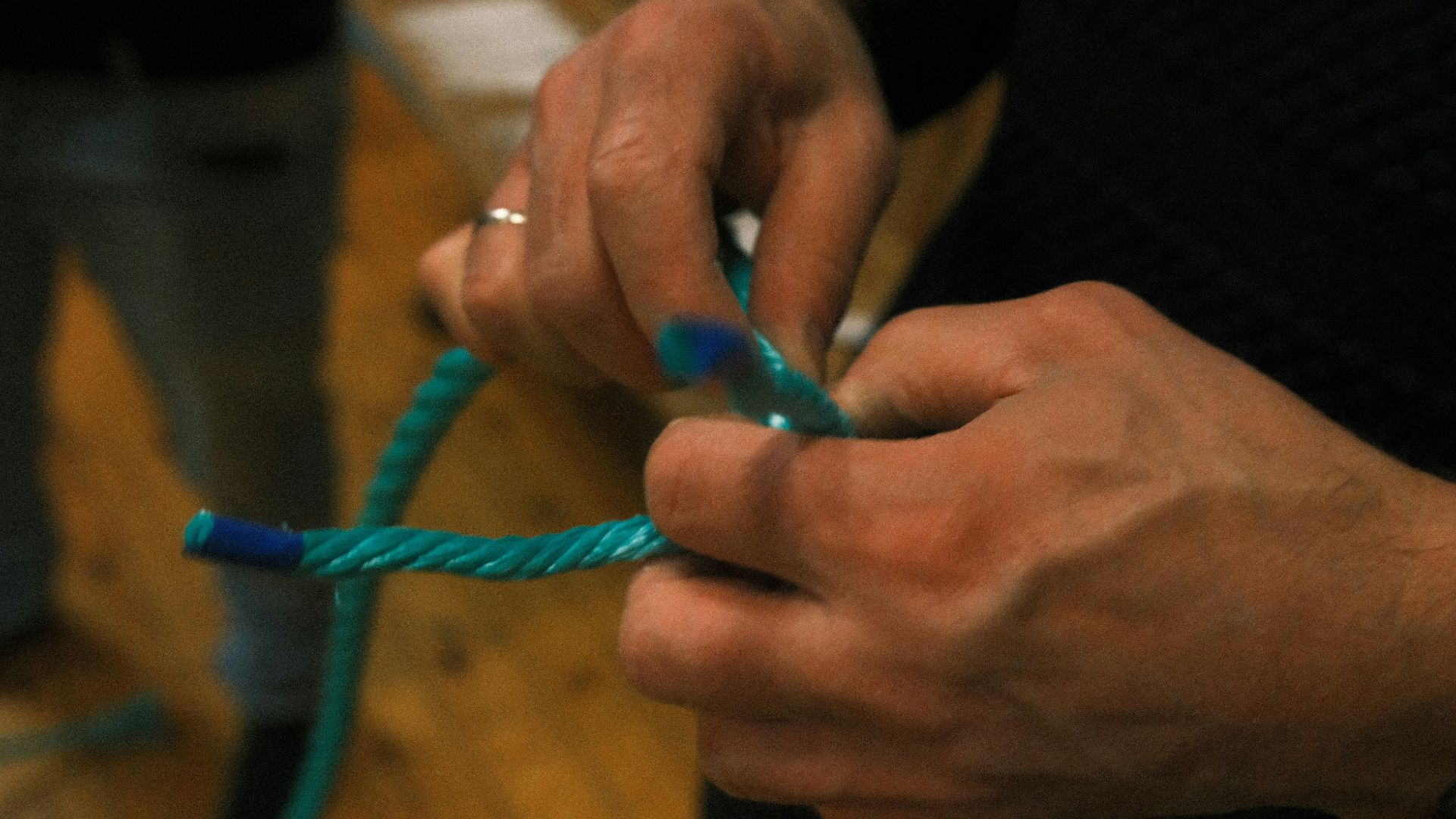
9. Tying Secure Knots
Certain knots used to come automatically, whether you were securing something, tying it down, or fastening it in place. The difference between a loose knot and a reliable one is subtle but important. When you know how to do it right, things stay where they should.
10. Reading The Weather From The Sky
Clouds, wind, and light used to tell you more than you realized. You could sense when rain was coming or when the temperature would shift just by paying attention. It’s not perfect, but it connects you to your surroundings in a way apps don’t.

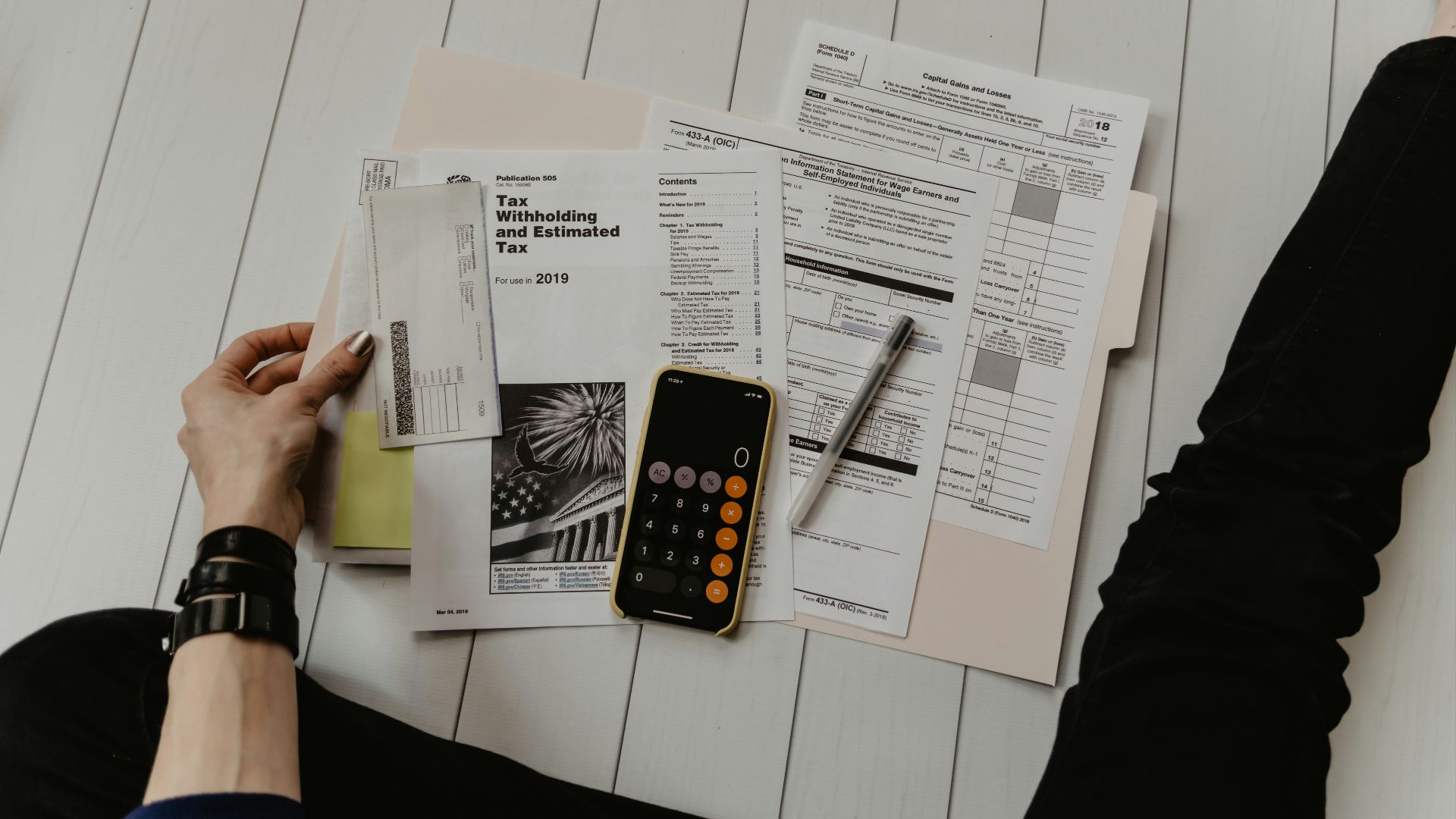
11. Balancing A Budget On Paper
Writing things down—what comes in, what goes out—forces a kind of clarity that apps sometimes smooth over. You see the numbers in front of you, line by line, and understand where things stand. It’s slower, but it sticks.
12. Giving Clear, Step-By-Step Directions
Explaining how to get somewhere without relying on a map requires you to think from someone else’s perspective. You choose landmarks, simplify turns, and make it easy to follow. When done well, it’s a skill that feels both practical and generous.

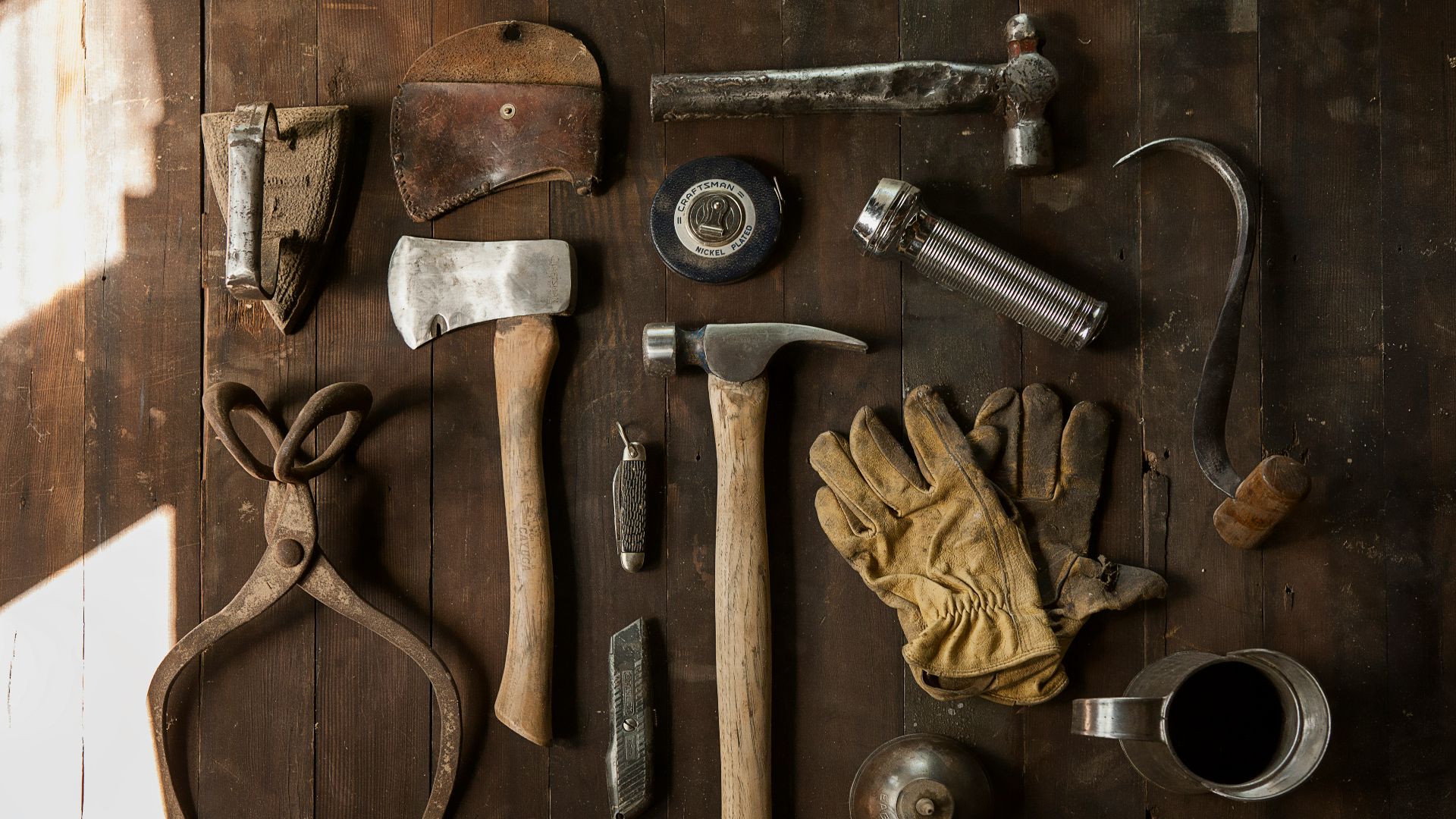
13. Maintaining Tools Instead Of Replacing Them
Taking care of tools—cleaning them, sharpening them, storing them properly—used to be part of owning them. It extended their life and kept them reliable. It’s a mindset that values upkeep over convenience.
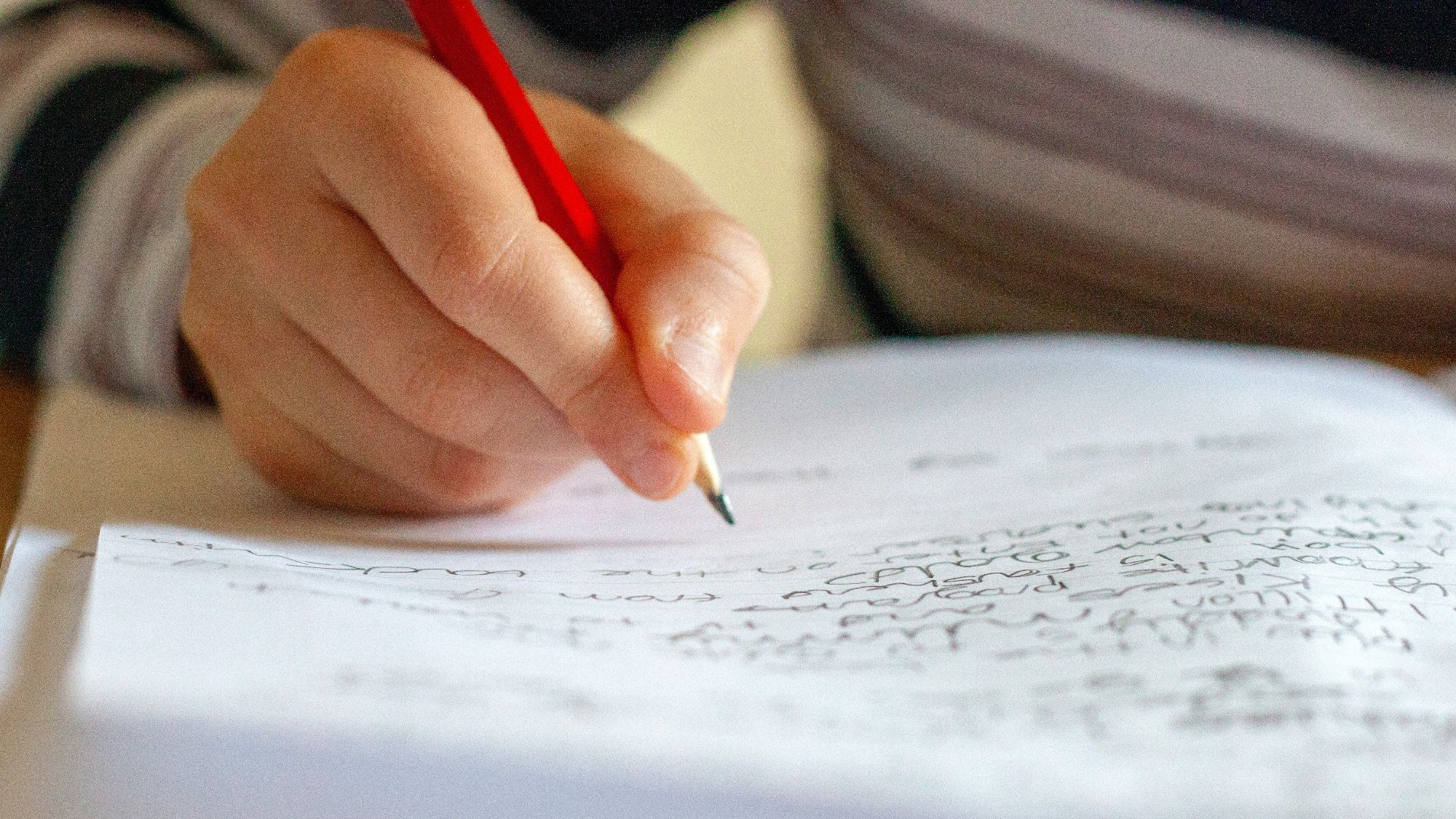
14. Handwriting Something Legibly And Well
Clear handwriting isn’t just about neatness, it’s about communication. You slow down enough to make sure it can be read without effort. It’s a small detail that still stands out when everything else is typed.
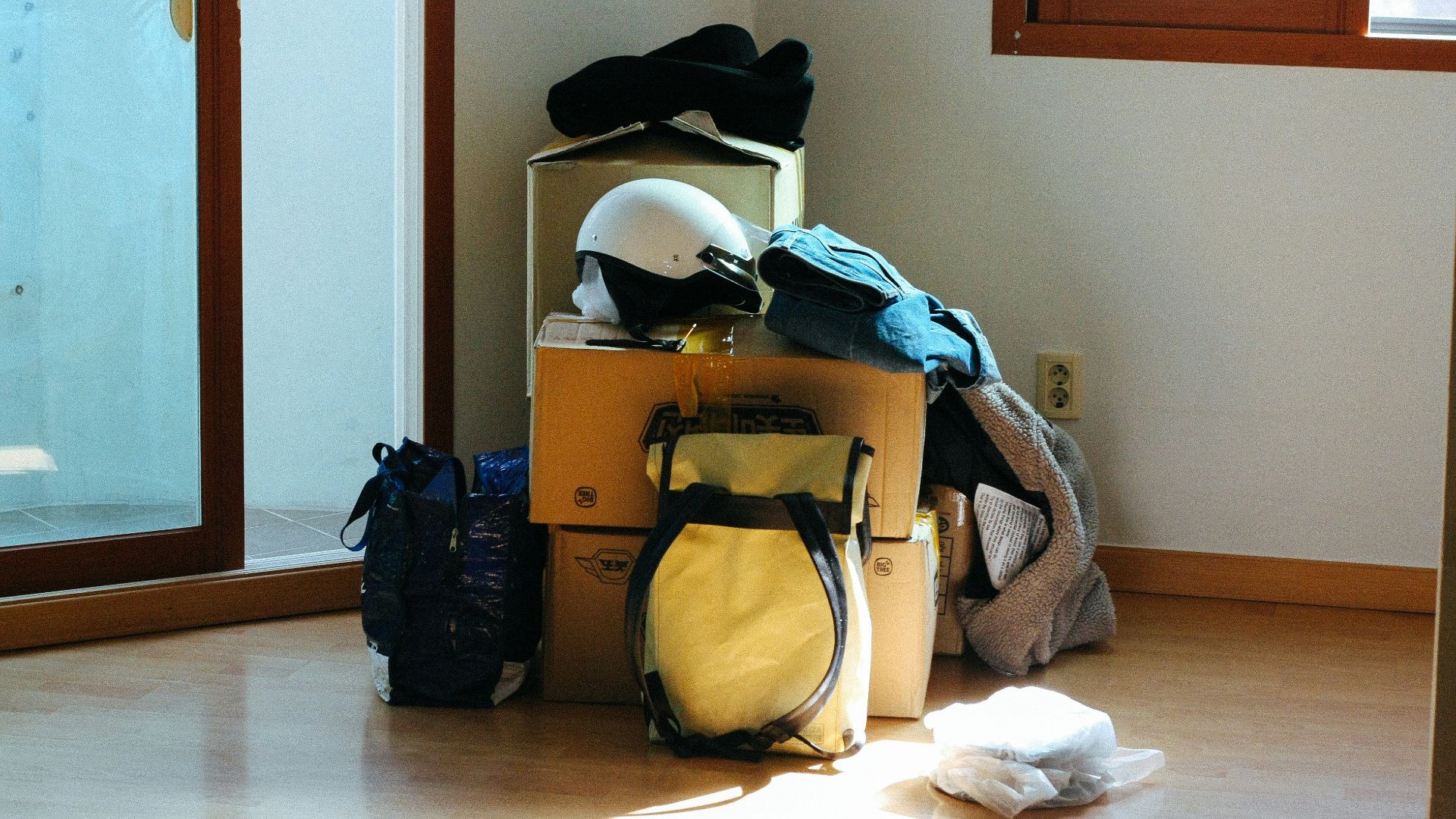
15. Packing Efficiently For A Trip
Packing used to be about knowing what you’d actually use, not what you might need. You fit everything into a limited space without overloading yourself. When done right, it makes the entire trip easier.
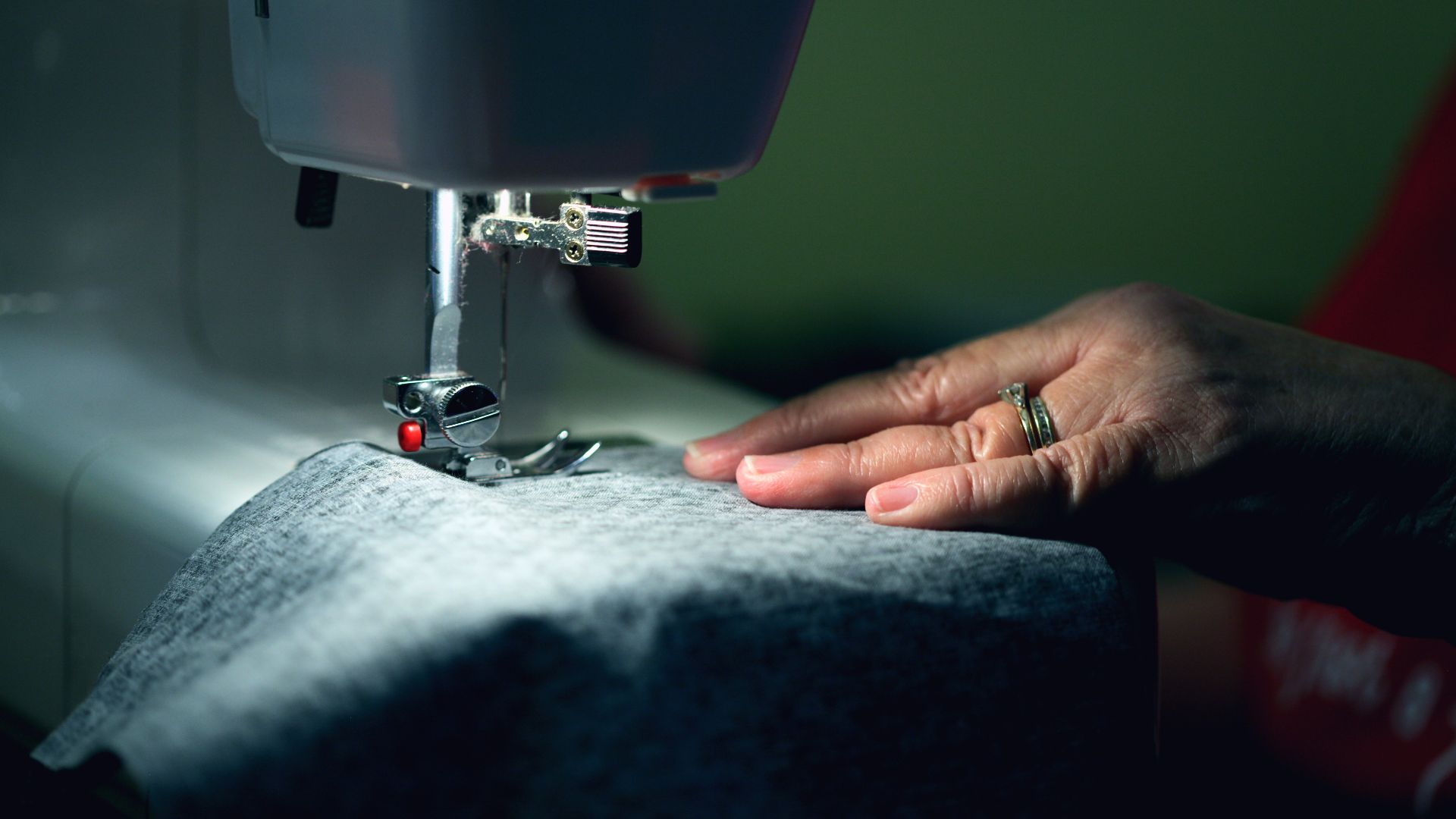
16. Repairing Basic Clothing Damage
A small tear or loose seam didn’t automatically mean something was done for. You fixed it quickly, extended its life, and moved on. It’s a practical skill that saves money and reduces waste without much effort.
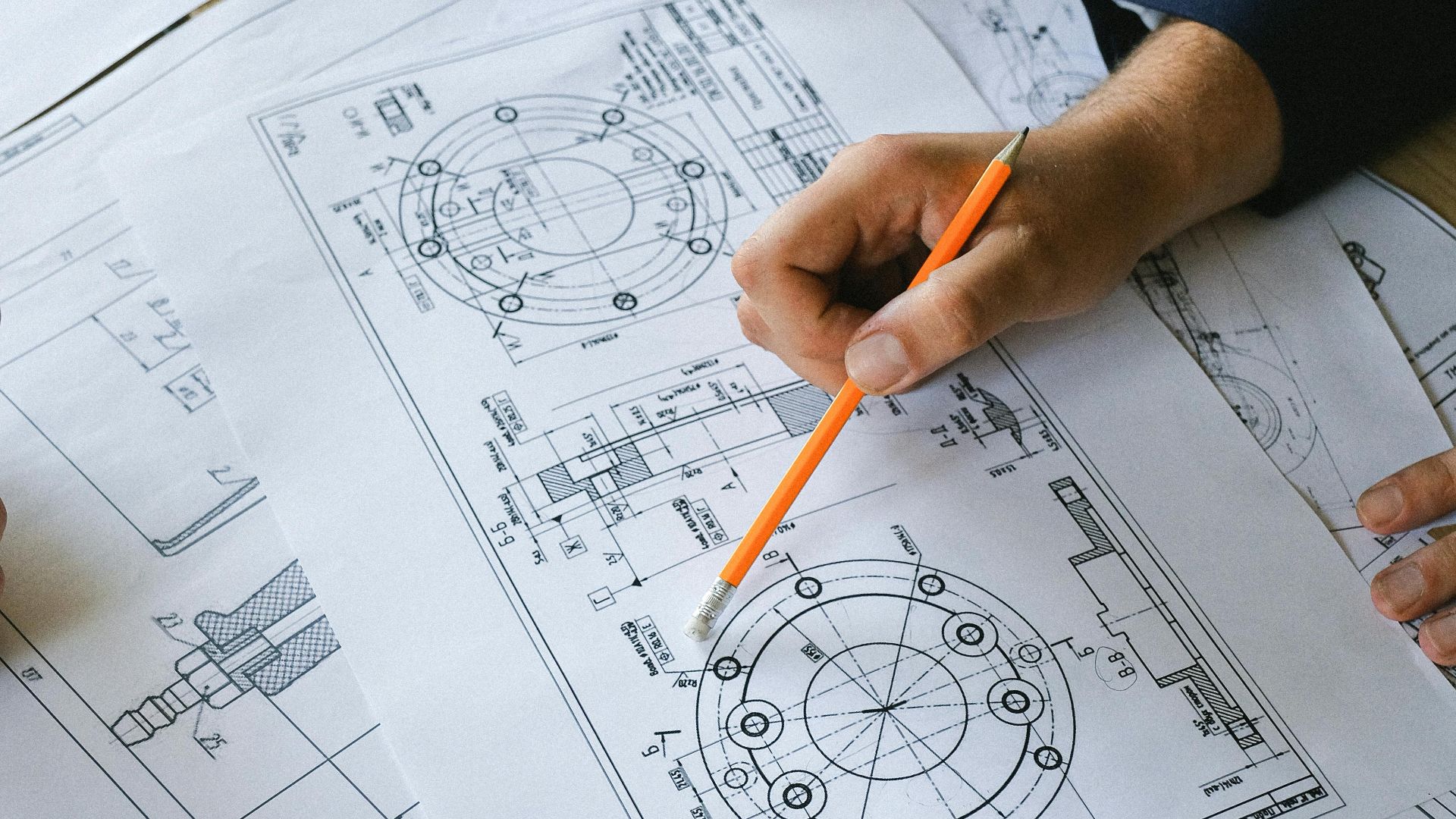
17. Reading A Simple Schematic Or Diagram
Understanding a basic diagram—whether it’s for furniture, wiring, or assembly—requires a bit of patience and logic. You follow the steps, visualize the outcome, and work through it piece by piece. It’s satisfying in a way that feels earned.
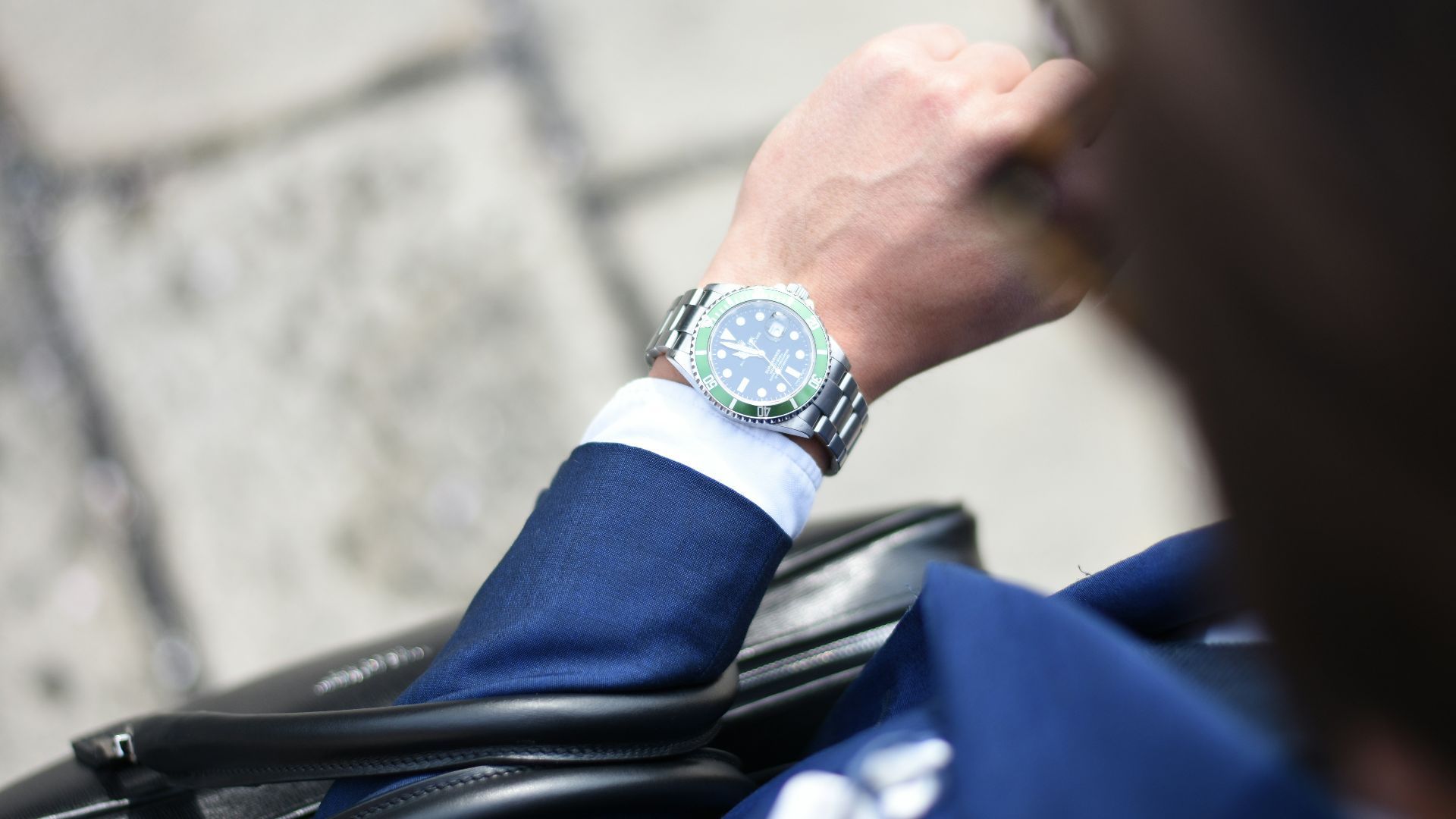
18. Keeping Track Of Time Without Checking Constantly
You used to have a general sense of how much time had passed without needing to look. It came from paying attention and staying present in what you were doing. It’s subtle, but it changes how you move through your day.
19. Cleaning Something Properly, Not Just Quickly
Cleaning well means noticing details—edges, corners, surfaces that are easy to skip. You take a little more time, and the result lasts longer. It’s less about speed and more about doing it right the first time.
20. Waiting Patiently Without Filling The Silence
Waiting used to be part of the rhythm of the day, not something to avoid at all costs. You let the moment sit without immediately reaching for distraction. It’s a quiet skill, but one that makes everything else feel a little less rushed.