Some Things Shouldn't Be on Your Professional Profile
LinkedIn is one of the most powerful professional tools available today, and yet so many people either undersell themselves or sabotage their own credibility without realizing it. Whether you're actively job hunting, building a personal brand, or simply keeping your professional presence up to date, what you include on your profile matters much more than you might think. Here are 10 things you should never put on your page, and what you should be boasting instead.
1. A Blurry or Unprofessional Profile Photo
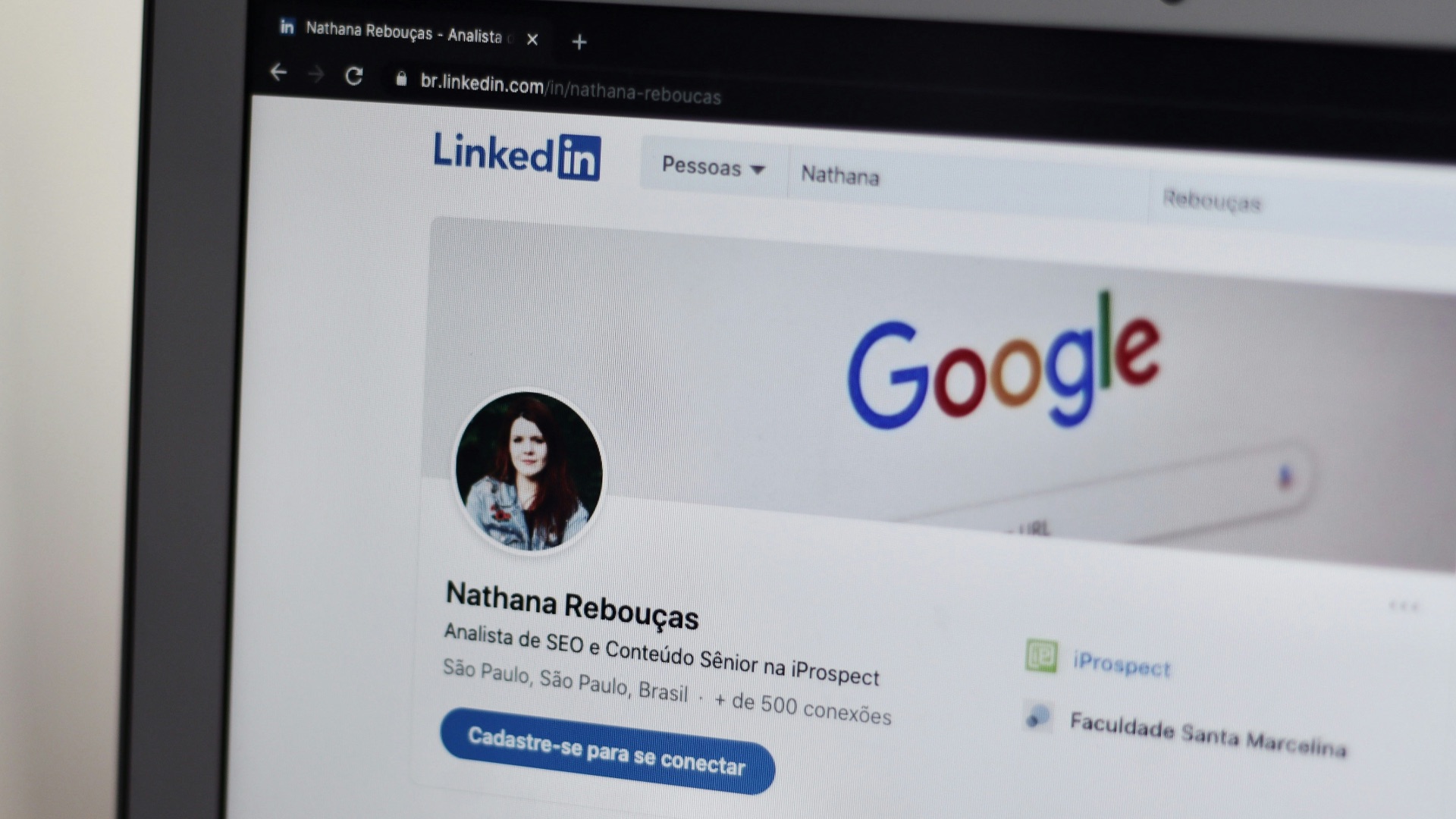
Your profile photo is the first thing people see when they land on your page, and a low-quality or inappropriate image immediately undermines your credibility. Avoid using a cropped group shot, a selfie from a night out, or anything that looks like it was taken in poor lighting with a decade-old phone. Stick to a clear, well-lit headshot where you look approachable and professional, because first impressions on LinkedIn are just as important as they are in person.
 LOGAN WEAVER | @LGNWVR on Unsplash
2. Criticism of Previous Employers, Coworkers, or Organizations
Venting about a bad work experience might feel satisfying in the moment, but putting it anywhere near your LinkedIn profile is a decision you'll almost certainly regret. Recruiters and hiring managers pay close attention to how candidates speak about past employers, and negativity of any kind tends to reflect far worse on the person doing the criticizing than on whoever they're criticizing. Keep your profile focused on where you're headed rather than grievances from where you've been.

3. Spelling and Grammar Errors
Nothing signals a lack of attention to detail quite like a typo sitting in your professional bio for the world to see. Recruiters and potential employers will notice, and it can be enough to make them scroll right past your profile without a second thought. Before you hit save, proofread everything carefully, run it through a spell-checker, and ideally have someone else take a look with fresh eyes.

4. Overinflated or Exaggerated Job Titles
Listing yourself as a "Chief Visionary Officer" when you were a junior marketing coordinator (or on an unpaid internship or co-op) might seem like harmless ambition, but it's the kind of thing that will backfire quickly when a recruiter does even minimal research. Misrepresenting your experience erodes trust, and in professional circles, that reputation damage tends to linger far longer than any short-term benefit. Accuracy matters; you can absolutely frame your experience in the most favorable light without crossing the line into fabrication.

5. A Connections Count You're Hiding
If your profile only shows a handful of connections, it can signal to others that you're not particularly active or engaged on the platform. While quality certainly matters more than quantity, having a very sparse network can unintentionally make your profile look underdeveloped. Work on growing your connections organically over time rather than leaving that section sitting there like a flag for people to notice.
6. Political or Controversial Personal Opinions
Unless your professional work is directly tied to policy, advocacy, or public discourse, sharing strong political opinions on your LinkedIn profile isn't the power move you might think it is. Potential employers and clients come from a wide range of backgrounds, and alienating a portion of them before they've even read your resume rarely works in your favor. Keep your profile focused on your professional identity and let your personal views live somewhere more appropriate.

7. Outdated or Irrelevant Experience
That summer job you held 15 years ago before you chose your current career path probably doesn't need to be taking up space on your profile. Listing every single role you've ever held, regardless of relevance, makes your profile harder to read and buries the experience that actually matters. Edit ruthlessly so that what stays tells a clear, focused story about your professional trajectory.

8. Skills You Can't Actually Back Up
It's tempting to load up your skills section with every buzzword that might help you appear in search results, but endorsements and job history that contradict those skills create a credibility problem. Recruiters who specialize in particular fields will notice when something doesn't add up, and it can raise red flags about the rest of your profile's accuracy as well. Only list skills you're prepared to discuss confidently and demonstrate in a real professional setting.

9. Inappropriate Blog Posts or Comments
It's easy to forget that the comments you leave on other people's posts are visible to your connections and, in many cases, the broader LinkedIn community. If you've made remarks that are unprofessional, inflammatory, or simply off-brand for the image you want to project, those comments can follow you in ways you don't anticipate. Do a quick check of your public activity every so often to make sure everything visible on your profile (including your engagement with other people's content) holds up to professional scrutiny.
10. Inaccurate Dates or Employment Gaps You've Glossed Over
Tweaking your employment dates to cover up a gap or make your tenure at a company look longer than it was is one of the riskier things you can do on your LinkedIn profile. Background checks are thorough, and even small discrepancies between your profile and your actual history can result in a job offer being rescinded. Employment gaps are far more accepted today than they used to be, so it's better to be honest and, if needed, briefly address the gap in your summary than to get caught in an inconsistency.
Now that you know what to leave off your profile, it's time to focus on the good stuff. Here are 10 things you absolutely should be including:

1. A Strong, Specific Summary Statement
Your About section is your opportunity to introduce yourself in your own words, and it's the part of your profile where personality and professional identity can actually coexist. Use it to explain who you are, what you specialize in, and what you're looking for or offering, all in a way that lets your true personality shine. A well-written summary keeps people reading and gives recruiters context they won't find anywhere else on your profile.
2. Quantified Achievements
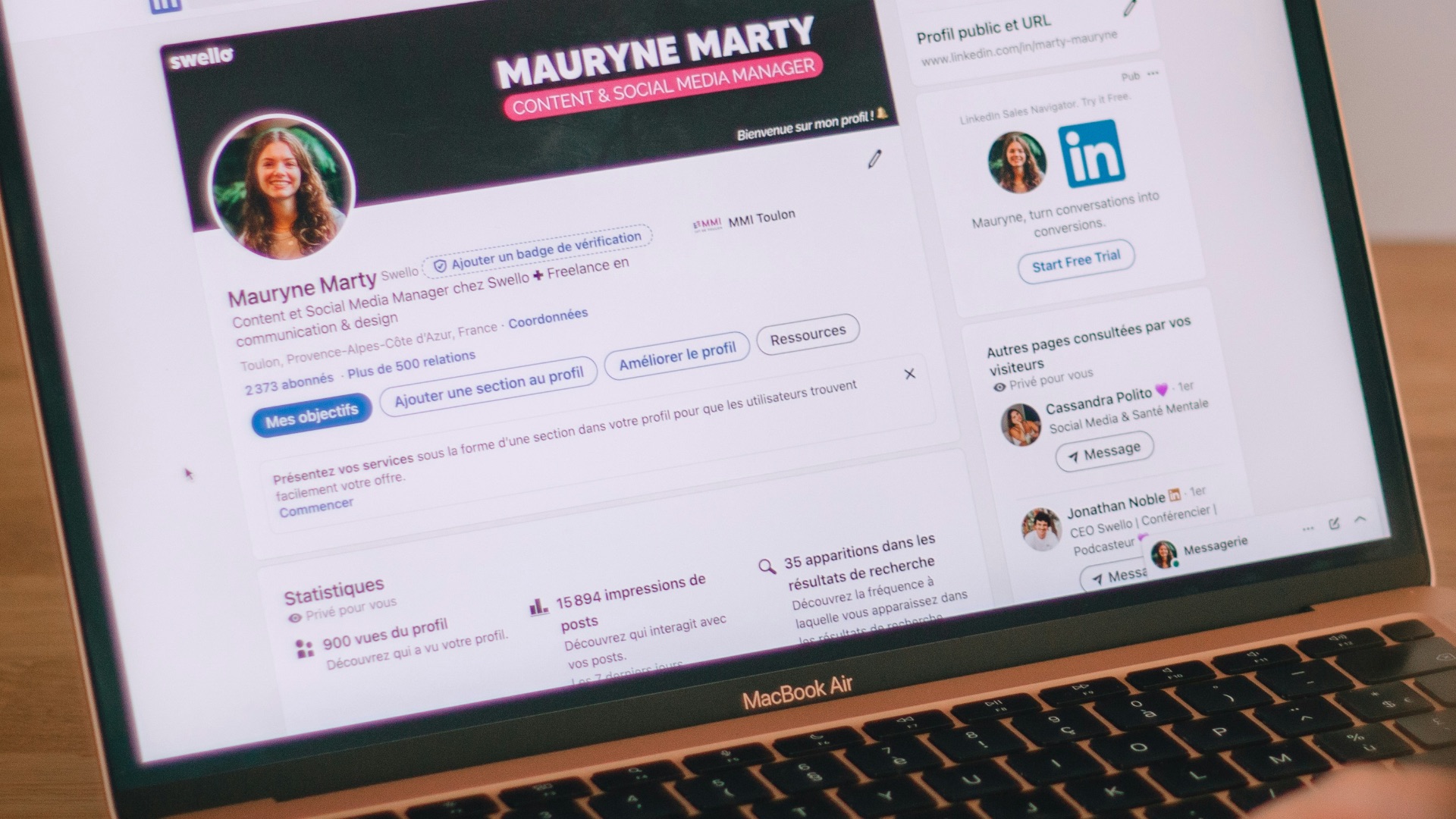
Numbers do the heavy lifting when it comes to demonstrating your impact, so don't be shy about including them wherever they're relevant. Saying you "grew the company's social media following by 40% in six months" is dramatically more compelling than simply saying you "managed social media accounts." Wherever you can attach a metric, a percentage, or a concrete result to your work, do it—those specifics are what make your experience memorable.

3. Recommendations from Colleagues and Managers
A well-written recommendation from someone who has worked with you directly carries serious weight with recruiters and hiring managers. It provides third-party validation of the skills and qualities you're claiming, which is far more persuasive than anything you could say about yourself. Reach out to former colleagues, supervisors, or clients whose opinions you respect and ask if they'd be willing to write a few sentences about working with you.
 Cytonn Photography on Unsplash
4. Relevant Certifications and Continuing Education
Highlighting certifications, online courses, and professional development programs shows that you take your growth seriously and stay current in your field. It's especially valuable if you're in an industry where things evolve quickly, because it signals to employers that you're proactive about keeping your knowledge up to date. Even if a certification isn't strictly required for your role, including it demonstrates initiative that can set you apart from candidates with identical work histories.

5. Volunteer Work and Community Involvement
Professional profiles that include volunteer experience tend to feel more well-rounded and often signal strong values that many employers actively look for. It tells people that you invest your time and energy in things beyond your paycheck, and that can be a meaningful differentiator in competitive hiring situations. Whether it's sitting on a nonprofit board, mentoring students, or organizing community events, these experiences deserve a place on your profile.

6. A Custom LinkedIn URL
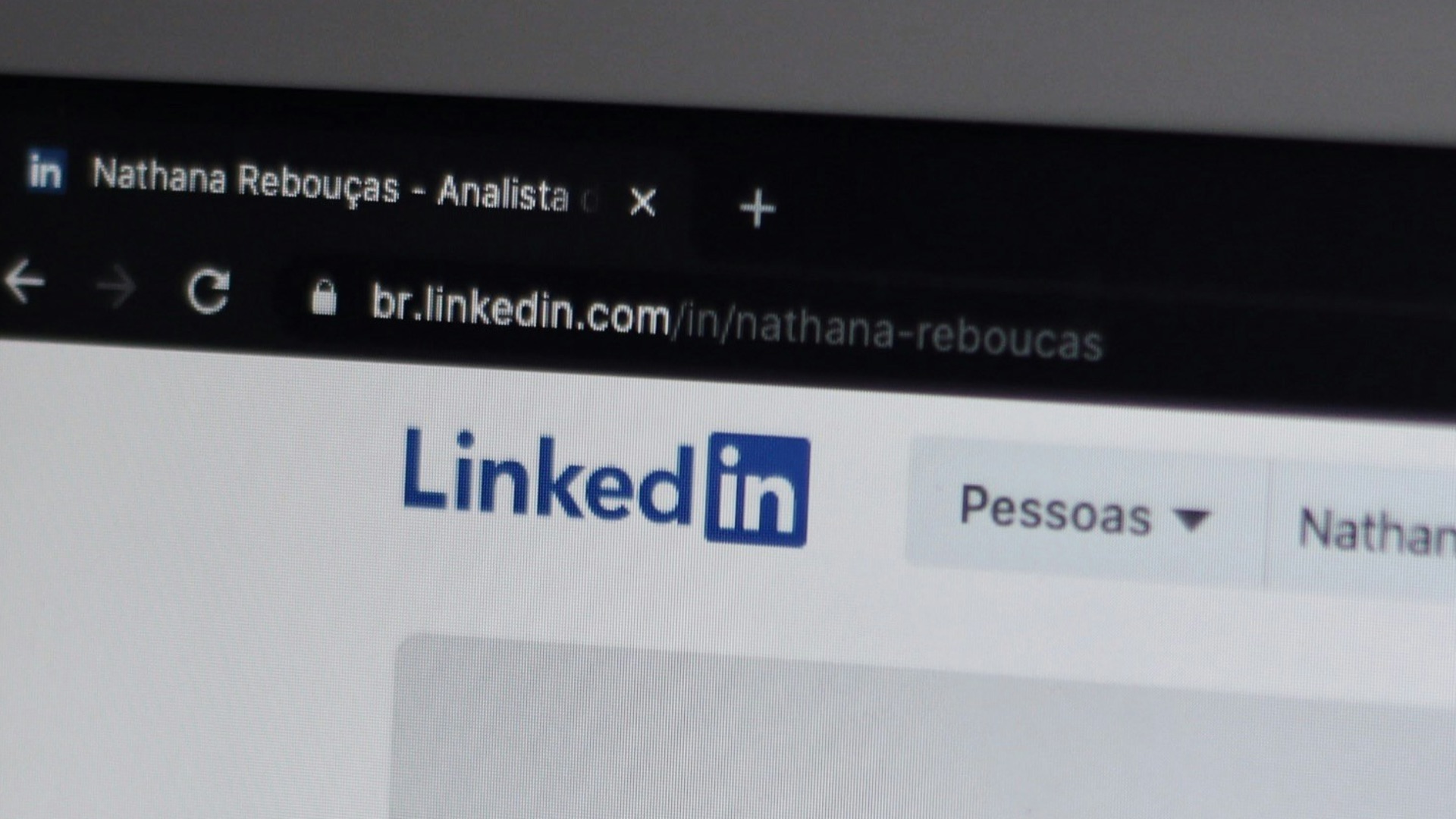
Customizing your LinkedIn URL so it includes your name is a small change that makes a noticeable difference in how professional your profile looks. It's much easier to share, looks better on a resume or email signature, and signals that you pay attention to the details of your personal brand. Head into your profile settings, claim your custom URL, and make sure your name (or a close variation) is front and center.
7. Published Work, Projects, or a Portfolio
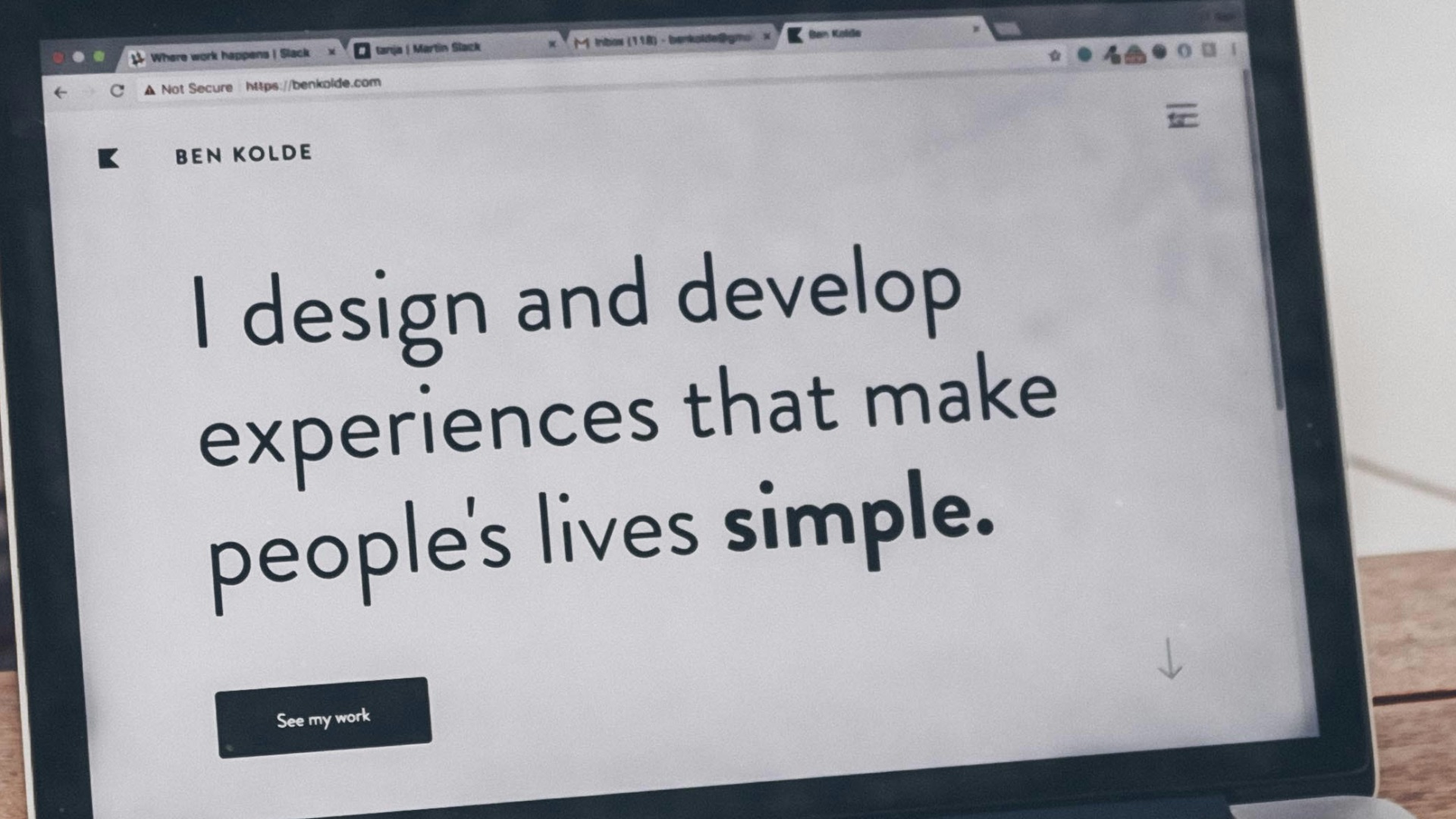
If you've written articles, contributed to research, built products, or completed projects worth sharing, LinkedIn gives you space to showcase all of it directly on your profile. Linking to published work or uploading portfolio pieces gives people tangible evidence of your capabilities rather than asking them to take your word for it. Recruiters who are evaluating candidates in creative, technical, or knowledge-based fields especially appreciate being able to see your work in action.
8. Your Availability or Career Intentions
LinkedIn has an Open to Work feature for a reason, and there's no need to be coy about the fact that you're exploring new opportunities if that's the case. Turning on that feature (whether you make it visible to everyone or only to recruiters) dramatically increases your chances of being contacted by the right people at the right time. Even if you're not actively searching, keeping your profile updated with your current focus or professional goals helps your network understand how they can support you.
9. Industry-Specific Keywords Throughout Your Profile
LinkedIn's search algorithm relies heavily on keywords, so strategically incorporating the language of your industry into your headline, summary, and experience sections makes your profile far more discoverable. Think about the terms recruiters in your field are likely to search for when looking for someone with your background, and make sure those words appear naturally throughout your profile. This isn't about keyword stuffing; it's about making sure the right people can actually find you.
 LinkedIn Sales Solutions on Unsplash
10. Regular Activity and Thoughtful Engagement
An active LinkedIn presence works in your favor in ways that a static profile simply can't, because the platform rewards users who show up consistently. Sharing relevant articles, commenting on posts in your industry, or even publishing your own short-form content keeps your name circulating in your professional network without requiring a major time commitment. The more visible and engaged you are, the more likely it is that opportunities like job offers, collaborations, or speaking invitations will start coming to you.