
The Price You Don’t See on the Label
Convenience has a way of presenting itself as a clean trade: a little extra money in exchange for saved time, saved effort, maybe even a bit of sanity. It feels efficient to outsource the small frictions of daily life, but the math is rarely that simple. What gets smoothed over on the surface tends to show up somewhere else—in habits, in attention, in the quiet erosion of skills you didn’t realize you were using. The real cost isn’t always financial, and it doesn’t always announce itself right away. Once you start noticing it, though, it’s hard to unsee. Here are 20 hidden costs of convenience that tend to slip past without much discussion.

1. The Slow Disappearance of Basic Skills
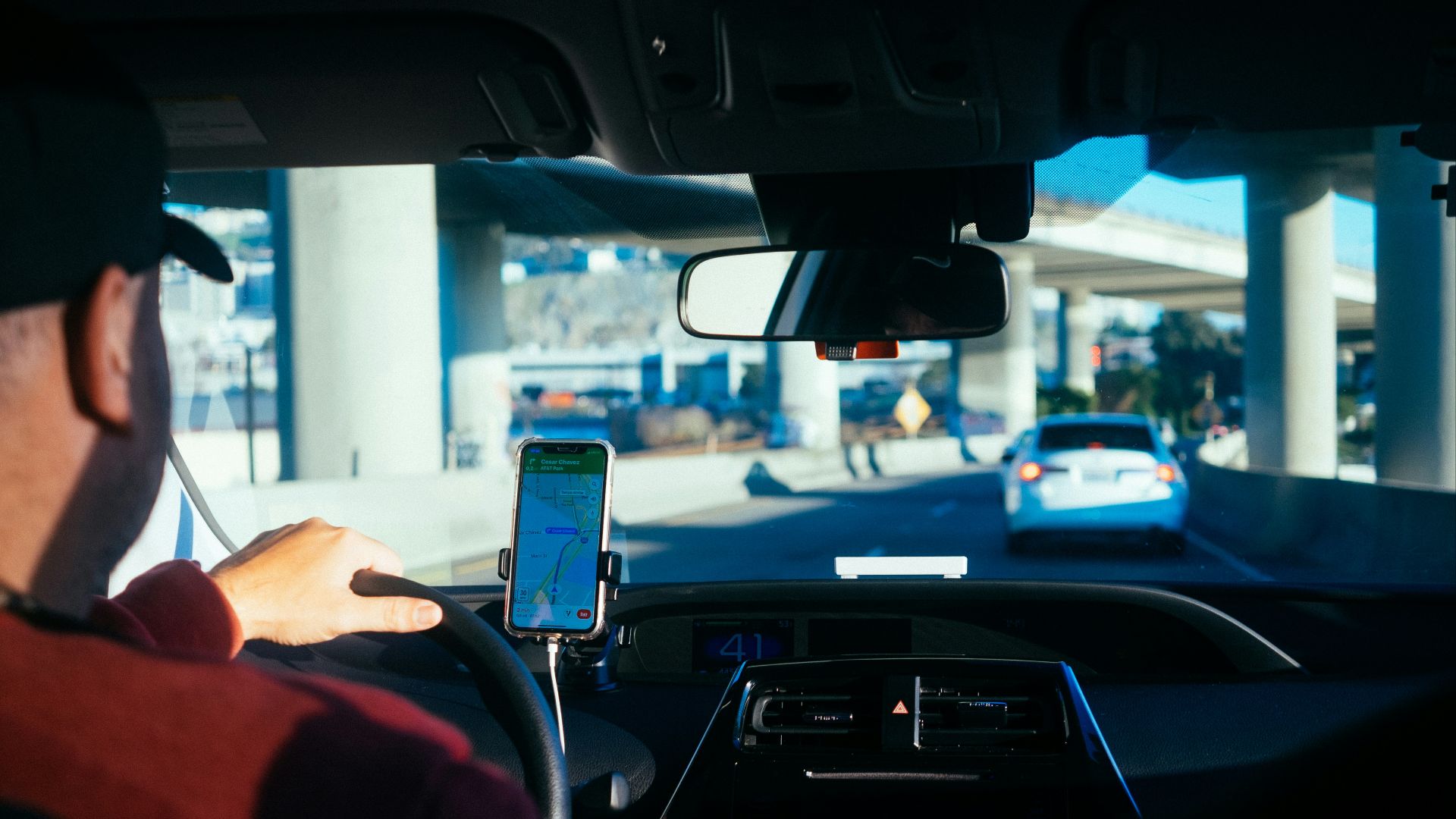
When everything is pre-cut, pre-measured, or pre-assembled, you stop practicing the small things that used to feel automatic. Chopping an onion, folding a shirt properly, even navigating without GPS—all of it fades faster than expected. You don’t notice the loss until you need it.

2. Decision Fatigue in Disguise
Convenience often comes with more options, not fewer. You scroll through dozens of near-identical choices, each promising to save you time, while quietly draining your focus. The effort just shifts from doing to deciding.

3. Higher Baseline Expectations
Once something becomes easy, it quickly becomes expected. Waiting even a little longer than usual starts to feel unreasonable, even if it used to be normal. Convenience resets your patience without asking.
 Aleksandra Sapozhnikova on Unsplash
4. Less Tolerance for Discomfort
Small inconveniences used to be part of the day, something you worked around without much thought. Now they stand out, sharper and more irritating than they probably are. The threshold for what feels “annoying” drops over time.

5. Fragmented Attention
Convenient tools often encourage quick switching—tap here, check that, move on. Over time, it becomes harder to stay with one thing long enough to feel absorbed in it. Everything starts to feel slightly interrupted.

6. The Illusion of Time Saved
You save ten minutes here, five minutes there, but the extra time rarely gathers into anything meaningful. It tends to get filled just as quickly with something equally small and forgettable. The day feels just as full, just rearranged.

7. Less Physical Movement
Convenience often removes the need to get up, walk, carry, or reach. Individually, these are tiny losses, barely noticeable. Together, they quietly reduce how much you move in a day.

8. More Packaging, More Waste
Pre-portioned and ready-to-go usually means more layers of packaging. It’s easy to ignore in the moment, but it adds up quickly in the background. You end up throwing away more than you realize.

9. Weaker Memory for Details
When everything is saved, bookmarked, or automatically tracked, there’s less reason to remember anything yourself. Names, directions, even simple lists slip away more easily. Your memory gets a little less exercised.

10. Loss of Ritual
Convenience strips away the small steps that used to frame an activity. Making coffee, preparing a meal, even setting up a workspace—all of it gets compressed. What’s left works, but it feels thinner.

11. Subtle Decline in Quality
Faster options often trade depth for speed. The meal is fine, the product is usable, the experience is good enough. But “good enough” becomes the default more often than you’d expect.

12. Less Awareness of Cost
When payments are automated or bundled, it’s harder to feel what you’re actually spending. Small charges blend together and stop registering as individual decisions. The total only shows up later.

13. Dependence on Systems You Don’t Control
The more convenient something is, the more it relies on systems running smoothly behind the scenes. When those systems fail—even briefly—you’re left with fewer alternatives than before. It’s a quiet kind of dependency.
14. Shortened Attention to Process
Convenience focuses everything on the outcome, not how you got there. You start skipping over the steps that used to teach you something. The process becomes something to avoid, not engage with.

15. Reduced Sense of Accomplishment
When something takes very little effort, it rarely feels like much of a win. You check it off, but it doesn’t stick with you. The satisfaction fades faster than the task itself.

16. Less Social Interaction
Many convenient options remove the need to interact with other people at all. No small talk, no brief exchanges, no shared spaces. It’s efficient, but also a little isolating over time.

17. Blurred Boundaries Between Tasks
When everything is instantly accessible, it’s easy to overlap activities without meaning to. Work bleeds into rest, errands into downtime. The edges between parts of your day get softer.

18. Increased Impulsivity
Convenience makes acting on a whim almost frictionless. You don’t have to think twice when the barrier is so low. Small impulses turn into habits more quickly than expected.

19. Hidden Maintenance Costs
The more tools and services you rely on, the more there is to manage behind the scenes. Updates, subscriptions, troubleshooting—it all adds up in small, ongoing ways. The convenience isn’t entirely hands-off.

20. A Subtle Loss of Agency
When everything is optimized for you, it can start to feel like you’re just moving along pre-set paths. You make fewer deliberate choices because fewer are required. Over time, that can feel a little like drifting.