
Age Compared To Ability
Plenty of people over 50 are experienced, dependable, and ready to do excellent work, yet the hiring process often works against their favor. There are a number of reasons why that might be; sometimes the problem is age bias, and other times it’s a mix of outdated assumptions, budget concerns, or awkward hiring habits. If you’re over 50 and job hunting, you might need to buckle up and prepare for the bumpy ride. Here are 20 reasons why many employers don't hire people over 50.

1. Employers Assume You’ll Cost Too Much
Having a fully fleshed-out resume with a long work history should seem like a major win, but for some hiring managers, it just makes them assume your salary expectations will be far too high for what they're willing to give. They might not even ask for your thoughts on the manner because they think they already know the answer!

2. They Worry You’ll Be Overqualified
With so many years of experience, your background is a lot stronger than many younger candidates, which makes employers nervous that you'll become bored or want to leave quickly. To them, your experience can look less like an asset and more like a future retention problem.

3. Some Hiring Teams Still Believe Age Stereotypes
Sadly, age bias is real, even when no one says its out loud. Some employers wrongly assume workers over 50 are less adaptable, less energetic, or harder to train. Those assumptions are unfair, but they can still influence decisions during screening and interviews.

4. They Think You May Not Want to Learn New Tools
Technology is constantly changing, and some employers might assume older candidates don't want to, or simply can't, keep up with the developments. You might be perfectly comfortable with new software, platforms, and systems, but all they can see is your age.
 AllGo - An App For Plus Size People on Unsplash
5. Your Resume May Show Too Much History
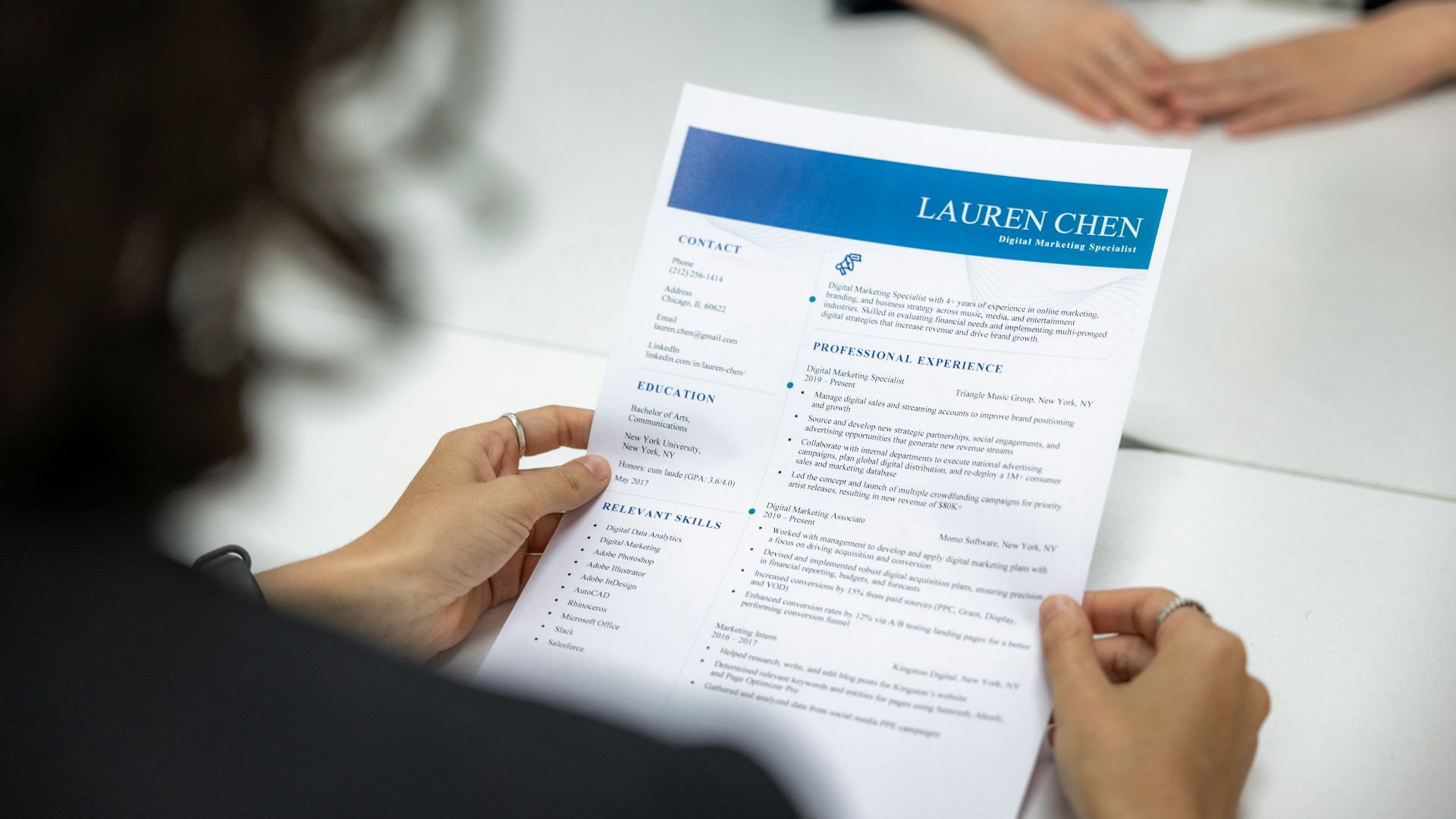
There is a thing as too much on your resume! If yours goes back 30 or 35 years, it can be difficult for employers to pinpoint the specific skills and qualifications they're looking for. In a way, too much detail basically distracts from what employers are interested in the most.
6. They May Prefer Someone They Can Pay Less
At the end of the day, money is a huge factor in the hiring process. Some companies care most about keeping costs low, even if they claim they're looking for the most qualified person. The reality is, younger folk with less experience are more likely to accept smaller salaries, fewer benefits, and lower titles.

7. They Assume You’ll Struggle With Younger Managers
We're always told to respect our elders, so what happens if the candidate is a lot older than the manager they're working for? Some companies are concerned about whether older hires are able to respect the authority of someone who's possibly half their age. This worry can be completely unfounded, but it's still there.
 Christina @ wocintechchat.com M on Unsplash
8. They Fear You’ll Be Set in Your Ways
Boomers unfortunately have a bad rap for being set in their old-minded ways, and that stereotype carries over during the hiring process too. Some employers believe experienced, older workers have fixed habits that won't adjust easily to younger, more modern company culture.

9. Your Interview Style May Feel Too Formal
Interviews mean a great deal to hiring managers because they give them a taste of your style and personality. If you come across as too formal or stiff, they're led to believe you won't fit in a modern workplace. It's about finding the right balance between polished and approachable.

10. They May Question Your Long-Term Plans
Some employers are creating long-term plans and looking for hires who are willing to stay with the company. But if you're over 50 and close to retirement, that automatically makes them concerned about how long you're going to stay.

11. They Might Think You Won’t Fit the Company Culture
For some companies, they care most about hires who can fit in with the company culture, maybe even more so than their qualifications! Culture fit can be a vague phrase, but unfortunately, it doesn't exempt age-related assumptions. If the entire company is on the younger side, they'll like assume you won't mesh well with the team.

12. Your Skills May Look Outdated on Paper
Even if your skills are current, your resume may not communicate that clearly. Older job titles, dated software, or long descriptions of past responsibilities can make your background seem less with than the times than intended. Updating your language can make a major difference in how employers read your experience.
13. They Worry You’ll Expect a Higher Title
Given your age and seniority, most employers immediately assume you won't be satisfied with a role unless it matches your previous level. Would someone over 50 really want an entry-level position? Even if you're someone that doesn't care, it won't come across that way unless you voice it.

14. Some Recruiters Screen Too Quickly
Recruiters can sometimes sort through resumes way too quickly, which works against senior candidates. Graduation dates, decades of experience, or senior titles may lead them to make instant assumptions. It's not fair, but it does happen more often than not.

15. They Assume You Won’t Like Change
Many companies want employees who can handle shifting priorities, new systems, and changing job descriptions. Some employers unfairly assume older workers prefer stability so much that they’ll resist change and be a nusiance, even if it's totally unfounded.

16. Your Network May Not Be Working the Way It Used To
When you were younger, opportunities may have come through colleagues, industry contacts, or internal referrals. But over time, people retire, change industries, or lose touch, which can make your network less active and harder for you to back your claims.

17. They May Not Understand Your Career Breaks
As you get older, life can get in the way too. So if you took time away for caregiving, personal health, or family emergencies, some employers might not give you enough time to explain why. It might cause them to wonder whether those breaks show a lack of motivation or desire to work.

18. Your Online Presence May Be Too Quiet
Many employers check LinkedIn or other professional online profiles before making interview decisions. If your online presence is outdated, incomplete, or missing, it's possible they may assume you’re not active in your field.
19. They May Be Intimidated by Your Experience
Even if you're happy with taking a smaller role, your experience might be intimidating to your manager. You'd be surprised how strong feelings of inadequacy can be, and they may worry that you’ll challenge decisions, point out problems, or make them feel less secure in their role.

20. The Hiring Process Rewards the Best Presentation, Not Always the Best Person
Many qualified people over 50 lose out not because they're not the best fit for the role, but because they don’t present themselves in the way modern hiring managers expect. Applicant tracking software, keyword-based resumes, casual interviews, and fast-moving hiring timelines can all create barriers.