
Work Changes, and So Do We
It's safe to say the modern world hasn’t exactly been shy about replacing old jobs with faster tools, smarter systems, and the occasional robot. While we're not exactly complaining either, it is interesting to look back at roles that were once important, practical, and even respected, though they’ve mostly been pushed aside. Here are 20 jobs the modern world no longer needs, at least not in the way it once did.
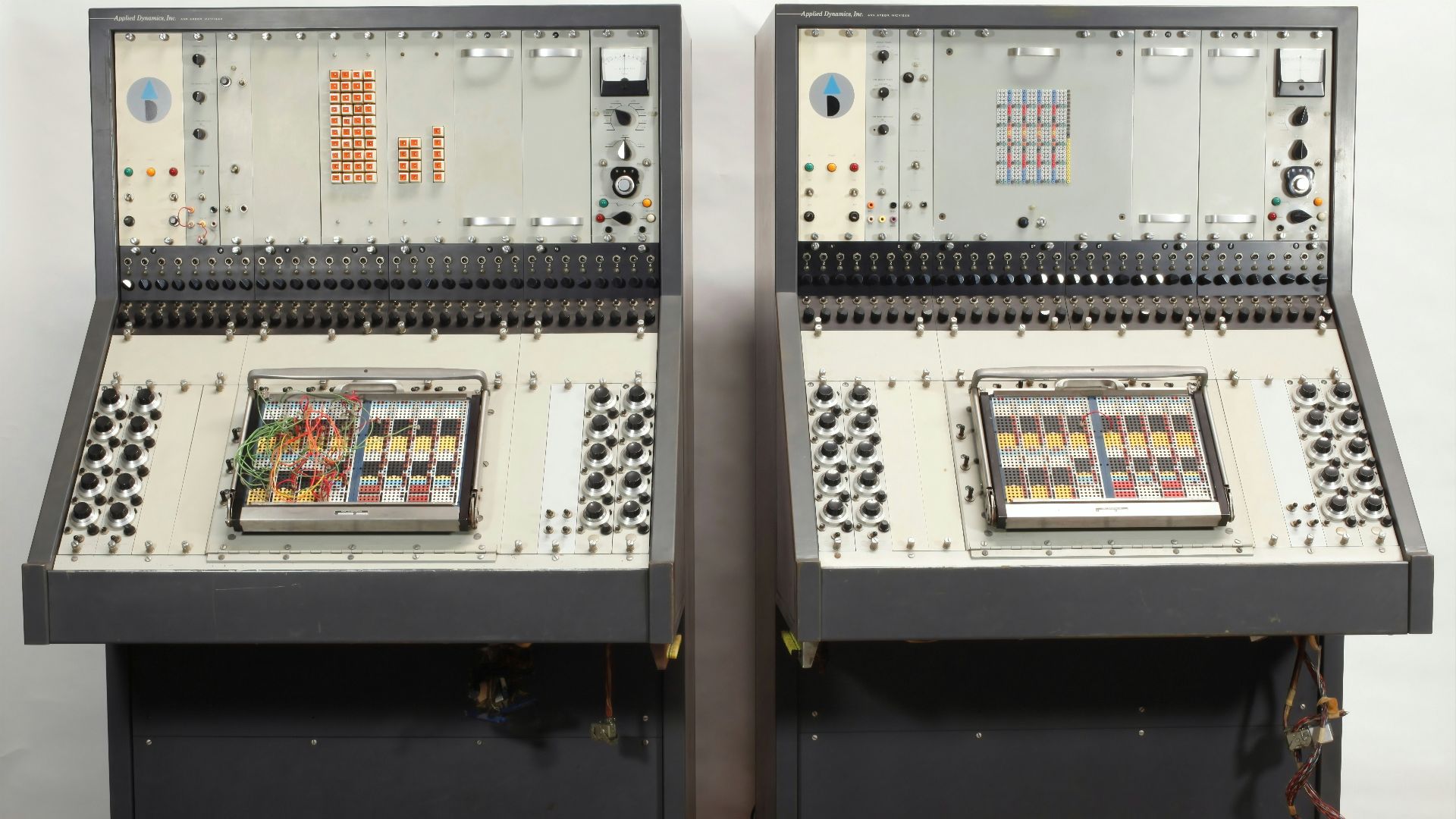
1. Switchboard Operators
Do we really need to hire people to help connect phone calls through manually plugging cables into the right sockets these days? Given that everyone has their own personal cellphone now, unfortunately, we think not. This job requires a lot of patience and careful work, but the modern age is slowly deeming it unnecessary.
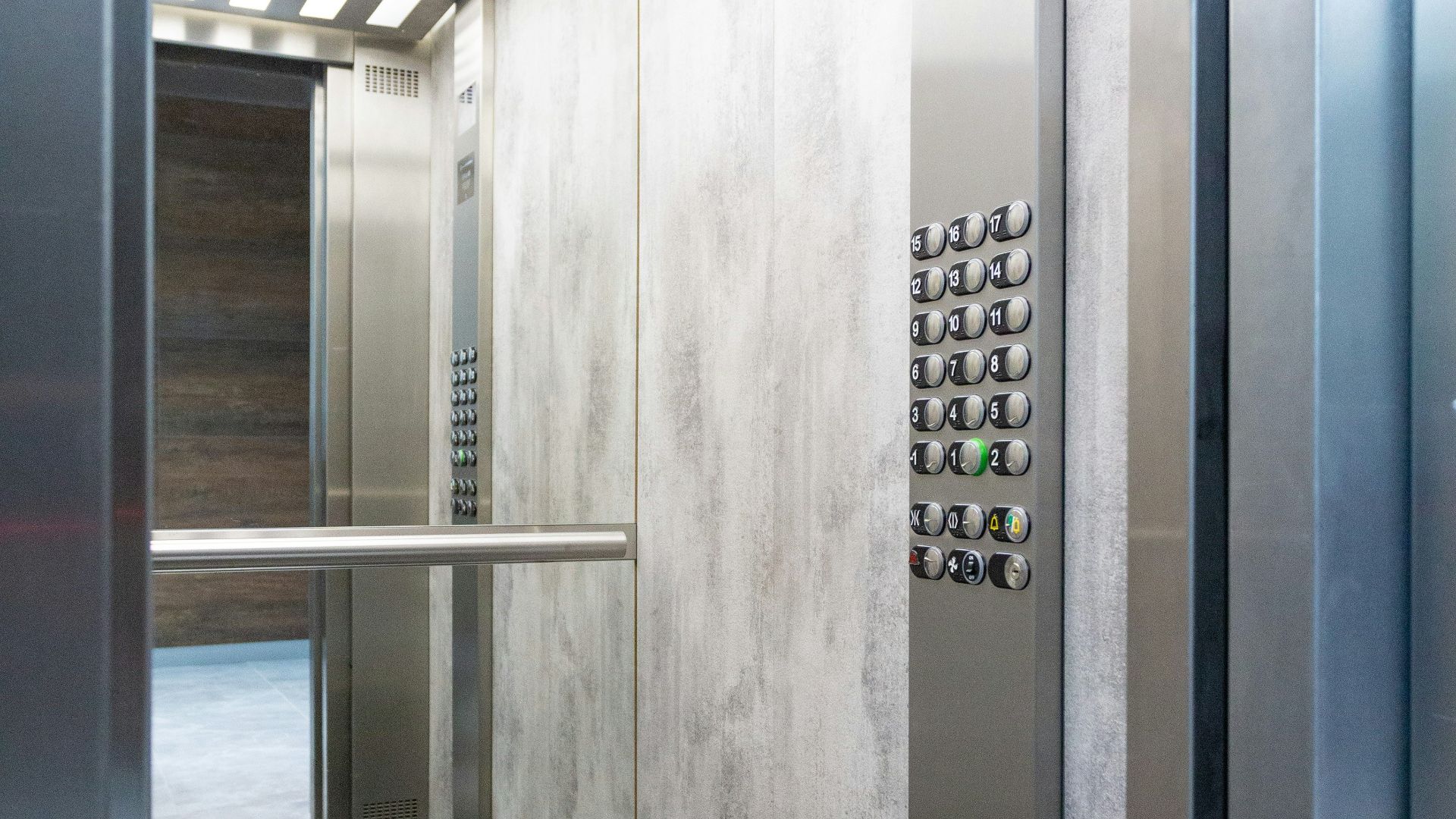
2. Elevator Operators
There was a time not too long ago when riding an elevator meant someone else controlled the doors, selected the floor, and provided excellent service. Elevator operators were once everywhere in department stores, hotels, and office buildings, but these days, it'd definitely be strange if someone tried to handle the elevator for you.
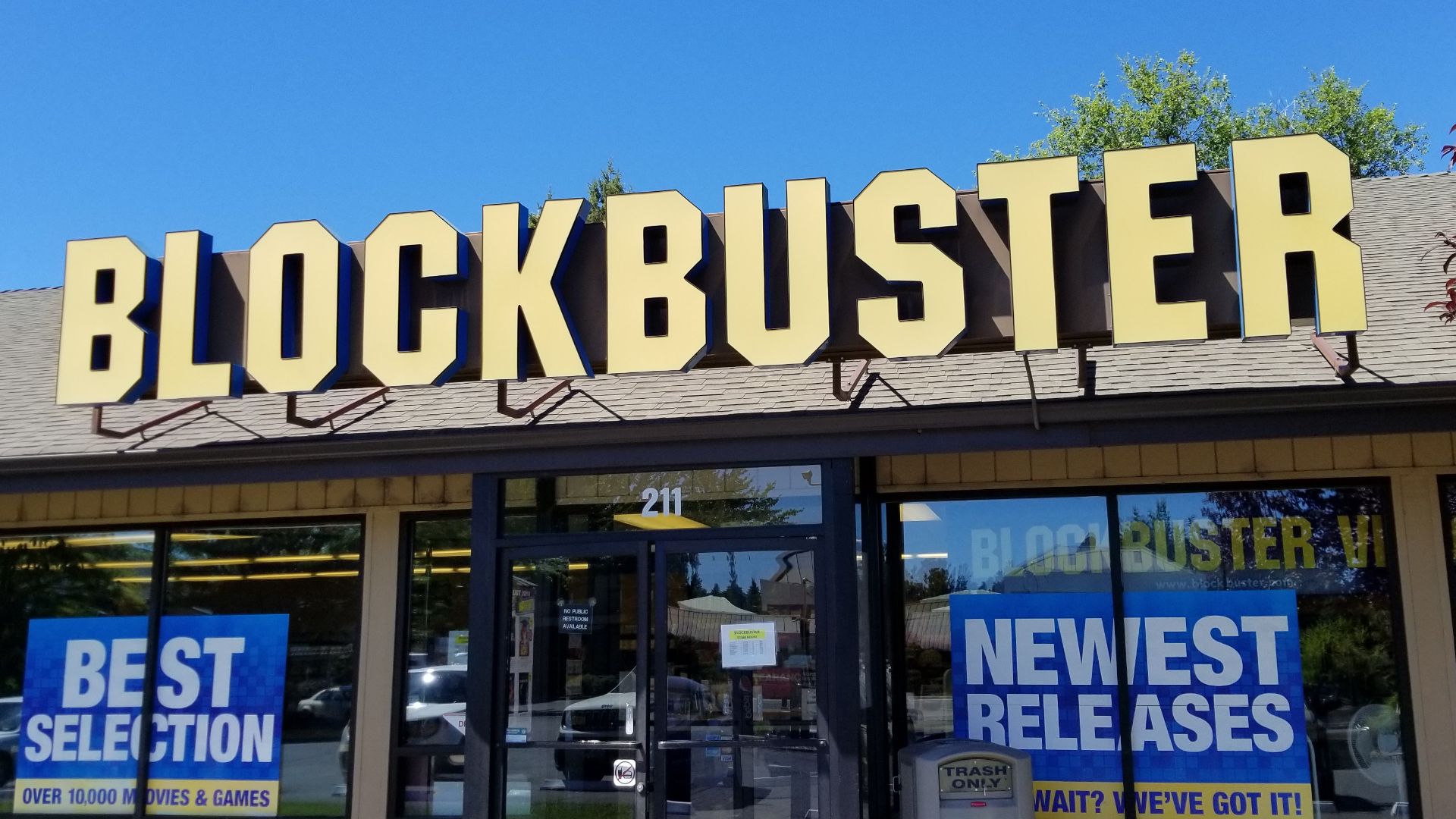
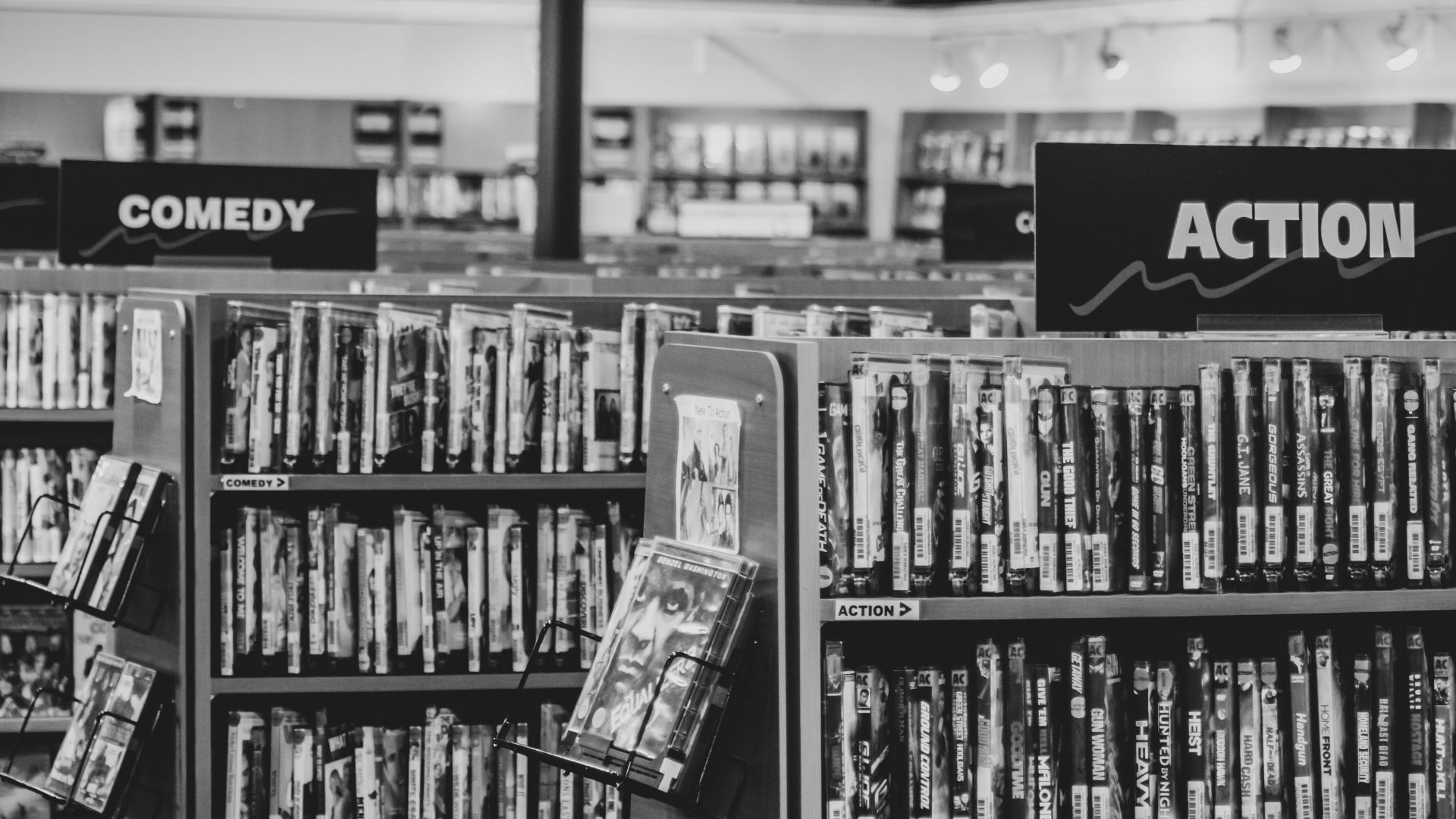
3. Video Store Clerks
What's a video store you may ask? Well, before the age of streaming services, there used to be plenty of physical movie stores where you could rent new and old releases. These clerks would help you choose the best movie night picks, give solid film recommendations, and more, but these days, you just open up your TV and browse.
4. Lamplighters
Everywhere you go, streets are now filled with electric lights, but that wasn't always the case. Back in the day, lamplighters would walk through towns and neighborhoods, lighting each gas lamp by hand in the evening. Obviously, you can see how these jobs are no longer needed in today's world.

5. Travel Agents
You can still find travel agencies in some malls, but booking trips and planning vacations has been made so easy, you'll often find most stores empty. From flights to hotels, rental cars, and vacation packages, everything can be easily looked up online in a matter of seconds and booked with the press of a button.

6. Typists
Professional typists were once essential in offices where documents had to be produced quickly and accurately. They were responsible for turning handwritten notes, dictated letters, and rough drafts into polished business copy. But thanks to the impressive advancement in technology, tons of typing tools get the job done for them.

7. Door-to-Door Encyclopedia Salespeople
When was the last time you heard about door-to-door salespeople and encyclopedias? Combine those two words into one job and suddenly there's no reason to explain why this has gone extinct. Thanks to the internet and online communication, there's simply no need for people to knock on your door trying to sell this outdated product.
 The Jopwell Collection on Unsplash
8. Milk Delivery Workers
Did you know you could once get fresh milk delivered right to your home? Delivery workers would leave bottles on people's doorsteps before the day began, bright and early in the morning. But thanks to supermarkets, convenience stores, and better home appliances, the everyday milkman isn't needed any longer.

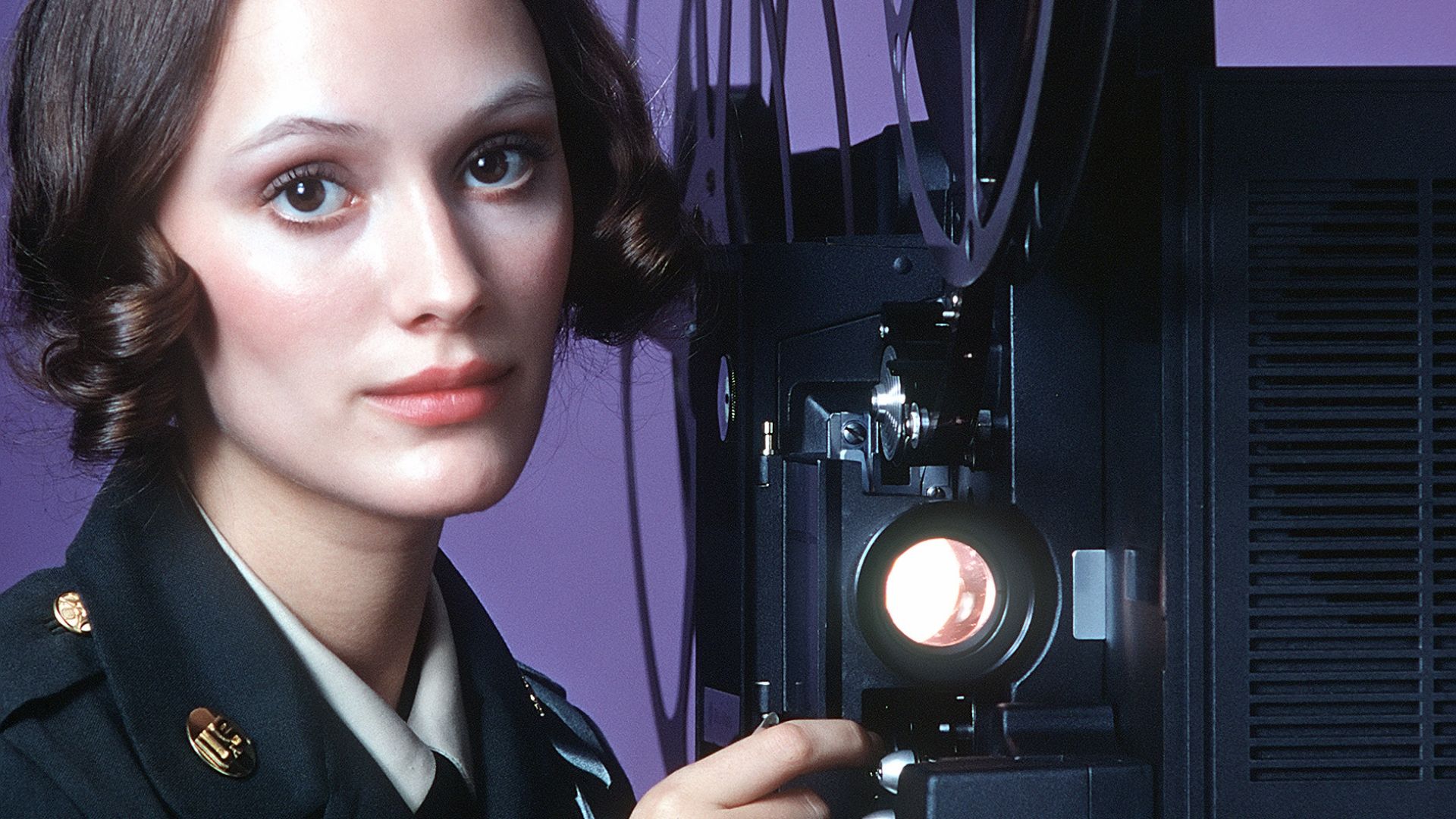
9. Film Projectionists
Movies are still around, but the industry has changed massively. For instance, you likely never knew that there were film projectionists who handled reels, focused images, managed sound, and kept movies running smoothly in theaters. These days, digital projection has removed much of the manual labor that once defined the job.
 Uncredited US Army on Wikimedia
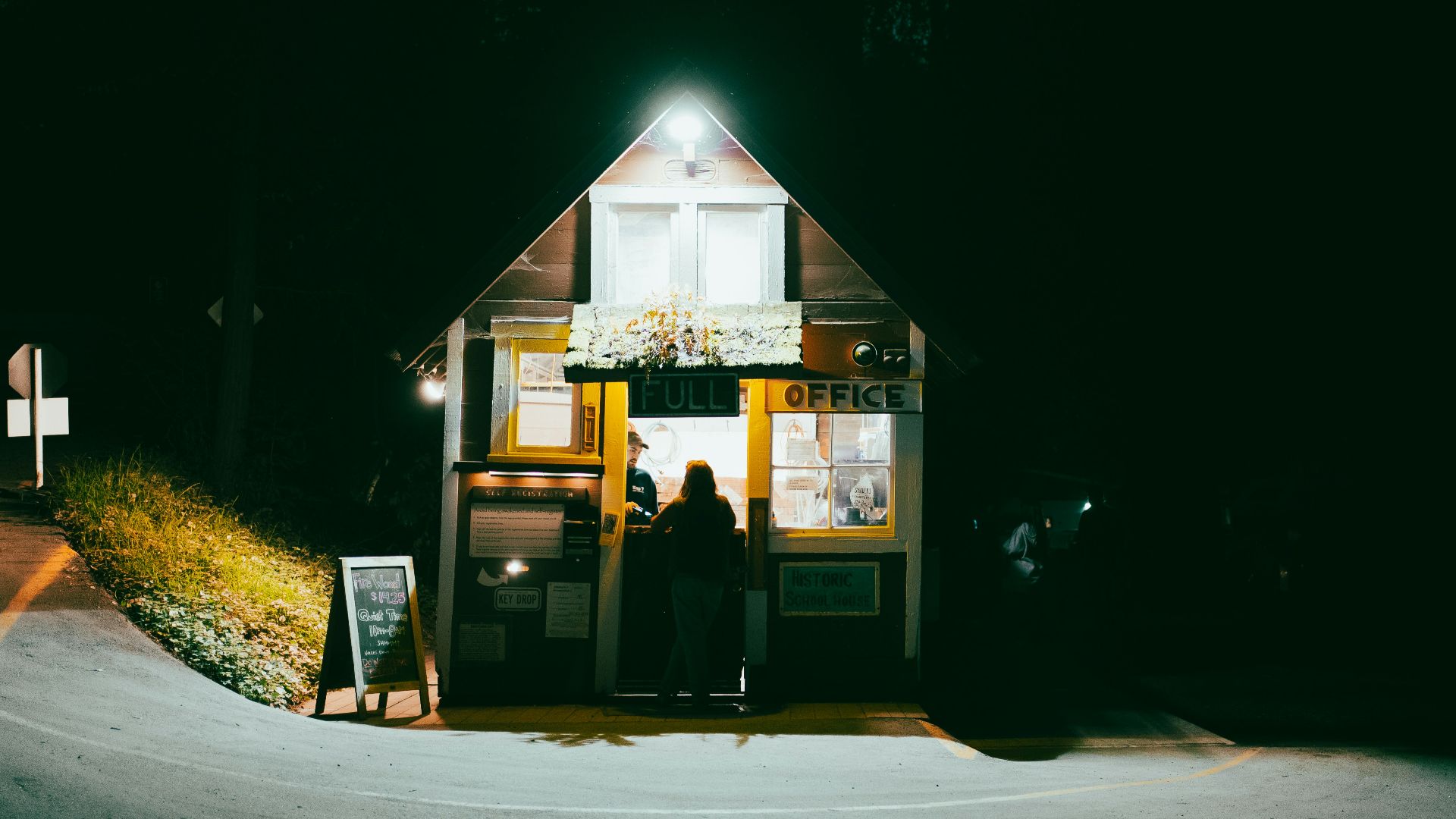
10. Toll Booth Collectors
Once responsible for taking cash, getting change, and waving drivers through, toll booth collectors had a very repetitive job that required patience, and a lot of it. But thanks to electronic tolling systems and license plate readers, there's no more need for this kind of human interaction at the gate.
11. Ice Cutters
Yes, this job sounds exactly like what it was. Before modern refrigeration, ice cutters harvested blocks of ice from frozen lakes and rivers, delivering them to homes and businesses to keep food cold. Refrigerators and freezers eventually replaced the need for this role, which is good for everyone involved.

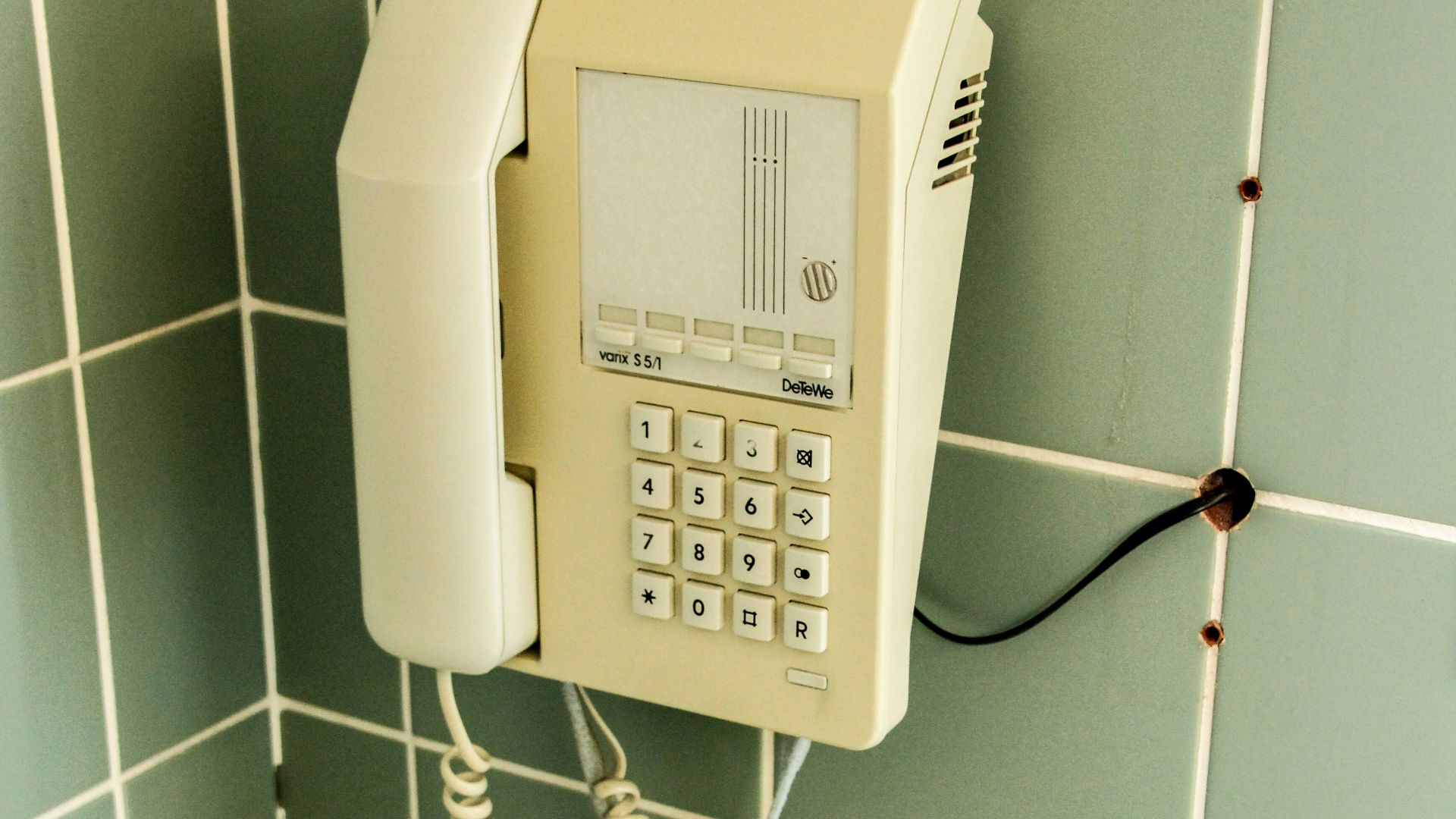
12. Directory Assistance Operators
Remember when it was difficult to find someone you needed because phone numbers weren't readily available like they are today? That's why we had jobs like directory assistance operators back in the day. But now with smartphones and search engines, this process of having someone manually do that work for you feels ancient.
13. Factory Line Jobs Based Only on Repetition
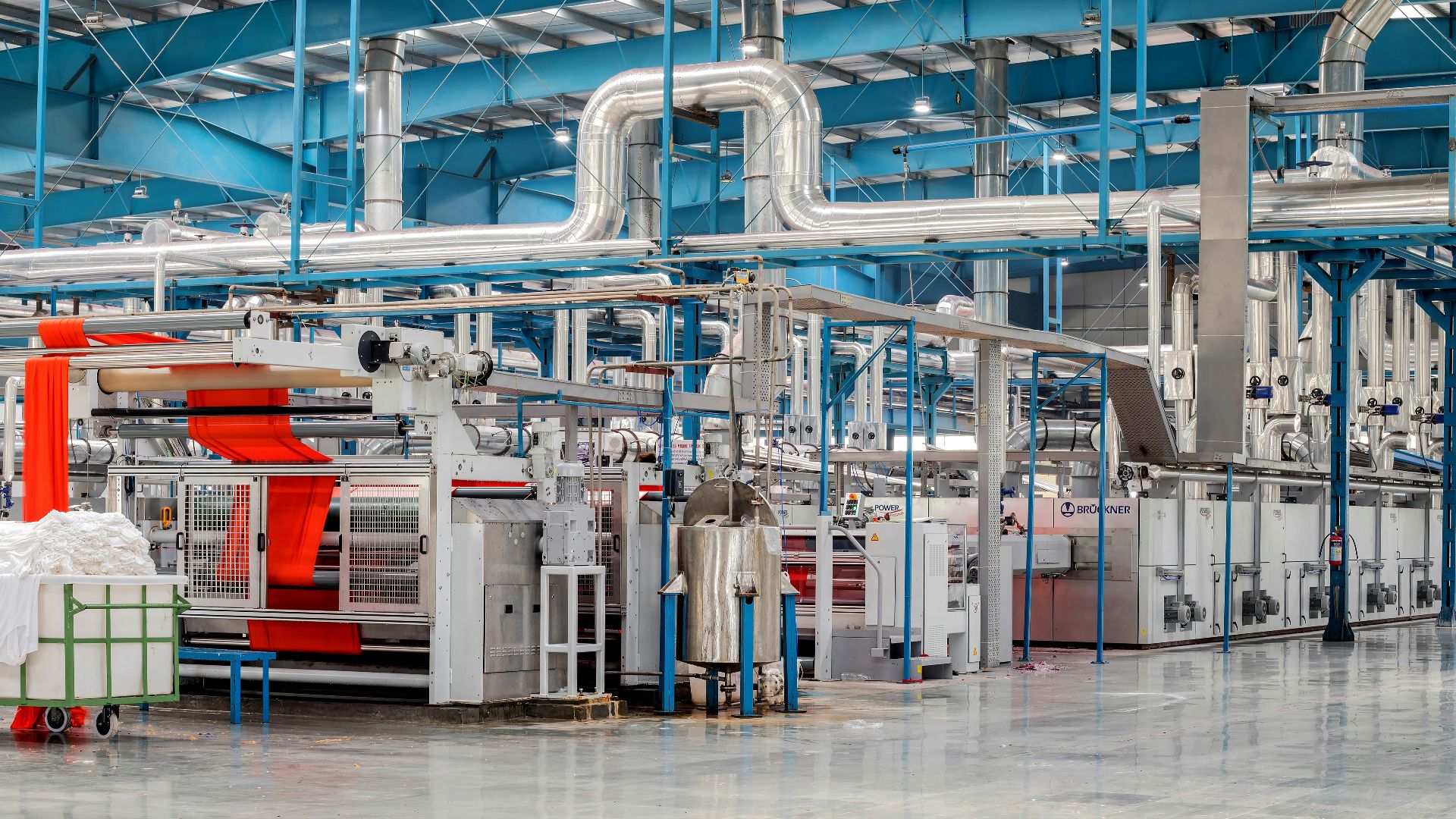
With robots and AI growing in the world, a lot of factory jobs that involve just one repetitive small action are vanishing by the day. Human workers are still needed in many factories, but certain roles are going extinct because of technology's ability to do the job for them.
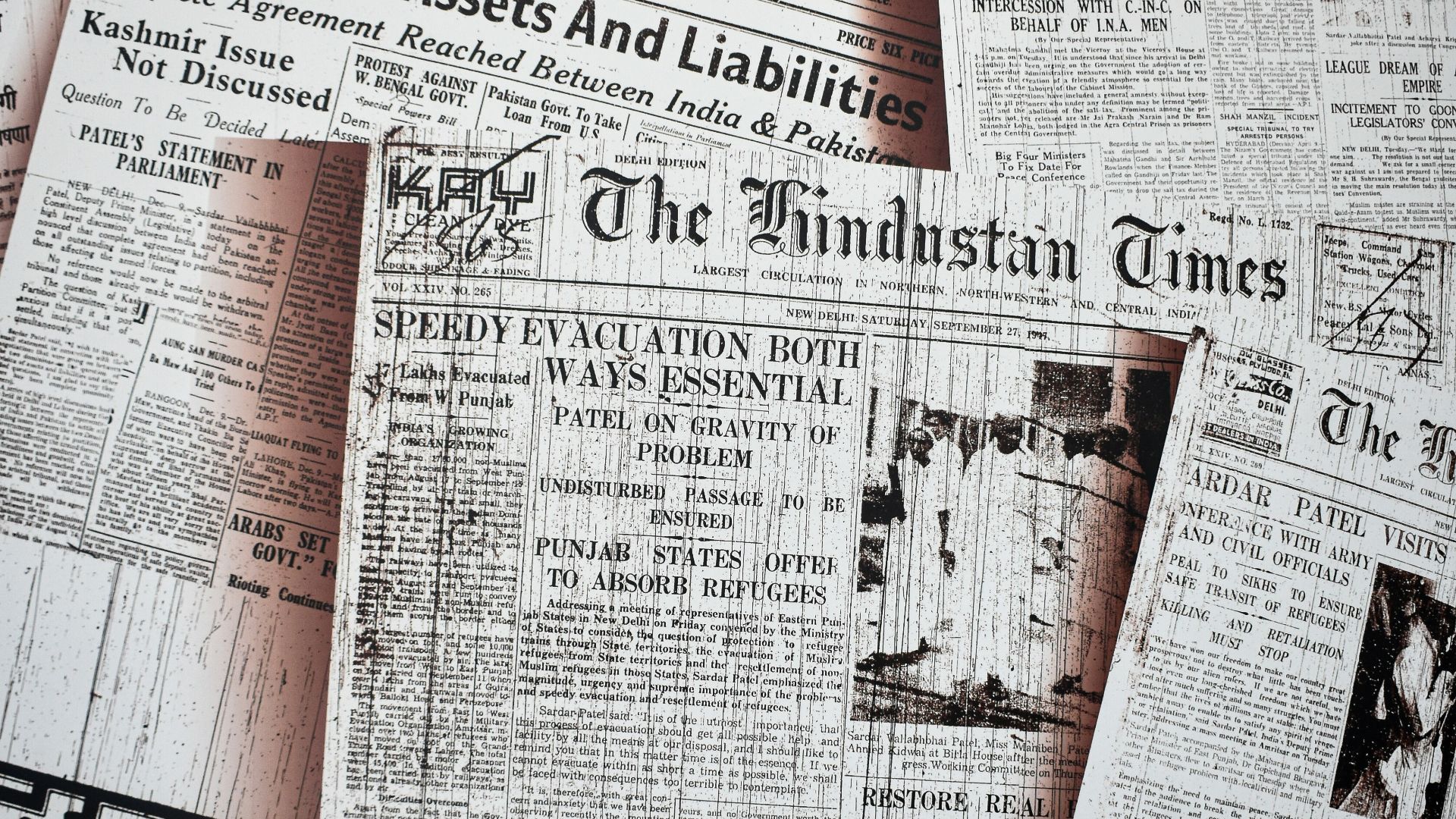
14. Newspaper Typesetters
Newspaper typesetters arranged text for printing long before digital publishing tools existed. But the problem is, digital publishing tools do exist now. Modern layout softwares now let editors and designers prepare pages on screens with far more flexibility, which means nobody has to manually set every line of text anymore.
15. Bowling Alley Pinsetters
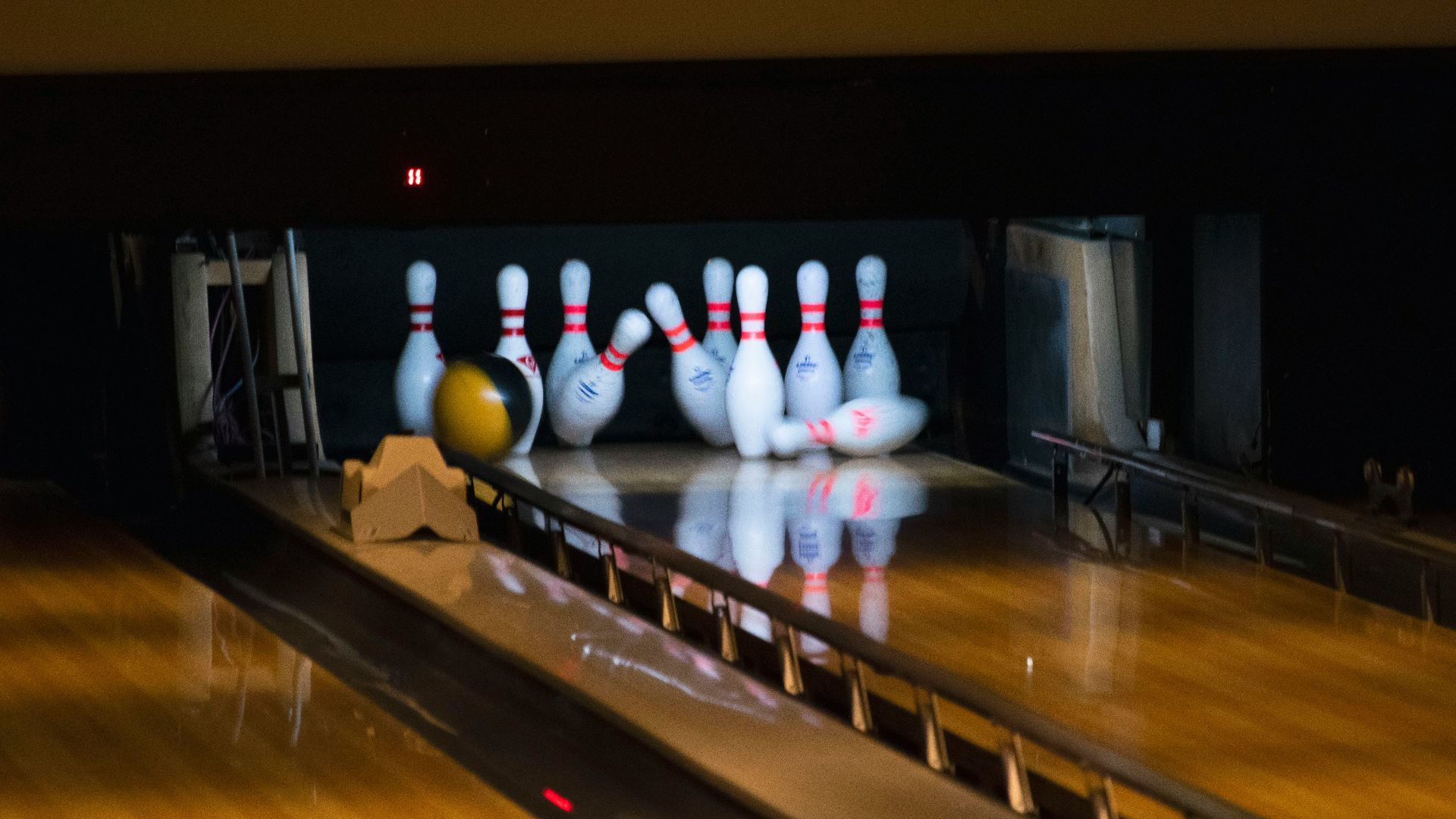
Did you know bowling alley pins didn't always reset themselves like they do today? Bowling alley pinsetters were once people, often teenagers, who manually reset pins after each roll. It was fast, repetitive, and not exactly the safest job in the building.
16. Human Alarm Clocks
Also hilariously called "knocker-uppers," these human alarm clocks were paid actual money to wake up people by tapping on their windows or doors. It's hard to imagine a world before alarm clocks were available, but this was the best alternative back then! Clearly, not needed any longer.

17. Full-Time Copy Clerks
Copy clerks once spent their days duplicating documents, organizing paper stacks, and distributing physical copies around an office. This made sense when paperwork moved through buildings by hand, but nowadays, email, cloud storage, scanners, and shared drives have changed how documents travel.
18. Photo Lab Technicians
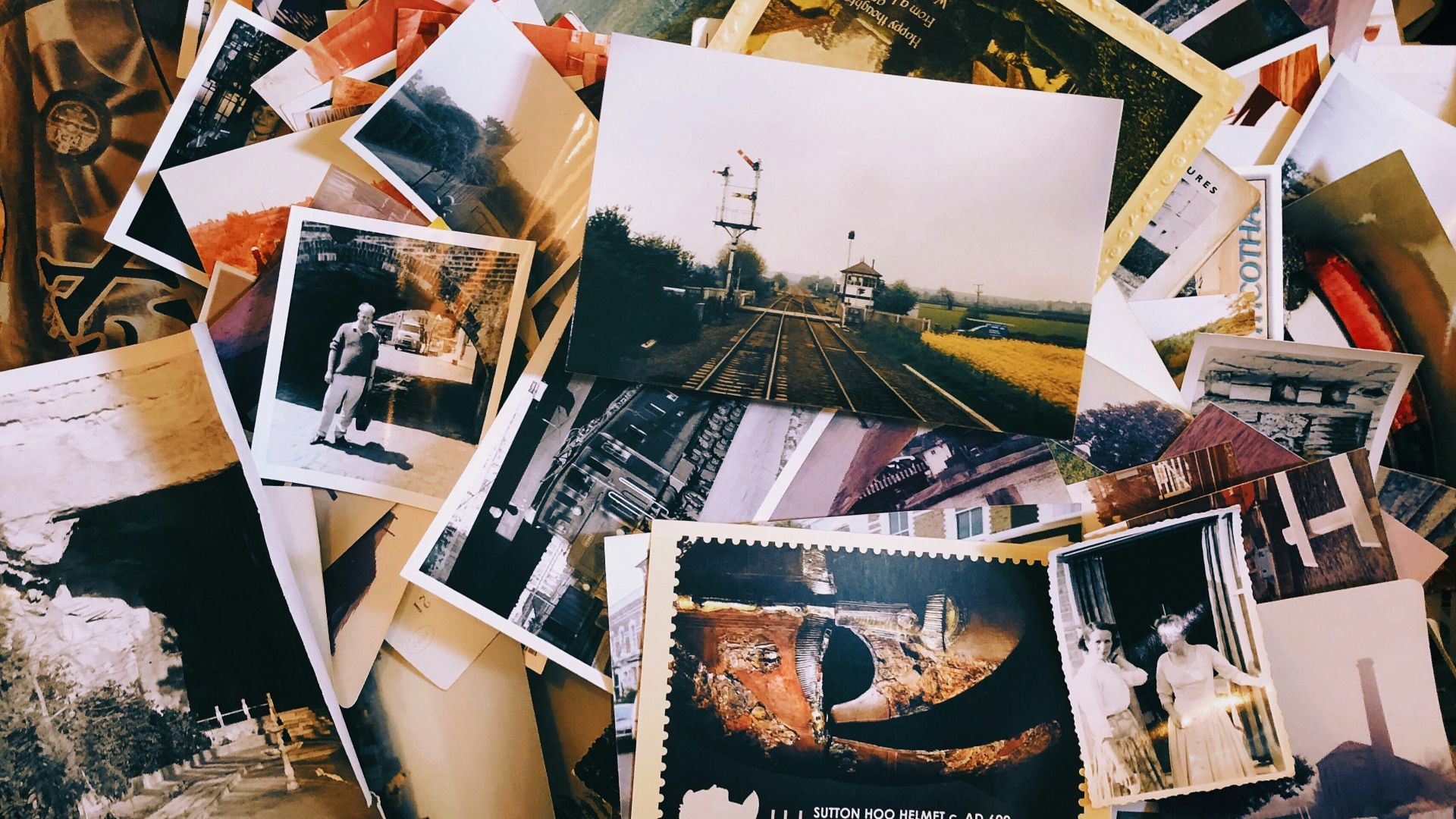
From developing film to printing out photos for customers, for decades, photo lab technicians were the norm for turning pictures into something you could hold. But now with digital cameras and smartphones making instant photos the standard, not to mention, printers and online services being more available, they've turned this job more obsolete.
19. Telegram Messengers
Most people these days won't even know what a telegram is! These messengers were once in charge of delivering short written messages, that is, before texting, email, and messaging apps became prevalent. This job used to be highly important when it came to urgent and pressing news, but it's safe to say it's no longer the same.
 Christian Wiediger on Unsplash
20. Cashiers in Fully Automated Stores
Yes, cashiers are still everywhere you go, but it's also true that there are much less of them. Many stores are using self-checkout systems and mobile payments apps to improve customer experience, but that also means reducing the number of jobs available for people who need it. The classic job of sitting at a register all day is becoming less central than it used to be.