When Familiar Rules Start Feeling Outdated
A traditional office can offer useful structure, but there’s a difference between having clear standards and preserving habits simply because they’ve always been there. When policies, technology, communication styles, and workplace expectations haven’t evolved in years, employees may spend more time following rituals than doing their best work. Here are 20 signs you're working in too traditional an office.

1. Everyone Is Expected To Arrive At Exactly The Same Time
Your office may treat punctuality as more important than productivity, even when employees perform jobs that don’t require synchronized schedules. A few minutes of flexibility can help people manage commuting delays, family responsibilities, and appointments without affecting results.
2. Remote Work Is Automatically Viewed With Suspicion
Some workplaces still assume employees can only be productive when managers can physically see them. That attitude ignores the fact that many tasks can be completed effectively from home with proper communication and clear expectations.

3. Paper Documents Are Still The Default
There’s nothing wrong with printing something when a physical copy is useful, but relying on paper for nearly every process creates unnecessary work. Employees may have to print forms, collect signatures, make copies, and file documents that could be managed digitally.

4. Dress Codes Leave Little Room For Common Sense
A professional appearance can matter, especially in client-facing roles, yet extremely detailed dress rules often reflect older workplace expectations. Employees may be required to wear formal clothing even when they spend the entire day working privately at a desk.

5. Managers Need To Approve Minor Decisions
Traditional offices often place authority at the top, which can make even small choices unnecessarily complicated. Employees may need permission to order basic supplies, adjust a deadline, or solve a routine customer issue.

6. Meetings Are Scheduled For Nearly Everything
A meeting can be valuable when people need to debate, plan, or make a decision together, but it shouldn’t replace every other form of communication. In a highly traditional office, employees may gather simply to share information that could’ve been sent in a brief message. The result is a calendar filled with formal discussions and less time for focused work.
 Christina @ wocintechchat.com M on Unsplash
7. Job Titles Determine Who Gets Heard
Ideas may receive more attention based on the speaker’s rank than on the quality of the suggestion. Junior employees are expected to listen quietly, while senior staff members dominate discussions and make most decisions.

8. Employees Rarely Question Established Procedures
You may hear phrases such as “That’s how we’ve always done it” whenever someone suggests a simpler process. Longstanding procedures aren’t automatically ineffective, but they should still be reviewed as technology, customer needs, and staffing change.

9. Promotions Depend Heavily On Time Served
Experience deserves recognition, yet seniority alone doesn’t always identify the strongest candidate for advancement. Employees who’ve been present the longest may move up automatically, while skilled newer workers wait regardless of their contributions.
10. Communication Must Follow Formal Channels
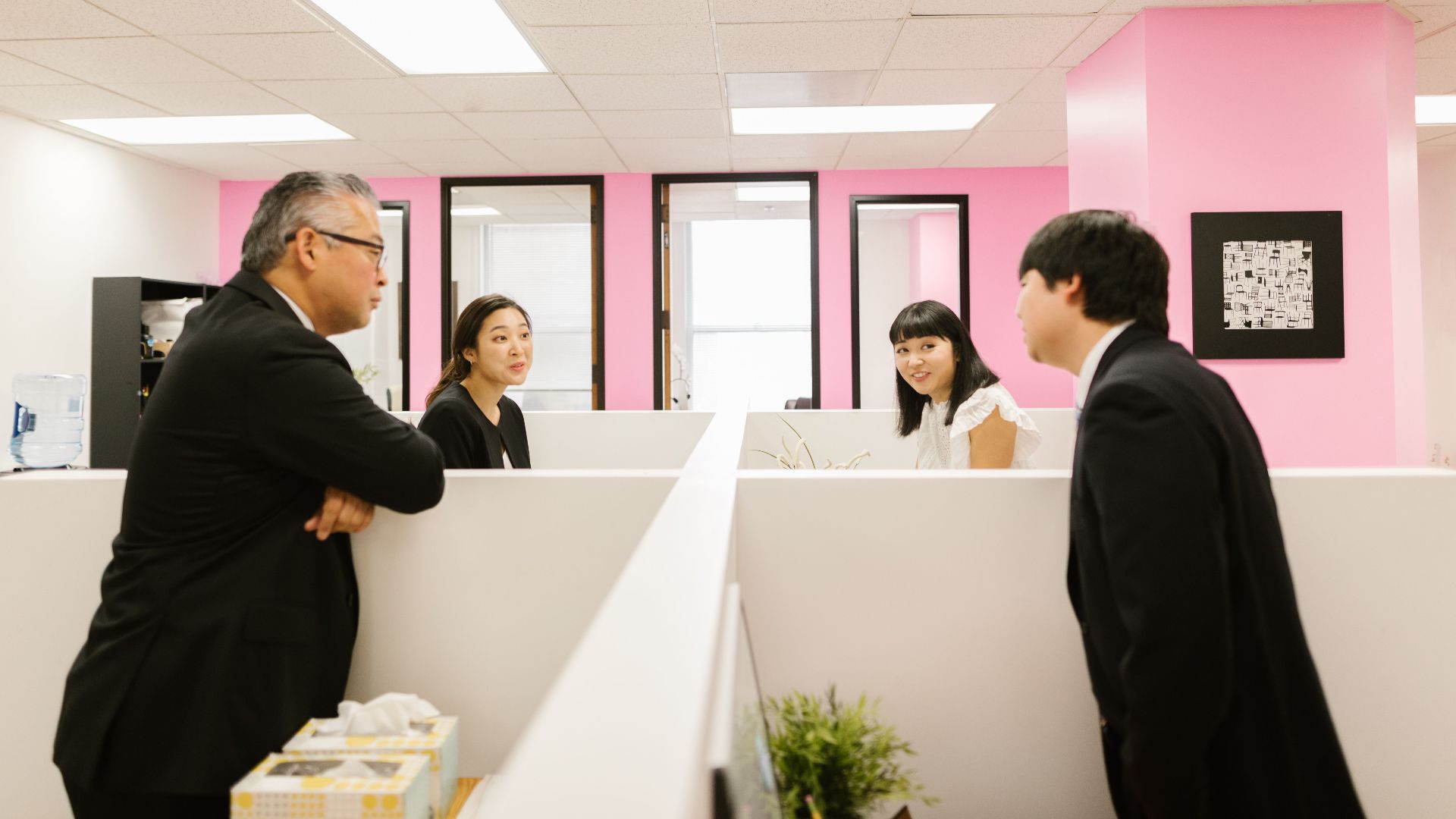
Employees might be expected to send every question through a supervisor rather than speak directly with the person who has the answer. This can create delays, misunderstandings, and long email chains involving people who don’t need to participate.

11. Personal Work Styles Aren’t Accommodated
Some people concentrate best in quiet spaces, while others benefit from discussion, movement, or short breaks between demanding tasks. A traditional workplace may expect everyone to work in the same way, at the same pace, and under identical conditions.
12. Technology Updates Happen Very Slowly
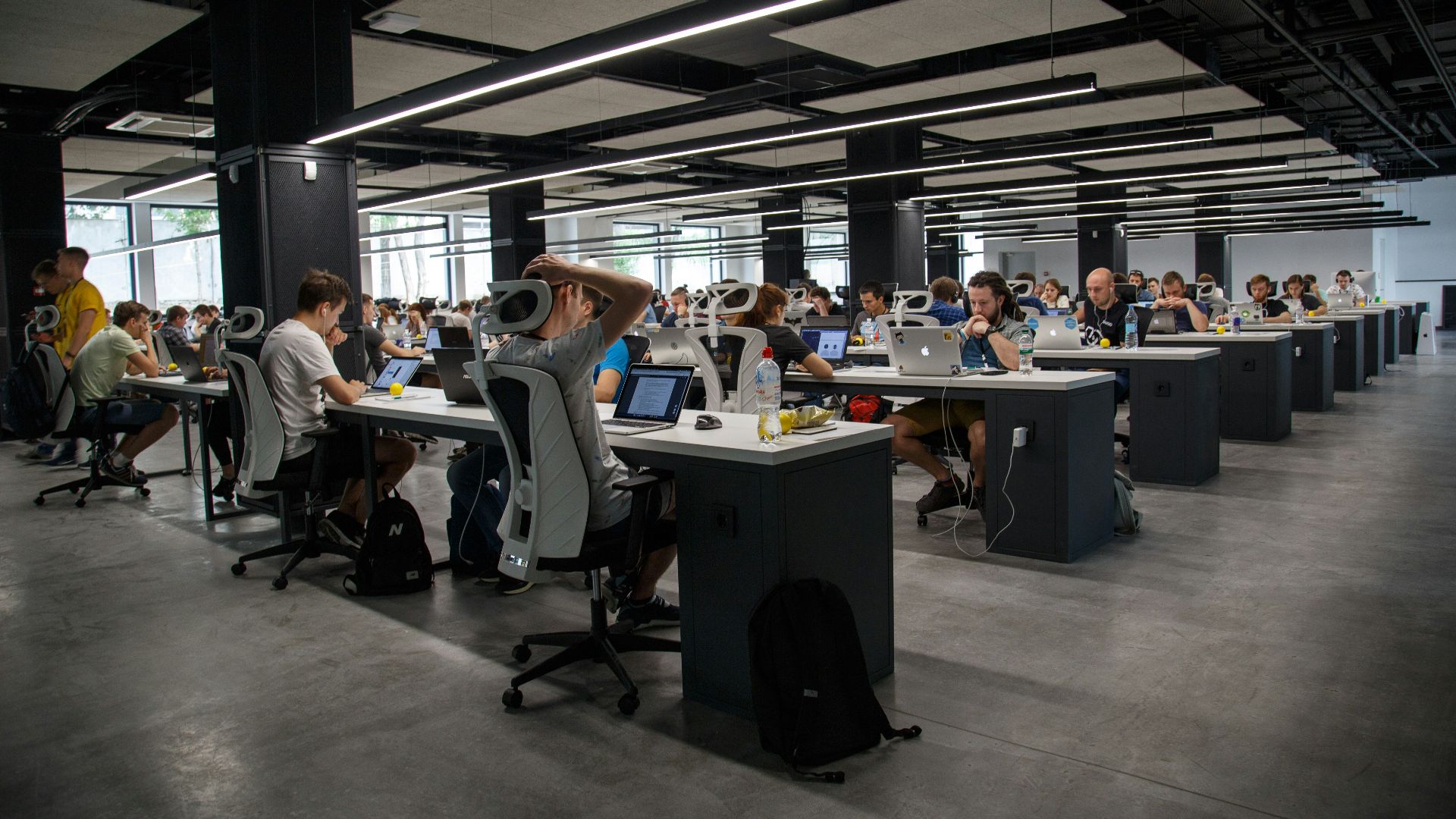
Older software can remain functional, but outdated systems often require extra steps and increase the risk of mistakes. Employees may spend hours entering the same information into multiple programs because leadership is reluctant to change familiar tools.
 Priscilla Du Preez 🇨🇦 on Unsplash
13. Overtime Is Treated As Proof Of Commitment
Staying late is sometimes necessary, particularly during busy periods, but it shouldn’t become the main way employees demonstrate loyalty. Traditional offices may praise those who remain visible after hours while overlooking people who complete their work efficiently.
 Arlington Research on Unsplash
14. Feedback Only Happens During Annual Reviews
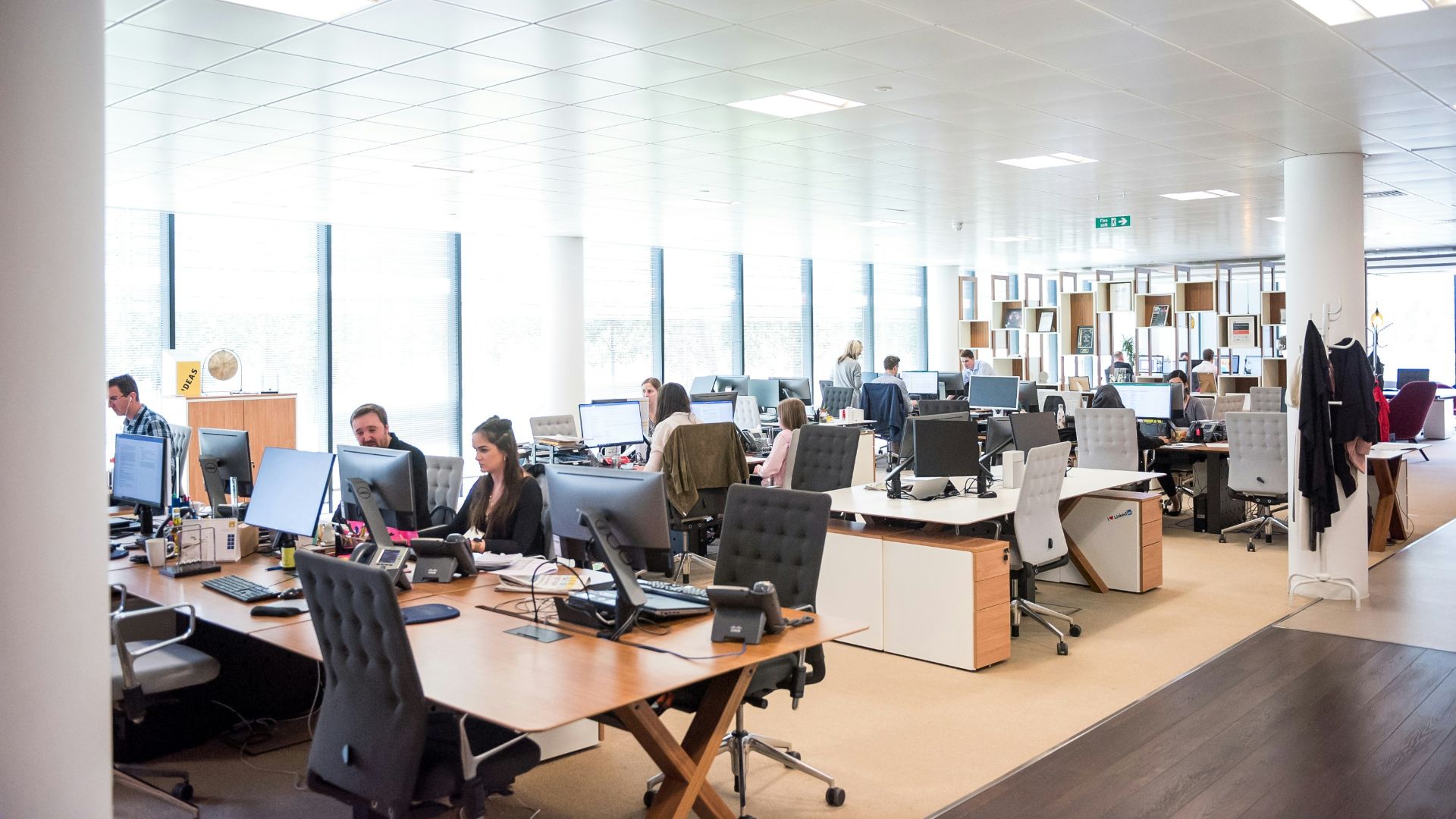
Waiting an entire year to discuss performance makes it harder for employees to correct problems or build on recent successes. Regular feedback doesn’t need to involve lengthy meetings, formal paperwork, or uncomfortable evaluations.
15. Employees Are Expected To Hide Their Personal Lives
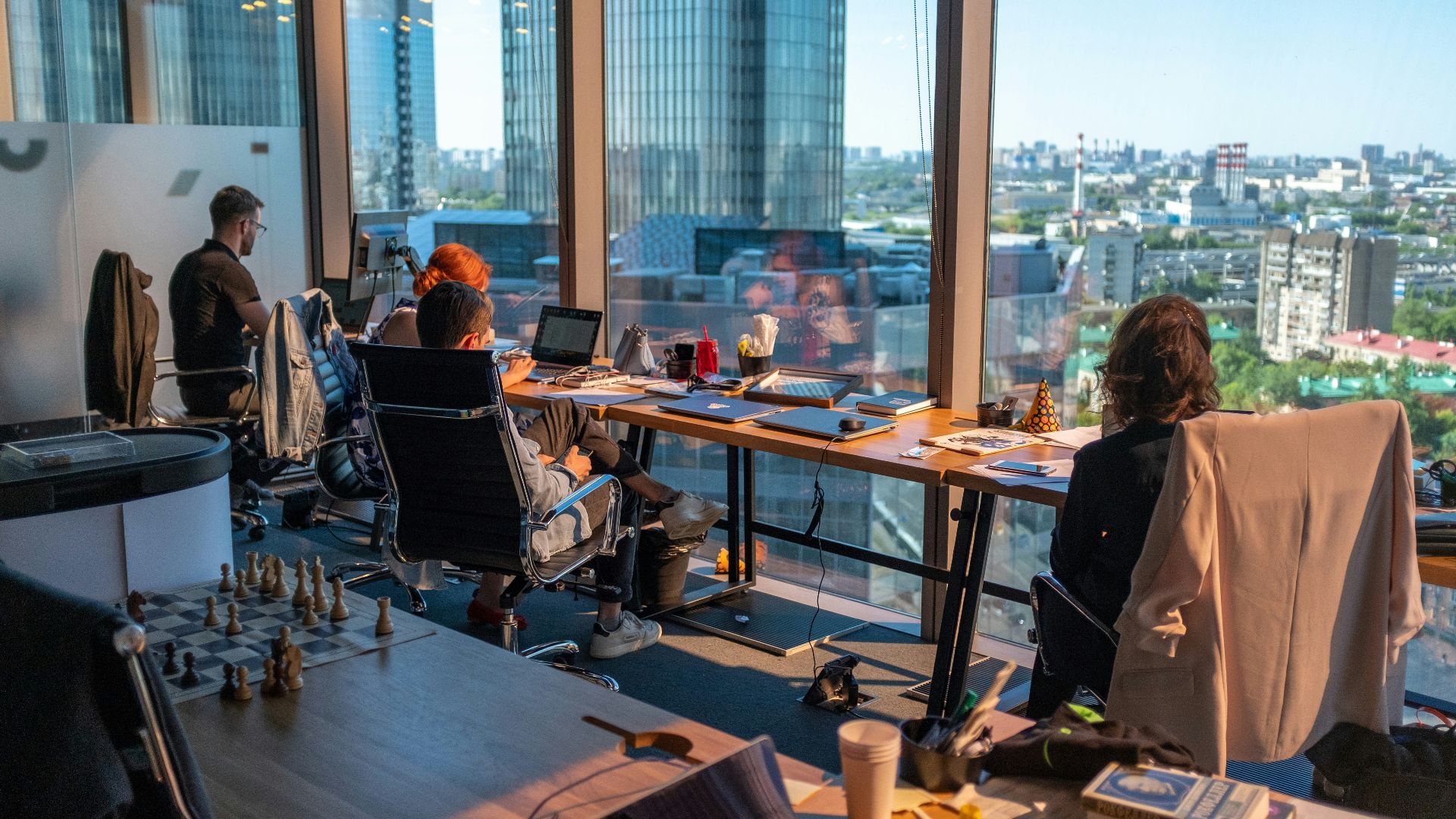
Professional boundaries are important, but workers shouldn’t have to pretend that responsibilities outside the office don’t exist. A rigid workplace may react negatively when someone needs flexibility for caregiving, school events, or personal appointments.

16. Information Is Shared On A Need-To-Know Basis
Some details must remain confidential, yet excessive secrecy can leave employees uncertain about decisions that directly affect their work. Traditional hierarchies sometimes assume that leadership should control information while everyone else follows instructions.

17. Training Focuses On Rules Instead Of Development
New employees may receive extensive instruction about policies, forms, and approval procedures, but little guidance on building useful skills. Ongoing learning might also be limited to mandatory compliance sessions rather than career development.

18. Office Perks Replace Meaningful Flexibility
Free snacks and occasional social events can be enjoyable, but they don’t solve problems involving rigid hours, limited autonomy, or excessive workloads. A traditional employer may introduce small perks while leaving every major policy unchanged.

19. Leadership Positions Look Remarkably Similar
A lack of variety among decision-makers can indicate that the organization continues hiring and promoting according to a narrow, familiar model. Different professional backgrounds, experiences, and perspectives can improve problem-solving and reveal blind spots.
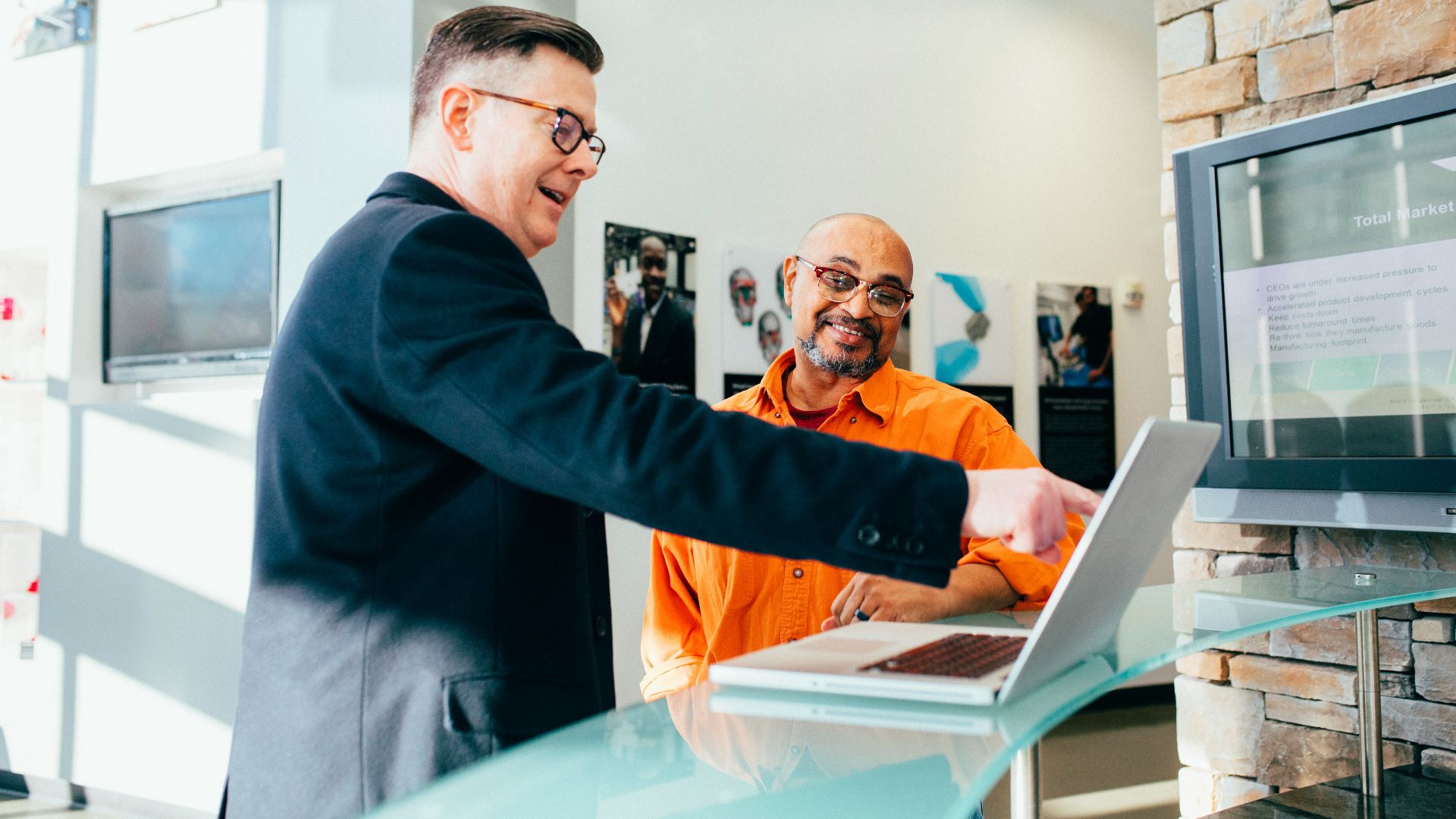 LinkedIn Sales Solutions on Unsplash
20. Change Is Usually Introduced Too Late
Modern workplaces don’t need to adopt every new idea immediately, but they should respond when employees, customers, or industry conditions clearly shift. A highly traditional office may delay updates until old systems fail or talented staff begin leaving.