
10 Reasons "Pull Yourself Up By Your Bootstraps" is Terrible Advice & 10 Ways It Has Merit
10 Reasons "Pull Yourself Up By Your Bootstraps" is Terrible Advice & 10 Ways It Has Merit
The Phrase America Can't Quit
"Pull yourself up by your bootstraps" gets tossed around like it's timeless wisdom, when really it started out describing something absurd. You cannot lift yourself off the ground by tugging on your own boots, and the phrase was originally used as a joke about doing exactly that. Somewhere along the way, Americans flipped the meaning and turned physical impossibility into a badge of honor for anyone who claims to have made it alone. Now it shows up in political speeches and family arguments about money, usually right before someone gets defensive. Here are 10 reasons it's terrible advice, and 10 reasons there may be something to it.

1. It Ignores Where People Start
Two people can work equally hard and land in completely different places, because one grew up with a safety net and the other grew up one missed paycheck from disaster. Bootstrap logic pretends effort happens in a vacuum, as if zip code and inherited debt never factor into the outcome. That kind of thinking turns a starting position into a personal failing.

2. It Started as a Joke
The phrase comes from a satirical image of a man trying to lift himself into the air by pulling on his own boot straps, and the punchline was that it's physically impossible. Somewhere in the twentieth century, that joke got flipped into sincere, inspirational advice. Building a serious philosophy on top of a punchline is a strange foundation for public policy.

3. It Blames the Person, Not the System
When "just work harder" gets handed over as a full explanation for poverty, it conveniently skips past layoffs and medical bills that have nothing to do with effort. Bootstrap thinking gives everyone else a pass and lands the entire burden on whoever's already struggling. That's a tidy way to dodge harder conversations about wages and access.

4. It Assumes Hard Work Always Pays Off
Plenty of people work brutal hours at jobs that never build toward anything, not because they lack ambition but because some jobs just don't lead anywhere no matter how hard someone grinds. The saying implies a straight line between effort and reward, and that line doesn't exist for a huge number of workers. Effort matters, but it isn't a guarantee.

5. It Discourages Asking for Help
People who believe deeply in bootstrap logic often avoid therapy or a helpful conversation with a friend, because needing something feels like admitting weakness. That isolation can make a hard situation worse instead of better. Nobody builds anything meaningful entirely alone, whatever the myth suggests.

6. It Erases Community and Luck
Success stories almost always include a teacher who noticed something or a friend who made an introduction at exactly the right moment. Bootstrap language edits all of that out and hands the credit to one person's willpower. That version of the story is cleaner, but it's not true.

7. It Gets Used to Justify Cutting Support
Politicians love the phrase because it makes slashing social programs sound like tough love instead of abandonment. "They just need to pull themselves up" is a much easier sell than admitting a program actually works and cutting it anyway. The phrase does a lot of quiet political work that has nothing to do with encouraging anyone.

8. It Sets an Impossible Standard
If someone doesn't succeed, bootstrap logic says the problem was their effort, never the odds. That leaves no room for bad luck or illness that would knock over almost anyone. People end up measuring themselves against a standard that was rigged from the start.

9. It Flattens Different Struggles Into One Story
A single parent working two jobs and a college kid coasting on a trust fund internship get the exact same "just work hard" pep talk, as if their situations have anything in common. The phrase treats every kind of hardship like it's interchangeable. It isn't, and pretending otherwise helps nobody.
 Xavier Mouton Photographie on Unsplash
10. It Turns Struggle Into a Personality
Some people start wearing the phrase like an identity, bragging about how hard they had it and judging anyone whose path looked easier. That mindset can curdle into resentment fast, especially toward people who got help along the way. Struggle isn't a virtue by itself; it's just something that happened.
Here's 10 reasons it still earns its keep.
 Fernando Hernandez on Unsplash
1. It Pushes Back Against Learned Helplessness
Some people talk themselves out of trying before they've even started, convinced nothing they do will matter. A phrase that says "start moving anyway" can snap someone out of that spiral, even if it oversimplifies the odds. That's less about being correct and more about getting someone to take a first step, and sometimes that's exactly what a person needs.

2. It Rewards Small, Consistent Effort
Nobody transforms their life in one grand gesture; it happens through unglamorous repetition, showing up for the same shift or the same workout when nothing feels like it's changing yet. The phrase captures that grind, even if it skips the context around it. Persistence still counts for something.

3. It Builds a Useful Kind of Stubbornness
People who internalize the bootstrap mindset tend to keep going after a setback instead of folding immediately. That stubborn streak can carry someone through a bad year or a rough recovery. It's not a full strategy, but it's a decent survival instinct.
4. It Reminds People They Have Some Agency
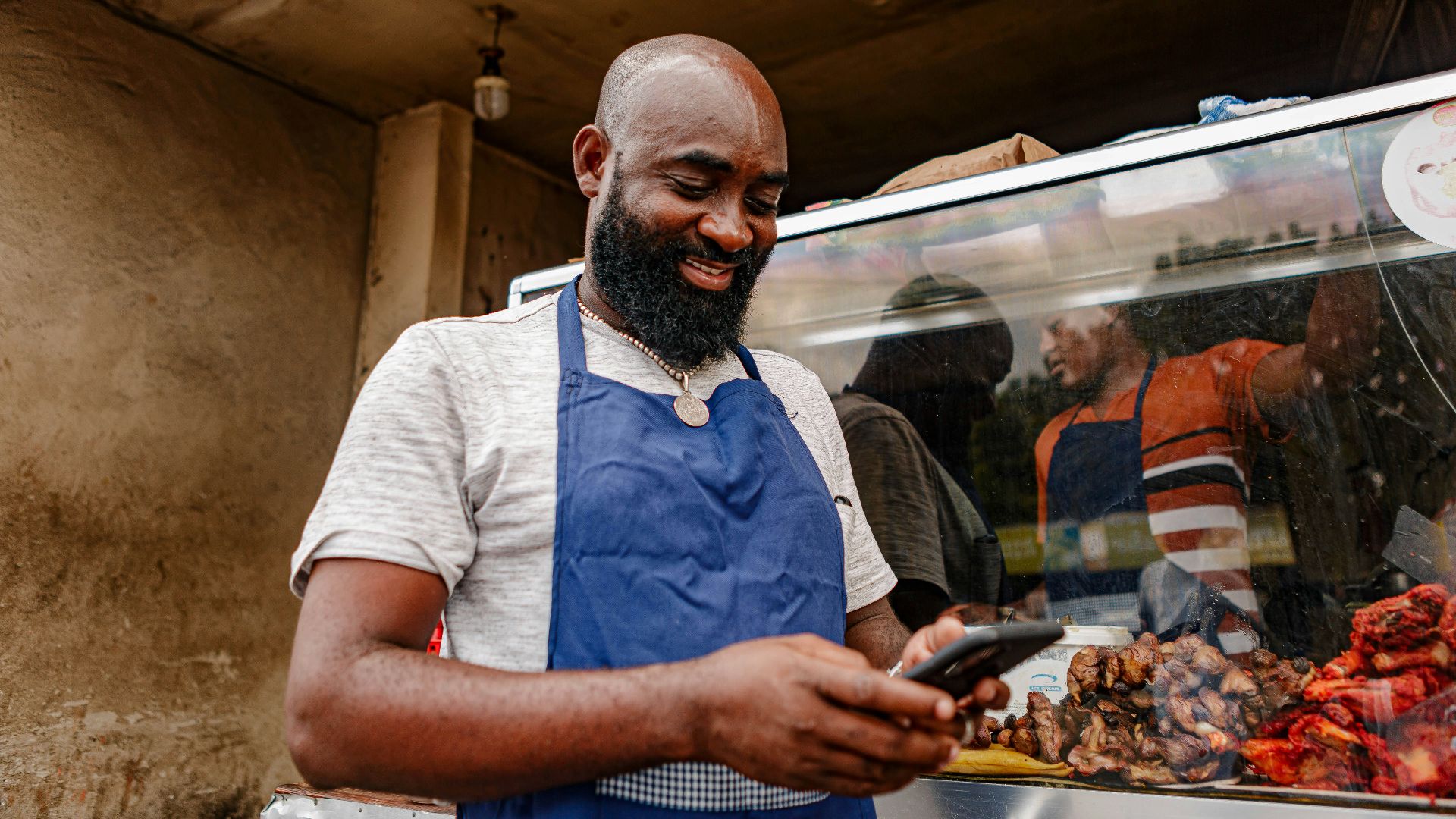
Even in genuinely unfair situations, there are usually a few choices still on the table, and the phrase points toward those instead of toward total surrender. Focusing on what's controllable, even a small slice of it, can keep someone from spiraling into total passivity. That's a real, practical use for the idea.

5. It Cuts Through Excessive Self-Pity
Occasionally someone really is stuck in a spiral of blaming everyone but themselves for a situation they have some power to change. A blunt reminder that action is still possible, however blunt the phrase itself is, can be exactly what breaks that cycle.

6. It Motivates in the Absence of Outside Support
Not everyone gets a mentor or a lucky break, and for those people, the idea that they can still move forward on their own terms isn't naive, it's necessary. The phrase gives shape to that resolve, even when the odds are genuinely stacked against them.

7. It Has Built Real Businesses and Careers
Plenty of founders and workers really did claw their way up from nothing, through years of unglamorous effort that nobody else was going to do for them. Their stories aren't the whole picture of how success works, but they're not fake either. Some people really did pull themselves through it.

8. It Works as a Short-Term Mental Reset
In the middle of a rough week, "just get through today" functions like a smaller, more useful version of the phrase, something to say to yourself when the big picture isn't helping. Nobody needs a philosophy to get through a bad Tuesday, just a reason to keep moving.

9. It Encourages Ownership Over Outcomes
Waiting around for someone else to fix a situation rarely works out, and there's something to be said for deciding to act instead of stalling on permission or rescue. The phrase, at its best, nudges people toward taking that first step themselves.

10. It's Still Partly True
Effort really does matter, even if it isn't the whole story, and the phrase survives because it captures a real piece of how change happens, alongside luck and circumstance. Effort still counts. The mistake is believing it's the whole story.