20 “Adulthood” Skills That Shouldn’t Be as Confusing as They Are
Figuring Out The Rest Of Your Life
Somewhere along the way, you were supposed to attend a class called "How to Be a Functional Human Being 101." You didn't get the memo. Nobody did. And yet here you are, expected to understand insurance deductibles, know where your home's water shutoff valve is, and somehow keep a houseplant alive, all without direction. Here's the truth: adulting isn't actually hard. It's just unexplained. Most of these skills take five minutes to understand once someone breaks them down in plain English. The problem is that most of us learn them the hard way, through a $200 late fee, a shrunken sweater, or a 2 a.m. scramble when the power goes out and nobody remembers where the flashlight is. So consider this your cheat sheet. Twenty things that should have come with an instruction manual, finally explained without the jargon.

1. Build a Budget
Forget rigid spreadsheets that make you feel guilty about buying coffee. A good budget starts with what you actually take home, covers your fixed bills, leaves room for everyday spending, and sets aside a little for the surprise expenses that always show up. You want to know where your money goes before it disappears, not after.

2. Start an Emergency Fund
Life has a habit of throwing curveballs. An emergency fund exists to catch you when that happens. You don't need thousands of dollars sitting around right away. Even a few hundred dollars can be the difference between a stressful week and a full-blown crisis.

3. Understand Your Credit
Your credit report is basically your financial diary: how much you've borrowed and how reliably you've paid it back. Your credit score is a number pulled from that story. The good news is that building solid credit doesn't require going into debt. Paying bills on time, keeping your balances reasonable, and checking your report for errors will get you most of the way there.

4. Your Pay Stub
Gross pay is the number that looks exciting. Net pay is what you’re actually paid. Take a few minutes each pay period to check your hours, your rate, your overtime, and your withholdings. Mistakes happen more often than you'd think.

5. Handle Taxes Without Spiraling
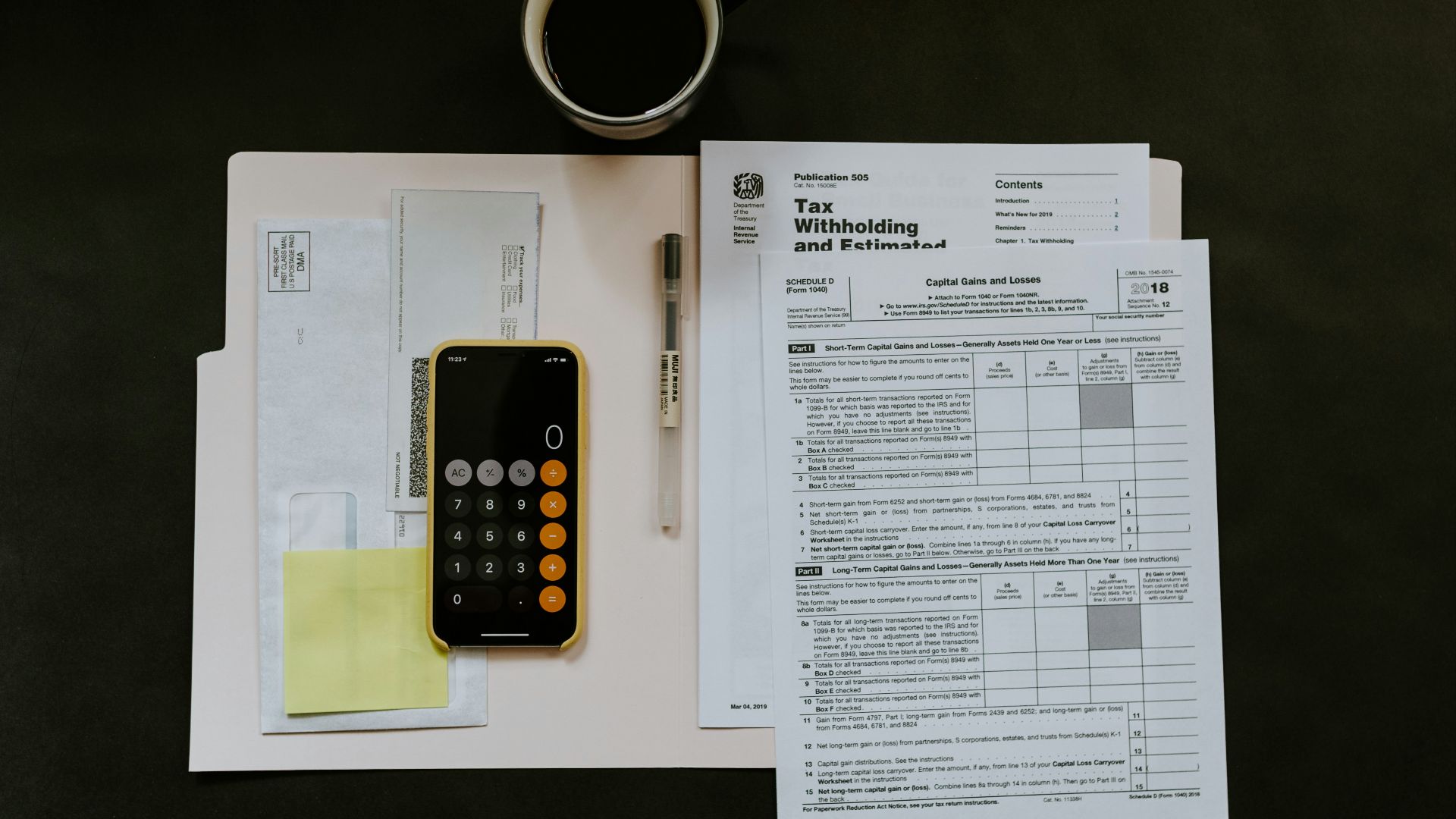
Tax season doesn't have to be difficult. Rules vary depending on where you live and how you earn money, but the trick to staying calm is staying organized. Keep your income documents and receipts in one place throughout the year, and check in on your withholding occasionally so April doesn't hand you a surprise bill.
6. Compare Job Benefits
A bigger paycheck isn't always the better deal. Health coverage, retirement matching, paid time off, and disability protection can add up to real value that a slightly higher salary can't match. Before accepting an offer, look at the whole picture.

7. Start Saving for Retirement
The best retirement savings habit is the one you don't have to think about. Set it up so contributions come out automatically, before you even see the money. Check whether your employer matches contributions, what fees you're paying, and how your money is spread across different investments.

8. Decode Health Insurance
Premiums, deductibles, copays, coinsurance: it can feel like a foreign language. Here's the short version. Your premium is what you pay just to have coverage. Everything else determines what you pay when you actually use it.
 National Cancer Institute on Unsplash
9. Keep Your Medical Information Organized
A simple, updated list of your medications, allergies, past procedures, and emergency contacts can make doctor visits far less stressful, especially in an emergency when someone else might need that information fast.
 Hush Naidoo Jade Photography on Unsplash
10. Read Your Lease
A lease is a legal document, not fine print to skim past. Pay close attention to the rent amount, deposit terms, lease length, renewal conditions, and rules around guests, pets, and repairs. Tenant protections vary significantly depending on where you live.
 Cytonn Photography on Unsplash
11. Talk to Your Landlord
When something breaks, report it quickly and clearly, ideally in writing so there's a record. Keep copies of messages, photos, and receipts. And before you consider withholding rent or fixing something yourself.

12. Learn a Handful of Meals
You don't need a cookbook's worth of recipes. You need four or five solid meals you can make without thinking too hard.

13. Grocery Shop
Before you head to the store, take a quick look at what's already in your fridge and pantry. Plan meals that share ingredients so nothing goes to waste, and buy amounts you'll realistically use.
 Boxed Water Is Better on Unsplash
14. Do Laundry
Those little symbols on the care label aren't decoration. They're instructions. Check pockets before washing, separate anything that might bleed color, and treat stains before the dryer sets them in permanently.

15. Handle Basic Home Maintenance
Know where your main water shutoff, electrical panel, fire extinguisher, and smoke and carbon monoxide alarms are before you need them in a hurry. Keep an eye out for leaks, odd smells, or strange appliance behavior. Just leave the serious electrical, gas, and structural work to a licensed professional.

16. Take Care of Your Car Like It's Not Disposable
Follow the maintenance schedule for your specific make and model rather than a generic rule you heard once. Watch your tires, listen for changes in braking, and occasionally look up your vehicle's recall status using its VIN.

17. Actually Prepare for Emergencies
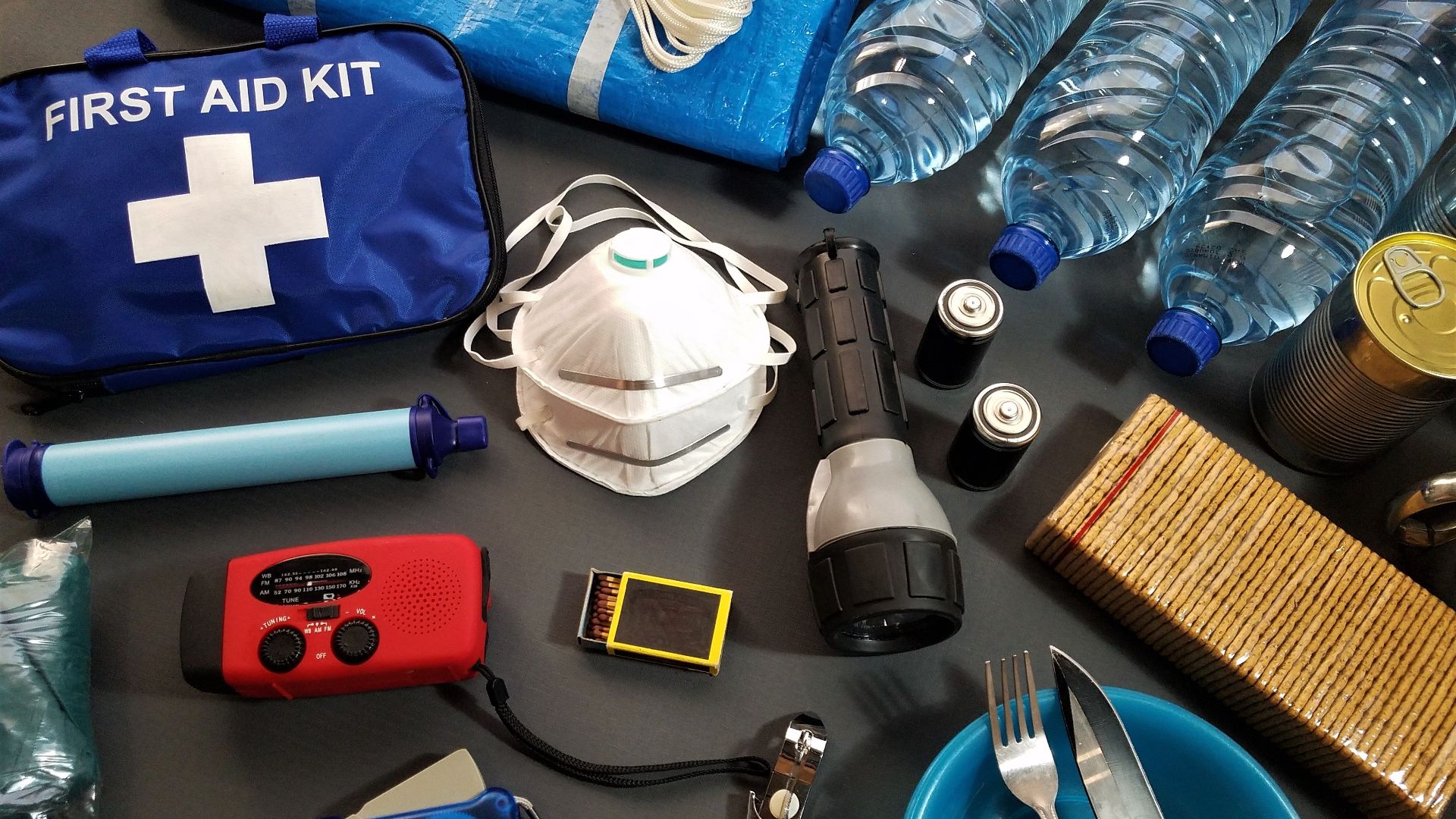
A real emergency plan covers how you'll get alerts, how you'll communicate with family, where you'll go if you need to evacuate, and how you'll handle medications, pets, or accessibility needs. Keep a few days' worth of food, water, and basic supplies on hand.
18. Learn First Aid and CPR
Reading about how to help someone who's choking is not the same as practicing it with an instructor watching over your shoulder. A hands-on first aid and CPR course teaches you what to do in the moments that matter most, when panic tends to take over, and muscle memory has to take the wheel instead.

19. Lock Down Your Online Accounts
Use long, unique passwords, store them in a password manager, and turn on multifactor authentication wherever you can. Keep your software updated, back up important files, and get in the habit of double-checking unexpected login alerts or payment requests through a separate, trusted channel before you act on them.

20. Create an Emergency Information File
Put together a secure record that shows the people you trust where to find your emergency contacts, insurance details, medical history, and important documents. Just don't store every password or account number in an unprotected file where anyone could stumble onto it. Update it whenever something major changes in your life, whether that's a new home, a new job, or a new family member.