
Generations Are Working Differently
Millennials and Gen Z are often closer in age than workplace debates make them sound, but they entered professional life under very different conditions. Millennials were shaped by recessions, student debt, and the rise of always-on digital work, while Gen Z came in during remote work, public conversations about burnout, and a stronger push for boundaries. That gap can create tension over communication, flexibility, loyalty, and what a “good worker” is supposed to look like. Here are 20 reasons why millennials are clashing with Gen Z in the workplace

1. They Define Professionalism Differently
Millennials often learned that professionalism meant being polished, available, and careful with tone, especially in emails and meetings. Gen Z is more likely to see professionalism as being clear, direct, and authentic, even if the delivery feels casual.
 Lyubomyr Reverchuk on Unsplash
2. They Disagree About Workplace Loyalty
Many millennials entered the workforce believing they had to prove themselves through long-term commitment, especially after watching job markets tighten during major economic downturns. Gen Z has seen layoffs, side hustles, and career pivots treated as normal, so they may not attach the same meaning to staying put.
3. Communication Styles Can Feel Mismatched
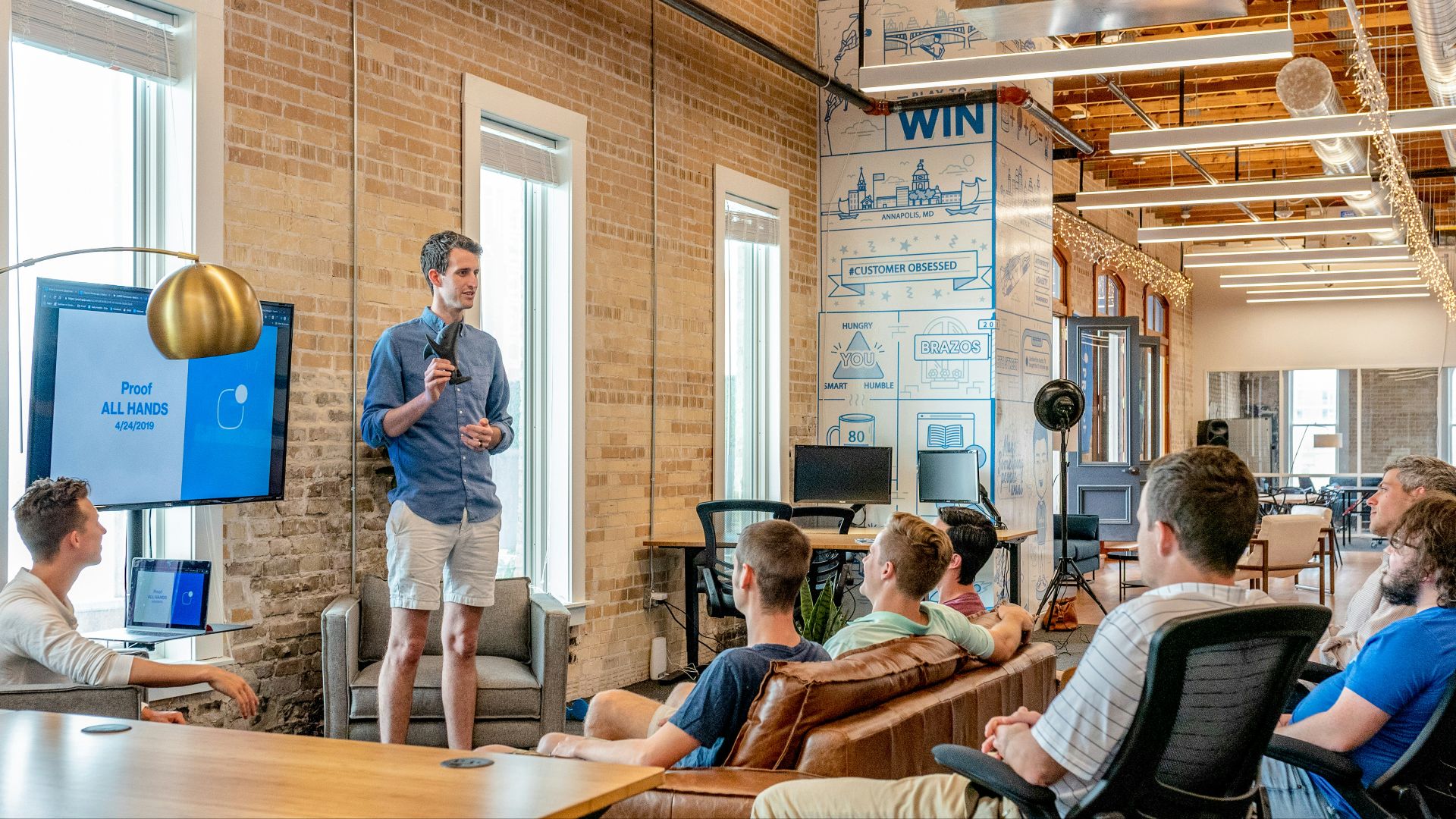
Millennials often use longer messages to soften requests, add context, and avoid sounding rude. Gen Z tends to prefer shorter, more direct communication, especially in chats or project tools.

4. They Handle Feedback In Different Ways
Millennials are used to formal reviews, manager check-ins, and careful wording around criticism. Gen Z often expects feedback to be faster, more specific, and easier to act on in the moment.

5. Remote Work Changed The Rules
Millennials often remember when being seen at a desk mattered more, even if the work could technically be done elsewhere. Gen Z started working when remote or hybrid setups were already common in many fields, so they may see location as less connected to performance. That difference can turn a scheduling preference into a much bigger value debate.
 Proxyclick Visitor Management System on Unsplash
6. Boundaries Mean Different Things
Millennials helped normalize conversations about burnout, but many still absorbed the idea that saying yes showed dedication. Gen Z is more likely to state boundaries earlier, whether that means logging off on time or questioning last-minute work.

7. They Don’t Always Agree On Hustle Culture
A lot of millennials came up during a period when side projects, constant networking, and extra hours were framed as ambition. Gen Z is more likely to question whether that kind of hustle actually leads to stability or just exhaustion.

8. Technology Expectations Aren’t The Same
Both generations are digital, but they don’t always use technology the same way. Millennials often adapted from older workplace systems into newer tools, while Gen Z expects cleaner platforms, faster processes, and fewer unnecessary steps.

9. Meetings Are A Common Battleground
Millennials may see meetings as necessary spaces for alignment, relationship-building, and getting everyone on the same page. Gen Z often pushes back when meetings lack a clear agenda, decision, or reason to exist. That can make millennials feel dismissed, while Gen Z feels like time is being spent without enough purpose.

10. Career Advancement Feels Less Predictable
Millennials often watched traditional career ladders become less reliable, but many still expect some version of gradual progression. Gen Z tends to ask earlier about pay, promotion timelines, and skills that lead to the next step.
11. They View Pay Transparency Differently
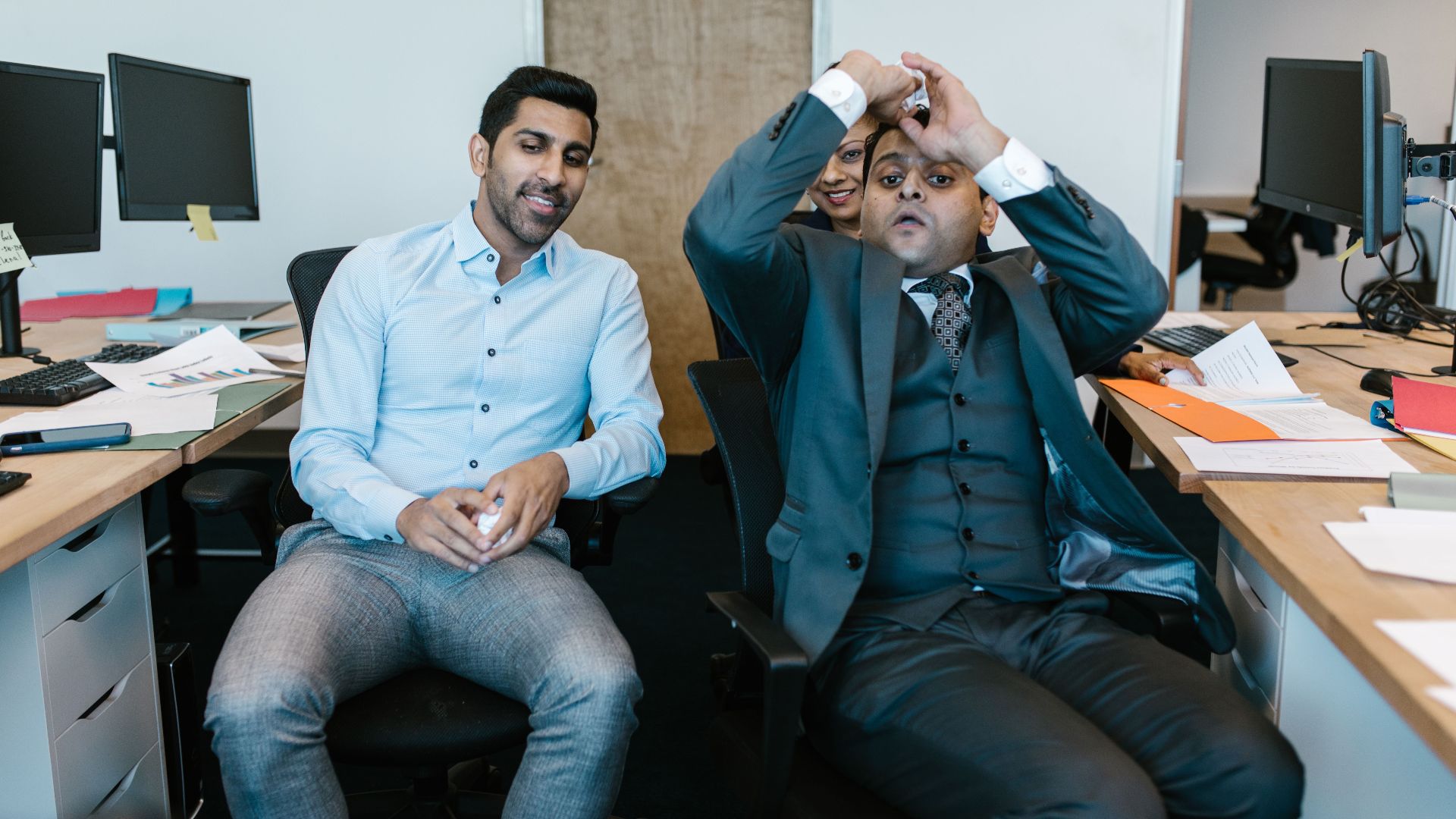
Gen Z is generally more comfortable discussing salary, raises, and fairness openly than many older coworkers were at the same age. Millennials may support pay equity but still feel uneasy about direct money conversations at work.

12. Office Culture Carries Different Weight
Millennials often remember office culture as a mix of social connection, mentorship, and unspoken rules that helped people get noticed. Gen Z may be less convinced that office snacks, team events, or casual hangouts offset workload or pay concerns.

13. Gen Z Questions Rules More Quickly
Millennials were often told to understand the system first before challenging it, especially early in their careers. Gen Z is more likely to ask why a rule exists if it seems inefficient, outdated, or unfair.

14. Millennials Can Feel Stuck In The Middle
Many millennials are now managers, team leads, or senior employees, which puts them between executive expectations and younger worker demands. They may personally understand Gen Z’s concerns, but still have to enforce policies they didn’t create.
15. Social Issues Enter Work More Often
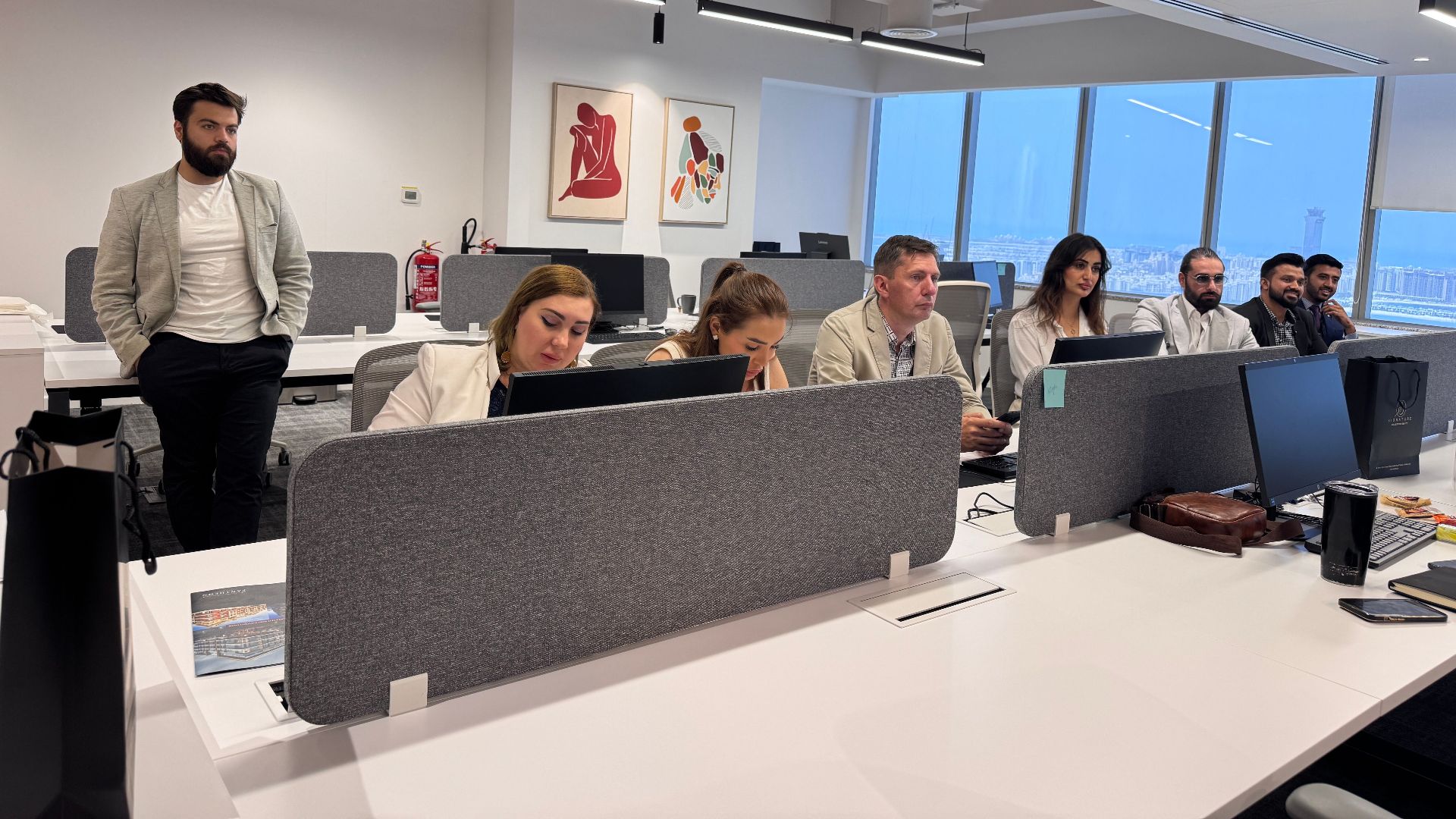
Gen Z is generally more likely to expect employers to address social values, inclusion, and ethical concerns openly. Millennials may care about those issues too, but some are more cautious about bringing them into workplace discussions.
16. Learning Preferences Can Clash
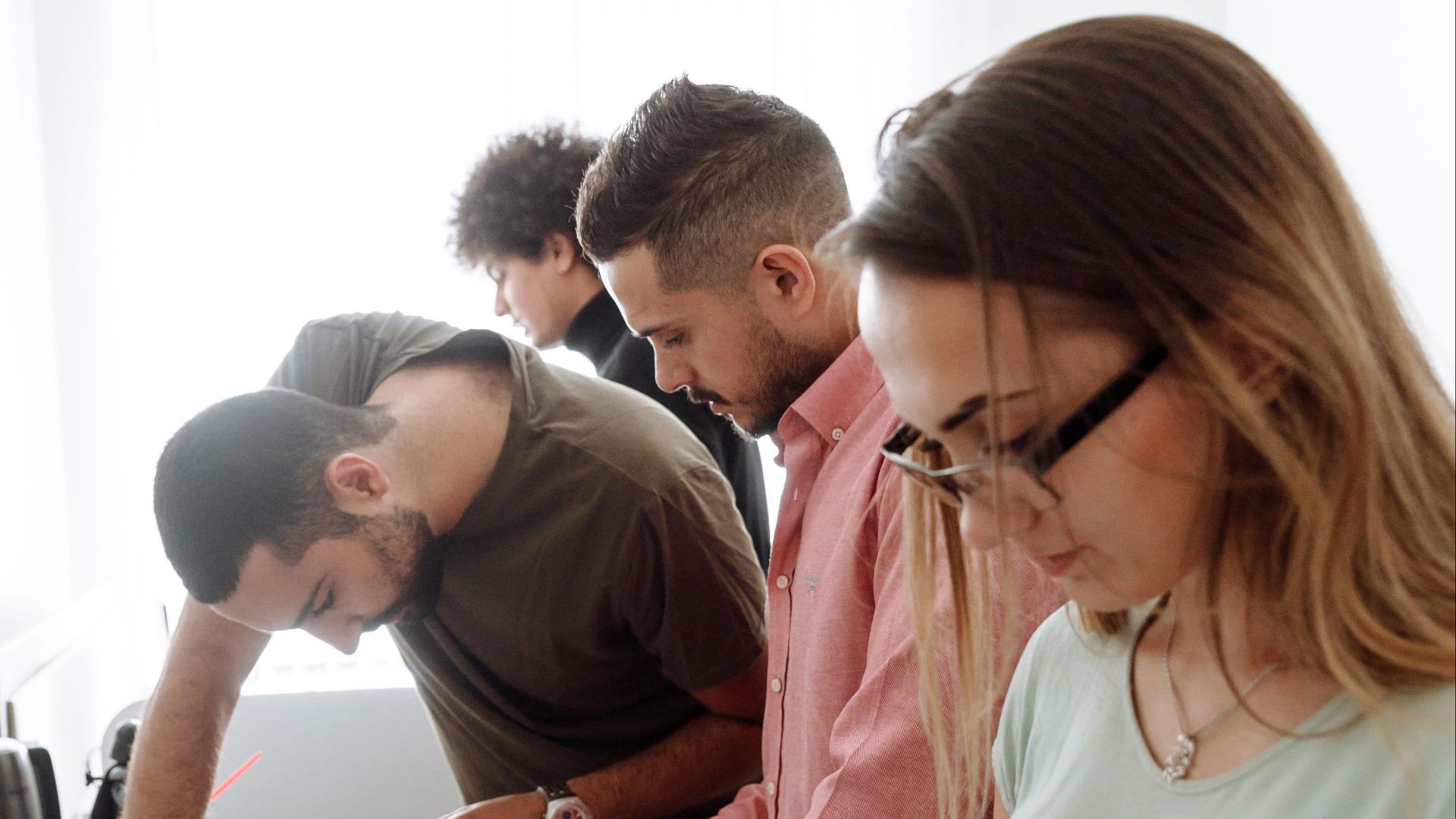
Millennials often received training through manuals, shadowing, formal sessions, or trial and error. Gen Z is more likely to expect searchable resources, short videos, clear documentation, and quick answers when they need them.

17. They Use Workplace Humor Differently
Millennial workplace humor often leans on sarcasm, self-deprecation, and softening stress through jokes. Gen Z humor can be more internet-shaped, more absurd, and sometimes harder to read if you’re not familiar with the references.
18. Authority Doesn’t Carry The Same Assumptions
Millennials often learned to respect titles, seniority, and the chain of command, even when they had questions. Gen Z tends to value competence, transparency, and respectful leadership more than hierarchy by itself.

19. They Measure Productivity Differently
Millennials may still associate productivity with responsiveness, visible effort, and steady availability during working hours. Gen Z is more likely to focus on output, deadlines, and whether the actual work is getting done.
 Proxyclick Visitor Management System on Unsplash
20. Both Groups Feel Misunderstood
Millennials can feel like they followed difficult workplace rules only to be told those rules no longer matter. Gen Z can feel like they’re being judged for naming problems that already existed.