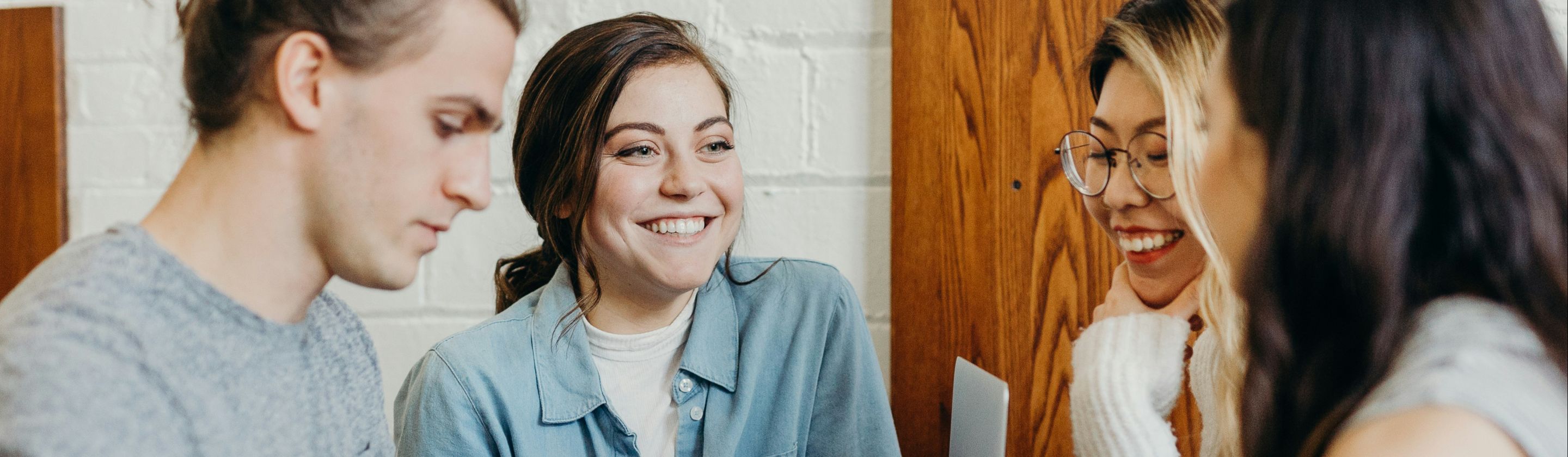

As we all know, dating can feel like one of the most personal choices we make. Attraction grows through timing, comfort, shared humor, and those small details that make one person stand out from everyone else. Still, even when a crush seems to come out of nowhere, it usually starts inside a social life that’s already been built.
Our friend groups shape that social life in many ways. They affect where we go, who we meet, what feels normal, and who feels familiar enough to trust. Your friends aren’t choosing your partners for you, although a lively group chat can sometimes act like such. Dating is personal, of course, but the people around us often have more influence than we realize.
How Friends Shape The Dating Pool
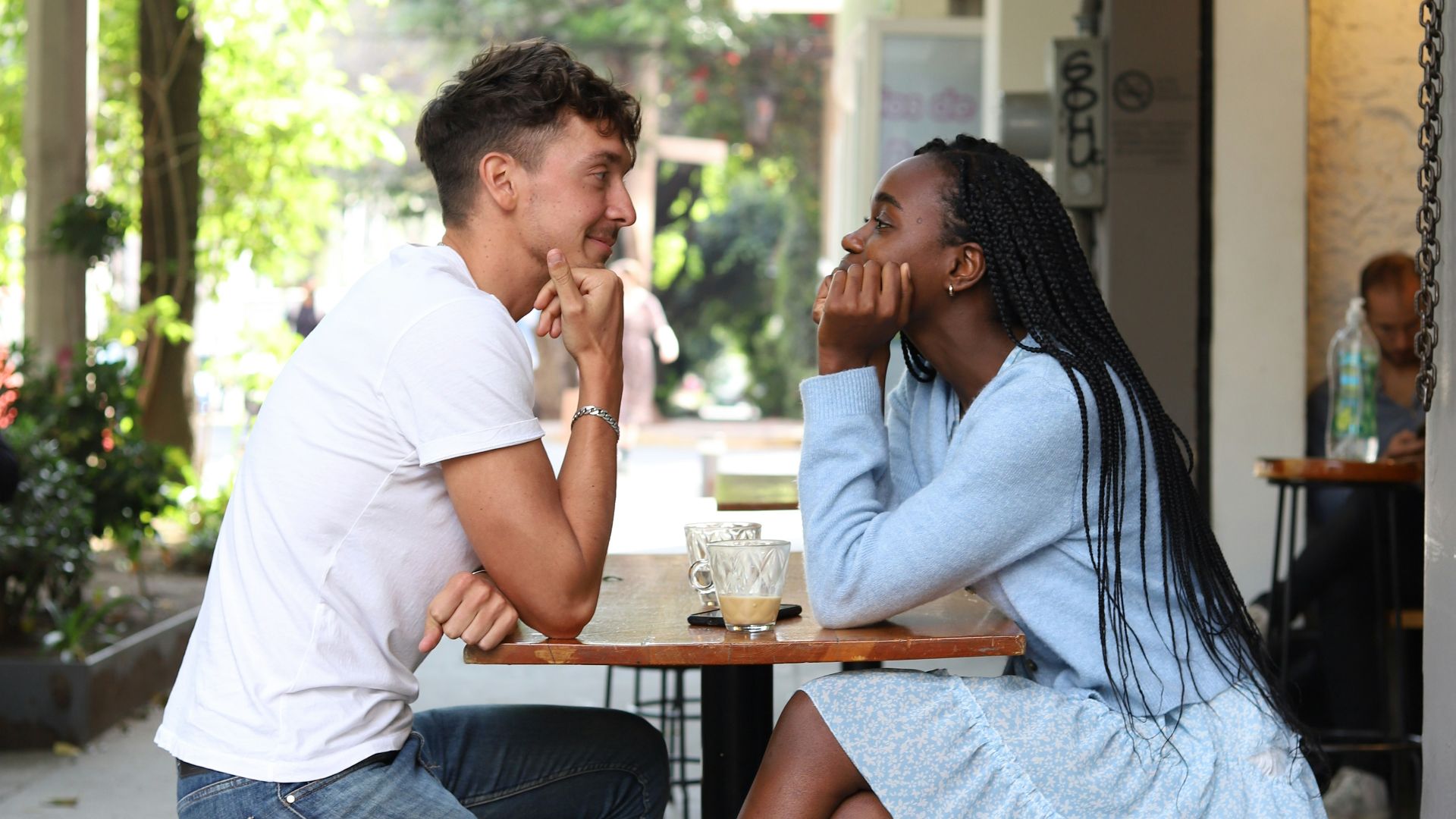
Before chemistry has a chance to grow, people need a way to meet. Most of us aren’t choosing dates from a completely random crowd of strangers. We meet people through school, work, hobbies, neighborhoods, parties, apps, mutual friends, and the everyday routines that make up our lives.
Friend groups matter early because they help shape those routines. They influence which dinners you attend, which places feel comfortable, which weddings you’re invited to, and which people keep showing up near your social circle. Sometimes romance starts with an instant spark, but plenty of relationships begin because two people were simply around each other long enough to notice something.
A Stanford-led study published in Proceedings of the National Academy of Sciences found that friends played a major role for many years in how heterosexual couples in the United States met. The same study found that online dating eventually became the most common way those couples met, passing friends around 2013. That shift matters, but it doesn’t erase how much friends shaped dating for years, or how much they still shape it in smaller ways now.
Apps have changed how many people first connect. Pew Research Center reported in 2023 that three in 10 U.S. adults had used a dating site or app, based on a survey from July 2022. Even when someone meets a date online, friends often stay involved. They weigh in on profile photos, read screenshots, and give practical advice before a first date, like reminding someone to send the person’s name to a friend before heading out.
Why Familiarity Changes Attraction
Friend groups don’t only affect who gets introduced. They also affect who starts to feel familiar. That familiarity can change how attraction grows, especially when someone has already spent time around your friends and understands the rhythm of your social life.
A person who already knows your circle may feel less risky than a stranger. They may know the group jokes, the usual hangout spots, and the way people talk to each other. Attraction doesn’t always arrive all at once, and sometimes comfort gives it room to build slowly.
That slower path into romance is backed by research. A study summarized by the Society for Personality and Social Psychology found that about two-thirds of romantic relationships in the samples examined began as friendships. Friend groups also shape what we learn to notice in other people. In one circle, people may admire ambition, confidence, and a packed calendar. In another, humor, kindness, patience, creativity, or being easy to talk to may matter more.
Those shared values can shift your attention over time. If your friends consistently respect people who communicate clearly, you may start to value that more in your own dating life. If your group treats flakiness, jealousy, or hot-and-cold behavior as normal dating trouble, you may be slower to question it when it shows up in someone you like.
There’s a bigger social pattern behind this. The sociology review “Birds of a Feather: Homophily in Social Networks” explains that people’s personal networks often include others who are similar to them across many social, behavioral, and personal traits. Put simply, people often build close ties with others who share parts of their lives. That can also shape who feels like a natural romantic match.
When Approval Changes The Relationship
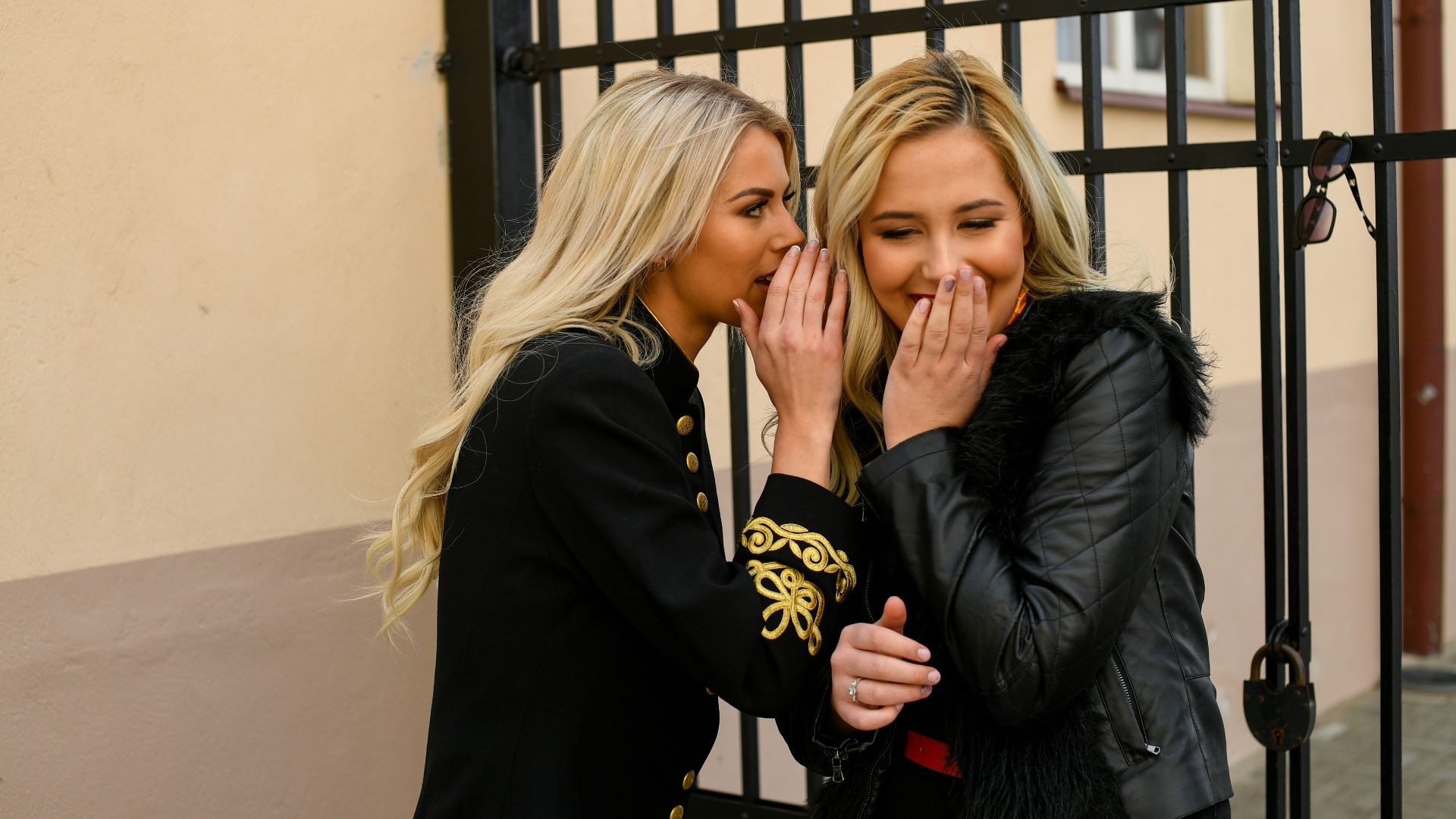
Once a relationship starts, friends can still affect how it feels. A partner who is warmly welcomed by your circle may make the relationship feel easier and less uncertain. When friends laugh with them, include them naturally, and say they seem good for you, that support can calm some of the usual dating nerves.
Disapproval can carry weight, too. Sometimes friends notice things you’re too charmed to see clearly, like someone who talks over you, cancels all the time, or leaves you anxious after every interaction. Other times, friends may judge too quickly because someone doesn’t match the group’s usual type, background, style, or sense of humor.
Research supports the idea that social approval can matter. Diane Felmlee’s study “No Couple Is an Island,” published in Social Forces, found that perceived approval from a person’s friends and from a partner’s family was linked with greater relationship stability. The study also found that social networks can have complicated effects, so friend approval shouldn’t be treated like a perfect test for whether a relationship is right.
The best kind of friend influence still leaves room for your own judgment. Good friends can ask sharp questions, point out patterns, and tell the truth without trying to take over. They can say, “You seem anxious around this person,” or “You seem really relaxed with them,” and then let you decide what that means.
In the end, friend groups shape who we date because they shape the social setting around dating. They influence who crosses our path, which traits we admire, what behavior we excuse, and how supported a relationship feels once it begins. Love may feel like a private choice, and in many ways, it is. Still, the people around us often help shape who feels familiar, possible, and worth a closer look.