Turning Turbulence Into Something You Can Handle
You might love visiting new cities and vacationing in a remote spot halfway across the world, but before the reward comes the hurdle: flying. It seems like no matter how many hours you've logged in the skies, you're still deathly afraid of the swooping moment when the plane lifts off, and you still can't stand turbulence of any kind. Thankfully, there are ways to conquer your fears, and whether your anxiety stems from a lack of control, unfamiliar noises, or just general nervousness about being thousands of feet in the air, these 20 tips will help you feel more at ease before and during your next trip.
1. Learn How Planes Actually Work
Understanding the mechanics behind flight can take a lot of the mystery out of the experience. Planes are built to withstand far more stress than they'll ever encounter on a typical flight, and turbulence, while uncomfortable, isn't a sign that something is going wrong. Pilots train extensively for years before they're allowed to fly commercial aircraft, so trust that the person in the cockpit knows exactly what they're doing.
2. Book a Seat Over the Wing
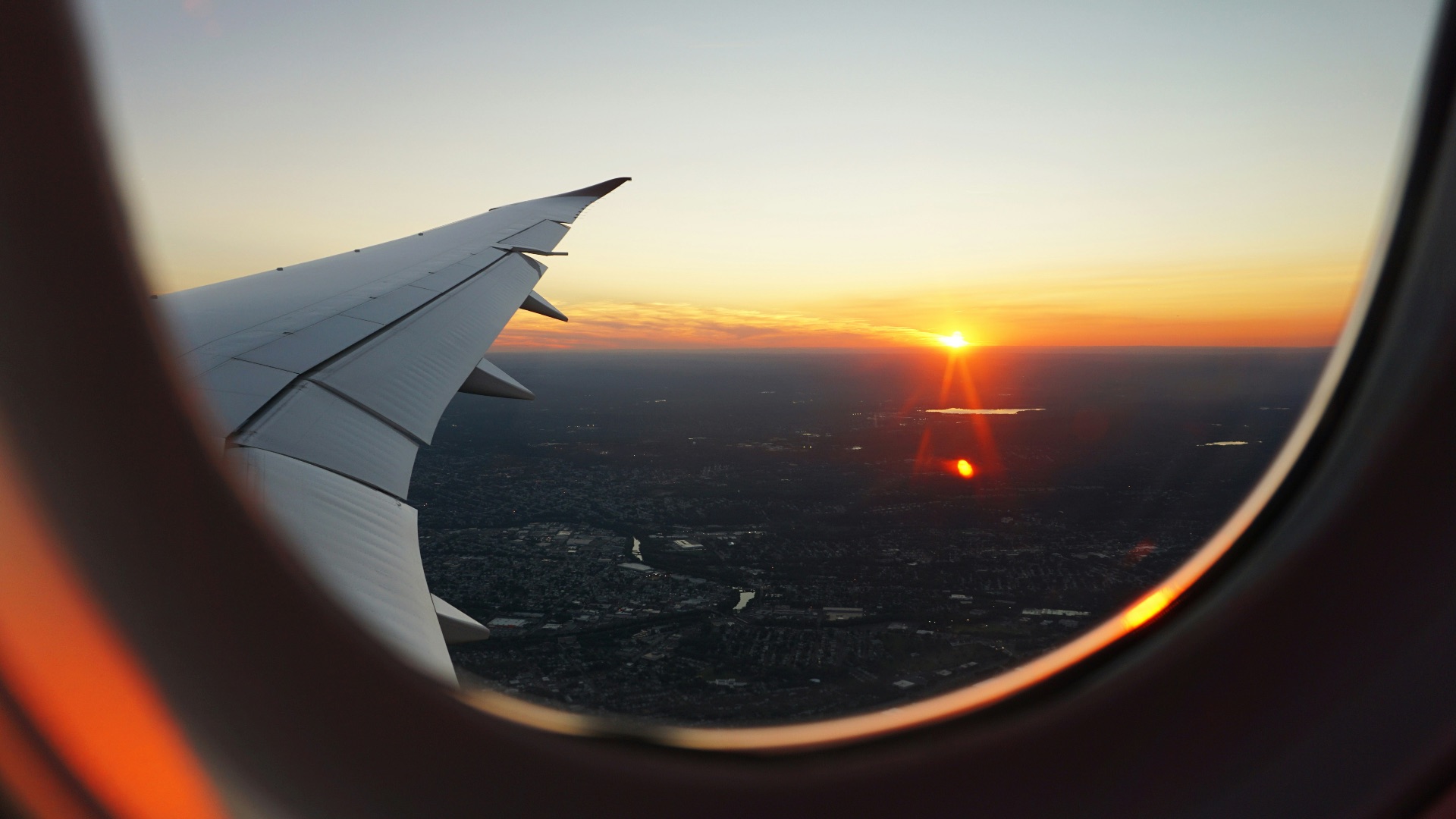
The area over the wing tends to experience the least amount of movement during turbulence, which can make a real difference for nervous fliers. This part of the plane is closest to the center of gravity, so it doesn't sway as much as the front or back sections do. Next time you're selecting your seat, consider paying a little extra to sit in this sweet spot.
3. Avoid Caffeine and Alcohol Before Your Flight
Caffeine can heighten feelings of anxiety and make your heart race even faster than it already might be. Alcohol may seem like it'll calm your nerves, but it often has the opposite effect once you're in the air, especially since altitude changes how your body processes it. Stick to water or herbal tea instead, and you'll likely notice you feel steadier throughout the flight.
 Polat Eyyüp Albayrak on Pexels
4. Practice Deep Breathing Techniques
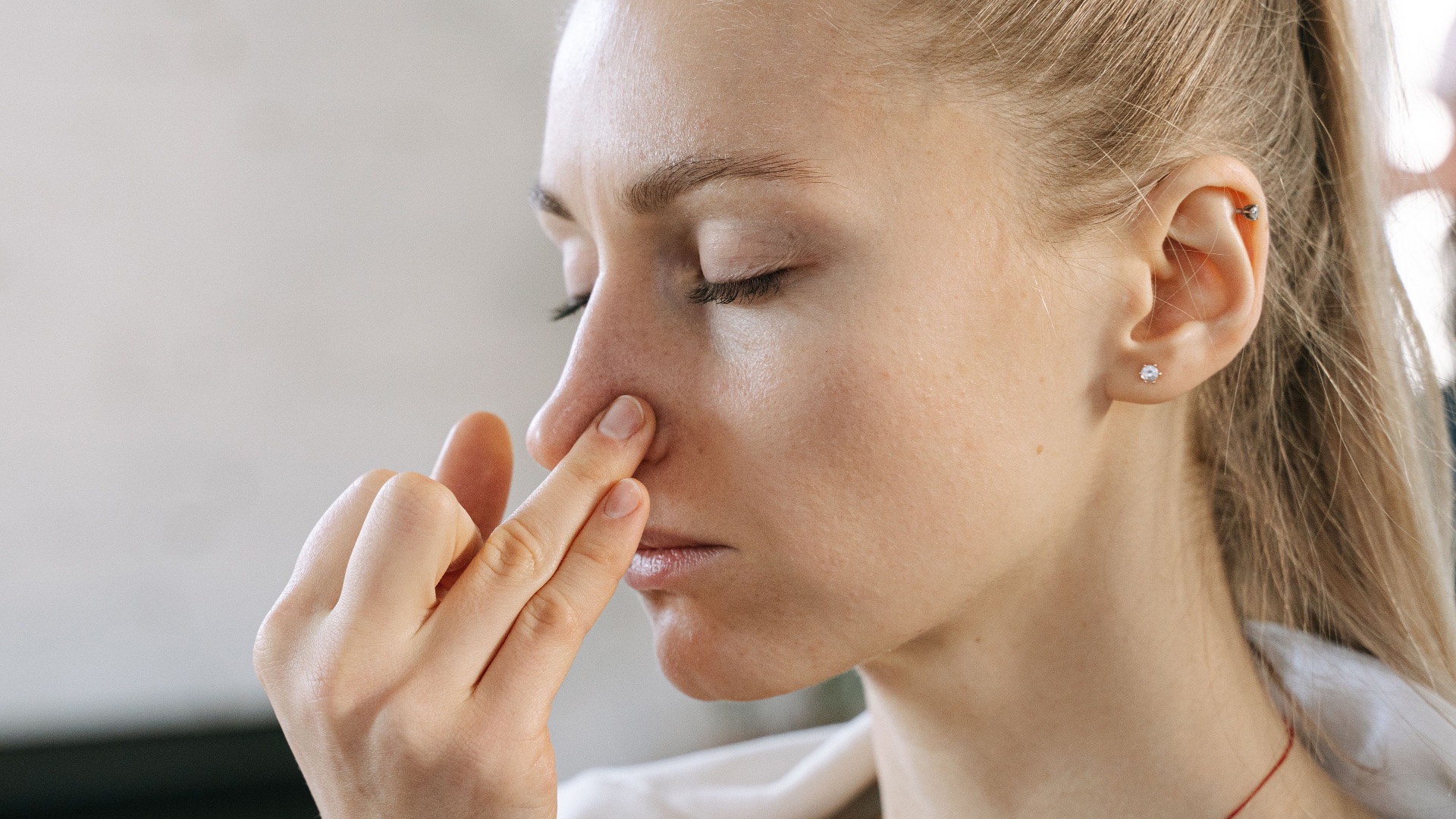
Slow, controlled breathing sends a signal to your brain that you're safe, even when your body wants to believe otherwise. Try inhaling for four counts, holding for four counts, and exhaling for four counts to help regulate your nervous system. This technique works well not just for flying, but for any situation where anxiety tends to creep in.
5. Distract Yourself with Entertainment
Bringing along a good book, a favorite show, or an engaging podcast can shift your focus away from the flight itself. Your brain can only concentrate on so much at once, so filling it with something enjoyable leaves less room for anxious thoughts. Download everything ahead of time so you're not relying on spotty in-flight WiFi to keep you occupied.

6. Talk to the Flight Attendants
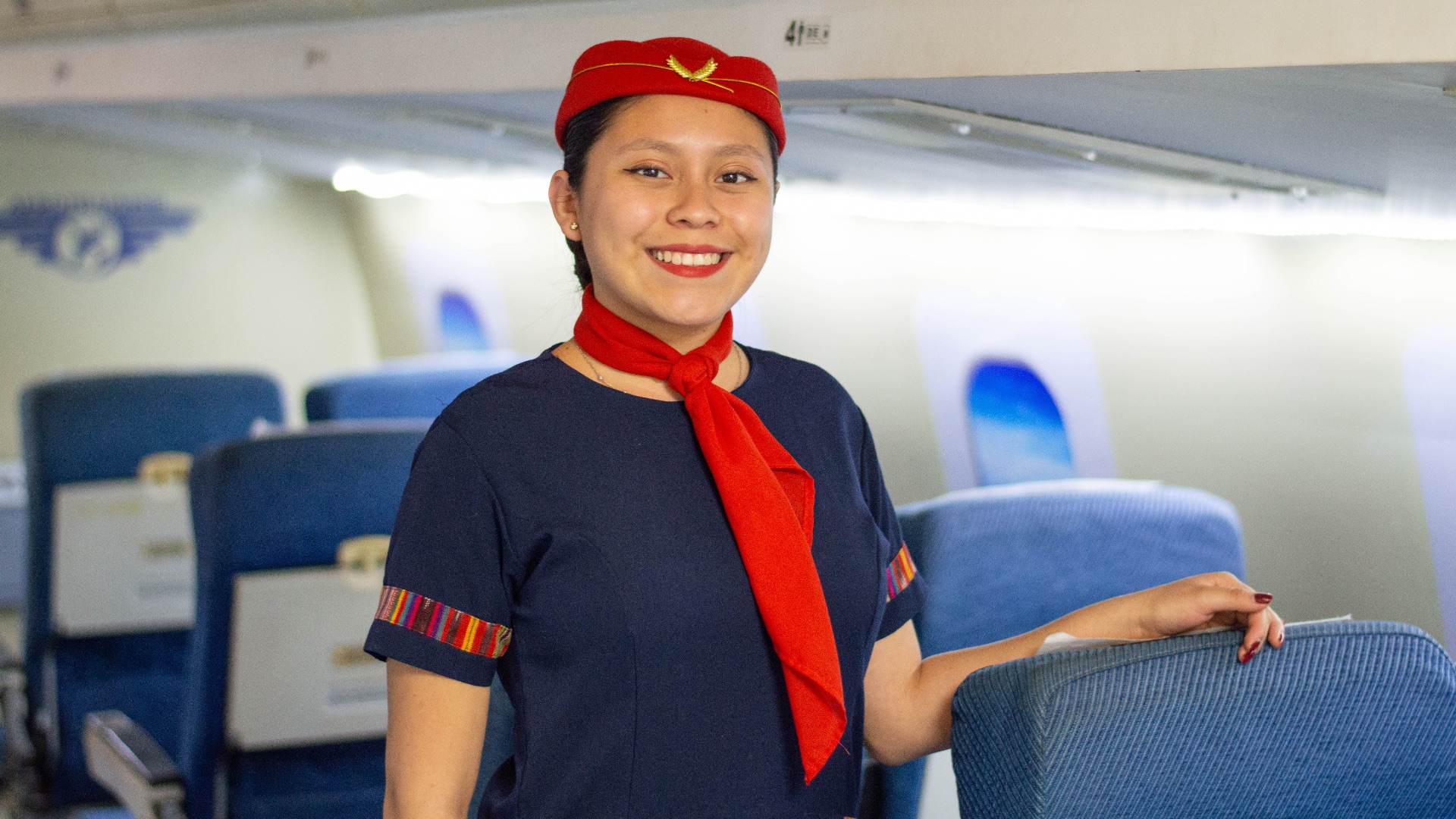
Flight attendants deal with nervous passengers all the time, and most of them are happy to offer reassurance if you let them know you're anxious. They can explain unfamiliar sounds, check in on you during turbulence, or simply offer a kind word when you need it most. Don't hesitate to mention your fear when you board, so they're aware and can help however possible.
7. Choose Direct Flights When You Can
Layovers and connections add extra opportunities for stress, from tight transfer windows to additional takeoffs and landings. A direct flight means you only have to get through one takeoff and one landing, which are often the most anxiety-inducing parts of the journey for nervous fliers. While direct flights sometimes cost more, the reduction in stress can be well worth the price difference.
8. Use Grounding Techniques During Anxious Moments
Grounding exercises help pull your attention away from spiraling thoughts and back into the present moment. Try naming five things you can see, four things you can touch, three things you can hear, two things you can smell, and one thing you can taste. This method works particularly well during takeoff and landing, when anxiety tends to peak for most fearful fliers.
9. Pack Comfort Items in Your Carry-On
Having familiar items nearby can provide a surprising amount of comfort during a stressful flight. Consider bringing a soft blanket, noise-canceling headphones, or even a small item that holds sentimental value to you. These small touches can make the cabin feel a little more like home and a little less intimidating.

10. Educate Yourself on Turbulence Statistics
Turbulence feels scary, but it's rarely dangerous, and modern aircraft are engineered to handle far more than what passengers typically experience. Pilots also have access to radar and reports from other flights that help them avoid the roughest patches of air whenever possible. Once you understand that turbulence is a normal part of flying rather than a warning sign, it becomes much easier to ride out.

11. Consider a Fear of Flying Course
Many airlines and independent organizations offer courses specifically designed to help nervous fliers overcome their anxiety. These programs often include information from pilots, hands-on coping strategies, and sometimes even a practice flight to apply what you've learned in a supportive environment. Investing in a course like this can provide long-term relief rather than just a temporary fix.
12. Visualize a Positive Flight Experience
Spend some time before your trip picturing yourself calm and relaxed throughout the entire flight. Visualization is a technique used by athletes and performers to prepare for high-pressure situations, and it can work just as well for anxious travelers. The more you rehearse a positive outcome in your mind, the more familiar and less threatening the real experience will feel.

13. Avoid Watching News Stories About Plane Crashes
It's natural to want information, but consuming news about rare aviation incidents right before a flight can seriously amplify your anxiety. Statistically speaking, flying remains one of the safest modes of transportation available today. Give yourself permission to skip these stories, especially in the days leading up to your trip.
14. Talk to a Therapist Who Specializes in Phobias
If your fear of flying feels overwhelming or has kept you from traveling altogether, working with a therapist can make a significant difference. Cognitive behavioral therapy in particular has shown strong results in helping people manage and even overcome specific phobias like this one. A professional can also teach you personalized coping strategies tailored to your specific triggers.

15. Bring a Trusted Travel Companion
Flying with someone you trust can offer a sense of security that's hard to replicate on your own. Having a companion means you have someone to talk to, hold hands with during takeoff, or simply lean on when nerves start to set in. If possible, let your travel partner know ahead of time so they can offer support without you having to explain everything mid-flight.
16. Reframe Turbulence as Similar to a Bumpy Road
Instead of associating turbulence with danger, try thinking of it as nothing more than air pockets causing minor bumps, much like potholes on a road trip. This shift in perspective can help you separate the physical sensation from the fear response your brain automatically triggers. With practice, you may find that turbulence starts to feel more like an inconvenience than a threat.
17. Time Your Flights Strategically
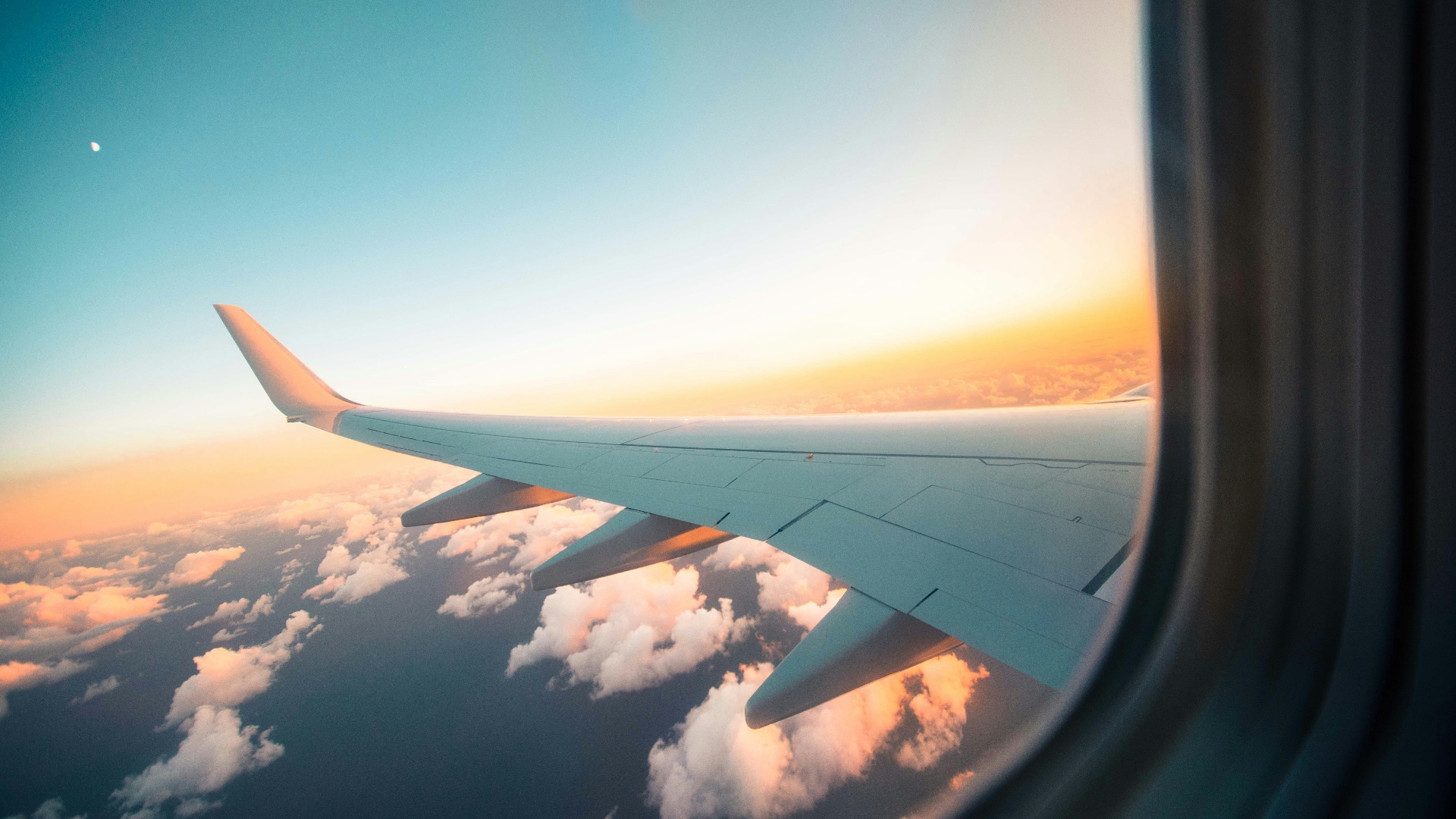
Morning flights tend to experience less turbulence than afternoon or evening flights, since temperature changes throughout the day can affect air currents. If your schedule allows for flexibility, booking an early flight might result in a smoother ride overall. This small adjustment can make a noticeable difference for passengers who are particularly sensitive to bumpy conditions.
18. Practice Progressive Muscle Relaxation
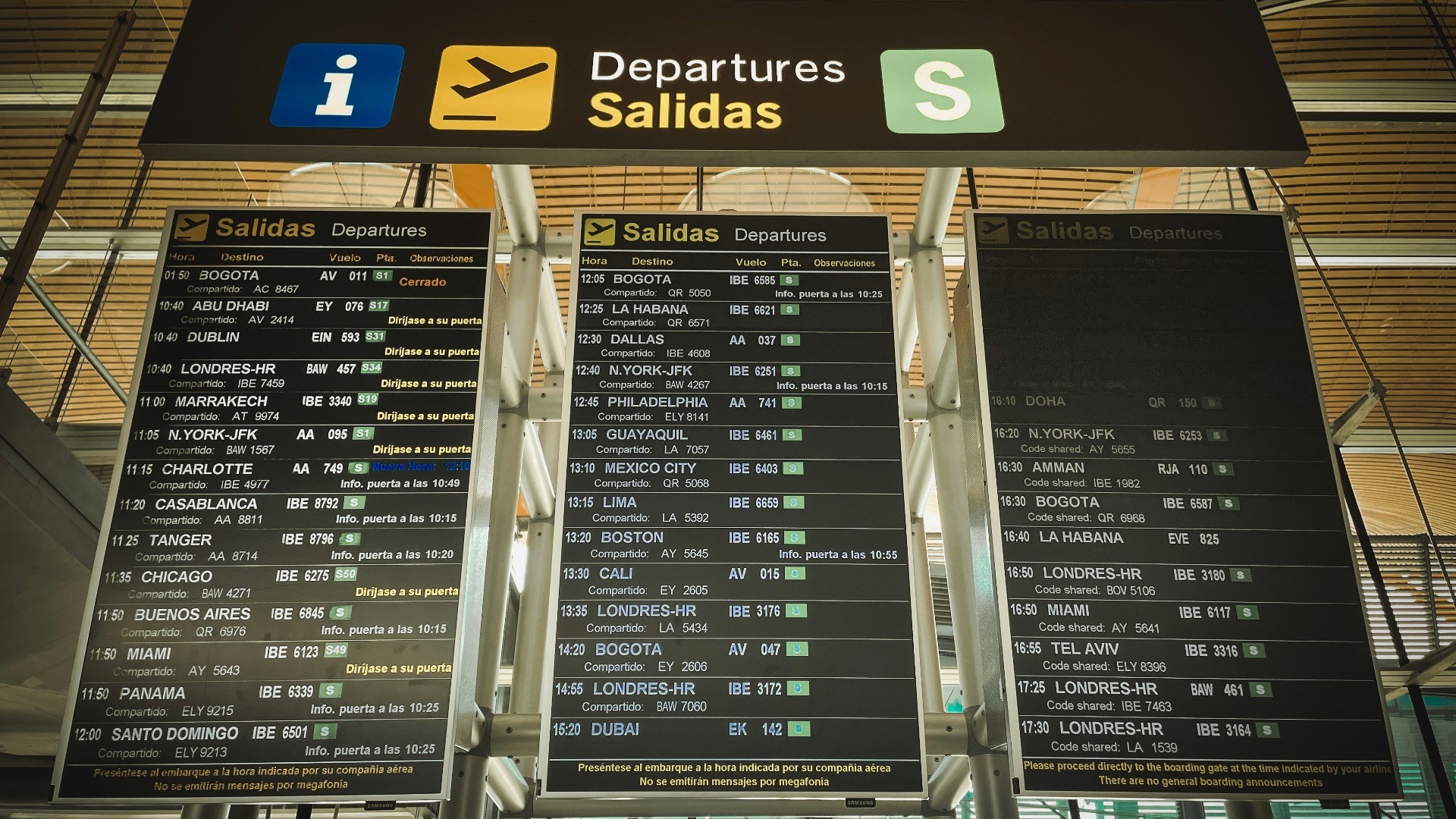
This technique involves tensing and then releasing different muscle groups throughout your body, starting from your toes and working your way up. Progressive muscle relaxation helps release physical tension that often builds up during anxious moments without you even realizing it. Try practicing this method a few times before your flight so it feels familiar once you're actually in your seat.
19. Remind Yourself That Anxiety Isn't Dangerous
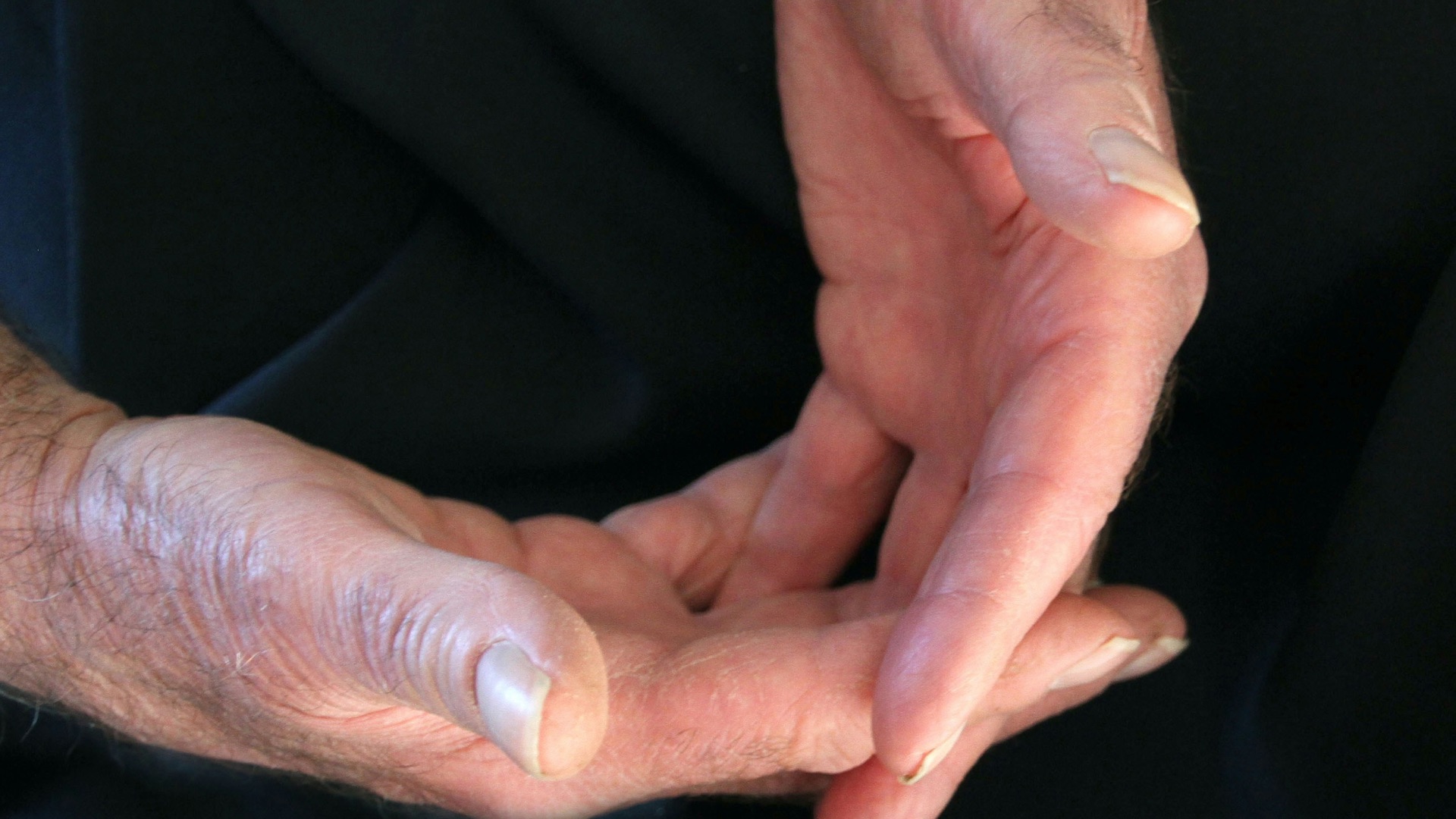
Anxiety can feel intense, but the physical sensations it causes, like a racing heart or sweaty palms, won't actually harm you. Recognizing that these feelings are temporary and will pass can help you ride out the discomfort instead of panicking further. Many people find it helpful to repeat a simple phrase to themselves, reminding them that they're safe and that this feeling will subside.

20. Celebrate Every Successful Flight
Each time you complete a flight despite feeling anxious, take a moment to acknowledge that accomplishment. Recovery from any fear takes practice and repetition, and every successful trip helps build evidence that you can handle it. Give yourself credit for facing something difficult, and use that confidence to make your next flight feel a little easier than the last.