
Respect Matters More Than Etiquette
Funerals are never easy, especially when you’re worried about saying the wrong thing or aren’t familiar with the family’s traditions. But there’s a difference between being uncomfortable and making other people uncomfortable. Nobody expects every guest to be flawless, but basic consideration goes a long way when people are grieving. Let’s dive into 20 of the most foolish things you should never do during such a sensitive time.

1. Arrive After the Service Has Started
Walking through the room while a eulogy is underway draws attention away from the person being honored. Being late is also just bad manners in general, so it’s especially inappropriate during a funeral. Late arrivals may also force seated guests to stand, move, or lose their place during an emotional moment.
2. Leave Your Phone On
A cheerful ringtone interrupting a prayer or moment of silence is never a good look. Unless you have a good reason, it doesn’t need to be on at all. Smartwatch alerts should also be turned off, since repeated buzzing and glowing screens are distracting, too.

3. Take Photos Without Permission
Not every family wants photographs of the casket, floral arrangements, or grieving relatives—and offering that kind of photoshoot after the fact is a good way to burn bridges. Ask a close family member before taking any picture, even when you believe you’re simply preserving a meaningful memory.
4. Post Before the Family Does
Learning about a death doesn’t give you the right to announce it. A relative may still be contacting loved ones personally. Loved ones might not be ready to face the reality of their loss yet. Either way, your Facebook post could deliver devastating news to someone through their feed, so wait until the immediate family has made the information public.
 The Good Funeral Guide on Unsplash
5. Ask How Much the Funeral Cost
Asking how much anything costs is usually pretty gauche, but inquiring about caskets, flowers, cemetery plots, and receptions isn’t an appropriate topic. Those questions put them in an awkward position when they’re already carrying a heavy burden. Save financial curiosity for another setting.
6. Complain
It doesn’t matter if you wind up behind a tall guest. It doesn’t matter if you’re on a hard folding chair, or farther from the front than you expected. None of those inconveniences compare with what the deceased’s closest loved ones are experiencing.

7. Bring An Uninvited Group
A funeral isn’t the place to arrive with several friends or children the family wasn’t expecting. The last thing any loved ones need is a surprise right now, and additional guests can create problems when seating, food, printed programs, and reception space were planned for a limited number of people. Unless the service is clearly open to the public, confirm that anyone tagging along is welcome.

8. Turn the Gathering Into a Reunion
You know what they say: you only ever reunite for weddings and funerals. However, volume and subject matter still matter. Loud laughter, vacation stories, and excited plans for drinks afterward make the occasion seem secondary. If you’re going to catch up, do so quietly and briefly.

9. Wear Something Designed For Attention
Funeral clothing doesn’t always need to be black, but it should still be subdued unless the family requests otherwise. Flashing slogans, noisy jewelry, or an elaborate outfit all pull focus from the service. If you’re unsure, choose something modest enough that nobody remembers it afterward.

10. Give Unsolicited Opinions
Families make personal choices about cremation, embalming, rites, and cemetery arrangements—they don’t need someone coming in to question everything. Telling a widow that burial is wasteful or informing adult children that their parent “should have been cremated” adds judgment where support is needed instead.

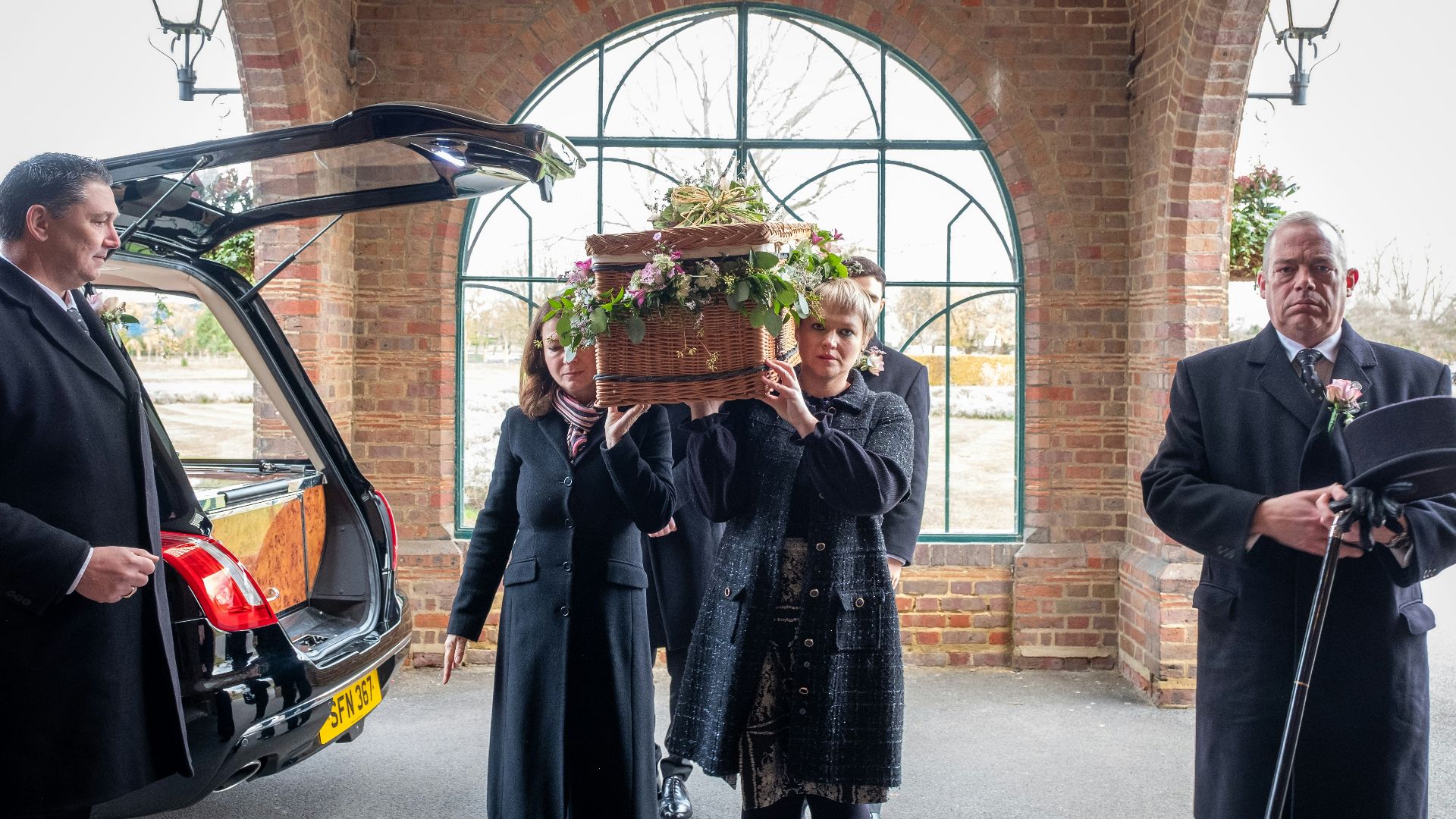
11. Pressure Someone to View the Body
Open-casket services affect people differently, and not everyone is comfortable seeing their deceased loved one up close. Not everyone gets closure from that sight, either. So, telling someone they’ll regret staying back or physically guiding them toward the casket ignores a deeply personal boundary.
 The Good Funeral Guide on Unsplash
12. Make the Loss About You
Mentioning a similar loss can sometimes help people feel understood, but taking over the conversation won’t. A long account of the hardest funeral you ever attended shifts attention away from the grieving family. It’s normally fine to offer a brief connection if you return the focus to the person in front of you.

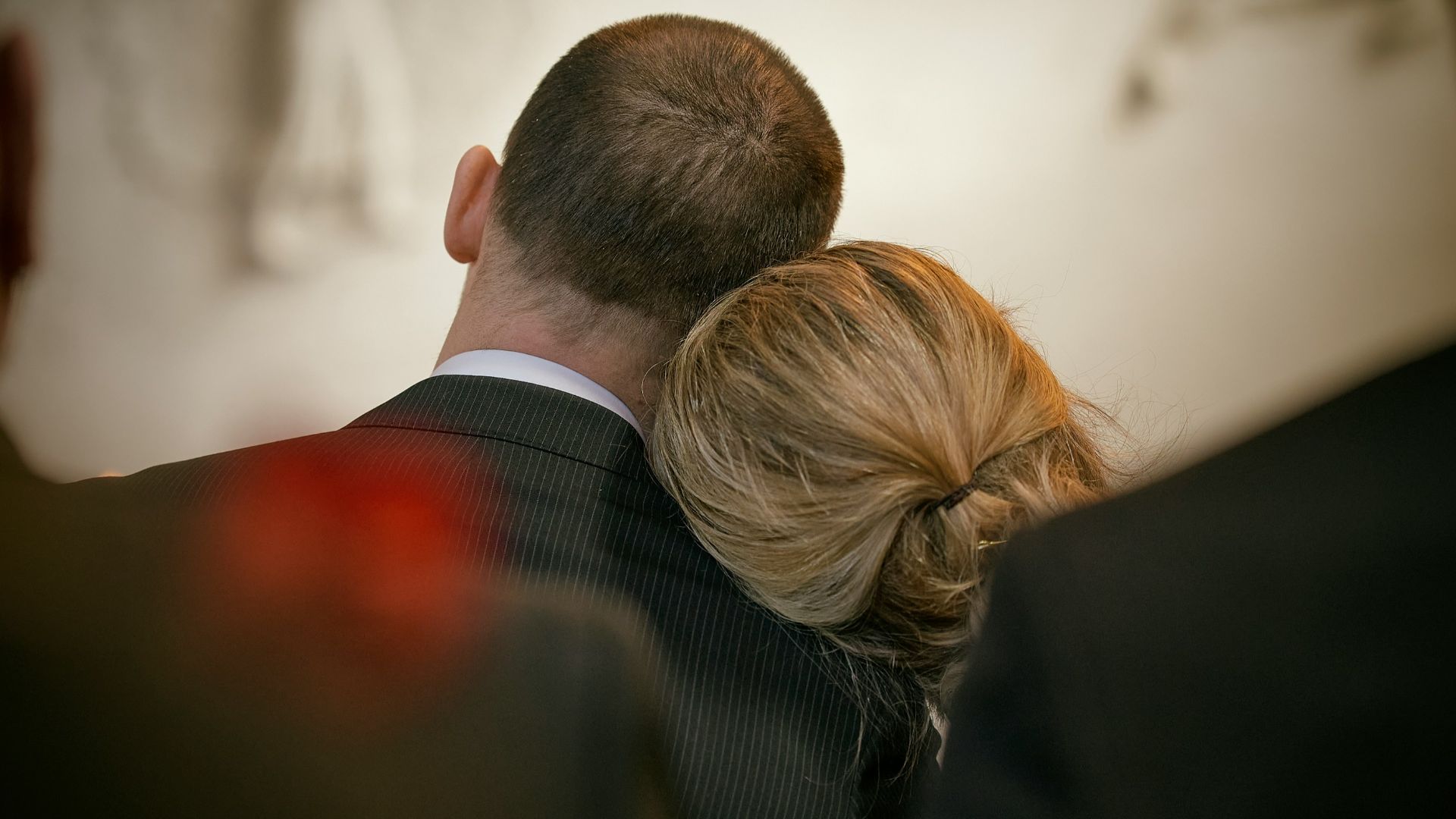
13. Ask For Details
Questions about final moments, medical symptoms, or the condition of the body are way too intrusive. Even if rumors circulate, relatives shouldn’t have to satisfy anyone’s curiosity during the funeral. Accept the information the family has chosen to share, and stay out of it.
 Vidar Nordli-Mathisen on Unsplash
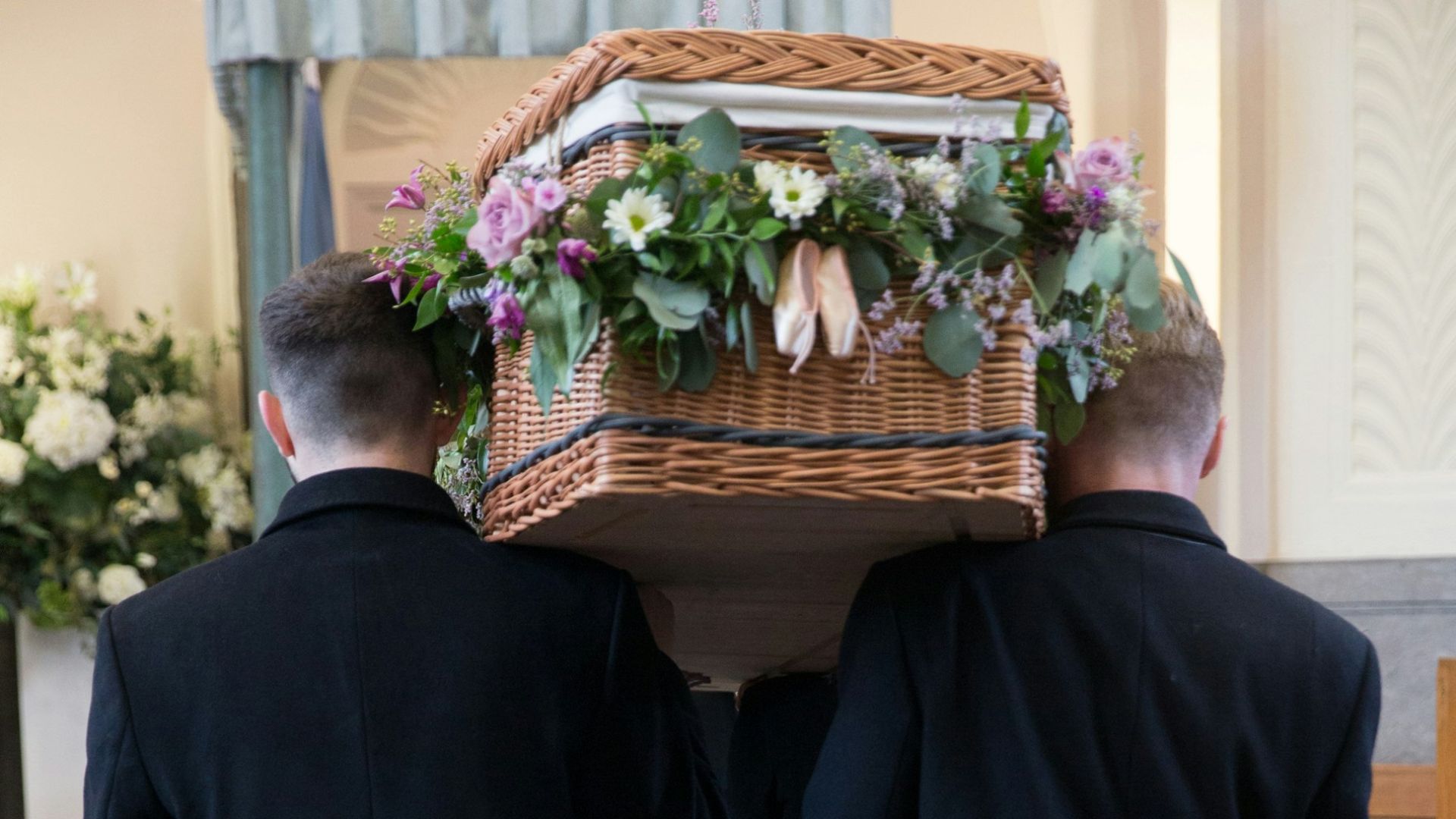
14. Criticize the Deceased
A funeral doesn’t erase a person’s flaws, but it also isn’t an invitation to review every mistake. Unless you’re addressing a serious safety concern privately, keep old arguments and harsh assessments out of the gathering. Funerals aren’t the place for gossip.
 The Good Funeral Guide on Unsplash
15. Offer Empty Explanations
Phrases like “everything happens for a reason” are usually intended as comfort, but that doesn’t mean they are. The same applies to insisting that the deceased is “in a better place” when you don’t know the family’s beliefs. A sincere apology or even just listening is kinder than trying to explain why a death occurred.

16. Let Children Run Around
Children don’t really understand every funeral custom, and little ones really don’t know what’s going on. That’s why adults are responsible for supervising them. Allowing a child to climb beneath chairs, touch the casket, or race through the hallway only disrupts the service and distresses relatives.

17. Eat or Drink
A bottle of water may be necessary for health reasons, but casual snacking can wait. Finish food beforehand and wait for the reception unless you have a genuine medical need. The family has likely put out food for the reception anyway, and even if they haven’t, that’s no excuse to bring a chip bag into the funeral home.
 The Good Funeral Guide on Unsplash
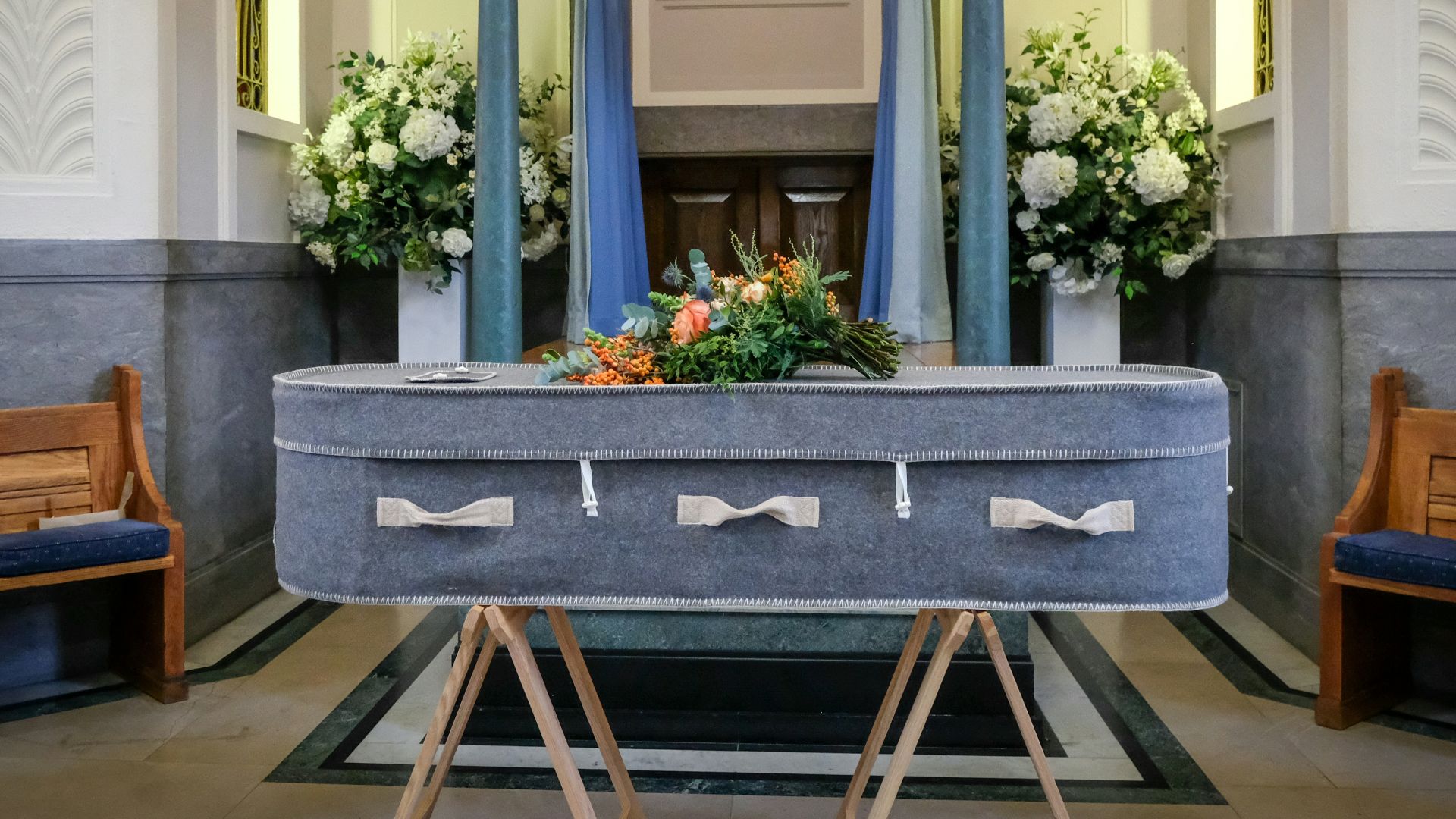
18. Ignore Cultural Traditions
Mourning customs vary widely, including expectations about clothing, flowers, prayer, physical contact, and photography. Refusing to adhere to them shows disrespect for both the family and the deceased. When you don’t understand something, all you have to do is follow the lead of other guests or ask an appropriate person beforehand.

19. Start Drama
Long-standing tension doesn’t disappear once relatives gather in the same room. The thing is, now isn’t the time for confronting an estranged sibling or questioning an inheritance. Postpone unresolved disputes until emotions aren’t so raw (and you don’t have an audience).
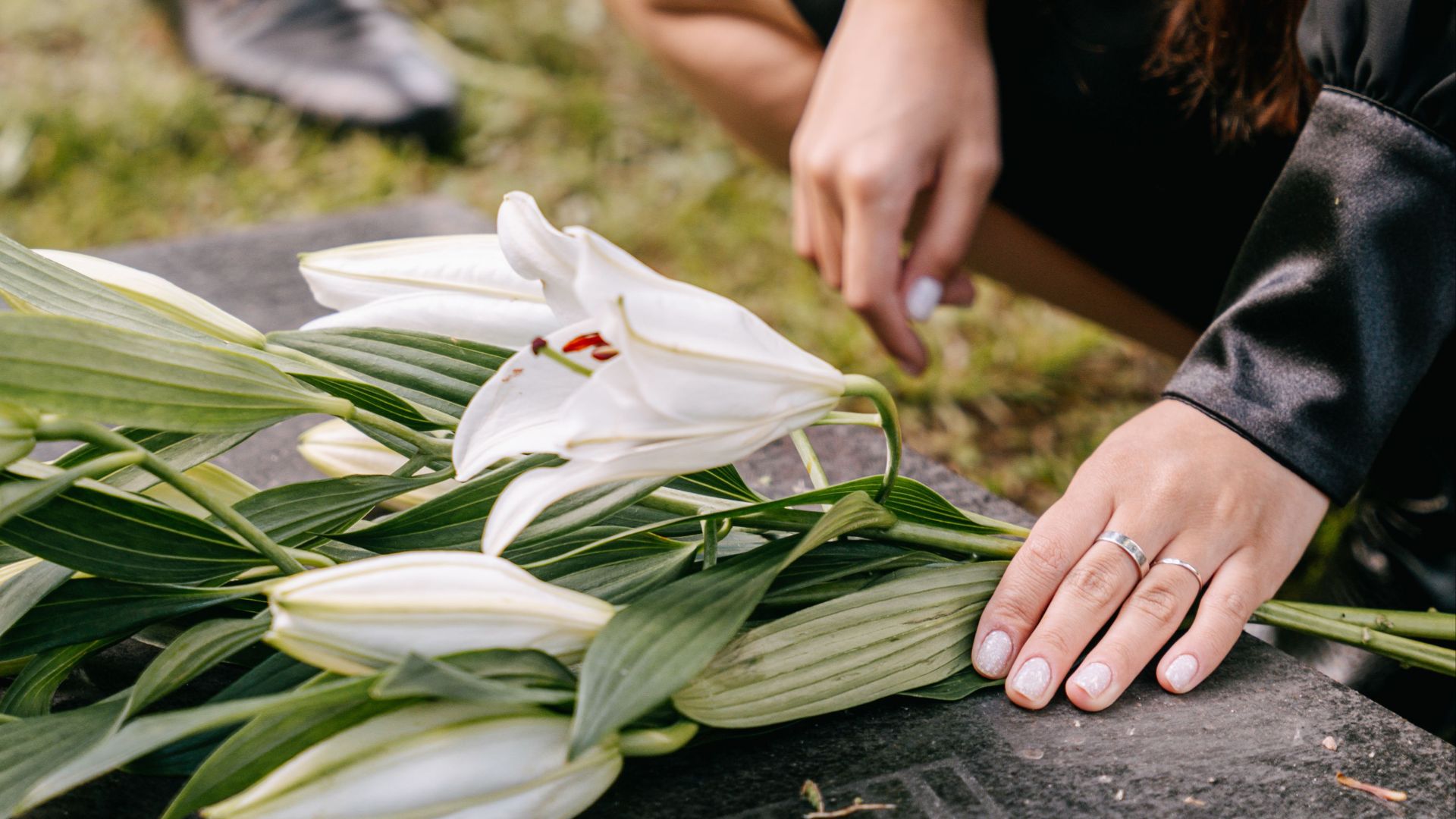
20. Ignore the Closest Mourners
Slipping away without offering any recognition is just cold. There’s a reason the closest mourners sit at the front: to speak with everyone kind enough to attend. A brief handshake, hug when welcomed, or simple expression of sympathy lets the family know you came to support them. If the receiving line’s too crowded, just sign the guest book after the service.