The Emoji Guide No Group Chat Actually Gives You
A lot of emoji trouble starts when the picture looks obvious, but the meaning is anything but. A skull is rarely about death, a peach is rarely about produce, and sparkles have somehow become an entire writing style. The modern emoji keyboard runs on tone, context, inside jokes, and the internet's habit of changing definitions while everyone is just trying to answer a text. If you want to read family group chats, Instagram captions, and neighborhood Facebook comments with a little more confidence, these are the 20 emojis worth knowing first.
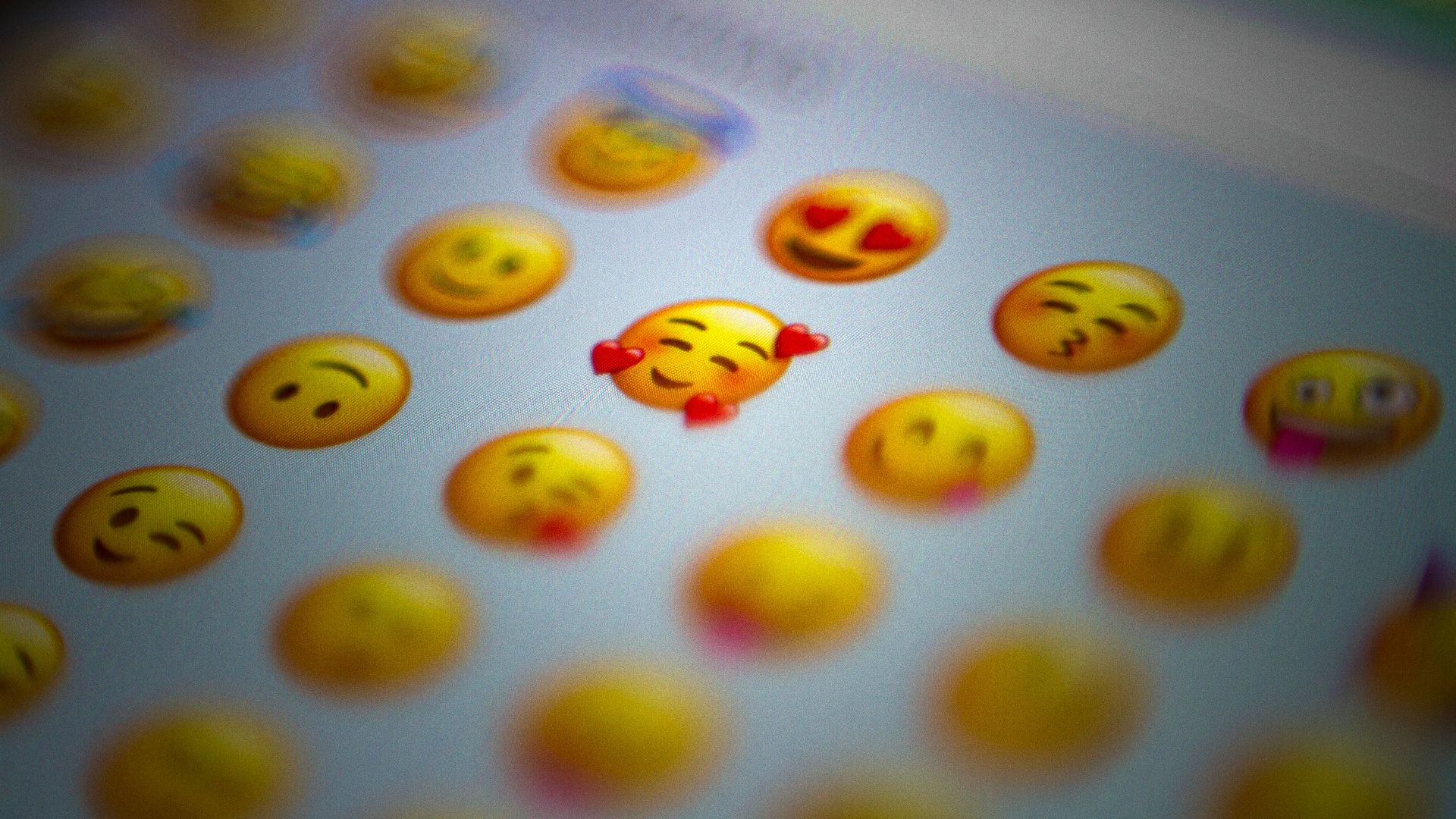
1. 😂 Face With Tears Of Joy
This one still means someone finds something extremely funny, though it can carry a little sarcasm depending on the sentence around it. If your grandson sends it after a mildly embarrassing story, assume he’s doubled over with laughter.
 Hoi An and Da Nang Photographer on Unsplash
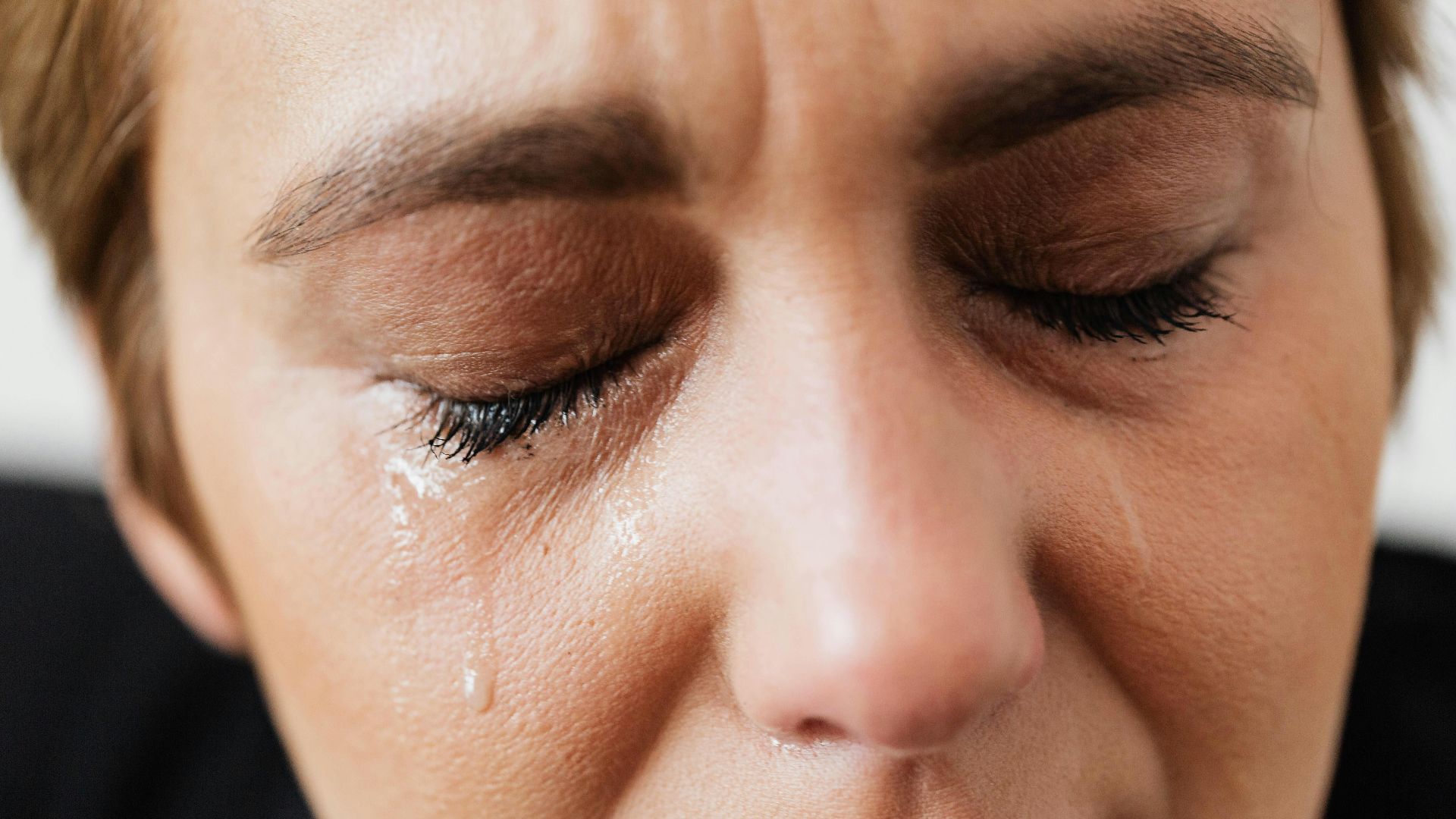
2. 😭 Loudly Crying Face
Despite the name, this is not always about sadness. People use it for big feelings of every kind, including laughing too hard, feeling touched, being overwhelmed, or reacting to something so sweet or ridiculous that plain words no longer seem up to the job.
3. 👀 Eyes
Eyes signal attention, curiosity, or a very pointed "well, well, well." In real conversations, it often means "I saw that," "I am watching this unfold," or "this just got interesting," which is why it shows up under gossip, announcements, and suspiciously vague posts.
4. 🔥 Fire
Fire rarely means actual flames unless the corresponding text says so. Most of the time, it means something is excellent, attractive, exciting, or getting a lot of attention, which is why it turns up under outfits, songs, gym photos, and new haircuts.

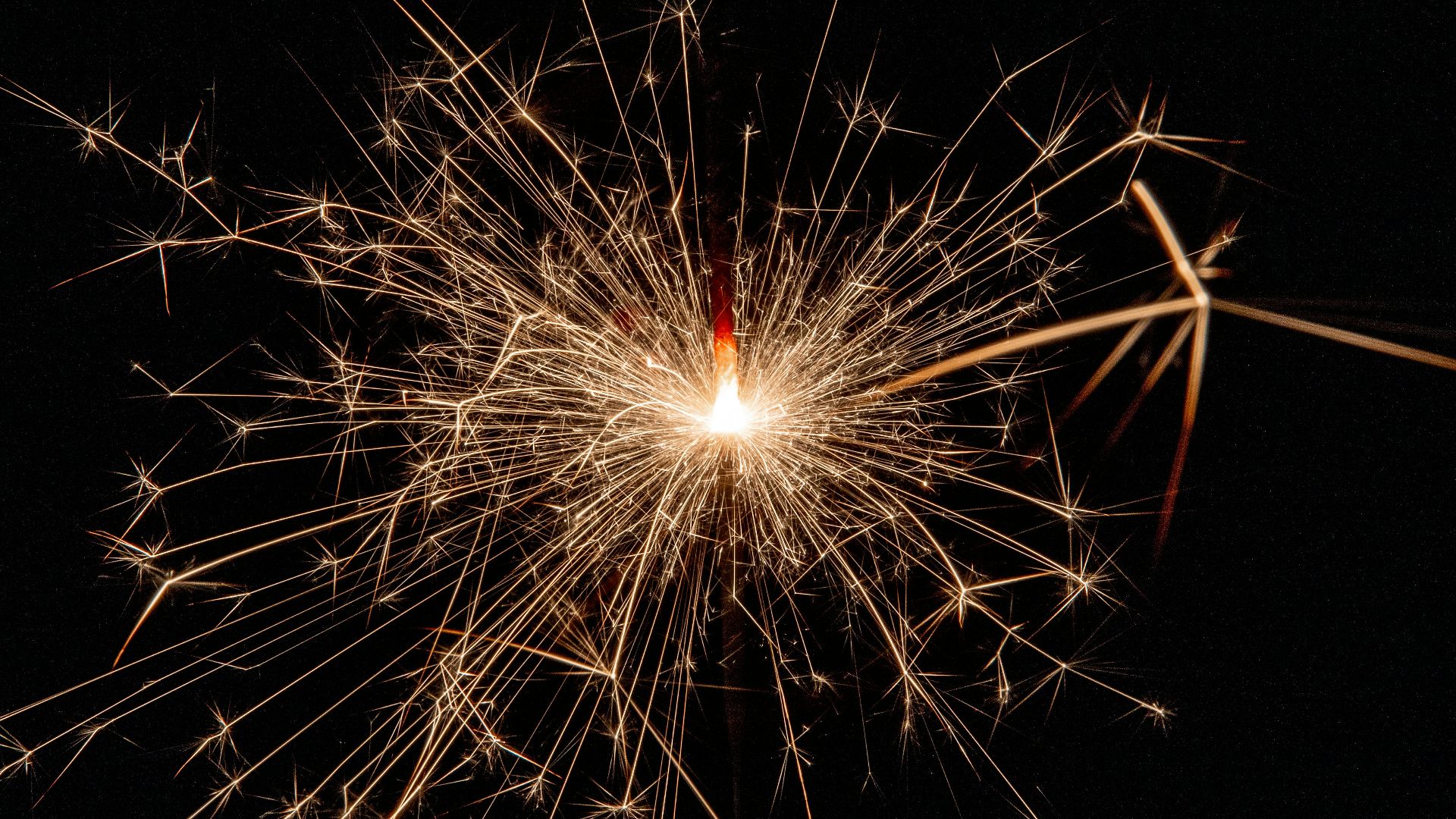
5. ✨ Sparkles
Sparkles have become one of the most flexible emojis on the keyboard, which feels excessive and yet makes complete sense once you spend five minutes online. People use it to suggest beauty, polish, excitement, or a slightly elevated tone. It was the most-used emoji in Buffer's 2025 social-post analysis.
6. 🥺 Pleading Face
This is the digital version of making very large eyes and hoping someone says yes. It can mean begging, wanting sympathy, fishing for affection, or trying to look sweet in a way that is at least a little calculated, which is part of why younger people reach for it so often.

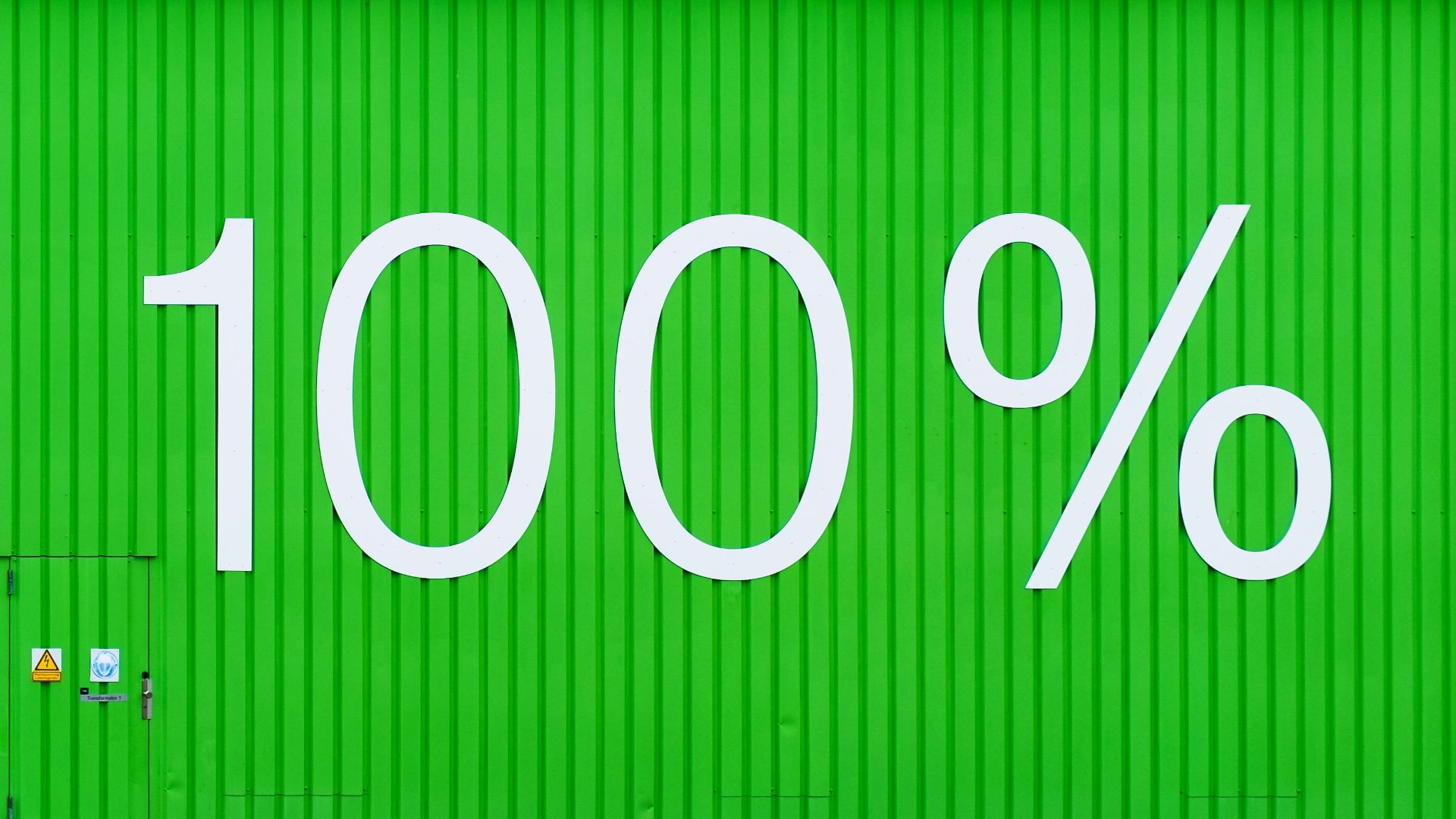
7. 💯 Hundred Points
This one means full agreement, total approval, or simply "exactly." It comes from the image of a perfect score, and online it often stands in for "you are completely right," "that is the truth," or "say it louder for the people in the back."
 Patrick Robert Doyle on Unsplash
8. 🫶 Heart Hands
Heart hands are warm, supportive, and a little more animated than a plain red heart. You’ll usually see them when someone is cheering another person on, sending affection, or reacting to good news in a way that feels enthusiastic without tipping into sentimentality.

9. 👉 Pointing Right
This one is often practical, directing your eye to the next thought, the next link, or the important detail in a caption. It also has a softer internet use when paired with another pointing finger and a pleading face, which can make a message look shy, awkward, or playfully bashful.

10. 🥰 Smiling Face With Hearts
This emoji signals affection that feels warm, pleased, and openly fond. It shows up when somebody is talking about a partner, a baby, a pet, or even a very good cinnamon roll.

11. 😍 Heart-Eyes
Heart-eyes are stronger and louder than plain approval. If someone uses this about a celebrity, a vacation photo, a new kitchen, or a plate of pasta, they are saying they love it, want it, or feel at least a little obsessed with it at the moment.
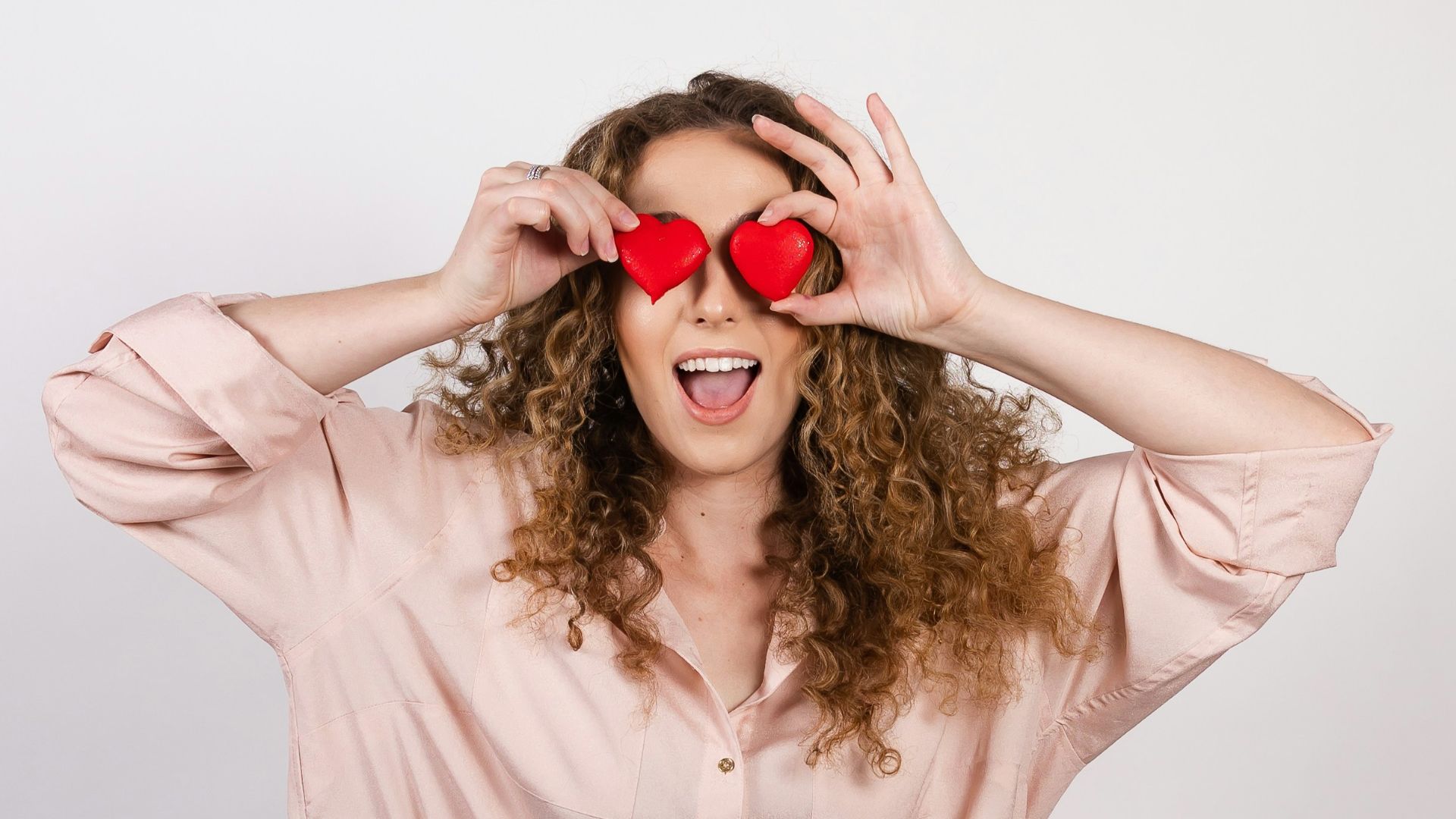
12. 🙏 Folded Hands
This one is confusing because people read it differently, and all of them can be correct depending on context. It can mean thank you, please, prayer, respect, or a greeting, so the safest move is to read the sentence around it before assuming your niece has suddenly become deeply devotional.
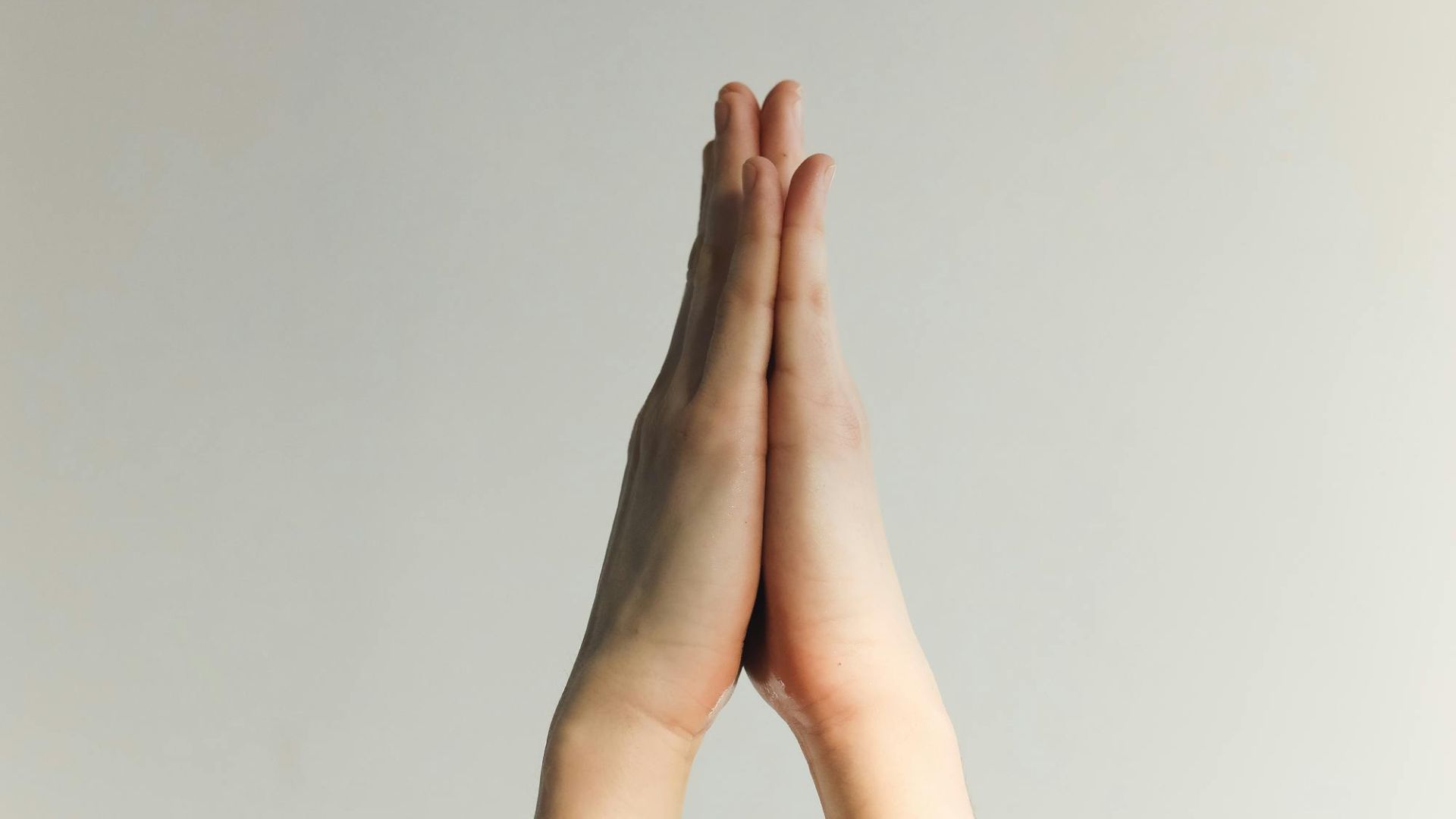
13. 🤣 Rolling On The Floor Laughing
This is the louder cousin of tears-of-joy laughter. It signals that something is so funny the sender wants to suggest physical collapse, which is clearly an exaggeration, but then so is half of the internet, and yet somehow society keeps moving forward.
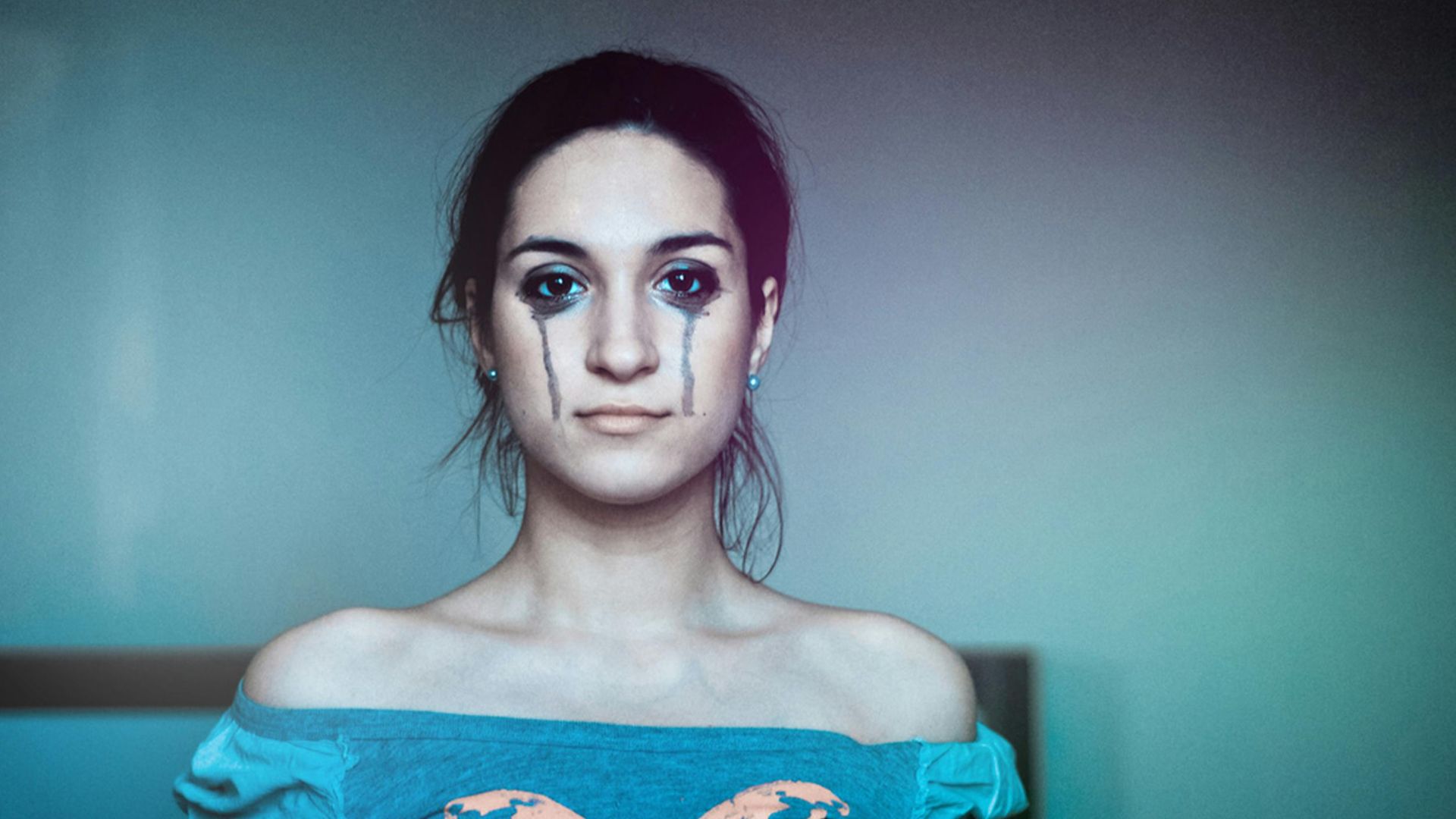
14. 🥲 Smiling Face With Tear
This one is for mixed feelings, and that is exactly why people love it. It shows up when something is sweet, bittersweet, relieving, or quietly painful, like a child leaving for college, an old photo resurfacing, or a text that is kind enough to make you need a minute.
15. 💀 Skull
Skull does not usually mean danger, doom, or Halloween, though it certainly can around October. In everyday texting, it means "I am dead," which translates to "that was so funny, so embarrassing, or so outrageous that I cannot cope in a normal, adult way."

16. 🤠 Cowboy Hat Face
Cowboy hat face is playful, jaunty, and slightly extra on purpose. People use it for goofy confidence, country references, or a kind of cheerful mischief that says someone is leaning into a moment with more spirit than dignity.

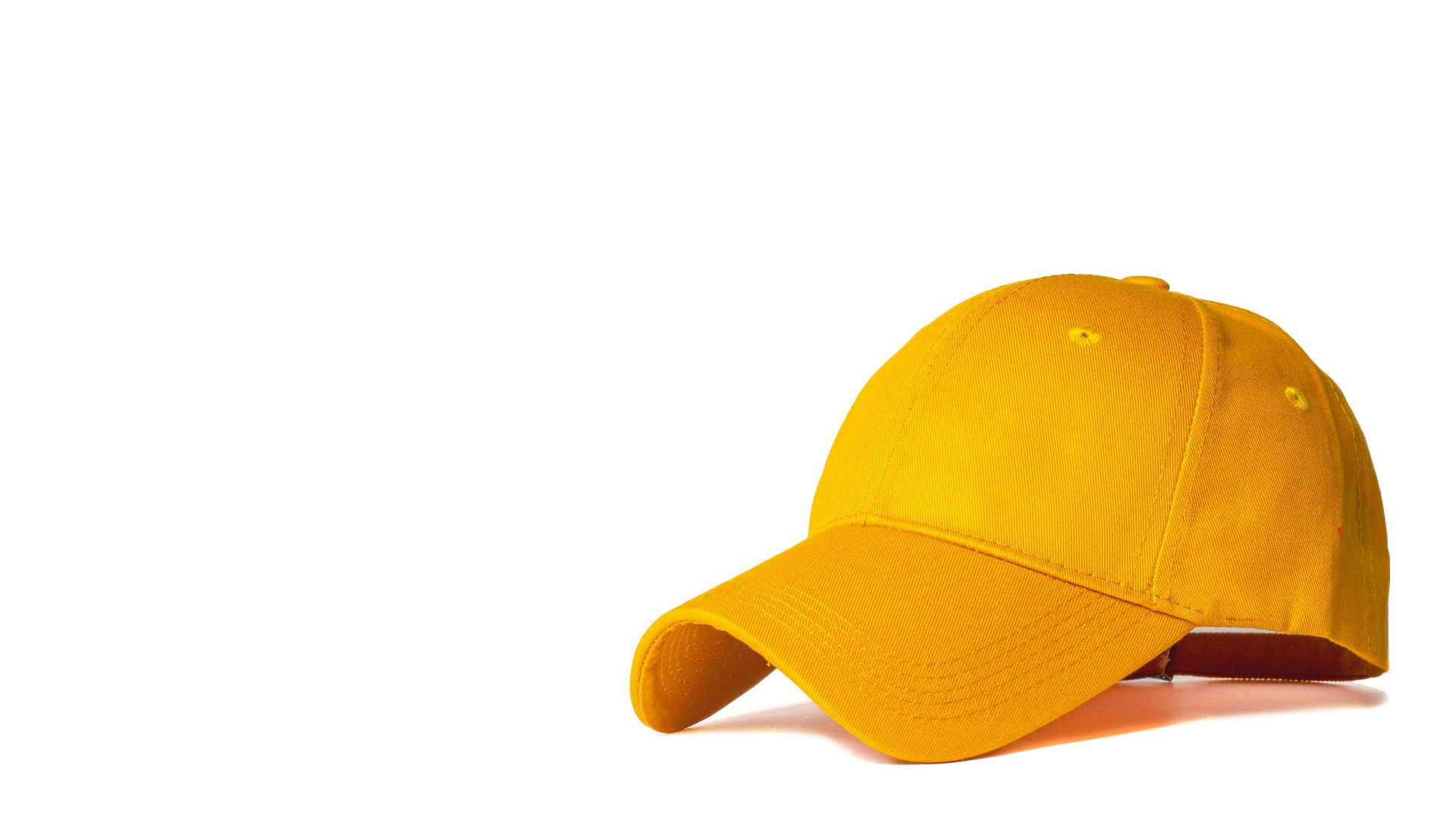
17. 🧢 Cap
The hat itself is literal, but the slang is where the real meaning lives. "Cap" means a lie or exaggeration, while "no cap" means someone is being completely straight with you, so if you see this emoji in a comment, it is usually accusing somebody of stretching reality.
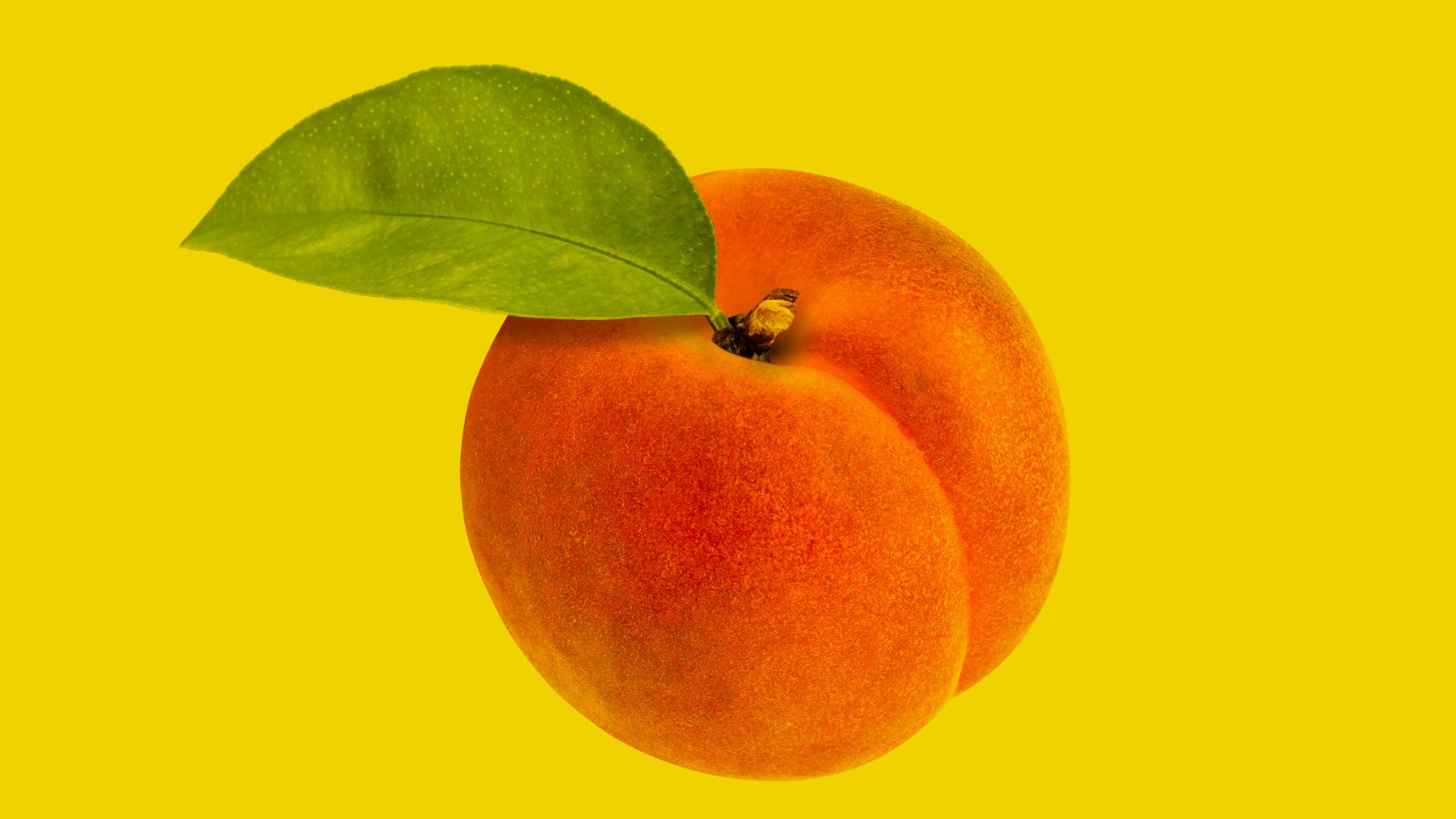
18. 🍑 Peach
The peach is one of the internet's least innocent groceries. Because of its shape, it is very often used as a stand-in for buttocks, flirting, or body talk that wants to stay one step away from saying the actual word out loud.
19. 😘 Face Blowing A Kiss
This one is affectionate, but the tone can range from loving to lightly teasing, depending on who is sending it. It can mean goodbye, good night, flirtation, or simple warmth, and it tends to feel softer and sweeter than the winking face on its own.

20. 💅 Nail Polish
Nail polish can be literal in beauty posts, but its slang use is much more fun. It signals confidence, sass, or the feeling of remaining perfectly unbothered while somebody else makes a scene, which is exactly why it shows up so often under petty but beautifully delivered comments.