Some Playdates Just Don’t Land
Not all playdates are created equal, and kids are surprisingly honest about which ones they enjoy and which ones they’d rather skip. While routines and familiar activities can feel safe, they can also become predictable and dull over time. If you’ve noticed your child dragging their feet before a hangout, it might be the type of playdate, not the people involved. Here’s a look at ten playdates kids tend to get bored with, followed by ten they genuinely look forward to.
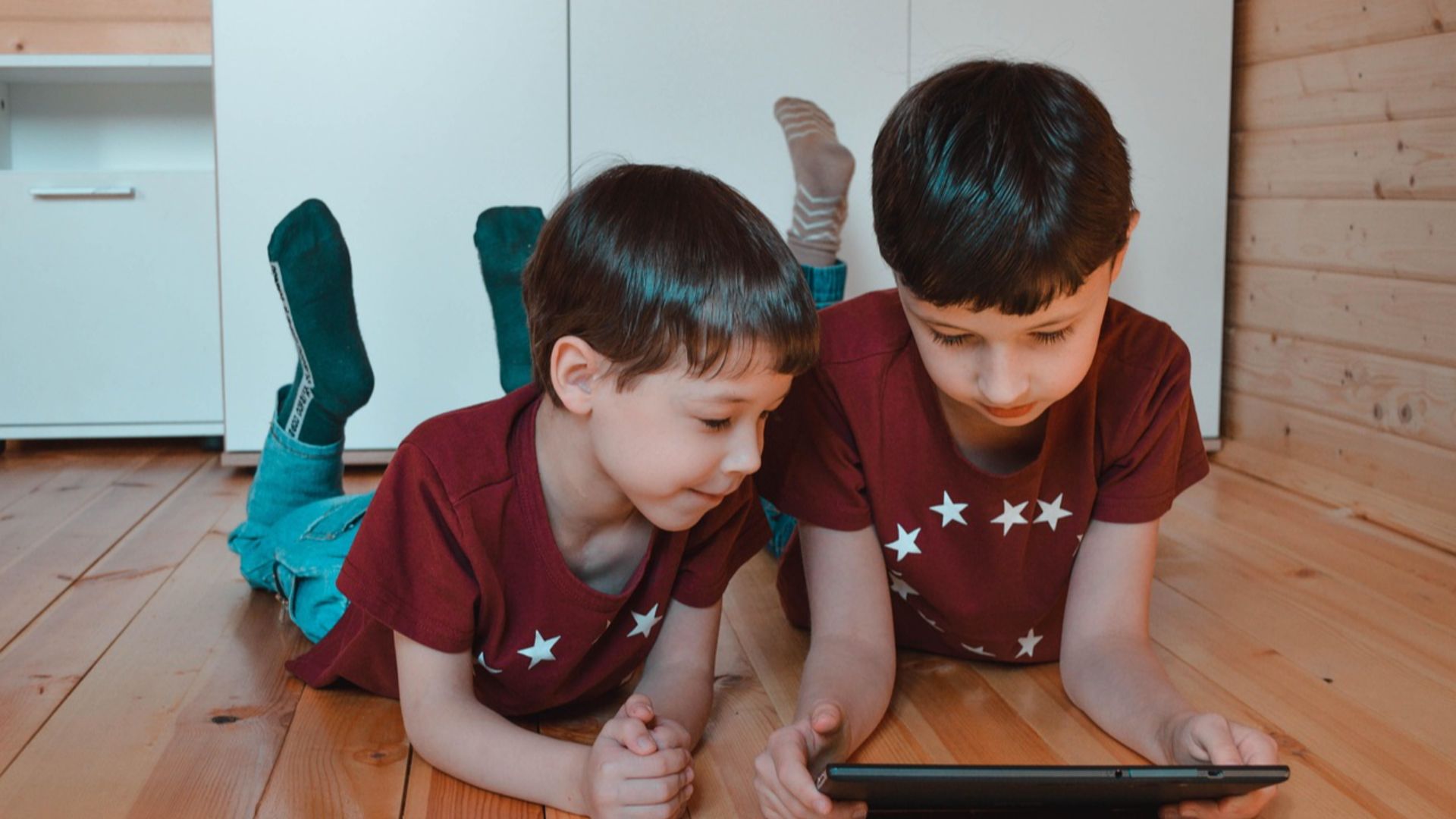
1. The Screen-Only Hangout
When kids get together just to sit side by side on tablets or watch TV, it doesn’t feel much different from being alone. While screens can be entertaining, they don’t offer much interaction or creativity. Over time, this kind of playdate loses its appeal because it lacks shared experiences. Kids often leave feeling underwhelmed rather than energized.
2. The Overly Structured Playdate
If every minute is scheduled with activities, crafts, and rules, kids can feel restricted instead of excited. While some structure is helpful, too much removes the freedom to explore and be spontaneous. Children naturally enjoy making their own fun, and rigid plans can take that away. It can start to feel more like school than play.
3. The Same Toy Routine
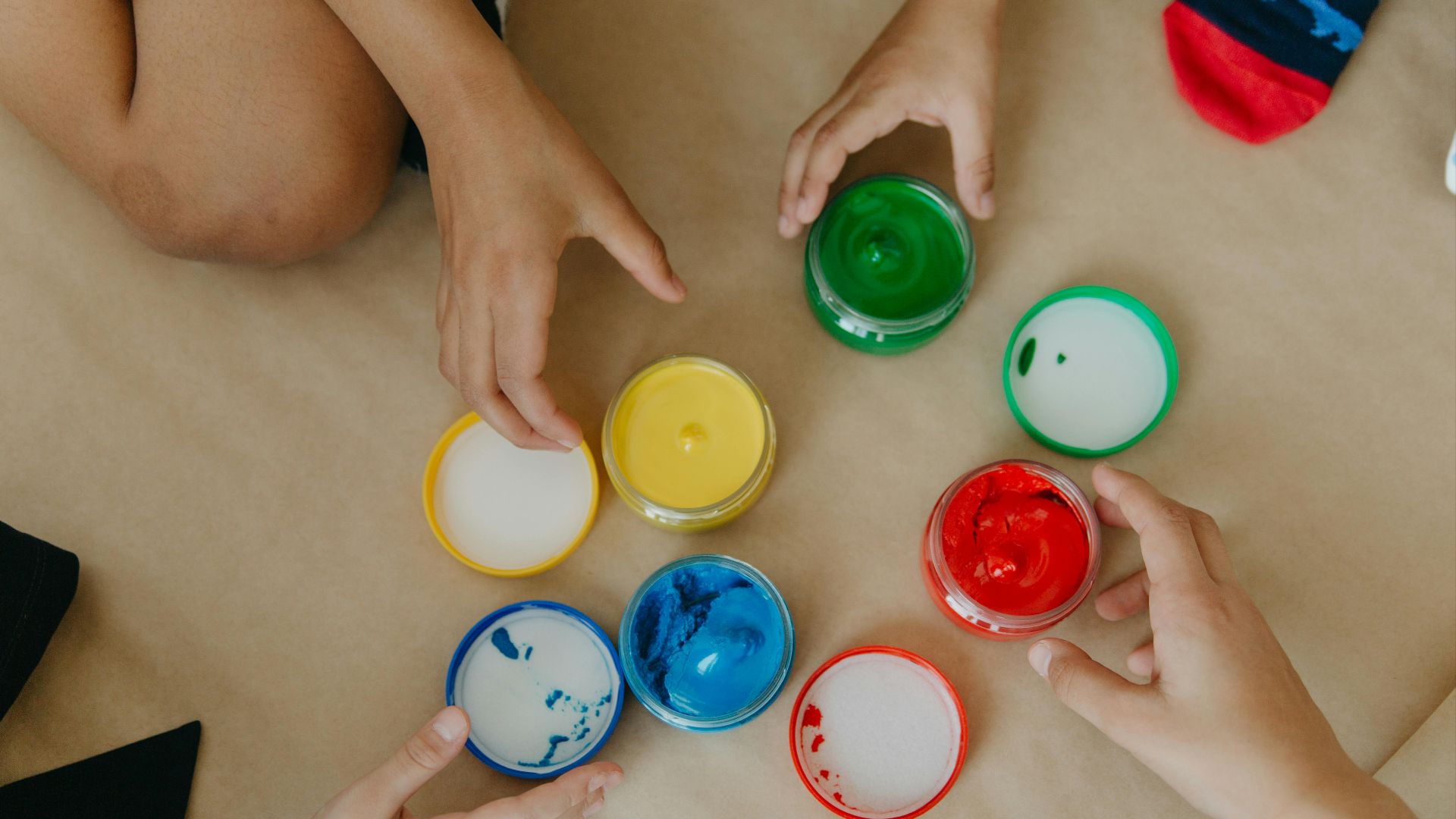
Visiting the same house and playing with the same toys every time gets repetitive quickly. Even favorite toys lose their appeal without variety. Kids thrive on novelty and new challenges, so predictable play loses its spark. You might notice shorter attention spans during these visits.
4. The Parent-Led Playdate
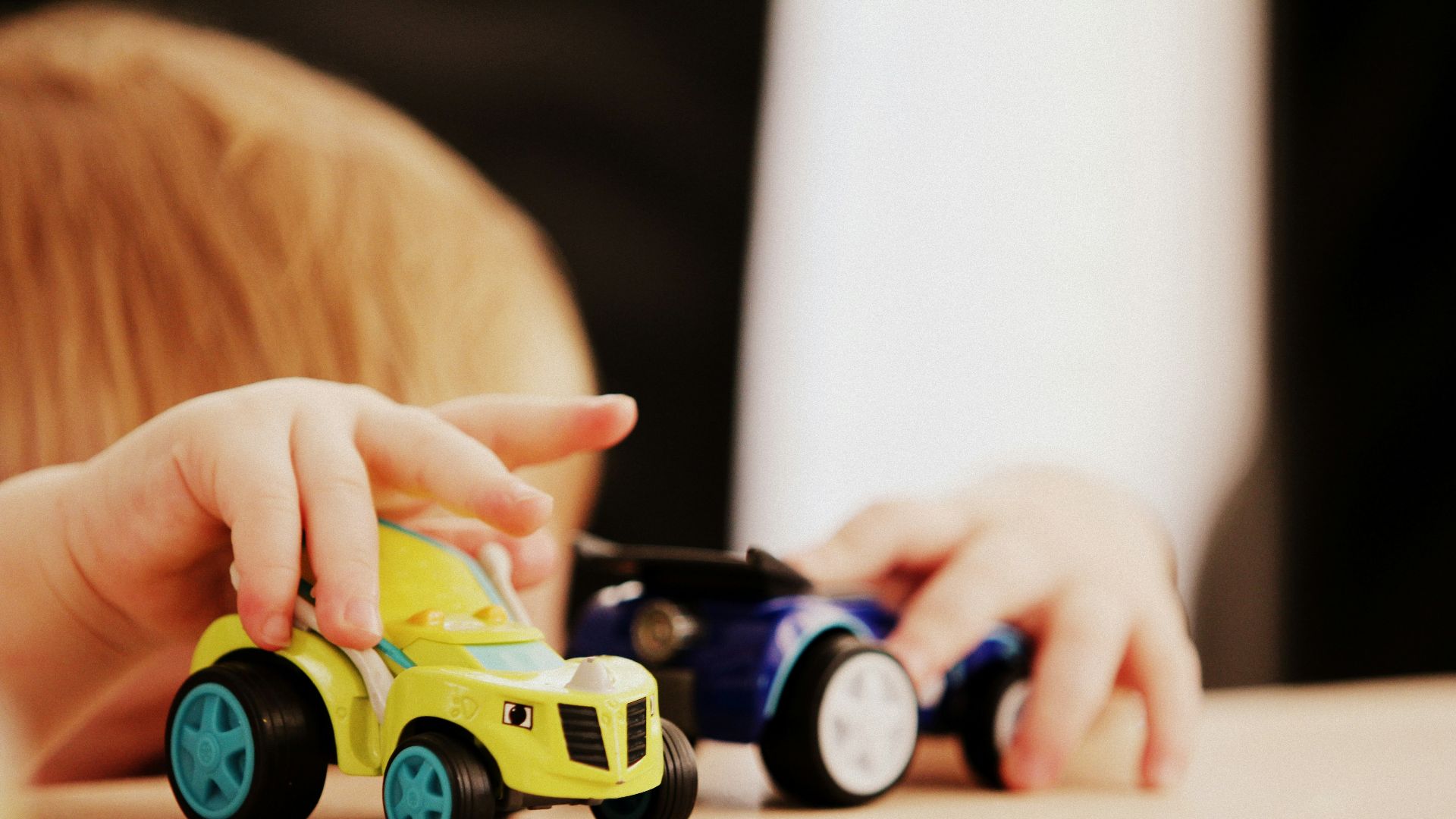
When adults control every activity, kids don’t get the chance to lead or collaborate. This can make the experience feel less personal and engaging. Children enjoy feeling independent and making decisions together. Without that, the playdate can feel less exciting.
5. The Indoor-Only Hangout
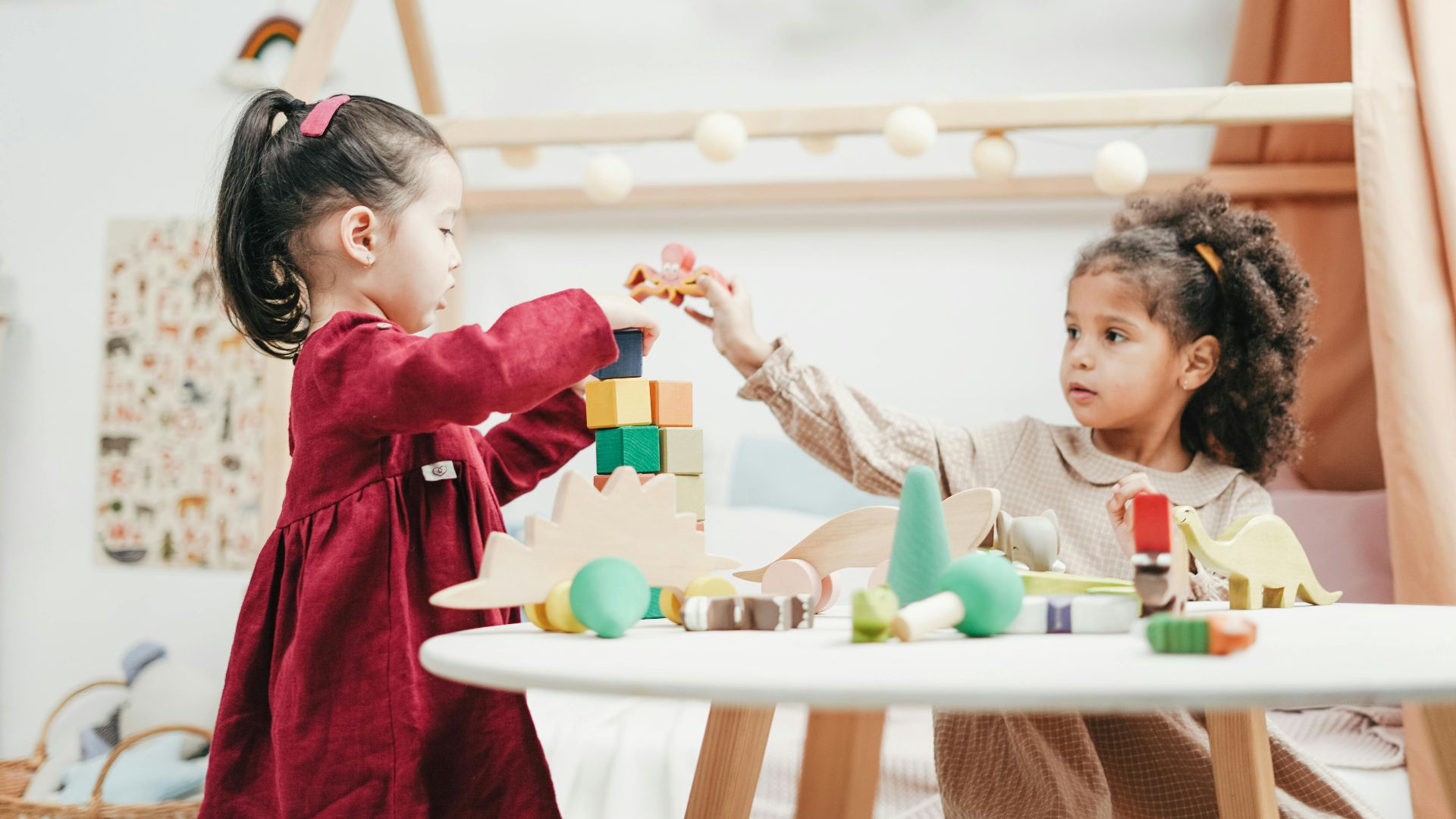
Staying inside the entire time can feel limiting, especially for active kids. Physical movement and fresh air play a big role in keeping children engaged. Without outdoor time, energy builds up, and boredom follows. It often leads to restlessness and shorter play sessions.
6. The Forced Friendship Playdate
Sometimes kids are encouraged to spend time with someone they don’t naturally connect with. While it’s good to broaden social skills, forced interactions can feel uncomfortable. Without shared interests, the playdate lacks genuine enthusiasm.
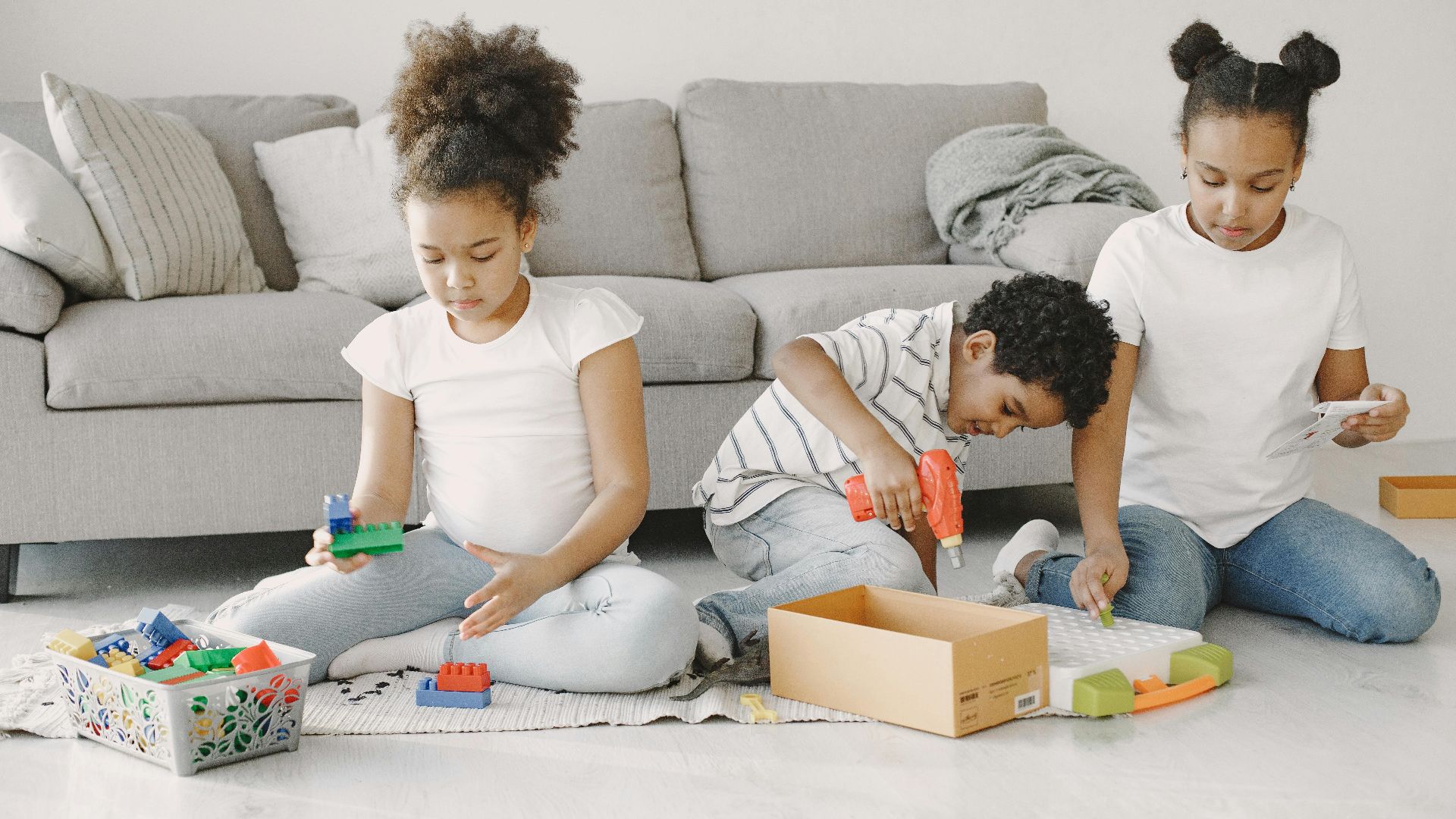
7. The Competitive-Only Playdate
When everything turns into a competition, it can become stressful rather than fun. Some kids enjoy challenges, but constant winning and losing can create tension. Playdates should feel relaxed and cooperative, not like a contest. Over time, this dynamic can reduce excitement.
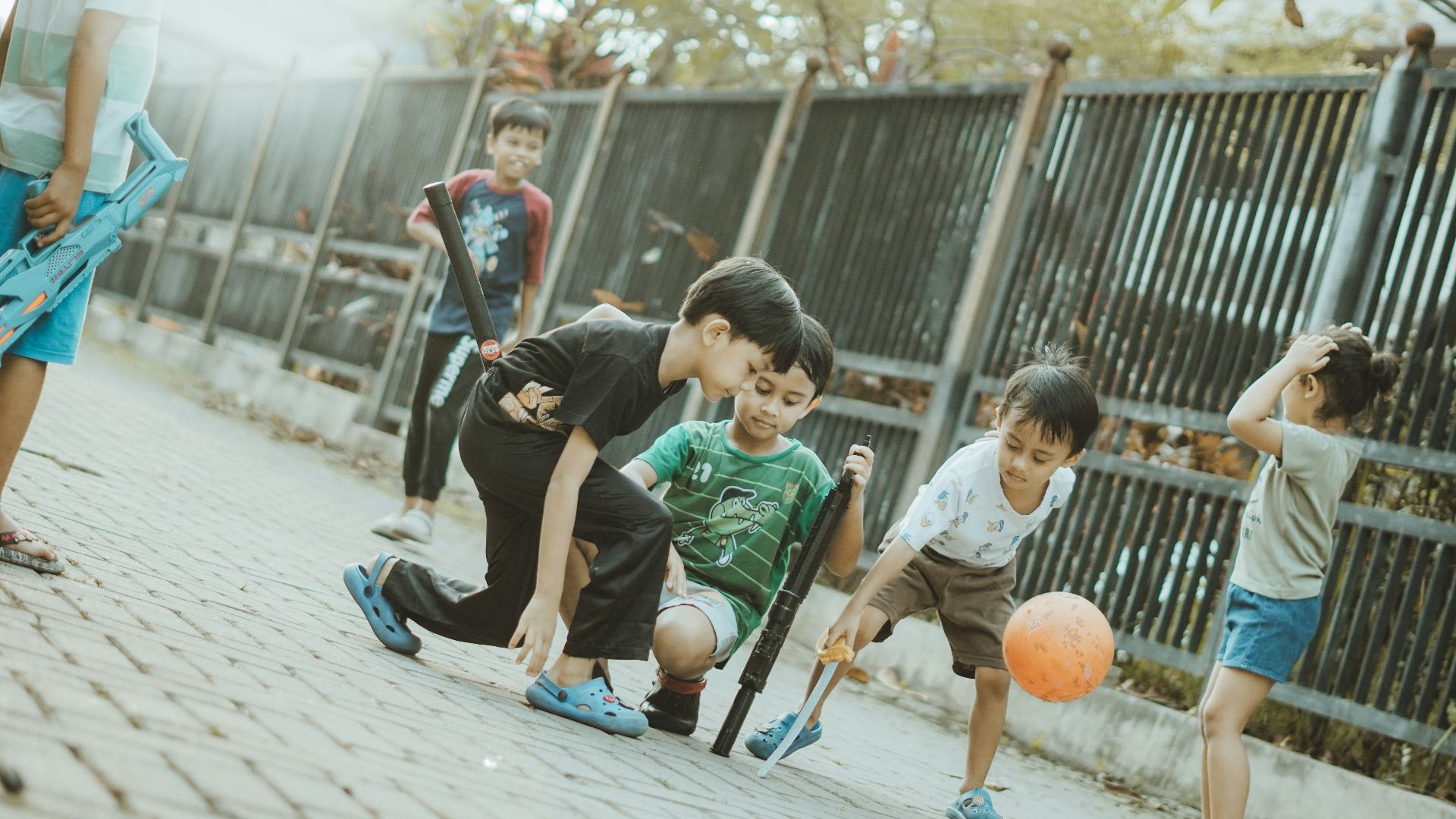
8. The Mess-Restricted Hangout
If kids are constantly told to avoid making a mess, it limits creativity. Activities like art, building, and experimenting naturally involve some disorder. When they’re restricted, kids may feel hesitant to fully engage. It can make the experience feel controlled and less enjoyable.
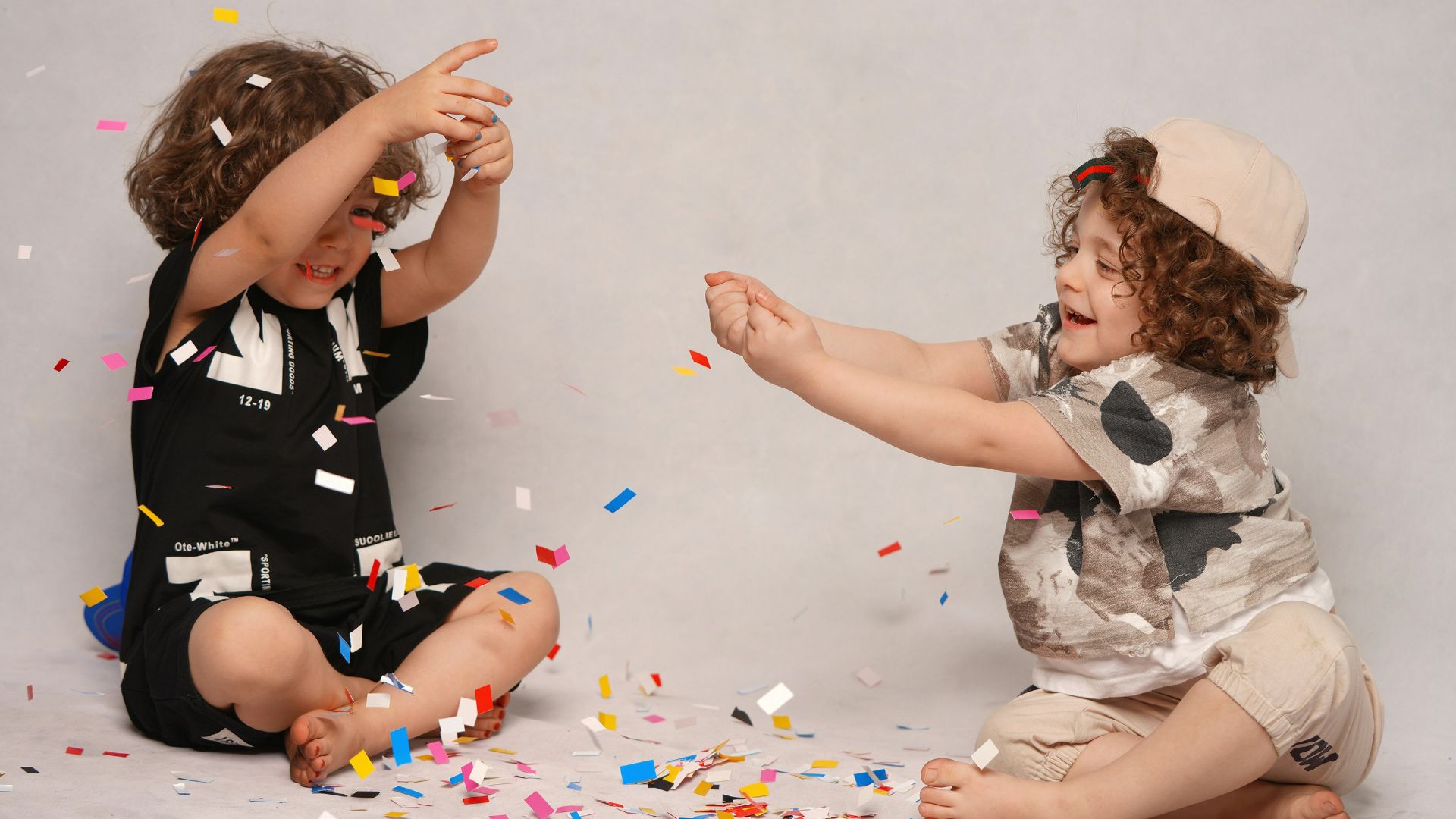
9. The Short, Rushed Visit
Playdates that are cut too short don’t give kids enough time to settle into play. It often takes time for children to warm up and fully engage. When the visit ends just as things get interesting, it feels incomplete. This can leave kids feeling unsatisfied.
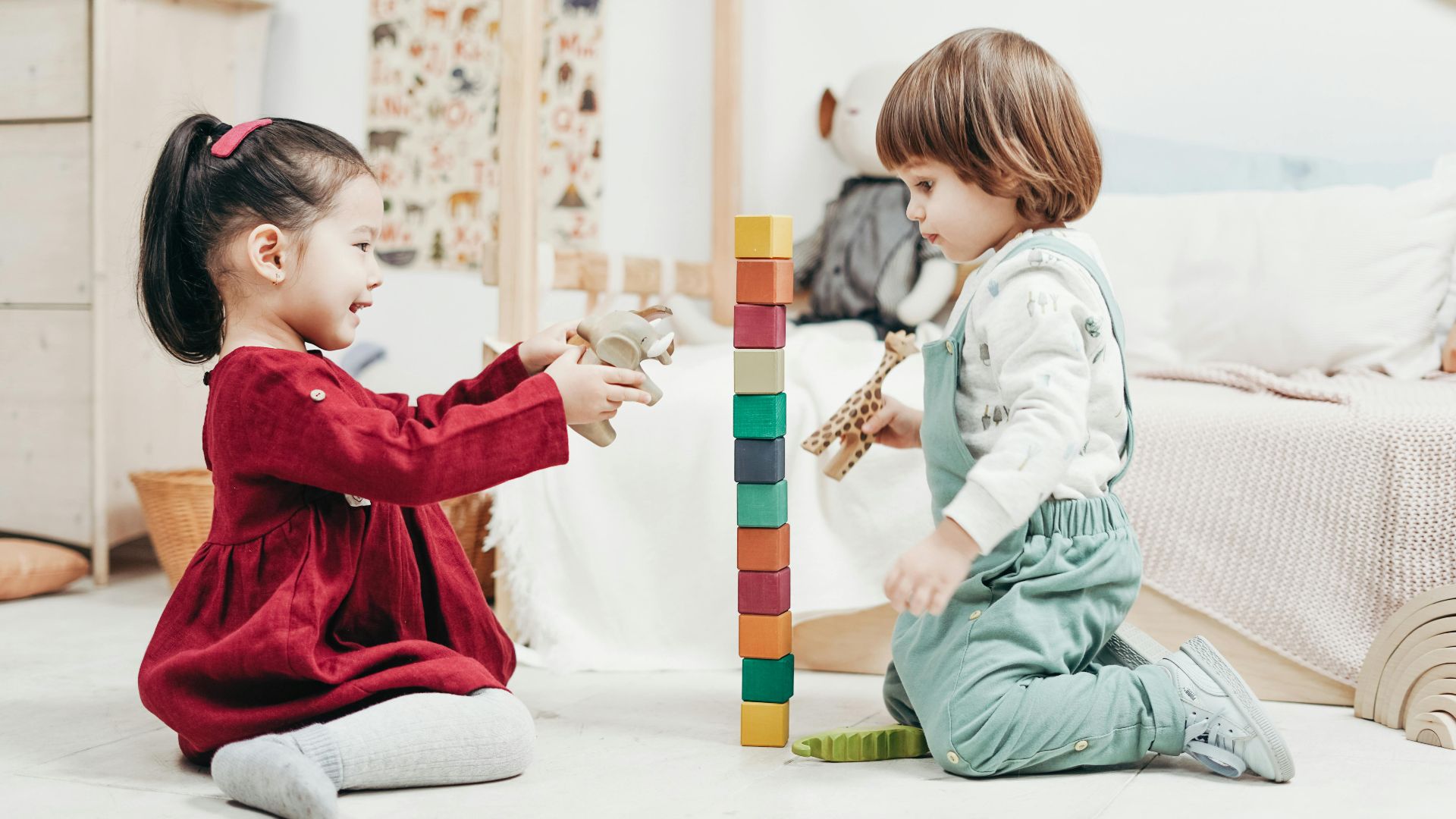
10. The Adult Conversation Playdate
If adults dominate the environment with long conversations, kids may feel overlooked. Without guidance or interaction, they might struggle to find engaging activities. This can lead to boredom or even minor conflicts. Kids benefit when adults stay aware of their play needs.
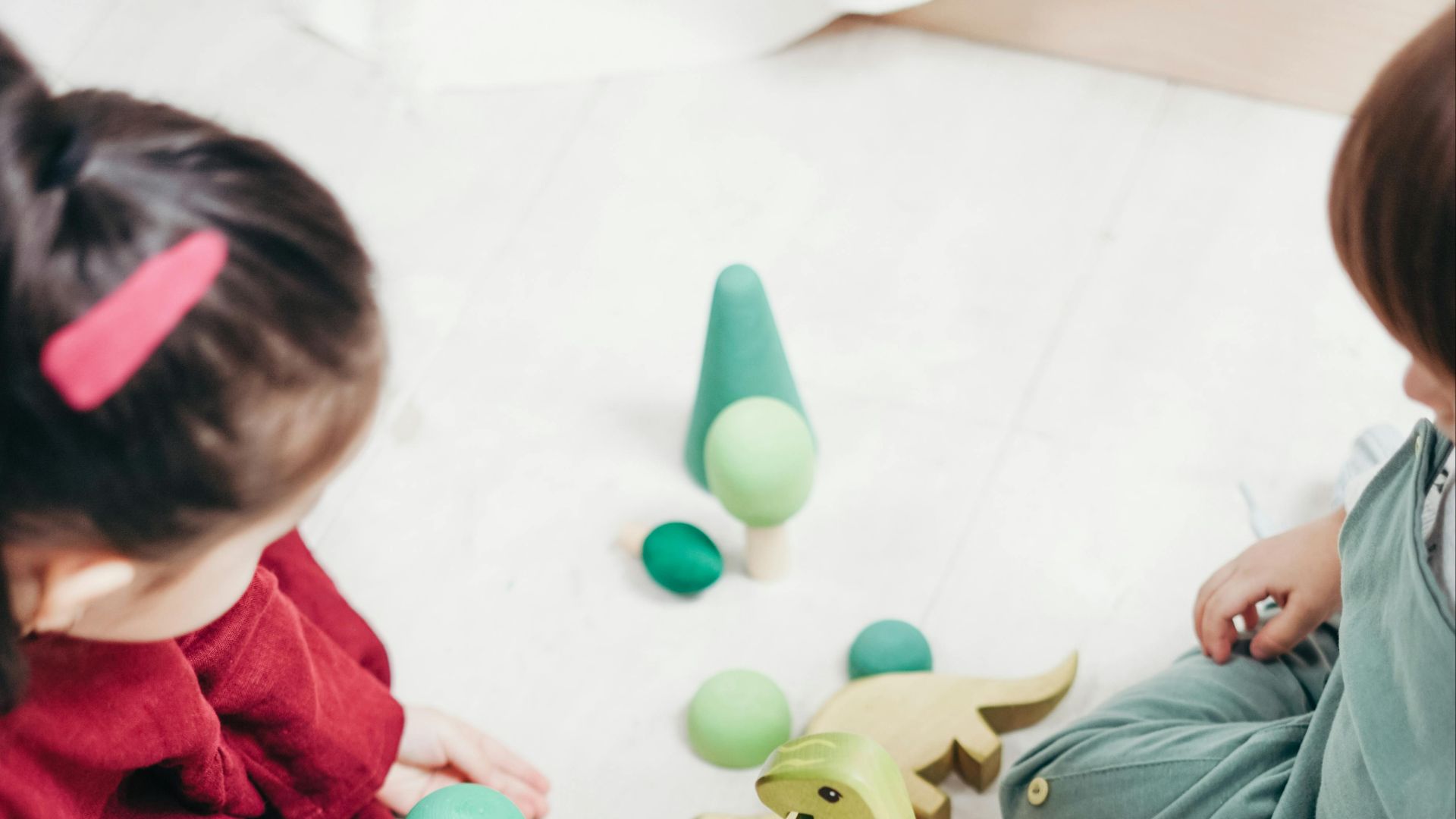
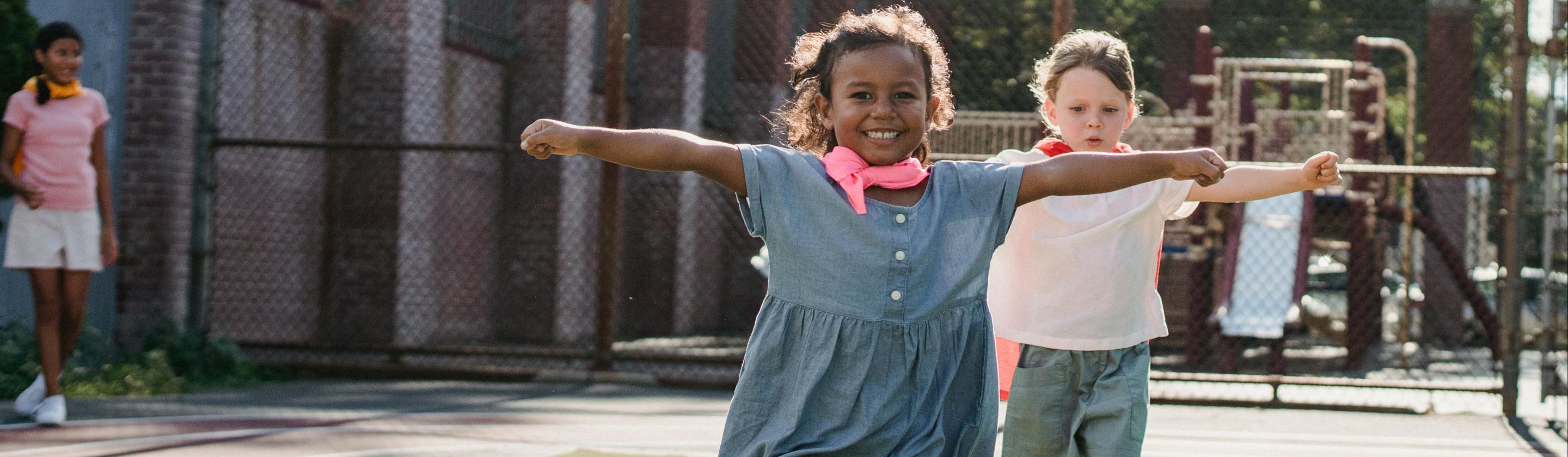
1. The Outdoor Adventure Playdate
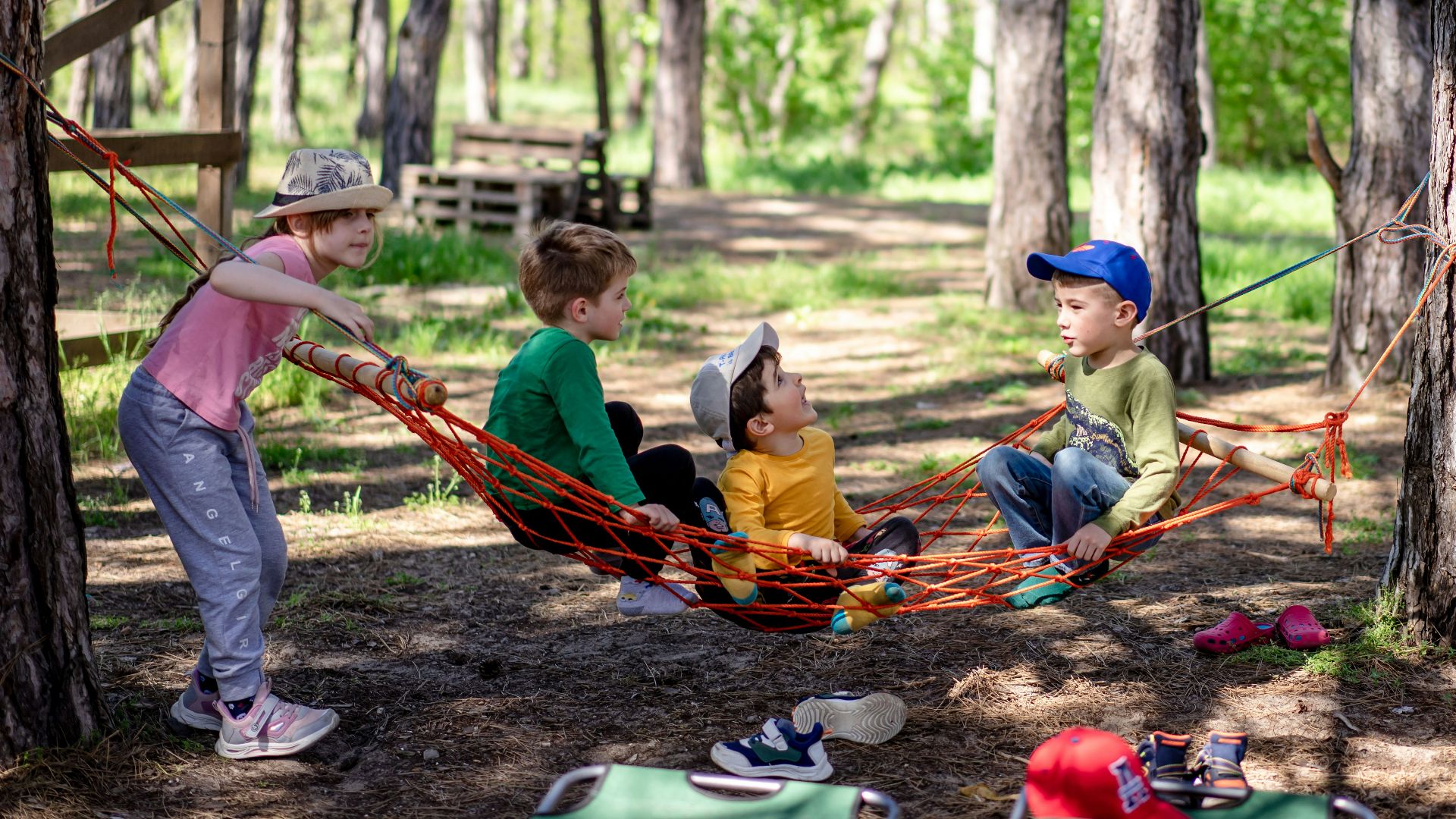
Kids often look forward to playdates that include parks, backyards, or nature walks. Physical activity keeps them engaged and supports healthy development. Exploring new environments adds excitement and curiosity. It’s a simple way to make playdates feel fresh every time.
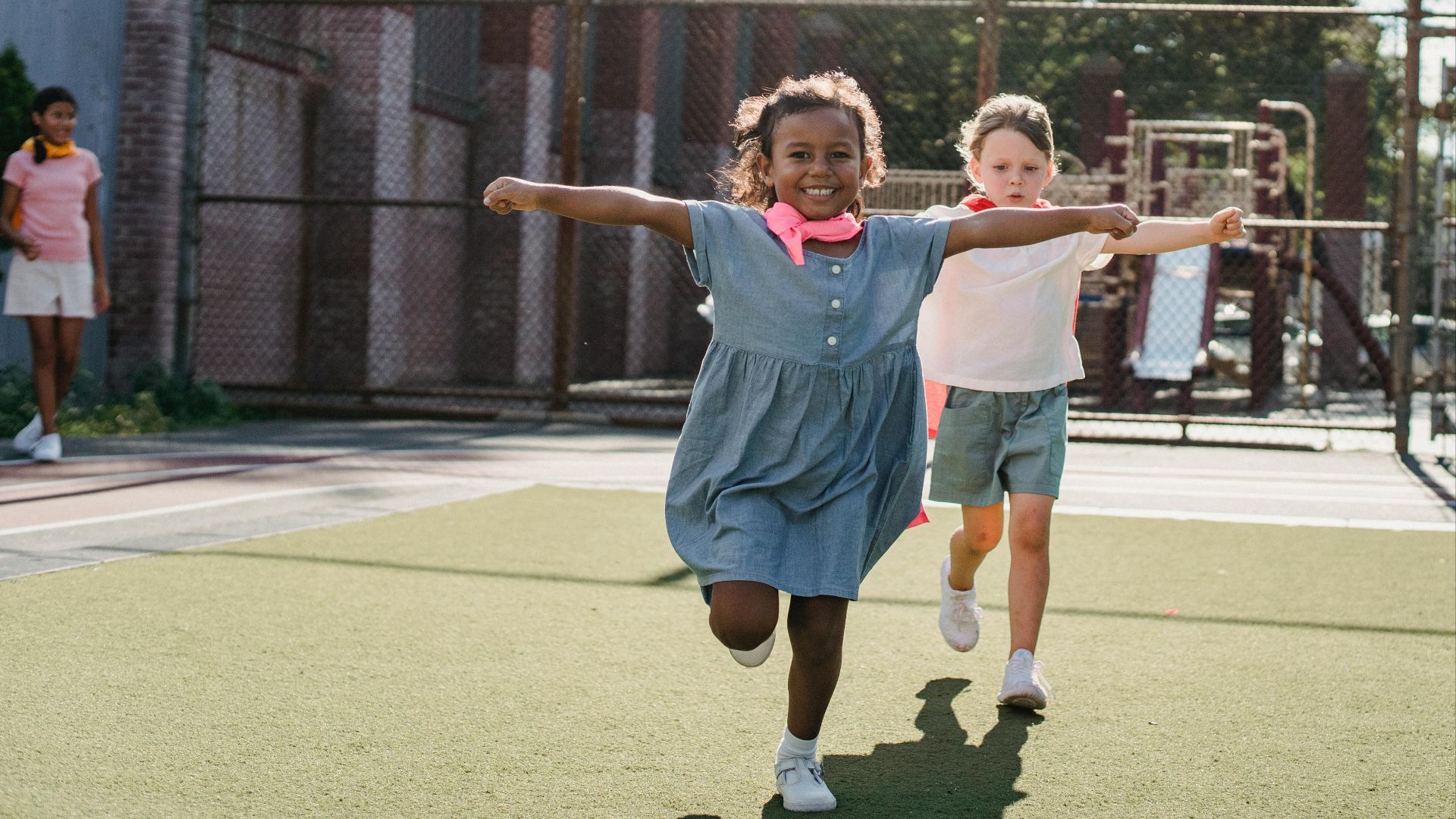
2. The Creative Craft Session
Art-based playdates allow kids to express themselves and create something unique. Activities like painting, building, or simple DIY projects keep their attention longer. There’s a sense of accomplishment when they finish something they’ve made. It also encourages collaboration and sharing ideas.
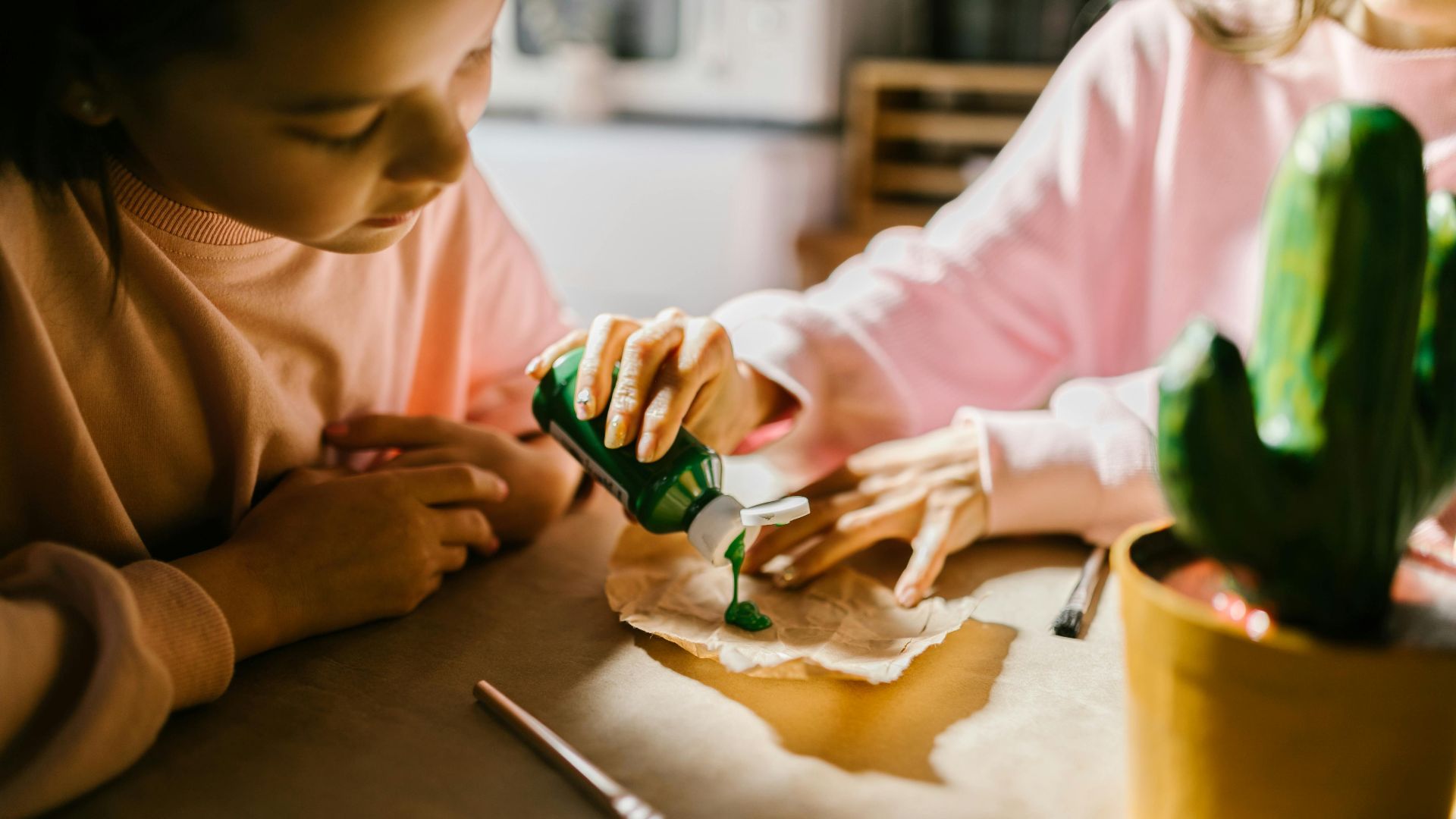
3. The Theme-Based Playdate
Adding a theme, like a mini science day or a pretend restaurant, makes the experience more engaging. Kids enjoy stepping into imaginative roles and scenarios. It gives structure without being overly rigid. This kind of playdate often feels memorable and exciting.
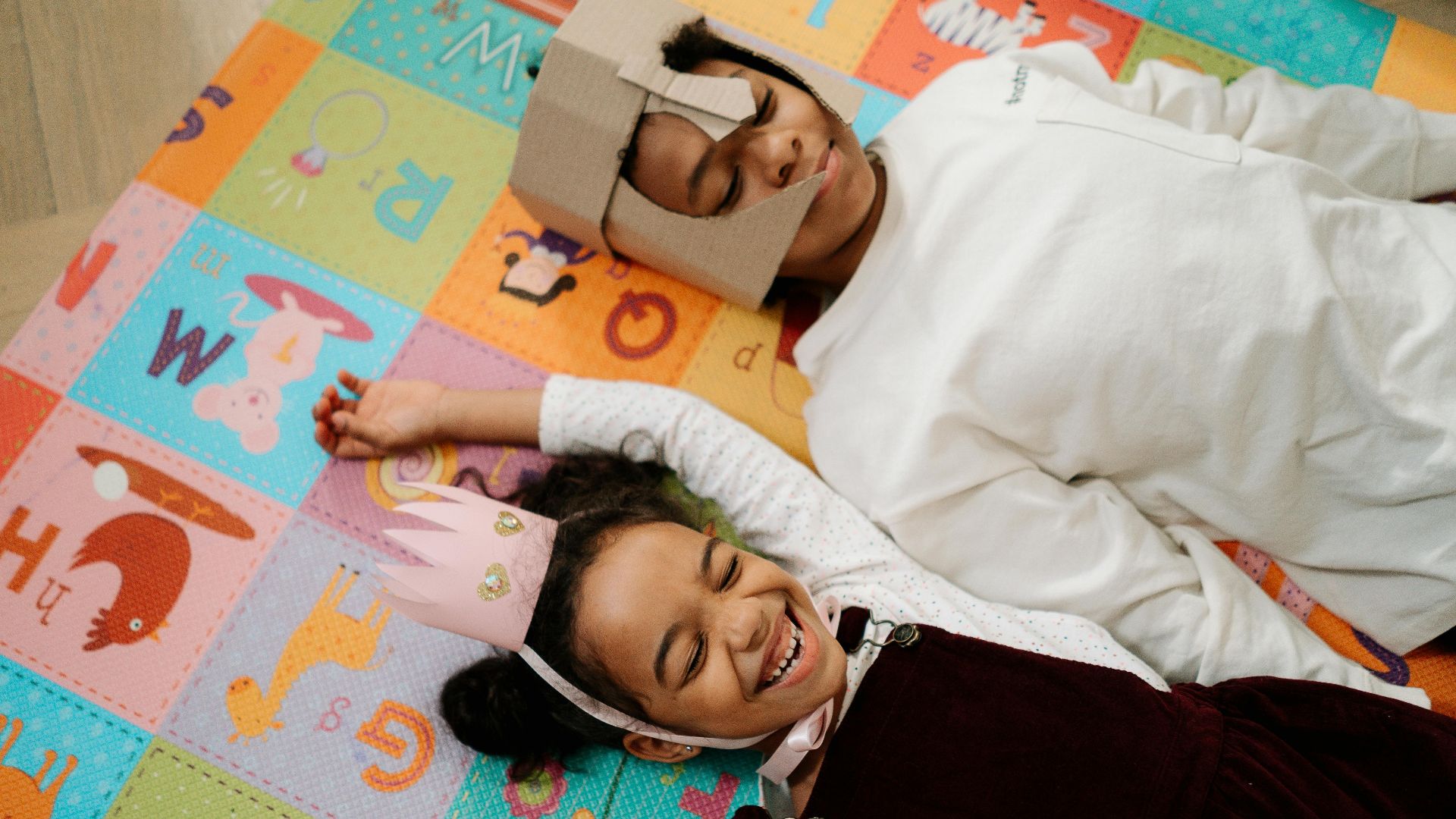
4. The Cooking or Baking Hangout
Preparing simple recipes together can be both fun and educational. Kids enjoy hands-on activities where they can measure, mix, and taste. It also teaches basic life skills in a relaxed setting. Sharing the finished food adds an extra layer of enjoyment.
5. The Freestyle Playdate
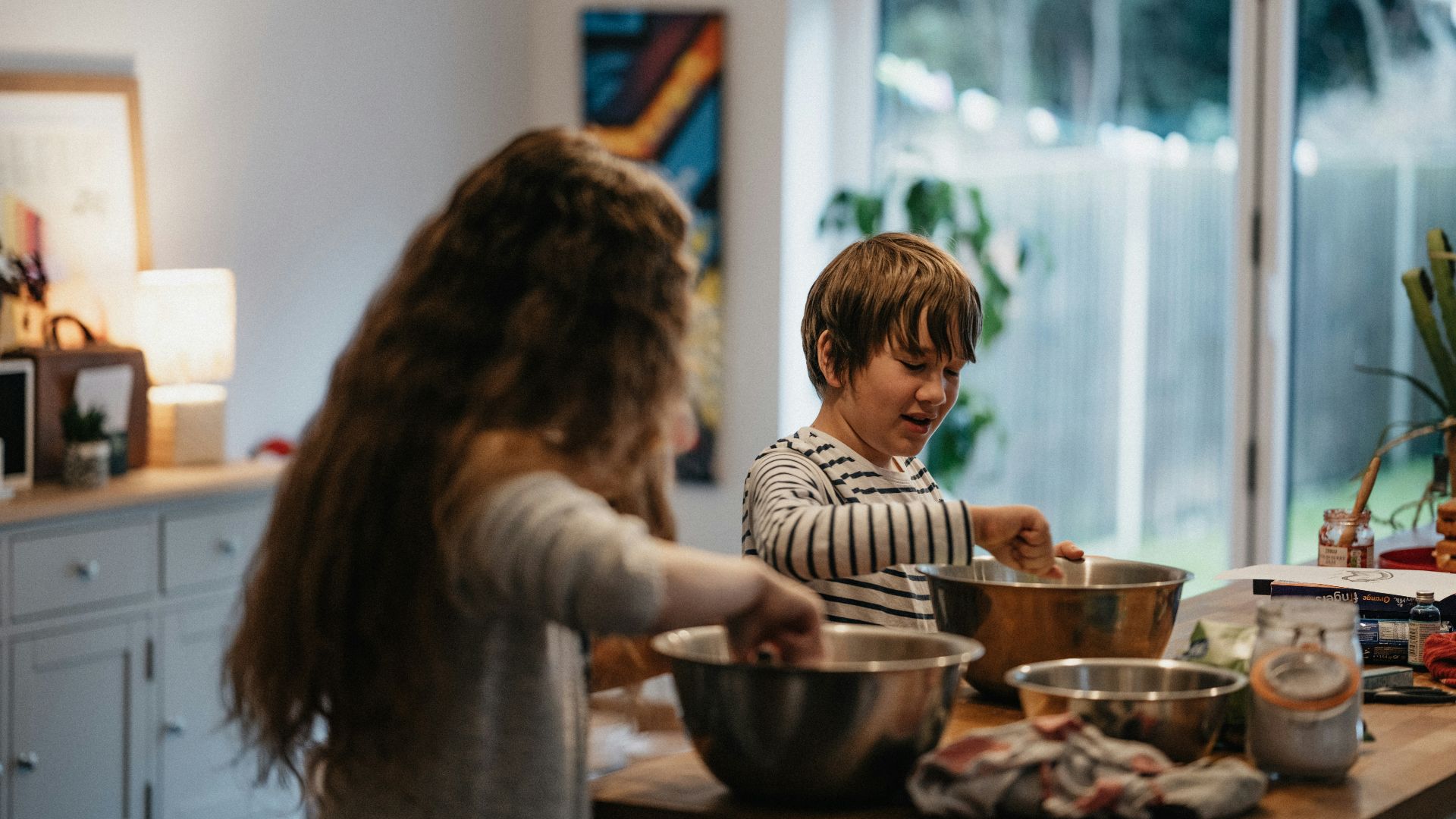
Unstructured time, where kids decide what to do, often leads to the most creative outcomes. They build games, invent stories, and solve small challenges on their own. This type of play supports independence and problem-solving. It’s often what kids naturally gravitate toward.
6. The Water Play Day
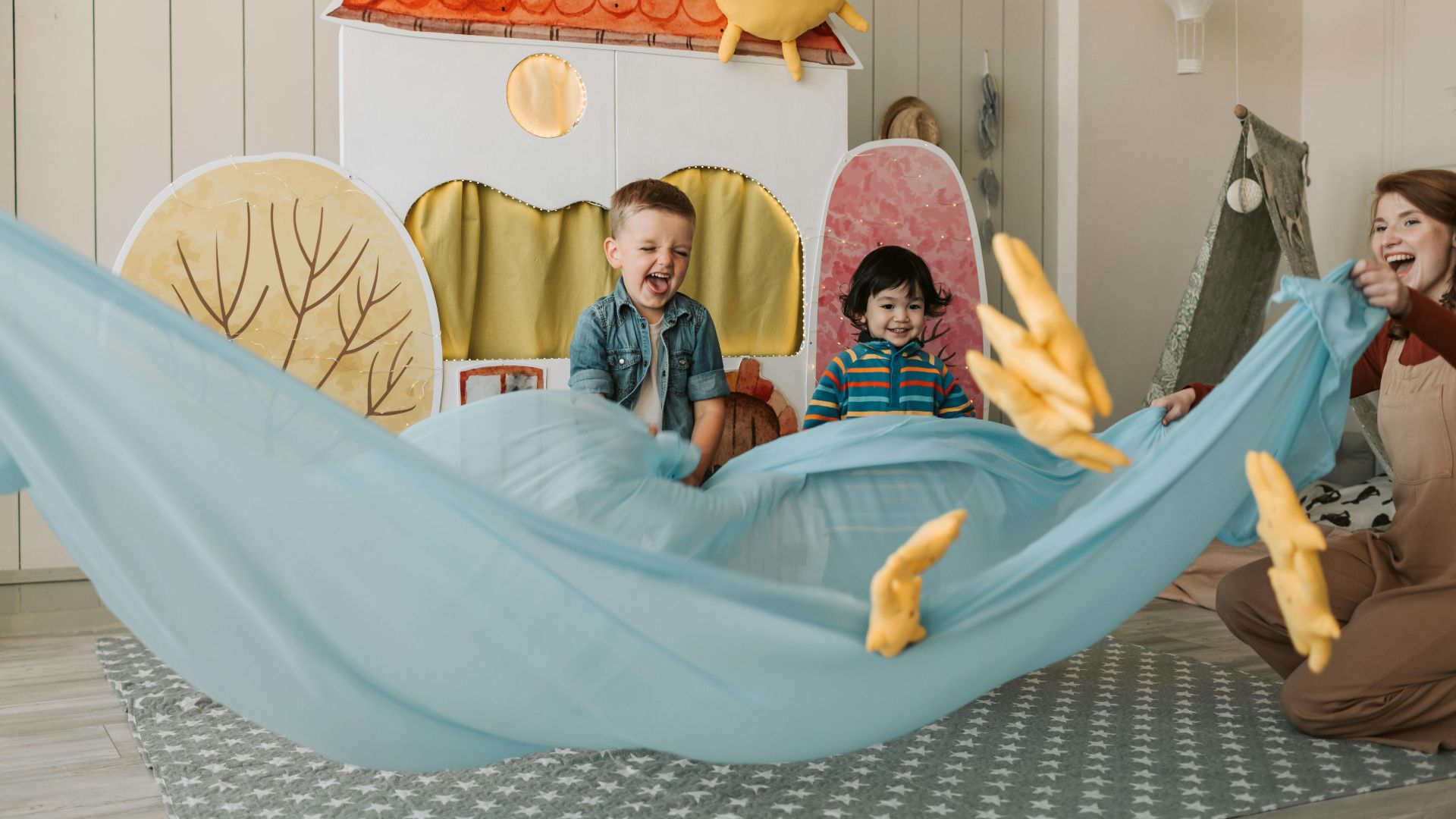
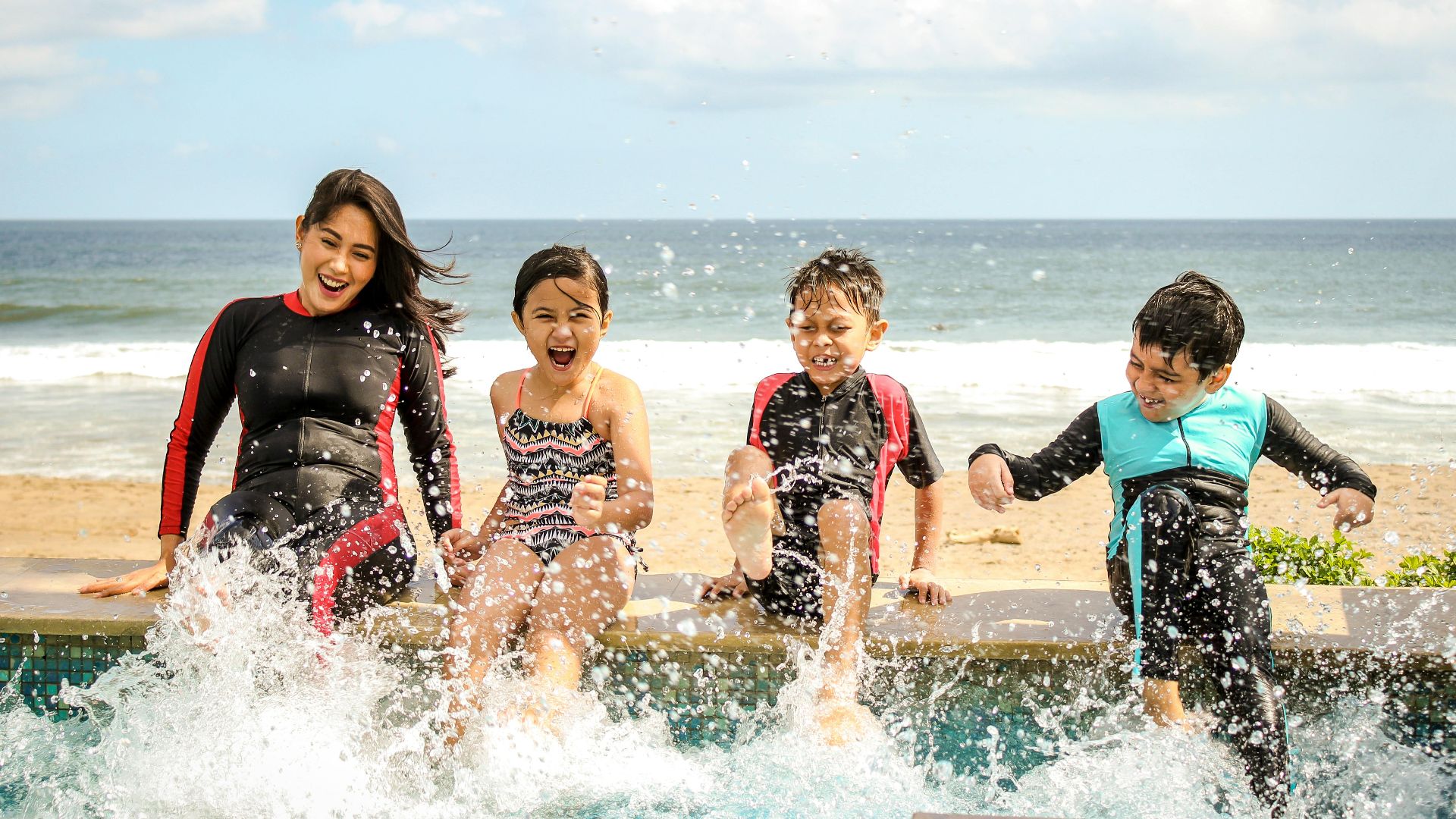
Whether it’s sprinklers, water tables, or a small pool, water activities are consistently popular. They provide sensory stimulation and keep kids active.
7. The Game Night Playdate
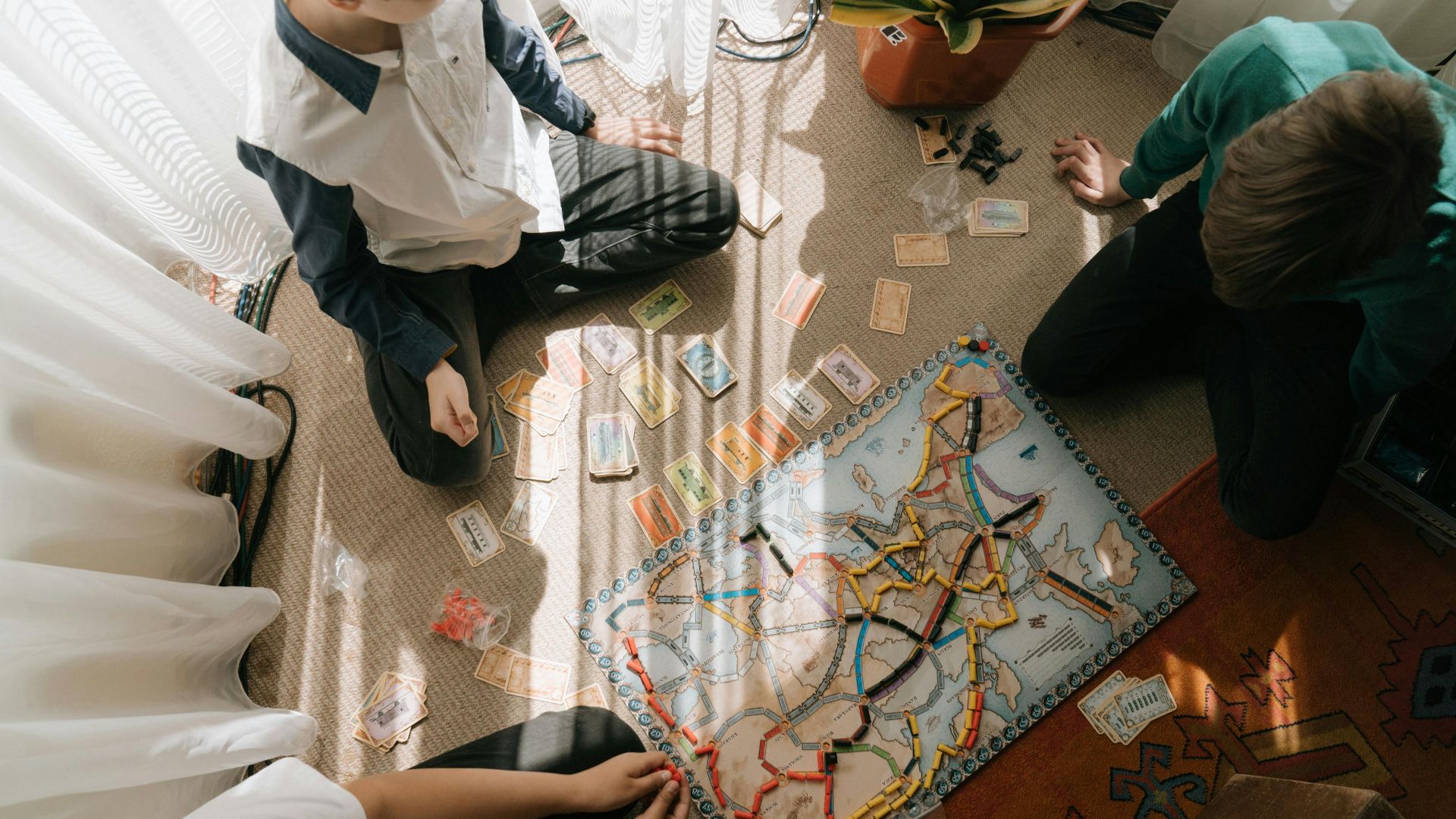
Board games or simple group games create opportunities for interaction and laughter. Unlike competitive-only setups, these can focus on teamwork or lighthearted fun.
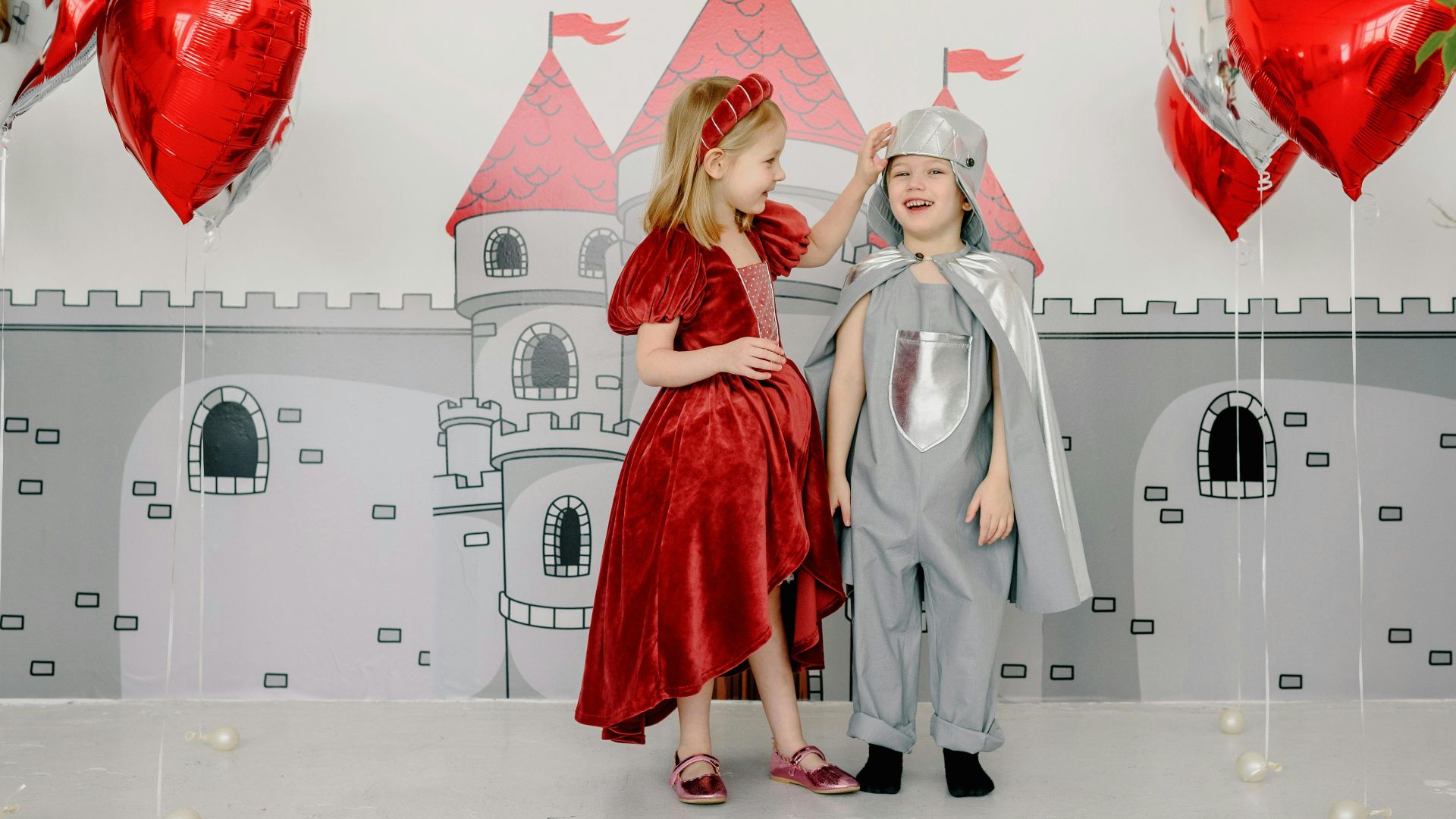
8. The Dress-Up and Pretend Playdate
Imaginative play allows kids to explore different roles and scenarios. Whether it’s costumes or simple props, the focus is on storytelling.
9. The Mixed-Activity Playdate
Combining a few different activities, like outdoor play followed by crafts, keeps things interesting. Variety prevents boredom and maintains energy levels.
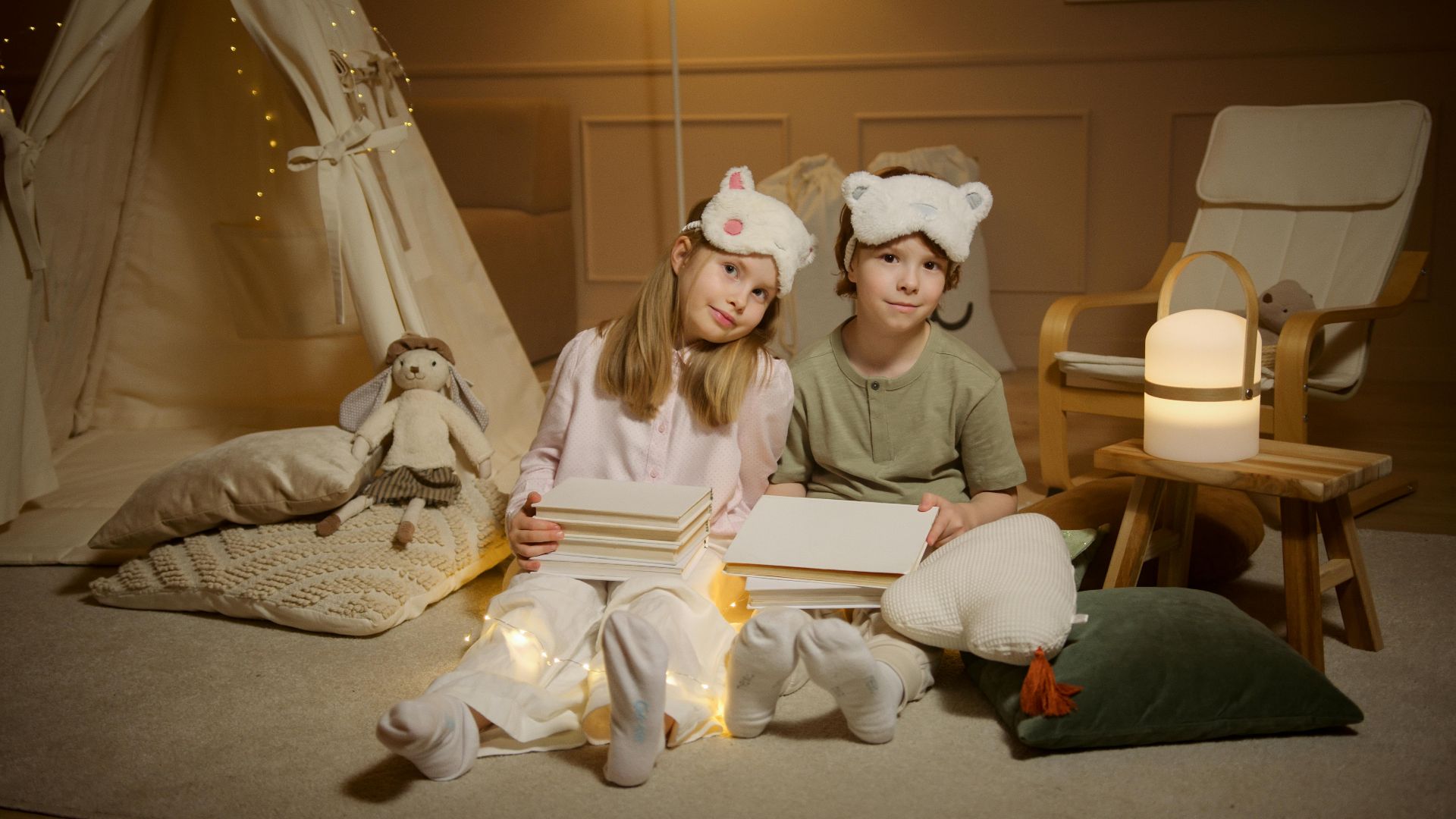
10. The Sleepover or Extended Playdate
Longer playdates give kids time to fully immerse themselves in activities. They can relax, build deeper connections, and explore multiple forms of play.