
Raising Confidence Starts at Home
Confidence doesn’t appear overnight, and it’s not something kids grow into on their own. It’s shaped day by day through how you respond, guide, and support them. The way you communicate, set expectations, and handle challenges sends powerful messages about their worth and ability. If you’re wondering whether your parenting is helping your child feel secure and capable, these 20 signs can offer a clear and encouraging picture.

1. They’re Comfortable Speaking Up
Your child isn’t afraid to share their thoughts, even when they disagree with you. That shows they feel safe expressing themselves without fear of harsh judgment. When kids know their voice matters, they’re more likely to trust their own ideas. This kind of openness is a strong indicator of growing self-assurance.

2. They Try New Things Without Fear
A confident child will still feel nervous sometimes, but they won’t avoid new experiences altogether. If your child is willing to try, even when unsure, it means they believe they can handle challenges. You’ve likely created an environment where effort matters more than perfection, which encourages healthy risk-taking.

3. They Handle Mistakes Without Falling Apart
Mistakes don’t completely derail your child’s sense of self. Instead of shutting down, they can recover and keep going. This suggests they’ve learned that errors are part of learning, not a reflection of their worth. Your response to their missteps has likely helped build this resilience.

4. They Ask for Help When Needed
Confidence doesn’t mean independence at all costs. If your child knows when to seek help, it shows they understand their limits without feeling ashamed. You’ve taught them that asking questions is a strength, not a weakness. That balance supports both growth and self-trust.
5. They Take Responsibility for Their Actions
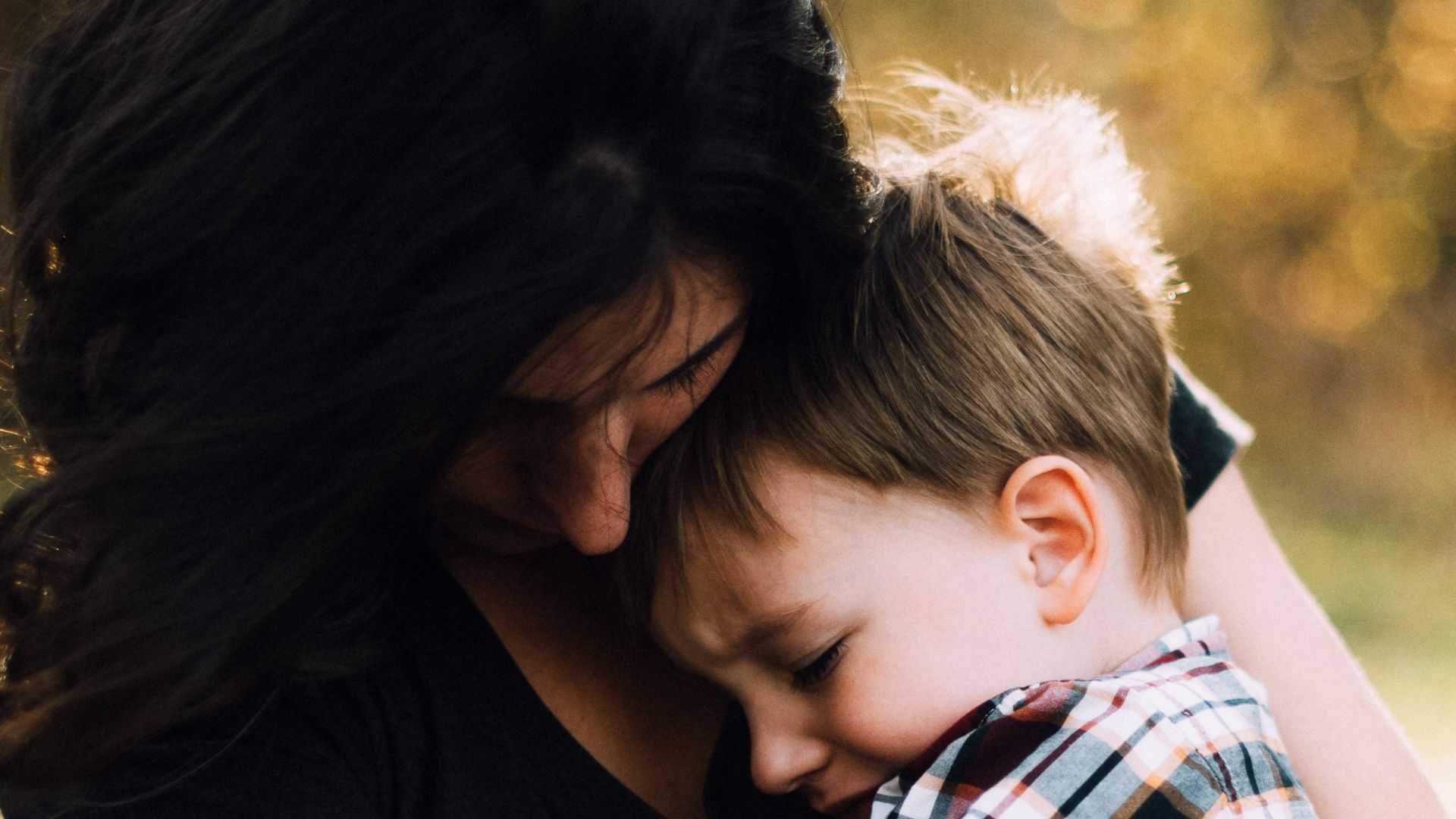
Rather than constantly blaming others, your child can acknowledge when they’ve made a poor choice. This shows a stable sense of self that isn’t easily threatened by accountability. You’ve likely modeled calm, fair consequences instead of harsh criticism. That approach helps them take ownership of their behavior without fear.

6. They Show Persistence Through Challenges
When something is difficult, your child doesn’t immediately give up. They may get frustrated, but they keep trying or come back to it later. This persistence reflects confidence in their ability to improve over time. Your encouragement has likely reinforced effort over quick success.

7. They Can Accept Feedback Without Feeling Attacked
Constructive feedback doesn’t crush your child’s confidence. Instead, they can listen and adjust without becoming overly defensive. This shows they separate their actions from their identity. You’ve probably been mindful about correcting behavior without criticizing who they are.

8. They Make Age-Appropriate Decisions
Your child feels capable of making choices within reasonable boundaries. Whether it’s picking clothes or managing time, they show ownership over their decisions. This indicates you’ve given them opportunities to practice independence. Confidence grows when kids feel trusted.
 Juliane Liebermann on Unsplash
9. They Don’t Constantly Seek Validation
While they still enjoy praise, your child doesn’t rely on it for every action. They can feel proud of themselves without needing constant approval. This suggests they’ve internalized a sense of self-worth. Your balanced encouragement has helped them develop this stability.

10. They Respect Others While Valuing Themselves
Confidence isn’t about dominance, and your child doesn’t feel the need to overpower others. They can be kind and respectful while still standing their ground. This balance shows a healthy understanding of self and others. It often reflects consistent modeling at home.

11. They Recover from Social Setbacks
Not every friendship or interaction goes smoothly, but your child can move forward. They don’t define themselves by a single negative experience, meaning your guidance has likely helped them process these moments constructively.

12. They Express Emotions Openly
Your child doesn’t feel the need to hide their feelings. Whether they’re upset, excited, or frustrated, they can express it in a healthy way. This shows emotional confidence and trust in your support. You’ve created a space where feelings are acknowledged, not dismissed.

13. They Set Personal Goals
Even at a young age, your child may show interest in improving or achieving something. These goals don’t have to be big, but they reflect motivation and belief in their abilities.
14. They Can Spend Time Independently
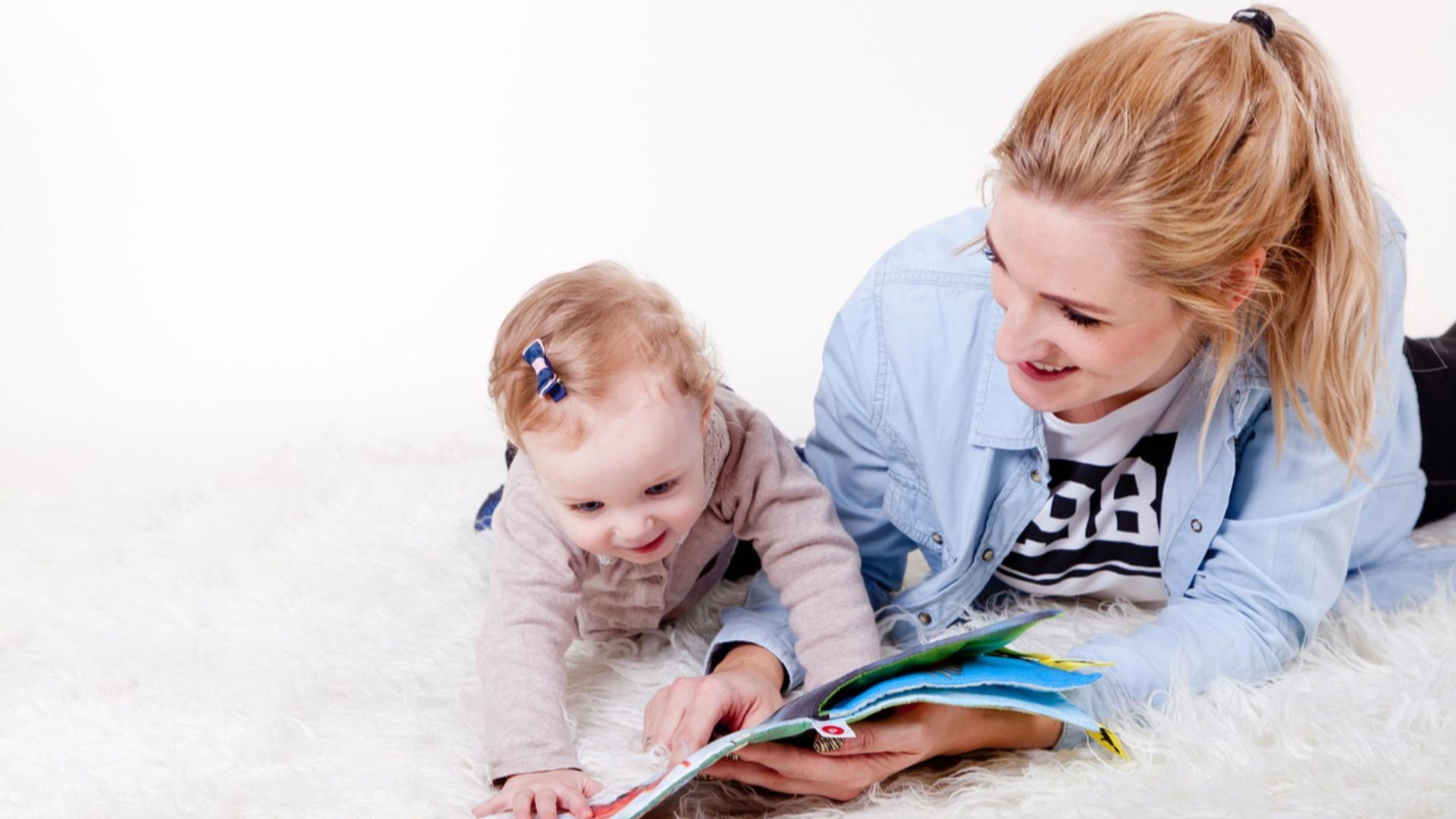
Your child is comfortable being on their own for reasonable periods. They don’t need constant entertainment or reassurance. This independence shows they feel secure and capable.

15. They Show Pride in Their Efforts
Rather than celebrating results alone, your child values what they put into something. They can recognize their own progress, even if it’s small. This indicates a healthy internal sense of achievement.
16. They Respect Boundaries and Understand Limits
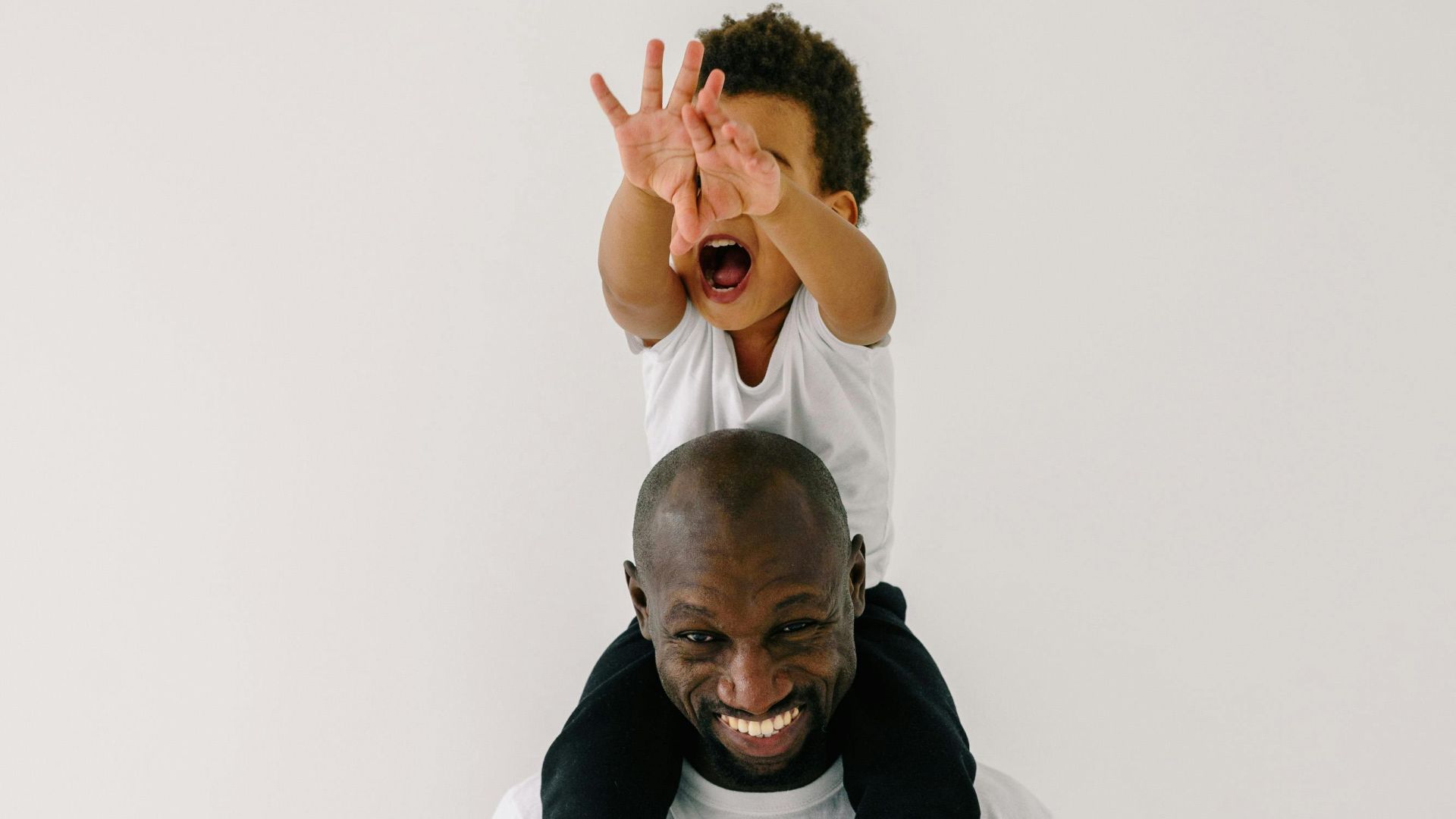
Confident children don’t need to test every rule to feel secure. They understand boundaries and accept them without constant resistance. This shows they trust your guidance and feel stable within those limits. Clear, fair expectations help create that sense of security.

17. They’re Willing to Admit “I Don’t Know”
Your child doesn’t feel embarrassed about not having all the answers. They can admit uncertainty and stay open to learning. This reflects confidence rooted in growth rather than perfection.
18. They Show Empathy Toward Others
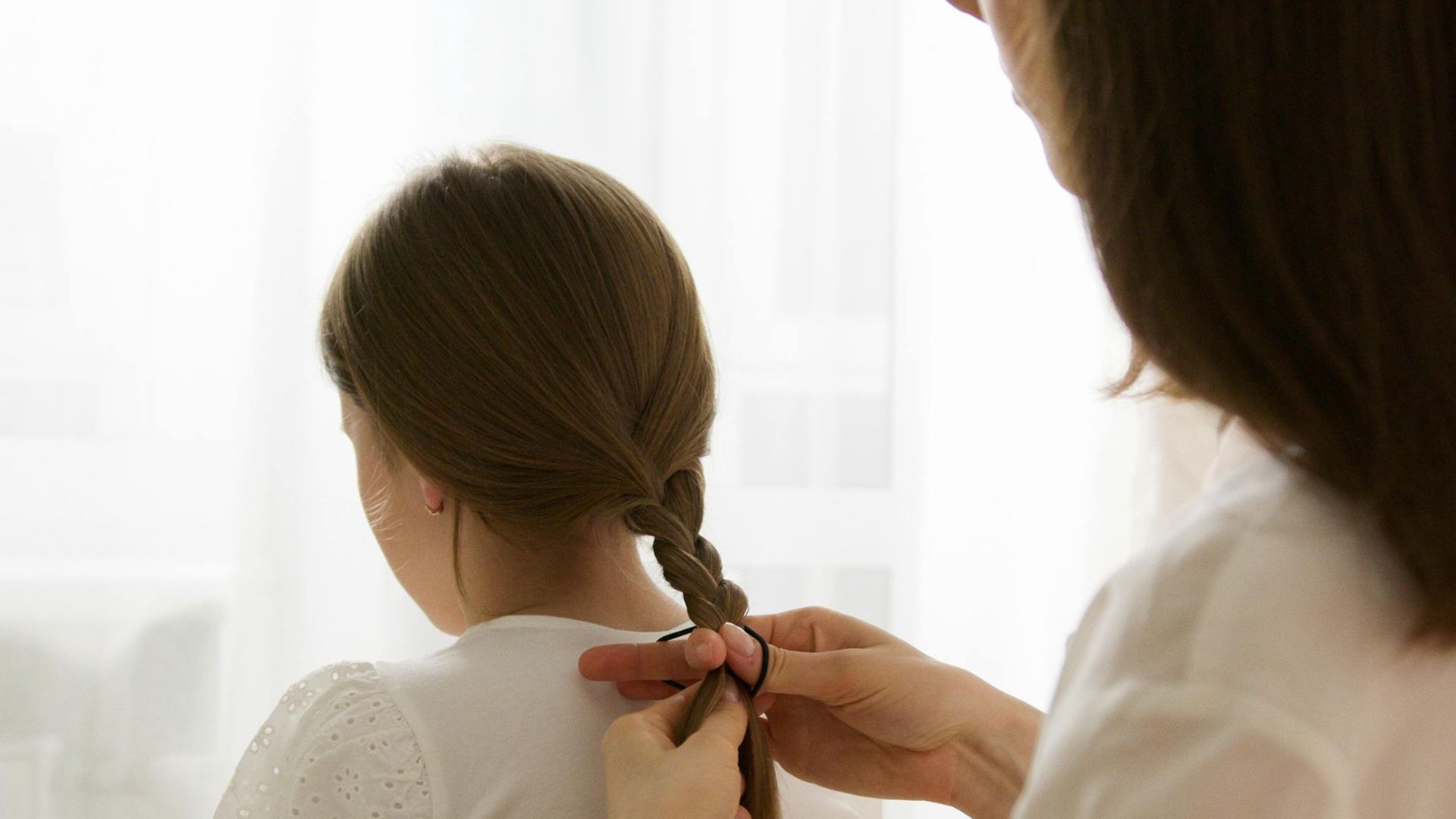
Confidence often allows kids to look beyond themselves. Your child can recognize how others feel and respond with care. This suggests they’re not overly preoccupied with their own insecurities.

19. They Bounce Back After Disappointment
Disappointment is part of life, but your child doesn’t stay stuck in it. They may feel upset, but they can move forward and try again. This emotional recovery shows strong inner stability.
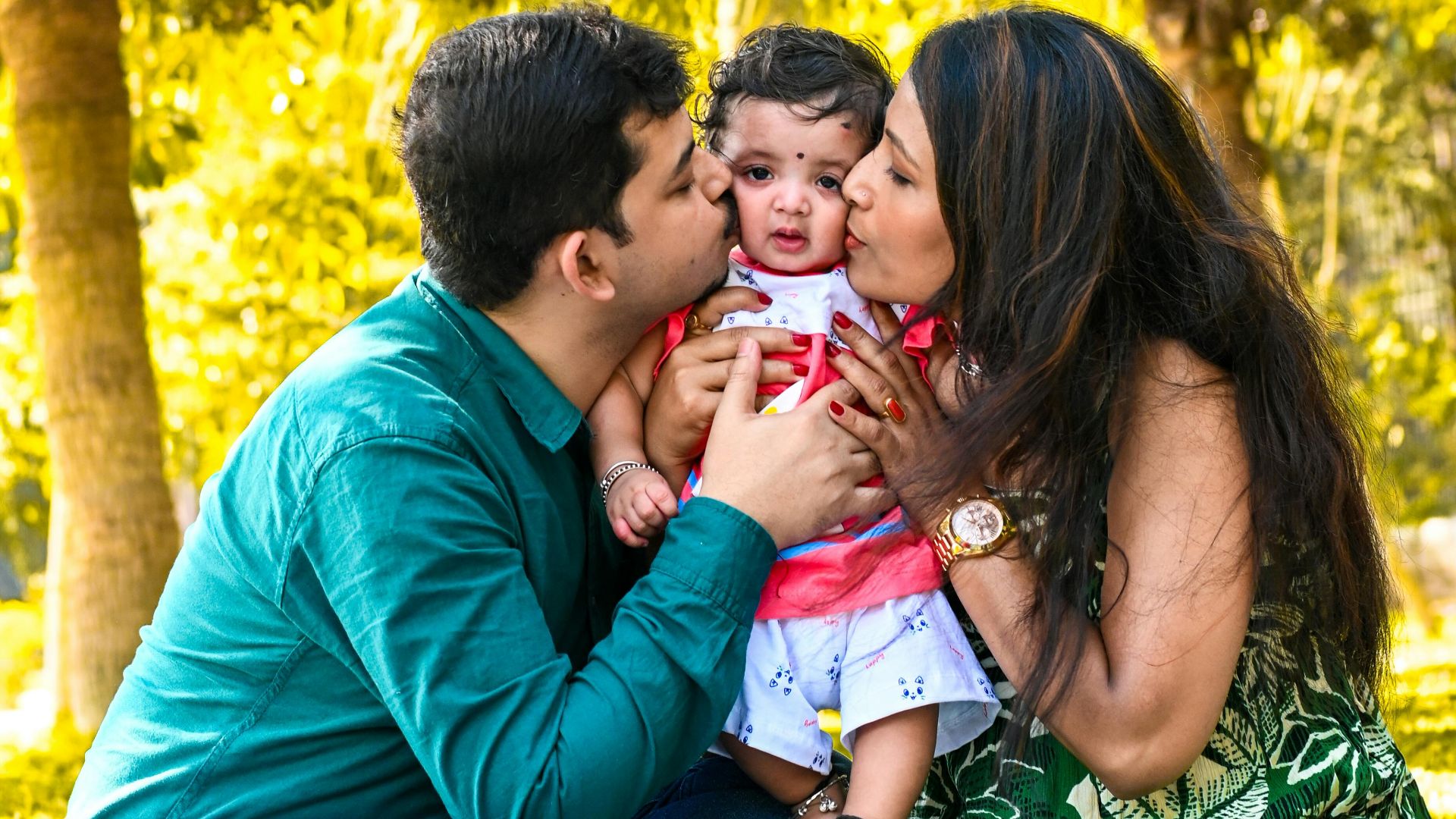
20. They Feel Safe Being Themselves Around You
Perhaps the most telling sign is that your child doesn’t feel the need to pretend. They can be honest, relaxed, and authentic in your presence.