Raising Kindness That Lasts
Kindness isn’t something that just appears overnight. It’s shaped through everyday moments, habits, and examples. When kids consistently show empathy, respect, and awareness of others, it’s often a reflection of the environment they’re growing up in. These 20 signs can give you a clearer sense that you’re helping nurture genuinely kind-hearted individuals.
1. They Show Empathy for Others
Kids who notice when someone is upset and respond with care are developing strong emotional awareness. They might offer comfort, ask questions, or simply sit with someone who’s struggling. This shows they’re learning to recognize feelings beyond their own. Empathy is one of the clearest indicators of kindness. It also helps them build deeper, more meaningful connections with others over time.
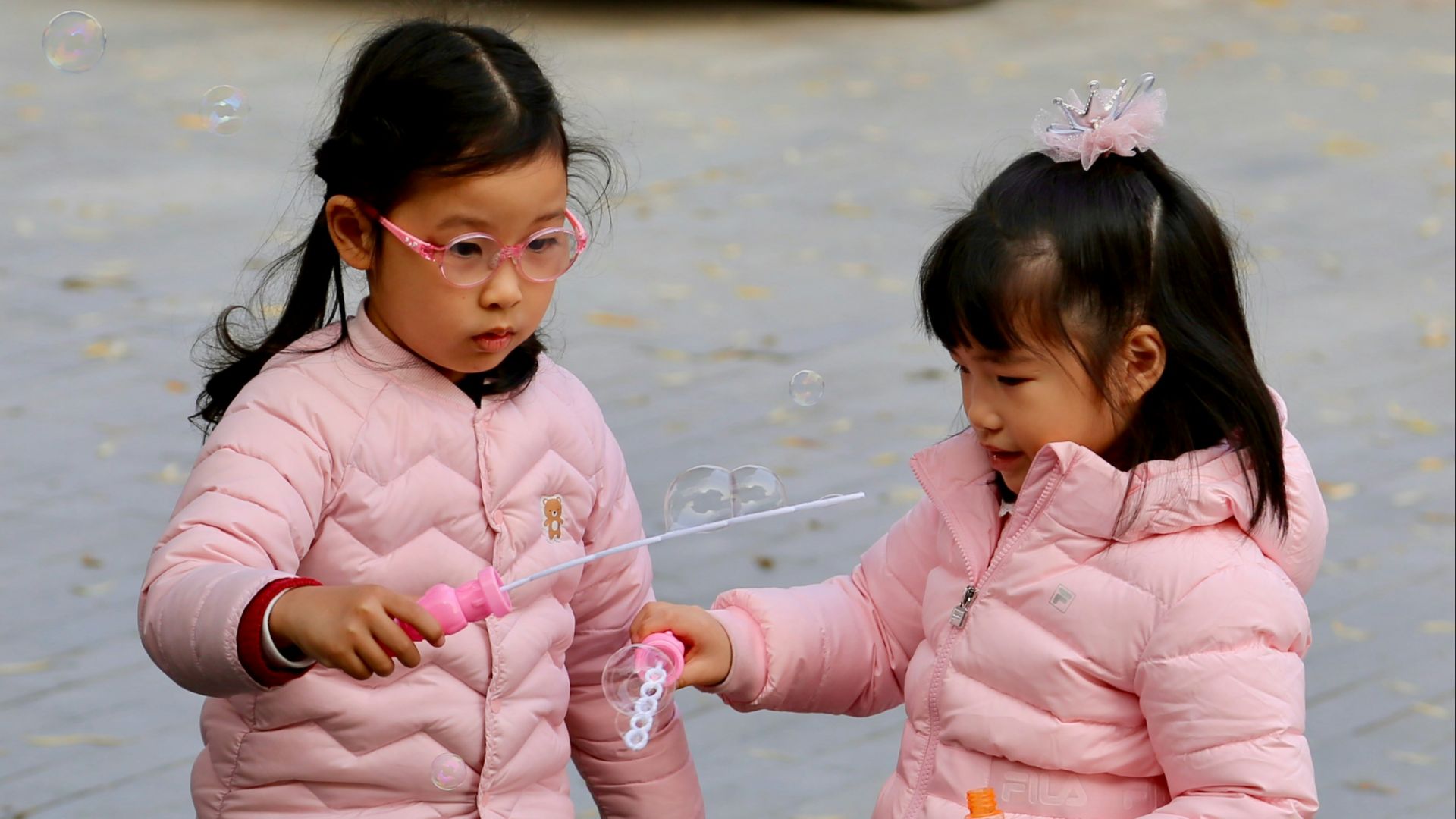
2. They Share Without Being Forced
When children willingly share toys or snacks, it reflects an understanding of fairness. They’re not just following rules, they’re choosing to include others. This behavior often develops when sharing is modeled at home. It’s a small action that signals a bigger mindset. Over time, this habit can strengthen their ability to cooperate in group settings.
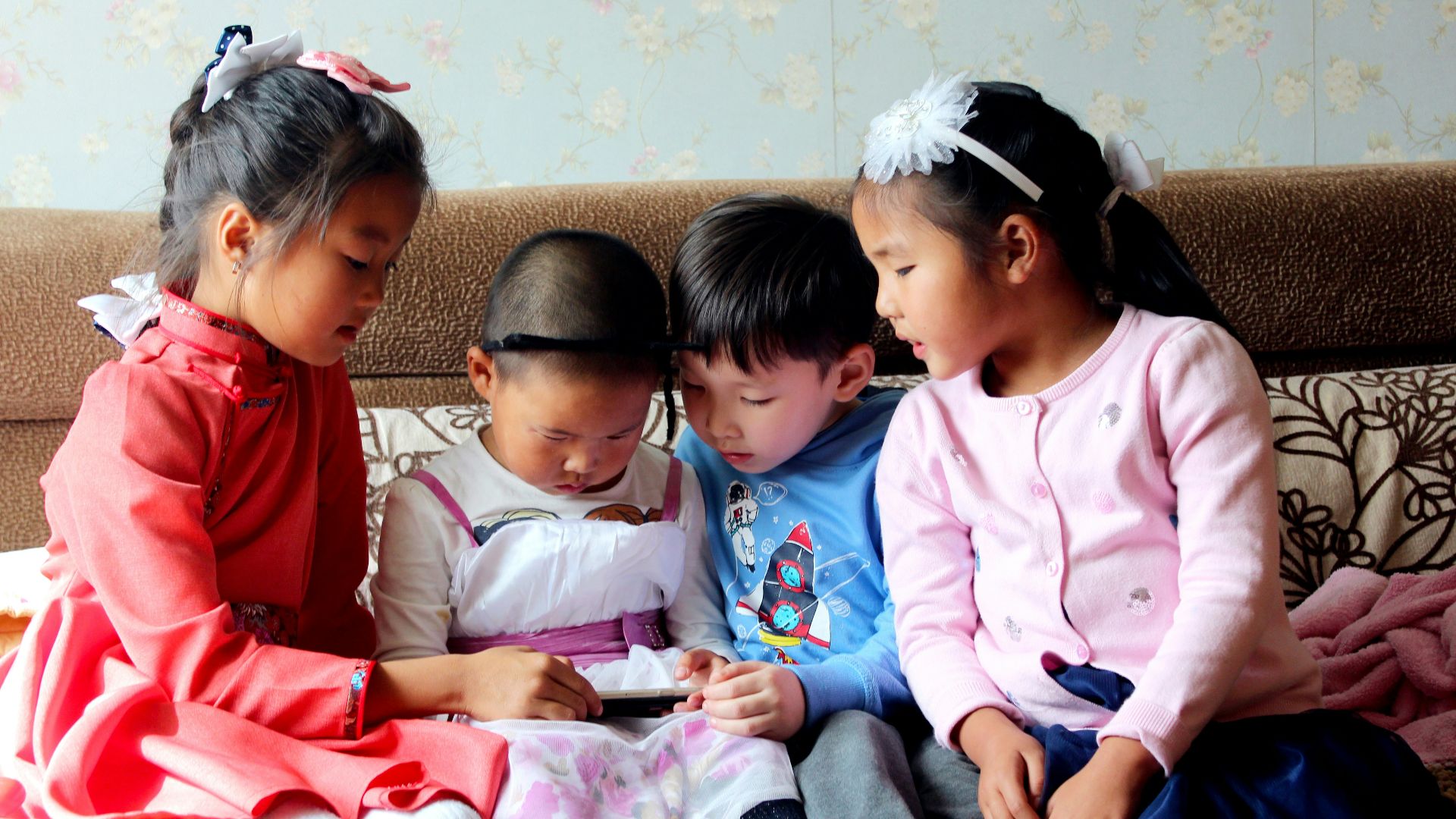
3. They Apologize Sincerely
A genuine apology shows that a child understands the impact of their actions. They’re able to take responsibility rather than deflecting blame. This kind of awareness doesn’t happen automatically, it’s learned over time. Sincerity matters more than perfection in these moments. It also shows they’re developing emotional accountability.
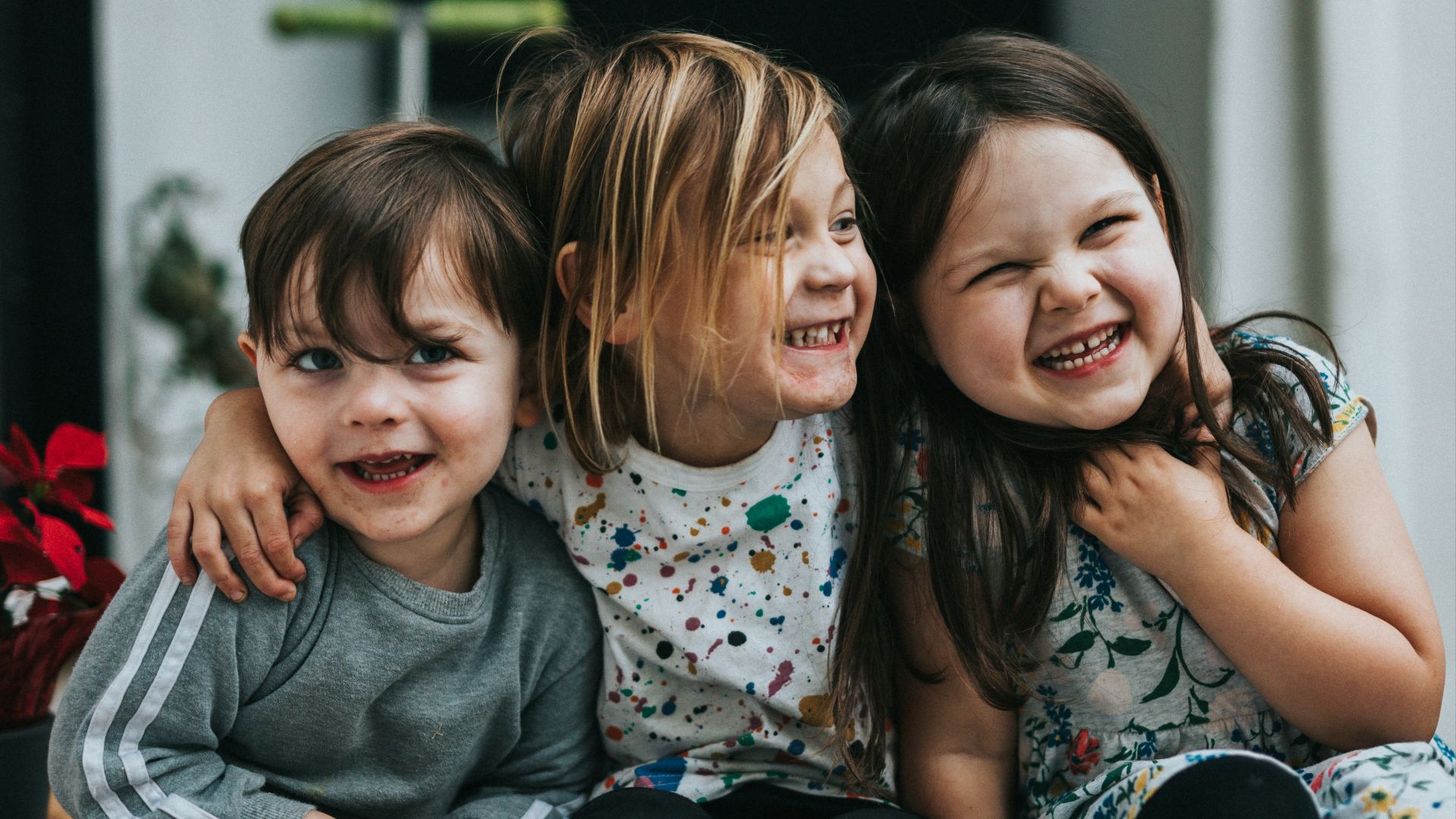
4. They Include Others
Kind-hearted kids often make an effort to include those who might be left out. Whether it’s inviting someone to play or making space in a group, they’re thinking beyond themselves. This shows both confidence and compassion. Inclusion is a powerful form of everyday kindness. It helps create a more welcoming environment for everyone involved.
5. They Help Without Being Asked
When a child steps in to help with chores or assist someone, it reflects initiative. They’re not just responding to instructions, they’re recognizing a need. This habit often grows in environments where helping is encouraged and appreciated. It’s a strong sign of developing responsibility, and also shows they’re becoming more aware of how their actions support others.
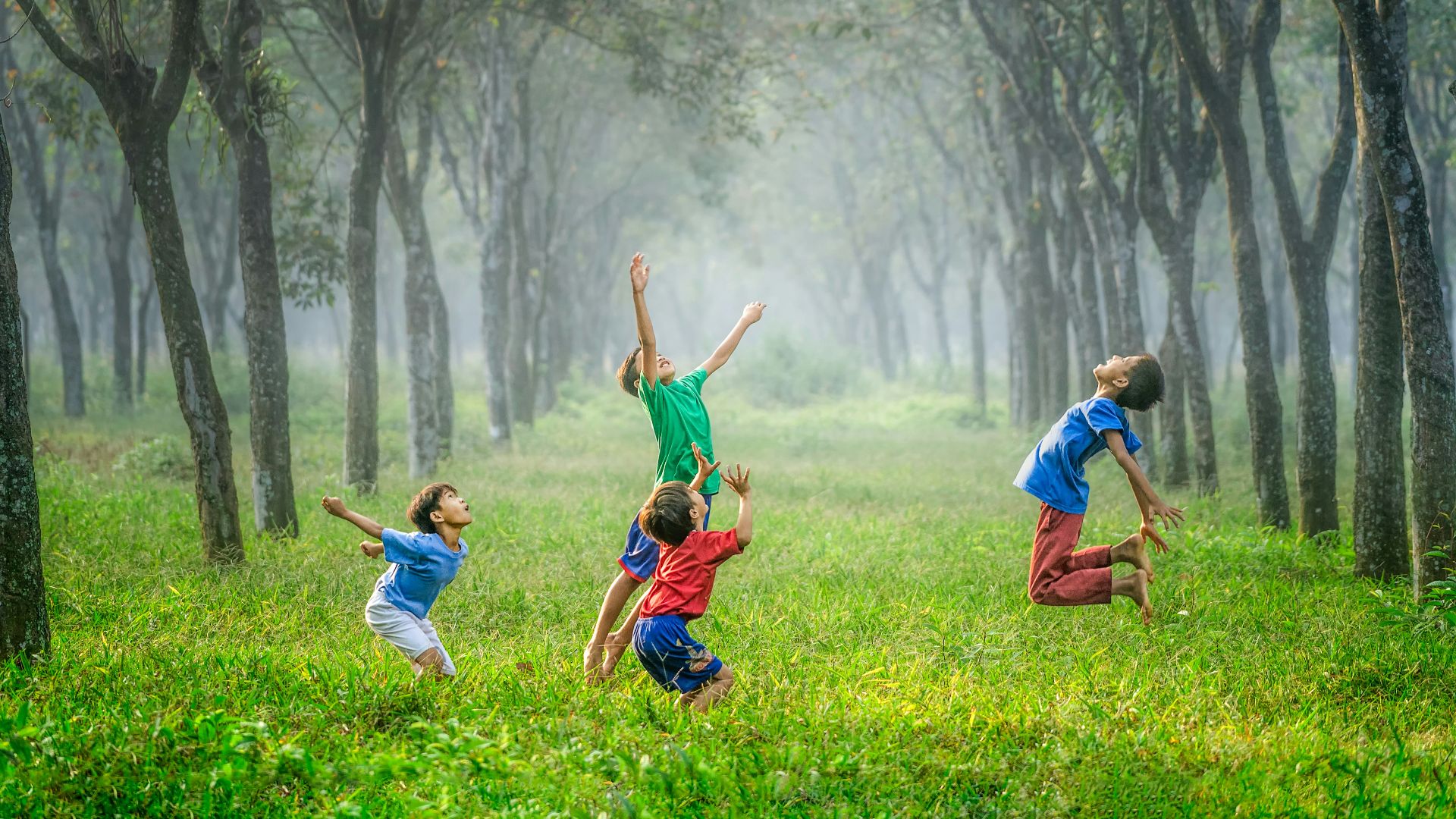
6. They Speak Respectfully
Respectful communication shows awareness of how words affect others. Kind kids tend to use polite language and a considerate tone. They’re less likely to interrupt or dismiss others. This behavior builds stronger relationships over time and also encourages positive interactions in different social settings.
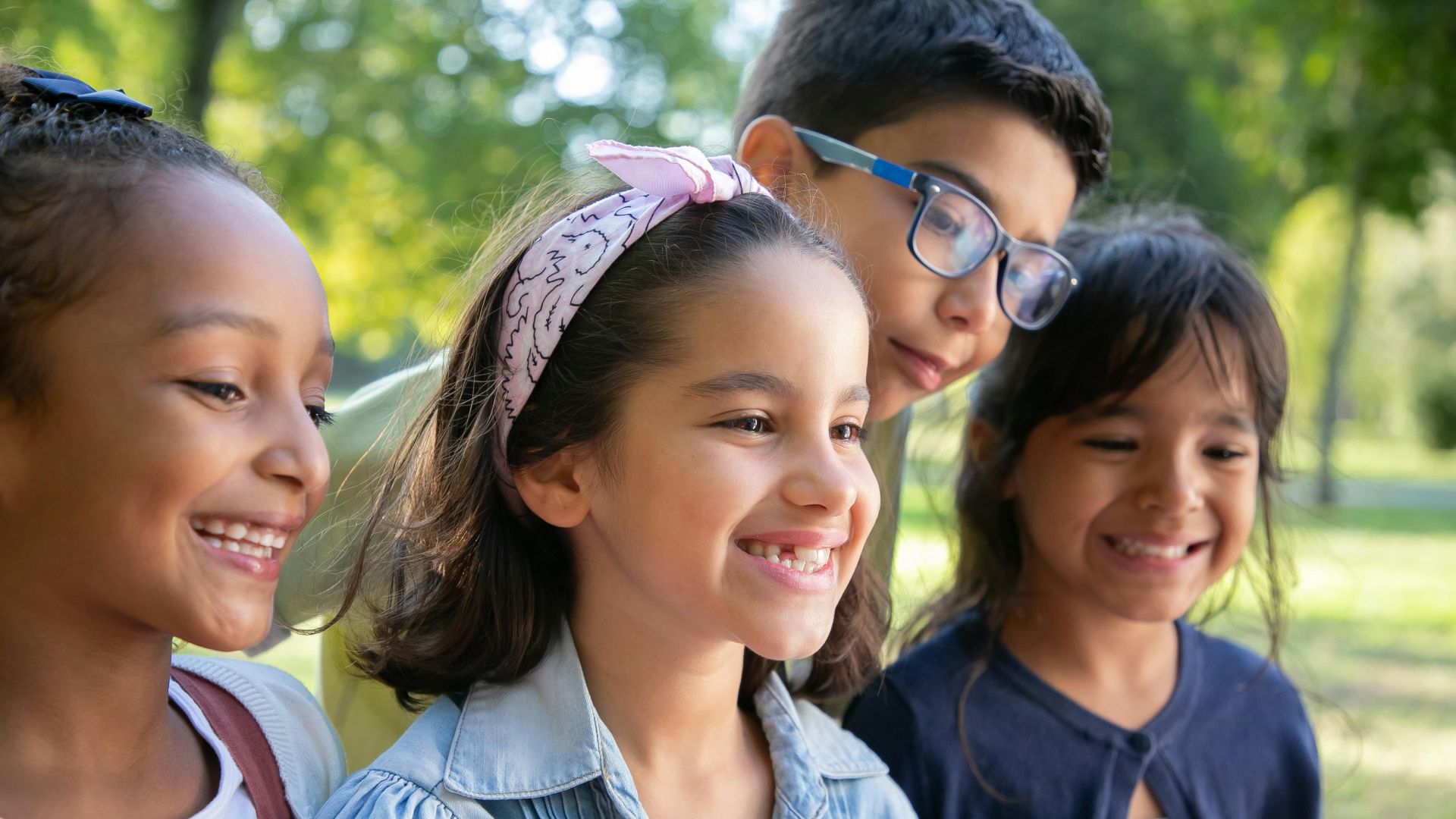
7. They Stand Up for Others
Defending someone who’s being treated unfairly takes courage. It shows that a child values kindness even when it’s not the easiest choice. This kind of behavior often reflects strong moral development. It’s an important sign of both empathy and confidence, and can also inspire others to act more thoughtfully.
8. They Express Gratitude
Saying thank you and showing appreciation demonstrates awareness of others’ efforts. Kind-hearted kids recognize when someone has helped or supported them. Gratitude reinforces positive connections. It also encourages a more thoughtful outlook. This habit can contribute to stronger and more respectful relationships.
9. They Care for Animals
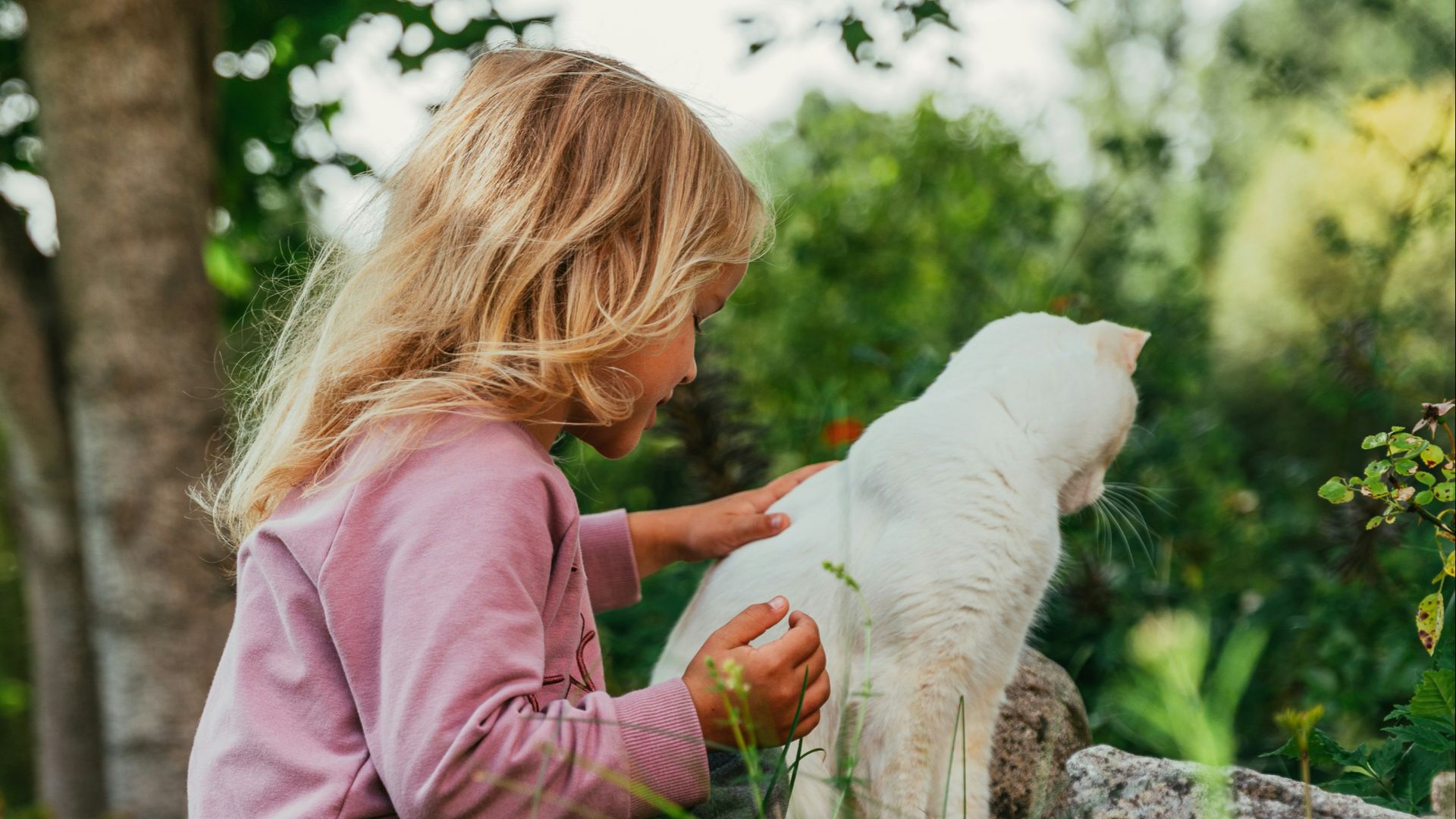
Gentle and attentive behavior toward animals reflects empathy and responsibility. Kids who treat animals with care are learning to respect living things. This often translates into how they treat people as well. It’s a meaningful sign of compassion, and also helps reinforce patience and gentle behavior.
10. They Listen to Others
Active listening shows respect and interest in what others have to say. Kind kids don’t just wait for their turn to speak, they pay attention. This helps them build stronger social connections and also shows emotional maturity.
11. They Show Patience
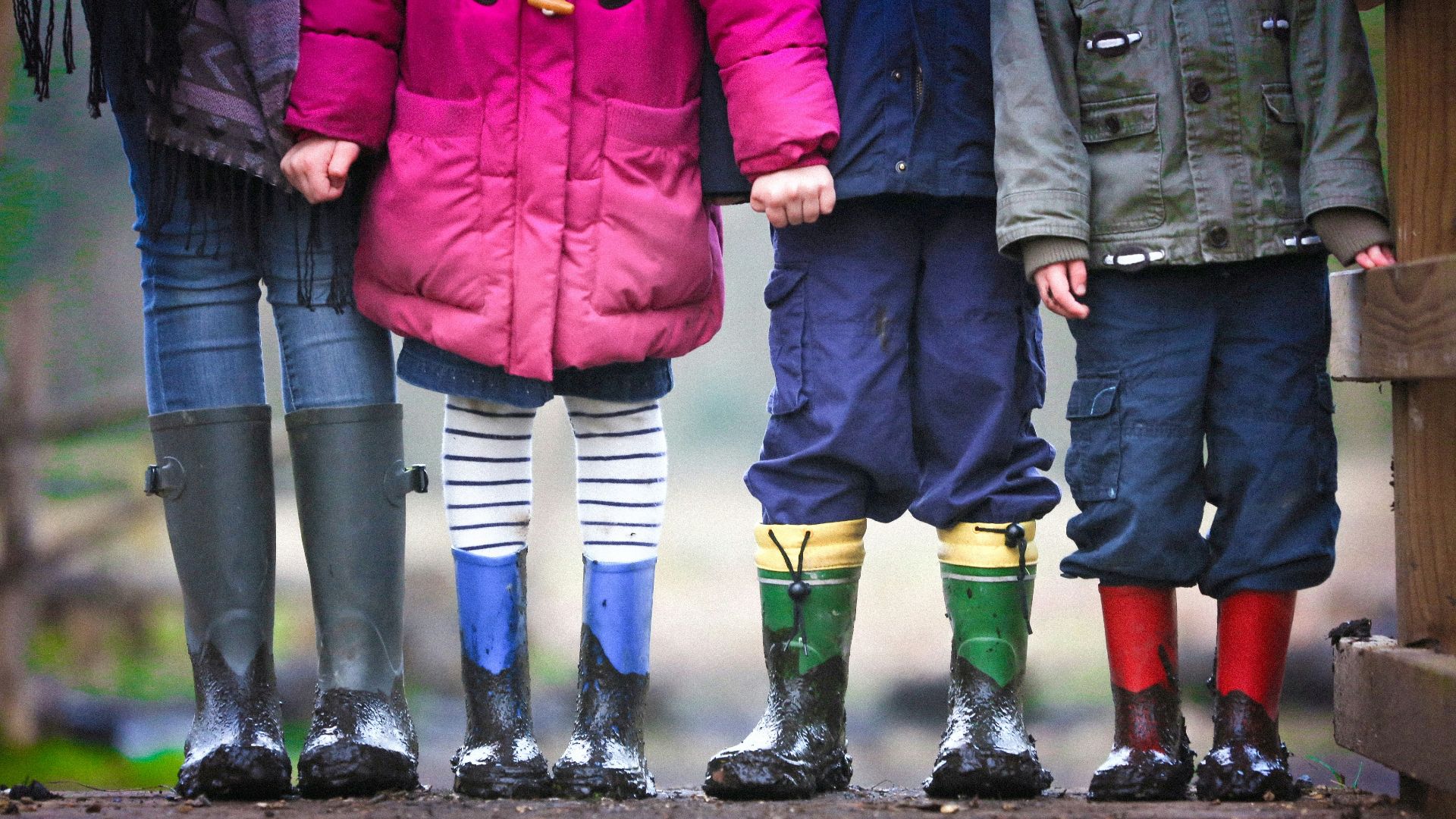
Patience isn’t always easy, especially for children. When they’re willing to wait their turn or handle delays calmly, it reflects self-control. This helps them interact more positively with others. It’s an important part of kind behavior.
12. They Accept Differences
Kind-hearted kids are open to people who are different from them. They don’t exclude others based on appearance, background, or ability. This openness often comes from exposure and guidance. It’s a strong foundation for inclusivity.
13. They Offer Encouragement
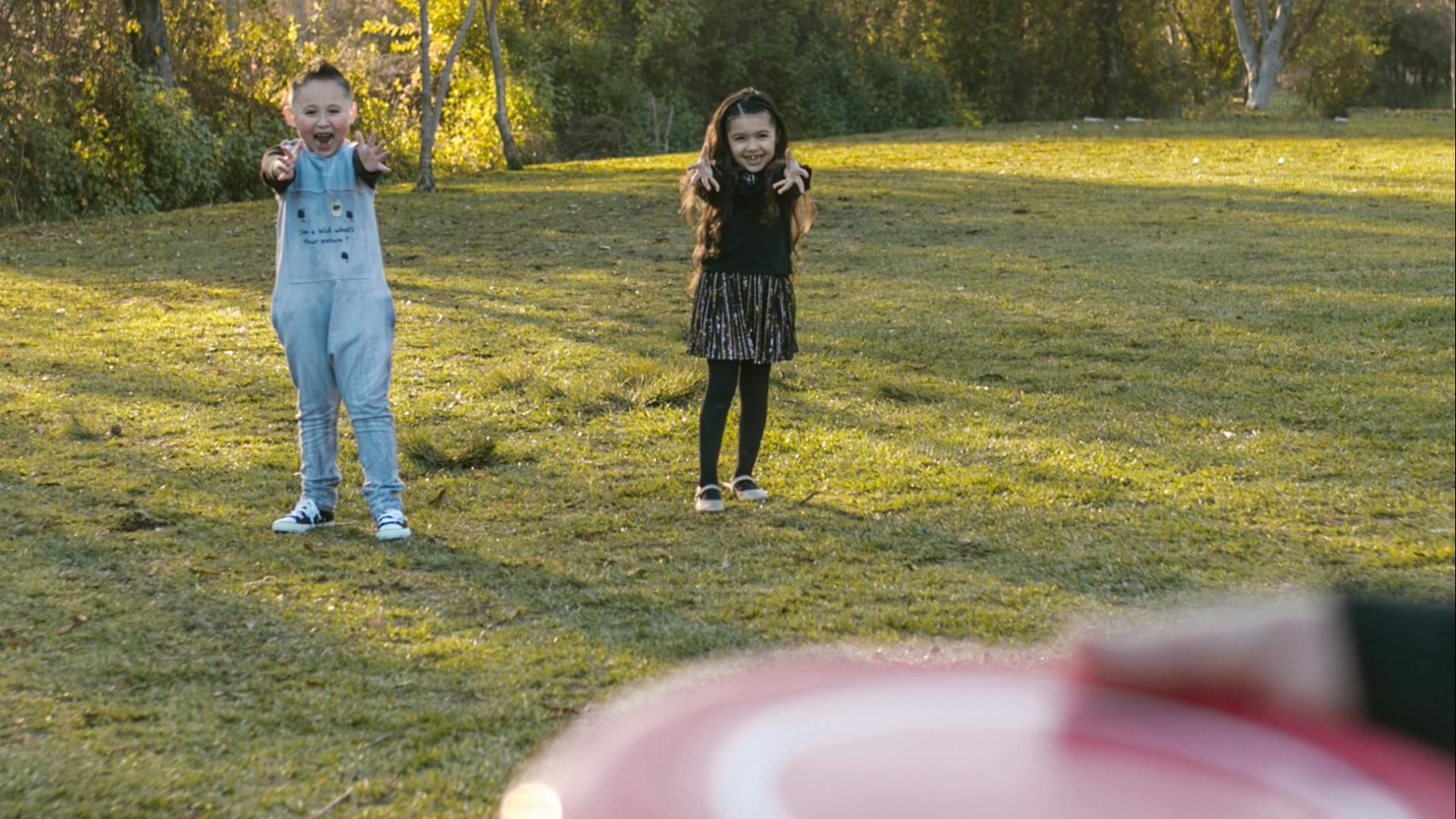
Encouraging others shows that a child values someone else’s effort or success. They might cheer on a friend or offer supportive words. This builds positive relationships and confidence, and reflects a generous mindset.
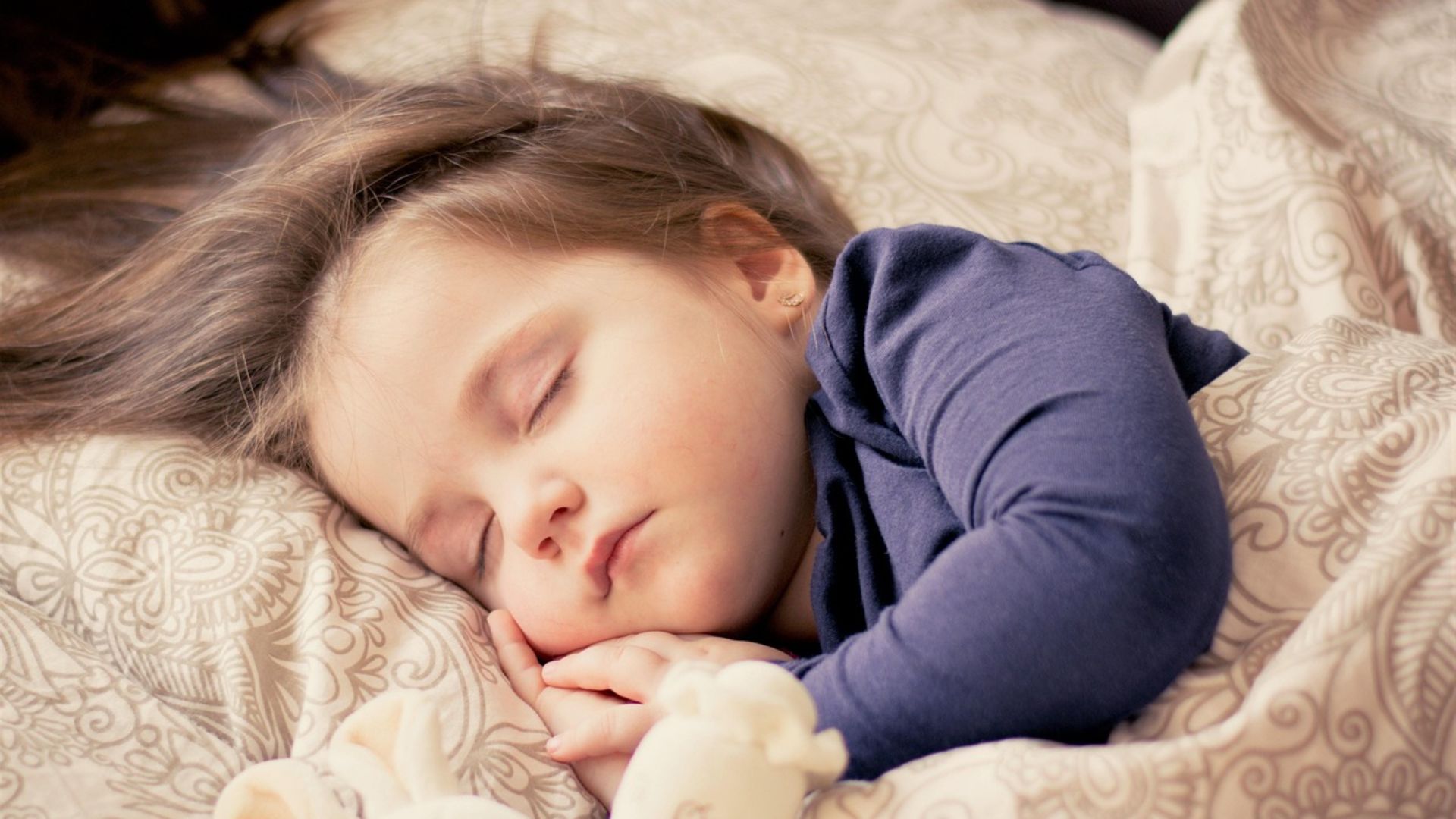
14. They Take Responsibility for Their Actions
Owning up to mistakes shows accountability. Kind kids understand that their actions affect others. They’re willing to correct behavior rather than avoid consequences. This helps build trust over time.
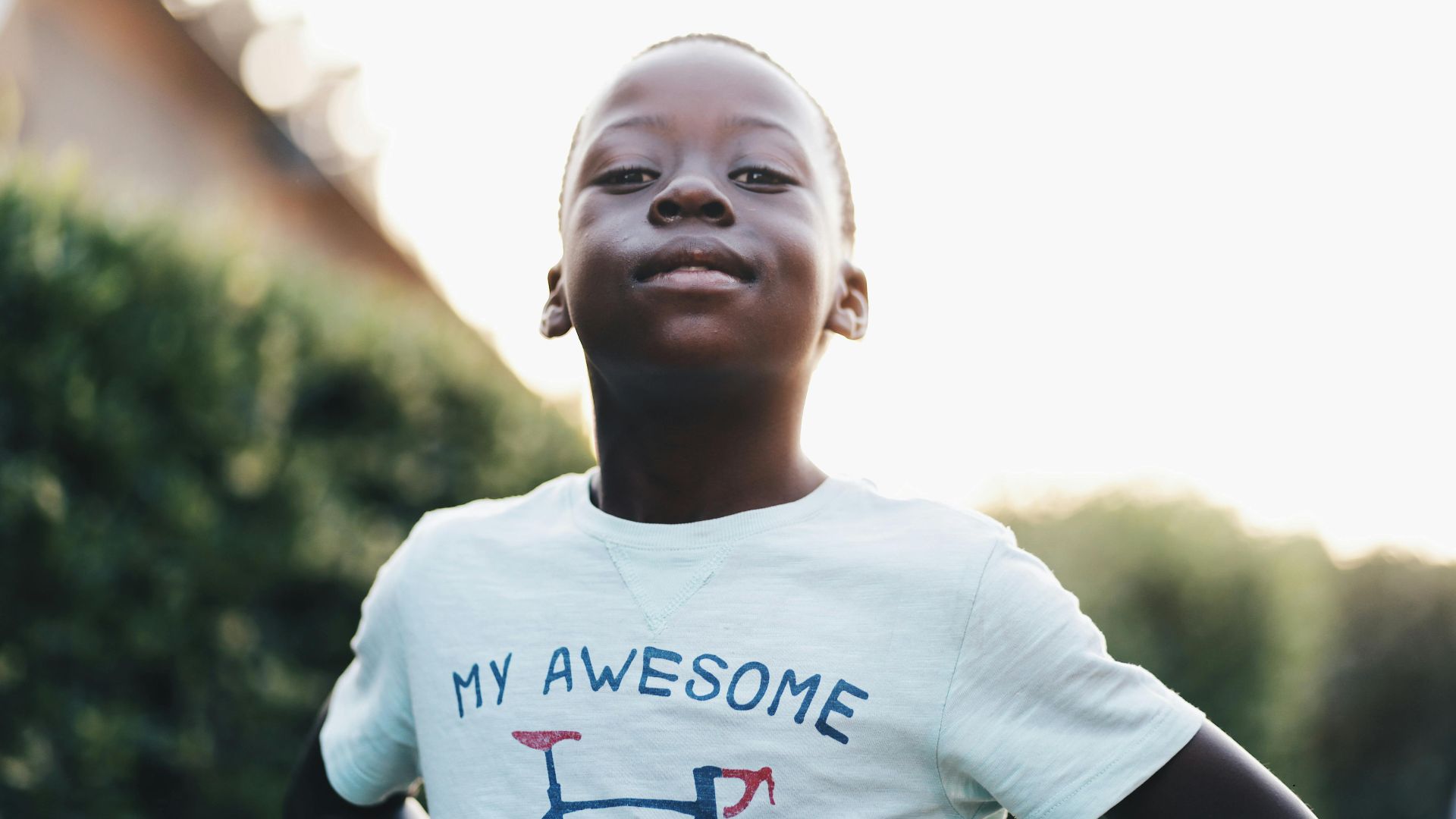
15. They Show Affection Appropriately
Expressions of affection, like hugs or kind words, reflect emotional connection. When done respectfully, it shows awareness of others’ comfort. This helps strengthen relationships. It’s a natural extension of empathy.
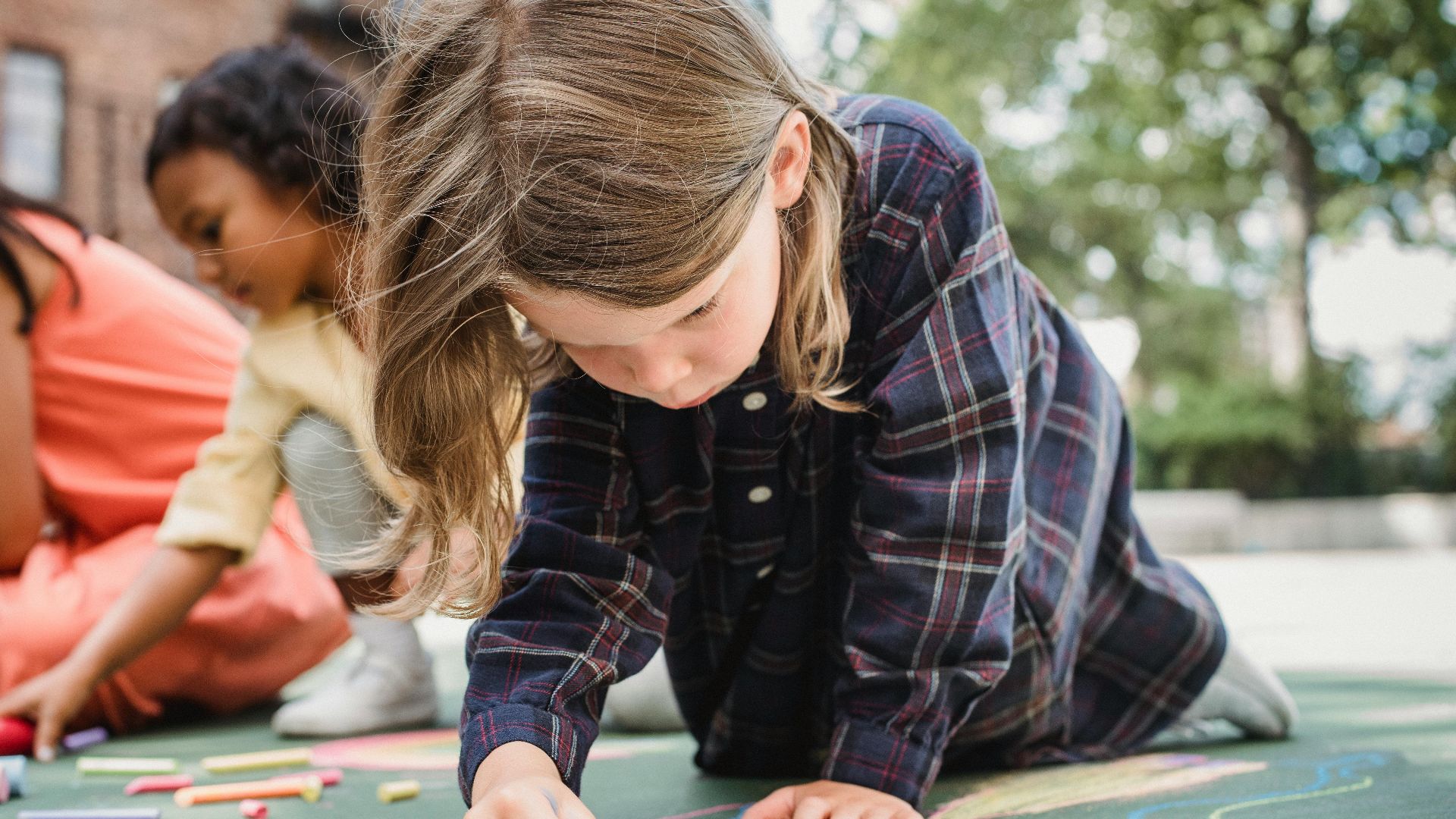
16. They Avoid Excluding Others
Choosing not to leave others out shows consideration. Kind kids are mindful of group dynamics and fairness. They try to make situations feel inclusive.
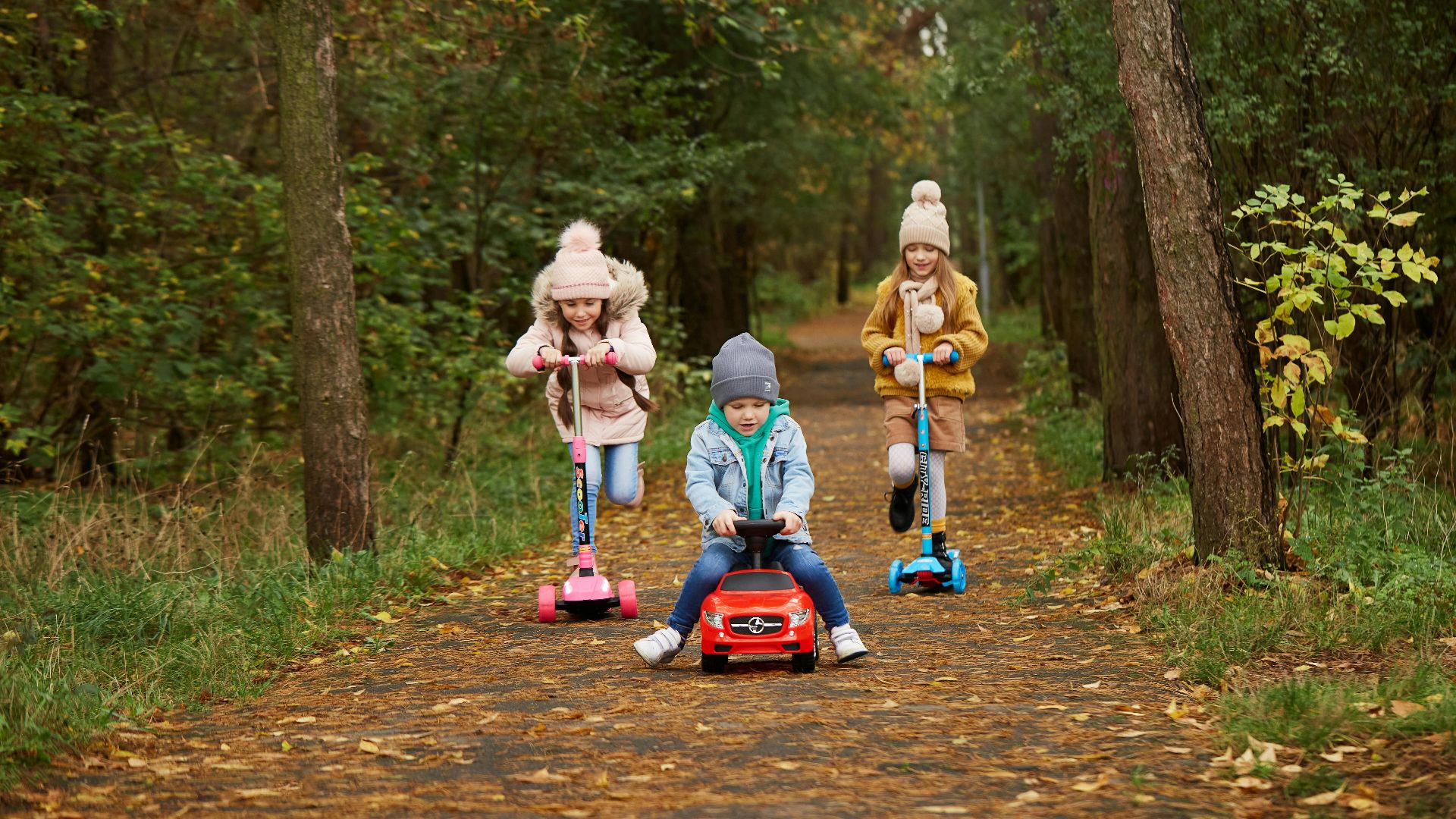
17. They Respond to Others’ Needs
Recognizing when someone needs help or support is a key part of kindness. Kids who notice these moments are developing awareness. They may offer assistance or simply check in.
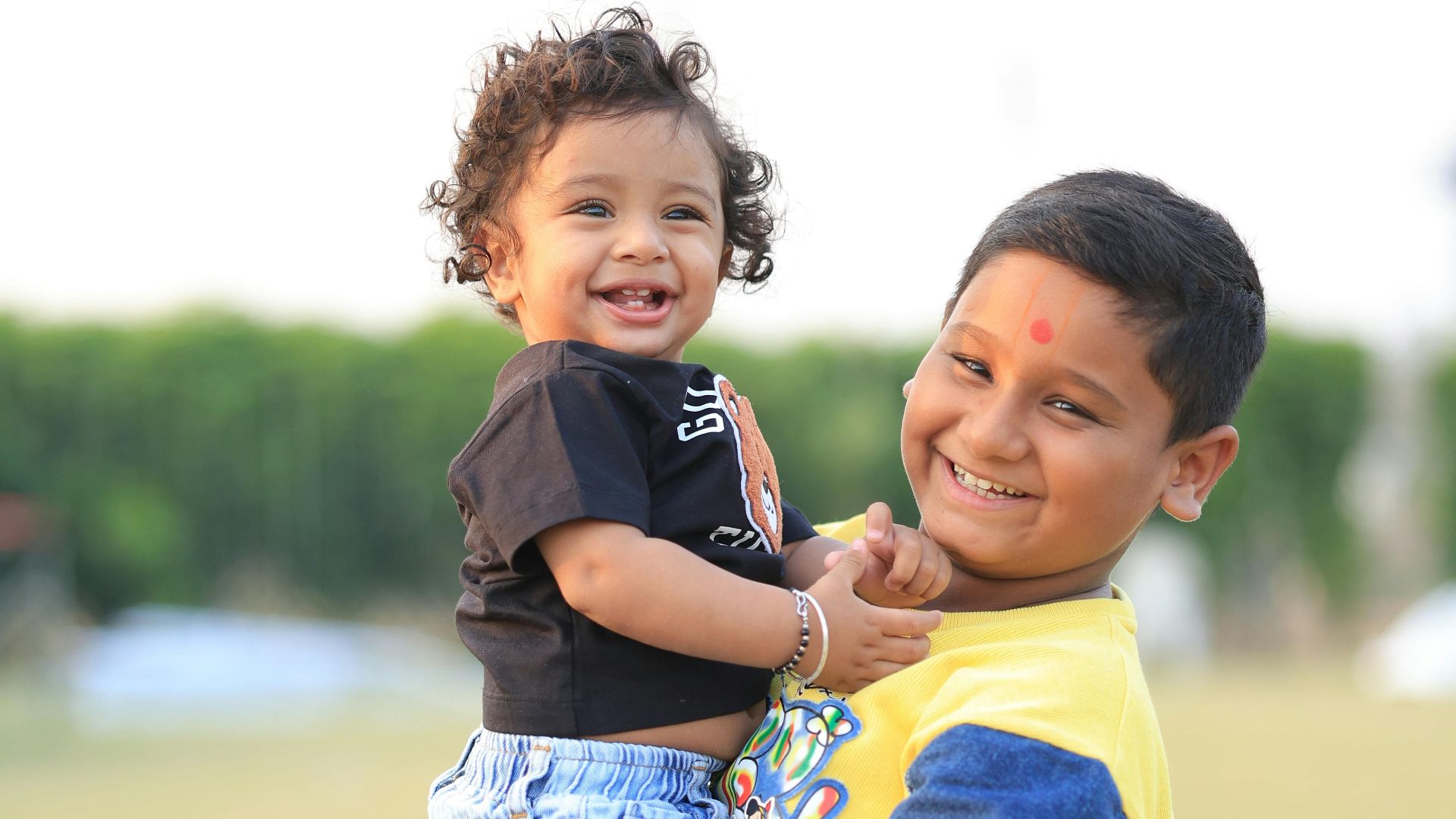
18. They Use Kind Language
The words children choose can reflect their mindset. Kind kids avoid hurtful language and try to speak positively. This doesn’t mean they’re always perfect, but they’re aware of the impact.
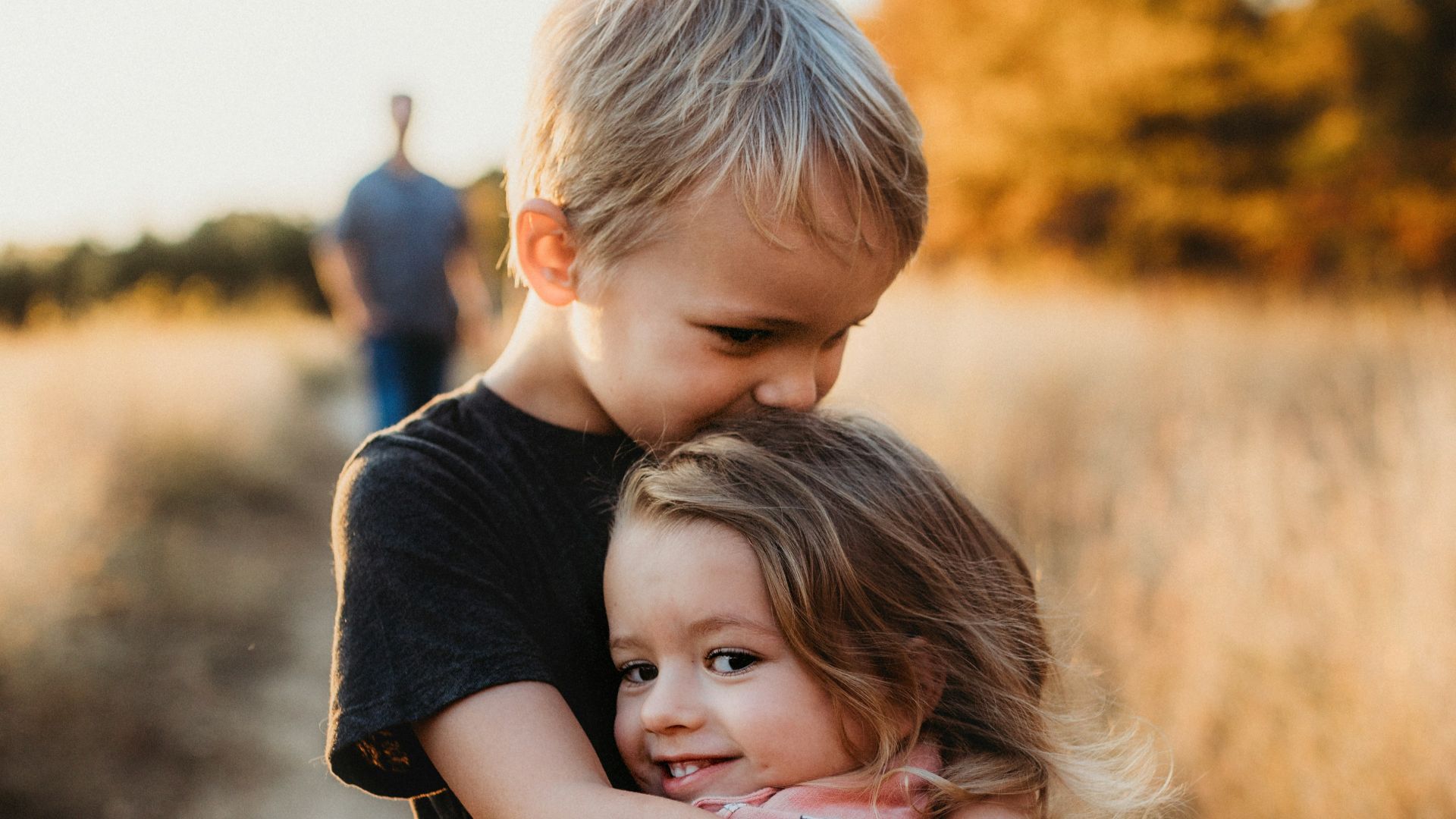
19. They Show Curiosity About Others
Asking questions and showing interest in others builds understanding. Kind-hearted kids want to learn about the people around them, and this curiosity helps form meaningful connections.
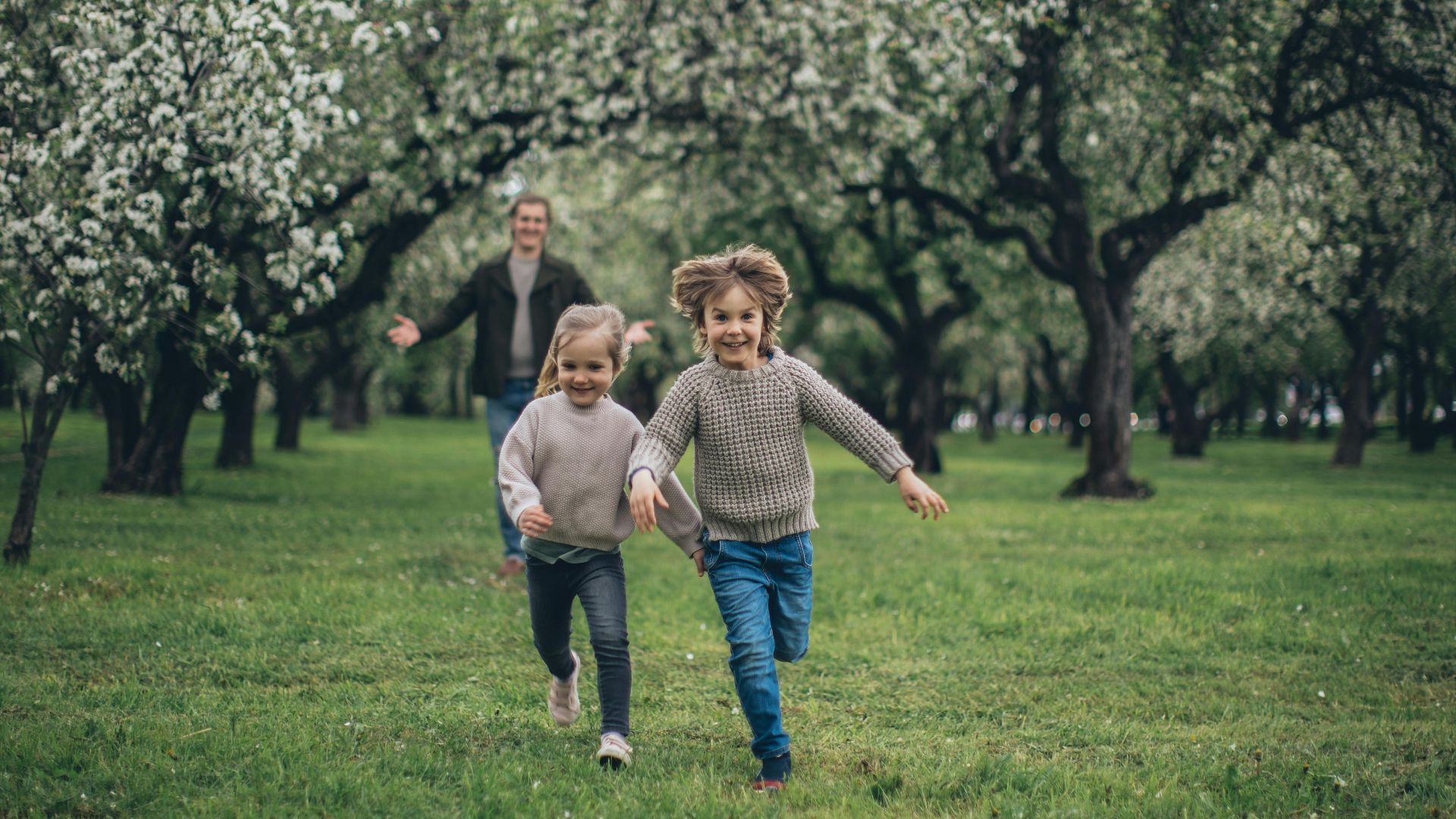
20. They Practice Kindness Consistently
Consistency is what truly defines kindness over time. It’s not about occasional good behavior, but regular, thoughtful actions. When kindness becomes a habit, it reflects strong values.