
Names With History, Poise, And A Little Backbone.
Some names carry a certain weight before a child has even learned to tie a shoe. Part of that comes from sound, though history does a lot of the work too. When a name has already moved through royal courts, old churches, university halls, and family trees that go back centuries, it tends to come with a little extra authority built in. If you like names that feel polished, capable, and well-rooted, these 20 have the kind of history that still makes them sound ready for a corner office one day.

1. James
James has been an authoritative name for a very long time. It comes from Hebrew by way of Latin, showing up in the New Testament, and picked up even more weight in Britain through a long line of Scottish kings. That's part of why it still sounds steady and familiar without ever seeming tired.
 Jennifer Kalenberg on Unsplash
2. Eleanor
The name Eleanor has some real historical heft, and you can feel it. Eleanor of Aquitaine, who was Queen of France and later Queen of England in the 12th century, gave the name a level of prestige that never quite wore off. Even now, it sounds bright, capable, and very sure of itself.

3. Alexander
Alexander arrives with its own reputation already attached. It comes from Greek roots meaning to 'defend men.' Once Alexander the Great carried it across the ancient world, the name was always going to sound a little bigger than average.

4. Grace
The name Grace is a simple one, though the history behind it gives it more substance than people sometimes assume. It grew out of the Latin gratia and became one of the virtuous names the Puritans embraced in the 1600s, which helps explain why it still feels clean, composed, and polished.

5. Benjamin
Benjamin has that dependable, long-standing feel because it's been around forever. The name comes from Hebrew and enters the Old Testament as the youngest son of Jacob. It continuously moved through Jewish, Christian, and English-speaking naming history, never slipping out of public life.

6. Charlotte
Charlotte sounds polished because it's been close to power for centuries. The French feminine form of Charles, the name reached Britain in the 17th century. It became especially visible through Queen Charlotte in the 1700s.

7. Harrison
Harrison began as an English surname meaning 'son of Harry,' which already gives it a tailored energy a lot of parents like. In the United States, it also carries presidential weight through William Henry Harrison and Benjamin Harrison.

8. Emerson
Emerson feels modern on the surface, though there's an older substance underneath it. It comes from an English surname meaning 'son of Emery,' and its strongest cultural association is still Ralph Waldo Emerson. The author gave the name a strong literary backbone that helps it feel thoughtful and established.

9. Atticus
Atticus has a very specific kind of appeal. The name goes back to the classical world, where it came from Attica, before picking up modern popularity through Harper Lee's Atticus Finch. Now it sounds educated, serious, and a little idealistic in a way people tend to remember.

10. Victoria
As you can probably guess, the name Victoria has a very long history. The name means 'victory' in Latin, though its real public rise came through Queen Victoria and the long 19th-century era that kept her name in front of the world for decades.
 Luis Becerra Fotógrafo on Pexels
11. William
William has never really left the room, and there's a reason for that. After William the Conqueror took England in 1066, the name stayed close to the crown through centuries of kings, princes, writers, and statesmen. It still sounds solid and broadly respected.

12. Katherine
Katherine has one of the deepest benches of major historical women. Used in England since the Middle Ages, the name also has a long list of famous bearers, including Catherine of Siena, Catherine de' Medici, and Catherine the Great. The name carries brains, rank, and history all at once.
13. Julian
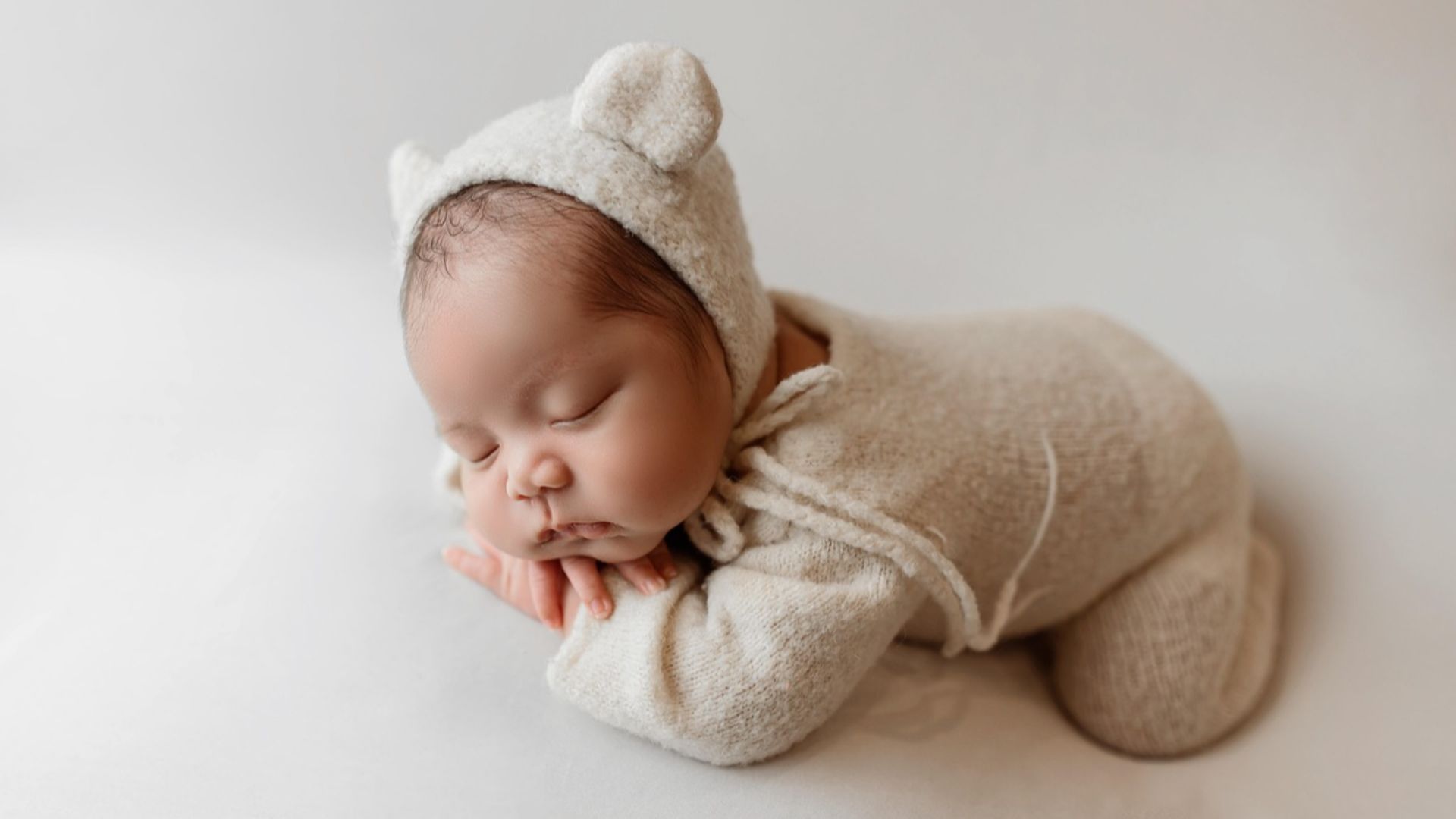
Julian sounds smooth and polished, though its roots are thoroughly old-school. It comes from the Roman name Iulianus, popularized by Emperor Julian in the 4th century. The name has stayed in use in England since medieval times, which gives it a well-established, cultured feel.

14. Margot
Margot feels stylish now, though it reaches back through French history into the larger Margaret family of names. It's the French short form of Marguerite, used by queens, saints, and noblewomen for centuries. That's probably why the name sounds so put-together.
 Antoni Shkraba Studio on Pexels
15. Everett
The name Everett comes from an English surname derived from Everard, which gives it older roots than its current popularity might suggest.

16. Theodore
Theodore has a serious historical range. Used during the classical Greek period, it spread widely through the Christian world thanks to saints and popes. Through the modern era, it kept turning up on public figures, including Theodore Roosevelt. It still sounds intelligent, established, and a little formal in a good way.

17. Beatrice
Beatrice carries literary history in a way that still feels alive. It comes from the Latin Beatrix, though for many people the real anchor is Dante's Beatrice in the Divine Comedy. Dante's inclusion of this name gives it a cultural depth that makes it sound thoughtful and unusually well-grounded.
18. Graham
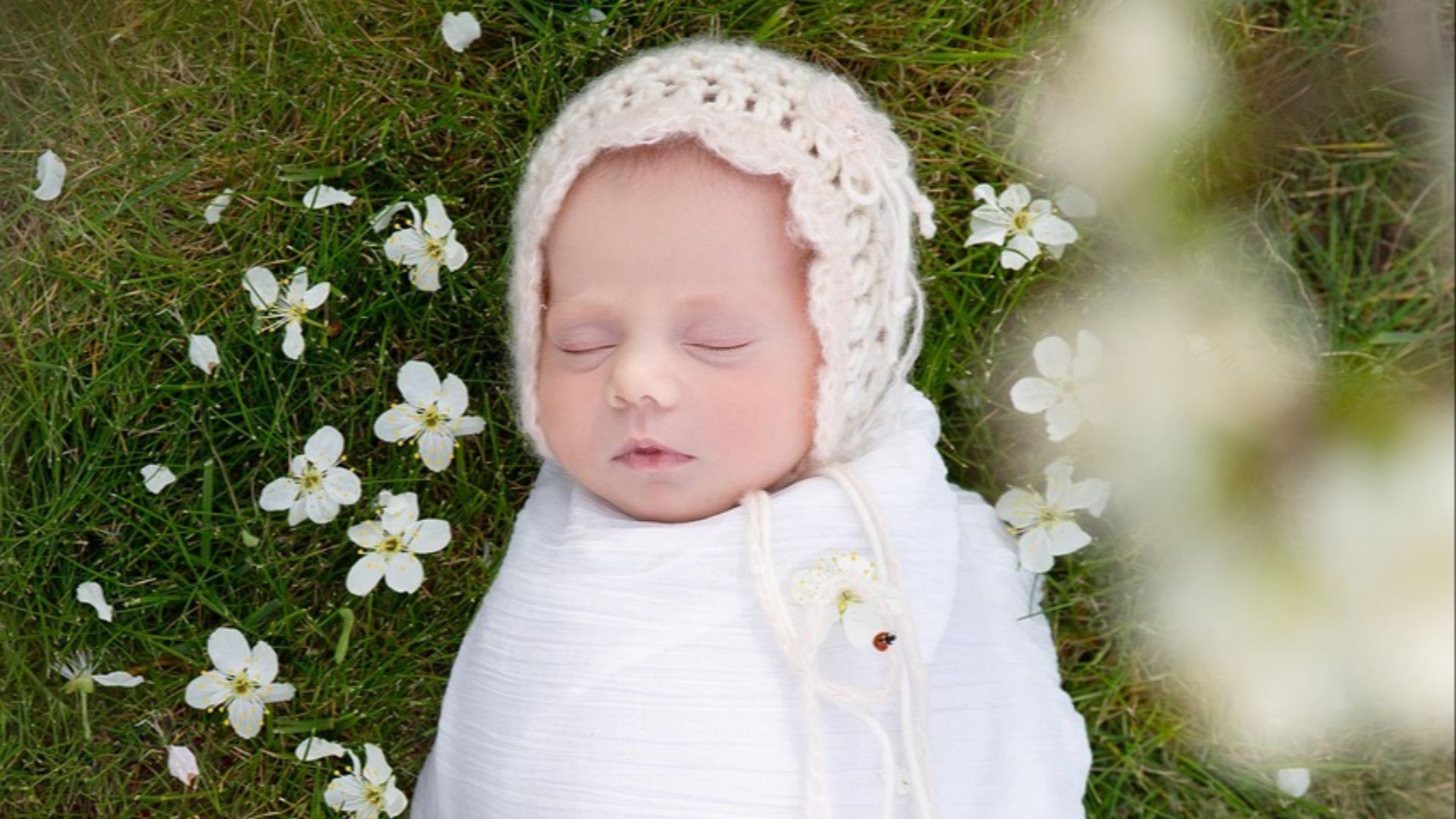
The name Graham sounds a little understated, and that's part of why it works so well. It comes from an English place name, moving into Scotland through William de Graham in the 12th century. That history gives it an old-family steadiness that people tend to trust.

19. Serena
Serena is a calm and beautiful name, with more history under it than the softness might suggest. It comes from a Late Latin name tied to serenity and clearness, and it was also borne by an early saint.

20. Quentin
Quentin has that tailored, slightly formal sound. It's the French form of the Roman Quintinus, who was born by a 3rd-century saint martyred in Gaul, and later entered England through Norman influence.